Phones
Xiaomi POCO M7
The POCO M7 pairs a 6.9-inch 144Hz display with a 7000 mAh battery, 33W charging and a Snapdragon 685 chip in a 214 g, 4G-only body.
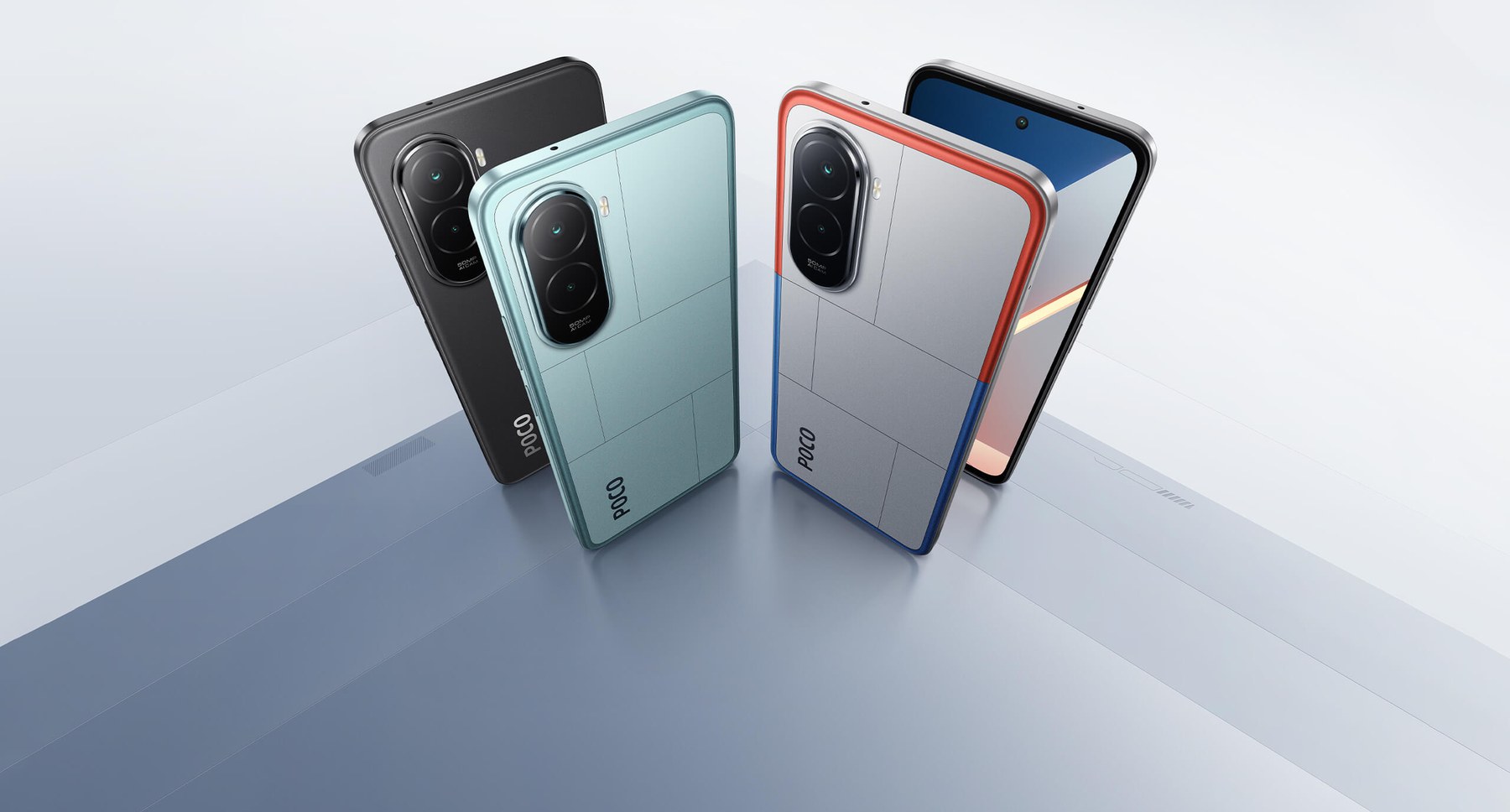
Key figures at a glance
Gallery
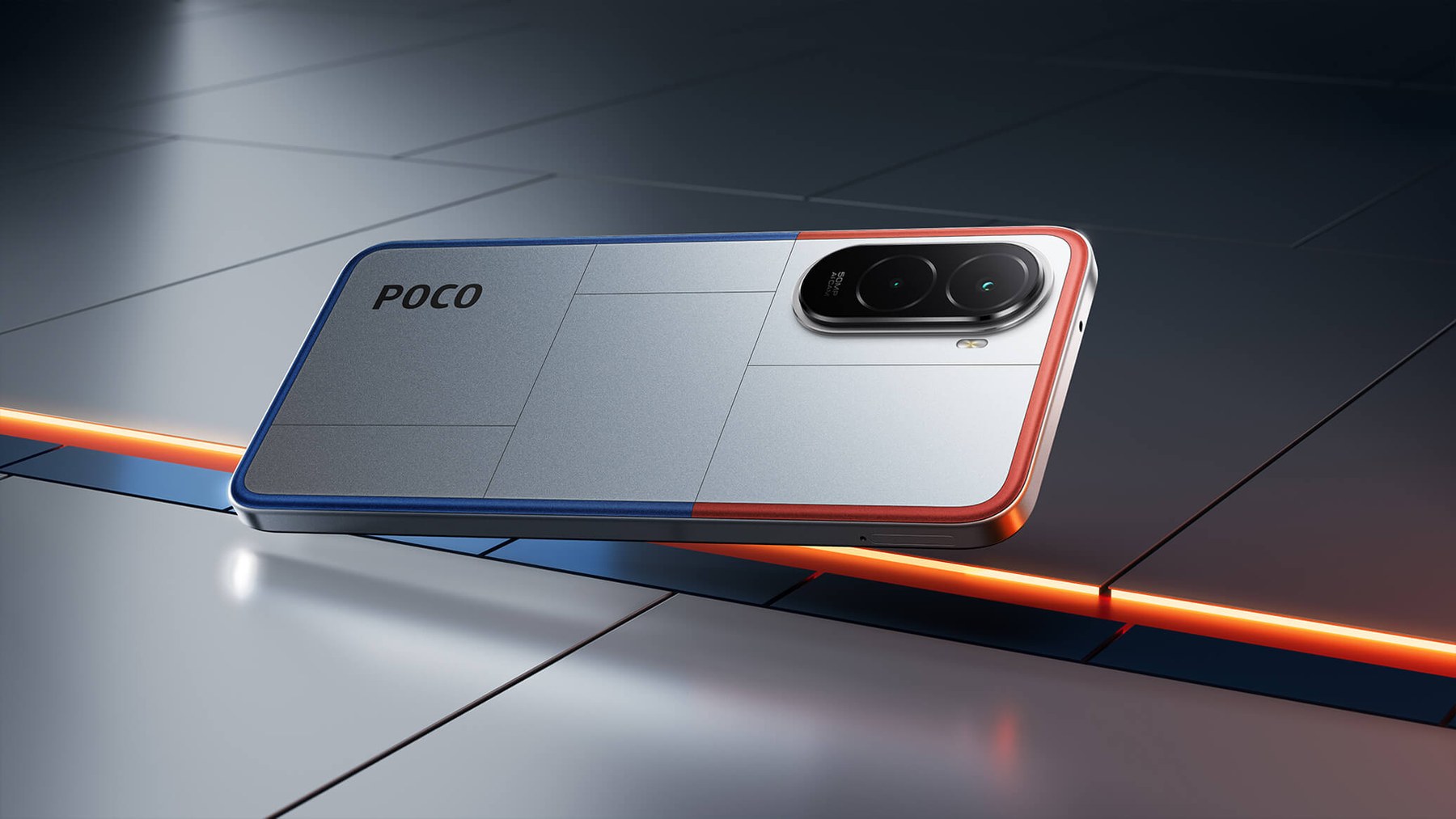
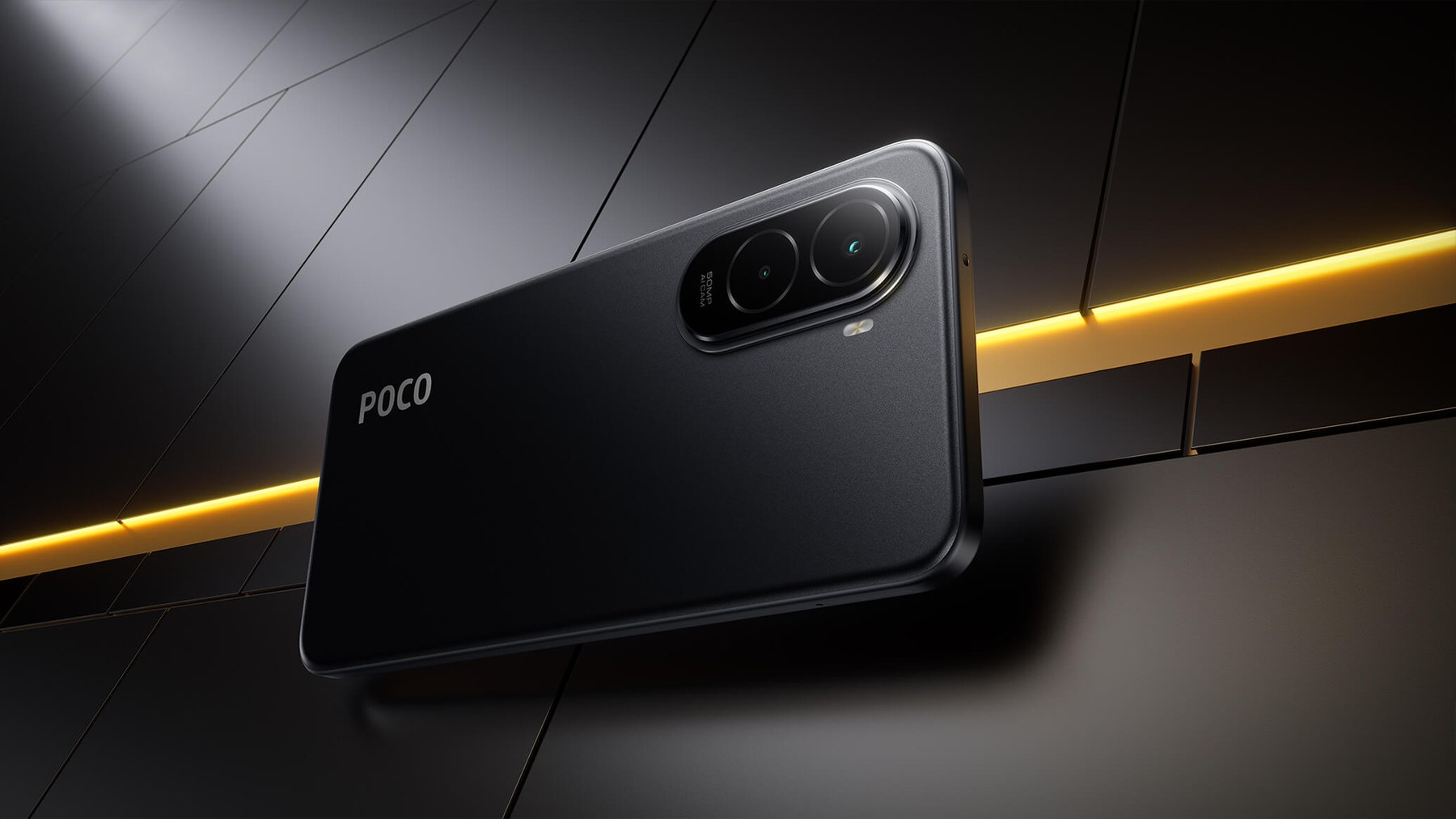
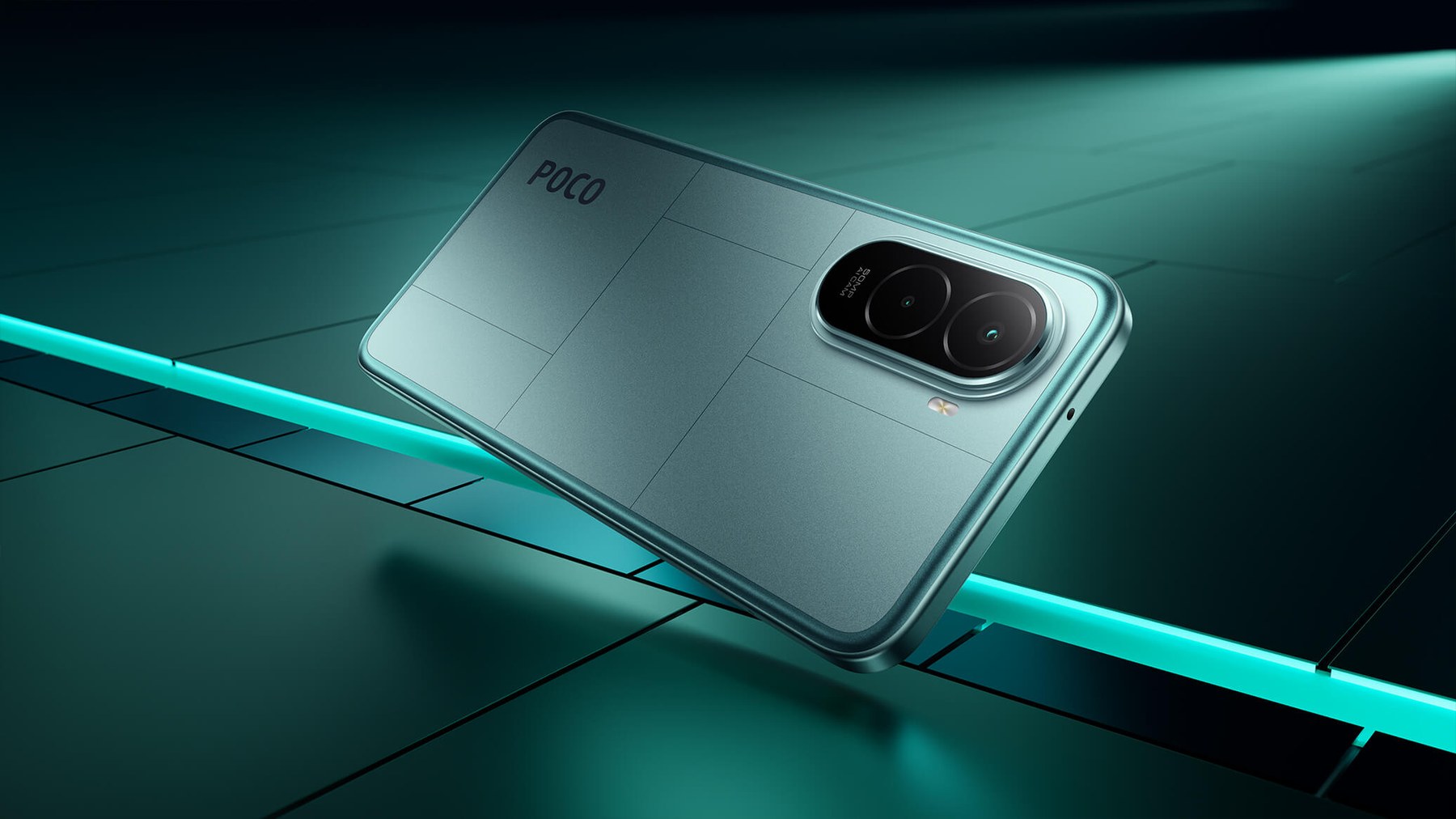
Specifications
- Display
- 6.9" FHD+ DotDisplay, 2340x1080, 374 ppi, up to 144Hz (9-level adaptive), 700 nits typical / 850 nits peak (HBM), TUV Rheinland low-blue-light and flicker-free certified
- Chipset
- Qualcomm Snapdragon 685 4G (6nm), octa-core Kryo up to 2.8GHz, Adreno GPU
- RAM
- 8GB
- Storage
- 128GB / 256GB (LPDDR4X RAM, UFS 2.2 storage), microSD up to 2TB via hybrid slot
- Rear Camera
- 50MP main (f/1.8, 5P lens), 1080p video at 30fps
- Front Camera
- 8MP (f/2), 1080p video at 30fps
- Battery
- 7000 mAh (typical), 33W wired charging (no charger in the box), up to 18W wired reverse charging
- OS
- Xiaomi HyperOS 2
- Body
- 169.48 x 80.45 x 8.40 mm, 214 g; IP64 splash and dust resistance; quad-curved back
- Connectivity
- 4G LTE, Wi-Fi 2.4GHz / 5GHz, Bluetooth 5.0, NFC, nano SIM plus hybrid slot (SIM or microSD), IR blaster
- Audio
- Dolby Atmos, Hi-Res Audio
- Security
- Side fingerprint sensor, AI face unlock
- Colors
- Black, Blue, Silver
The POCO M7 is the entry-level phone in Xiaomi's POCO M7 family, and it is built around three large numbers: a 6.9-inch screen that can refresh at up to 144Hz, a 7000 mAh battery and a body of 8.40 mm and 214 g. It uses the Snapdragon 685, a 4G-only chip, so it is a deliberately modest phone that spends its budget on screen size and endurance rather than raw speed. This page is based on the published specifications and manufacturer information. It covers where the phone sits in the range, the design and display, performance and software, the camera, battery and charging, who it suits and where it compromises.
Place in the lineup
POCO's own product page names the POCO M7 Pro and the POCO X7 as devices that can be charged from the M7's reverse charging, which tells you where the phone sits: below those two models. The newer POCO M8 moves to a Snapdragon 6 Gen 3 chip, a 120Hz AMOLED screen and 45W charging, while the performance-focused POCO F7 is a different class of phone altogether. The M7 is the one to look at when the priority is a large display and a battery that lasts for days.
The specification page lists two memory configurations: 6GB of RAM with 128GB of storage, and 8GB with 256GB. It notes that available configurations differ between regions. Xiaomi's global page states no US price, so none is shown here, and the page does not give a launch date either. The release date recorded for this entry is the most recent date printed on the official page, a footnote dated 14 August 2025, and it should be read as approximate.
Design and display
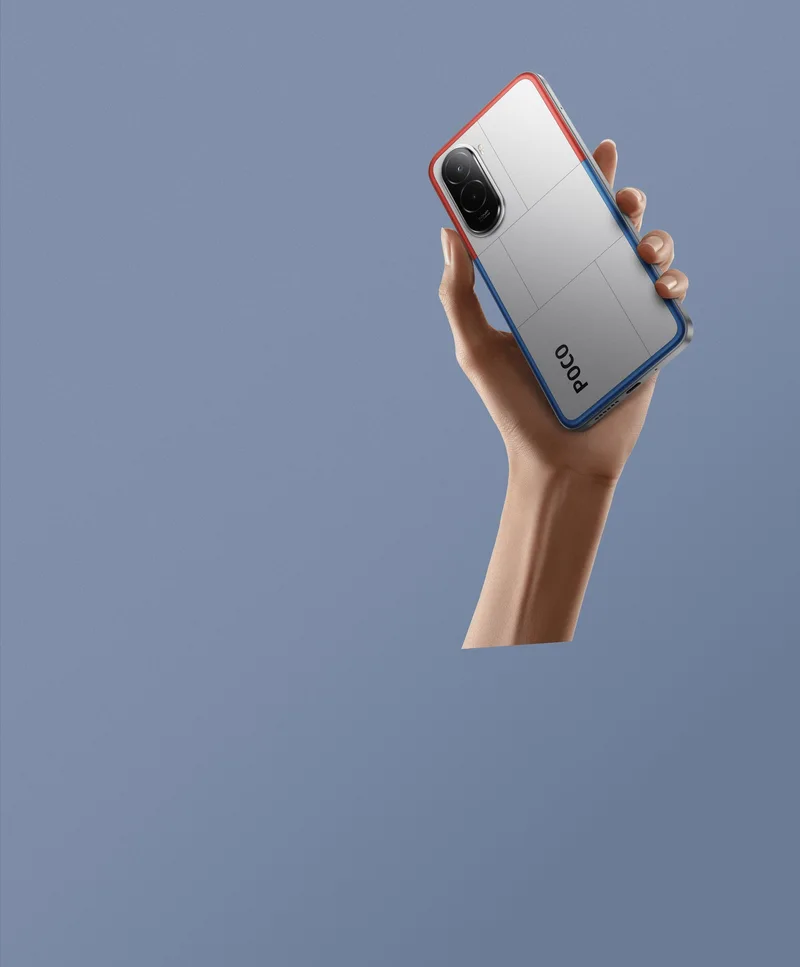
The body measures 169.48 x 80.45 x 8.40 mm and weighs 214 g, figures POCO attributes to its internal labs. That is large and fairly heavy by current standards, which follows directly from the 6.9-inch panel and the big cell. The back is described as a quad-curved design, with all four edges rounded so the phone sits more comfortably in the palm, and it is offered in black, blue and silver. The company rates the phone IP64, which covers splashes and light dust but not immersion, and it lists an extensive set of durability tests, including 500,000 power-button presses, 28,000 micro-drops and 3,000 compression cycles. As always, these are manufacturer lab figures.
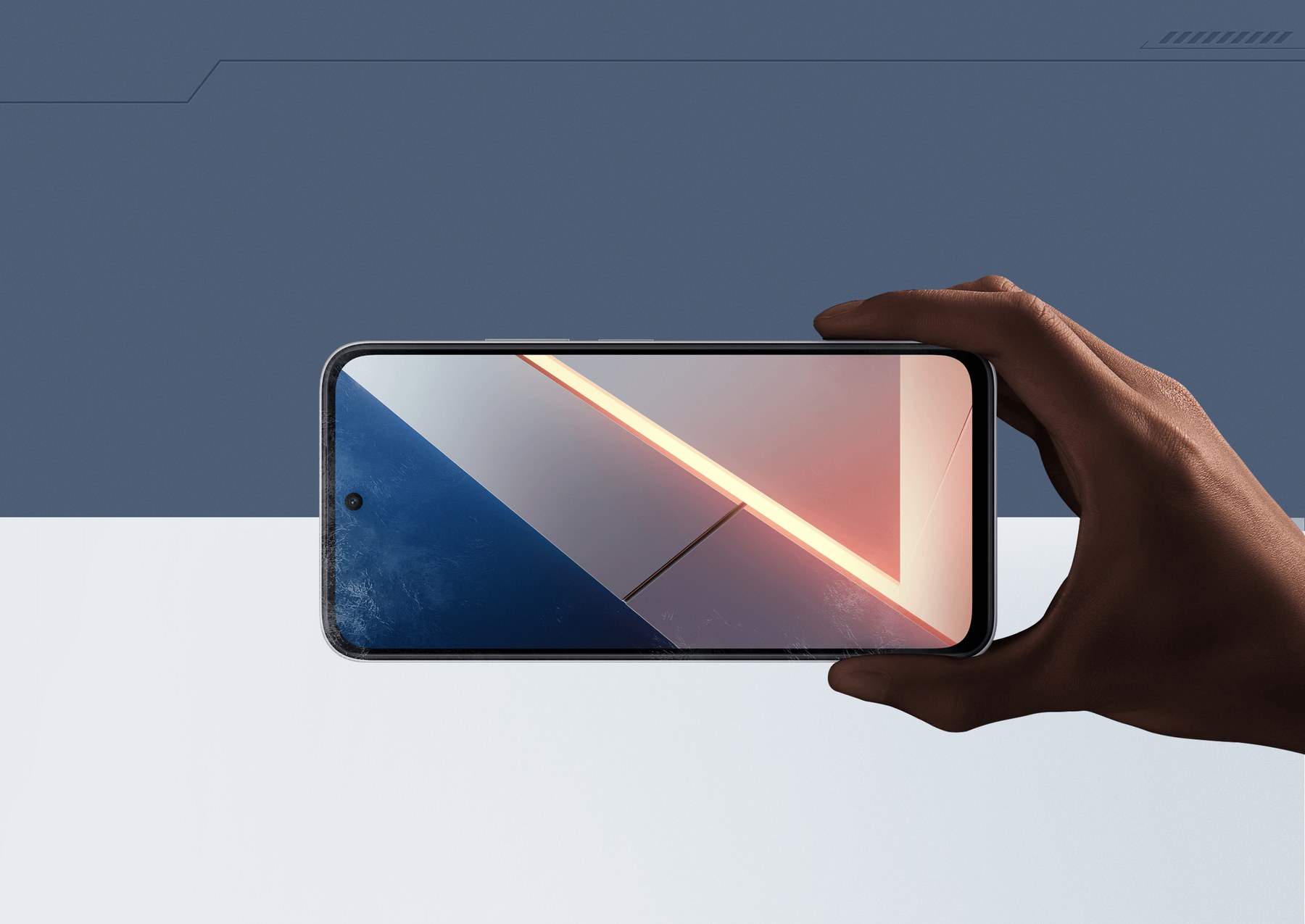
The screen is a 6.9-inch FHD+ panel with a resolution of 2340 x 1080 and a density of 374 ppi. POCO calls it a DotDisplay, which refers to the small camera cut-out. The headline feature is the refresh rate: the page says it adjusts across nine levels and can reach up to 144Hz in supported apps. Typical brightness is stated as 700 nits, with 850 nits in high-brightness mode, a contrast ratio of 1400:1 and 85% NTSC colour gamut. Touch sampling is stated at up to 288Hz. These brightness figures are ordinary for a phone in this class, so outdoor visibility in direct sun will be adequate rather than outstanding. The panel carries TUV Rheinland certifications for low blue light, flicker-free operation and circadian friendliness, and the software includes DC dimming and a wet-touch mode intended to keep the screen responsive with damp fingers.
Performance and software
The Snapdragon 685 is a 6nm octa-core chip with Kryo cores clocked up to 2.8GHz and an Adreno GPU. It is a 4G platform, so the POCO M7 has no 5G modem; the band list on the specification page covers GSM, WCDMA and a long list of LTE bands. For everyday work such as messaging, browsing, video and navigation, this class of chip is adequate, but demanding 3D games will need low settings, and the 144Hz refresh rate will mostly benefit scrolling and lighter titles rather than heavy ones.
Memory is LPDDR4X and storage is UFS 2.2, a sensible pairing at this price tier. The 8GB version can borrow storage as additional RAM, and POCO says this memory extension reaches up to 16GB in total. That figure is virtual memory carved out of the internal storage, so it helps with app switching but is not the same as physical RAM. Storage can be expanded with a microSD card of up to 2TB, but the card shares the hybrid slot with the second SIM, so you choose between a second nano SIM and extra storage.
The phone runs Xiaomi HyperOS 2, and the manufacturer promises a "48-month like-new software experience", a claim based on its own ageing tests. The page highlights Google features such as Gemini and Circle to Search, along with Xiaomi's cross-device tools like call sync and a shared clipboard. The specification page does not state the Android version or an update policy, so those are left out of the data here.
Camera
The camera system is simple. The specification lists a 50MP main camera with an f/1.8 aperture and a five-element lens, and the overview text describes it as a dual-camera setup, although only the main sensor is detailed. There is no ultrawide and no telephoto lens listed. Video is limited to 1080p at 30 frames per second on both the rear and front cameras, which is a clear step behind phones that record 4K. Shooting modes include HDR, night mode, portrait mode and time-lapse. POCO notes that dynamic photo shots may arrive in a later software update.
The front camera is 8MP with an f/2 aperture. It offers HDR, a soft-light ring, portrait mode and time-lapse, plus a beauty mode. That is enough for video calls and casual selfies; it is not a camera for detailed low-light work. Buyers who care about photography should treat the M7 as a phone that captures daylight scenes competently and little more, and should look at pricier models if they want wide-angle or zoom shots.
Battery and charging
This is the phone's strongest argument. The battery is 7000 mAh in typical capacity, which POCO describes as the largest it has used in a smartphone for global markets as of August 2025. The company's internal tests claim up to 2.32 days of light use, up to 28 hours of video playback, up to 29 hours of reading and up to 46 hours of calling. It also states that after 1,600 charge cycles the battery keeps at least 80% of its original capacity, and that a BatteryExtender chip helps performance at -20 degrees Celsius. All of this comes from POCO Internal Labs and real results will vary with software, network and usage.
Wired charging is limited to 33W, and the manufacturer notes that no power adapter is included in the box, recommending the Xiaomi 33W charger or a PD charger. With such a large cell, a full charge will take a while, so a spare charger is a practical purchase. The phone can also act as a power bank: it supports up to 18W wired reverse charging, and POCO says ten minutes of reverse charging gives a POCO Pad up to 12.5 hours of standby. Smart Charging Engine 2.0 and Battery Health 4.0 manage low-battery behaviour and long-term wear.
Everyday features
The phone has NFC, a side-mounted fingerprint sensor and AI face unlock, an infrared blaster for remote controls, Bluetooth 5.0 and dual-band Wi-Fi on the 2.4GHz and 5GHz bands. Positioning supports GPS, GLONASS, Galileo and Beidou. Audio features Dolby Atmos and Hi-Res Audio certification, and POCO claims a 200% volume boost compared with the POCO M6. The package includes a USB Type-C cable, a protective case, a SIM eject tool and documentation, but, as noted, no charger.
Who it is for and what it gives up
The POCO M7 suits someone who watches a lot of video, reads on the phone or travels, and who wants battery life above all else at a low price. A large 144Hz screen, a 7000 mAh cell and reverse charging make a persuasive package on paper. It is also a straightforward choice as a first or secondary phone, since the software is familiar and storage can be expanded.
The trade-offs are clear. The phone is 4G only, which may matter on networks that are phasing out older bands or in regions with strong 5G coverage. The Snapdragon 685 is modest, the camera setup has a single useful rear lens, and video tops out at 1080p. Charging is slow relative to the battery size, the charger is not included, and at 214 g the phone is not light. Compare it with a mainstream alternative such as the POCO M7 vs Galaxy A56 to see what a higher price buys, and see where it lands overall in the phone rankings. Other phones in the same wave of pages include the OPPO A5x, the vivo V50 Lite and the Motorola Edge 60 Fusion, which all aim at buyers who put battery life and value first.
Where it ranks
Compare Xiaomi POCO M7 with similar devices
More from Xiaomi
Frequently asked questions
When was the Xiaomi POCO M7 released?
The manufacturer’s release date for the Xiaomi POCO M7 is not stated in the information we have.
What are the main specs of the Xiaomi POCO M7?
Headline figures for the Xiaomi POCO M7: Battery: 7,000 mAh, Refresh rate: 144 Hz, Main camera: 50 MP, RAM: 8 GB. The full specification table is further up this page.
Is the Xiaomi POCO M7 worth buying?
That depends on your priorities. Use the editorial review on this page for our view, check the rankings above to see where the device stands on battery, display and camera, and compare it directly with similar models before you decide.


