Phones
Xiaomi 15 Ultra
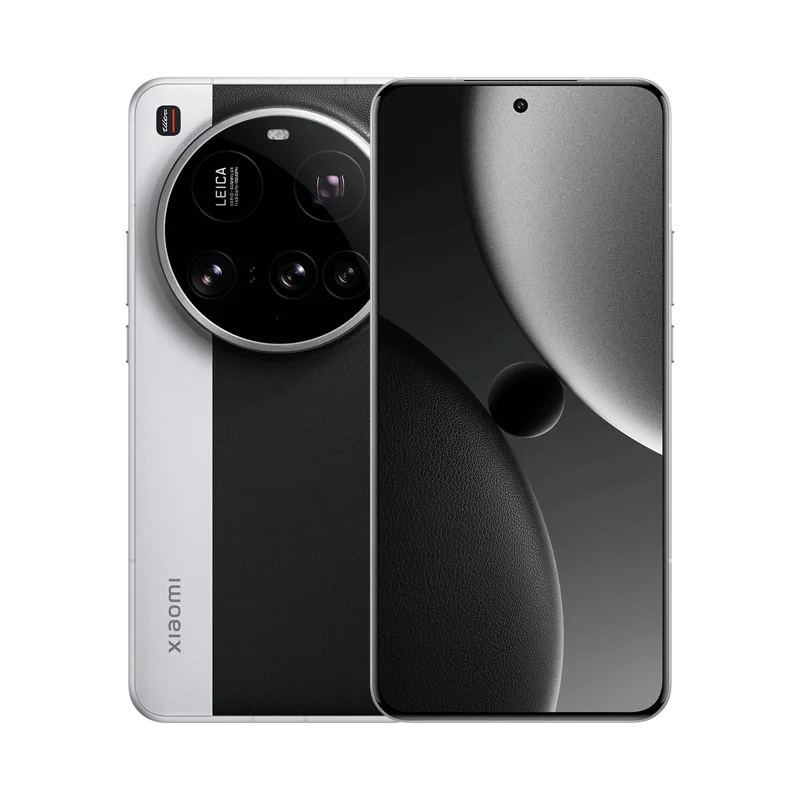
Xiaomi's 2025 camera flagship pairs a 1-inch-type main sensor and a 200MP periscope with the Snapdragon 8 Elite, a 5,410 mAh battery and 90W wired charging.
Key figures at a glance
Gallery
Specifications
- Display
- 6.73" WQHD+ AMOLED, 3200x1440, 1-120Hz, 3200 nits peak
- Chipset
- Snapdragon 8 Elite (3nm)
- RAM
- 16GB
- Storage
- 512GB / 1TB
- Rear Camera
- 50MP main (1-inch type) + 50MP ultrawide + 50MP telephoto 3x + 200MP periscope 4.3x
- Front Camera
- 32MP
- Battery
- 5,410 mAh, 90W wired, 80W wireless
- OS
- Xiaomi HyperOS 2
- Dimensions
- 161.3 x 75.3 x 9.35 mm, 226 g
- Water resistance
- IP68
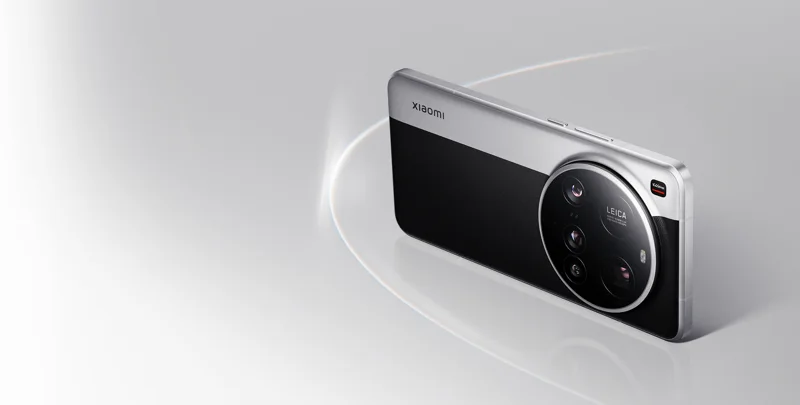
The Xiaomi 15 Ultra is the company's camera-first flagship for 2025, a large glass-and-metal phone built around a Leica-branded four-camera system with a one-inch-type main sensor and a 200-megapixel periscope telephoto. It runs on Qualcomm's Snapdragon 8 Elite, carries a 5,410 mAh battery with 90W wired and 80W wireless charging, and ships with 16GB of RAM as standard. This page goes through what the published specifications say, where the phone sits in Xiaomi's range, and which trade-offs come with such a camera-heavy design. It is written from the manufacturer's published specifications and product information, not from hands-on testing.
Where it sits in the lineup
Xiaomi launched the 15 Ultra in China in late February 2025 and presented it to the rest of the world at Mobile World Congress in Barcelona on 2 March 2025. It sits above the regular Xiaomi 15, which is the compact, more conventionally priced model, and it takes the role that earlier Ultra phones had: the most capable camera, the largest battery and the highest price in the family. European pricing was reported at 1,499 euros for the base configuration, and the phone was not offered through the usual US carrier channels, so there is no official US list price to quote here. In global markets the configuration is 16GB of RAM with either 512GB or 1TB of storage, which removes the lower-memory options that cheaper phones use to hit a price point.
The model is best understood as a response to cameras like the one in the Galaxy S25 Ultra, which also pairs a large screen with a long periscope lens. A side-by-side of the two is available on the Xiaomi 15 Ultra vs Galaxy S25 Ultra page. Within Xiaomi's own range, the later Xiaomi 15T Pro is the cheaper alternative that keeps a Leica-tuned camera but uses a simpler hardware set.
Design, build and display
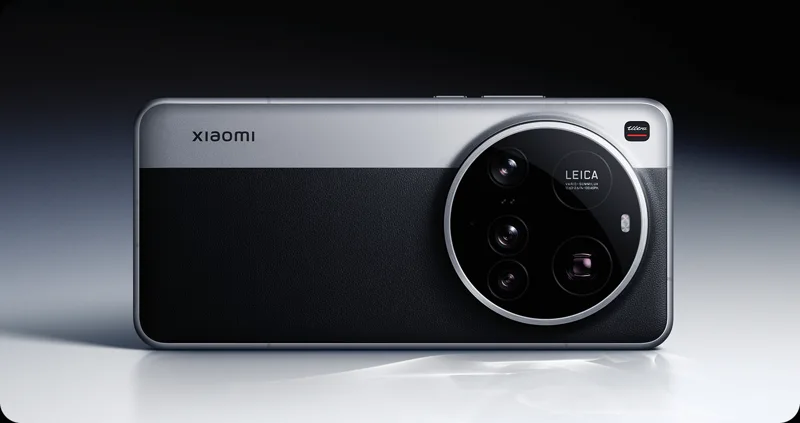
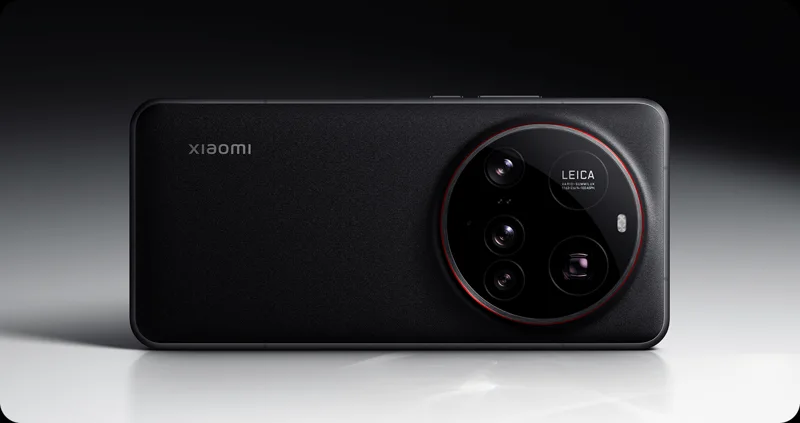
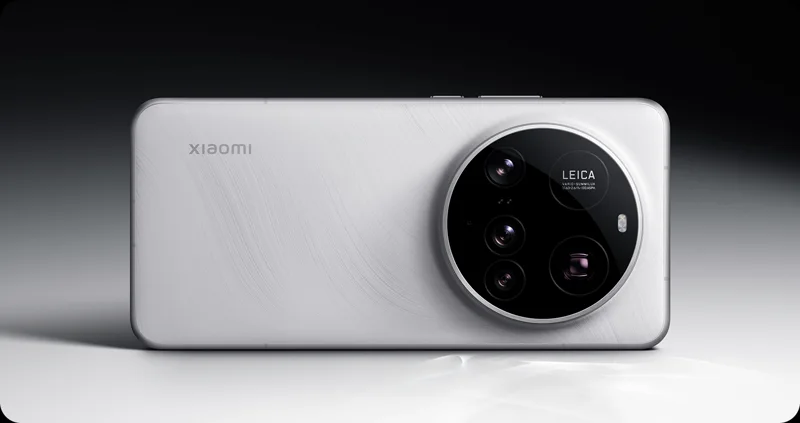
The 15 Ultra measures 161.3 x 75.3 x 9.35 mm and weighs 226 g in the black and white versions; the Silver Chrome version is slightly thicker at 9.48 mm and heavier at 229 g. Those are noticeable numbers. This is a phone with a big circular camera island on the back, and Xiaomi's own marketing leans on the look of a compact camera rather than hiding the module. Protection is rated IP68, which Xiaomi specifies as immersion in static fresh water to 1.5 metres for up to 30 minutes. The front uses what Xiaomi calls Shield Glass 2.0; Xiaomi names the panel design All Around Liquid Display.
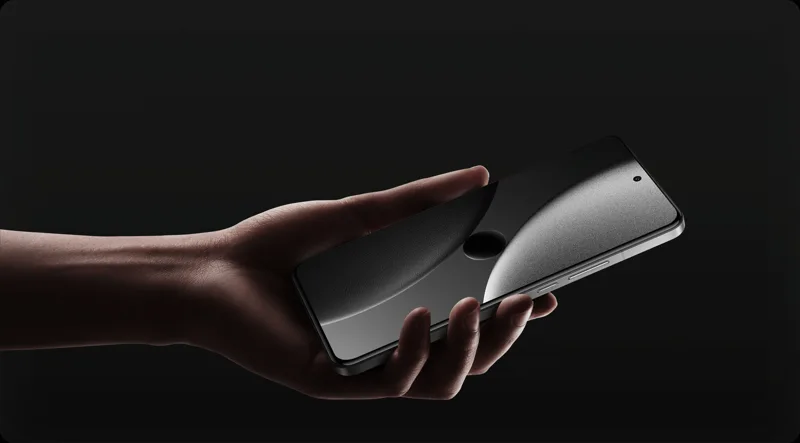
The screen is a 6.73-inch WQHD+ AMOLED with 3200 x 1440 pixels, about 522 pixels per inch. It adapts between 1 and 120Hz, supports HDR10+ and Dolby Vision, and Xiaomi quotes 3200 nits peak brightness across multiple scenarios. It also lists 1920Hz PWM dimming plus DC dimming, 68 billion colours, touch sampling of up to 300Hz and TÜV Rheinland certification for low blue light, flicker-free viewing and circadian friendliness. Those are manufacturer claims, but the combination of a high-resolution panel, high peak brightness and high-frequency dimming is what most reviewers look for in a flagship screen, and nothing here looks like a corner cut. The fingerprint reader is an ultrasonic sensor under the display, with face unlock as an additional option.
Performance and software
The chipset is the Snapdragon 8 Elite, made on a 3nm process, with two prime cores at up to 4.32GHz and six performance cores at up to 3.53GHz. It is paired with LPDDR5X memory running at 8533Mbps and UFS 4.1 storage, one of the fastest combinations available in 2025 phones. Cooling is handled by what Xiaomi calls a 3D dual-channel IceLoop system. For a phone with this much power in a body of this size, sustained performance depends on how well the heat is spread; Xiaomi's description of a dedicated dual-channel cooling path suggests it has given that some thought, though the company does not publish sustained-load figures.
Software is Xiaomi HyperOS 2 on top of Android. The global spec sheet lists HyperAI features such as writing tools, speech recognition, an interpreter function and a creative assistant, alongside Circle to Search and Google Gemini. Xiaomi notes that availability of the AI tools varies by region and language and that some features were due to arrive by over-the-air update in March 2025. Buyers who dislike heavily customised Android skins should keep in mind that HyperOS changes quite a lot of the interface, though it is generally well regarded for smooth animation and consistent design.
Connectivity is thorough: Wi-Fi 7 capability (subject to regional support), Bluetooth 6.0 with a long list of codecs including LDAC and LHDC 5.0, and a wide set of 5G bands with 4x4 MIMO. The phone takes two nano SIMs, a nano SIM plus an eSIM, or two eSIMs. It has NFC, stereo speakers, an infrared blaster and a laser autofocus sensor for the camera.
Camera system
The camera is the reason this phone exists. Xiaomi presents it as a Leica Summilux system with a 14 to 100 mm equivalent range, and it consists of four rear lenses:
- Main: 50MP LYT-900 sensor of one-inch type, f/1.63, 23mm equivalent, optical stabilisation. This is the largest main sensor in the range and the one Xiaomi leans on for low-light work.
- Ultrawide: 50MP, f/2.2, 14mm equivalent with a 115-degree field of view.
- Floating telephoto: 50MP, f/1.8, 70mm equivalent (roughly 3x), optical stabilisation. The floating element is Xiaomi's way of allowing close focusing at this focal length.
- Periscope telephoto: 200MP, f/2.6, 100mm equivalent (roughly 4.3x), optical stabilisation, with digital zoom up to 120x.
Having two telephoto lenses at 70 and 100 mm gives the 15 Ultra a more even spread of focal lengths than phones with a single zoom lens. Xiaomi also advertises a master-lens system covering 23 to 135mm with intermediate crops. The phone can shoot 8K video at 30fps, 4K at up to 120fps, and offers Dolby Vision recording on the front camera too. For photographers, there are 16-bit UltraRAW capture and DNG output, plus two Leica colour looks, Authentic and Vibrant, and an optional watermark. The front camera is a 32MP sensor built into the display, with 4K recording at up to 60fps.
As with any camera system, specifications describe potential rather than results. Xiaomi's processing tends to be punchy, and Leica's tuning is meant to give a more natural contrast, but how well the image pipeline works in hard light is something to check against independent sample images and reviews before buying.
Battery and charging
The 5,410 mAh battery is typical-rated and is branded Xiaomi Surge. Charging is 90W wired and 80W wireless, supporting PD 3.0, QC 3+ and Xiaomi's own protocol over a USB-C port. As with many Xiaomi phones, the retail box does not include a power adapter, only a cable and a protective case, so buyers need to supply a compatible charger; Xiaomi recommends its own 90W unit to reach the quoted speeds. Wireless chargers are also sold separately. Battery life depends heavily on use, and this phone's 120Hz screen, high-resolution camera work and 5G radios will all draw hard, but the capacity is large for its class.
Who it is for
The 15 Ultra is for people who want a phone that behaves like a camera, who shoot at several focal lengths and who value fast charging. It makes sense for travellers and photographers who would otherwise carry a compact camera, and for users who like the idea of a physical camera-style accessory kit. It also suits anyone who needs top-tier charging speeds and memory, since 16GB of RAM and UFS 4.1 storage are standard.
Compromises
The price is the first one: at roughly 1,499 euros it is expensive, even next to other Ultra-class phones. Second, size and weight: a 226 g body with a pronounced camera bump is not a pocketable phone, and some people will find the shape awkward when lying flat. Third, the lack of a charger in the box adds cost. Fourth, availability: the phone was not sold through US carriers, and software features can vary by region, so buyers outside Europe and Asia should check local support and warranty. Finally, HyperOS is more heavily modified than the Android that Google ships on its own phones, which suits some users and not others. Anyone weighing it against more conventional alternatives can start with the rankings on the phone rankings page.
Where it ranks
Compare Xiaomi 15 Ultra with similar devices
More from Xiaomi
Frequently asked questions
When was the Xiaomi 15 Ultra released?
The Xiaomi 15 Ultra was released on 2025-03-02, according to the manufacturer’s published information.
What are the main specs of the Xiaomi 15 Ultra?
Headline figures for the Xiaomi 15 Ultra: Battery: 5,410 mAh, Refresh rate: 120 Hz, Main camera: 50 MP, RAM: 16 GB. The full specification table is further up this page.
Is the Xiaomi 15 Ultra worth buying?
That depends on your priorities. Use the editorial review on this page for our view, check the rankings above to see where the device stands on battery, display and camera, and compare it directly with similar models before you decide.


