Phones
Xiaomi 17T Pro
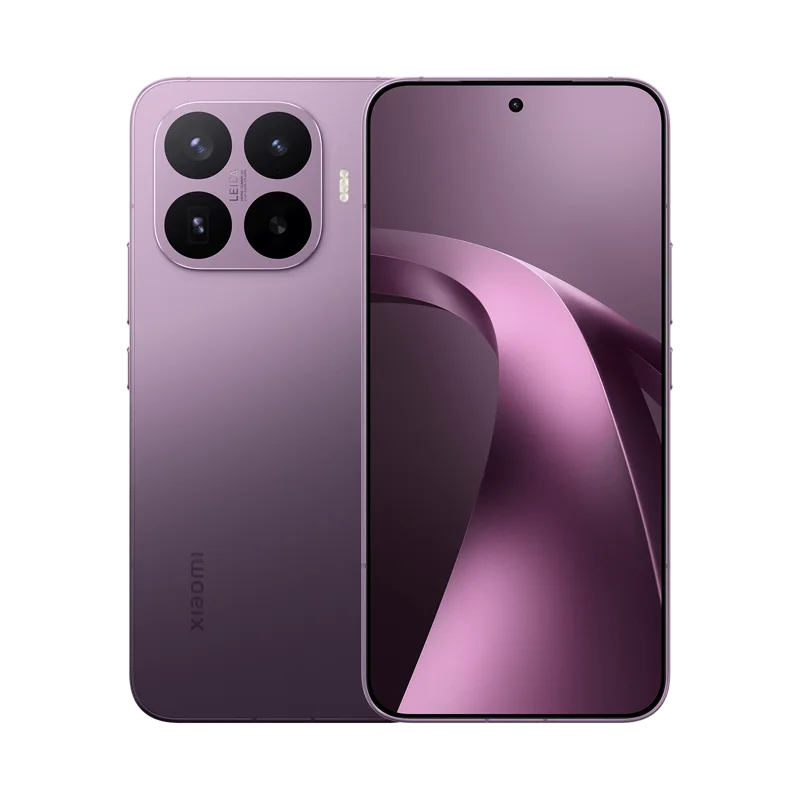
Xiaomi's top T-series phone combines a flat 144Hz AMOLED and the Dimensity 9500 with a 1/1.31-inch main camera, 5x periscope, 7,000 mAh battery and 100W wired plus 50W wireless charging.
Key figures at a glance
Gallery
Specifications
- Display
- 6.83" AMOLED, 2772x1280, up to 144Hz, 3500 nits peak
- Chipset
- MediaTek Dimensity 9500 (3nm)
- RAM
- 12GB
- Storage
- 256GB / 512GB / 1TB
- Rear Camera
- 50MP main + 50MP periscope telephoto 5x + 12MP ultrawide
- Front Camera
- 32MP
- Battery
- 7,000 mAh, 100W wired, 50W wireless, 22.5W reverse wired
- OS
- Xiaomi HyperOS 3
- Dimensions
- 162.2 x 77.5 x 8.25 mm, 219 g
- Water resistance
- IP68
The Xiaomi 17T Pro is the top model of Xiaomi's 2026 T series. It combines a large 6.83-inch flat AMOLED screen that refreshes at up to 144Hz, the MediaTek Dimensity 9500 chipset, a 7,000 mAh silicon-carbon battery that charges at 100W wired and 50W wireless, and a Leica-branded triple camera built around a 1/1.31-inch main sensor and a 5x periscope telephoto. Xiaomi presented it in late September 2026 together with the smaller Xiaomi 17T. This page summarises the published specifications, explains where the phone fits and lists the compromises. It is based on manufacturer information rather than hands-on testing.
Where it fits in the lineup
The T series occupies the space between Xiaomi's affordable phones and its numbered flagships. It normally reuses the strongest parts of the flagship generation in a simpler package at a lower price. The 17T Pro is the fullest version of that idea: it takes the flagship chip class, wireless charging and a high-end main sensor, but it does not chase the one-inch sensors or the dual telephoto setups of Xiaomi's Ultra-class phones such as the Xiaomi 15 Ultra. The standard 17T is the smaller sibling, with a 6.59-inch screen and a more modest chip.
No official US list price exists, since the T series is sold in Europe, Asia and other regions rather than through American carriers, so none is quoted here. The most useful comparison is against the previous generation, which is laid out on the Xiaomi 17T Pro vs Xiaomi 15T Pro page. For a cross-brand view against a premium Samsung phone, see Xiaomi 17T Pro vs Galaxy S26+.
Design and display
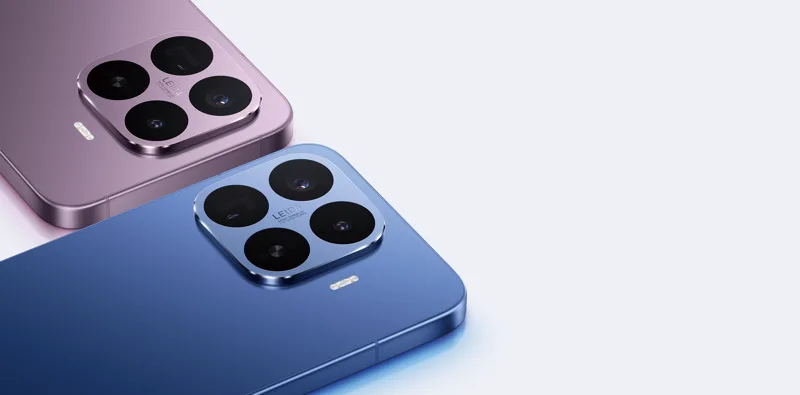
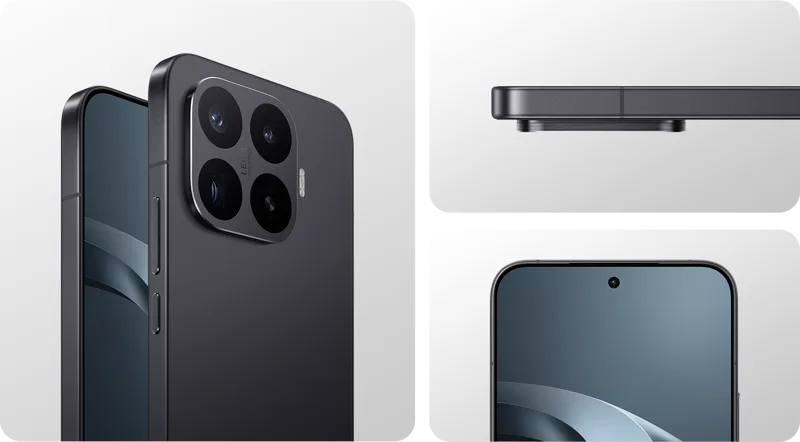
The 17T Pro has a flat aluminium-alloy frame with a "quad-wrap" mid-frame, a golden-arc detail on the back and a square camera island. It is offered in Black, Deep Violet and Deep Blue. The phone measures 162.2 x 77.5 x 8.25 mm and weighs 219 grams, which makes it a large and fairly heavy device, though the weight is easier to accept with a 7,000 mAh cell inside. It has an IP68 rating, which in Xiaomi's test conditions means static fresh water to 1.5 metres for up to 30 minutes.
The display is a 6.83-inch AMOLED panel at 2772 x 1280 pixels, about 447 pixels per inch, with a variable refresh rate up to 144Hz. Xiaomi states a peak brightness of 3,500 nits at a small highlighted area, a typical brightness of 600 nits and 2,000 nits in high-brightness mode, a minimum brightness of 1 nit for night reading and 16,000 dimming levels. It covers the DCI-P3 gamut at 12-bit depth, supports HDR10+ and Dolby Vision, and uses DC dimming. The bezels are claimed to be 1.29mm on all four sides, achieved through LIPO packaging of the panel. The glass is Corning Gorilla Glass 7i. As with the standard 17T, Xiaomi lists TÜV Rheinland eye-care certifications and notes that the phone is not a medical device.
Performance, memory and software
The Dimensity 9500 is a 3nm chip with a CPU layout of one C1-Ultra core at up to 4.21GHz, three C1-Premium cores at up to 3.5GHz and four C1-Pro cores at up to 2.7GHz, plus a Mali G1-Ultra GPU and an NPU labelled 990. Xiaomi cites an AnTuTu score above 3.57 million, a figure from its own labs and a specific benchmark version, so treat it as indicative rather than definitive. Memory is 12GB of LPDDR5X-9600 and storage is UFS 4.1 in 256GB, 512GB and 1TB sizes, which is a wider choice than the standard 17T offers. A "3D IceLoop" cooling design with 6 W/mK thermal gel aims to keep performance steady during long sessions.
The software is Xiaomi HyperOS 3. Its main features are HyperIsland status-bar notifications, HyperConnect for linking Xiaomi devices and, through a compatibility app, some other ecosystems, and a set of Google Gemini tools such as Gemini Live and Circle to Search. Xiaomi's launch bundle includes a limited trial of Google AI Pro and streaming services, with terms that vary by region. Connectivity includes Wi-Fi 7, Bluetooth 6.0 with dual-Bluetooth, NFC, dual SIM with eSIM options, an infrared blaster and an in-display fingerprint sensor. Xiaomi's offline calling feature works between two supported devices at short range and is not meant for emergencies. The pages we reviewed give no software update commitment, so check the update policy for your region.
Camera
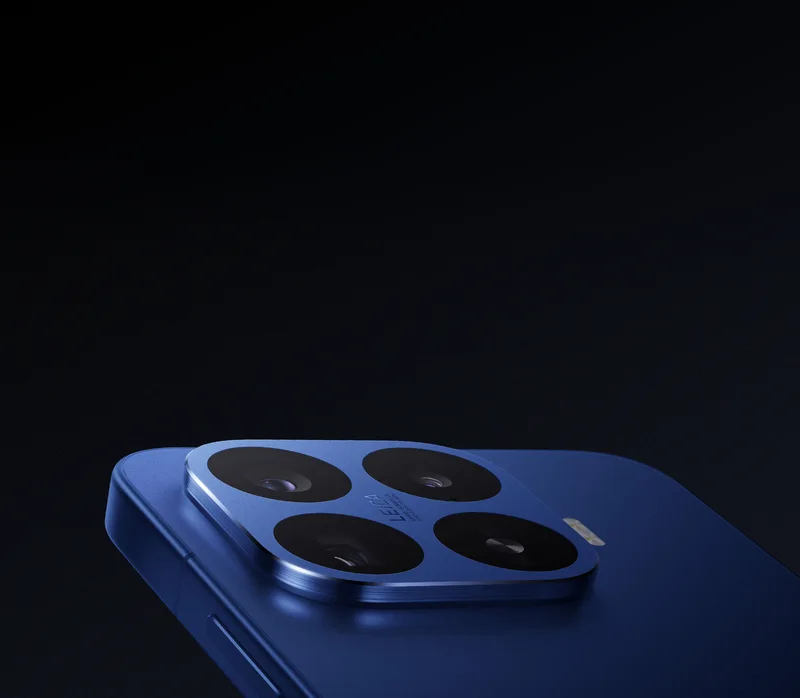
The main camera uses a Light Fusion 950 sensor of 1/1.31 inch with 50MP, 2.4µm pixels in 4-in-1 binning, an f/1.67 lens at 23mm equivalent and optical stabilisation. Xiaomi quotes 13.5EV of dynamic range. The telephoto is a 50MP periscope at 115mm equivalent and f/3.0 with stabilisation, delivering 5x optical zoom and a 10x optical-grade crop, and the ultrawide is a 12MP unit at 15mm equivalent with a 120 degree field of view. Compared with the standard 17T, the Pro's main sensor is larger and the lens is slightly faster, which should help most in dim light, although the two phones share the same telephoto and ultrawide resolutions.
Leica Summilux lenses and a multi-coating process, including ALD and spin-coated infrared filtering, are meant to reduce flare, ghosting and colour casts. Video goes up to 8K at 30fps and 4K at 120fps, with HDR10+ and Log at up to 4K60, a stage mode for concerts and a movie mode that records 4K60 with background blur and the telephoto lens. The front camera is 32MP at f/2.2 with a 90 degree field of view. Other features include a telemacro mode from 30cm, "AI Ultra Zoom" up to 120x and a set of generative editing tools in the gallery, some of which require an internet connection and vary by region.
Battery and charging
The 7,000 mAh silicon-carbon battery is the other highlight. Xiaomi says its silicon share is 16 percent and that it keeps at least 80 percent of its health after 1,600 charge cycles. The company's laboratory figures include 20.3 hours of constant use, 30.7 hours of video playback and 9.5 hours of video recording. Wired charging is 100W with PPS support and a claimed full charge in 48 minutes, wireless charging is 50W with a claimed 50 percent in 42 minutes, and reverse wired charging reaches 22.5W. The adapter and the wireless charger are not included, so the headline speeds require buying Xiaomi's own accessories or equivalent PPS-compatible ones. These are manufacturer figures, and real results depend on the charger and conditions.
Who it is for
The phone suits buyers who want most of what a flagship offers, including a bright 144Hz screen, a current top-tier chip, a big battery with fast wired and wireless charging, and a telephoto that reaches 5x, without moving to a numbered flagship or an Ultra. It is a particularly good fit for heavy users who play games for long stretches or record a lot of video. People who prefer a smaller phone should look at the Xiaomi 17T, and the Xiaomi 17T Pro vs Xiaomi 17T page shows the differences side by side.
Compromises to consider
- Size and weight: 219 grams and a 6.83-inch screen make this a two-handed phone for many people.
- No charger in the box and no separate wireless charger, despite the fast-charging headline figures.
- Ultrawide quality: the 12MP ultrawide is the weakest of the three cameras on paper.
- Limited availability: no official US price or carrier support, and warranty terms depend on the region.
- Unverified claims: AnTuTu, battery-life and charging-time numbers are Xiaomi's own and have not been independently confirmed here.
Independent tests will say more about thermals, screen brightness in sunlight and camera consistency. Until those appear, use the specification table on the Xiaomi 17T Pro page together with the rankings to see where the phone stands against others.
Where it ranks
Compare Xiaomi 17T Pro with similar devices
More from Xiaomi
Frequently asked questions
When was the Xiaomi 17T Pro released?
The Xiaomi 17T Pro was released on 2026-09-24, according to the manufacturer’s published information.
What are the main specs of the Xiaomi 17T Pro?
Headline figures for the Xiaomi 17T Pro: Battery: 7,000 mAh, Refresh rate: 144 Hz, Main camera: 50 MP, RAM: 12 GB. The full specification table is further up this page.
Is the Xiaomi 17T Pro worth buying?
That depends on your priorities. Use the editorial review on this page for our view, check the rankings above to see where the device stands on battery, display and camera, and compare it directly with similar models before you decide.


