Phones
Xiaomi POCO M8
The POCO M8 is a 7.35 mm, 178 g phone with a 6.77-inch 120Hz AMOLED display, Snapdragon 6 Gen 3, a 5520 mAh silicon-carbon battery and 45W charging.
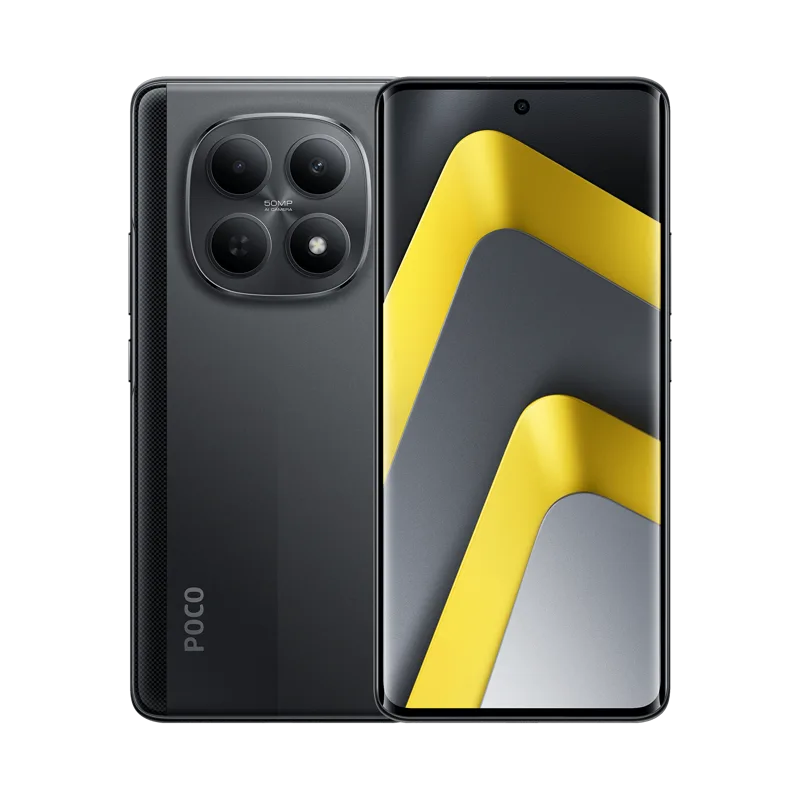
Key figures at a glance
Gallery
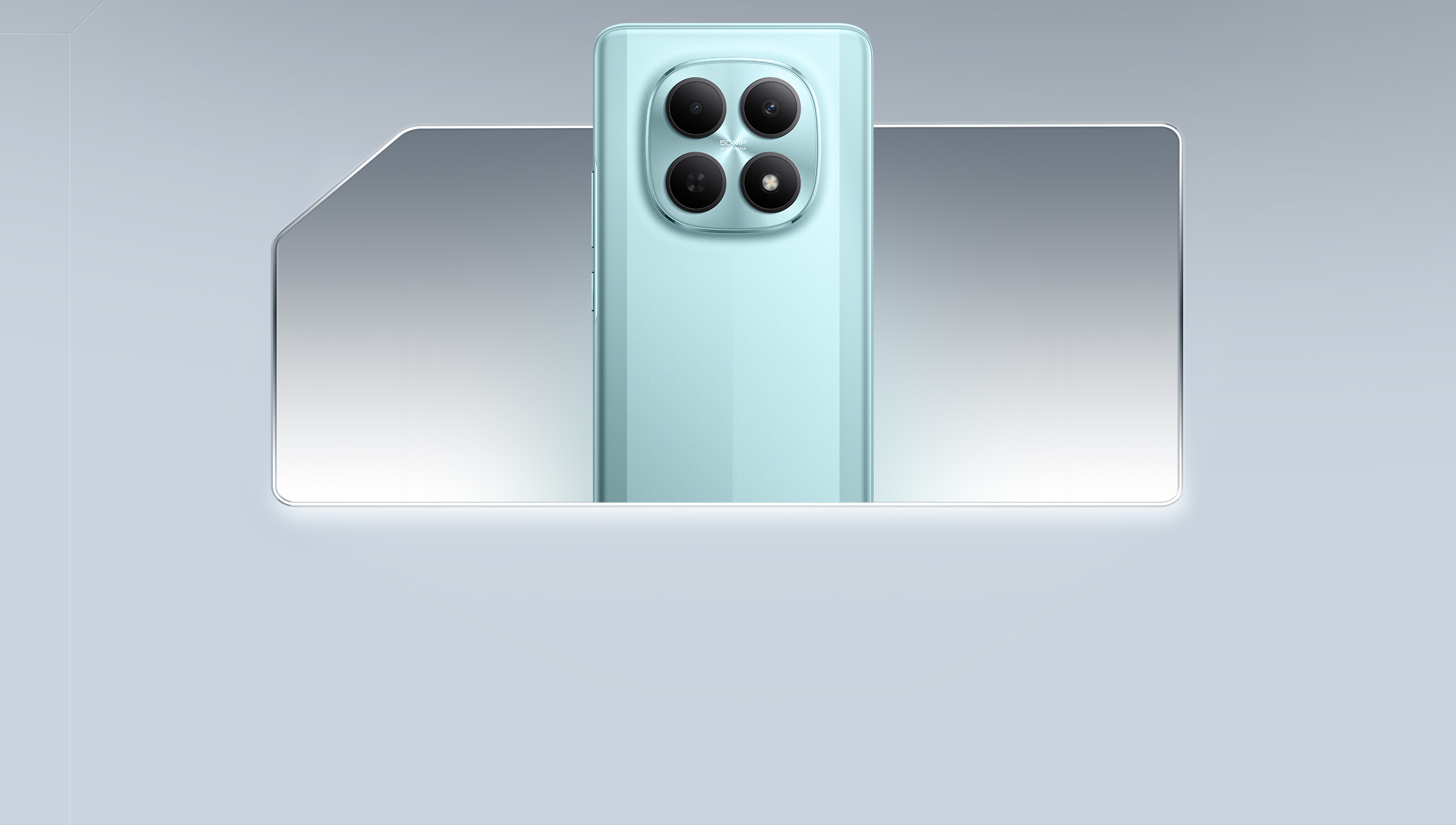
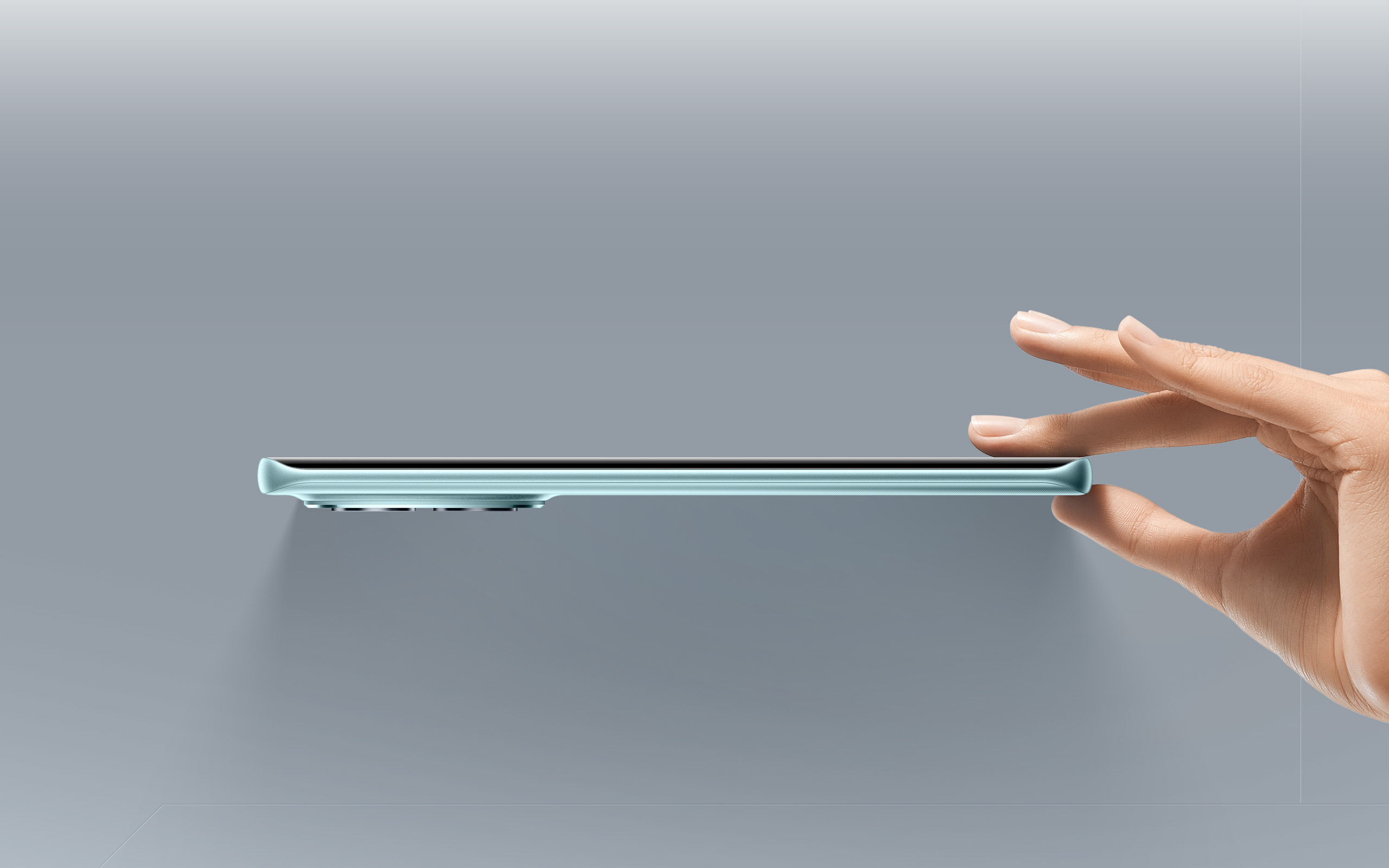
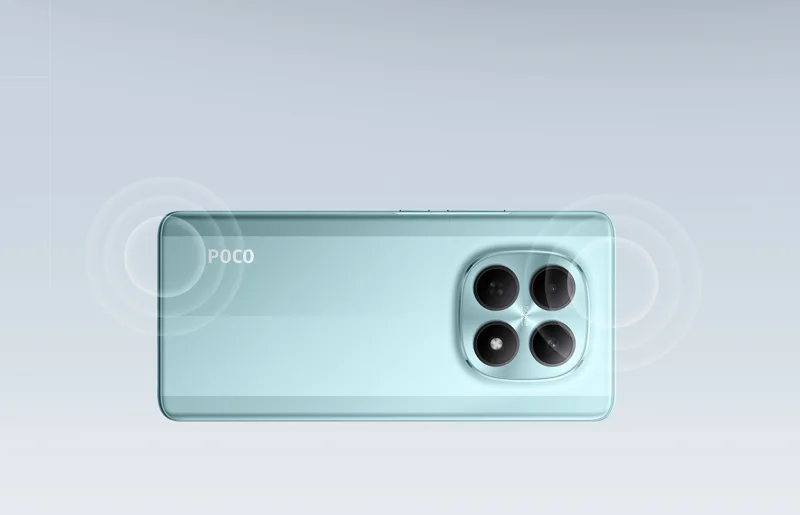
Specifications
- Display
- 6.77" Flow AMOLED, 2392x1080, up to 120Hz, 3200 nits peak (800 nits typical), 92% screen-to-body ratio
- Chipset
- Qualcomm Snapdragon 6 Gen 3 (4nm), octa-core up to 2.4GHz
- RAM
- 12GB
- Storage
- 256GB / 512GB (LPDDR4X RAM, UFS 2.2 storage), microSD up to 1TB via hybrid slot
- Rear Camera
- 50MP main (Light Fusion 400, 1/2.88", f/1.8) + 2MP depth
- Front Camera
- 20MP (f/2.2)
- Battery
- 5520 mAh (typical, silicon-carbon), 45W wired, up to 18W wired reverse charging
- OS
- Xiaomi HyperOS 2
- Body
- 164 x 75.42 x 7.35 mm, 178 g; IP66
- Connectivity
- 5G, Wi-Fi 5, Bluetooth 5.1, NFC, nano SIM plus hybrid slot (nano SIM or microSD)
- Audio
- Dual speakers, Dolby Atmos, Hi-Res
- Colors
- Black, Silver, Green
The POCO M8 is the slimmer and lighter of Xiaomi's two POCO M8 phones. It measures just 7.35 mm and weighs 178 g, yet it carries a 5520 mAh silicon-carbon battery, a 6.77-inch 120Hz AMOLED display with a stated peak brightness of 3200 nits, and the Snapdragon 6 Gen 3 chip. This page is based on the published specifications and manufacturer information. It covers the phone's place in the POCO range, its design and display, performance and software, the cameras, battery and charging, who it suits and where it compromises.
Place in the lineup
POCO offers the M8 beside the more powerful POCO M8 Pro. The M8 Pro has a 6500 mAh battery, 100W charging, a 1.5K display, a stabilised main camera and a higher IP rating. The standard M8 gives up some of that to stay thin and light. POCO's X series, such as the POCO X8, is a separate line aimed at stronger performance. For a direct comparison, see POCO M8 vs POCO X8.
The manufacturer page lists three memory configurations: 8GB of RAM with 256GB or 512GB of storage, and 12GB with 512GB. It notes that configurations may vary by region and sales channel. The page gives no official US price, so none is listed here.
Design and display
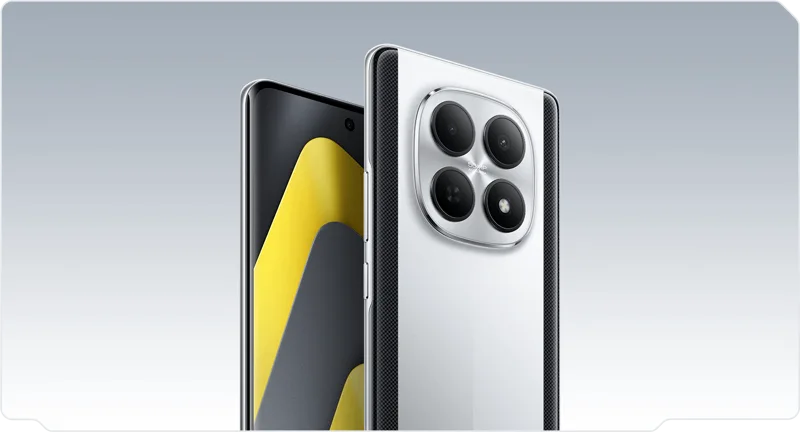
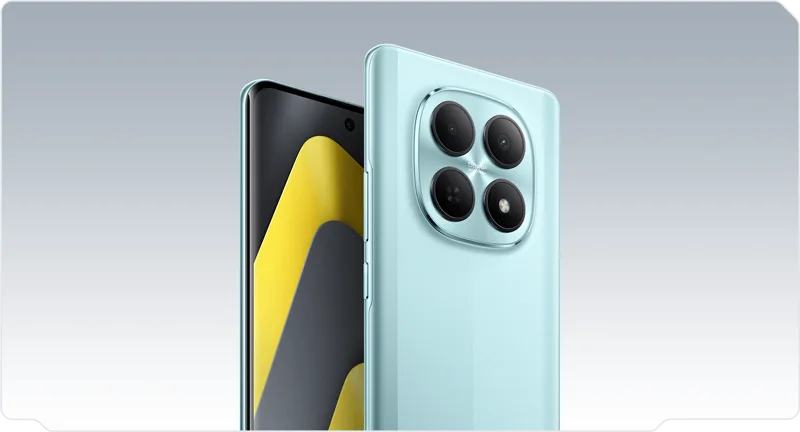
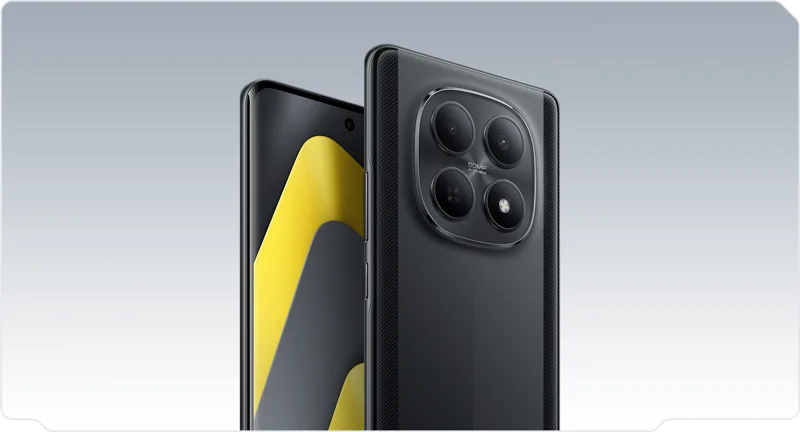
The body is 164 x 75.42 x 7.35 mm and weighs 178 g, according to POCO Internal Labs. That makes it noticeably slimmer and lighter than the M8 Pro, which is 8.31 mm thick and 205.9 g. POCO calls it a 3D-curved design with a dual-curved screen and the same stripe motif as the rest of the family. Colour options are Black, Silver and Green.
The screen is a 6.77-inch Flow AMOLED panel with 2392 x 1080 pixels, a Full HD+ resolution rather than the 1.5K of the Pro. The refresh rate goes up to 120Hz for supported apps. POCO lists a peak brightness of 3200 nits and 800 nits typical, 12-bit colour (68.7 billion colours), 100% DCI-P3 coverage and a screen-to-body ratio of 92%. Dimming is PWM at 3840Hz below 80 nits and DC dimming above, and the panel has TÜV Rheinland certificates for low blue light, flicker-free viewing and circadian friendliness. Touch sampling is 240Hz in general and 2560Hz instant in Game Turbo mode. The in-screen fingerprint sensor and AI face unlock handle security.
For durability, POCO says the front uses a high-durability glass that survived a 1.7 metre face-down drop onto marble in its laboratory, and that the phone passed an SGS shock and drop test. The listed dust and water rating is IP66, which covers dust and strong water jets but not immersion, unlike the IP68 on the Pro. POCO also cites quality tests such as 30,000 USB port cycles, 100,000 volume-button presses and 210,000 power-button presses.
Performance and software
The Snapdragon 6 Gen 3 is a 4nm octa-core chip running at up to 2.4GHz with an Adreno GPU. It sits below the 7s Gen 4 in the M8 Pro and is aimed at everyday tasks, social apps, video and casual to moderate gaming. POCO says the architecture "easily handles everyday tasks, gaming, and entertainment", but the page gives no benchmark numbers, so expect mid-range behaviour in heavy 3D games. Memory is LPDDR4X and storage is UFS 2.2, both older standards. A hybrid slot takes either a second nano SIM or a microSD card, and POCO lists expandable storage up to 1TB.
The phone runs Xiaomi HyperOS 2. The page highlights Google Gemini, Circle to Search and a set of AI photo tools including AI Erase, reflection removal, AI Sky, AI Bokeh and AI Beautify. Connectivity is 5G, Wi-Fi 5 (802.11 a/b/g/n/ac), Bluetooth 5.1 and NFC, plus an IR blaster. These are modest wireless specifications compared with the Wi-Fi 6/6E and Bluetooth 5.4 of the M8 Pro. Audio comes from dual speakers with Dolby Atmos and Hi-Res support, with a volume boost of up to 300%, which POCO defines as 17 volume levels instead of 15. There is no information about software update length on the page.
Camera
The rear camera is a 50MP Light Fusion 400 sensor, 1/2.88 inch, with 1.22 micron pixels combined four to one, an f/1.8 aperture and a five-element lens. It is joined by a 2MP depth camera, which helps with portrait blur but adds no new field of view, so there is no ultrawide and no telephoto lens. Video is up to 4K at 30 frames per second, with 1080p and 720p at 30 fps. There is no mention of optical image stabilisation for the M8, in contrast with the M8 Pro. The front camera is 20MP at f/2.2 and records 1080p at 30 fps.
POCO adds AI portrait enhancement and a retro film-camera mode. In practice, the camera set is basic: it is fine for daylight and social sharing, but anyone who wants wide-angle shots or stabilised video should look at the Pro or at rivals such as the Galaxy A56.
Battery and charging
The battery is 5520 mAh (typical) and silicon-carbon, which POCO credits for keeping the phone thin. The company quotes 1.58 days of moderate use and 25 minutes to reach 50%, both from its own lab tests. It states that the battery retains over 80% of capacity after 1,600 cycles, which it equates to over five years of use. Wired charging is 45W, and wired reverse charging is up to 18W for earbuds, watches or another phone. The page advises buyers to check with the local seller whether a charger is included in the box.
Compared with the Pro, the M8 charges more slowly and holds less energy, but it is also 27 g lighter and almost a millimetre slimmer.
Who it is for
The POCO M8 is for buyers who want a thin, light, large-screen phone at a mid-range tier, with a bright AMOLED display and a battery that lasts about a day and a half in POCO's testing. It suits students, casual gamers and video watchers. Buyers choosing between brands might look at the realme 16. People who shoot a lot of photos, want water resistance beyond splashes or need the fastest charging should step up to the M8 Pro.
Compromises
- The camera has no ultrawide or telephoto lens and no stated optical stabilisation.
- IP66 protects against jets of water, not submersion.
- Wi-Fi 5 and Bluetooth 5.1 are older wireless standards, and storage is UFS 2.2.
- Battery, drop and charging claims come from POCO's laboratory, and the page lists no official price or update policy.
Overall, the POCO M8 trades camera and charging speed for thinness and weight. Its screen and battery are strong for the slim body, though no official price is stated. Check the rankings to see how it compares with other phones on this site.
Where it ranks
Compare Xiaomi POCO M8 with similar devices
More from Xiaomi
Frequently asked questions
When was the Xiaomi POCO M8 released?
The Xiaomi POCO M8 was released on 2026-01-01, according to the manufacturer’s published information.
What are the main specs of the Xiaomi POCO M8?
Headline figures for the Xiaomi POCO M8: Battery: 5,520 mAh, Refresh rate: 120 Hz, Main camera: 50 MP, RAM: 12 GB. The full specification table is further up this page.
Is the Xiaomi POCO M8 worth buying?
That depends on your priorities. Use the editorial review on this page for our view, check the rankings above to see where the device stands on battery, display and camera, and compare it directly with similar models before you decide.


