Phones
Xiaomi POCO M8 Pro
The POCO M8 Pro pairs a 6500 mAh silicon-carbon battery and 100W charging with a 6.83-inch 1.5K AMOLED display, Snapdragon 7s Gen 4 and IP69K dust and water protection.
Key figures at a glance
Gallery

Specifications
- Display
- 6.83" CrystalRes AMOLED, 2772x1280, 447 ppi, up to 120Hz, 3200 nits peak, 12-bit, HDR10+ / Dolby Vision, Gorilla Glass Victus 2
- Chipset
- Qualcomm Snapdragon 7s Gen 4 (4nm), octa-core up to 2.7GHz
- RAM
- 12GB
- Storage
- 256GB / 512GB (LPDDR4X RAM, UFS 2.2 storage)
- Rear Camera
- 50MP main (Light Fusion 800, 1/1.55", f/1.6, OIS) + 8MP ultrawide (f/2.2)
- Front Camera
- 32MP (f/2.2)
- Battery
- 6500 mAh (typical, silicon-carbon), 100W wired, up to 22.5W wired reverse charging
- OS
- Xiaomi HyperOS 2
- Body
- 163.34 x 78.31 x 8.31 mm, 205.9 g; IP66 / IP68 / IP69 / IP69K
- Connectivity
- 5G, Wi-Fi 6/6E, Bluetooth 5.4, NFC, IR blaster, dual nano SIM
- Audio
- Symmetrical stereo speakers, Dolby Atmos, Hi-Res
- Colors
- Black, Silver, Green
The POCO M8 Pro is the upper model of Xiaomi's POCO M8 pair. It combines a 6500 mAh silicon-carbon battery with 100W wired charging, a 6.83-inch 1.5K AMOLED display, the Snapdragon 7s Gen 4 chip and an unusually strong dust and water rating of IP69K for a phone in this class. This page is based on the published specifications and manufacturer information. It looks at where the phone sits in the POCO lineup, its design and display, performance and software, the cameras, battery and charging, who it suits, and the compromises that come with it.
Place in the lineup
POCO sells the M8 Pro together with the standard POCO M8, and the two are separate in character. The M8 is the thin, light model with a 5520 mAh battery and 45W charging. The M8 Pro is the larger, heavier model with a bigger battery, much faster charging, a higher-resolution screen and a better main camera. The POCO X models, such as the POCO X8 and the POCO X8 Pro, are a separate line with different chips and cameras. For a direct look, see POCO M8 Pro vs POCO X8.
The manufacturer page lists two memory configurations: 8GB of RAM with 256GB of storage, and 12GB with 512GB. The page does not give an official US price, and availability and configurations can differ by region and sales channel, so no price is listed here.
Design and display
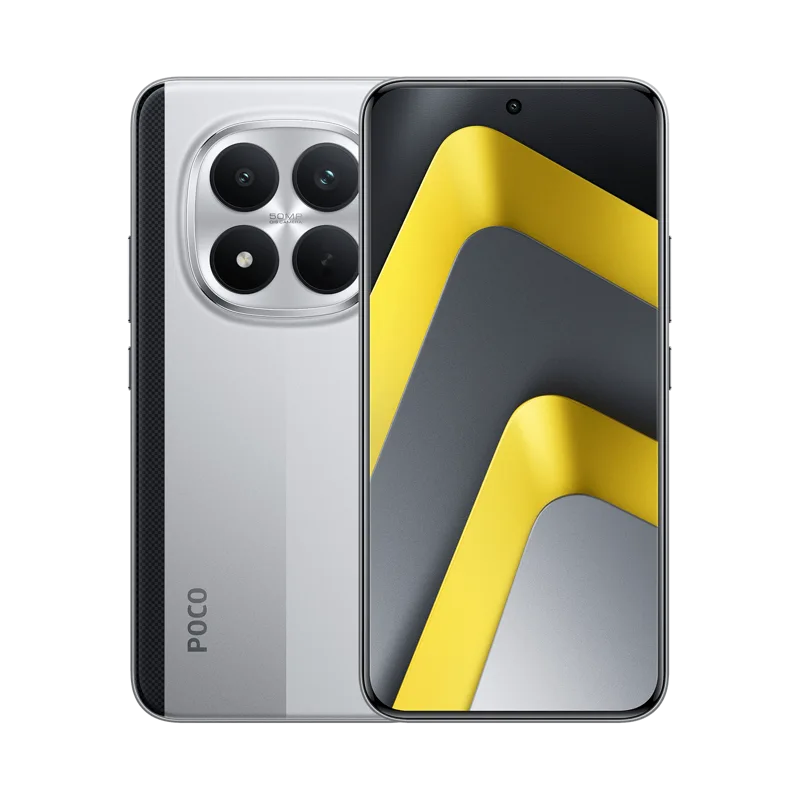
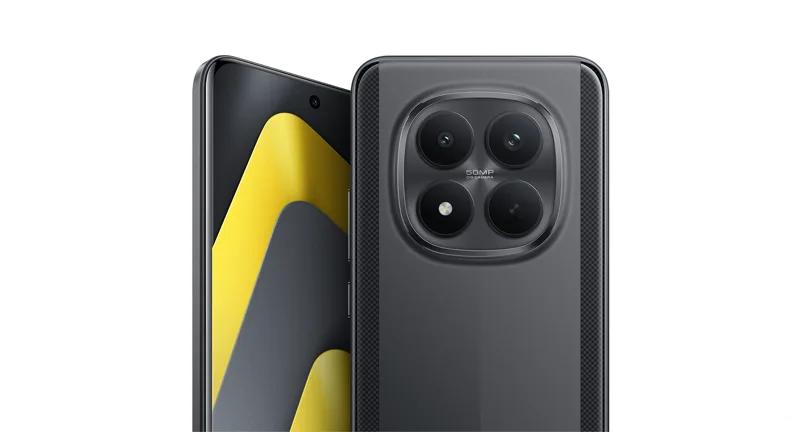
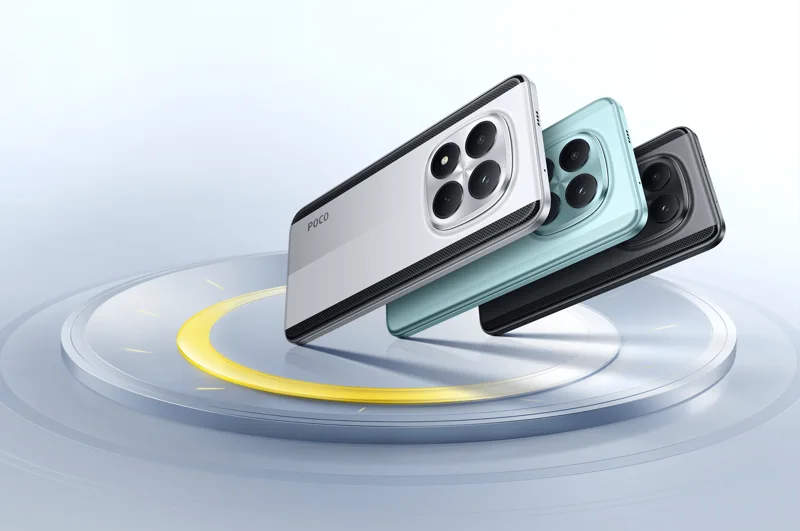
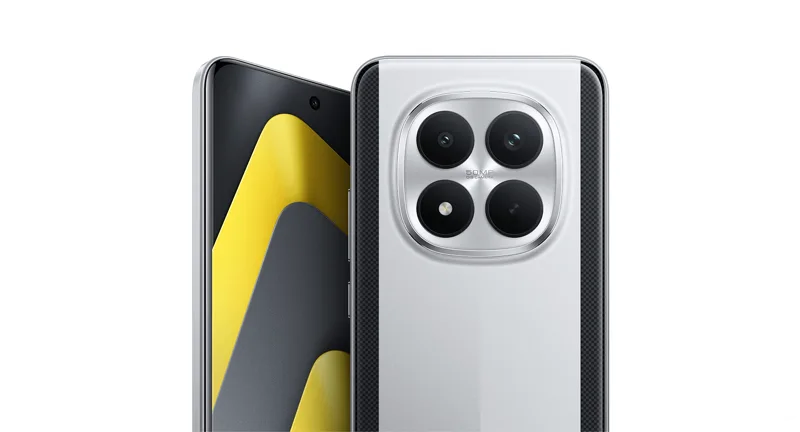
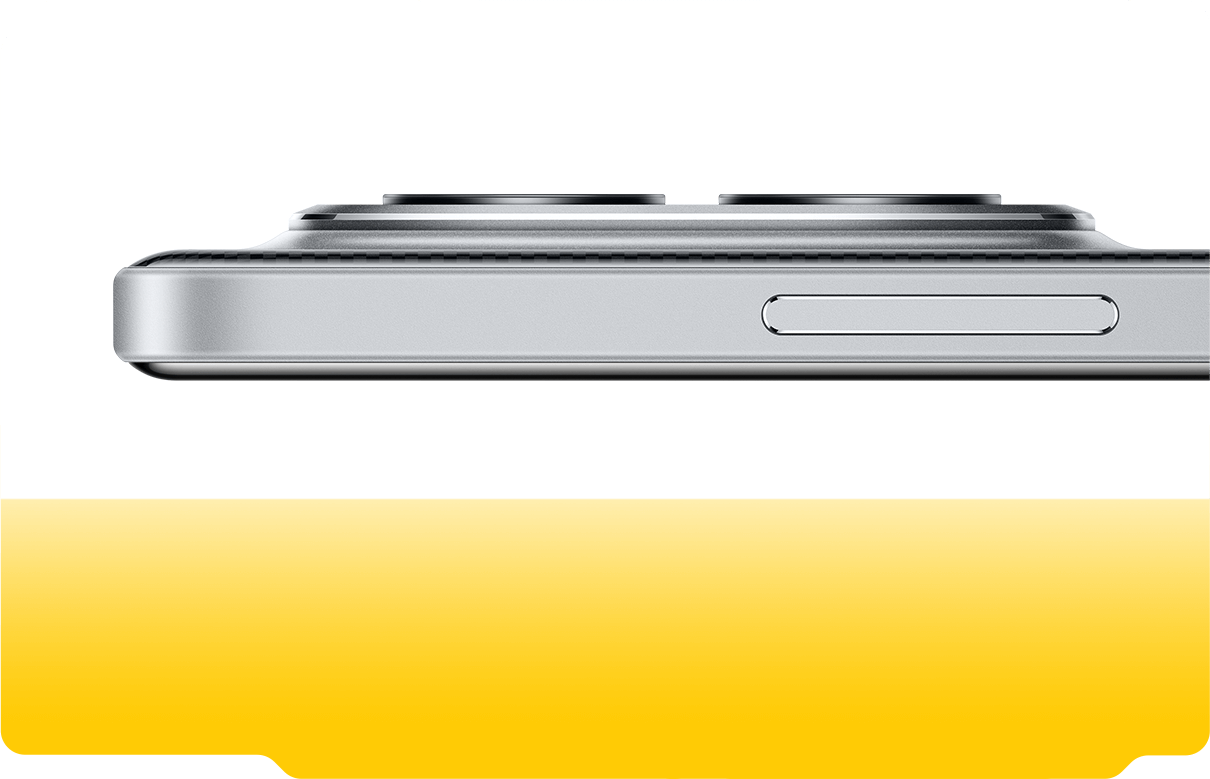
The M8 Pro measures 163.34 x 78.31 x 8.31 mm and weighs 205.9 g, figures POCO says come from its own lab. That is a medium-weight phone for a 6.83-inch screen, helped by a body POCO describes as uniformly curved on the display and the back, with an aluminium alloy mid-frame. It comes in three colours: Green, Black and Silver. The camera sits in a raised ring on the back, and POCO talks about a floating crater design and stripes along the rear.
The screen is a 6.83-inch CrystalRes AMOLED panel with a resolution of 2772 x 1280 pixels, about 447 ppi. The refresh rate goes up to 120Hz in supported apps. POCO lists a peak brightness of 3200 nits, with a high-brightness-mode figure of 1800 nits, 12-bit colour (68.7 billion colours), DCI-P3 coverage, HDR10+ and Dolby Vision support. Dimming uses 3840Hz PWM below 80 nits and DC dimming above. The company says the panel carries TÜV Rheinland certificates for low blue light, flicker-free viewing and circadian friendliness. Touch sampling is up to 480Hz in general use and an instant 2560Hz in Game Turbo mode. The cover glass is Corning Gorilla Glass Victus 2. A fingerprint sensor sits under the screen.
The headline durability claim is the IP rating: IP66, IP68, IP69 and IP69K. POCO also says the phone passed a TÜV SÜD water-resistance endurance test at 2 metres for 24 hours, and an SGS five-star premium performance certificate for drops, bending and crushing. As always, these are laboratory conditions, and water resistance can deteriorate with wear.
Performance and software
The Snapdragon 7s Gen 4 is a 4nm octa-core chip running at up to 2.7GHz, paired with LPDDR4X memory and UFS 2.2 storage. That storage standard is slower than the UFS 3.1 and 4.0 found in higher tiers, which shows up in app install and file copy times but matters little in daily scrolling. POCO adds a LiquidCool system with a 5200 mm² IceLoop cooler and a 5954 mm² graphite area in the mid-frame, and claims up to three times the heat dissipation of a traditional vapour chamber, according to its own lab testing. No benchmark scores are given on the page.
The software is Xiaomi HyperOS 2, and the page describes Google Gemini with an overlay and Gemini Live, Circle to Search, and an AI creativity set that includes AI Erase Pro, image expansion and reflection removal. The phone supports Xiaomi Offline Communication, which allows kilometre-range voice calls without a network in open areas when a SIM and a Xiaomi account are present; POCO states that it is not meant for emergencies and that availability varies by country. Connectivity covers 5G, Wi-Fi 6 and 6E depending on region, Bluetooth 5.4, NFC and an IR blaster, and the phone takes two nano SIM cards. The stereo speakers are symmetrical, with Dolby Atmos and a volume boost of up to 400% over normal level. There is no information on update length on the page.
Camera
The main camera is a 50MP Light Fusion 800 sensor, 1/1.55 inch, with an f/1.6 lens, 4-in-1 pixel binning to 2.0 micron pixels and optical image stabilisation. POCO claims a 13.2EV cinematic dynamic range. It is joined by an 8MP ultrawide camera at f/2.2. There is no telephoto lens, so zooming is digital. Video goes up to 4K at 30 frames per second, with 1080p at 30 or 60 and 720p at 30. The front camera is 32MP with an f/2.2 lens and records up to 1080p at 60 fps.
Software features include film-style filters, Dynamic Shots 2.0 and AI editing tools. The 50MP main sensor with stabilisation is the main strength; the 8MP ultrawide is a basic secondary camera, and no macro or telephoto option is listed.
Battery and charging
This is the phone's centrepiece. The battery is 6500 mAh (typical) and uses silicon-carbon technology. POCO says it gives 2.06 days of use and keeps playing video for more than 20 hours at -20 degrees Celsius, both from its own testing. It also states that the battery keeps at least 80% of its capacity after 1,600 charge cycles, which it equates to around six years of use. Wired charging is rated at 100W, and POCO says a full charge takes about 40 minutes with the in-box charger in its top-speed mode at room temperature with the screen off. The page asks buyers to check with the local seller whether a charger is in the box. Wired reverse charging reaches 22.5W, so the phone can top up earbuds, watches or another phone.
The trade-off is mass. The bigger cell makes the phone 205.9 g and 8.31 mm thick, against 178 g and 7.35 mm for the standard M8.
Who it is for
The POCO M8 Pro is aimed at people who value endurance and fast charging over camera versatility: commuters, heavy video and gaming users and anyone who travels often. The display specification is strong for the class, and the IP69K rating suits people who work or exercise in harsh conditions. Buyers who want a lighter phone can look at the standard POCO M8, and those who care more about the camera set may compare with the Galaxy A56 or the realme 16.
Compromises
- UFS 2.2 storage and LPDDR4X memory are older standards.
- The camera set has no telephoto lens, and the ultrawide is only 8MP.
- At 205.9 g it is heavier than the M8, and the charger may not be included in every market.
- Lab figures for battery life, heat dissipation and charging come from POCO, and the page gives no official price or update policy.
Overall, the M8 Pro is a high-endurance mid-range phone with a bright, detailed display and tough build. Its weak points are the memory generation and the modest camera set. Check the rankings to see how it compares with other devices on this site.
Where it ranks
Compare Xiaomi POCO M8 Pro with similar devices
More from Xiaomi
Frequently asked questions
When was the Xiaomi POCO M8 Pro released?
The Xiaomi POCO M8 Pro was released on 2026-01-01, according to the manufacturer’s published information.
What are the main specs of the Xiaomi POCO M8 Pro?
Headline figures for the Xiaomi POCO M8 Pro: Battery: 6,500 mAh, Refresh rate: 120 Hz, Main camera: 50 MP, RAM: 12 GB. The full specification table is further up this page.
Is the Xiaomi POCO M8 Pro worth buying?
That depends on your priorities. Use the editorial review on this page for our view, check the rankings above to see where the device stands on battery, display and camera, and compare it directly with similar models before you decide.


