Phones
Xiaomi Redmi Note 14 Pro+
Xiaomi's top Redmi Note 14 pairs a 200MP camera and 120W charging with a Snapdragon 7s Gen 3, a 6.67-inch 120Hz AMOLED and IP68 protection.
Key figures at a glance
Gallery

Specifications
- Display
- 6.67" CrystalRes AMOLED, 2712x1220 (446 ppi), up to 120Hz, 3000 nits peak, Dolby Vision, HDR10+, Gorilla Glass Victus 2
- Chipset
- Qualcomm Snapdragon 7s Gen 3 (4nm, up to 2.5GHz)
- RAM
- 12GB
- Storage
- 256GB / 512GB
- Rear Camera
- 200MP main (f/1.65, 1/1.4", OIS) + 8MP ultrawide + 2MP macro
- Front Camera
- 20MP (f/2.2)
- Battery
- 5,110 mAh (typical), 120W HyperCharge wired
- OS
- Xiaomi HyperOS
- Weight
- 210.14 g (205.13 g in Lavender Purple)
- Dimensions
- 162.53 x 74.67 x 8.75 mm (8.85 mm in Lavender Purple)
- Water Resistance
- IP68
- Memory type
- LPDDR4X RAM, UFS 2.2 storage
- Memory options
- 8GB+256GB, 12GB+256GB, 12GB+512GB
- Colors
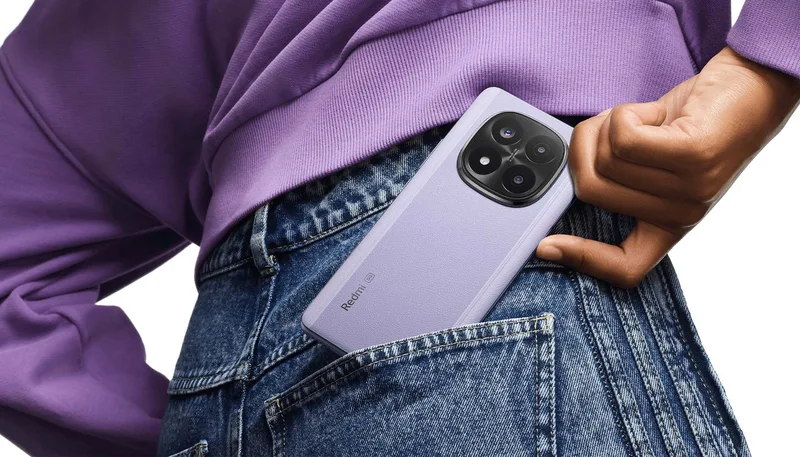
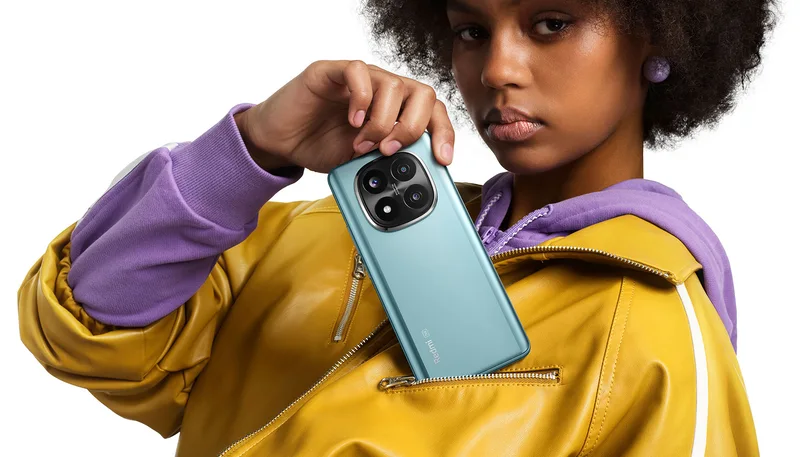
- Frost Blue, Midnight Black, Lavender Purple, Sand Gold
The Xiaomi Redmi Note 14 Pro+ is the top model of the Redmi Note 14 family and one of the most feature-heavy phones in the mid-range segment. Xiaomi's global product page leads with five things: a 200MP main camera, a 120W HyperCharge system with a 5,110 mAh battery, the Snapdragon 7s Gen 3 chip, IP68 dust and water resistance and a 1.5K, 120 Hz AMOLED screen with Gorilla Glass Victus 2. This page is based on the published specifications and manufacturer information from Xiaomi's global site, and it separates what the company states from what a buyer should verify on their own.
Where it sits in the Redmi Note range
Xiaomi sells the Redmi Note 14 line in five steps, and the Pro+ 5G is the one that Xiaomi calls the ultimate all-rounder. The comparison table on the product page shows how the family is arranged. The Pro+ and the Pro 5G both carry a 200MP main camera, IP68 protection, a 5,110 mAh battery and a 1.5K curved display. The difference is in the details: the Pro+ uses a Snapdragon 7s Gen 3 and 120W charging, while the Pro 5G uses a MediaTek Dimensity 7300-Ultra and 45W charging. Below them, the Redmi Note 14 Pro keeps the 200MP camera but moves to a Helio G100-Ultra chip, IP64 and 45W charging, while the Redmi Note 14 5G and the Redmi Note 14 use a 108MP camera and flat full-HD+ screens.
Later generations have already appeared. Xiaomi's catalogue now includes the Redmi Note 15 Pro+ and the Redmi Note 15 Pro, so the 14 Pro+ is a previous-generation model. Xiaomi's page does not give a launch date, and the release date shown here is the one used by this site for the early-2025 global launch window. When comparing it with its direct sibling from the next generation, the Redmi Note 14 Pro+ vs Redmi Note 15 Pro+ page lists both side by side.
Design and build
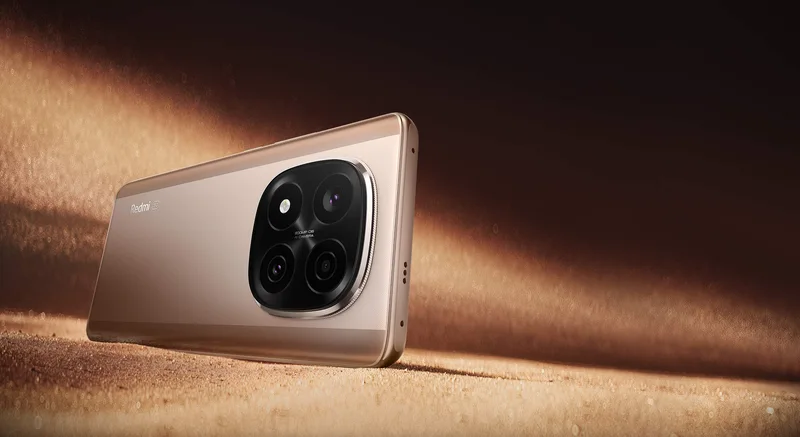
The phone measures 162.53 x 74.67 mm. In Sand Gold, Midnight Black and Frost Blue it is 8.75 mm thick and weighs 210.14 g; the Lavender Purple version is 8.85 mm thick and weighs 205.13 g. Xiaomi says the three glass-back colours use Corning Gorilla Glass 7i on the rear, and it separately promotes a vegan-leather finish, which it calls a first for the Redmi Note line, as comfortable to hold and fingerprint resistant. The front uses Gorilla Glass Victus 2. Xiaomi claims a 200% improvement in front drop resistance over Gorilla Glass 5 and a 100% improvement for the rear glass, measured against the same older glass.
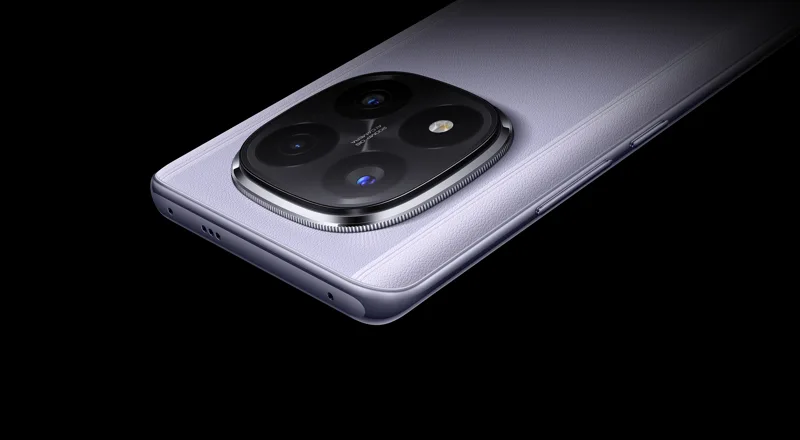
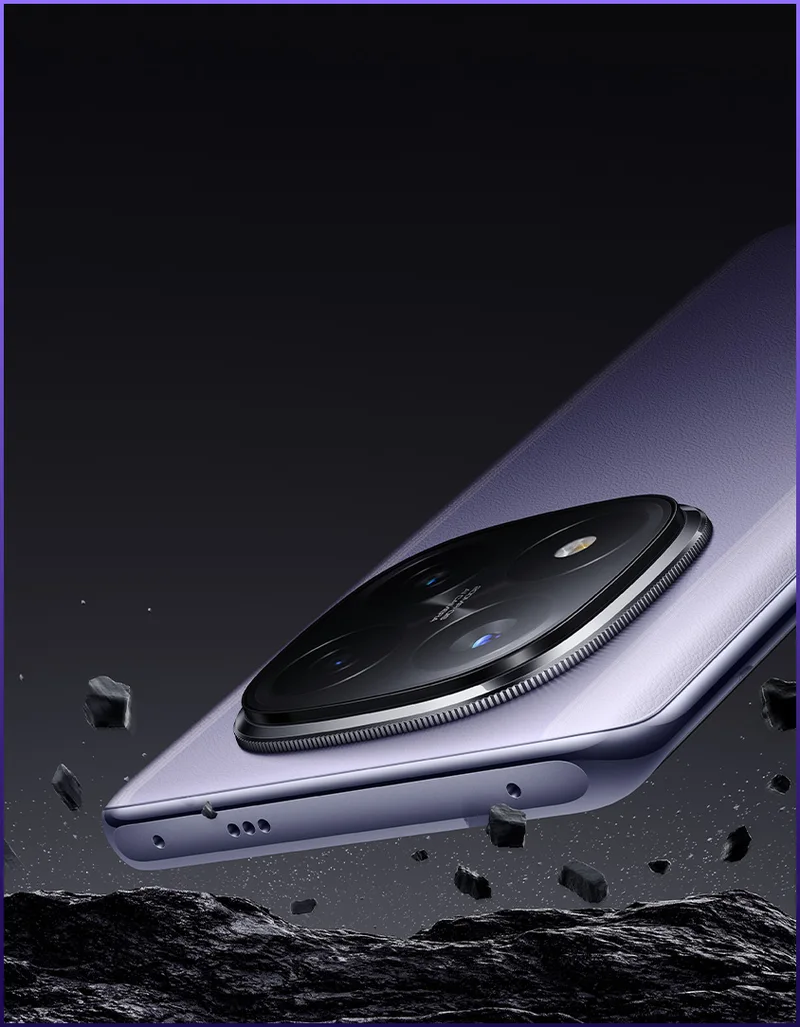
The frame is described as a high-strength aluminium composite, and Xiaomi says its overall rigidity is 10% higher than the Redmi Note 13 Pro+, according to internal lab data. There is also a four-corner internal reinforcement, polymer buffering and a steel-reinforced inner core. The protection rating is IP68, tested for up to 30 minutes in fresh water at a depth of 1.5 m. Xiaomi gives the usual warning that this was a laboratory test and that the phone is not advised for beach or pool use. The screen is described as a 3D curved panel that follows the shape of the palm, and the camera deco sits in the centre of the back.
Display
The screen is a 6.67-inch CrystalRes AMOLED panel with a 2712 x 1220 resolution and a density of 446 pixels per inch. Xiaomi quotes a 12-bit colour depth, 100% DCI-P3 coverage, support for Dolby Vision and HDR10+ and a peak brightness of 3,000 nits. The refresh rate goes up to 120 Hz, and touch sampling is up to 480 Hz, with an instantaneous 2,560 Hz rate available in game mode. The contrast ratio is stated as 5,000,000:1.
The eye-comfort side is documented in detail. The display uses 1,920 Hz PWM dimming together with DC dimming, offers 20,000 levels of automatic brightness adjustment and carries TÜV Rheinland certificates for low blue light (hardware solution), flicker-free operation and circadian friendliness. The refresh rate is adaptive, and the panel is a notch above most competitors at the price, mainly because the curved edges and 3,000-nit peak are rare in mid-range phones. As always, the peak brightness applies to HDR highlights, not to full-screen white.
Performance and software
The Snapdragon 7s Gen 3 is built on TSMC's 4 nm process and uses an ARM v9.2 design with four Cortex-A720 cores and four Cortex-A520 cores, running at up to 2.5 GHz, together with an Adreno GPU. Xiaomi claims a 30% improvement in AI performance over the Snapdragon 7s Gen 2. It is a capable mid-range processor that handles daily tasks, video and mainstream games well, though it does not match flagship chips in sustained 3D load. Xiaomi helps with a large vapour-chamber cooling area of nearly 5,000 mm² and a LiquidCool system.
Three memory versions are listed: 8 GB with 256 GB, 12 GB with 256 GB and 12 GB with 512 GB. The memory is LPDDR4X and the storage is UFS 2.2, which is a step behind the LPDDR5X and UFS 3.1 pairing found on some rivals, so app launches and large file copies are not class-leading. The page does not give an Android version number; it states that the phone runs Xiaomi HyperOS. The software promise includes Google Gemini, Circle to Search, and Xiaomi's own tools such as AI Interpreter, AI Notes, AI Subtitles, AI Recorder and AI Film. Several AI photo tools, such as AI Erase Pro and AI Image Expansion, were listed as arriving by an over-the-air update from February 2025. The page does not state an update period, so check Xiaomi's support information for the exact duration.
Cameras
The 200MP main camera is the main attraction. The sensor measures 1/1.4 inch, the aperture is f/1.65, 16-in-1 pixel binning produces a large 2.24 µm pixel, and the lens has optical image stabilisation and a seven-element design. Xiaomi advertises 2x and 4x optical-grade lossless zoom, which on this phone are crops from the large sensor and not separate telephoto lenses. The other two cameras are modest: an 8MP ultra-wide with f/2.2 and a 2MP macro camera with f/2.4. In practice the main camera does most of the work, and the supporting cameras are there for completeness.
Video recording goes up to 4K at 24 or 30 frames per second, with 1080p at up to 60 fps and slow motion at 1080p and 120 fps. Xiaomi lists dynamic shots, motion-tracking focus, lightning burst, a night mode, document mode and dual video, which records from the front and rear cameras at the same time. The front camera is 20MP with f/2.2 and a 0.8x field of view for group selfies. The page does not mention 8K recording or a stabilised 4K 60 fps mode, so buyers who film a lot should look elsewhere.
Battery and charging
The battery has a typical capacity of 5,110 mAh and charges at up to 120 W through Xiaomi's HyperCharge system. The product page states that no power adapter is included in the box and recommends a 100 W PD-compatible charger or Xiaomi's official 120 W adapter, although it also notes that package contents differ across regions, so the retail box in your country may include a charger. Wireless charging is not listed.
Xiaomi's laboratory-based estimates are 19.5 hours of social media use, 9 hours of video streaming and 15 hours of navigation. It claims an upgraded high-density battery that works in temperatures down to minus 20 degrees Celsius, and its Surge battery-management system is said to keep 80% of the battery health after 1,600 charge cycles, roughly four years of regular use. Treat the stated hours as optimistic, but the combination of a 5,110 mAh cell and a very fast charger is a clear strength, especially for people who top up in short sessions.
Who should consider it
The phone suits buyers who want flagship-style extras for a mid-range cost: a bright curved screen, IP68, a very fast charger and a 200MP camera. It is also a good fit for people who value an infrared blaster, NFC, stereo speakers with Dolby Atmos and an in-screen fingerprint sensor. If your priority is the best value among rivals, compare it with the Galaxy A56, which offers a longer update promise, using the Redmi Note 14 Pro+ vs Galaxy A56 page. The site's rankings show how the phone scores across all categories.
Compromises
- Weight. At more than 205 g and 8.75 mm it is a heavy, thick phone for a 5,110 mAh battery.
- Storage type. UFS 2.2 and LPDDR4X are older standards than those in some competitors.
- Secondary cameras. The 8MP ultra-wide and 2MP macro lenses add little compared with the main sensor, and there is no true telephoto.
- Charger. The official page says no adapter is included, and the 120 W rate needs a compatible charger.
- Software details. The page does not state the Android version or the update period, and some AI features arrived later through an update.
- Claims. The battery hours, 1,600-cycle durability and rigidity figures come from Xiaomi's internal labs.
Overall, the Redmi Note 14 Pro+ 5G is a strong all-round package whose main appeal is its screen, camera resolution and charging speed. It asks for compromises in weight, memory type and secondary cameras, so it works best for buyers who put the main camera, display and fast charging first.
Where it ranks
Compare Xiaomi Redmi Note 14 Pro+ with similar devices
More from Xiaomi
Frequently asked questions
When was the Xiaomi Redmi Note 14 Pro+ released?
The Xiaomi Redmi Note 14 Pro+ was released on 2025-01-10, according to the manufacturer’s published information.
What are the main specs of the Xiaomi Redmi Note 14 Pro+?
Headline figures for the Xiaomi Redmi Note 14 Pro+: Battery: 5,110 mAh, Refresh rate: 120 Hz, Main camera: 200 MP, RAM: 12 GB. The full specification table is further up this page.
Is the Xiaomi Redmi Note 14 Pro+ worth buying?
That depends on your priorities. Use the editorial review on this page for our view, check the rankings above to see where the device stands on battery, display and camera, and compare it directly with similar models before you decide.


