Phones
Xiaomi POCO F8 Pro
The compact POCO F8 Pro uses Snapdragon 8 Elite, a 6.59-inch 120Hz AMOLED, a 50MP triple camera with a 60mm telephoto and a 6210 mAh battery with 100W charging, in an IP68 body.
Key figures at a glance
Gallery
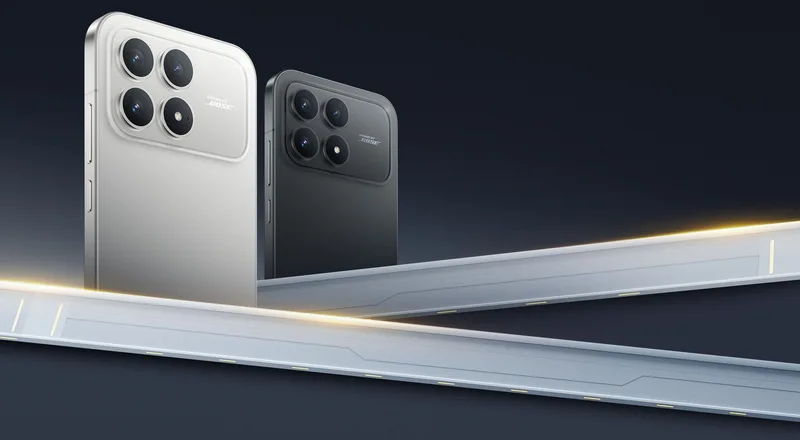
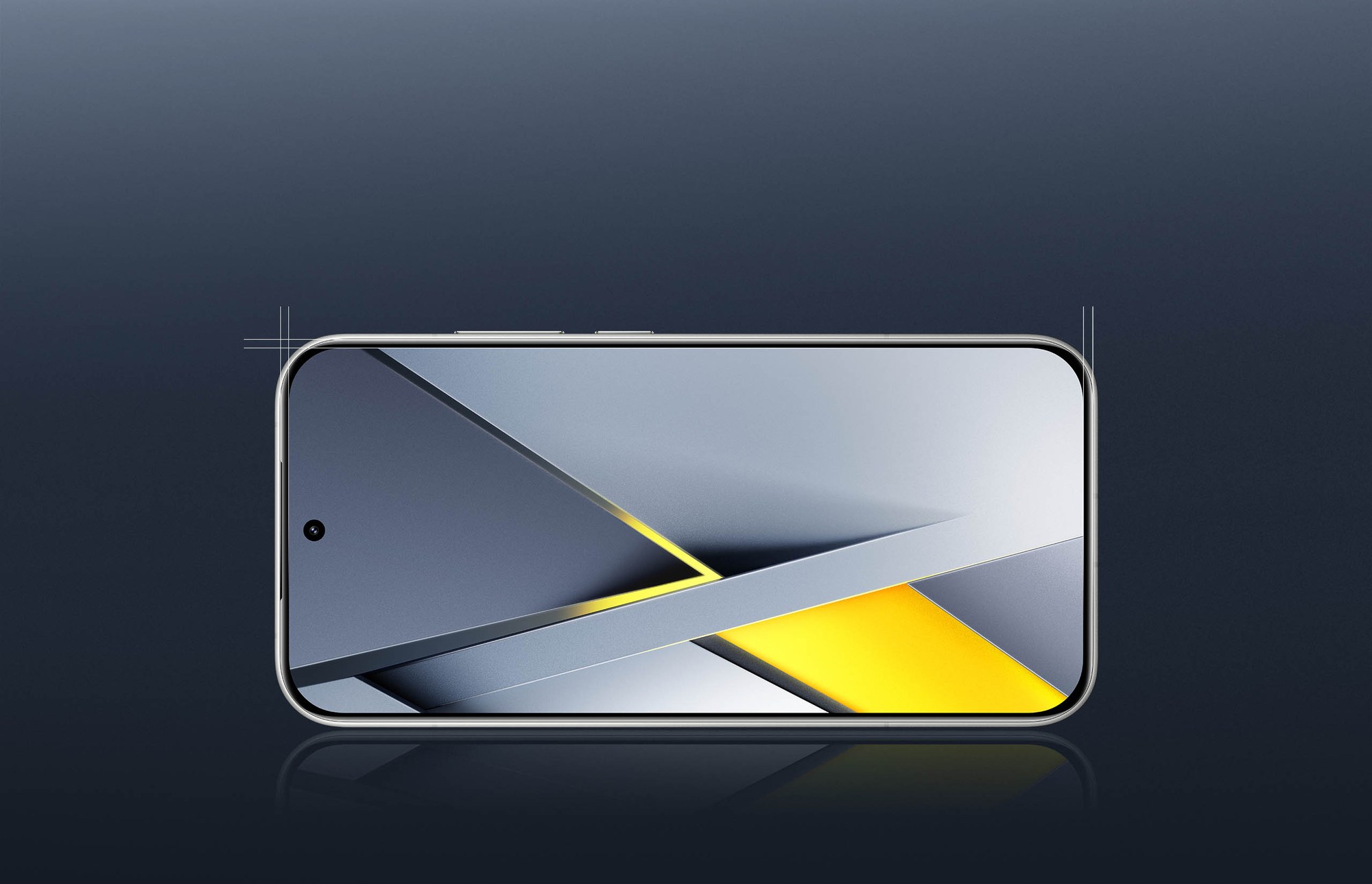
Specifications
- Display
- 6.59" HyperRGB AMOLED, 2510x1156, up to 120Hz, 3500 nits peak (25% area), 68 billion colors, DCI-P3
- Chipset
- Snapdragon 8 Elite (3nm)
- RAM
- 12GB
- Storage
- 256GB / 512GB (UFS 4.1)
- Rear Camera
- 50MP main (Light Fusion 800, 1/1.55", f/1.88, OIS) + 50MP telephoto (f/2.2, 60mm equivalent) + 8MP ultrawide (f/2.2)
- Front Camera
- 20MP
- Battery
- 6210 mAh (typical), 100W wired, 22.5W wired reverse charging
- OS
- Xiaomi HyperOS 3
- Body
- 157.49 x 75.25 x 8.0 mm, 199 g; one-piece milled glass back; Corning Gorilla Glass 7i; IP68
- Memory type
- LPDDR5X (9600Mbps), UFS 4.1
- Audio
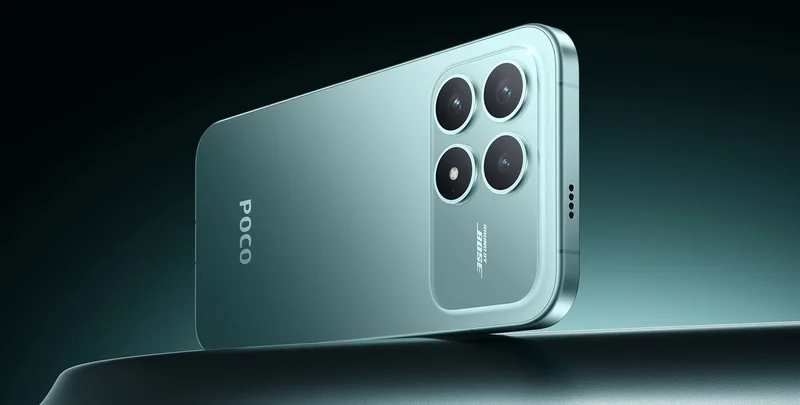
- Symmetrical stereo speakers, Sound by Bose
- Connectivity
- 5G, Wi-Fi 7, Bluetooth 5.4, NFC, dual SIM (nano SIM or eSIM)
- Colors
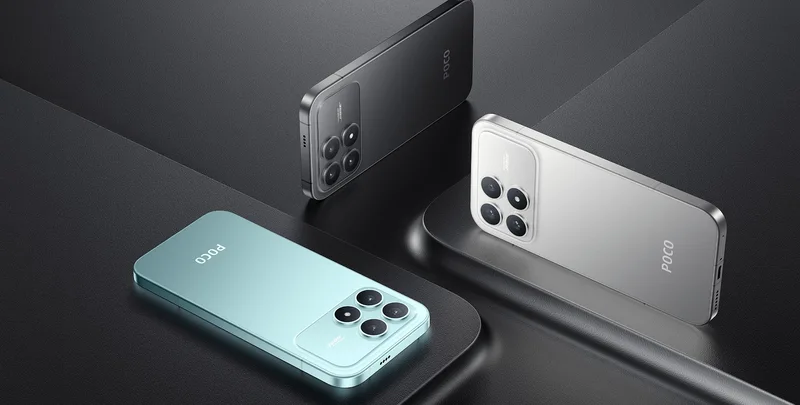
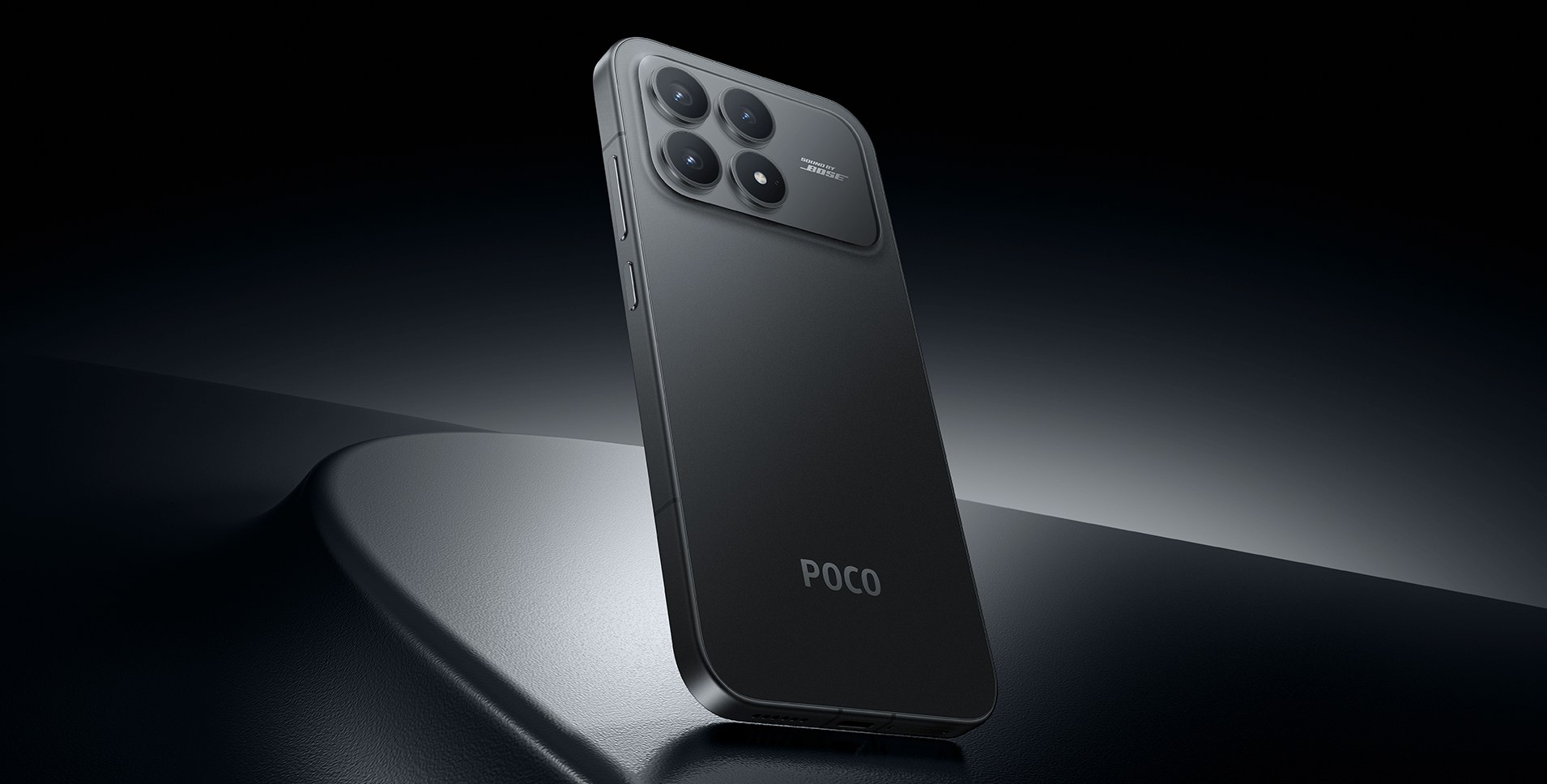
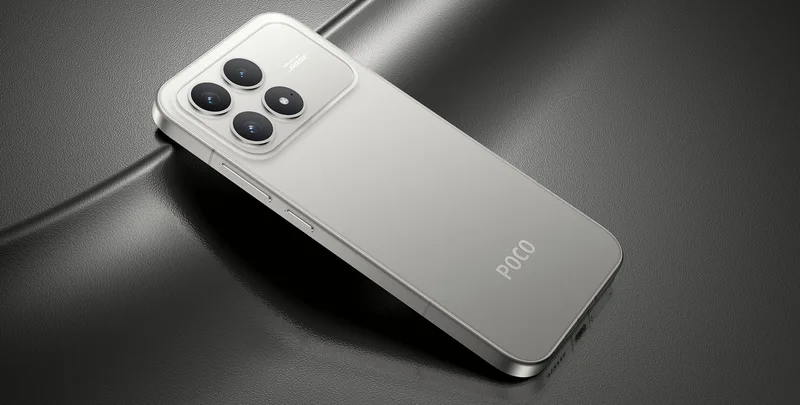
- Black, Titanium Silver, Blue
The POCO F8 Pro is the more compact of the two high-end POCO F8 models. It pairs a Snapdragon 8 Elite, a 6.59-inch 120Hz HyperRGB AMOLED display, a 50MP triple camera that includes a 60mm telephoto, a 6210 mAh battery with 100W wired charging and Bose-tuned stereo speakers, all inside a 199 g IP68 body that POCO describes as comfortable even for one-handed use. This page covers what Xiaomi publishes on its global product pages, how the phone relates to the larger F8 Ultra, and where the trade-offs lie. It is based on published specifications and manufacturer information rather than independent lab testing, and the performance numbers are POCO's own internal data.
Where it sits in the lineup
POCO is Xiaomi's performance-oriented sub-brand, and the F series is its upper tier. The F8 Pro is the smaller sibling of the POCO F8 Ultra. Both share the HyperRGB display technology, the Bose co-tuned audio, IP68 protection, HyperOS 3, ultrasonic fingerprint sensors and 100W wired charging. The Pro uses the Snapdragon 8 Elite instead of the Snapdragon 8 Elite Gen 5, a 6.59-inch screen instead of 6.9 inches, a 6210 mAh battery instead of 6500 mAh, a 20MP front camera instead of 32MP, a 60mm telephoto instead of a 5x periscope and no wireless charging on the published specification sheet. The page lists two memory configurations, 12 GB with 256 GB or 512 GB, and three colours: Black, Titanium Silver and Blue. Xiaomi notes that "Titanium Silver" describes colour and finish only and does not mean the phone contains titanium. No US price is published on the page used here.
Elsewhere in the brand's range, the POCO X8 Pro uses a MediaTek Dimensity 8500-Ultra chip, so the F8 Pro is the model to look at if you want Qualcomm's flagship silicon from POCO in a smaller body.
Design, display and build
The body measures 157.49 x 75.25 x 8.0 mm and weighs 199 g, which makes it notably lighter than the Ultra, and POCO says the 6.59-inch screen with rounded corners was chosen to be easy to hold. The back is one-piece milled glass, in which a glossy 3D decorative camera area and a matte rear panel are carved out of a single piece. POCO says the process involves three CNC carving passes, 12 cutting tools and 41 manufacturing steps. The frame is a slightly curved metal frame, and the front is protected by Corning Gorilla Glass 7i. The phone is rated IP68 for dust and immersion in fresh water at 1.5 metres for up to 30 minutes, under laboratory conditions that the warranty does not extend to liquid damage.
The display is a 6.59-inch HyperRGB AMOLED with a resolution of 2510 x 1156 pixels and a refresh rate of up to 120Hz. HyperRGB refers to a full RGB subpixel arrangement. The panel supports 12-bit colour, 68 billion colours, the DCI-P3 gamut, HDR10+ and Dolby Vision, and reaches a peak brightness of 3500 nits over 25 percent of the screen area, with 2000 nits in high-brightness mode, 600 nits typical and a 1 nit minimum. Touch sampling is up to 480Hz, or 2560Hz instantly in Game Turbo mode. TÜV Rheinland certifications cover low blue light, flicker-free operation and circadian friendliness. The fingerprint sensor is an ultrasonic unit under the display that POCO says supports wet-hand unlocking.
Performance and software
The Snapdragon 8 Elite is made on a 3 nm process with two prime cores at up to 4.32 GHz and six performance cores at up to 3.53 GHz. Memory is LPDDR5X at 9600 Mbps and storage is UFS 4.1. POCO quotes an AnTuTu v11 score of 3,284,129 from its internal lab, and, using figures compared with the Snapdragon 8 Gen 3, gains of 45 percent in multi-core CPU performance, 44 percent in GPU performance and 105 percent in AI performance. They are manufacturer figures from POCO's own testing, so they say little about the difference between this phone and rivals running the same chip.
The cooling is a 3D triple-layer IceLoop system, which POCO says improves maximum thermal conductivity by 40 percent and layer area by 230 percent compared with the F7 Pro. In a one-hour role-playing-game test at 60 fps, POCO reports an average of 60.04 fps, 1% lows of 57.55 fps, a maximum temperature of 41.8 °C and 4 W power draw; this is a single internal test and not a general guarantee. The software is Xiaomi HyperOS 3, with Google Gemini and Circle to Search, Xiaomi's own AI tools in selected regions, and Xiaomi Offline Communication, which allows voice calls without a network over about one kilometre in open surroundings where the feature is available. The pages I used do not state a number of years of OS and security updates, so check this for your region. The connectivity list is Wi-Fi 7 (depending on region), Bluetooth 5.4, NFC and dual SIM with eSIM options.
Camera
The rear camera has three 50MP-class sensors in a mixed arrangement. The main camera is a 50MP Light Fusion 800 sensor of 1/1.55 inch with f/1.88 optics, a six-element lens and optical stabilisation; POCO claims 13.2 EV of dynamic range. The telephoto is a 50MP camera with a 60mm equivalent focal length at f/2.2, and POCO advertises "5x in-sensor zoom" for it, which by its name is a crop of the sensor and not an optical periscope step. The ultrawide is only 8MP with f/2.2. The front camera is 20MP.
The 60 mm focal length is a classic portrait length, and a 50MP telephoto in this size class is a useful differentiator against phones that use a 2x crop of the main sensor. Video goes up to 8K at 30 fps, 4K at 30 or 60 fps, and slow motion up to 960 fps at 720p or 1080p. The front camera records up to 1080p. Software features include dynamic shots, film filters, a video teleprompter and AI tools for beautification and cut-outs. The 8MP ultrawide and the lower front resolution are the points where the Pro is clearly behind the Ultra, and how well the processing handles skin tones and low light is something a data sheet cannot answer. The Galaxy S26 page is a useful reference for another flagship-class camera set.
Battery and charging
The battery is 6210 mAh (typical), which is large for a phone with a 6.59-inch screen, and POCO says it retains at least 80 percent of its capacity after 1,600 charge cycles. Wired charging is 100W, and POCO states 37 minutes from 1 to 100 percent using the in-box 100W charger with "Top speed" mode enabled and the display off. The phone also supports the 100W PPS universal charging protocol and up to 22.5W wired reverse charging. The company's internal figures claim over 16 hours of continuous use, over 56 hours of calling, over 10 hours of video calls and over 10 hours of gaming. The published specification sheet lists no wireless charging, and availability of the charger in the box depends on the local seller. In practice, the key point is that a phone this size manages more than 6000 mAh and still weighs 199 g.
Who it is for
The F8 Pro suits people who want the Snapdragon 8 Elite, a fast display and strong battery life in a phone that is easier to handle than a 6.9-inch model. Gamers who value a cool-running device, travellers who want one phone for everything and people who prefer smaller screens are the natural audience. To see the differences between siblings and rivals, use POCO F8 Pro vs POCO F8 Ultra and POCO F8 Pro vs POCO X8 Pro.
Compromises and open questions
- No wireless charging: The specification sheet lists wired 100W charging and reverse charging only.
- 8MP ultrawide and 20MP front camera: Both are lower in resolution than on the F8 Ultra.
- Telephoto reach: 60mm and in-sensor cropping are not the same as an optical periscope for distant subjects.
- Internal benchmarks: AnTuTu, gaming frame rates, temperature and battery hours come from POCO's own labs.
- Regional differences: AI tools, Wi-Fi 7, eSIM and Offline Communication vary by country.
- Update policy: The pages used here do not state OS or security update lengths.
- Release date and price: No US price is listed, and the release date used for this entry could not be confirmed on the official page and is approximate.
Overall, the POCO F8 Pro is a compact way to get flagship silicon, a high-end display and a large battery with fast charging, and its main concessions are the lack of wireless charging and a more modest camera set than the Ultra. See the rankings to see how it compares with other phones in the database.
Where it ranks
Compare Xiaomi POCO F8 Pro with similar devices
More from Xiaomi
Frequently asked questions
When was the Xiaomi POCO F8 Pro released?
The Xiaomi POCO F8 Pro was released on 2025-11-26, according to the manufacturer’s published information.
What are the main specs of the Xiaomi POCO F8 Pro?
Headline figures for the Xiaomi POCO F8 Pro: Battery: 6,210 mAh, Refresh rate: 120 Hz, Main camera: 50 MP, RAM: 12 GB. The full specification table is further up this page.
Is the Xiaomi POCO F8 Pro worth buying?
That depends on your priorities. Use the editorial review on this page for our view, check the rankings above to see where the device stands on battery, display and camera, and compare it directly with similar models before you decide.


