Phones
Xiaomi POCO F7 Ultra
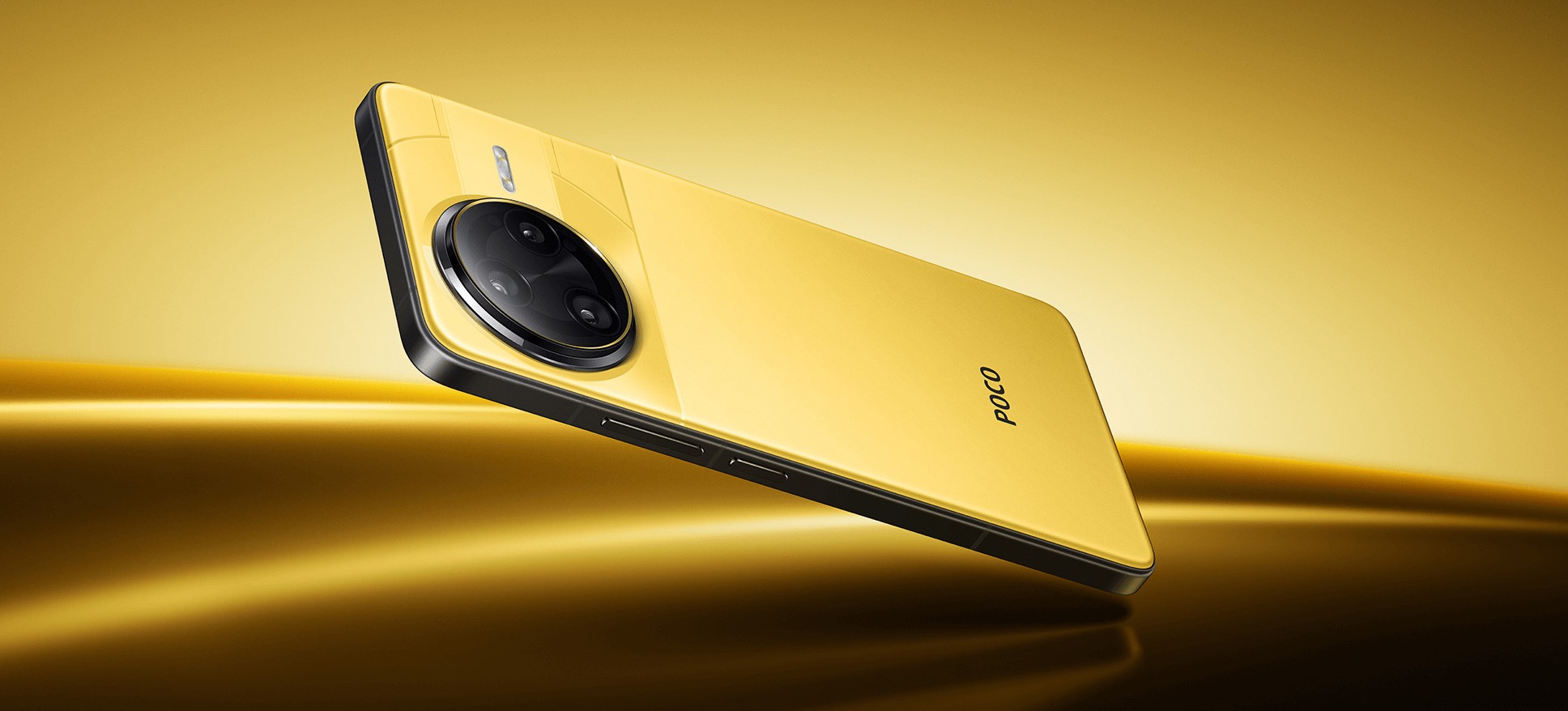
POCO's F7 Ultra pairs the Snapdragon 8 Elite with a 6.67-inch 2K 120Hz AMOLED, a 50MP floating telephoto, 120W wired and 50W wireless charging and IP68.
Key figures at a glance
Gallery
Specifications
- Display
- 6.67" WQHD+ Flow AMOLED, 3200x1440, 526 ppi, up to 120Hz, 3,200 nits peak (25% area), 1,800 nits HBM, up to 2,560Hz instant touch sampling, POCO Shield Glass
- Chipset
- Snapdragon 8 Elite (3nm), 2 x Prime up to 4.32GHz + 6 x Performance up to 3.53GHz, Adreno GPU; VisionBoost D7 graphics chip
- RAM
- 16GB
- Storage
- 256GB / 512GB (UFS 4.1, rollout via OTA varies by region)
- Rear Camera
- 50MP main (Light Fusion 800, 1/1.55", f/1.6, OIS) + 50MP floating telephoto (f/2.0, 60mm equivalent, OIS) + 32MP ultrawide (f/2.2, 120 degrees)
- Front Camera
- 32MP
- Battery
- 5,300 mAh (typical), 120W wired HyperCharge, 50W wireless HyperCharge
- OS
- Xiaomi HyperOS 2
- Dimensions
- 160.26 x 74.95 x 8.39 mm, 212 g
- Durability
- IP68 dust and water resistance
- Connectivity
- 5G, Wi-Fi 7, Bluetooth 6.0, NFC, dual SIM, IR blaster, ultrasonic in-display fingerprint sensor
- Audio
- Stereo speakers, 3-mic array, Dolby Atmos, Hi-Res certified
- Colors
- Black, Yellow
The POCO F7 Ultra is the top model of the POCO F7 family, unveiled on 27 March 2025 for global markets. It is built around the Snapdragon 8 Elite, a 6.67-inch 2K AMOLED screen, a triple camera that includes a 60mm-equivalent floating telephoto, and a charging setup that combines 120W wired with 50W wireless. This page is a review based on the published specifications and manufacturer information. A US launch price was not stated on the official global product page we used, so none is given here. The aim is to show what the Ultra adds over its siblings, where the manufacturer's claims need a pinch of salt, and who should pick it.
Where it sits in the lineup
POCO sells the F7 in three tiers. The POCO F7 is the mainstream model, the POCO F7 Pro uses the previous-generation flagship chip with a bigger battery, and the Ultra sits on top with the newest silicon, the best cameras and the only one of the three with wireless charging on the specification sheet. You can see the Ultra head to head with its closest sibling in POCO F7 Ultra vs POCO F7 Pro, and against a premium camera phone from the parent brand in POCO F7 Ultra vs Xiaomi 15 Ultra. For readers who want to see what came next in the line, the later POCO F8 Ultra has its own page, and the overall ordering across the catalog is on the rankings page.
Design and display
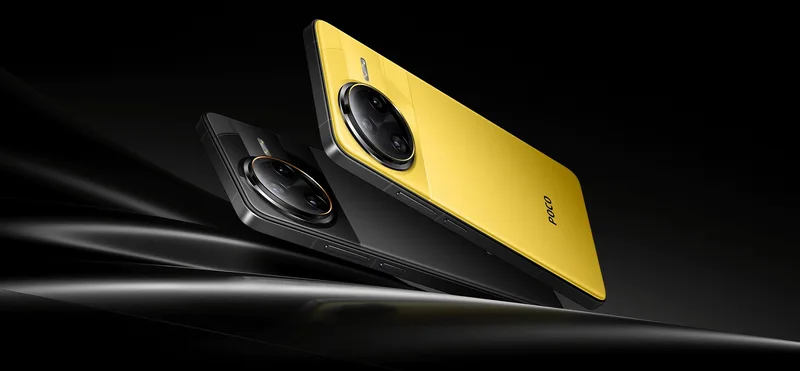
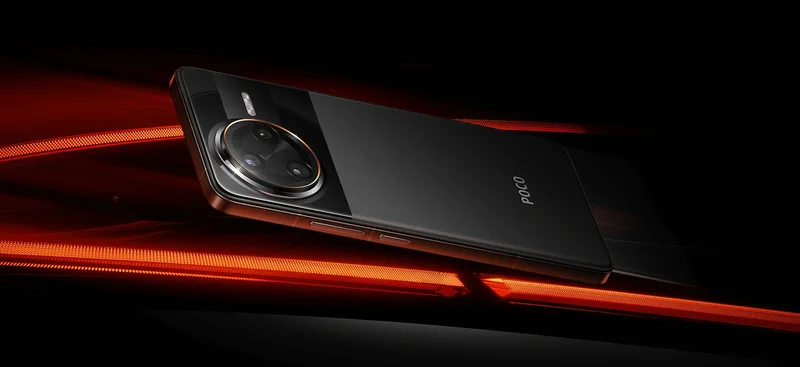
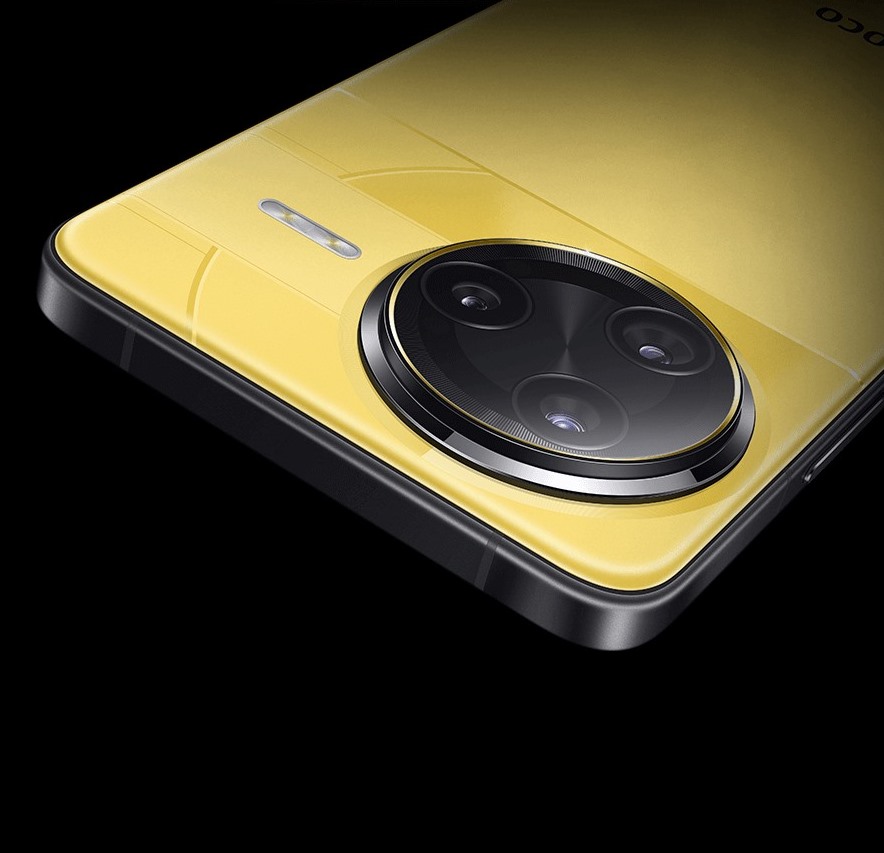
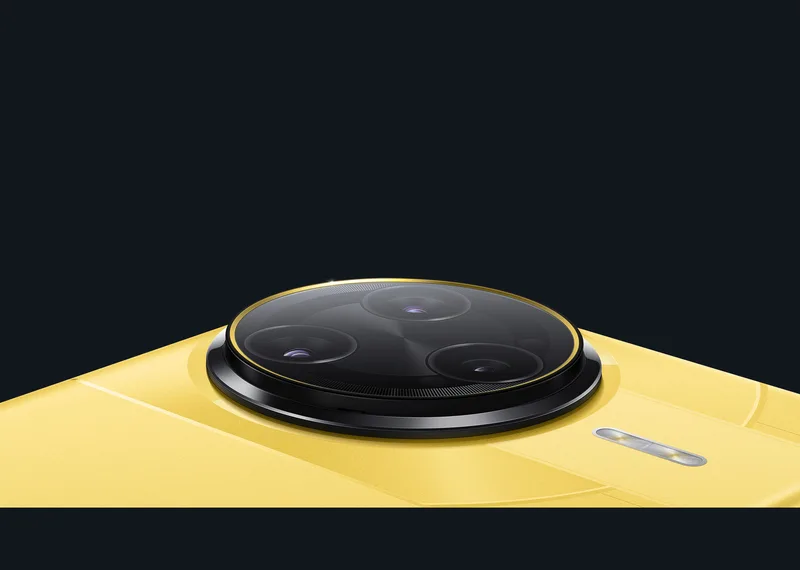
The phone is 160.26 mm tall, 74.95 mm wide and 8.39 mm thick, and POCO lists a weight of 212 g, a figure from its own lab. The back is glass with a metal middle frame and a gloss-and-matte finish. Two colours are offered, Black and Yellow, and the yellow version in particular uses a large round camera module on a half-tinted back panel. Dust and water resistance is IP68, with POCO specifying submersion in static fresh water up to 2.5 metres for up to 30 minutes; the company adds that this is a laboratory rating and advises against deliberate water use at the beach or pool.
The screen is a 6.67-inch Flow AMOLED panel with WQHD+ resolution (3200 x 1440, 526 ppi). It runs at up to 120Hz, peaks at 3,200 nits over 25 percent of the screen and reaches 1,800 nits in high-brightness mode, according to POCO. Touch sampling goes up to 480Hz, with instant sampling up to 2,560Hz in Game Turbo mode, and PWM dimming reaches 3,840Hz. The panel supports HDR10+ and Dolby Vision, 12-bit colour and the DCI-P3 gamut, carries TÜV Rheinland low blue light, flicker-free and circadian-friendly certifications, and sits under POCO Shield Glass. The bottom bezel is quoted as 1.9mm. The F7 Pro is listed with the same panel specification, so the screen is not what separates the two; the chip, the telephoto and the wireless charging are.
Performance and software
The processor is the Snapdragon 8 Elite, made on a 3nm process, with two Prime cores up to 4.32GHz and six Performance cores up to 3.53GHz, and Adreno graphics. RAM is LPDDR5X in 12GB or 16GB configurations paired with 256GB or 512GB of UFS 4.1 storage; a footnote says the UFS 4.1 rollout comes via OTA and varies by region. POCO cites an AnTuTu v10.4.4 score of 2,843,461 from its own lab, which is a manufacturer figure and should be read as such. Cooling uses a 3D dual-channel IceLoop system with a 5,400 mm² area and 15 temperature sensors, and POCO claims a reduction of up to 3°C in SoC temperature.
A distinctive piece of hardware is the VisionBoost D7, a separate graphics chip built on a 12nm process that handles features such as 2K super resolution, 120FPS smart frame rate and Game HDR in supported games, and it also affects video playback on YouTube and Netflix in certain scenarios. POCO says these features apply to supported titles and may vary with software version. Software is Xiaomi HyperOS 2 with the company's Xiaomi HyperAI tools, including AI Writing, AI Interpreter, Circle to Search, Gemini integration and an AI creativity assistant; availability varies by region.
Camera
This is the clearest difference from the cheaper phones. The main camera is a 50MP Light Fusion 800 sensor (1/1.55-inch, f/1.6, optical stabilisation) with POCO claiming a 13.2EV dynamic range. Next to it sits a 50MP floating telephoto at f/2.0 with OIS and a 60mm-equivalent focal length, which POCO says focuses from 10cm to infinity and supports 2.5x optical zoom and close-up photography. The ultrawide is 32MP at f/2.2 with a 120-degree field of view. Between them POCO lists focal lengths from 15mm to 120mm and a beta 20x ultra zoom mode. Video goes up to 8K at 24fps and 4K at up to 60fps, and the front camera is 32MP. The processing platform is called POCO AISP, and AI tools include AI Erase Pro and image expansion.
Battery and charging
The battery is rated 5,300 mAh typical, which is smaller than the 6,000 and 6,500 mAh cells in the Pro and standard models. In exchange, charging is quick: 120W wired and 50W wireless, with POCO claiming 34 minutes to full over wire and 75 minutes wirelessly in its own tests. No charger is included in the box, and wireless chargers are sold separately, so the quoted times need a compatible 120W adapter. POCO's usage claims are 13.5 hours of continuous use, more than 15 hours of video playback and over 10 hours of navigation, and it states that capacity retention stays at 80 percent or more after 1,600 cycles.
Connectivity and extras
The phone supports dual nano-SIM, 5G, Wi-Fi 7 (with regional caveats), Bluetooth 6.0 with LDAC, LHDC 5.0 and Auracast, NFC, an IR blaster and a wide set of satellite systems including GPS L1+L5. Biometrics are an ultrasonic in-display fingerprint sensor and AI face unlock. Audio is stereo speakers with Dolby Atmos and Hi-Res certifications.
Who it is for
The Ultra suits mobile gamers who want the newest chip and a graphics assistant, people who watch a lot of video on a sharp 2K panel, and photographers who value a real telephoto at a lower tier of price than a camera flagship. Wireless charging also makes it the right F7 for desk and car setups that rely on it.
Compromises to weigh
- Smaller battery: 5,300 mAh is less than the other F7 models, though faster charging offsets some of this.
- No charger in the box: the 120W figure assumes you buy a compatible adapter.
- Gaming extras are conditional: super resolution and frame interpolation work only in supported games.
- Lab claims: brightness, thermals and charging times come from POCO's internal testing.
- Pricing varies: no US list price was found on the official page, so check local pricing before comparing with rivals.
Overall, the F7 Ultra is the version to choose when camera versatility and top-end performance matter most, and the Pro or standard model are the sensible alternatives for those who value battery size and price.
Where it ranks
Compare Xiaomi POCO F7 Ultra with similar devices
More from Xiaomi
Frequently asked questions
When was the Xiaomi POCO F7 Ultra released?
The Xiaomi POCO F7 Ultra was released on 2025-03-27, according to the manufacturer’s published information.
What are the main specs of the Xiaomi POCO F7 Ultra?
Headline figures for the Xiaomi POCO F7 Ultra: Battery: 5,300 mAh, Refresh rate: 560 Hz, Main camera: 50 MP, RAM: 16 GB. The full specification table is further up this page.
Is the Xiaomi POCO F7 Ultra worth buying?
That depends on your priorities. Use the editorial review on this page for our view, check the rankings above to see where the device stands on battery, display and camera, and compare it directly with similar models before you decide.


