Phones
Xiaomi 17 Ultra
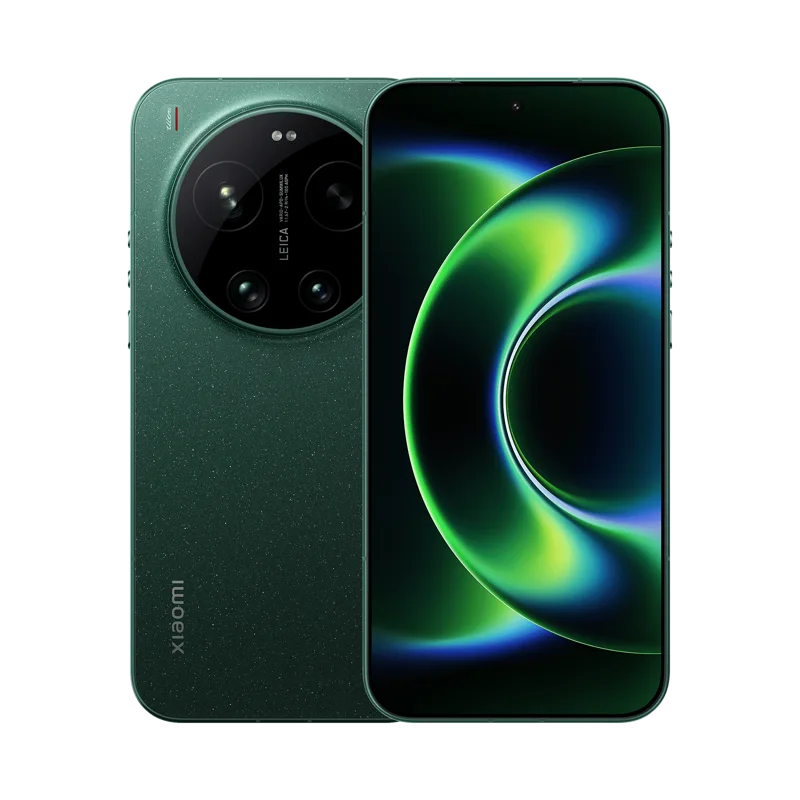
Xiaomi's 2026 camera flagship pairs a 1-inch main sensor and a 200MP 75-100mm periscope with the Snapdragon 8 Elite Gen 5, a 6,000 mAh battery and 90W wired charging.
Key figures at a glance
Gallery
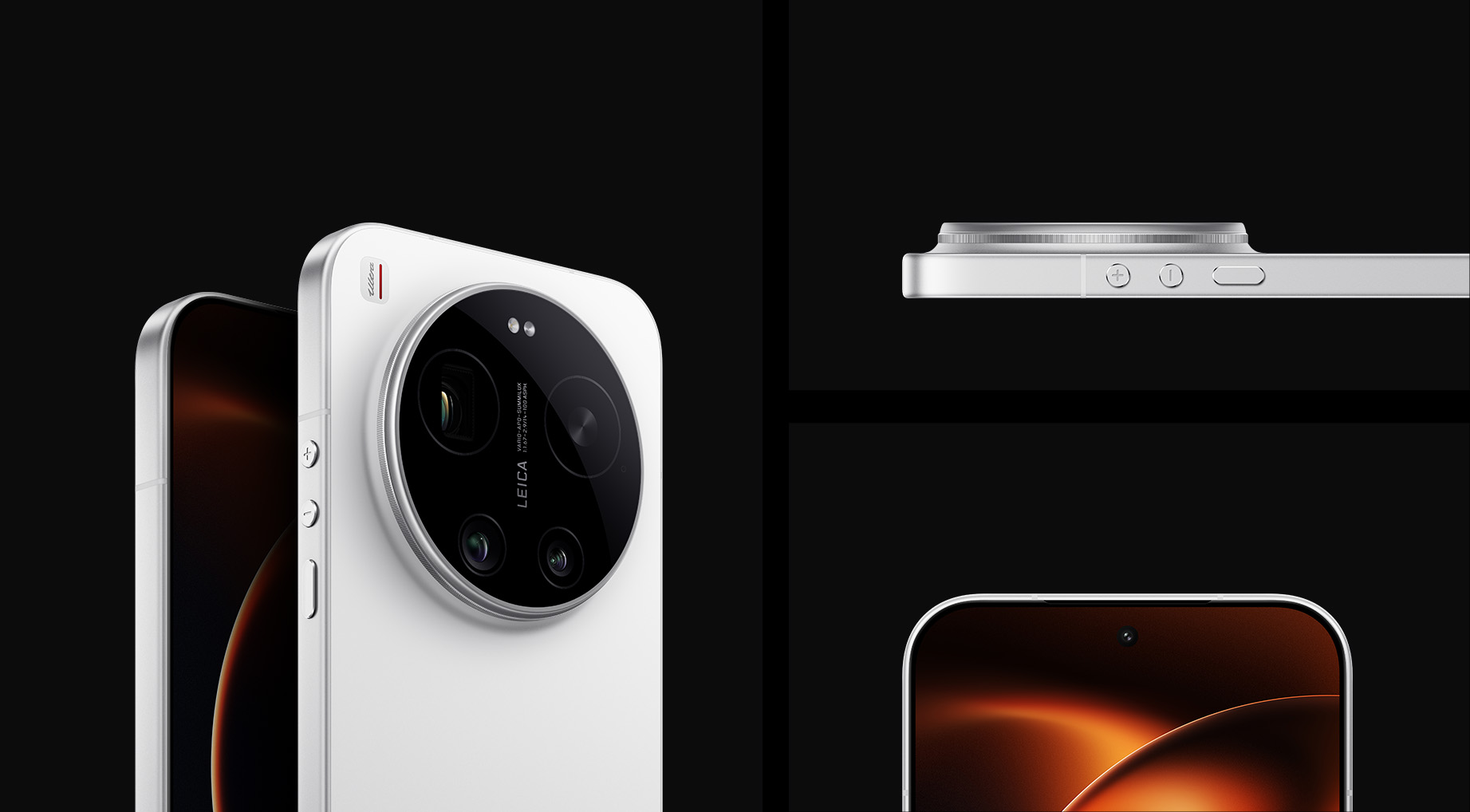
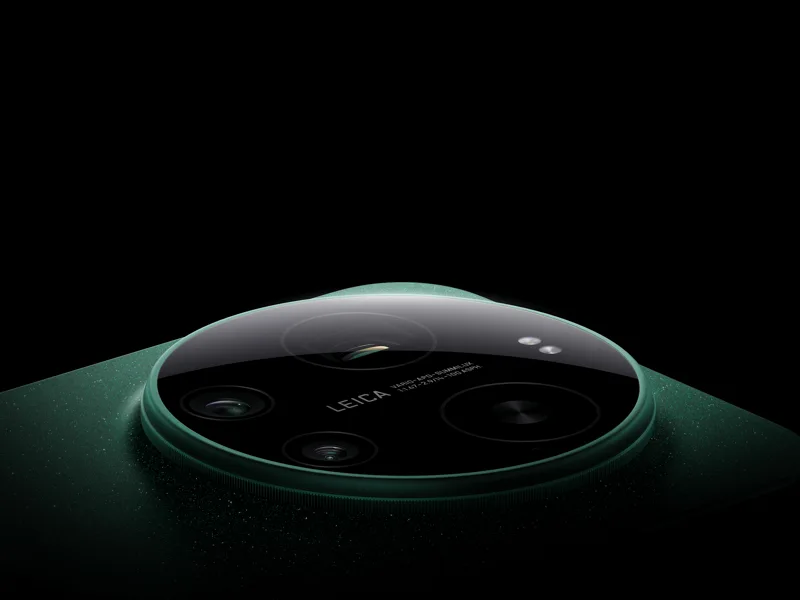
Specifications
- Display
- 6.9" Xiaomi HyperRGB OLED, 2608x1200, 1-120Hz LTPO, 3500 nits peak, 12-bit, DCI-P3, HDR10+ and Dolby Vision, Xiaomi Shield Glass 3.0
- Chipset
- Snapdragon 8 Elite Gen 5 (3nm), 2 x Prime up to 4.6GHz + 6 x Performance up to 3.62GHz
- RAM
- 16GB
- Storage
- 512GB / 1TB (UFS 4.1)
- Rear Camera
- 50MP main (1-inch Light Fusion 1050L, f/1.67, OIS) + 200MP 75-100mm periscope telephoto (1/1.4", f/2.39-2.96, OIS) + 50MP ultrawide (115 degrees)
- Front Camera
- 50MP autofocus, f/2.2
- Battery
- 6,000 mAh (typical), 90W wired, 50W wireless, 22.5W wired reverse charging
- OS
- Xiaomi HyperOS 3
- Dimensions
- 162.9 x 77.6 x 8.29 mm, 218.4 g (black and white) / 219 g (Starlit Green)
- Water resistance
- IP68
- Connectivity
- Wi-Fi 7, Bluetooth 6.0, NFC, IR blaster, dual SIM (nano SIM or eSIM)
- Frame and back
- Aluminum alloy frame, composite fiberglass back, Gorilla Glass 7i camera cover
- Video
- 8K at 30fps, 4K Dolby Vision up to 120fps, 4K 120fps Log
The Xiaomi 17 Ultra is Xiaomi's 2026 camera flagship, and its global product page shows a phone built around one idea: a long mechanical zoom lens paired with a very large main sensor, wrapped in a thinner and lighter body than its predecessor. It combines a 6.9-inch HyperRGB OLED display, the Snapdragon 8 Elite Gen 5, a 6,000 mAh battery and 90W wired charging with Leica-branded optics. This page is based on the published specifications and manufacturer information, and it looks at where the phone sits in Xiaomi's range, the design and screen, performance and software, the camera system, battery and charging, who it suits and where it asks for compromises.
Place in the lineup
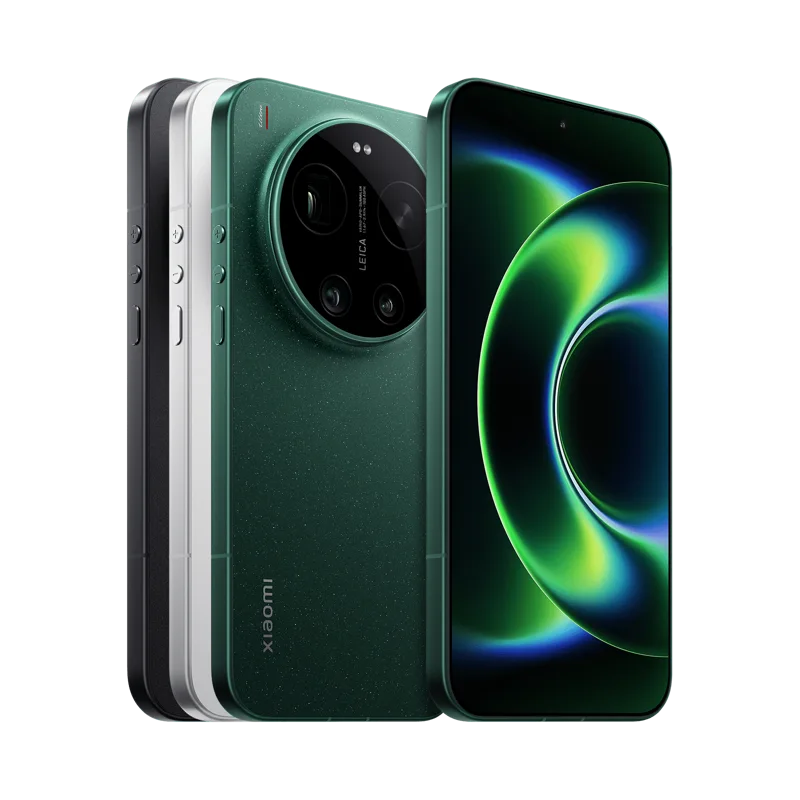
Xiaomi uses the Ultra name for its no-compromise photography phone, and the 17 Ultra continues that line from the Xiaomi 15 Ultra. Xiaomi's own comparison notes use the 15 Ultra as the baseline, claiming a battery that is 590 mAh larger, a display that uses 26 percent less power and a cooling plate with 50 percent better thermal conductivity, all measured in the company's internal labs. The 17 Ultra is offered in two memory configurations, 16GB with 512GB or 16GB with 1TB of UFS 4.1 storage, and in black, white and a speckled green called Starlit Green. For a direct look at the generational change, see the Xiaomi 17 Ultra vs Xiaomi 15 Ultra comparison.
Among rivals, the closest in intent is the OPPO Find X9 Pro, which also leans on a long telephoto, while Samsung's Galaxy S26 Ultra and Apple's iPhone 17 Pro Max chase a broader, more software-led appeal. The rankings page shows how these phones stack up on the numbers the site tracks.
Design and display
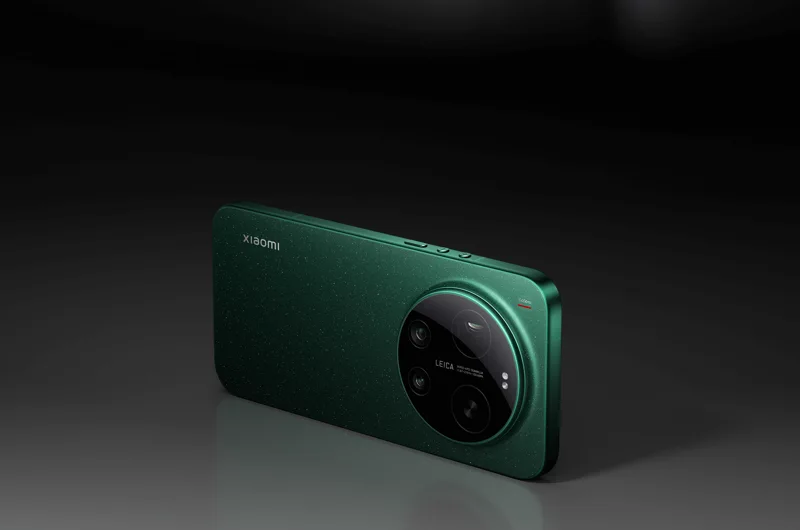
Xiaomi describes the 17 Ultra as its thinnest and lightest Ultra so far. The body measures 162.9 x 77.6 x 8.29 mm and weighs 218.4 g in black and white, or 219 g in Starlit Green. The frame is aluminum alloy, the back is composite fiberglass, and the camera cover glass is Corning Gorilla Glass 7i. The display glass is Xiaomi Shield Glass 3.0, which the company says improves drop resistance by 30 percent over the previous version. The phone carries an IP68 rating, tested for submersion in fresh water to a depth of 6 meters for up to 30 minutes, which is the usual caveat-laden laboratory condition rather than a promise for everyday use.
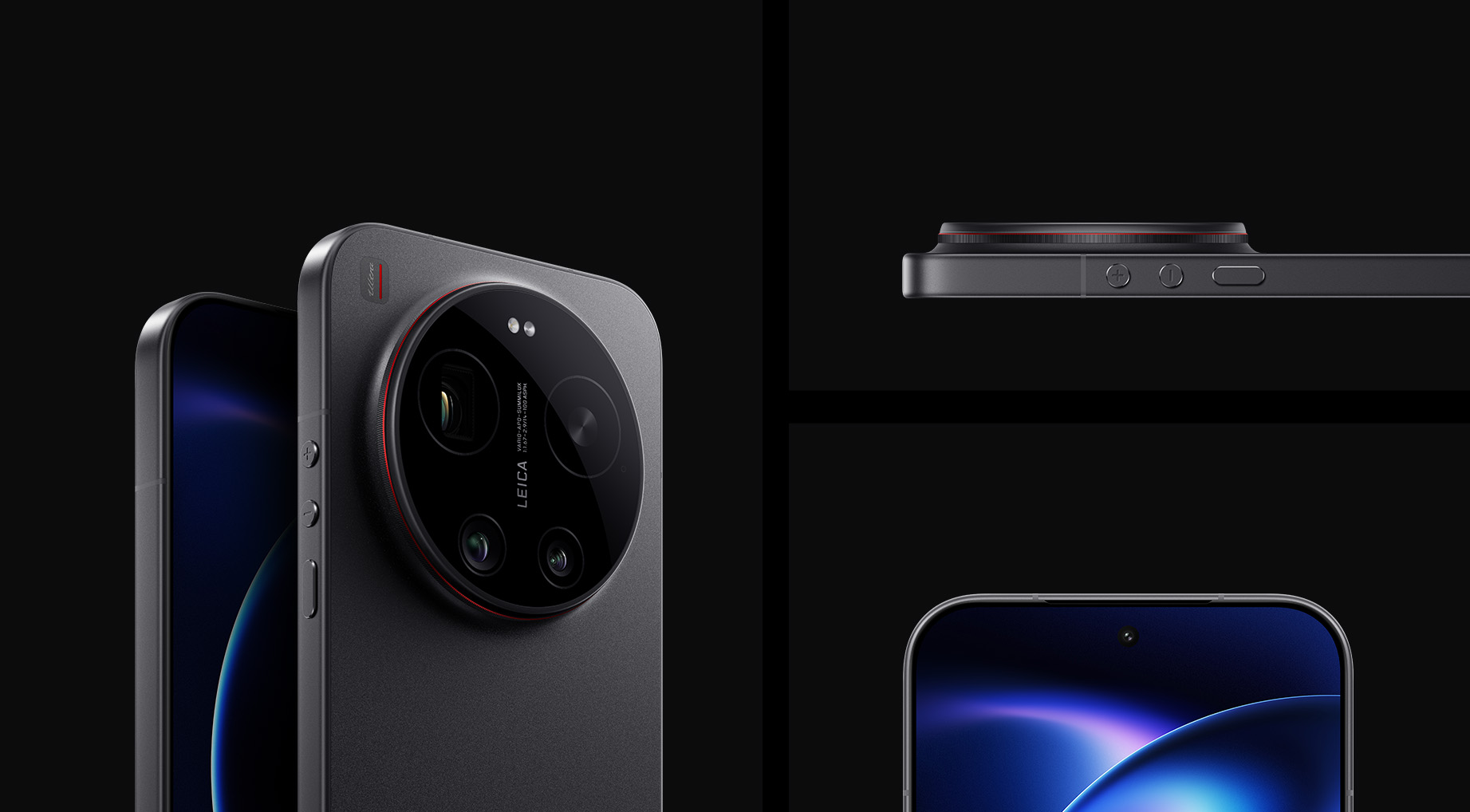
The screen is a 6.9-inch OLED with 2608 x 1200 resolution and a 1-120Hz LTPO refresh range. Xiaomi calls the panel HyperRGB because it uses a full RGB subpixel arrangement instead of the more common Pentile layout, and it says this reduces power draw while sharpening fine text and edges. Quoted peak brightness is 3500 nits in multi-scenario use, color depth is 12-bit, the gamut is DCI-P3, and HDR10+ and Dolby Vision are supported. Touch sampling goes up to 300Hz. The display is flat, the frame is flat and the back is flat, with only slight micro-curves at the edges, which is a practical choice for grip and for fitting screen protectors. A large circular camera module sits on the back, and Xiaomi says the shape was refined to make the phone easier to hold.
Performance and software
The chipset is the Snapdragon 8 Elite Gen 5, built on a 3nm process, with two Prime cores up to 4.6GHz and six Performance cores up to 3.62GHz. Xiaomi quotes gains of 20 percent for the CPU and 23 percent for the GPU over the previous Snapdragon 8 Elite, based on its own testing, and these should be read as claims rather than independent measurements. Memory is fast LPDDR5X paired with UFS 4.1 storage. For cooling, Xiaomi uses a 3D dual-channel IceLoop system with a bionic microstructure vapor chamber and a heat-dissipation area of 5,500 mm2, which it credits with more consistent sustained performance.
The software is Xiaomi HyperOS 3. The product page does not name an Android version, so none is stated here. HyperOS adds features such as HyperIsland for live status information, HyperConnect for linking Xiaomi devices and some Apple devices, and a set of HyperAI tools including writing assistance, speech recognition and an interpreter, with availability that varies by region and language. Google Gemini is integrated, including Gemini Live and Circle to Search. A feature called Xiaomi Offline Communication allows voice calls without network coverage over distances Xiaomi puts at up to 1.5 km in open, unobstructed spaces, though the company states it is not intended for emergencies. Connectivity includes Wi-Fi 7, Bluetooth 6.0, NFC, an IR blaster, dual SIM with eSIM options and an ultrasonic in-screen fingerprint sensor, plus AI face unlock.
Camera
The camera is the reason this phone exists. The main camera is a 50MP sensor Xiaomi calls Light Fusion 1050L, a 1-inch sensor with a 23mm equivalent lens at f/1.67 and optical stabilization. It supports LOFIC HDR, a sensor-level technique intended to hold highlight detail in high-contrast scenes and in night video. The telephoto is the headline: a 200MP Samsung HPE sensor of 1/1.4 inch behind a mechanical optical zoom that runs continuously from 75mm to 100mm equivalent, with an aperture of f/2.39 to f/2.96 and optical stabilization. Xiaomi states optical-quality zoom up to 400mm and up to 17.2x optical-level zoom, with macro focusing from 30 cm. The lens uses a Leica APO design intended to suppress color fringing. A 50MP ultrawide with a 115-degree field of view and 5 cm macro completes the rear set, and the front camera is also 50MP with autofocus.
The optics carry Leica's Vario-Apo-Summilux branding, and the phone offers two Leica color looks, Authentic and Vibrant, as well as Leica filters and watermarks. Video is a strong area on paper: 8K at 30fps, 4K Dolby Vision at up to 120fps, and 4K Log recording at 120fps with support for the Academy Color Encoding System, which is aimed at serious color grading workflows. There is also slow motion up to 1080p at 1920fps and night video up to 4K at 24fps. Digital zoom reaches 120x, which is more a demonstration than a practical range. One note on the optional photography grip: Xiaomi sells a Photography Kit separately, with a grip that adds a 2000mAh battery and, when attached, an IP54 rating, so the full-time protection of the bare phone changes when the grip is fitted.
Battery and charging
The battery is rated at 6,000 mAh typical, using what Xiaomi calls its Surge battery technology. The company claims about 1.5 days of use and a capacity of at least 80 percent after 1,600 charge cycles, both from internal testing. Charging is 90W wired with PPS-compatible adapters, 50W wireless, and 22.5W wired reverse charging for other devices. Xiaomi notes that the power adapter may or may not be included in the box depending on the market, and that wireless chargers are sold separately, so buyers should check what ships locally. The large capacity matters in a phone this thin, but it also explains part of the weight at over 218 g.
Who it is for
This is a phone for people who care about the camera first and want a genuine optical telephoto range rather than cropping from a wide sensor. It suits photographers and videographers who value Log capture, a 1-inch main sensor and a 75-100mm continuous zoom, and who are comfortable with Xiaomi's software. The big battery and fast charging make it a good fit for long days of shooting, and the flat design is a practical choice for people who use cases and screen protectors. Buyers who want the polish of a closed ecosystem, long-running software promises or deep integration with a particular laptop brand may prefer the Galaxy S26 Ultra or an iPhone.
Compromises
The 17 Ultra is large and heavy, and 218 g in a 6.9-inch body will not suit everyone. Xiaomi's page does not state a software update commitment or an Android version, so buyers should look for that information at purchase. The HyperAI features vary by region and language, the reverse and wireless charging claims depend on specific accessories, and the full photography grip is sold separately. No US price is published on the global page, so any availability and pricing depends on the market, and this site does not list a price for the phone. Finally, most of the comparisons on the page are against the 15 Ultra and come from Xiaomi's own labs, which is useful context but not a substitute for independent testing.
Where it ranks
Compare Xiaomi 17 Ultra with similar devices
More from Xiaomi
Frequently asked questions
When was the Xiaomi 17 Ultra released?
The Xiaomi 17 Ultra was released on 2026-02-27, according to the manufacturer’s published information.
What are the main specs of the Xiaomi 17 Ultra?
Headline figures for the Xiaomi 17 Ultra: Battery: 6,000 mAh, Refresh rate: 120 Hz, Main camera: 50 MP, RAM: 16 GB. The full specification table is further up this page.
Is the Xiaomi 17 Ultra worth buying?
That depends on your priorities. Use the editorial review on this page for our view, check the rankings above to see where the device stands on battery, display and camera, and compare it directly with similar models before you decide.


