Phones
Apple iPhone 17 Pro Max
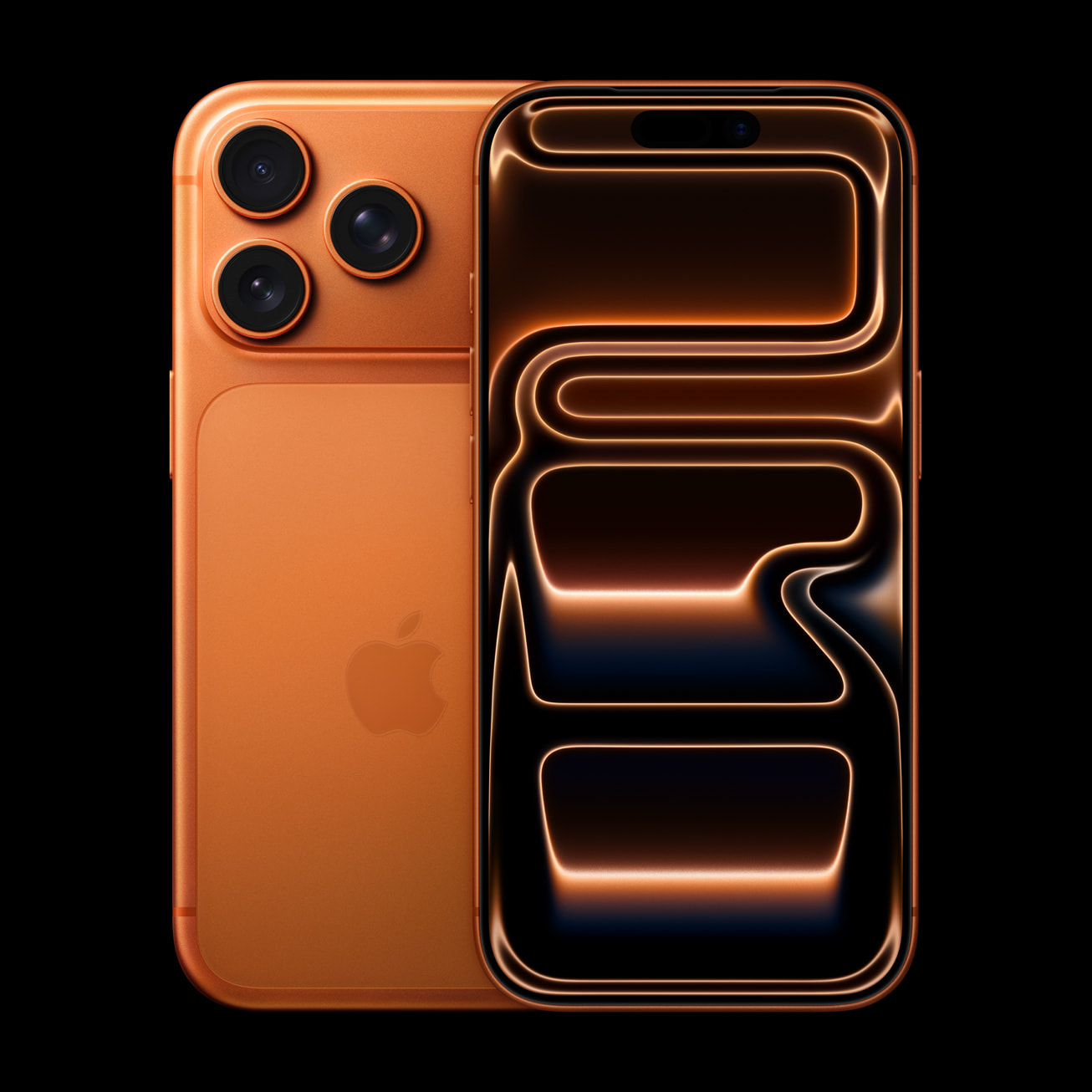
Apple's 2025 flagship: 6.9-inch 120Hz OLED with 3,000 nits outdoors, A19 Pro chip, aluminium unibody, three 48MP cameras with 8x zoom and up to 39 hours of rated video playback.
Key figures at a glance
Gallery

Specifications
- Display
- 6.9" Super Retina XDR OLED, 2868x1320, ProMotion up to 120Hz, Always-On, 3000 nits peak outdoor
- Chipset
- Apple A19 Pro (6-core CPU, 6-core GPU with Neural Accelerators, 16-core Neural Engine), Apple N1 wireless chip
- Storage
- 256GB / 512GB / 1TB / 2TB
- Rear Camera
- 48MP main (Fusion, 24mm f/1.78) + 48MP ultrawide + 48MP telephoto 4x (8x optical-quality zoom)
- Front Camera
- 18MP Center Stage, f/1.9
- Battery
- Up to 39 hours video playback (Apple claim; capacity not stated), 50% in 20 minutes with 40W adapter, 25W MagSafe and Qi2
- Body
- Aluminium unibody, Ceramic Shield 2 front, Ceramic Shield back, 233 g, IP68, eSIM only
- OS
- iOS 26
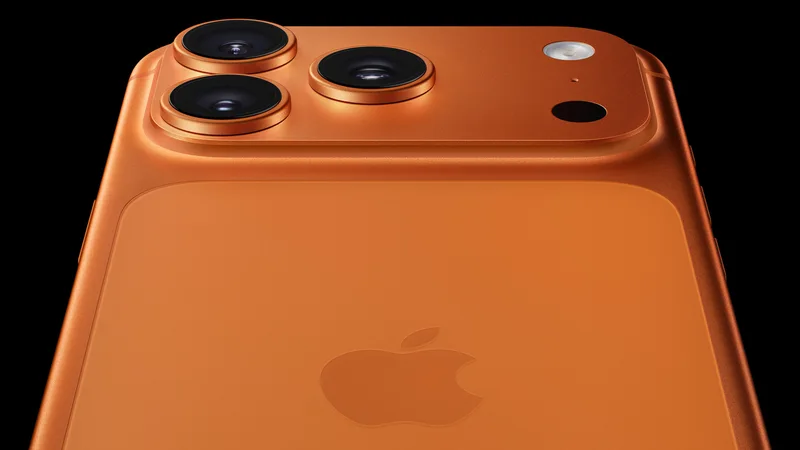
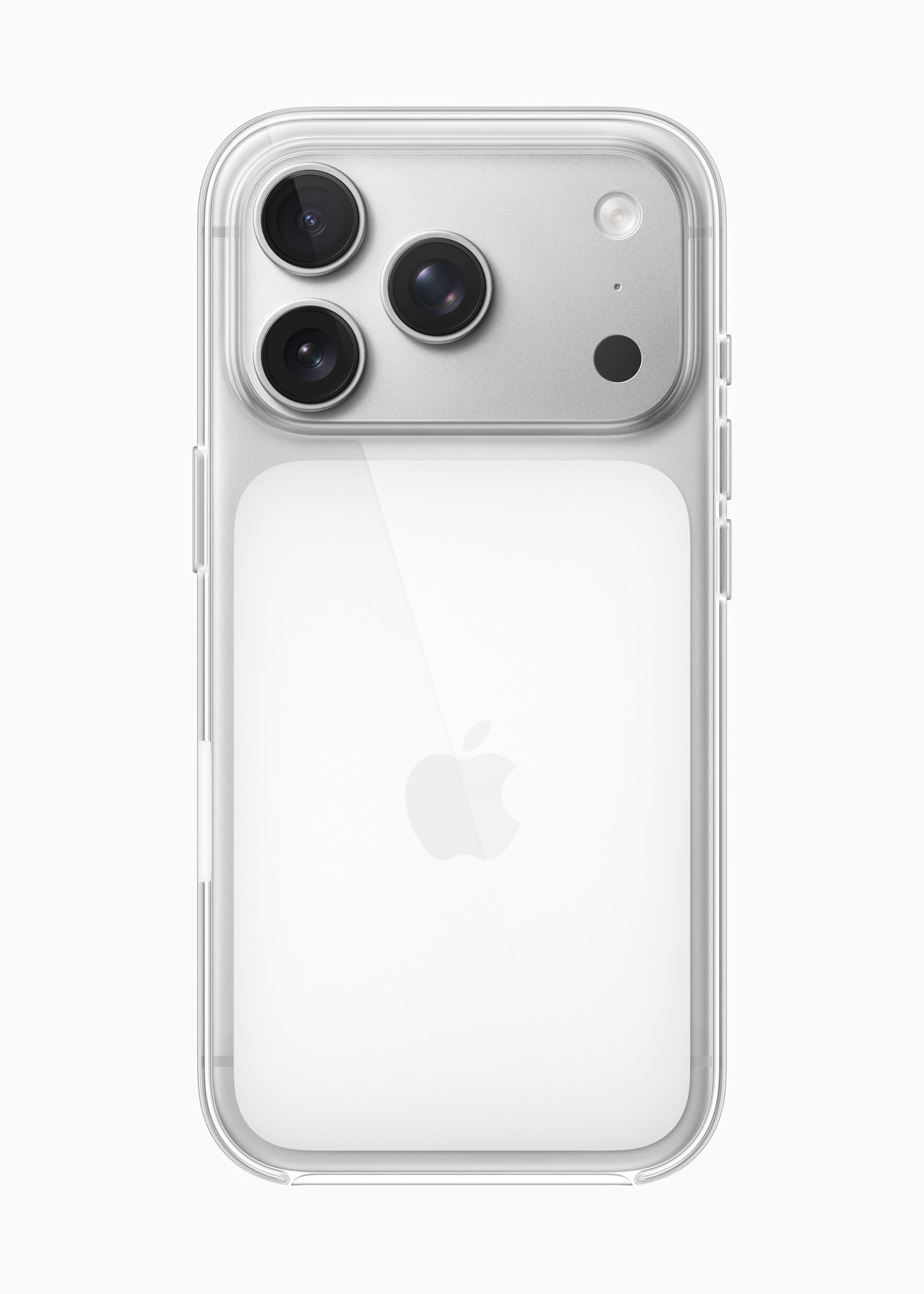
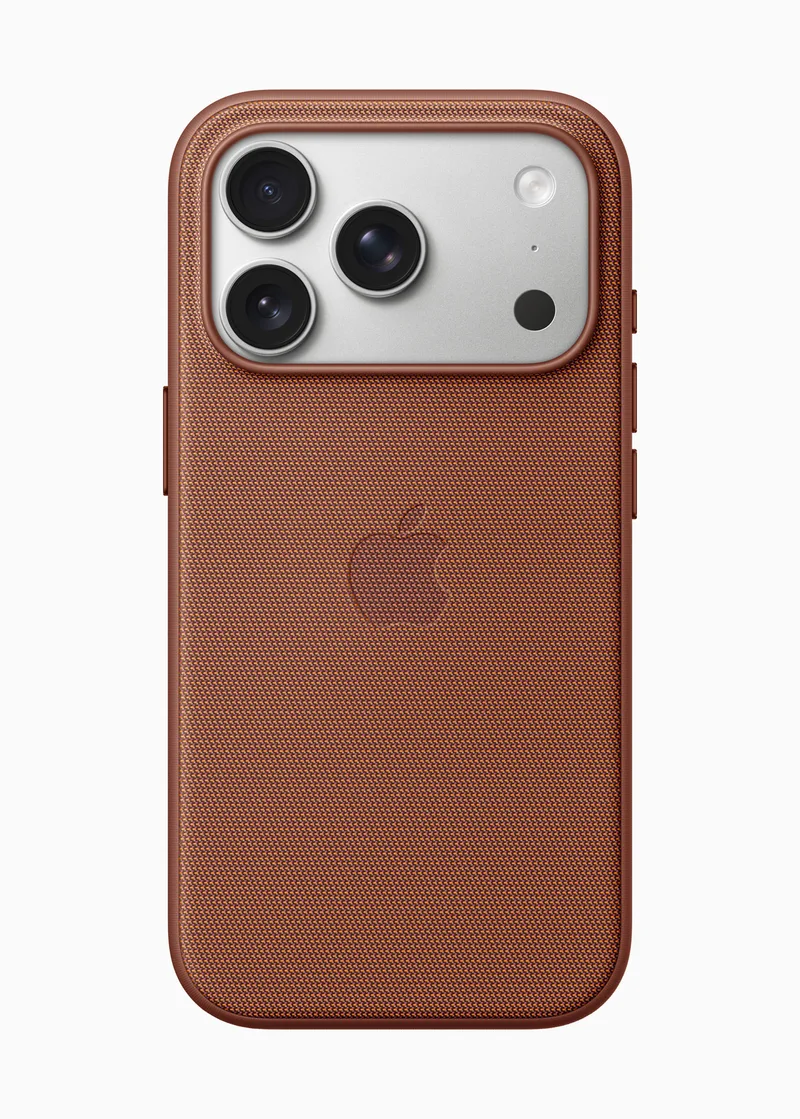
The iPhone 17 Pro Max is Apple's 2025 flagship and the largest phone in the iPhone 17 family. It swaps the titanium frame of earlier Pro models for an aluminium unibody, adds a rear camera plateau that spans the full width of the back, brings an A19 Pro chip and a 48MP telephoto lens with 8x optical-quality zoom, and carries the longest battery rating Apple had published for an iPhone at that time. This page is based on the published specifications and manufacturer information, and it explains what the phone offers, how it differs from its predecessors and where it asks for compromises.
Place in the lineup
Apple announced the iPhone 17 Pro and iPhone 17 Pro Max on 9 September 2025. Pre-orders opened on 12 September and the phones went on sale on 19 September 2025, with 22 more countries and regions on 26 September. The U.S. starting price of the Pro Max was $1,199, and storage options are 256GB, 512GB, 1TB and 2TB. It sits above the iPhone 17 Pro, the regular iPhone 17 and the thin iPhone Air.
A year later Apple introduced the iPhone 18 Pro family, whose Pro Max is rated for 45 hours of video playback, six more than the 17 Pro Max. For readers comparing generations, the iPhone 17 Pro Max vs iPhone 17 Pro page lists the differences within the same year.
Design and display
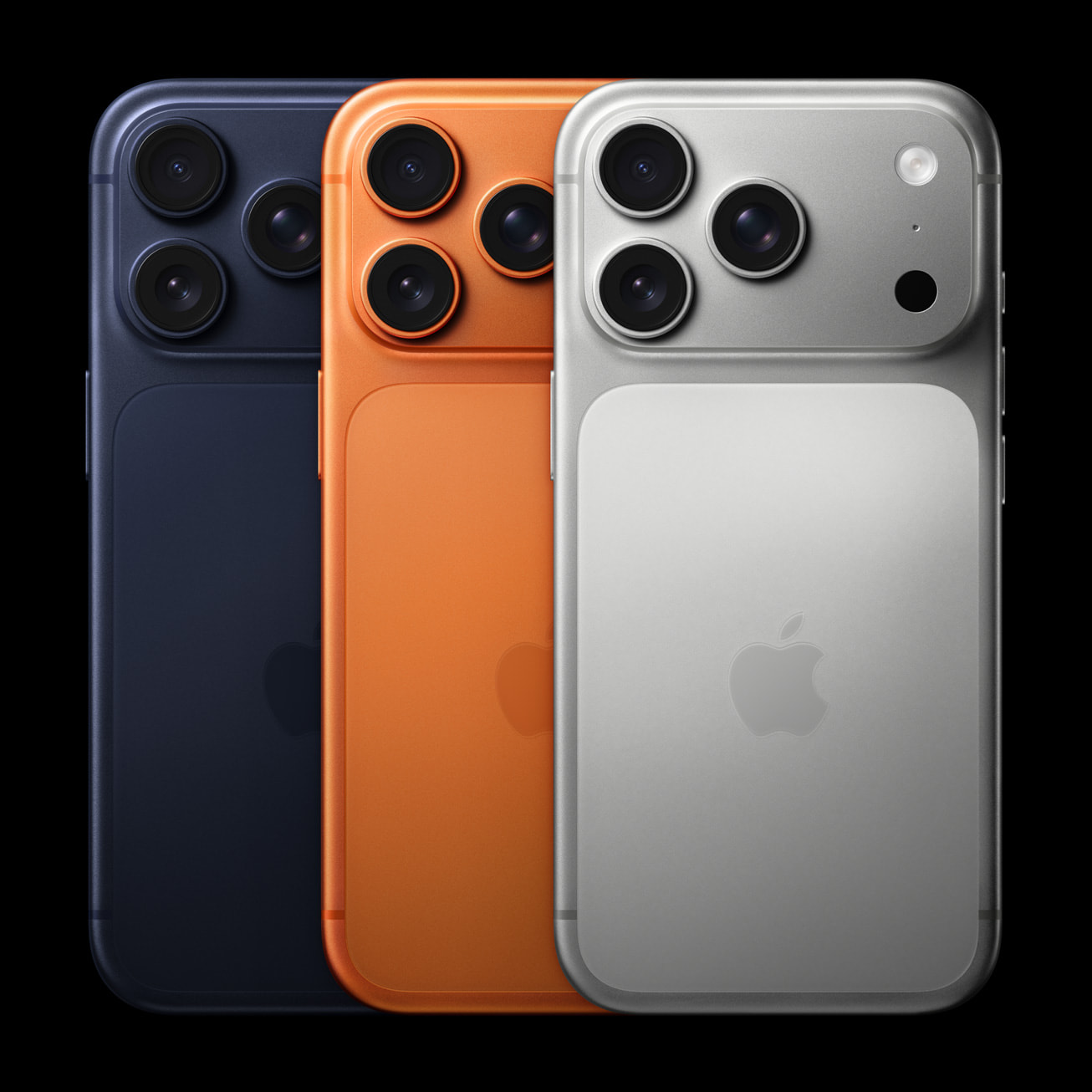
The phone measures 78.0 x 163.4 x 8.75 mm and weighs 233 grams, making it thicker and heavier than the 16 Pro Max at 8.25 mm and 227 grams. Apple lists an aluminium unibody, a Ceramic Shield 2 front, which the company says is three times more scratch resistant than before, and a Ceramic Shield back for the first time. The rating is IP68, with protection up to 6 metres for 30 minutes. The colours are silver, cosmic orange and deep blue.
The display is a 6.9-inch Super Retina XDR OLED at 2868 x 1320 pixels and 460 ppi, with ProMotion up to 120Hz and Always-On. Apple quotes 1,000 nits typical, 1,600 nits peak HDR and 3,000 nits peak outdoor brightness, with a 1 nit minimum and 2,000,000:1 typical contrast. The outdoor peak is 1,000 nits higher than the previous generation, and Apple says outdoor contrast is twice as good. Measured as a standard rectangle the diagonal is 6.86 inches.
Performance and software
The A19 Pro has a 6-core CPU with two performance and four efficiency cores, a 6-core GPU with Neural Accelerators in each core and a 16-core Neural Engine. Apple says it delivers up to 40 percent better sustained performance than the previous generation, which is a claim about long workloads rather than short bursts. Memory is not stated in Apple's specification, only that the chip has more of it than the A18 Pro, so no RAM figure is given here. The Apple N1 chip handles Wi-Fi 7 with 2x2 MIMO, Bluetooth 6 and Thread.
The USB-C port supports charging, DisplayPort and USB 3 speeds up to 10Gb/s. SIM handling changed too: the phone is eSIM only, with two eSIMs active at the same time and no physical SIM tray in the U.S. model. It launched with iOS 26, which arrived as a free update on 15 September 2025 and brought the Liquid Glass interface.
Camera system
All three rear cameras are 48MP. The Fusion Main has a 24 mm focal length at f/1.78 with sensor-shift stabilisation, the Fusion Ultra Wide covers 13 mm at f/2.2 with a 120 degree field of view, and the Fusion Telephoto sits at 100 mm and f/2.8, a 4x lens with a tetraprism design and 3D sensor-shift stabilisation. Apple says the telephoto sensor is 56 percent larger than the one in the previous generation. Because the main and telephoto sensors have enough pixels to crop, Apple also offers 2x (48 mm) and 8x (200 mm) options at 12MP, giving what it calls optical-quality zoom from 0.5x to 8x, a 16x range, and up to 40x digital zoom for photos.
The front camera is an 18MP Center Stage unit at f/1.9 with a square sensor, which Apple says lets you capture landscape-format selfies and video while holding the phone upright, and it can record 4K Dolby Vision at 60 fps. The rear cameras reach 4K Dolby Vision at up to 120 fps, with ProRes at 4K 120 fps possible with external recording. The 8x optical-quality lens is the most distinctive change for photographers, as it brings distant subjects closer than the 5x lens of the 16 Pro line.
Battery and charging
Apple does not publish the capacity in milliampere-hours. It states up to 39 hours of video playback and up to 35 hours of streamed video. Charging reaches about 50 percent in 20 minutes with a 40W or higher adapter and a USB-C cable, or about 50 percent in 30 minutes with a 30W or higher adapter on a MagSafe charger. Wireless charging is rated at up to 25W for both MagSafe and Qi2. No charger is included, and the faster adapter Apple recommends for the 20 minute figure is a separate purchase.
These are the manufacturer's tests. Next to the 33 hours of the 16 Pro Max the 17 Pro Max gains six hours, though real life varies with screen brightness, 5G use and camera time. The phone gets thicker to fit this, which is part of the trade.
Who it is for
The phone is aimed at people who want the longest runtime, the largest screen and the strongest camera zoom in Apple's 2025 range, and at those who shoot video or photograph distant subjects. Heavy users of 4K footage will appreciate the 2TB option. Readers who want a smaller body can choose the iPhone 17 Pro, while those who do not need a telephoto can save money with the iPhone 17. Where all of these devices land on the site's scoring is shown in the phone rankings.
Compromises
The price of $1,199 buys 256GB, and the 2TB model costs considerably more. The aluminium frame is lighter than titanium by material, but the phone as a whole is heavier and thicker than the 16 Pro Max, which can be tiring in one hand. Some buyers will miss the titanium finish that the Pro line used for two generations. Charging at 40W is still modest next to some Android flagships, and the chargers are not included. The telephoto lens has an f/2.8 aperture, so low-light performance depends on the larger sensor and processing rather than a brighter lens. Finally, the eSIM-only design may complicate travel or switching for people who rely on physical SIM cards.
In summary, the iPhone 17 Pro Max is the capability pick of its year: a bigger battery rating, a brighter display and a more versatile telephoto. Its drawbacks are weight, price and the move away from titanium.
Where it ranks
Compare Apple iPhone 17 Pro Max with similar devices
More from Apple
Frequently asked questions
When was the Apple iPhone 17 Pro Max released?
The Apple iPhone 17 Pro Max was released on 2025-09-19, according to the manufacturer’s published information.
How much does the Apple iPhone 17 Pro Max cost?
The estimated range for the Apple iPhone 17 Pro Max is $1079 to $1319 in US dollars, based on the launch list price. Actual prices vary by country, retailer and storage option.
What are the main specs of the Apple iPhone 17 Pro Max?
Headline figures for the Apple iPhone 17 Pro Max: Refresh rate: 120 Hz, Main camera: 48 MP. The full specification table is further up this page.
Is the Apple iPhone 17 Pro Max worth buying?
That depends on your priorities. Use the editorial review on this page for our view, check the rankings above to see where the device stands on battery, display and camera, and compare it directly with similar models before you decide.


