Phones
Apple iPhone 17 Pro
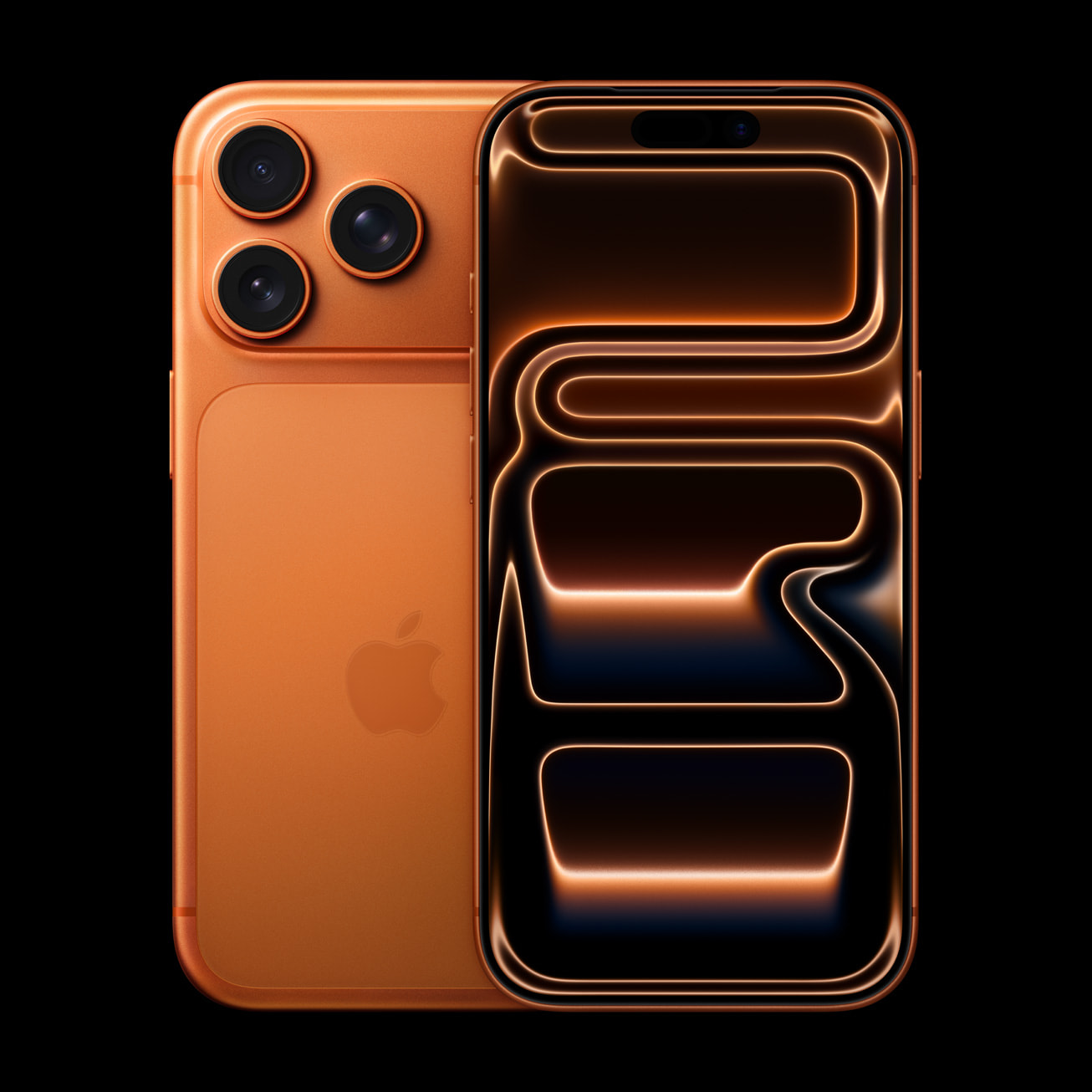
Apple's 2025 Pro phone swaps titanium for an aluminium unibody with a vapour chamber, adds a 48MP telephoto with 8x optical-quality zoom and a square Center Stage selfie camera.
Key figures at a glance
Gallery

Specifications
- Display
- 6.3" OLED, 2622x1206, ProMotion up to 120Hz, 3000 nits
- Chipset
- Apple A19 Pro
- RAM
- 12GB
- Storage
- 256GB / 512GB / 1TB
- Rear Camera
- 48MP main + 48MP ultrawide + 48MP telephoto (4x)
- Front Camera
- 18MP Center Stage
- Battery
- 15.5 Wh (physical SIM version), USB-C fast charge, MagSafe / Qi2
- OS
- iOS 26
The iPhone 17 Pro is the smaller of the two Pro phones in Apple's 2025 generation and one of the most changed Pro models in years. It is the first Pro iPhone with an aluminium frame instead of titanium or stainless steel, it carries a cooling system that Apple describes as a vapour chamber, and it redesigns the camera area for a long telephoto lens. This page explains each of those choices, the hardware behind them, and the trade-offs that come with them.
Launch and lifespan
Apple announced the iPhone 17 Pro and the larger iPhone 17 Pro Max on 9 September 2025 at an event at Apple Park in Cupertino, next to the iPhone 17 and the thin iPhone Air. The event tagline was "Awe Dropping". Pre-orders started on 12 September, and the phones went on sale on 19 September 2025. Both Pro models were discontinued on 9 September 2026, when Apple announced the iPhone 18 Pro and iPhone 18 Pro Max. That makes the iPhone 17 Pro a one-year model in Apple's own catalogue, but a phone that will keep receiving software for years. It supersedes the iPhone 16 Pro, and if you would like the simpler line, the iPhone 17 page covers the standard model.
A new body: aluminium unibody
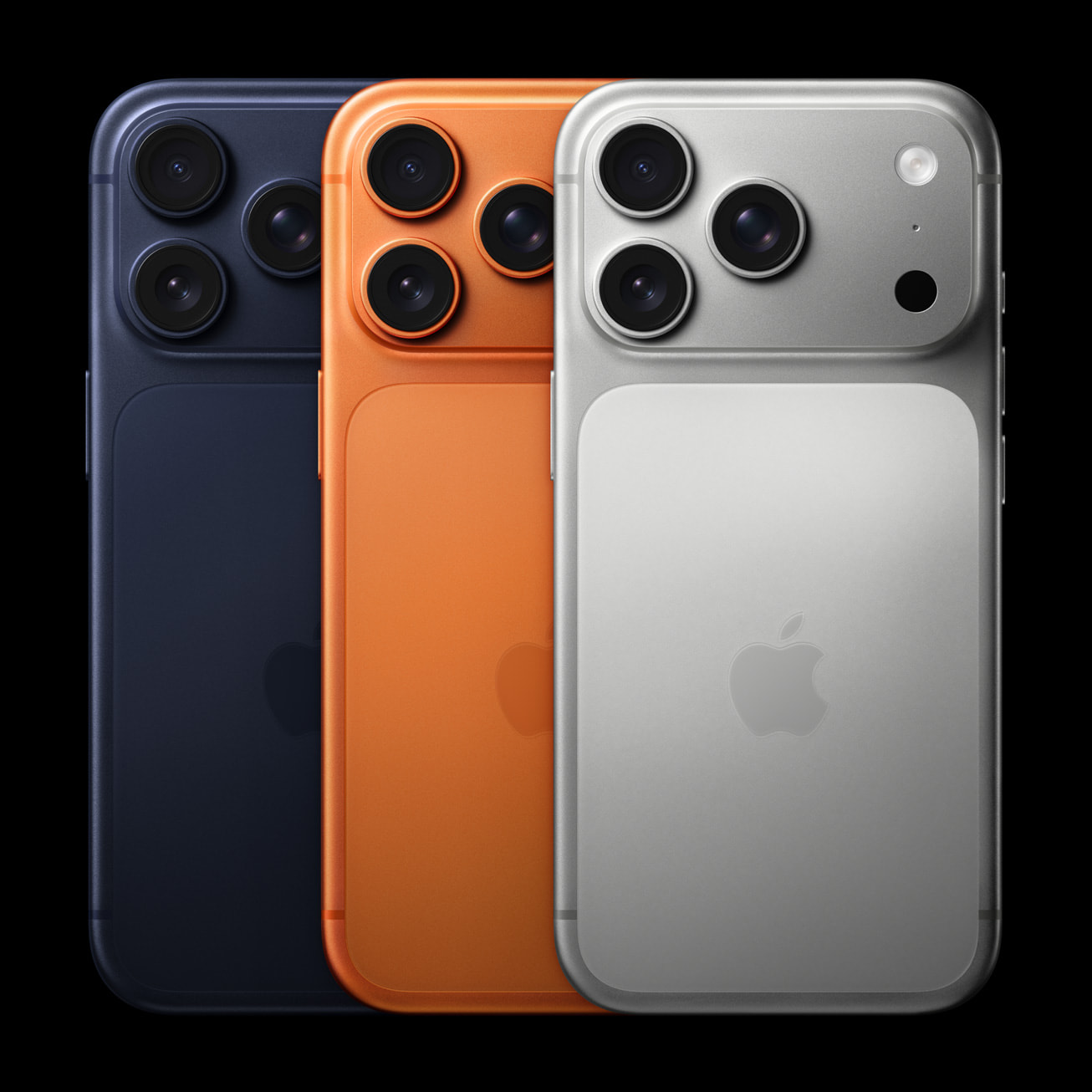
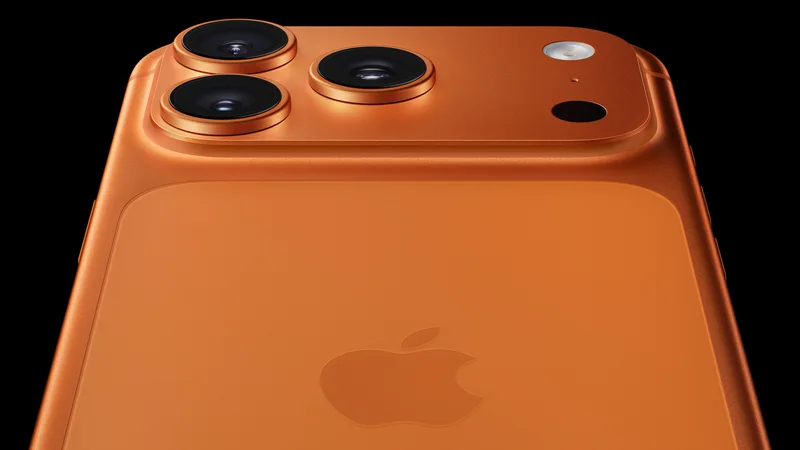
The biggest structural change is the material. Earlier Pro phones used stainless steel until the iPhone 14 Pro and titanium from the iPhone 15 Pro. The iPhone 17 Pro moves to aerospace-grade aluminium, and the change is reported to have been made in response to overheating on the iPhone 15 Pro. The sides are more rounded because one piece of aluminium connects the back to the sides, and a pane of glass on the back makes wireless charging possible. The phone measures 150.0 x 71.9 x 8.75 mm and weighs 206 g, and it is rated IP68 for dust and water resistance up to 6 metres for 30 minutes. Three colours are offered: Cosmic Orange, Deep Blue and Silver. It is also the first Pro iPhone without a neutral dark or black option.
The finish has a downside that owners have discussed. Some users reported that the coloured surface scratched easily along the lip of the raised camera area, exposing the silver aluminium underneath, and the phenomenon was nicknamed "scratchgate". One newspaper review made a related point, noting that the aluminium body feels nice but scratches more easily than glass. A case is the simple answer if you care about the finish.
Cooling: the vapour chamber
The other reason for the aluminium is thermal. A vapour chamber is built into the aluminium frame: thin, sealed chambers with a drop of water inside that cycles between liquid and gas to carry heat away from the chip. Apple claims up to 40 percent better sustained performance than the iPhone 16 Pro during long tasks like gaming and video editing. A reviewer at a games-and-tech publication wrote that the chassis and chamber keep the phone relatively cool, which makes it a convincing gaming phone even if it is not the fastest one on paper.
A19 Pro, memory and networking
The processor is the Apple A19 Pro. It comes with the first Apple-designed N1 networking chip, part of the company's move away from outside suppliers for wireless components. The modem, however, is a Qualcomm Snapdragon X80: the new in-house C1X modem is used in the iPhone Air, not here, and Apple said it intends to keep adopting its own silicon over time. Memory is 12 GB of LPDDR5X, and storage options for the Pro are 256 GB, 512 GB and 1 TB, with a 2 TB tier available only on the Pro Max. A hardware-and-software safety feature called Memory Integrity Enforcement is switched on all the time on A19-based phones. It hardens the kernel and more than 70 user processes against memory-corruption attacks, and Apple positions it as a way to make spyware exploit chains far more expensive to build. In independent CPU testing, the iPhone 17 Pro was measured as the fastest phone for single-core and multi-core work, while its graphics results were more closely matched.
Display
The screen is a 6.3-inch OLED with 2622 x 1206 pixels at 460 pixels per inch. ProMotion gives adaptive refresh rates up to 120 Hz, there is an always-on mode, and peak brightness reaches 3,000 nits, the same panel spec as the standard iPhone 17. In practical terms, this is the phone to choose if a fluid, very bright display matters, and reviewers called it one of the best displays on the market.
Cameras: the 48 MP telephoto
The camera area has been redesigned for the first time since the iPhone 11 Pro, with a large horizontal plateau replacing the old square. All three rear cameras are 48 MP. The main camera is f/1.78 at 24 mm, the ultrawide is f/2.2 at 13 mm, and the telephoto is a 4x periscope design at 100 mm and f/2.8. Because the telephoto sensor has so many pixels, Apple can crop into it to produce an 8x view that keeps optical-level quality, giving smooth steps between 1x and 8x. A lidar scanner remains for depth. One removal: Night mode portraits, which the five previous Pro generations offered, are no longer available.
The front camera is new too. It is an 18 MP Center Stage camera with a square-shaped sensor, so you can rotate the framing between portrait and landscape without turning the phone. The Dual Capture feature records video from the front and back cameras at once, and recording formats include Dolby Vision, ProRes and ProRes RAW.
Battery, charging and connectivity
Battery capacity depends on the SIM configuration: 15.534 Wh for the physical-SIM version and 16.558 Wh for the eSIM version, the latter having more room because no SIM tray is required. Charging supports MagSafe and Qi2 wireless, and USB-C fast charging that can reach 50 percent in about 20 minutes with a 40 W or stronger adapter. The USB-C port runs at 10 Gbps. The phone supports Wi-Fi 7, Bluetooth 6.0, ultra-wideband, Thread and NFC, and can connect to low-earth-orbit satellites for emergency features. Apple said the larger Pro Max would be rated for up to 39 hours of video playback.
A short moment in space
An unusual piece of trivia: in February 2026 NASA cleared the iPhone 17 Pro Max for use on crewed missions after extensive stress testing, beginning with the Crew-12 flight to the International Space Station, and during the Artemis II mission around the Moon in April 2026 it became the first smartphone to travel beyond Earth orbit, photographing the Earth and the Moon.
Who should consider it
The iPhone 17 Pro is for people who want a telephoto reach, a bright fluid display and strong sustained performance in a body that is still manageable at 206 g. Its trade-offs are a body that can show wear, a price the reviewers called high, and the dropped Night mode portrait. To put it in context, compare it directly with the iPhone 16 vs iPhone 17 Pro table or with the iPhone 17 vs iPhone 17 Pro table, read the iPhone 16 page, and browse all phones. Our reviews collect hands-on notes.
Where it ranks
Compare Apple iPhone 17 Pro with similar devices
More from Apple
Frequently asked questions
When was the Apple iPhone 17 Pro released?
The Apple iPhone 17 Pro was released on 2025-09-19, according to the manufacturer’s published information.
What are the main specs of the Apple iPhone 17 Pro?
Headline figures for the Apple iPhone 17 Pro: Refresh rate: 120 Hz, Main camera: 48 MP, RAM: 12 GB. The full specification table is further up this page.
Is the Apple iPhone 17 Pro worth buying?
That depends on your priorities. Use the editorial review on this page for our view, check the rankings above to see where the device stands on battery, display and camera, and compare it directly with similar models before you decide.


