Phones
Apple iPhone 18 Pro
Apple's September 2026 Pro iPhones: variable aperture on a 48MP Fusion Main camera, the 2 nm A20 Pro and the longest battery life Apple has claimed for an iPhone.
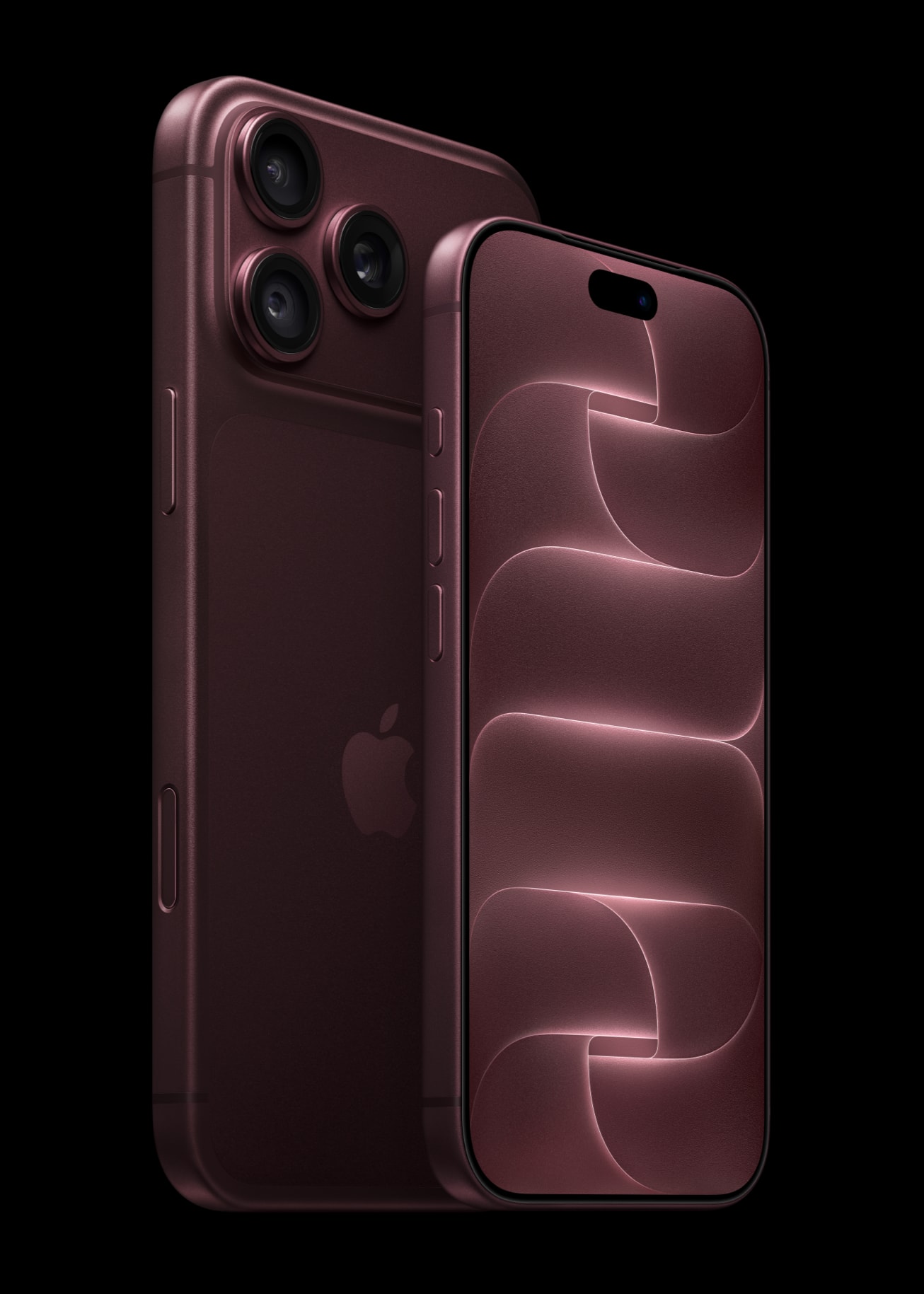
Gallery
Specifications
- Models
- iPhone 18 Pro and iPhone 18 Pro Max
- Chip
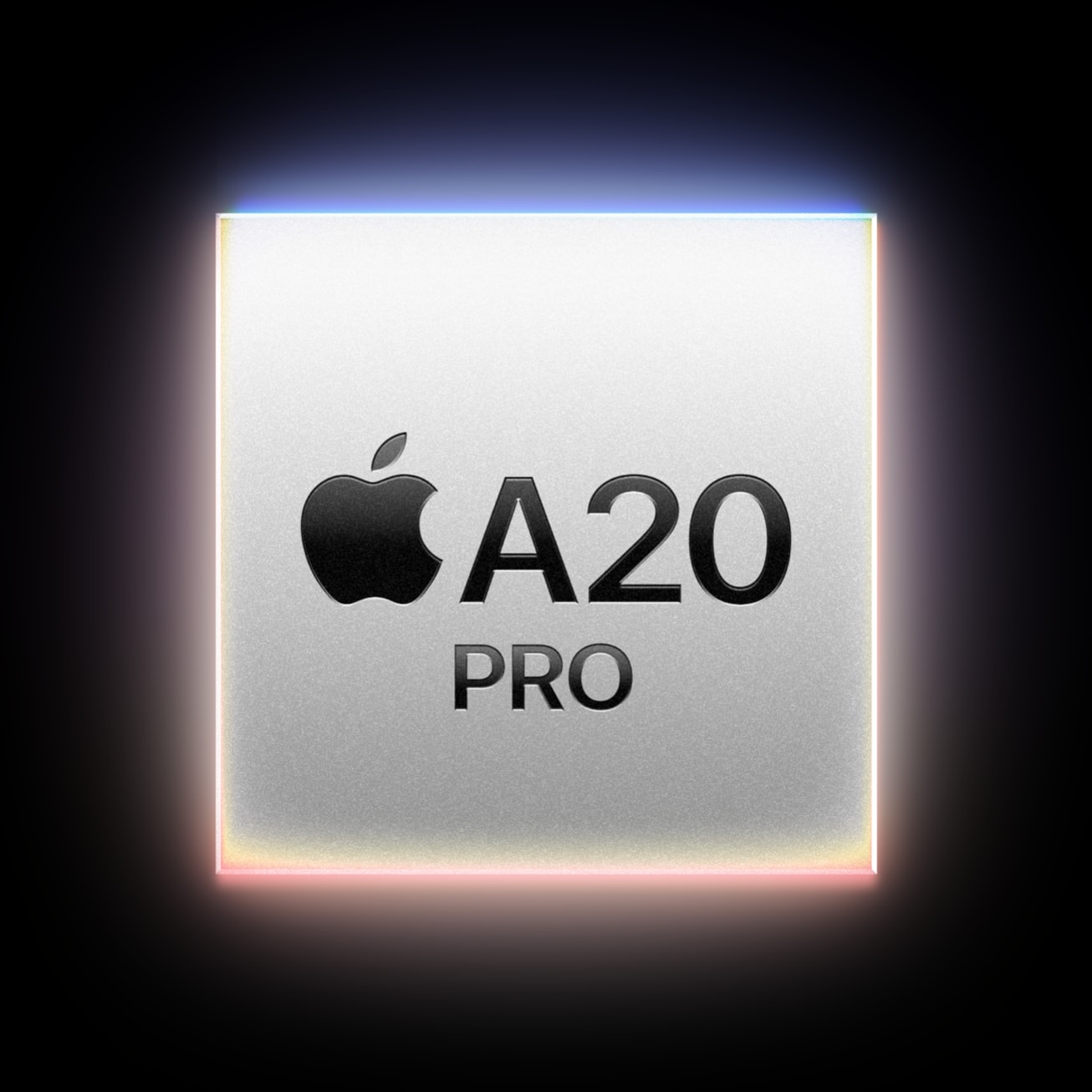
- A20 Pro (2 nm): 6-core CPU, 7-core GPU, Dual 16-core Neural Engine
- Main Camera
- 48MP Fusion Main with variable aperture (four settings, six laser-cut blades), f/1.48 to f/4
- Display
- Redesigned Dynamic Island showing up to three Live Activities
- Battery
- Up to 36 h (Pro) and 45 h (Pro Max) video playback, eSIM-only models
- Charging
- Up to 50 percent in about 15 minutes wired, 30 minutes wireless
- Connectivity
- N1 chip (Wi-Fi 7, Bluetooth 6, Thread), C2 modem with mmWave in the U.S.
- Storage
- 256 GB, 512 GB, 1 TB, 2 TB
- Colors
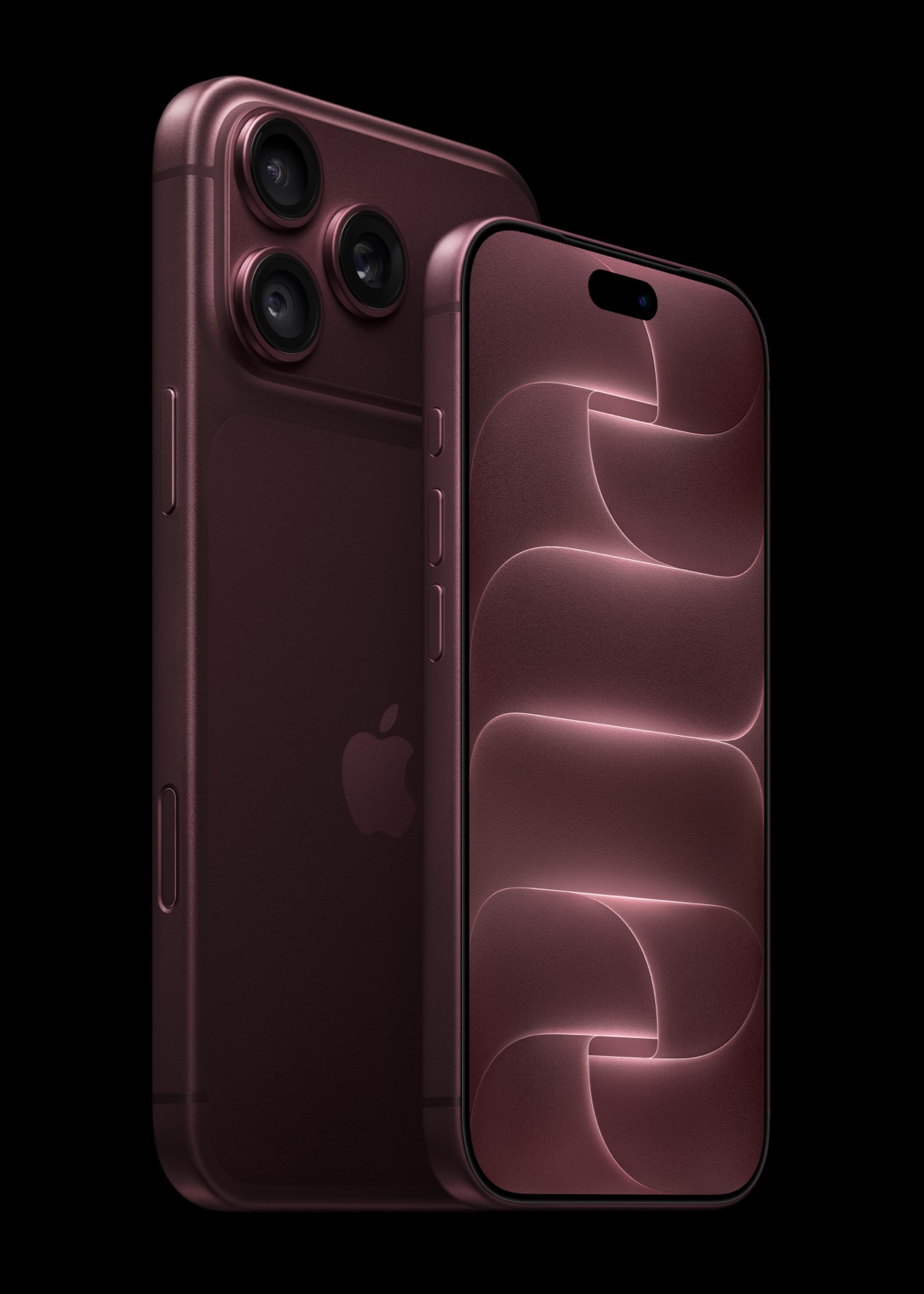
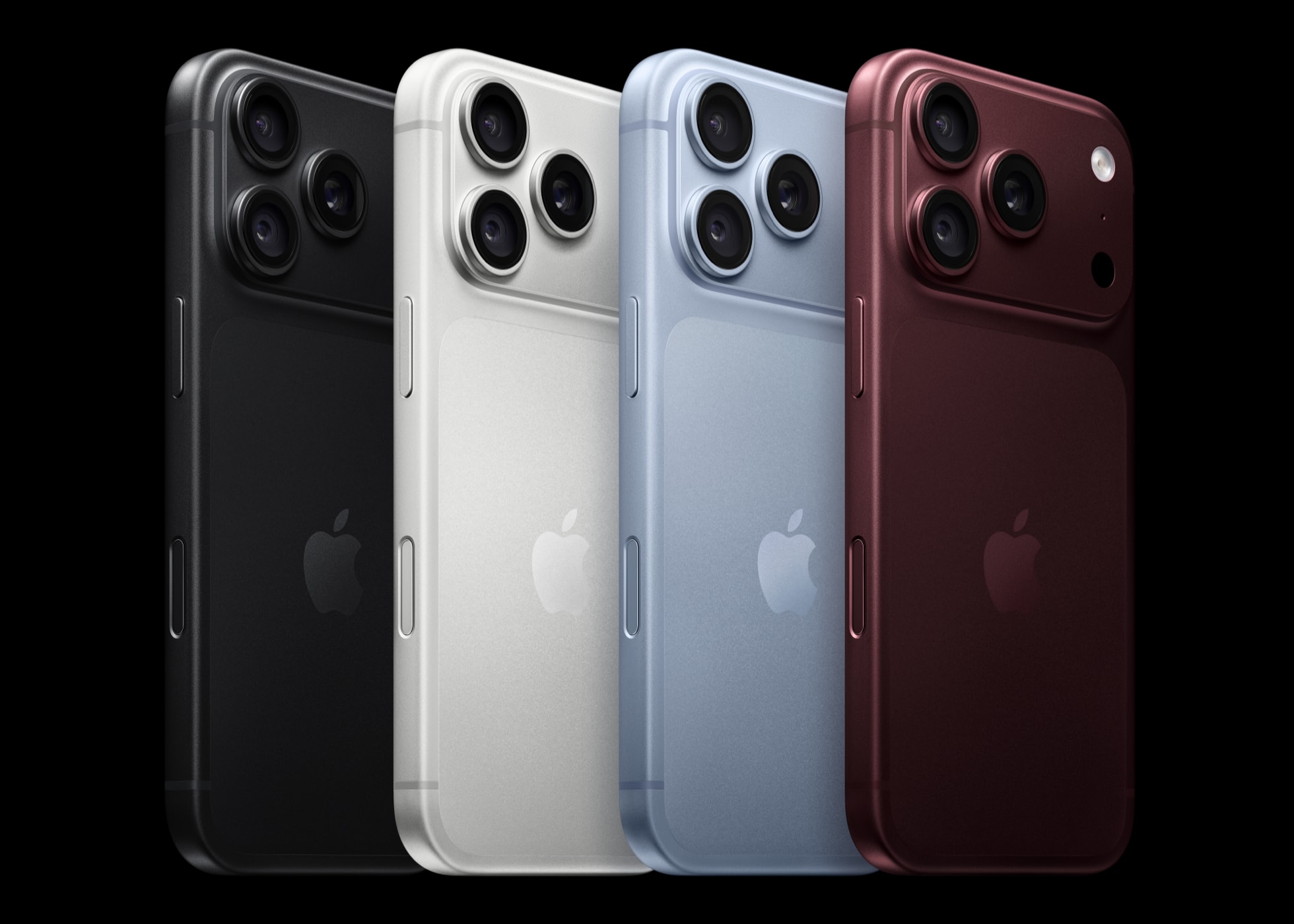
- Black, silver, glacier, burgundy
- OS
- iOS 27 with Apple Intelligence and Siri AI (beta)
- Price
- From $1,199 (Pro) and $1,299 (Pro Max) in the U.S.
The iPhone 18 Pro and its larger sibling the iPhone 18 Pro Max were announced by Apple on 9 September 2026, opened for pre-order on 12 September and reached stores on 18 September. Apple describes them as the most advanced pro camera system in an iPhone, paired with big steps in battery life and performance. This page is built from Apple's launch press release, a follow-up note about Final Cut Camera and the photo report from launch day in stores. Everything below is what Apple states; where a number is Apple's own test result, we say so.
A camera with an aperture you can change
The headline is the new 48MP Fusion Main camera, which Apple calls the most advanced camera it has ever made. For the first time on an iPhone the lens has a variable aperture: six laser-cut blades, moved by a new rotor mechanism, open and close smoothly between settings. Apple says the camera adjusts automatically for depth of field and lighting, and it also lets users pick any of four aperture settings by hand in the Camera app. Developers get an API to control the aperture in their own apps.
Apple's press images illustrate what the different values are for. The camera can widen to f/1.48 for low-light shots, sits at f/1.8 for portraits as the best balance between light gathering and depth of field, and narrows to f/4 to keep more of a group in focus. In dark scenes the phone opens the aperture on its own, which Apple says helps Night mode. A new sensor and a new computational imaging pipeline are meant to deliver sharper, more detailed pictures from the Main camera, with better low-light results and crisper detail at the back of group photos.
Photographic Styles gain texture and grain controls, so colour and skin qualities can be tuned together. On the video side, Cinematic effects can now be applied after capture to clips shot at up to 60 fps, Time-lapse can be recorded in 4K with Dolby Vision HDR, and Audio Mix has new algorithms that improve voices and can isolate music.
Pro controls and Apple Reference Image
A new customisable Pro controls experience in the Camera app puts the most used settings within reach and adds manual options. Users can set lens aperture, shutter speed and white balance, or use a histogram to check exposure across a scene. A separate Apple update to Final Cut Camera (version 2.4, released on 29 September) adds support for the new aperture: creators can dial in aperture directly or choose between shutter priority and aperture priority, and the update unlocks Cinematic effects for regular video, including ProRes and Apple Log footage. With iOS 27 the app also gains video scopes such as the RGB Parade, clean SDI out through an HDMI-to-SDI converter and a genlock offset.
Apple also introduces Apple Reference Image. Apple says the new sensor in the Main camera can sign every pixel it sees; when a photo is taken in the new Reference mode, signed sensor data is developed by Private Cloud Compute into an unalterable reference image that can be shown in the Photos app next to the main picture, like a digital negative, so edits can be spotted. It is opt-in, and Apple lists regional limits: not available at launch in China, and in the EU capture is not available at launch although reference images can be developed and viewed. Image metadata and upcoming support for the SynthID standard are meant to help identify AI-generated or AI-edited images.
Dynamic Island and A20 Pro
Apple redesigned the Dynamic Island with new display technology. It is smaller, can show three Live Activities at once, and still hides Face ID. Inside sits the A20 Pro, built on a 2-nanometre process. Apple states 50 percent more memory bandwidth than A19 Pro, a 6-core CPU with integrated Neural Accelerators, a 7-core GPU that is up to 40 percent faster than A19 Pro's, and a Dual 16-core Neural Engine with 32 cores in total, which Apple says doubles the AI processing power of the previous generation.
The chip also changes how the phone is cooled. A20 Pro uses custom packaging inspired by Apple's M-series chips, with the die placed side by side with the memory so that the memory is out of the chip's thermal path and the die can connect directly to a next-generation vapor chamber. Apple says the new chamber has three times more surface area than the one in the iPhone 17 Pro and enables up to a 40 percent gain in sustained performance, the highest yet on an iPhone.
For wireless, both models carry the N1 chip for Wi-Fi 7, Bluetooth 6 and Thread, and the new C2 cellular modem system. Apple says C2 delivers meaningfully faster uploads than the C1X while using 15 percent less energy, and adds mmWave support in the U.S.
Battery and charging
Apple claims a massive leap in battery life from new battery designs and more efficient silicon. For eSIM-only models the stated video playback is up to 36 hours on the iPhone 18 Pro and up to 45 hours on the iPhone 18 Pro Max; Apple says eSIM-only models use the space where the SIM tray used to be for a larger battery, worth two extra hours of playback. Under Apple's new usage model, based on real-world data, the Pro Max is rated for up to 30 hours of usage on a full charge. Fast charging brings the iPhone 18 Pro to 50 percent in around 15 minutes with a suitable adapter, or to 50 percent in 30 minutes wirelessly; on the Pro Max five minutes of wired charging is said to give about seven hours of video playback. These are Apple's own tests with pre-production units.
eSIM-only versions are sold in Bahrain, Canada, Guam, Japan, Kuwait, Mexico, Oman, Qatar, Saudi Arabia, the UAE, the U.S. and the U.S. Virgin Islands. iOS 27 also introduces iPhone Handoff, which lets users with supported carriers move between two iPhones sharing one number; at launch it works with T-Mobile in the U.S. and Telekom in Germany.
iOS 27 and Siri AI
The phones run iOS 27 with the next generation of Apple Intelligence and Siri AI, an entirely new version of Siri rolling out as a beta. Apple says it uses personal context across messages, mail and photos, understands what is on screen and answers general questions; a Siri mode in the Camera app tells you about what is in front of the lens. Photo tools such as Spatial Reframing, Extend and an upgraded Clean Up arrive, Image Playground can produce photorealistic images and Safari gets Notify Me for restocks and price drops. Apple stresses on-device processing and Private Cloud Compute, and says Siri AI will not initially be available in the EU. Some server-side features have daily usage limits. iOS 27 was released on 14 September.
Finishes, accessories and the environment
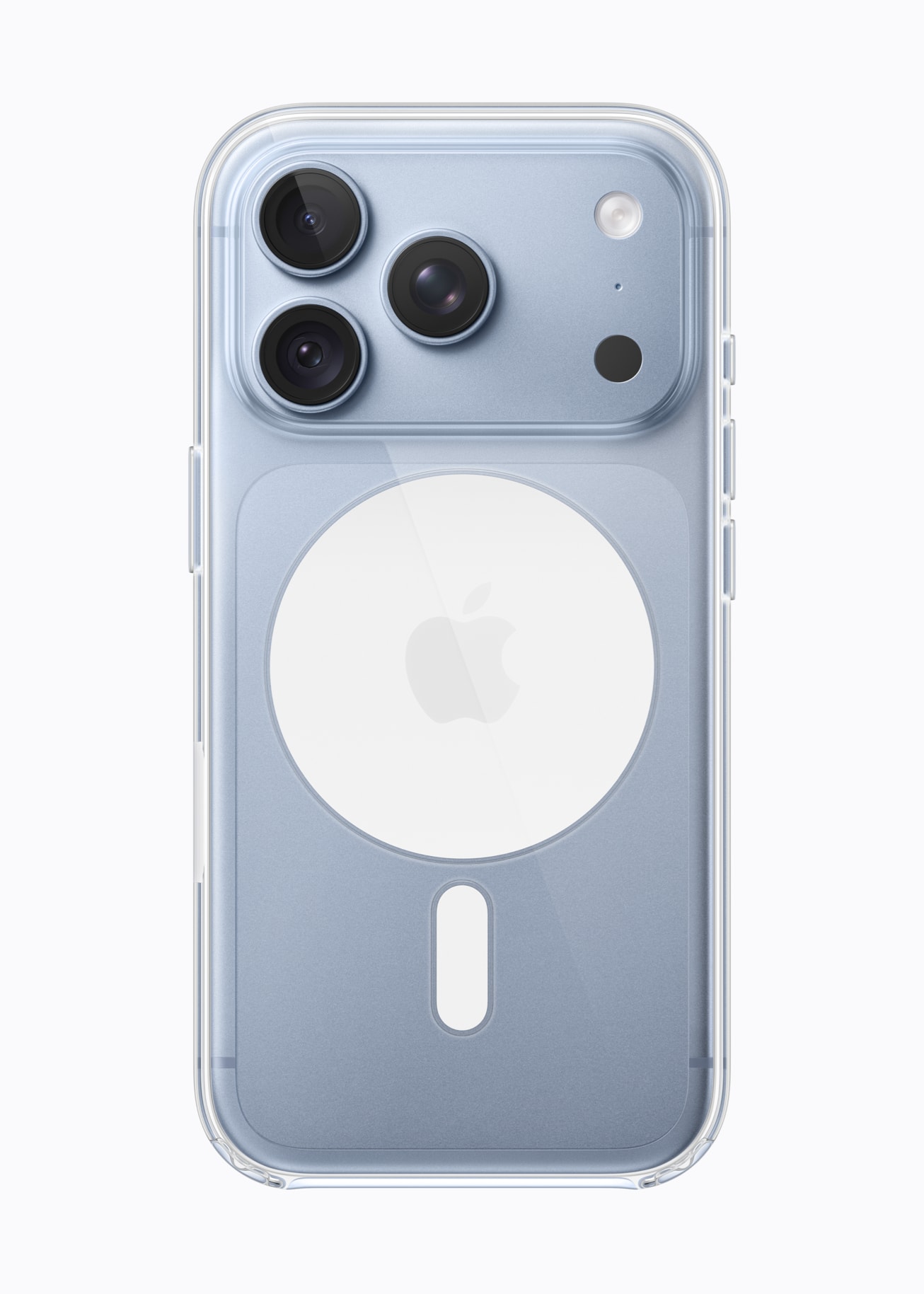
Both models come in black, silver, glacier and a new burgundy. New Silicone and TechWoven cases, a Crossbody Strap, FineWoven Wallets and a Wrist Strap complement the colours, and the Clear Case now works with the straps. Apple says the phones use 40 percent recycled content overall, including 100 percent recycled cobalt in the battery and 85 percent recycled aluminium in the enclosure, and are made with 50 percent renewable electricity across the supply chain.
Pricing and availability
Storage options are 256 GB, 512 GB, 1 TB and 2 TB. In the U.S. the iPhone 18 Pro starts at 1,199 dollars and the iPhone 18 Pro Max at 1,299 dollars. Pre-orders in more than 65 countries began on 12 September with availability on 18 September, and 20 more countries followed on 25 September.
What the release does not say
The launch release does not give screen sizes, weights, RAM, camera sensor dimensions, telephoto or ultra-wide details, or an IP rating, so we do not list them. The 36- and 45-hour figures apply to eSIM-only models, and battery and charging results are Apple lab tests.
Who should look at it
If the camera is your priority, the aperture control and Pro controls are the reason to upgrade from the iPhone 17 Pro. If you prefer a thin design, see the iPhone Air, and for a folding alternative from Apple read our page on the iPhone Duo. Android users can compare it with the Galaxy S25 Ultra, and the page iPhone 18 Pro versus iPhone 17 Pro sets the two generations side by side. The full list is in phones.
Where it ranks
Compare Apple iPhone 18 Pro with similar devices
More from Apple
Frequently asked questions
When was the Apple iPhone 18 Pro released?
The Apple iPhone 18 Pro was released on 2026-09-18, according to the manufacturer’s published information.
How much does the Apple iPhone 18 Pro cost?
The estimated range for the Apple iPhone 18 Pro is $1079 to $1319 in US dollars, based on the launch list price. Actual prices vary by country, retailer and storage option.
Is the Apple iPhone 18 Pro worth buying?
That depends on your priorities. Use the editorial review on this page for our view, check the rankings above to see where the device stands on battery, display and camera, and compare it directly with similar models before you decide.


