Phones
Samsung Galaxy S26 Ultra
Samsung's 2026 top model adds a built-in Privacy Display, a 200MP camera with a wider aperture, a customized Snapdragon 8 Elite Gen 5 and 60W wired charging.
Key figures at a glance
Gallery

Specifications
- Display
- 6.9" QHD+ Dynamic AMOLED 2X, 1-120Hz, 2600 nits peak, built-in Privacy Display
- Chipset
- Snapdragon 8 Elite Gen 5 for Galaxy (3nm)
- RAM
- 12GB / 16GB (1TB model)
- Storage
- 256GB / 512GB / 1TB
- Rear Camera
- 200MP main + 50MP ultrawide + 10MP telephoto 3x + 50MP periscope 5x
- Front Camera
- 12MP
- Battery
- 5,000 mAh, 60W wired, 25W wireless
- OS
- Android 16, One UI 8.5
- Dimensions
- 163.6 x 78.1 x 7.9 mm, 214 g
- Durability
- IP68, Armor Aluminum frame, Corning Gorilla Glass
- Connectivity
- 5G, Wi-Fi 7, Bluetooth 6.0, UWB
The Galaxy S26 Ultra is the top model of Samsung's Galaxy S26 family and the phone that carries most of the generation's headline ideas: a built-in Privacy Display, a customized Snapdragon chip, a 200-megapixel main camera with a wider aperture, and faster wired charging than any Ultra before it. This page is a specification-and-information-based review. It covers where the phone sits in the lineup, what is new compared with the previous Ultra, and the compromises you accept in exchange for the most complete Galaxy S hardware on sale.
Where it sits in the lineup
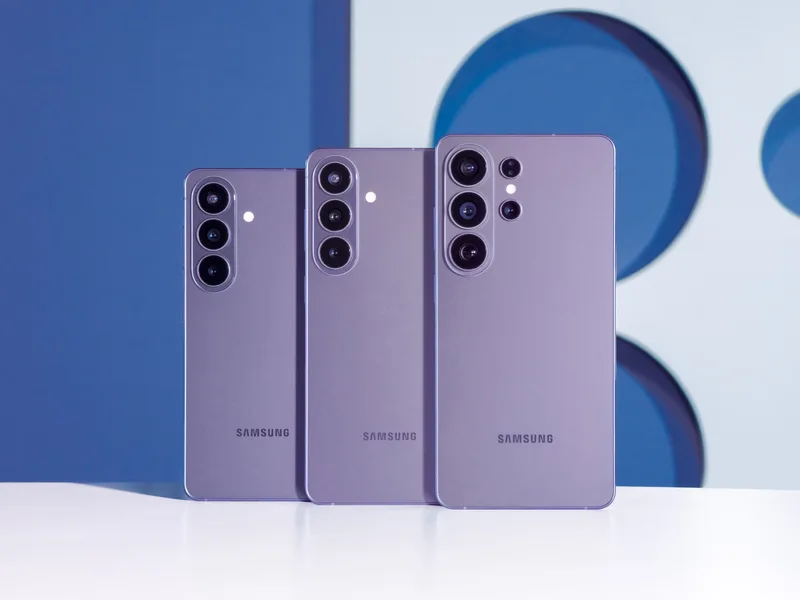
Samsung introduced the Galaxy S26, S26+ and S26 Ultra at a Galaxy Unpacked event in San Francisco on 25 February 2026, and general availability in the United States began on 11 March 2026. The Ultra is the largest and most expensive of the three, with a US list price starting at $1,299.99 for the 256GB version; 512GB and 1TB versions sit above it. Next to it are the compact Galaxy S26 and the larger Galaxy S26+, which share a unified design language and the same colour palette but use smaller screens, smaller batteries and a simpler camera set. The predecessor is the Galaxy S25 Ultra, and the direct comparison is on the page Galaxy S26 Ultra vs Galaxy S25 Ultra.
Design and display
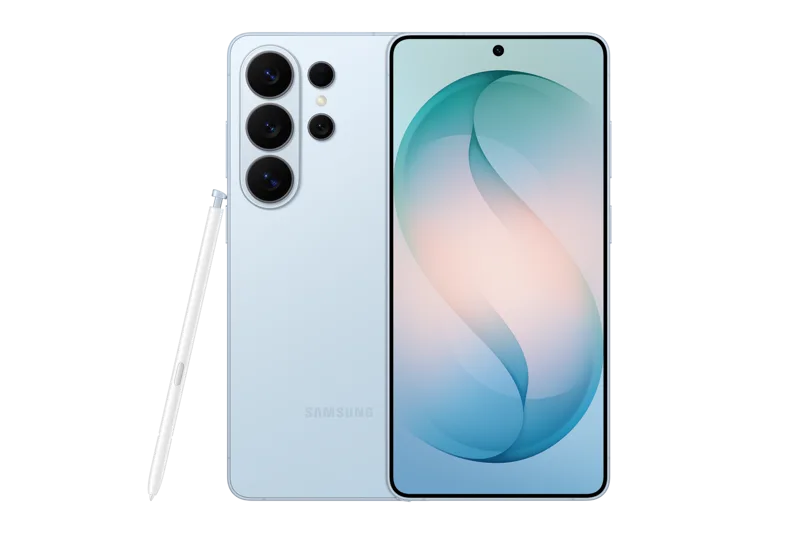
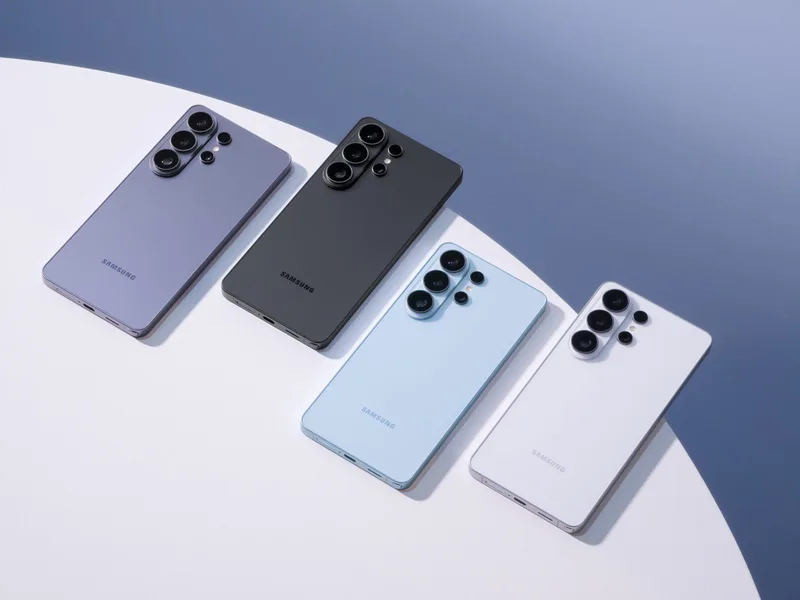
The Ultra measures 163.6 x 78.1 x 7.9 mm and weighs 214 g. Samsung states that it is 0.3 mm thinner than its predecessor, which is noticeable on paper because the S25 Ultra weighed 218 g and was 8.2 mm thick. The frame is Armor Aluminum, and Samsung uses Corning Gorilla Glass on the front and back. The phone is rated IP68, meaning protection against dust and immersion in fresh water up to 1.5 metres for 30 minutes under lab conditions. The standard colours are Cobalt Violet, Black, Sky Blue and White; Pink Gold and Silver Shadow are exclusive to Samsung's own online store.
The screen is a 6.9-inch QHD+ Dynamic AMOLED 2X panel with an adaptive refresh rate from 1 to 120Hz and a peak brightness of 2,600 nits. Samsung notes that the diagonal is measured over the full rectangle and that the viewable area is about 6.7 inches once the rounded corners are taken into account. The refresh rate and brightness figures are the same as on the S25 Ultra, so the display is not the main upgrade in raw numbers. What is new is the built-in Privacy Display. According to Samsung, the panel controls how pixels disperse light so that the owner sees the screen clearly while people at the side see much less. The feature must be enabled in settings, it can be set to switch on automatically when you enter a PIN, a pattern or a password, or when you open selected apps, and there are two levels: Partial Screen Privacy for notification pop-ups and Maximum Privacy Protection. Samsung says the screen looks normal from all angles when the function is off. Whether the narrowed viewing angle bothers you in everyday use is something that is hard to judge from a spec sheet, but it is clearly aimed at commuters and open offices.
Performance and software
The Ultra uses the Snapdragon 8 Elite Gen 5 Mobile Platform for Galaxy, a 3nm chip customized for Samsung. Compared with the chip in the S25 Ultra, Samsung quotes improvements of up to 19% in CPU performance, 24% in GPU performance and 39% in NPU performance; these are manufacturer claims measured against the previous model and real results will depend on software and conditions. To keep this performance steady, Samsung describes a redesigned vapor chamber with thermal interface material placed along the sides of the processor, meant to spread heat over a larger area during gaming, multitasking and video recording. RAM is 12GB with the 256GB and 512GB versions and 16GB with the 1TB version; storage options may vary by carrier and country.
The phone ships with Android 16 and One UI 8.5, and Samsung promises seven years of security updates for the Galaxy S26 series. Galaxy AI is built into the system: Photo Assist lets you describe an edit in your own words, Now Nudge suggests relevant content such as photos while you type a message, Now Brief surfaces reminders, and Circle to Search with Google now recognizes several objects in one image. Bixby has been reworked as a conversational device agent, and users can choose between agents including Gemini and Perplexity. Connectivity includes 5G, Wi-Fi 7, Bluetooth 6.0 and UWB. As always with Samsung's AI features, availability varies by region and language, and the company states that basic Galaxy AI features are free while enhanced services could be subject to different terms later.
Camera
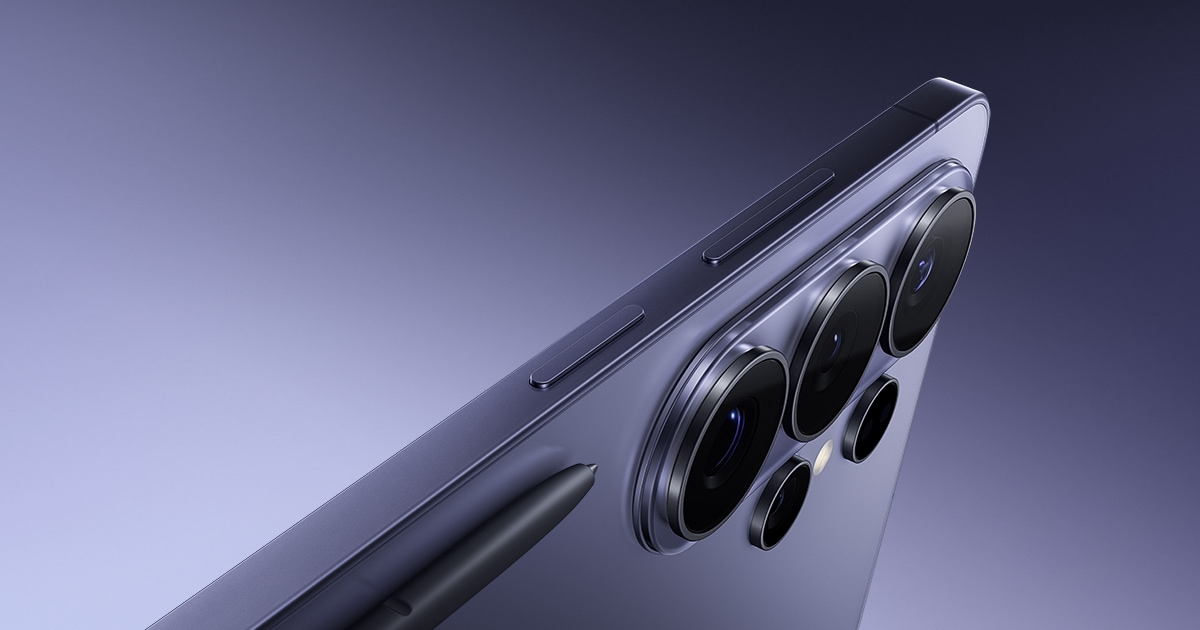
The rear camera system has four lenses: a 200MP wide camera, a 50MP ultrawide, a 10MP 3x telephoto and a 50MP 5x periscope telephoto. The specification table lists 3x and 5x as optical zoom, 2x and 10x as optical-quality zoom made possible by the high-resolution sensors, and 100x digital zoom. Samsung's headline change is wider apertures: the main camera is f/1.4 and the 5x telephoto is f/2.9, and the company claims 47% more light on the main sensor and 37% more on the 50MP telephoto compared with the S25 Ultra. The 12MP front camera has an 85-degree field of view and records 4K at 60fps; Samsung states that the improved AI image signal processor now extends to selfies.
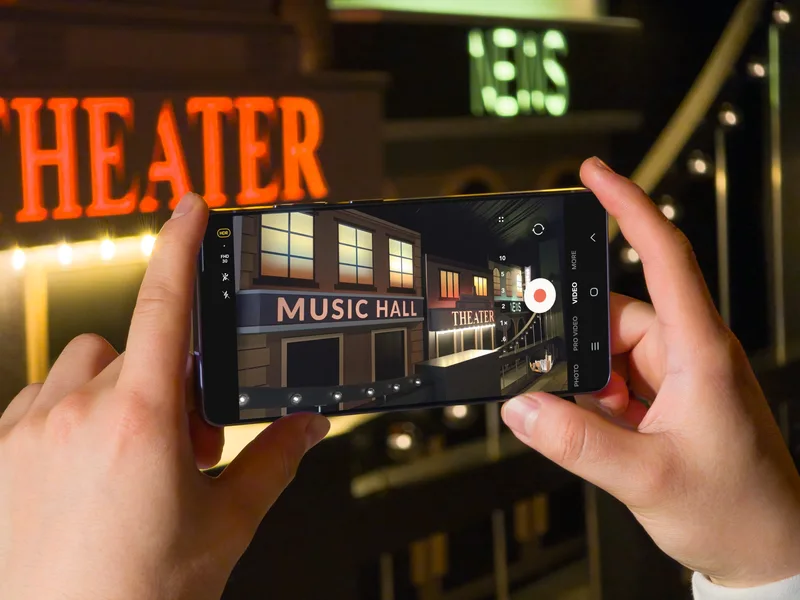
For video, the Ultra records up to 8K at 30fps and 4K at 120fps in Pro Video. It is the first Galaxy device to support the APV codec, a professional format intended for editing workflows, and Super Steady gains a horizontal lock option. Enhanced Nightography Video targets dim scenes such as concerts. These are Samsung's descriptions, and independent tests will show how much of the aperture advantage reaches real photos. The hardware line-up itself is clear, though: it is the most flexible zoom range among the S26 phones, and the only one that includes both a 3x and a 5x telephoto.
Battery and charging
The battery has a typical capacity of 5,000 mAh, with a rated minimum capacity of 4,855 mAh. Samsung rates video playback at about 31 hours. The charging figure is the real change: wired charging goes up to 60W, and Samsung says a 75% charge takes around 30 minutes, though the 60W adapter is sold separately and only Samsung-approved chargers should be used. Wireless charging reaches 25W, and Wireless PowerShare lets the phone charge accessories or other Qi-compatible devices. The predecessor was limited to 45W wired charging, so the improvement is meaningful for anyone who tops up in short stops. The battery capacity itself is unchanged, so improvements in endurance would have to come from chip efficiency.
Who it is for
The Galaxy S26 Ultra suits buyers who want every available feature in one Samsung phone: a large high-resolution screen, the longest zoom range, the strongest chip, the fastest charging and the only built-in Privacy Display in the lineup. Business users who read sensitive information in public places are the obvious audience for the privacy feature. People who film a lot may also appreciate the 4K 120fps and 8K options and the APV codec. Anyone coming from a phone older than the S24 generation will see large differences in speed, camera and software support.
If you already own the S25 Ultra, the case for upgrading is thinner: the screen size, refresh rate, brightness and battery capacity are nominally the same, and the differences are the chip, charging speed, apertures and the privacy screen. For a comparison across other brands, the iPhone 17 Pro and the Pixel 10 Pro are the natural alternatives, and the rankings page shows how the models score against each other.
Compromises
The Ultra is the most expensive S26 model and one of the priciest phones on the market, starting at $1,299.99. It is also big at 214 g, and the 6.9-inch screen will not suit everyone. The 60W charger is not included in the box according to Samsung's own footnote, so the headline charging speed requires an extra purchase. The battery capacity did not grow, the 200MP sensor's benefits depend on software processing, and the Privacy Display may reduce comfort for people who view the screen at an angle while it is active; Samsung itself says the viewing angle is limited for other people when the feature is on. The privacy feature also has to be set up and does not replace good habits. Finally, the S26 and S26+ show that you can get a very similar software experience for less money, so the extra cost is for the camera system, the screen and the chip rather than for a different kind of phone. In summary, the Galaxy S26 Ultra is a strong, expensive and very complete flagship whose main novelty is a screen that can hide itself from the side.
Where it ranks
Compare Samsung Galaxy S26 Ultra with similar devices
More from Samsung
Frequently asked questions
When was the Samsung Galaxy S26 Ultra released?
The Samsung Galaxy S26 Ultra was released on 2026-03-11, according to the manufacturer’s published information.
How much does the Samsung Galaxy S26 Ultra cost?
The estimated range for the Samsung Galaxy S26 Ultra is $1169 to $1429 in US dollars, based on the launch list price. Actual prices vary by country, retailer and storage option.
What are the main specs of the Samsung Galaxy S26 Ultra?
Headline figures for the Samsung Galaxy S26 Ultra: Battery: 5,000 mAh, Refresh rate: 120 Hz, Main camera: 200 MP, RAM: 16 GB. The full specification table is further up this page.
Is the Samsung Galaxy S26 Ultra worth buying?
That depends on your priorities. Use the editorial review on this page for our view, check the rankings above to see where the device stands on battery, display and camera, and compare it directly with similar models before you decide.


