Phones
vivo V30
The vivo V30 is a 7.45 mm slim mid-range phone with a 6.78-inch curved 120Hz AMOLED screen, Snapdragon 7 Gen 3, dual 50MP rear cameras, a 5000 mAh battery and 80W charging.
Key figures at a glance
Gallery
Specifications
- Display
- 6.78-inch 3D curved AMOLED, 2800x1260 (452 ppi), 120Hz, up to 2800 nits peak brightness, 100% DCI-P3, 2160Hz PWM dimming (at 90Hz refresh), SCHOTT alpha glass
- Chipset
- Qualcomm Snapdragon 7 Gen 3 (4nm), 8 cores up to 2.63 GHz
- RAM
- 12GB
- Extended RAM
- Up to 12GB of storage-based extended RAM (software feature)
- Storage
- 256GB / 512GB (UFS 2.2; RAM is LPDDR4X)
- Rear Camera
- 50MP main (OIS, f/1.88, 1/1.55-inch sensor) + 50MP autofocus ultrawide (f/2.0, 119-degree field of view), Aura Light
- Front Camera
- 50MP autofocus (f/2.0)
- Battery
- 5000 mAh (typical; 4895 mAh rated), 80W FlashCharge
- OS
- Funtouch OS 14, Android 14
- Dimensions
- 164.36 x 75.1 x 7.45 mm, 186 g, glass back
- Durability
- IP54 dust and splash resistance
- Connectivity
- 5G, dual nano SIM, Wi-Fi 2.4/5 GHz, Bluetooth 5.0, NFC, USB 2.0, GPS/BeiDou/GLONASS/Galileo/QZSS
- Security
- In-display fingerprint sensor
- Colors
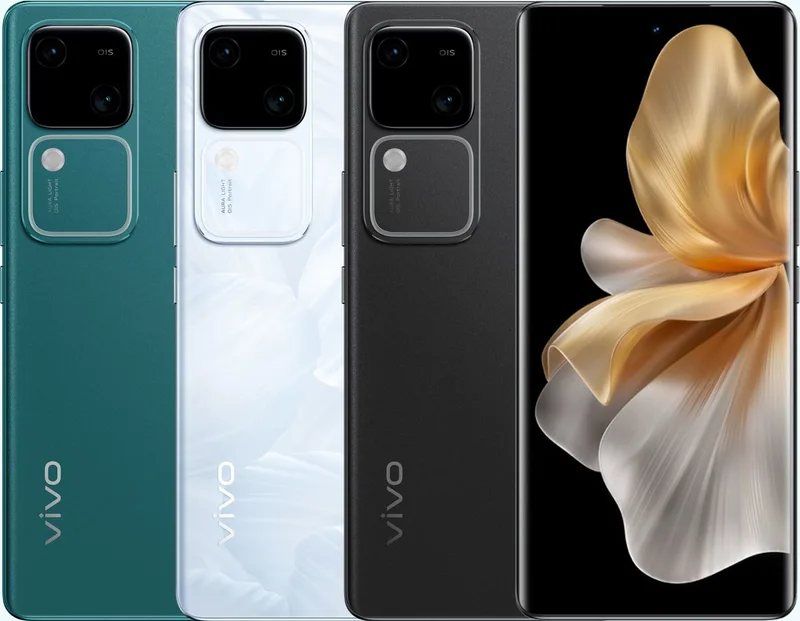
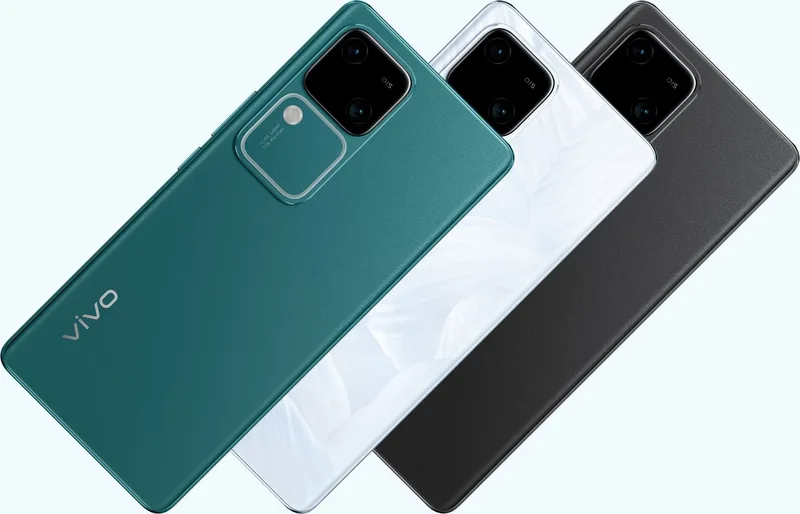
- Hijau Khatulistiwa (green), Putih Puspa (white, petal pattern), Hitam Vulkanik (black), as named on the Indonesian site
The vivo V30 is a slim mid-range 5G phone that puts a 6.78-inch curved AMOLED screen, a Snapdragon 7 Gen 3 processor, a 5000 mAh battery and a pair of 50 MP rear cameras into a 7.45 mm body. vivo markets it as its slimmest phone with a 5000 mAh battery and highlights the Aura Light portrait lighting and a 50 MP autofocus selfie camera for group photos. This page is a specification-and-information review based on the published specifications and manufacturer information, mainly taken from vivo's Indonesian product pages, which are the most complete official source this review could read. Because of that, colour names, storage options and prices below follow the Indonesian listing and can differ in other countries. The Indonesian pages do not state a launch date or a US price, so the release date shown for this model is an approximate launch date and no dollar price is given. Every performance, battery and durability figure is a vivo claim and not a measurement made here. The sections cover the place in the lineup, design and display, performance and software, cameras, battery and charging, who it suits and the compromises.
Place in the lineup
The V series is vivo's design-and-camera mid-range family, and the V30 was positioned above the cheaper V30e that followed it. The vivo V30e keeps a curved 120Hz display and Aura Light but uses a Snapdragon 6 Gen 1 chip and a larger 5500 mAh battery with slower charging, so the V30 is the faster, more premium choice of the two. The line moved on afterwards with the vivo V40 and the vivo V50, and the comparison page vivo V30 vs vivo V40 puts the published figures next to each other. In Indonesia the phone was listed at Rp 5,499,000 for the 8 GB and 256 GB version and Rp 6,499,000 for the 12 GB and 512 GB version.
Design and display
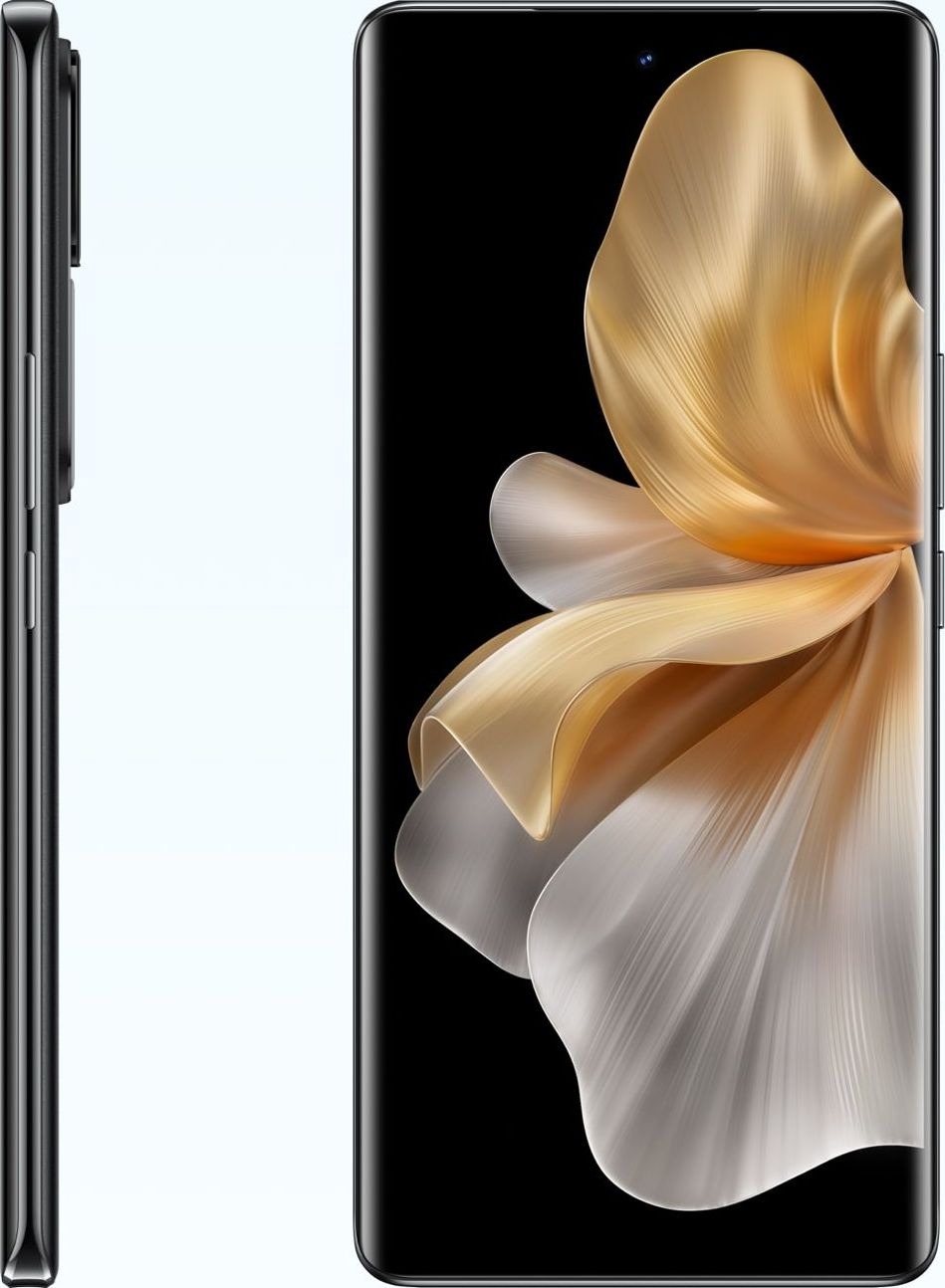
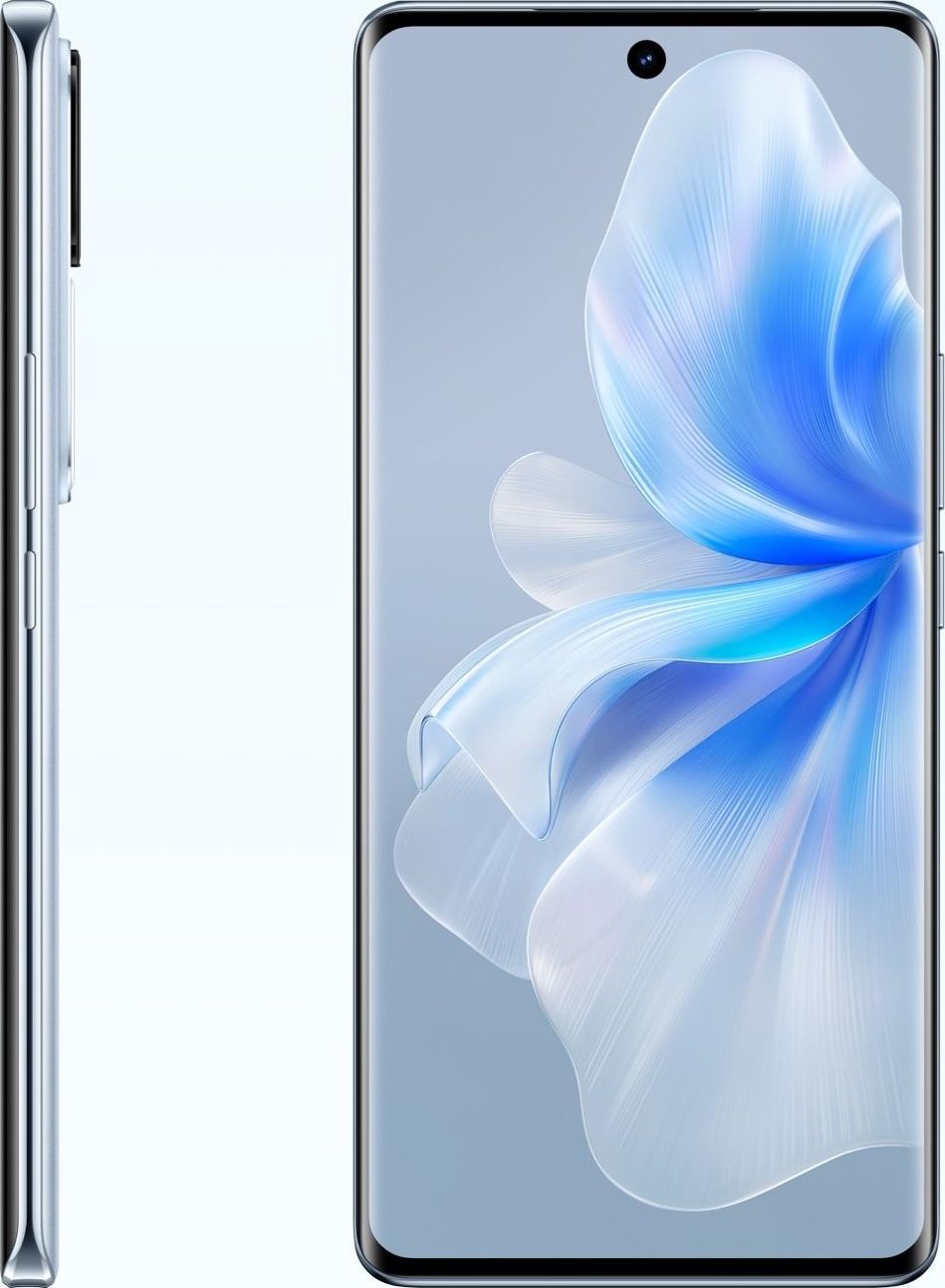
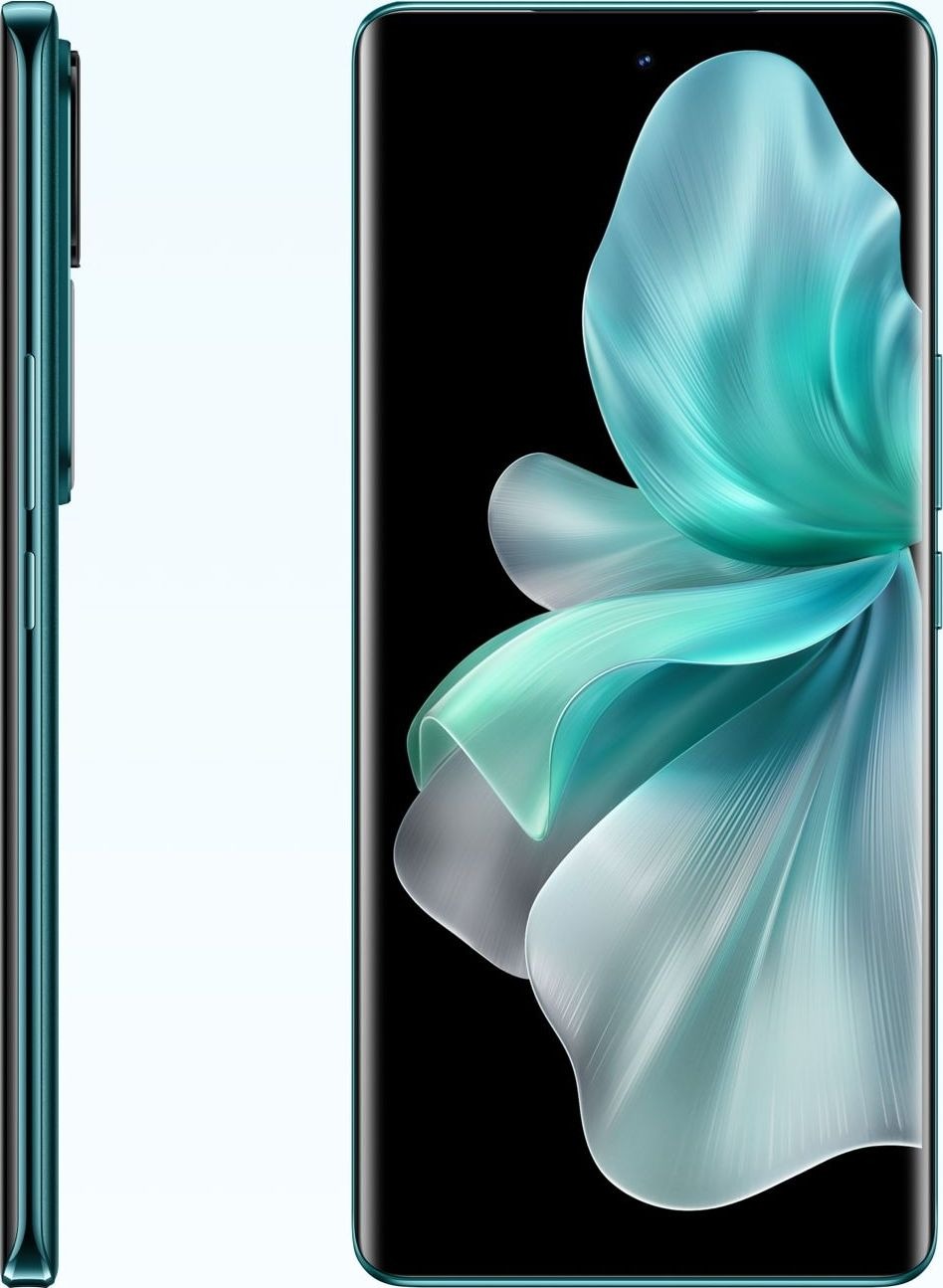
The phone is 164.36 x 75.1 x 7.45 mm and weighs 186 g with a glass back, a 3D curved front and a large rectangular camera island with a separate round light module below it. The Indonesian site names three colours: Hijau Khatulistiwa, a green inspired by Indonesian nature, Putih Puspa, a white with a flower-petal pattern, and Hitam Vulkanik, a neutral black. vivo says the phone is rated IP54, which covers dust and splashes but not immersion, and the glass on the screen is SCHOTT alpha. A flat reading is that it is slim and light for a phone with a 6.78-inch display, although the curved edges and the splash-only rating are the kind of choices that make the phone feel premium rather than rugged.
The display is an AMOLED panel with 2800 x 1260 pixels, about 452 pixels per inch, and a refresh rate selectable between 60 Hz and 120 Hz. vivo lists a peak brightness of 2800 nits, 100 percent DCI-P3 coverage and a PWM dimming frequency of 2160 Hz, which applies when the screen runs at 90 Hz, and 1920 Hz at 60 or 120 Hz. It also states a low blue light certification from SGS. An in-display fingerprint sensor handles biometrics. On paper this is a strong screen for the class, and the curved glass makes it comfortable to swipe, but curved edges can also cause accidental touches and reflections.
Performance and software
The chipset is the Qualcomm Snapdragon 7 Gen 3, an eight-core 4 nm processor with one core at 2.63 GHz, three at 2.4 GHz and four at 1.8 GHz. vivo cites an AnTuTu benchmark score of 830000 and says the chip is 15 percent faster on the CPU and 50 percent faster on the GPU than the Snapdragon 7 Gen 1, with 9 percent lower power use. Those are vendor figures, and the exact numbers will depend on the software and thermal conditions. Memory is LPDDR4X and storage is UFS 2.2, which is a step below the UFS 3.1 and 4.0 used in more expensive phones. Options are 8 GB with 256 GB and 12 GB with 512 GB, and vivo adds up to 8 GB or 12 GB of extended RAM that borrows storage space through software. The extended RAM is not extra physical memory, so the physical figure for the top model is 12 GB.
Cooling uses an ultra-large vapour chamber of 3002 square millimetres inside a cooling area of 35,141 square millimetres in total, with temperature sensors that vivo says help keep the chip stable during long gaming sessions. The phone ships with Funtouch OS 14 on Android 14. vivo also quotes a SGS certification for a smooth experience over 50 months, which should be read as a manufacturer claim about long-term fluency and not as an update promise. The Indonesian pages do not state how many system updates the phone receives.
Cameras
At the back there is a 50 MP main camera with optical image stabilisation, an f/1.88 aperture and a 1/1.55-inch sensor, supported by vivo's VCS True Color technology, plus a 50 MP autofocus ultrawide camera with an f/2.0 aperture and a 119 degree field of view. There is no telephoto lens. The Aura Light is a dedicated light module on the back that vivo says gives softer, distance-aware lighting for portraits, food and night video. The 50 MP front camera has autofocus and f/2.0, and vivo promotes a wide group-selfie view. Video modes include portrait video with the Aura Light and a Vlog Movie creator, and the optical stabilisation on the main lens is combined with electronic stabilisation. As ever with phone cameras, image quality depends heavily on software tuning, so the specification sheet cannot prove how photos will look.
Battery and charging
The battery is 5000 mAh typical and 4895 mAh rated, which vivo describes as the largest in the V series at the time, helped by its BlueVolt battery technology. Wired charging is 80W FlashCharge, with a charger in the box, and vivo says a full charge from 1 percent takes 43 minutes in its laboratory conditions. The company also claims that the battery keeps 80 percent of its capacity after 1600 full cycles, which it equates to about four years of daily charging. Wireless charging is not listed. Connectivity includes 5G on two nano SIMs, Wi-Fi on 2.4 and 5 GHz, Bluetooth 5.0, NFC and USB 2.0.
Who it is for
The V30 is aimed at people who prioritise a slim, attractive phone, a bright curved screen and social-media photography, especially selfies and group shots, and who want fast charging and a large battery without paying flagship prices. It is a sound choice for users who do not need a telephoto camera or the fastest storage. Overall comparisons are on the rankings page.
Compromises to consider
- No telephoto lens: two rear cameras only, main and ultrawide.
- Storage speed: UFS 2.2 and LPDDR4X are not the fastest memory standards.
- Durability: IP54 protects against splashes, not submersion.
- No wireless charging listed and only USB 2.0 data speeds.
- Software: Funtouch OS 14 on Android 14, with no update policy stated on the pages read.
- Extended RAM is a software feature and not real memory.
In summary, the V30 is a thin, well-equipped mid-range phone whose strengths are the screen, the battery and fast charging, with the main limits being the camera array, the older memory standards and the splash-only protection.
Where it ranks
Compare vivo V30 with similar devices
More from vivo
Frequently asked questions
When was the vivo V30 released?
The vivo V30 was released on 2024-03-07, according to the manufacturer’s published information.
What are the main specs of the vivo V30?
Headline figures for the vivo V30: Battery: 5,000 mAh, Refresh rate: 160 Hz, Main camera: 50 MP, RAM: 12 GB. The full specification table is further up this page.
Is the vivo V30 worth buying?
That depends on your priorities. Use the editorial review on this page for our view, check the rankings above to see where the device stands on battery, display and camera, and compare it directly with similar models before you decide.


