Phones
vivo X300 Pro
vivo's 2025 flagship brings a Dimensity 9500 chip, a 200MP ZEISS telephoto and an optional 2.35x extender kit; the European model carries a smaller 5,440 mAh battery.
Key figures at a glance
Gallery
Specifications
- Display
- 6.78" LTPO AMOLED, 1.5K, 1-120Hz, 4500 nits peak, 2160Hz PWM dimming
- Chipset
- MediaTek Dimensity 9500 (3nm)
- RAM
- 16GB
- Storage
- 512GB
- Rear Camera
- 50MP main (Sony LYT-828, 1/1.28", f/1.57, OIS) + 50MP ultrawide (JN1, f/2.0) + 200MP periscope telephoto (Samsung HPB, 1/1.4", f/2.67, OIS)
- Front Camera
- 50MP (JN1, f/2.0, autofocus)
- Battery
- 5,440 mAh (typical, European model), 90W wired, 40W wireless
- OS
- OriginOS
- Dimensions
- 7.99 mm thick
- Durability
- IP68 and IP69
The vivo X300 Pro is vivo's 2025 camera flagship, and it pairs MediaTek's Dimensity 9500 chip with a 200MP ZEISS periscope telephoto and two dedicated imaging chips. It was shown in China first and then in Europe at the end of October 2025, with the European and global pages differing in a few important details. This page is based on the published specifications and manufacturer information from vivo's product pages, and it points out where those pages disagree, above all on battery capacity.
Place in the lineup
The X300 generation has two main phones: the standard vivo X300 and the X300 Pro. The Pro is the one with the large telephoto sensor and the optional telephoto extender accessory, while the standard model is a smaller and cheaper variant with a different camera set. The X300 Pro replaces the vivo X200 Pro, and the main upgrades are the newer chip, a new imaging pipeline and a thinner body despite a large battery. A direct vivo X300 Pro vs. vivo X200 Pro comparison shows the two generations in numbers.
vivo does not sell phones through US carriers, so there is no US launch and no US list price. The phone is sold through vivo channels in Europe, Asia and other regions, and the release date given here (30 October 2025) is the European start that vivo announced; other regions got it at different times. Treat the exact date as approximate when you compare regions.
Design and display
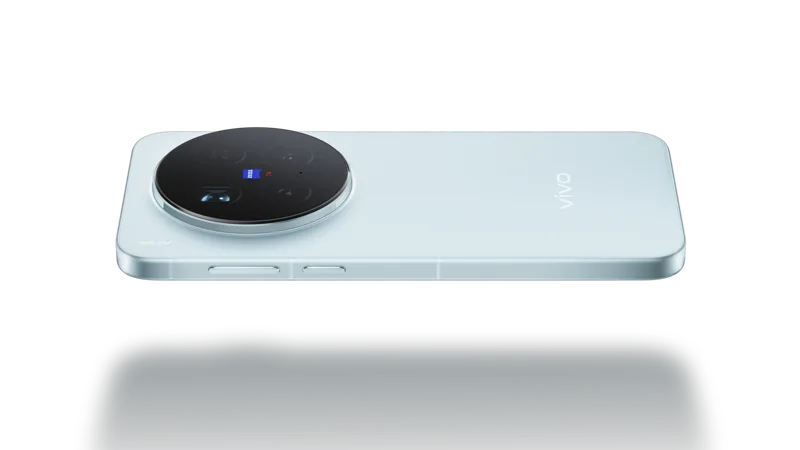
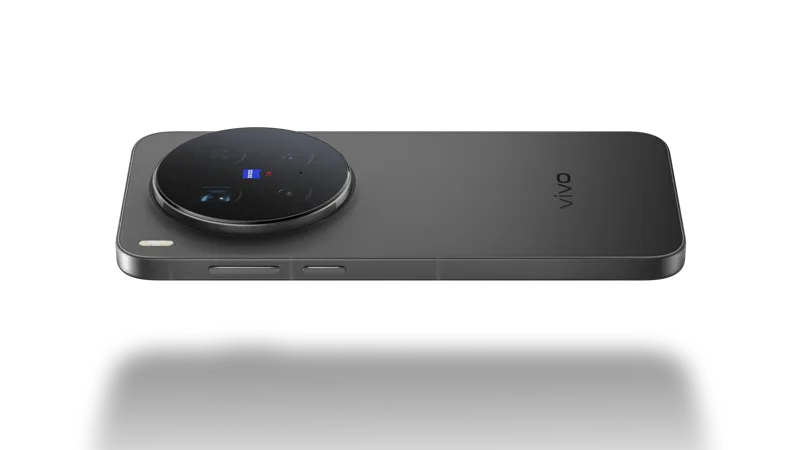
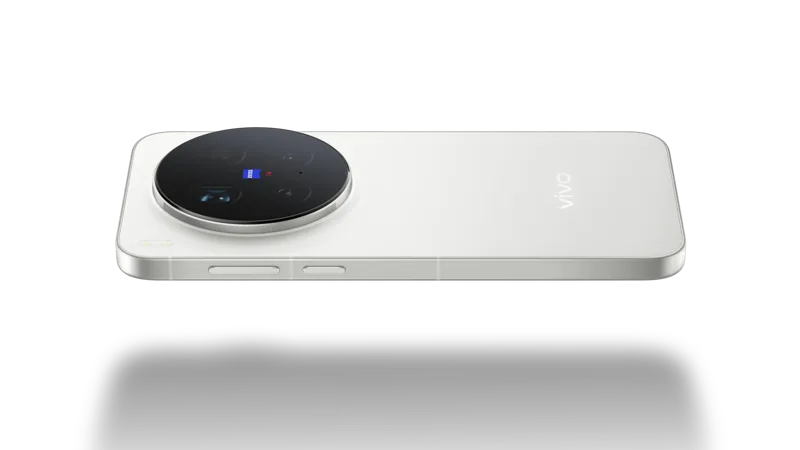
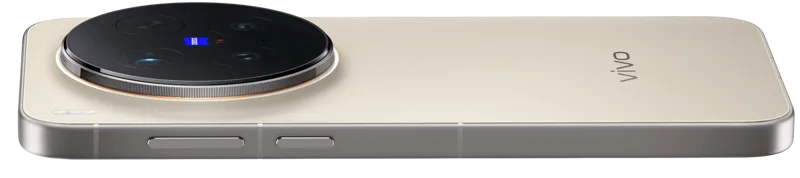
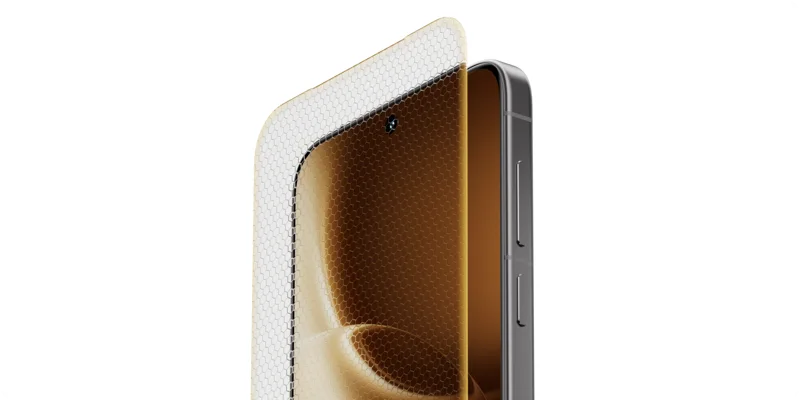
vivo stresses the thickness of the phone: the product page quotes a 7.99 mm profile, which is slim for a device of this size and battery class. It uses a unibody glass design with a metal frame and a very uniform bezel of about 1.1 mm, and it is rated IP68 and IP69. The colours listed for Europe are Phantom Black, Cloud White and Mist Blue, while vivo's Asia-region page also lists Dune Brown. The rear carries a round camera island in the vivo and ZEISS style,.
The screen is a 6.78-inch LTPO AMOLED panel at 1.5K resolution with a 452 PPI density. vivo quotes a peak brightness of 4,500 nits, a minimum of 1 nit, full DCI-P3 coverage and 1.07 billion colours. Adaptive refresh goes up to 120Hz, and PWM dimming runs at 2,160Hz, which vivo positions as an eye-comfort feature. The cover glass is called Diamond Armor Glass; as with every maker, the scratch and drop claims are marketing language, and vivo does not publish a drop-height table. The front camera is a 50MP wide-angle unit with autofocus and a 92 degree field of view, which is useful for group selfies and video calls.
Performance and software
The Dimensity 9500 is built on TSMC's 3nm process and uses an all-big-core CPU arrangement of one prime core, three performance cores and four efficiency-class cores, according to vivo. Alongside it, vivo adds its V3+ chip for post-processing and the Pro Imaging Chip VS1, which pre-processes each camera frame before the main chip. The idea is to move work off the main processor and keep temperature and latency under control; vivo does not publish sustained load numbers, so the real result needs independent testing.
The software is OriginOS, vivo's own Android-based interface (the European page does not state the Android version in its text). The vivo site promises five years of OS upgrades and seven years of security maintenance, which is one of the stronger commitments among Android makers, though it is a company statement and applies to its own regional update schedule. The page also lists features that connect the phone to other devices, including a one-tap transfer from iPhone (iPhone 12 or later with iOS 17), syncing notes with Windows and Mac, and screen mirroring. Wired earphones need a Type-C digital connection, since there is no headphone jack and analog earphones require a separate adapter.
Camera system
The camera system is the reason to look at this phone. The main camera is a 50MP Sony LYT-828 sensor of 1/1.28 inch with an f/1.57 aperture and optical stabilisation; the ultrawide is a 50MP JN1 sensor with f/2.0; and the telephoto is a 200MP Samsung HPB sensor of 1/1.4 inch with an f/2.67 aperture, stabilisation and autofocus. All three carry ZEISS optics. The telephoto's equivalent focal length is about 85mm, and an adaptive zoom flash covers 24, 50 and 85mm angles. vivo says the system supports up to 20x zoom.
Video can be recorded in 4K at 120 frames per second in Dolby Vision, with 10-bit Log profiles for colour grading. The page notes that 4K 60 fps portrait video is only available on some batches, which is a sign that the exact feature set can differ. The accessory that sets this phone apart is the vivo ZEISS 2.35x Telephoto Extender Kit, a clip-on lens that vivo sells separately for extra reach, plus a photography grip kit. vivo states that the extender requires a future software update, so check that it works before you buy it. Real-world image quality depends on processing; ZEISS styles, portrait looks and colour tuning are matters of taste, and no spec sheet decides them.
Battery and charging
The battery needs the most care when reading the specifications. The European product page lists a typical capacity of 5,440 mAh with a rated value of 5,325 mAh, whereas vivo's Asia-region page describes a 6,510 mAh cell. Independent reports have pointed to the same regional difference, and vivo has attributed such variations to regulatory and local requirements. This page uses the 5,440 mAh figure because it matches the European edition. Charging is 90W wired with vivo's standard charger and 40W wireless with the FlashCharge wireless accessory. vivo also lists a Battery Life Extender mode to limit charging, and it cites an SGS five-year battery-health rating for the Asia-region battery.
Depending on which version you buy, the larger cell can mean noticeably better endurance. Because the phone is slim and the screen is bright, the smaller battery should still be enough for a full day of mixed use, but vivo publishes no hour figures, and independent test results are a better guide than the capacity number.
Who it is for
This phone is for people who put photography first, especially telephoto work and portraits, and who want a premium Android that can be extended with a lens accessory. It also suits those who want long software support. Buyers who prefer carrier deals, strong US service support or a cleaner Android interface may look at the OPPO Find X9 Pro, which targets a similar camera-first audience; the vivo X300 Pro vs. OPPO Find X9 Pro page puts them side by side. To see where it sits among all phones, open the phone rankings.
Compromises
- Regional battery difference. The European model has 5,440 mAh, noticeably less than the 6,510 mAh of the Asia-region version, so a spec sheet from another market can mislead.
- Accessory costs. The telephoto extender and the photography grip are sold separately, and the extender needs a later update to work.
- No US launch. There is no US list price, carrier support or warranty route, so import buyers must check band support.
- No headphone jack. Wired audio needs a digital USB-C connection or an adapter.
- Feature variations. Some video modes depend on production batches or regions.
- Size. It is slim, but the 6.78-inch body is still wide, and the camera ring adds bulk.
In short, the vivo X300 Pro is a polished and expensive camera phone whose value depends on your region and on whether the telephoto accessories matter to you. Compare the battery figure for your market before deciding.
Where it ranks
Compare vivo X300 Pro with similar devices
More from vivo
Frequently asked questions
When was the vivo X300 Pro released?
The vivo X300 Pro was released on 2025-10-30, according to the manufacturer’s published information.
What are the main specs of the vivo X300 Pro?
Headline figures for the vivo X300 Pro: Battery: 5,440 mAh, Refresh rate: 160 Hz, Main camera: 50 MP, RAM: 16 GB. The full specification table is further up this page.
Is the vivo X300 Pro worth buying?
That depends on your priorities. Use the editorial review on this page for our view, check the rankings above to see where the device stands on battery, display and camera, and compare it directly with similar models before you decide.


