Phones
vivo X300
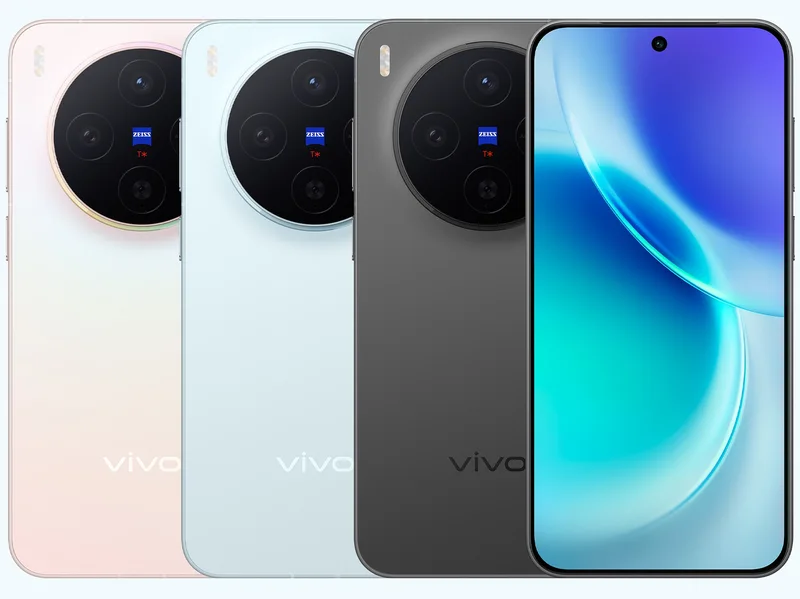
vivo X300 is a compact 6.31-inch flagship with a 200MP ZEISS main camera, a 50MP periscope telephoto, Dimensity 9500 and a 6040 mAh battery with 90W wired and 40W wireless charging.
Key figures at a glance
Gallery
Specifications
- Display
- 6.31" AMOLED, 2640x1216, 120Hz, 4500 nits peak brightness, 460 PPI, 2160Hz PWM dimming
- Chipset
- MediaTek Dimensity 9500 (3nm)
- RAM
- 16GB
- Storage
- 256GB / 512GB
- Rear Camera
- 200MP main (1/1.4", f/1.68, OIS) + 50MP ZEISS APO periscope telephoto (OIS) + 50MP ultrawide
- Front Camera
- 50MP (f/2.0, autofocus, 92 degree field of view)
- Battery
- 6040 mAh (typical), 90W wired, 40W wireless
- OS
- OriginOS 6 (Android 16), 5 OS upgrades and 7 years of security updates
- Dimensions
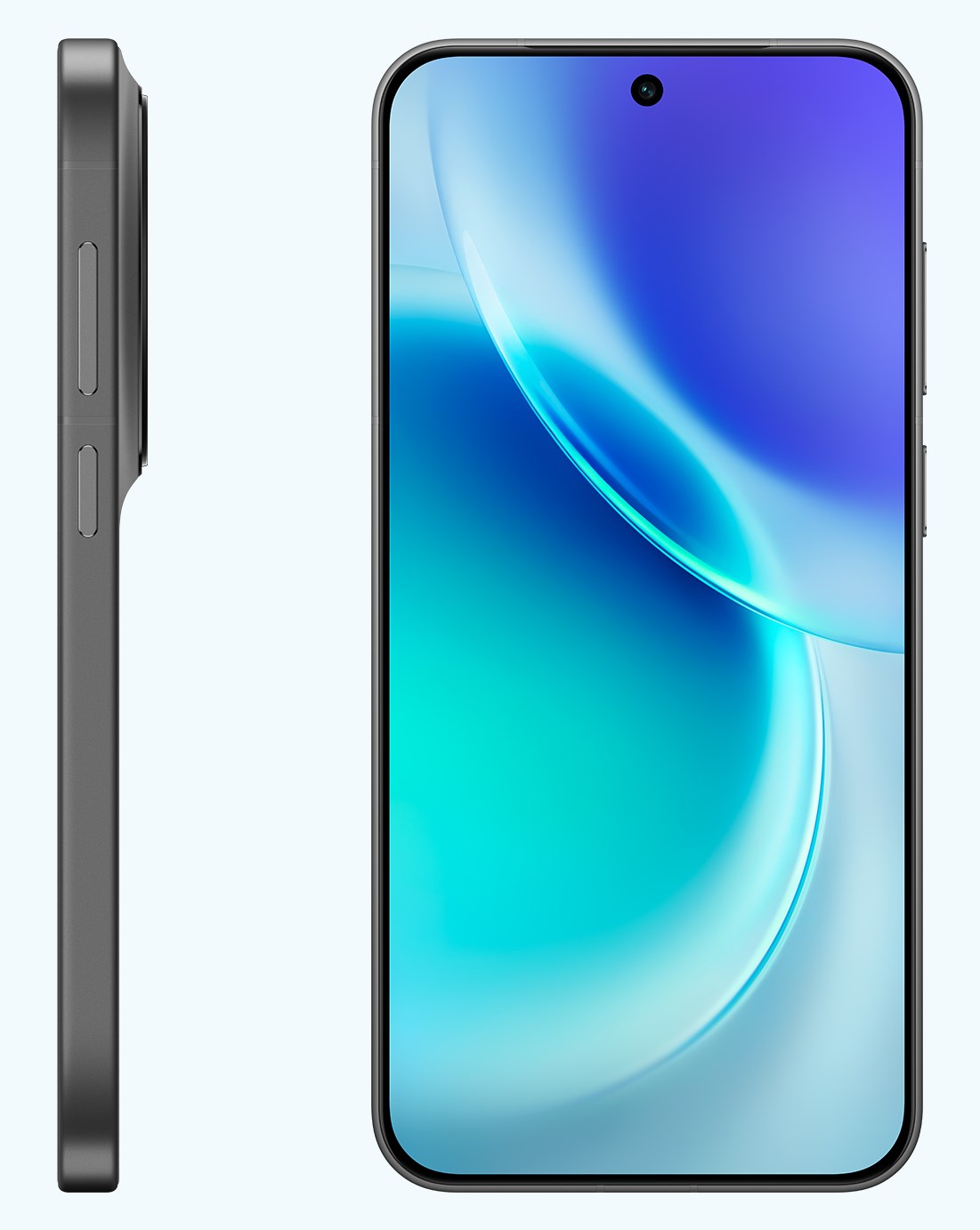
- 150.57 x 71.92 x 7.95 mm, 190 g
- Durability
- IP68 and IP69, glass back
- Connectivity
- Wi-Fi 7, Bluetooth 6.0, NFC, USB 3.2 Gen 1, dual nano-SIM
- Colors
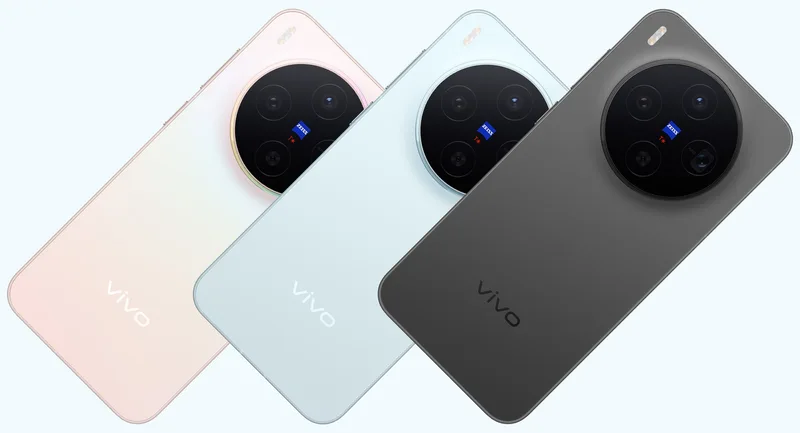
- Aurora Pink, Mist Blue, Phantom Black (Iris Purple shown on the overview page)
The vivo X300 is the compact member of vivo's X300 flagship family. It combines a 6.31-inch screen, a 7.95 mm glass-and-metal body weighing 190 g, a 200MP main camera developed with ZEISS, a 50MP periscope telephoto, MediaTek's Dimensity 9500 chip and a 6040 mAh battery. This page is based on the published specifications and manufacturer information, and it looks at where the phone sits in the range, what it is good at, and where vivo has made compromises.
Where the X300 sits in the lineup
vivo's X series is the company's camera-first line, and the X300 generation is split into several tiers. The vivo X300 Pro and the vivo X300 Ultra sit above this model, while the vivo X300 FE is positioned as the more approachable choice. The standard X300 is the one that keeps the flagship platform and the large main sensor but shrinks the body: vivo describes the 6.31-inch panel as a "compact" screen, and that is the main reason to pick it over the bigger variants. The previous generation is represented on this site by the vivo X200 Pro, which gives a useful reference for how vivo's formula has evolved.
The regional page used for this write-up lists 12GB + 256GB and 16GB + 512GB versions, with LPDDR5X memory (vivo labels it "LPDDR5X Ultra") and UFS 4.1 storage. vivo states that expandable storage is not supported, so the capacity you choose at purchase is the capacity you keep. The phone comes in Aurora Pink, Mist Blue and Phantom Black on the specification sheet, and the overview page also shows an Iris Purple finish, so colour availability will depend on the market.
Design and display
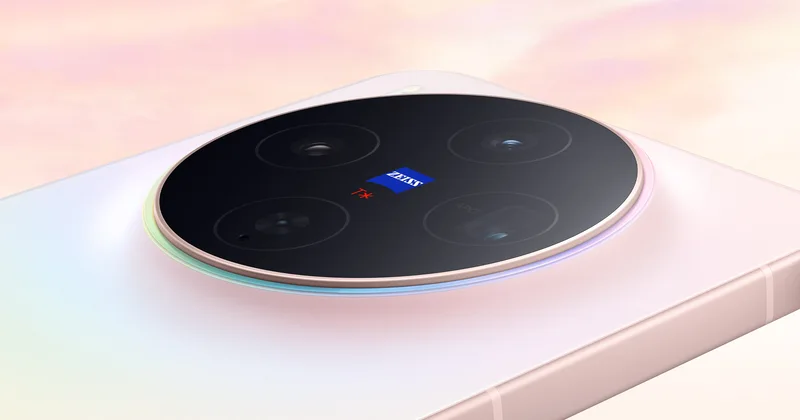
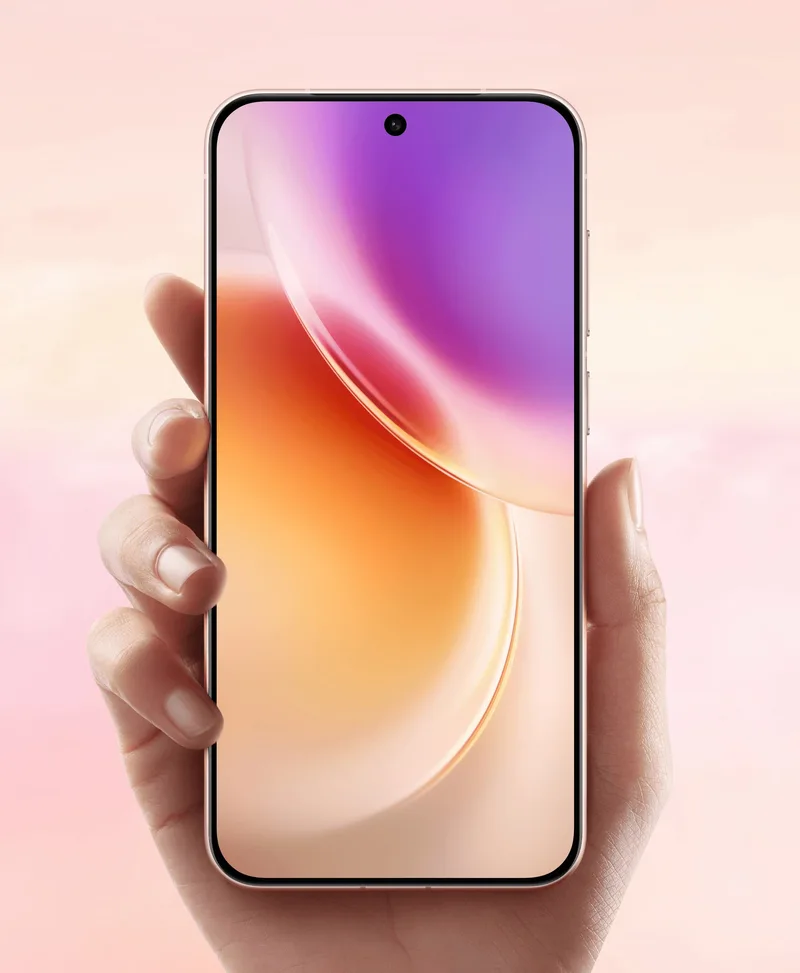
The X300 uses a unibody 3D glass back with a metal frame. vivo emphasises a minimalist circular camera island that merges the lenses and the body into one shape, and the images of the phone show a large round module with a ZEISS badge at its centre. The body measures 150.57 x 71.92 x 7.95 mm and weighs 190 g, which is genuinely small for a phone with a 6040 mAh battery. The manufacturer also lists IP68 and IP69 dust and water resistance, which covers submersion and high-pressure, high-temperature water jets under laboratory conditions; as with every such rating, vivo notes that resistance is not permanent and can decrease with wear.
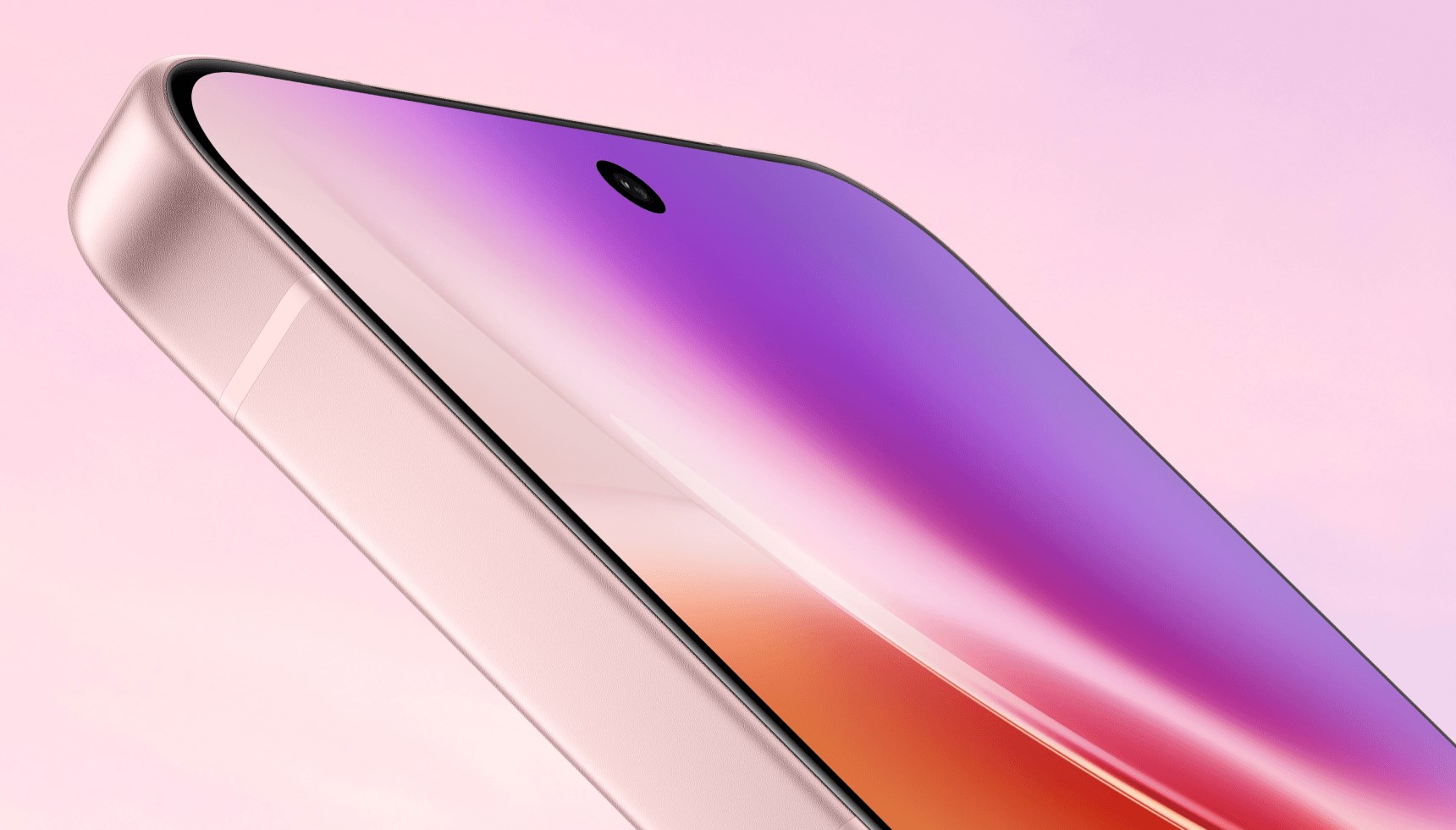
The display is a 6.31-inch AMOLED panel with a 2640 x 1216 resolution and a pixel density of 460 PPI. It supports a 120Hz refresh rate with LTPO-style adaptive behaviour (vivo mentions an 8T LTPO backplane), P3 wide colour gamut and 1.07 billion colours. The brightness figure vivo prints, 4500 nits, is a peak value for the best case and should not be read as what you will see on a typical bright day; the minimum brightness of 1 nit is probably the more useful number for night-time reading. The company also highlights 2160Hz PWM dimming at all brightness levels, full-range DC dimming and TUV Rheinland flicker-free and low-blue-light certifications, which matters mainly for people who are sensitive to screen flicker. The bezels are symmetric at 1.05 mm, according to vivo, and the selfie camera sits in a small centred punch-hole. An ultrasonic fingerprint sensor handles unlocking.
Performance and software
The processor is the MediaTek Dimensity 9500, built on a 3nm process with a "1+3+4" all-big-core CPU layout: one core at up to 4.21 GHz, three at 3.5 GHz and four at 2.7 GHz. vivo claims improvements over the previous generation of 33% in GPU performance and 32% in single-core CPU performance, along with a 42% reduction in GPU power draw; these are manufacturer comparisons and have not been independently verified here. The phone also carries vivo's own V3+ imaging chip, which is used for video and portrait processing. For cooling, vivo uses a vapor chamber sized for the compact body.
The software is OriginOS 6 on Android 16. vivo promises five years of operating-system upgrades and seven years of security updates, which is a long commitment by the standards of the Android world, and it advertises a "5-Year Smooth Experience" certified by SGS. The ecosystem section of the page also lists notes sync, file transfer between the phone and Windows or Mac computers, and a private space for hidden apps and files. Connectivity is up to date: Wi-Fi 7, Bluetooth 6.0, NFC, USB 3.2 Gen 1 and dual nano-SIM with dual standby. There is no FM radio and no memory card slot.
Camera
The rear system is the reason this phone exists. The main camera is a 200MP sensor with a 1/1.4-inch format, an f/1.68 aperture, autofocus and optical image stabilisation. The telephoto is a 50MP unit with a 1/1.95-inch sensor, an f/2.57 aperture and its own stabilisation, using a periscope layout and meeting what vivo calls the ZEISS APO standard. The ultrawide is a 50MP camera at f/2.0. The selfie camera is also 50MP, with autofocus and a 92-degree field of view. vivo adds a flash that adapts to the focal length, with hardware coverage for 23 mm and 50 mm.
The company talks at length about portraits at five focal lengths (23, 35, 50, 85 and 100 mm), 4K 60fps portrait video, a "Stage Mode" for concert photography and an optional ZEISS 2.35x telephoto extender kit sold separately. Those are features to evaluate when you can see sample output; the specification sheet itself tells you that the hardware is capable, not that every shot will be good. What is clear is that vivo put a very large main sensor and a real periscope telephoto into a phone that is only 71.92 mm wide, which is rare. The 200MP resolution is useful mainly for cropping and for the high-resolution portrait mode, since images are normally combined into lower-resolution frames for everyday shots.
Battery and charging
The battery is a single-cell design with a typical capacity of 6040 mAh (rated 5925 mAh), built with silicon-anode technology that vivo calls semi-solid-state and fourth-generation. The phone charges at 90W over a cable and at 40W wirelessly, and the box contains a charger and a USB cable. vivo's own test figures claim around 24 hours of YouTube streaming and about 15.8 hours of always-on navigation; these are lab numbers, and real use will differ. The brand also promises a battery health guarantee certified by SGS over five years. Compared with other small flagships, this is a large capacity for the size.
Who it is for
The X300 suits buyers who want a small, one-hand-friendly flagship but do not want to give up a serious telephoto camera. It also suits people who value long software support, a bright and flicker-conscious display, and fast wireless charging. If you take many portraits, photograph events from a distance or like the idea of adding an external telephoto lens, the camera system is the strongest argument for it.
It is also worth reading the comparison with a rival camera flagship before you decide; for example the table at vivo X300 vs OPPO Find X9 Pro puts the two next to each other. For a broader view of how it ranks overall, see the rankings.
Compromises to keep in mind
- No official US price: the regional pages list prices in local currency only, and availability varies by country.
- No expandable storage and no FM radio: the storage you buy is final.
- Peak numbers are best-case: the 4500-nit brightness and the lab battery-life figures are manufacturer claims.
- Telephoto is a 50MP sensor, not a 200MP one: vivo does not publish a zoom factor on the page used for this write-up, so check the real reach before buying.
- OriginOS is vivo's own skin: vivo notes that some features depend on region and software version.
- Weight for the size: at 190 g the phone is fairly dense for a 6.31-inch model, a likely side effect of the big battery and metal frame.
Overall, the vivo X300 is a specialised phone: a small body wrapped around flagship-level imaging hardware, a very large battery and an unusually long update promise. Its weak points are mostly practical ones, such as pricing and availability, rather than missing hardware.
Where it ranks
Compare vivo X300 with similar devices
More from vivo
Frequently asked questions
When was the vivo X300 released?
The vivo X300 was released on 2025-10-13, according to the manufacturer’s published information.
What are the main specs of the vivo X300?
Headline figures for the vivo X300: Battery: 6,040 mAh, Refresh rate: 160 Hz, Main camera: 200 MP, RAM: 16 GB. The full specification table is further up this page.
Is the vivo X300 worth buying?
That depends on your priorities. Use the editorial review on this page for our view, check the rankings above to see where the device stands on battery, display and camera, and compare it directly with similar models before you decide.


