Phones
vivo V60
The vivo V60 offers a 50MP ZEISS periscope telephoto next to a 50MP main camera, a Snapdragon 7 Gen 4, a 6.77-inch 120Hz AMOLED screen, a 6500 mAh battery and IP68/IP69 protection.
Key figures at a glance
Gallery
Specifications
- Display
- 6.77" AMOLED, 2392x1080, 387 ppi, 120Hz, HDR10+, up to 5000 nits local peak brightness, P3 wide color gamut
- Chipset
- Qualcomm Snapdragon 7 Gen 4 (4nm, octa-core: 1 x 2.8GHz + 4 x 2.4GHz + 3 x 1.8GHz)
- RAM
- 12GB
- Storage
- 256GB / 512GB
- Rear Camera
- 50MP main (ZEISS, f/1.88, OIS) + 50MP periscope telephoto (ZEISS, f/2.65, OIS) + 8MP ultrawide (ZEISS, f/2.2)
- Front Camera
- 50MP (ZEISS, f/2.0, autofocus, 92 deg)
- Battery
- 6500 mAh (typical; 6330 mAh rated), 90W wired charging
- OS
- Android 15, Funtouch OS 15
- Dimensions
- 163.53 x 76.96 x 7.53 mm, 192 g (Spotlight Gray); 163.53 x 76.96 x 7.65 mm, 200 g (Festive Purple and Dancing Blue)
- Durability
- IP68 and IP69
- Memory
- 8GB + 256GB, 12GB + 256GB or 12GB + 512GB (LPDDR4X, UFS 2.2); extended RAM 8GB or 12GB; no expandable storage (Indonesia configuration)
- Connectivity
- 5G dual SIM, Wi-Fi 2.4GHz / 5GHz, Bluetooth 5.4, USB 2.0, NFC, infrared blaster, in-display fingerprint sensor
- Colors
- Festive Purple, Dancing Blue, Spotlight Gray
The vivo V60 is a style-and-camera phone for the upper mid-range, and its headline is unusual for the price tier: a 50MP periscope telephoto camera tuned with ZEISS, sitting alongside a 50MP main camera and an 8MP ultrawide. Around that it adds a Snapdragon 7 Gen 4 processor, a 6.77-inch 120Hz AMOLED screen, a 6500 mAh battery with 90W charging and IP68 plus IP69 protection. This page is based on the published specifications and manufacturer information from vivo's Indonesian product pages, and it explains what the phone offers, how it fits within vivo's lineup and where the trade-offs are.
Where the V60 fits
vivo's V series is its design-led line for the middle of the market, placed well below the photography flagships such as the vivo X300. Within the series, the V60 sits above the more modest vivo V60e, which leads with a 200MP main sensor, while the V60 concentrates on a camera system with a dedicated telephoto. The Indonesian specification page lists three configurations: 8GB RAM with 256GB storage, 12GB with 256GB and 12GB with 512GB. The memory is LPDDR4X and the storage is UFS 2.2, and the phone has no expansion slot. Official prices on that page are in rupiah (Rp6,999,000, Rp7,499,000 and Rp8,499,000 for the three versions), so no US price is quoted here. Specifications and colours may differ in other markets. The vivo V60 versus Galaxy A56 comparison shows how it lines up against a well-known rival.
Design and display
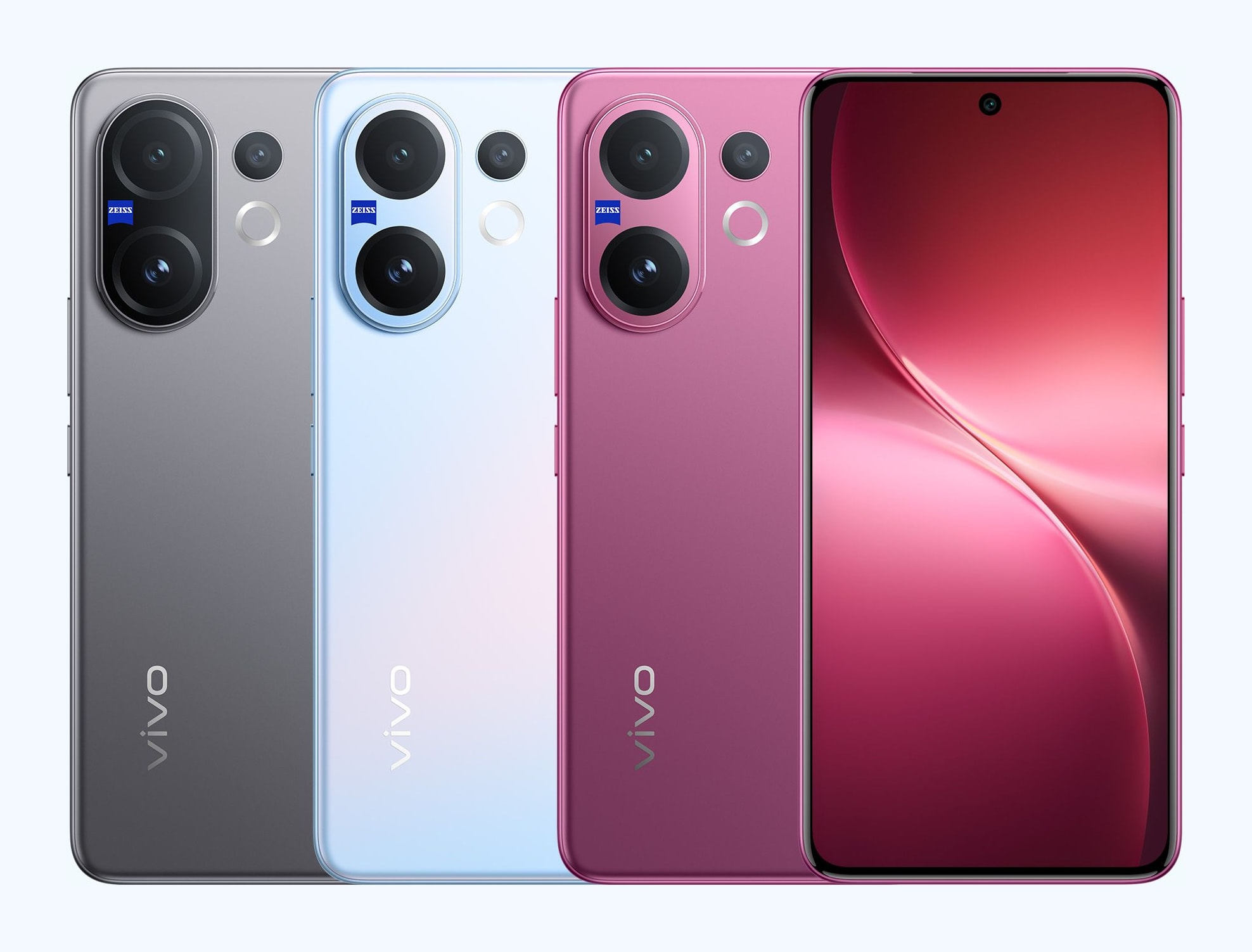
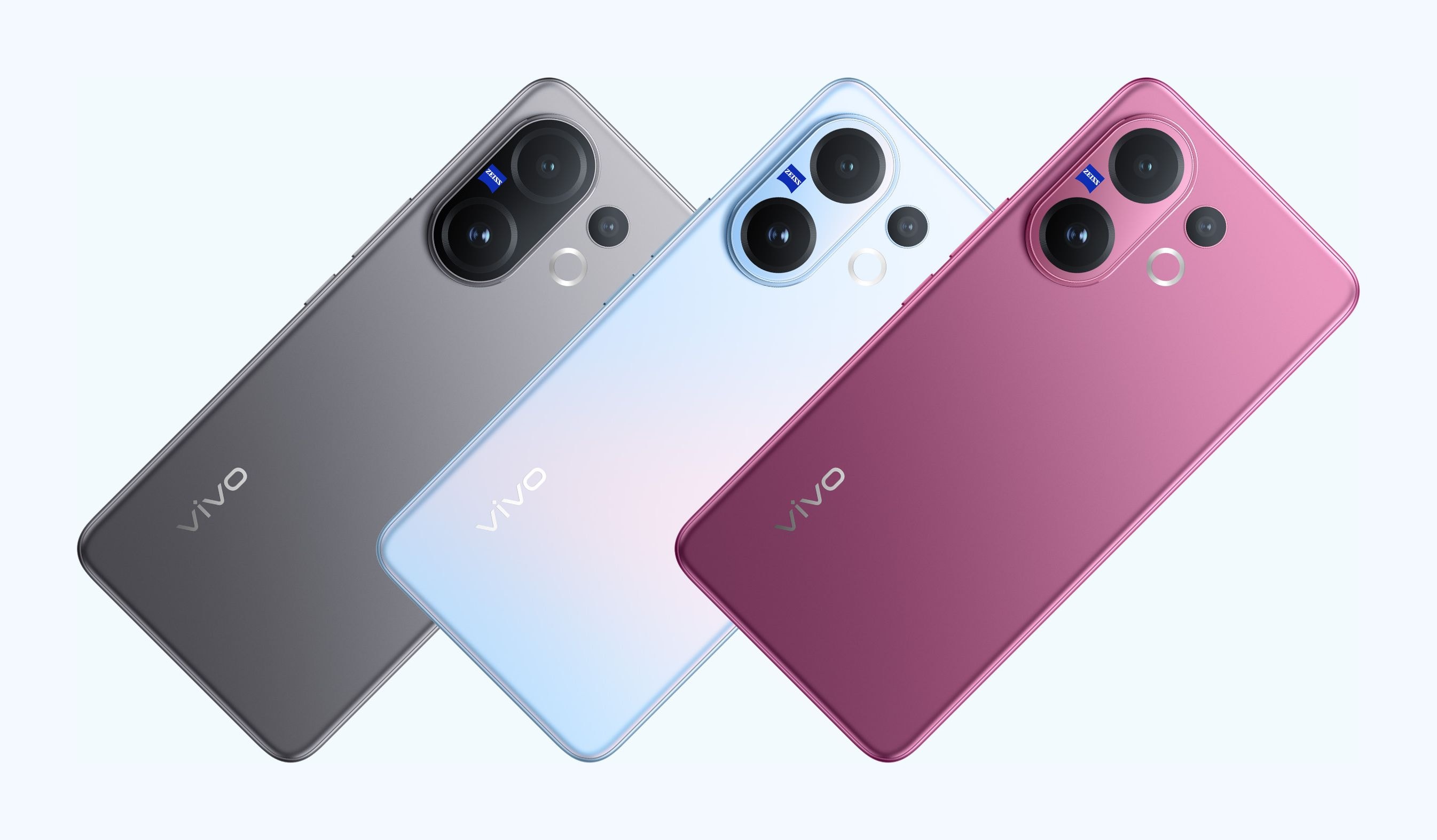
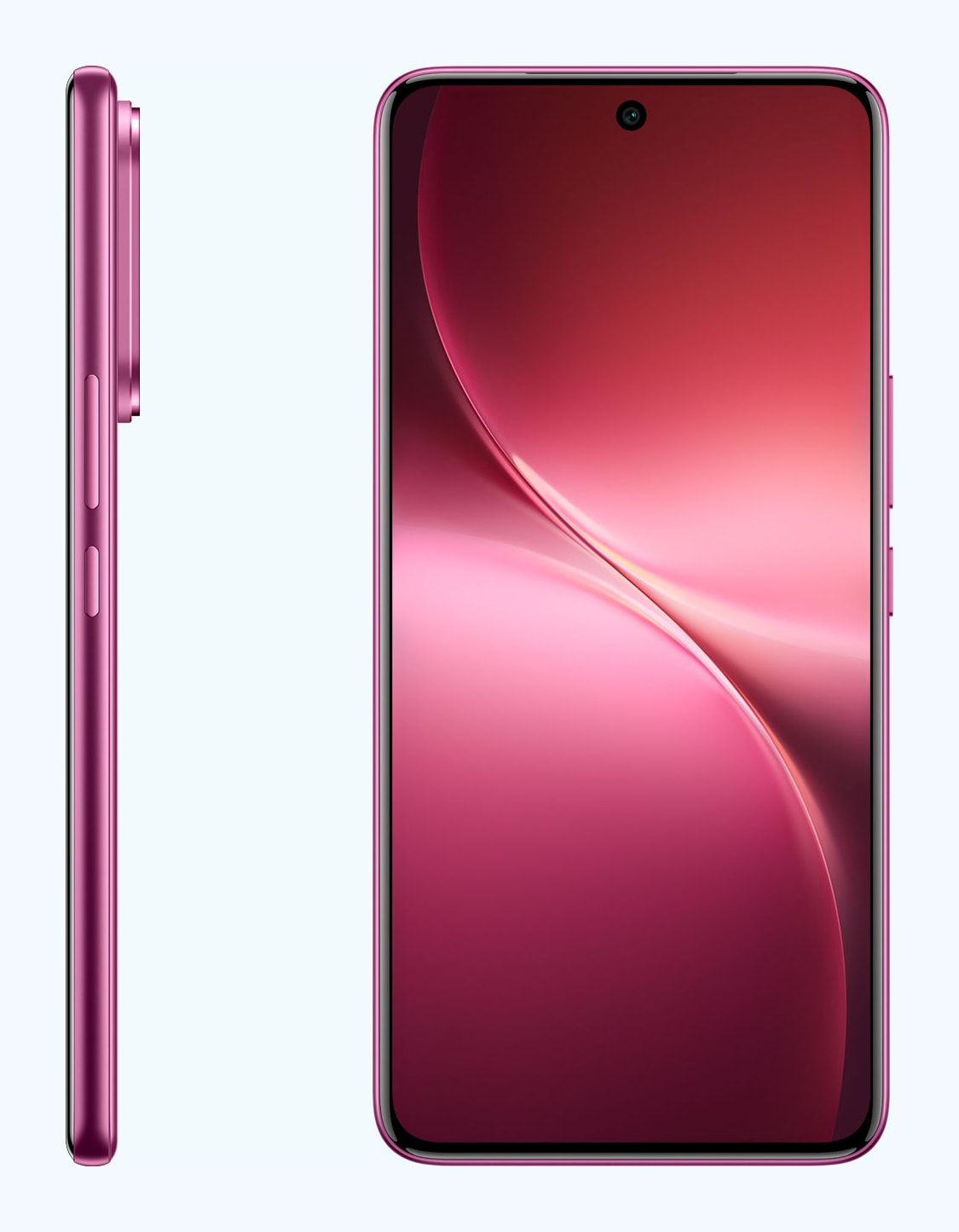
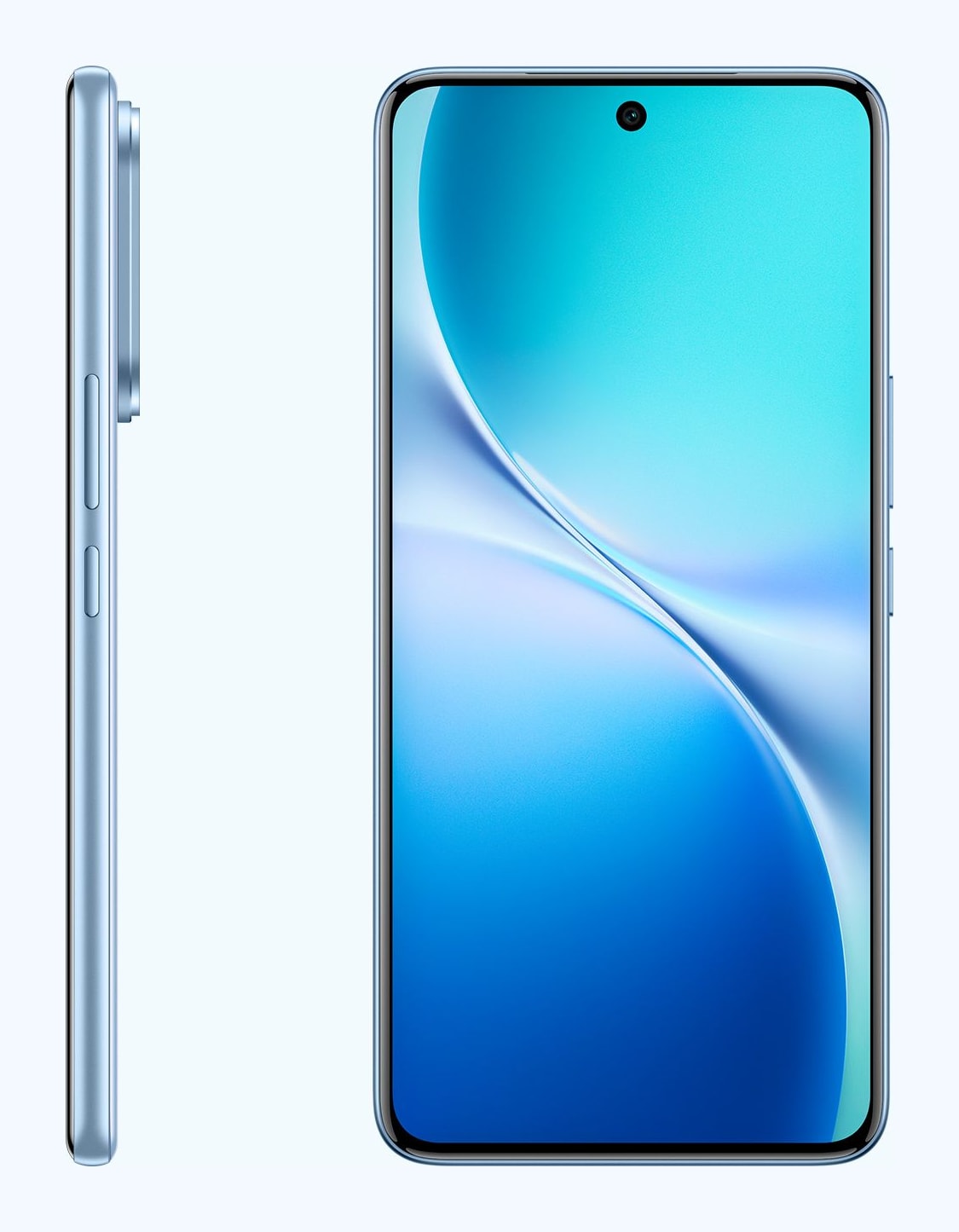
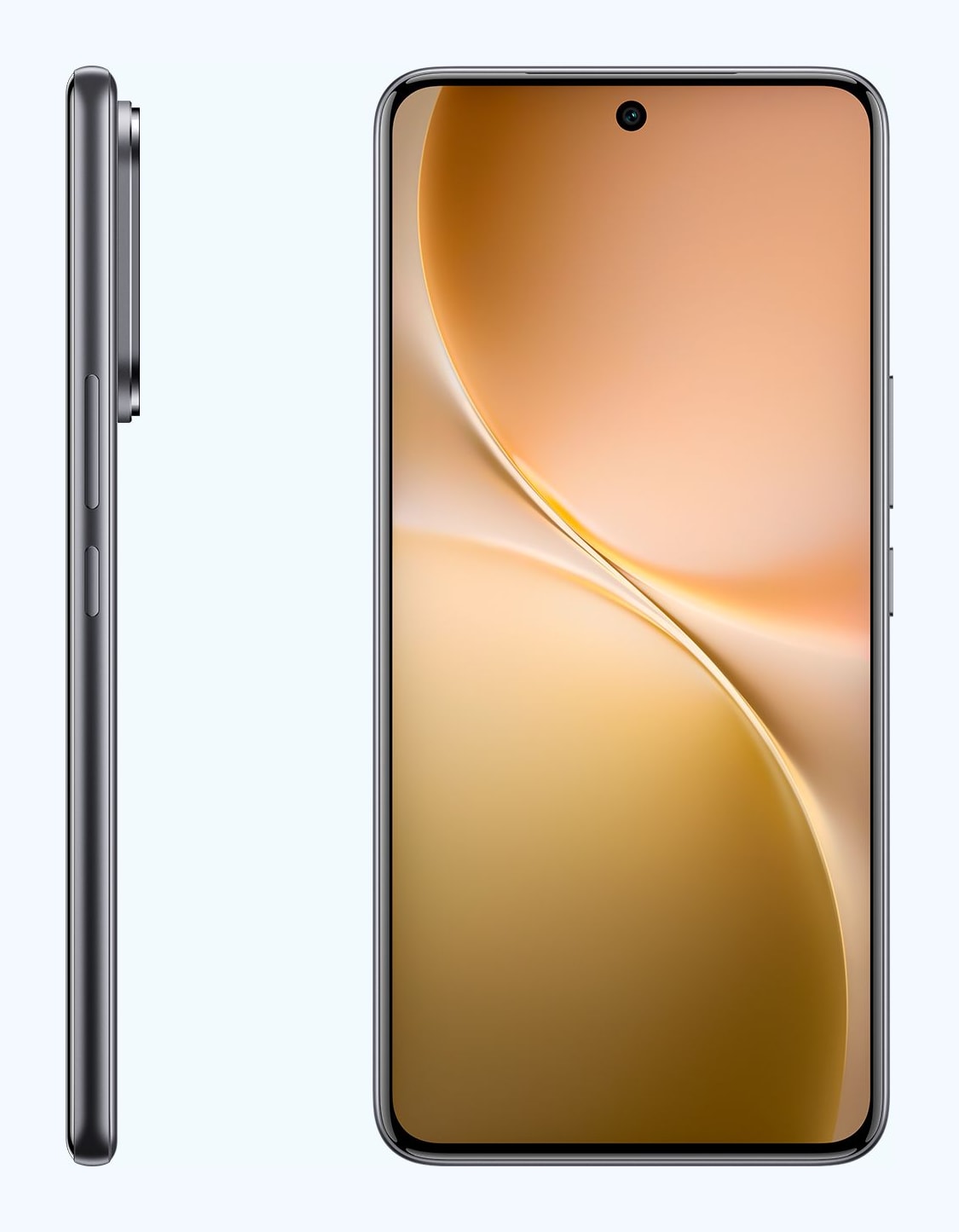
vivo lists three colours: Festive Purple, Dancing Blue and Spotlight Gray. They are not only different shades but slightly different builds. The purple and blue versions have a glass back, a thickness of 7.65 mm and a weight of 200 g, while the gray version uses a plastic composite sheet and measures 7.53 mm and 192 g. Length and width are the same for all at 163.53 x 76.96 mm. vivo describes a rounded-edge design and a slim profile that is easy to hold for long periods. The phone is rated IP68 and IP69: IP68 covers immersion in static fresh water, and vivo specifies 1.5 metres for 30 minutes in its notes, while IP69 refers to resistance to high-temperature water jets. vivo also mentions a "one-tap water ejection" feature that uses sound to push water out of the speaker area, and Diamond Shield glass that it says improves drop resistance compared with the V40.
The screen is a 6.77-inch AMOLED panel at 2392 x 1080 pixels, about 387 ppi, with a 120Hz refresh rate. vivo claims 5000 nits of local peak brightness and 1500 nits of maximum global brightness, plus HDR10+ support, P3 wide colour gamut, 1.07 billion colours and an 8,000,000:1 contrast ratio. The 5000 nits figure applies to small highlights rather than the whole screen, so the 1500 nits global value says more about daylight use. The panel carries SGS low blue light certification, and the fingerprint sensor is under the display. A dual stereo speaker setup handles audio.
Performance and software
The Qualcomm Snapdragon 7 Gen 4 is built on a 4nm process with eight cores: one at 2.8GHz, four at 2.4GHz and three at 1.8GHz. vivo says the CPU is 27% faster and the GPU 30% more powerful than in the V50, quoting Qualcomm's data. It also fits a large vapour chamber cooling system of 16,470 mm squared with ten temperature sensors and says core temperature can drop by up to 12 degrees Celsius in laboratory simulations. As with all such figures, treat them as manufacturer claims. In everyday use this class of chip is comfortable with social apps, video, photography and most games at moderate settings.
The phone runs Funtouch OS 15 on Android 15. vivo's extended RAM feature can use 8GB or 12GB of storage as additional memory. The company includes AI tools such as AI Erase 3.0, AI Magic Move, an image expander, a photo enhancer and a "Four-Season Portrait" effect, and it notes that some of these send photos to the cloud for processing before returning the result. The AI SuperLink feature is described as strengthening weak signals in places such as lifts and car parks. vivo also mentions a five-year smooth-experience test run in its laboratory; it is a performance test, not a statement about how many updates the phone will receive, and the pages used here do not list an update policy.
Camera
This is the V60's strongest area. The main camera is a 50MP ZEISS sensor, the Sony IMX766 at 1/1.56 inch, with optical image stabilisation and an f/1.88 aperture. The telephoto camera is a 50MP Sony IMX882 sensor at 1/1.95 inch, also stabilised, with an f/2.65 aperture and a 33.1 degree field of view; vivo calls it a super telephoto and speaks of 10x telephoto zoom and a periscope structure. The third camera is an 8MP ultrawide with f/2.2 and a 120 degree field of view, though vivo notes a 106 degree field after distortion correction. On the front, a 50MP group selfie camera with autofocus, f/2.0 and a 92 degree wide angle is used.
The ZEISS partnership shows mainly in the portrait features. The phone offers ZEISS multifocal portrait modes with five focal lengths (23, 35, 50, 85 and 100 mm) and bokeh styles named after classic lenses, with 85mm and 100mm portraits made possible by the telephoto camera. There is also AI zoom that vivo says can restore detail even at 100x, which is a software-enhanced figure, not an optical one. A dual-colour rear fill light and an "Aura Light" portrait function support night shots. Video recording is listed as 4K, 1080p and 720p. Camera-focused buyers get a stabilised periscope-style telephoto and a stabilised main sensor, although the ultrawide at 8MP is clearly a supporting lens.
Battery and charging
The V60 carries a 6500 mAh battery (rated 6330 mAh) based on a third-generation silicon-carbon anode, which vivo calls BlueVolt. Wired charging is 90W, and vivo says a ten-minute charge is enough for hours of calls. It also claims at least 80% capacity remains after 1,300 full charge cycles. Activity estimates from vivo's lab include about 10 hours of PUBG, 15 hours of TikTok, 9 hours of navigation and 22 hours of YouTube. These estimates are for single-app use under controlled conditions. The pages do not list wireless charging, so assume it is absent. Whether a charger is included depends on market; the Indonesian box contents list includes a charger and a USB Type-C cable.
Who it is for
The vivo V60 is best for people who want to take portraits, travel photos and zoomed shots without spending flagship money. The telephoto camera, ZEISS portrait styles and 50MP selfie camera make it attractive for photography fans, and the battery and 90W charging mean it is not a compromise on stamina. IP68 and IP69 ratings add peace of mind for outdoor use. If gaming and raw speed matter more than the camera, a phone such as the realme P4 Pro offers a dedicated graphics chip and a 144Hz screen. To see where it ranks against other models on published specifications, visit the phone rankings.
Compromises to know about
- USB 2.0 and UFS 2.2 storage are modest specifications compared with phones that have faster ports and storage.
- The 8MP ultrawide camera is a weaker partner for the 50MP main and telephoto cameras.
- Build and weight differ by colour: the gray version uses a plastic composite back rather than glass.
- There is no expandable storage, and no wireless charging is listed.
- The 5000 nits peak, 100x zoom and charge-cycle numbers are manufacturer claims made under lab conditions.
- The pages give prices only in Indonesian rupiah and no software update commitment.
Overall, the V60 combines a periscope-style telephoto camera with strong battery and durability specifications. It is a sensible pick for photography-minded buyers who value a slim body and long endurance.
Where it ranks
Compare vivo V60 with similar devices
More from vivo
Frequently asked questions
When was the vivo V60 released?
The vivo V60 was released on 2025-08-12, according to the manufacturer’s published information.
What are the main specs of the vivo V60?
Headline figures for the vivo V60: Battery: 6,500 mAh, Refresh rate: 120 Hz, Main camera: 50 MP, RAM: 12 GB. The full specification table is further up this page.
Is the vivo V60 worth buying?
That depends on your priorities. Use the editorial review on this page for our view, check the rankings above to see where the device stands on battery, display and camera, and compare it directly with similar models before you decide.


