Phones
vivo V50
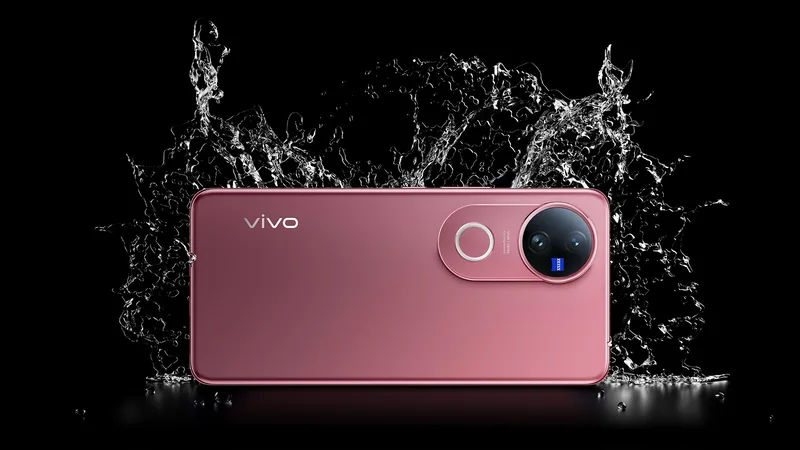
vivo's 2025 V-series model pairs a 6.77-inch quad-curved 120Hz display and Snapdragon 7 Gen 3 with a 6,000 mAh battery, 90W charging, IP68/IP69 and a 50MP ZEISS selfie camera.
Key figures at a glance
Gallery
Specifications
- Display
- 6.77" quad-curved display, 120Hz (vivo notes only in specific games), 4,500 nits local peak, 1,300 nits max global, P3 wide gamut, 1.07 billion colors
- Chipset
- Qualcomm Snapdragon 7 Gen 3 (octa-core)
- RAM
- 12GB
- Extended RAM
- Up to 12GB software-based extended RAM
- Storage
- 512GB (the only configuration listed on vivo's India page)
- Rear Camera
- 50MP main (ZEISS, OIS, 1/1.55") + 50MP ultrawide (119 degrees, autofocus), 4K video
- Front Camera
- 50MP ZEISS group selfie camera (92 degrees, autofocus), 4K video
- Battery
- 6,000 mAh typical (5,870 mAh rated), 90W FlashCharge
- OS
- FOS 15 (vivo promises 3 major Android upgrades and 4 years of security updates)
- Durability
- IP68 and IP69; Diamond Shield Glass
- Cooling
- Ultra Large VC cooling system
- Audio
- Dual stereo speakers
- Colors
- Rose Red, Starry Night, Titanium Grey (India page; colour names differ by market)
The vivo V50 is a camera-focused mid-range phone from vivo's V series, a line known for portrait photography, slim design and large batteries. The 2025 model keeps that formula and adds a 6,000 mAh battery, 90W charging, a 6.77-inch quad-curved screen and a ZEISS-branded camera system with a 50MP selfie camera. This review is based on the published specifications and manufacturer information, so vivo's statements are marked as claims and not as measured results.
Where the V50 fits in vivo's lineup
The V series sits above vivo's budget Y line and below the flagship X series. Within the V family the V50 is the main model, while the vivo V50e is a more modest sibling and the later vivo V60 continues the series. The comparison page V50 versus V60 is a quick way to see what changed in the next generation. Across all brands, the rankings page shows where the V50 lands based on its published specifications.
Design and display
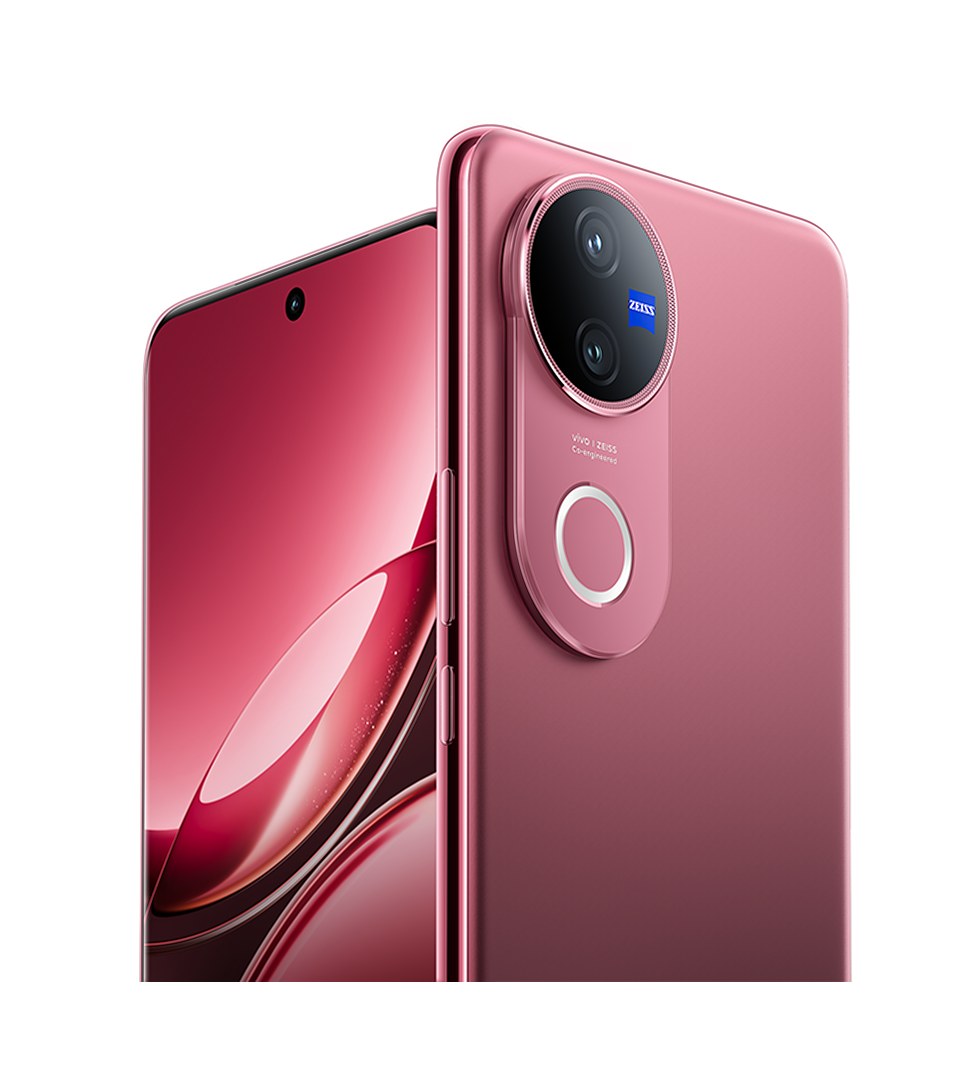
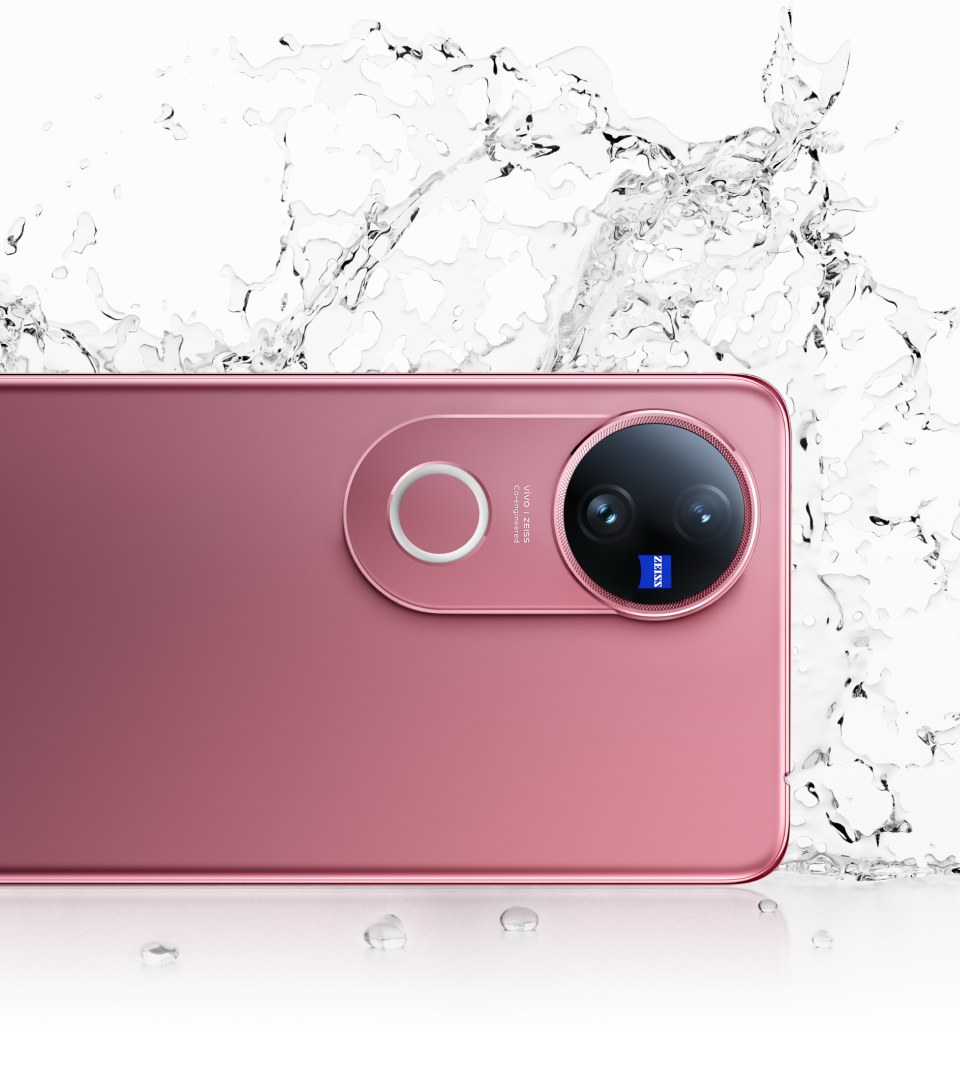
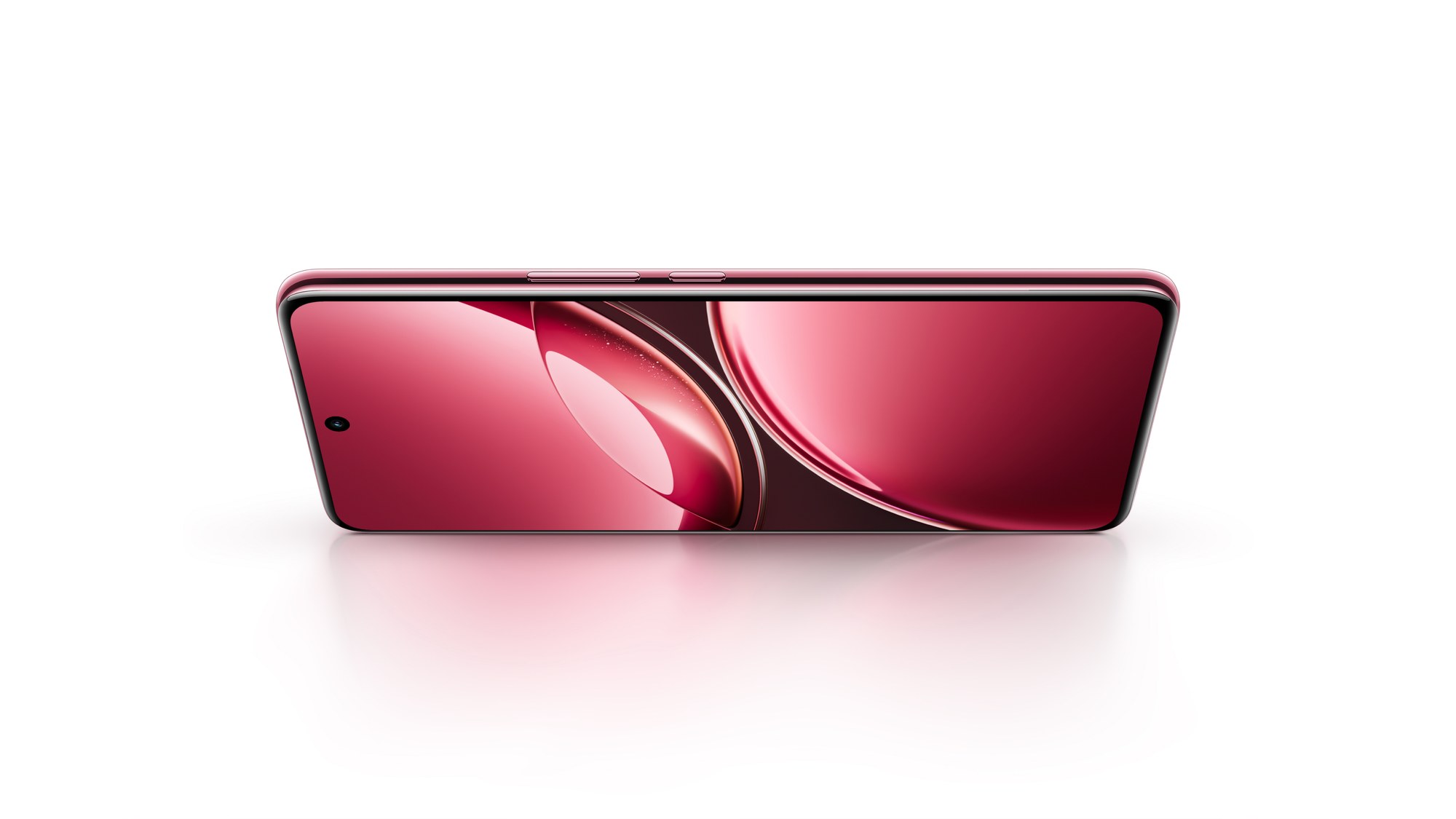
vivo describes the V50 as an ultra-slim phone with a quad-curved display, where all four edges curve with a 41 degree curvature according to the manufacturer. The India page lists a thickness of 0.739 cm for the Titanium Grey version. Colour names differ between markets; the Indian page lists Rose Red, Starry Night and Titanium Grey, and regional pages use other marketing names for similar finishes. The back carries a large circular camera module with the ZEISS logo. The page does not state the weight, so we cannot comment on it, which is notable for a phone with a 6,000 mAh battery.
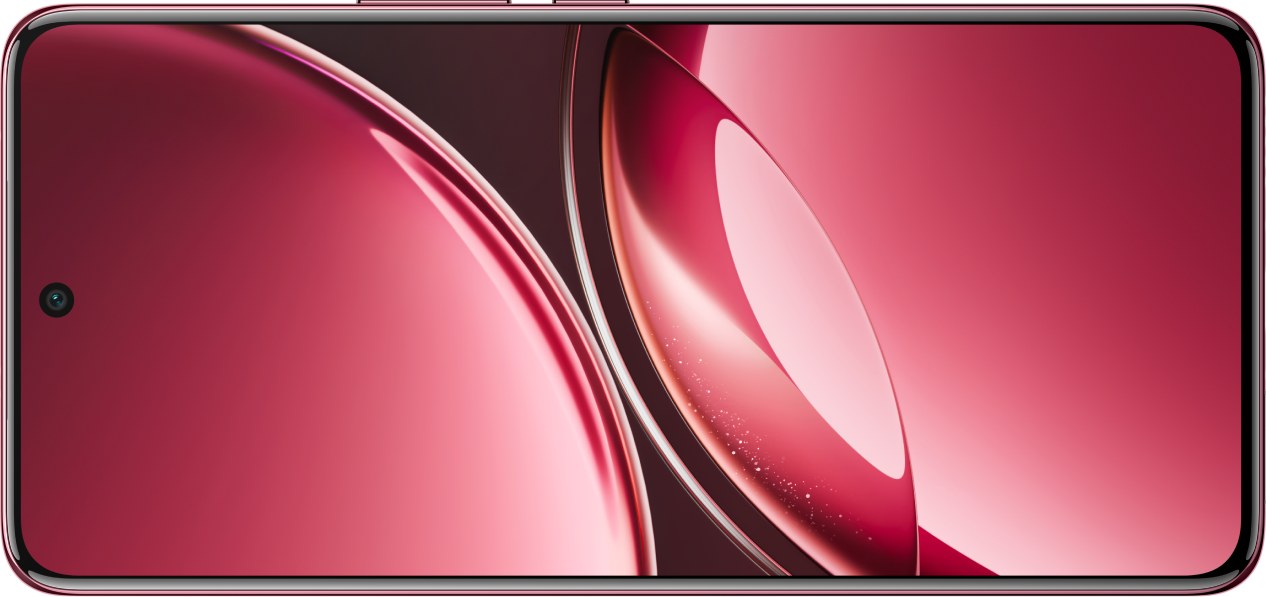
The screen measures 6.77 inches diagonally (17.19 cm). vivo lists a 120Hz refresh rate, with a note that it applies only to certain games, so the panel may not run at 120Hz in all situations. Brightness is given as 4,500 nits local peak and 1,300 nits maximum global, with a P3 wide colour gamut, 1.07 billion colours and an 8,000,000:1 contrast ratio. The panel technology is not named on the page. The display is also SGS Low Blue Light certified according to the manufacturer. The glass is described as Diamond Shield Glass, a vivo name for its drop-resistant glass; vivo also quotes a five-star drop resistance rating from SGS, which is a third-party test commissioned by the brand.
Curved edges look elegant but can cause accidental touches, and flat screen protectors are harder to find. This is a style choice that some buyers like and others avoid.
Performance and software
The V50 uses the Qualcomm Snapdragon 7 Gen 3 with eight cores. vivo says it brings a 15 percent CPU and 50 percent GPU improvement over the Snapdragon 7 Gen 1; as always these are vendor figures against an older chip, not independent benchmarks. The page lists a single memory configuration: 12GB of RAM and 512GB of storage. The phone also offers up to 12GB of extended RAM, which uses spare storage and is software-based; the real multitasking memory is the 12GB. Other markets may offer other configurations, so check the version sold in your region.
A large vapour chamber, called the Ultra Large VC cooling system, is used to keep temperatures down; vivo quotes a cooling area of 25,489 square millimetres and nine temperature sensors on a regional page. That is a sizeable cooling design for this class and is aimed at gaming and long camera sessions. Dual stereo speakers are included, and vivo mentions an AI SuperLink antenna design to improve signal strength.
The software is FOS 15, vivo's Android-based operating system. The page does not name the Android version. vivo promises three major Android upgrades and up to four years of security updates, which is respectable for a mid-range phone, though the major upgrades are a promise and not a guarantee for every region. Google Gemini and Circle to Search are listed. The AI toolkit includes tools such as AI Erase, AI Photo Enhance, Live Call Translation and Live Cutout, but results vary by region and language support.
Camera system
This is the phone's main selling point. The rear camera has a 50MP ZEISS main sensor of 1/1.55 inch with optical image stabilisation, and a 50MP ultrawide camera with autofocus and a 119 degree field of view. The front camera is also 50MP, with a 92 degree wide-angle autofocus lens, designed for group selfies. All cameras can record 4K video according to vivo. There is no dedicated telephoto lens listed, so zoom shots depend on the main sensor's crop. Photographers who want true optical zoom should look elsewhere or accept digital crop quality.
The ZEISS co-engineering shows up in portrait features. The phone offers portrait styles that imitate ZEISS lens characters (Distagon, B-Speed and Biotar styles are named), with focal-length options of 23 mm, 35 mm and 50 mm. These are software effects that emulate lens looks; they are a creative tool rather than a replacement for real optics. The mix of a 50MP autofocus selfie camera and an ultrawide rear camera is useful for group portraits and travel, while the OIS main camera should help in low light.
If you compare it with a more camera-complete device like the Galaxy A56, you will see the trade-off clearly: vivo concentrates on selfie and portrait quality over lens count.
Battery and charging
The V50 carries a 6,000 mAh battery (typical value; vivo's footnote gives 5,870 mAh as the rated figure) with 90W FlashCharge wired charging. vivo claims that the battery retains good performance for four years. That is a strong specification for a slim curved phone, although the page does not say what battery chemistry is used. Wireless charging is not listed. Real-world battery life will depend on screen use, 5G connectivity and the 120Hz mode, so treat the numbers as capacity and charging power, not a promise of days of use.
Durability
vivo lists both IP68 and IP69 ratings, covering immersion and high-pressure water jets, which is unusual for a slim curved phone in this class. The company also says the phone passed an SGS five-star overall drop resistance certification, and the back and frame use a cushioning structure. As with all such claims, they describe test conditions and are not a promise that the phone will survive any fall.
Who the vivo V50 is for
The V50 is aimed at people who take many selfies and group photos, travel and want a slim phone with a big battery. It suits users who care about design, a bright curved display and fast charging, and who do not need a telephoto lens. The IP68/IP69 rating and 6,000 mAh battery make it practical for daily use, and the 12GB of RAM gives it solid multitasking headroom for its class.
It is less suitable for people who want a flat screen, optical zoom, a phone with a stated low weight or wireless charging, and for buyers who compare it against the best performers in the category such as the OnePlus 13, which offers much more raw power at a higher price tier. A rival with similar battery priorities is the realme P3 Pro, which has an 80W charger and a single strong main camera.
Compromises to consider
- No telephoto lens: only main and ultrawide cameras are listed on the rear.
- Quad-curved glass: accidental touches and fewer screen protector options are possible.
- 120Hz is limited: vivo notes the 120Hz refresh rate applies only in specific games.
- Single listed configuration: the regional page shows 12GB and 512GB only; other markets may sell different versions.
- Missing figures: the page gives no weight, panel type, price or launch date, so verify these locally.
- Software promises: the Android upgrade and security update periods are vivo's own commitments and may differ by country.
The vivo V50 is a coherent camera-and-battery phone: large cell, quick charging, strong water protection and a standout selfie camera, with the compromises sitting mostly in the camera lens mix and the curved display design. If selfies, slim looks and endurance are your priorities, it deserves a place on a shortlist.
Where it ranks
Compare vivo V50 with similar devices
More from vivo
Frequently asked questions
When was the vivo V50 released?
The vivo V50 was released on 2025-02-17, according to the manufacturer’s published information.
What are the main specs of the vivo V50?
Headline figures for the vivo V50: Battery: 6,000 mAh, Refresh rate: 120 Hz, Main camera: 50 MP, RAM: 12 GB. The full specification table is further up this page.
Is the vivo V50 worth buying?
That depends on your priorities. Use the editorial review on this page for our view, check the rankings above to see where the device stands on battery, display and camera, and compare it directly with similar models before you decide.


