Phones
vivo V40
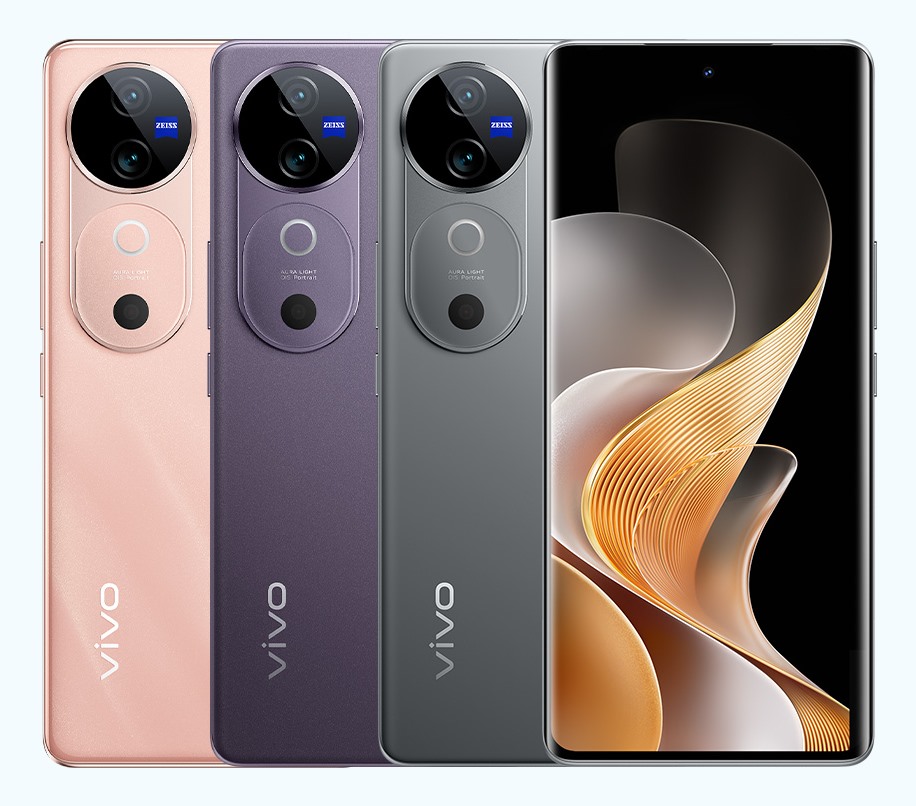
vivo's V40 packs a Snapdragon 7 Gen 3, three 50MP ZEISS cameras, an 80W charger and a 5,500 mAh battery into a 7.58 mm IP68/IP69 body.
Key figures at a glance
Gallery
Specifications
- Display
- 6.78" AMOLED, 2800x1260, 60Hz / 120Hz, 4500 nits peak (vivo claim), 100% DCI-P3
- Chipset
- Qualcomm Snapdragon 7 Gen 3 (4nm)
- RAM
- 12GB
- Storage
- 256GB / 512GB
- Rear Camera
- 50MP main (ZEISS, OIS, 1/1.56", f/1.88) + 50MP ultrawide (f/2.0, autofocus)
- Front Camera
- 50MP (f/2.0, autofocus)
- Battery
- 5,500 mAh (typical; 5,380 mAh rated), 80W wired FlashCharge
- OS
- Funtouch OS 14, Android 14 (per vivo Indonesia)
- Extended RAM
- 8GB or 12GB (virtual, uses storage)
- Dimensions
- 164.16 x 74.93 x 7.58 mm, 190 g, glass back
- Durability
- IP68 and IP69
- Connectivity
- 5G, dual nano-SIM, Wi-Fi 2.4/5GHz, Bluetooth 5.4, NFC, USB 2.0 Type-C, no memory card slot
- Audio
- Dual stereo speakers
- Security
- In-display fingerprint sensor
- Colors
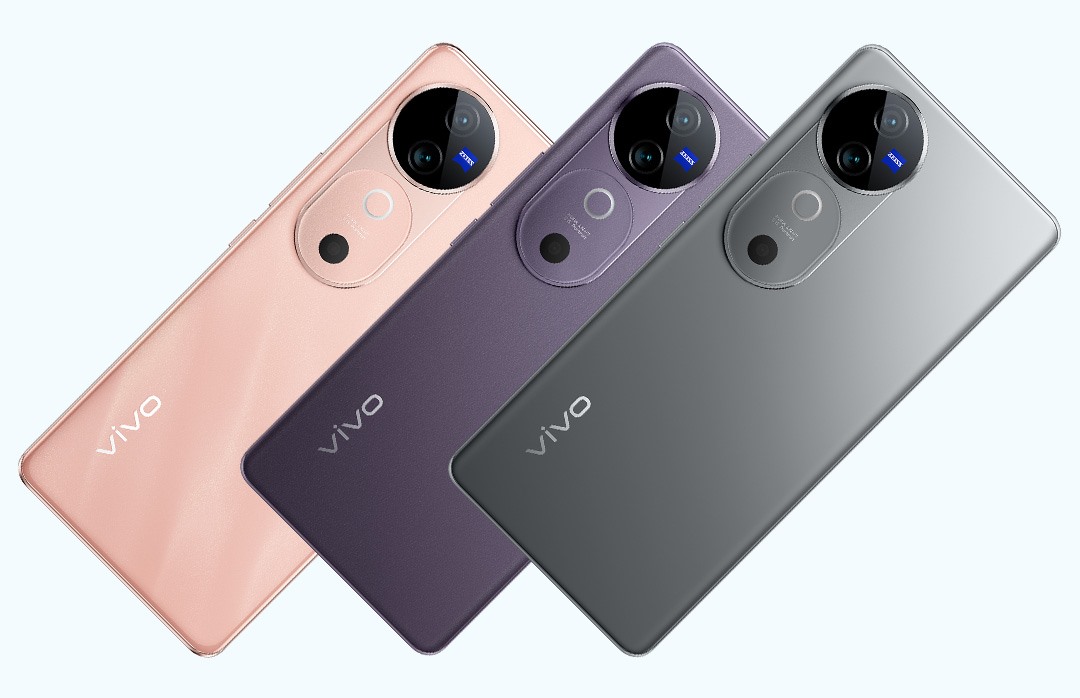
- Chrome Purple, Ceramic Peach, Platinum Silver (vivo Indonesia)
The vivo V40 is a slim, camera-led upper mid-range phone that combines a Snapdragon 7 Gen 3 processor, three 50MP cameras developed with ZEISS, an 80W charger and a 5,500 mAh battery in a body only 7.58 mm thick. It also carries an IP68 and IP69 rating, which is unusual in this price range. It was launched in August 2024 as the standard model of the V40 family, and its job is to offer most of the family's headline features without the extra cost of a Pro model. This review is based on the published specifications and vivo's own product pages, and it marks manufacturer statements as claims rather than as measured results.
Where it sits in the lineup
vivo's V series is its fashion-and-portrait line, aimed at buyers who care about thin design and selfies. The V40 sits below the V40 Pro and above the cheaper vivo V40e, and it was later followed by the vivo V60. A vivo launch page lists 7 August as the launch date of the V40 series. Prices differ widely between markets. On vivo's Indonesian site the phone is listed at Rp6,499,000 for 8GB plus 256GB, Rp6,999,000 for 12GB plus 256GB and Rp7,999,000 for 12GB plus 512GB; vivo did not publish a US price on the pages consulted, so none is given here.
Design and display
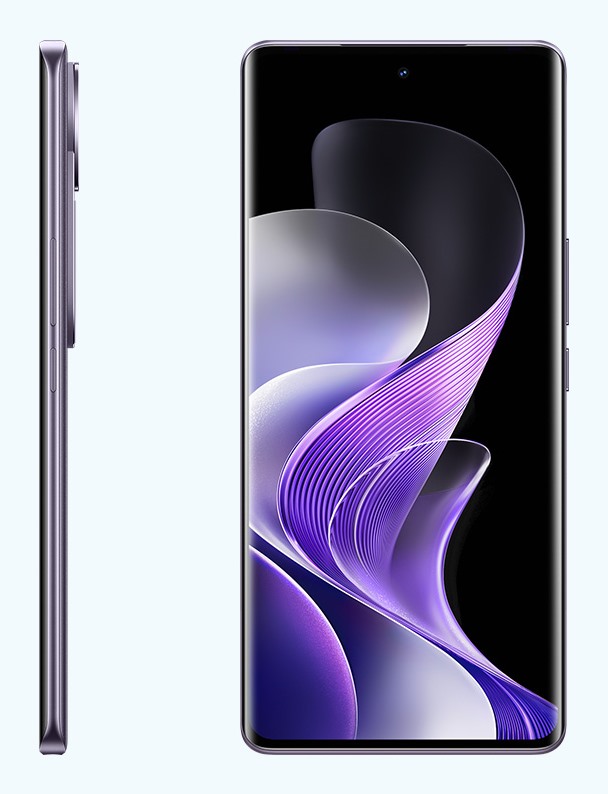
The headline design number is thickness: 7.58 mm, with a weight of 190 g and dimensions of 164.16 x 74.93 x 7.58 mm on the Indonesian specification sheet. vivo's India page states that the V40 and V40 Pro are the slimmest phones in the 5,500 mAh battery category, citing internal research from July 2024, which is a manufacturer claim rather than an independent ranking. The back is glass, the camera module uses a ring design that vivo calls Gemini Ring, and the Indonesian site lists three colours: Chrome Purple, Ceramic Peach and Platinum Silver. Other regions use different colour names, so check the local range.
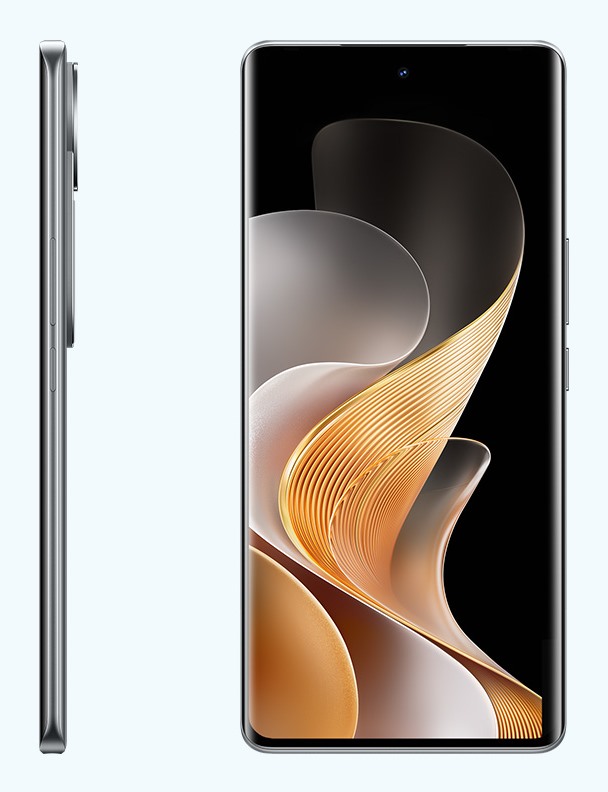
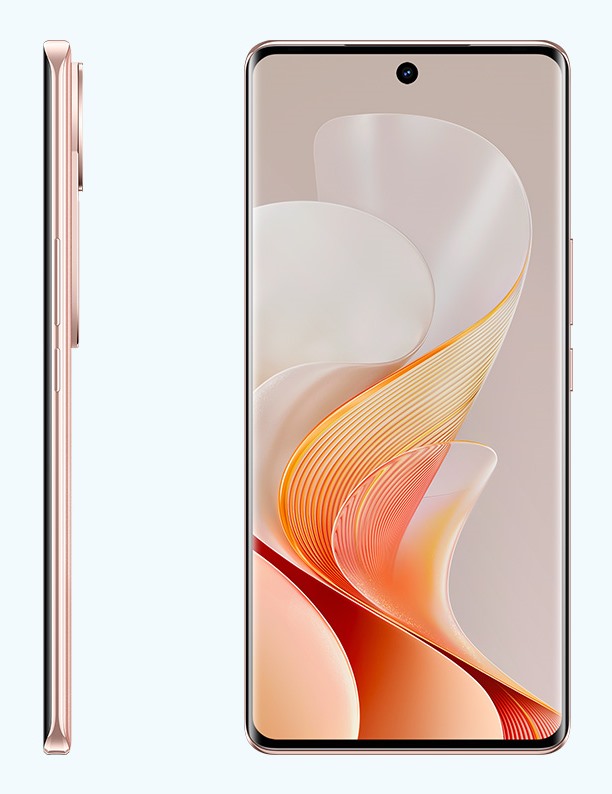
The display is a 6.78-inch AMOLED panel with a resolution of 2800 x 1260 pixels, a refresh rate that switches between 60Hz and 120Hz, a pixel density of 452 ppi and 100 percent DCI-P3 colour coverage. vivo quotes a peak brightness of 4,500 nits and a contrast ratio of 8,000,000 to 1; the peak figure applies to small bright areas in lab conditions and is not a sustained full-screen value. The screen carries SGS certifications for low flicker, low blue light and low motion blur, and the fingerprint sensor sits under the display. vivo also notes that 120Hz is supported only in some apps, so not every game or application will run at the top refresh rate.
Performance and software
The processor is the Qualcomm Snapdragon 7 Gen 3, built on a 4nm process, with an eight-core CPU whose fastest core runs at 2.63GHz. RAM comes in 8GB and 12GB versions using LPDDR4X, storage in 256GB and 512GB using UFS 2.2, and there is no memory card slot. vivo also offers extended RAM of 8GB or 12GB, which borrows storage space to act as extra memory; that is a software feature and does not change the physical amount of RAM. vivo quotes an AnTuTu score of 830,000 for the 12GB plus 512GB version, measured in its own laboratory, and no independent benchmark is cited here. The chip is a sensible upper mid-range choice and should handle demanding apps and most games, but it is not a flagship processor, and sustained performance will depend on cooling and settings. vivo says the phone uses a large vapour chamber for cooling.
On the Indonesian specification page the phone runs Funtouch OS 14 on Android 14. vivo promotes a smooth-experience claim of 50 months and highlights AI features such as AI Erase for removing unwanted objects from photos. The page does not state the number of OS upgrades or security update years, so that is worth checking for your market before you buy.
Camera
The camera is the reason the V40 exists. The rear system has two 50MP lenses: a ZEISS main camera with optical image stabilisation, a 1/1.56-inch sensor and an f/1.88 aperture, and a 50MP ultrawide with autofocus and an f/2.0 aperture. There is no telephoto lens. The front camera is also 50MP, with autofocus and an f/2.0 aperture, which is rare on a phone in this class and makes group selfies sharper in principle. vivo says the main sensor collects about 2.8 times more light than a comparable phone without stabilisation, which is a lab-based claim.
The software side focuses on portraits. vivo advertises ZEISS multifocal portrait modes at focal lengths of 24mm, 35mm and 50mm equivalent, seven styles of ZEISS-inspired bokeh, and an Aura Light that adds a soft light for night portraits. There are also cinematic portrait video options and a 2.39:1 aspect ratio for video. Rear video goes up to 4K, and the specification lists a 4K, 1080p and 720p range for recording. As always, the value of such features depends on the processing in real use; the hardware list is strong for the price, but the lack of a dedicated zoom lens means that distant subjects rely on digital cropping.
Battery and charging
The battery is rated at 5,500 mAh typical, with a measured capacity of 5,380 mAh, which vivo notes in its footnote. It is the second generation of vivo's BlueVolt battery design, which vivo says is 16.5 percent smaller than a conventional battery of the same capacity. That is how the phone stays 7.58 mm thin while carrying a battery of this size. Charging is 80W wired, and the standard charger is included in the box according to the in-the-box list. vivo does not claim wireless charging. A battery of this capacity combined with an efficient 4nm chip should comfortably last a day of mixed use for most people, though no official endurance figure in hours is given.
Durability and extras
The IP68 and IP69 certification covers dust and water resistance, with vivo stating immersion in fresh water to 1.5 metres for up to 30 minutes. IP69 usually refers to resistance to hot, high-pressure water jets, but vivo's footnotes should be read for the exact test conditions. The phone has dual stereo speakers, Wi-Fi on 2.4GHz and 5GHz, Bluetooth 5.4, NFC and a USB-C port at USB 2.0 speed. There is no FM radio and no headphone jack listed. It supports dual nano-SIM cards in a 5G dual-standby arrangement. vivo claims a 360-degree antenna design and fast network selection, which are marketing descriptions of its connectivity tuning.
Who it is for
The V40 suits people who want a slim, good-looking phone with strong selfie hardware, a long-lasting battery and water resistance, and who do not need a telephoto zoom or the fastest possible processor. It also appeals to buyers who value fast charging. Anyone who prefers a larger, higher-end camera system should look at the vivo V60 or at flagships such as the Galaxy S25. A direct comparison with its successor is available on the vivo V40 versus vivo V60 page.
Compromises to know about
- No telephoto lens: only a main and an ultrawide camera on the back, so zoom shots depend on cropping.
- Storage: no memory card slot, so the 256GB or 512GB choice is final.
- Processor: the Snapdragon 7 Gen 3 is strong for the class but below flagship level.
- USB speed: USB 2.0 means slow file transfers over cable.
- Software support: the number of promised updates is not stated on the Indonesian page.
- Regional variation: colour names, memory options and prices change from country to country.
To see how its published specifications compare with other phones on the site, open the phone rankings.
Where it ranks
Compare vivo V40 with similar devices
More from vivo
Frequently asked questions
When was the vivo V40 released?
The vivo V40 was released on 2024-08-07, according to the manufacturer’s published information.
What are the main specs of the vivo V40?
Headline figures for the vivo V40: Battery: 5,500 mAh, Refresh rate: 120 Hz, Main camera: 50 MP, RAM: 12 GB. The full specification table is further up this page.
Is the vivo V40 worth buying?
That depends on your priorities. Use the editorial review on this page for our view, check the rankings above to see where the device stands on battery, display and camera, and compare it directly with similar models before you decide.


