Phones
HMD Skyline
The HMD Skyline is an upper mid-range phone with a 144Hz pOLED display, a 108MP camera with a 50MP telephoto, a user-replaceable 4,600 mAh battery and a repair-it-yourself design.
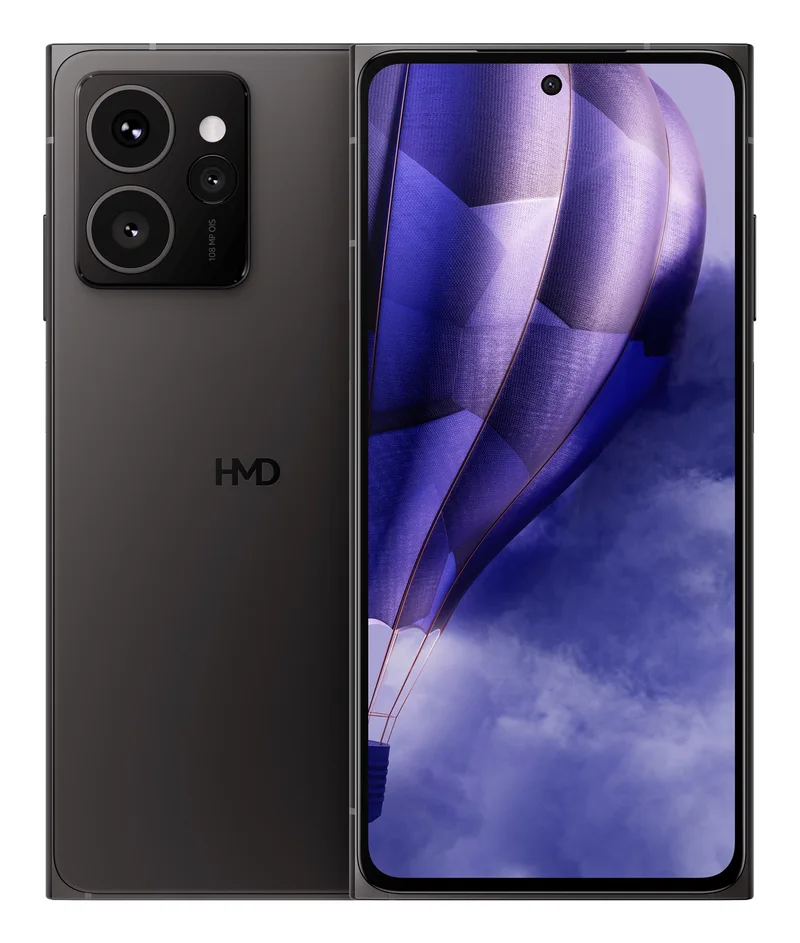
Key figures at a glance
Gallery
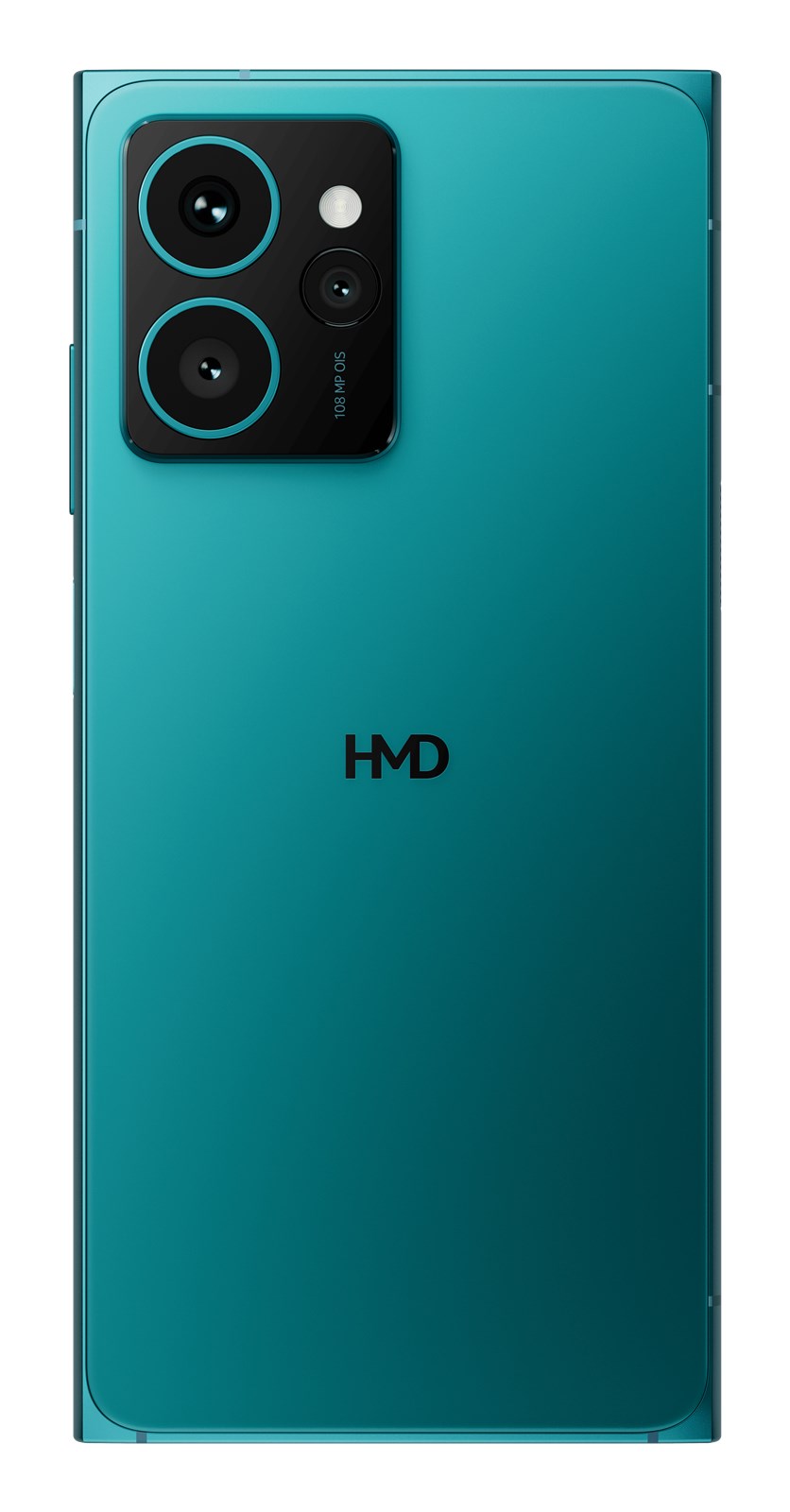
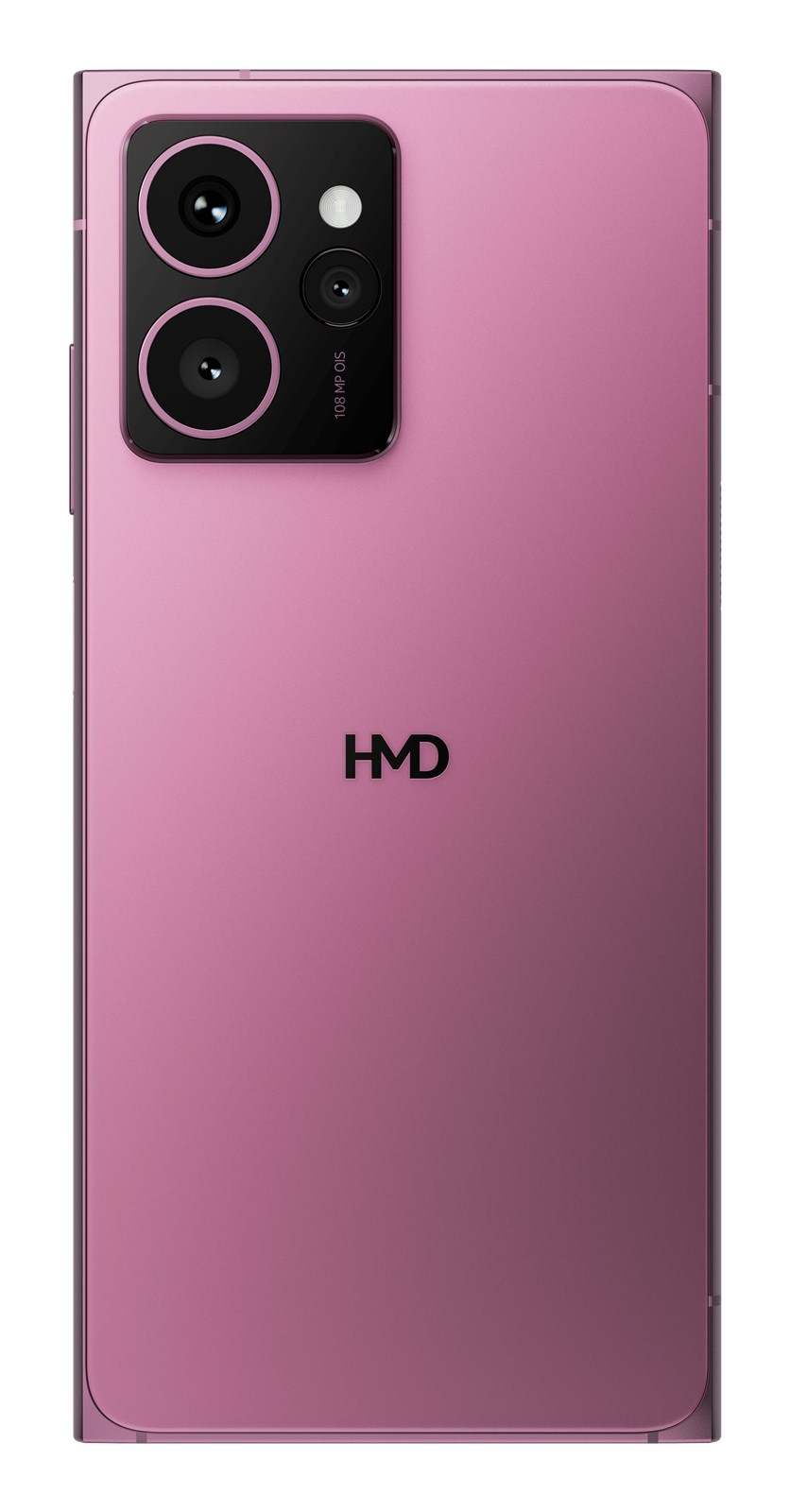
Specifications
- Display
- 6.55" pOLED, 1080x2400 (FHD+), 20:9, 144Hz, 1000 nits peak, Corning Gorilla Glass 3
- Chipset
- Qualcomm Snapdragon 7s Gen 2
- RAM
- 12GB
- Storage
- 128GB / 256GB, microSD up to 512GB
- Rear Camera
- 108MP main (OIS) + 13MP ultrawide + 50MP telephoto, 0.5x-4x zoom
- Front Camera
- 50MP, autofocus
- Battery
- 4,600 mAh (replaceable), up to 48 hours, 33W wired, 15W Qi2 magnetic wireless, 5W reverse wireless
- OS
- Android 14, 2 OS upgrades, 3 years of security updates
- Build
- 159.84 x 75.66 x 8.9 mm, 209.5 g; 100% recycled aluminium frame, glass back, IP54
- Connectivity
- 5G, Wi-Fi 6E, Bluetooth 5.2 with LE Audio, NFC, USB-C 2.0, nano SIM + eSIM
- Colors
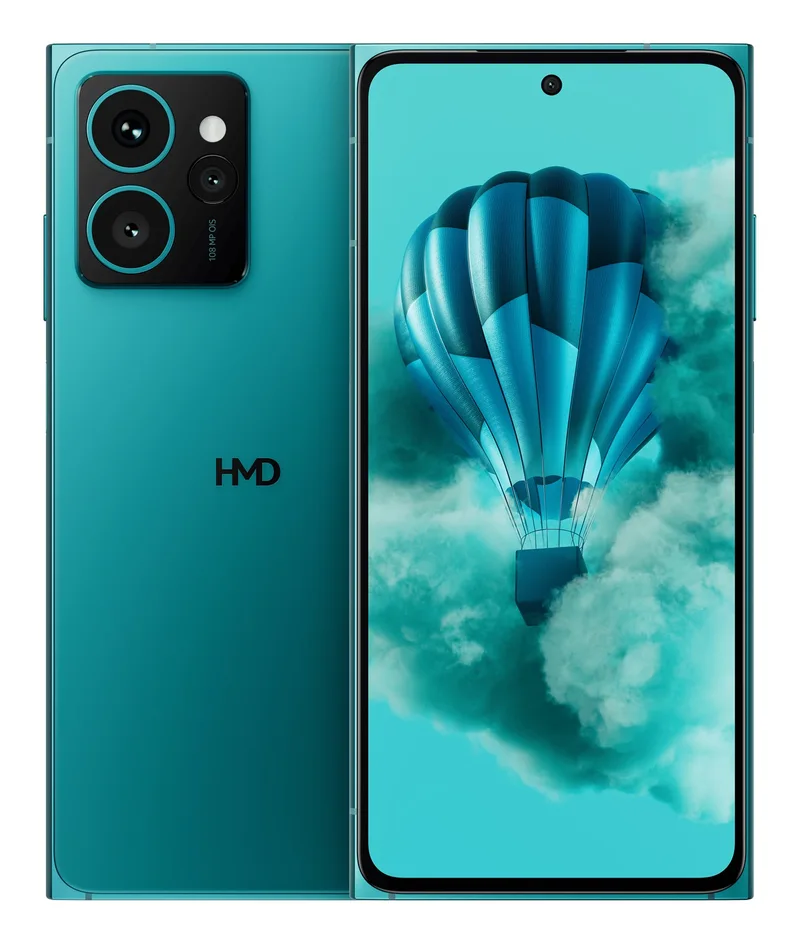
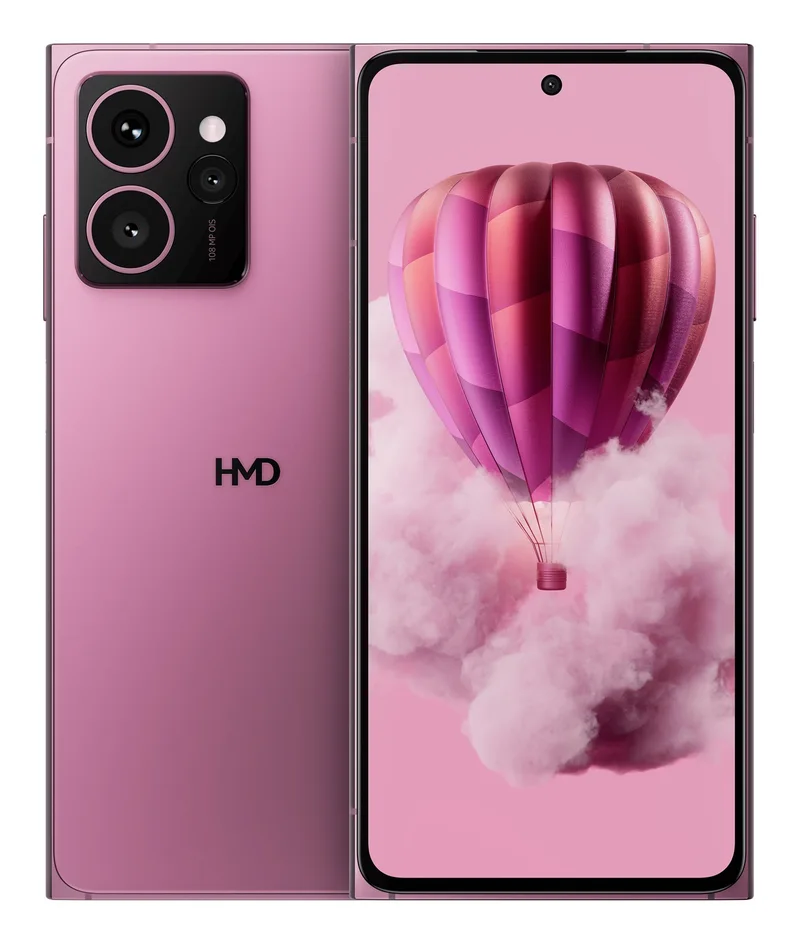
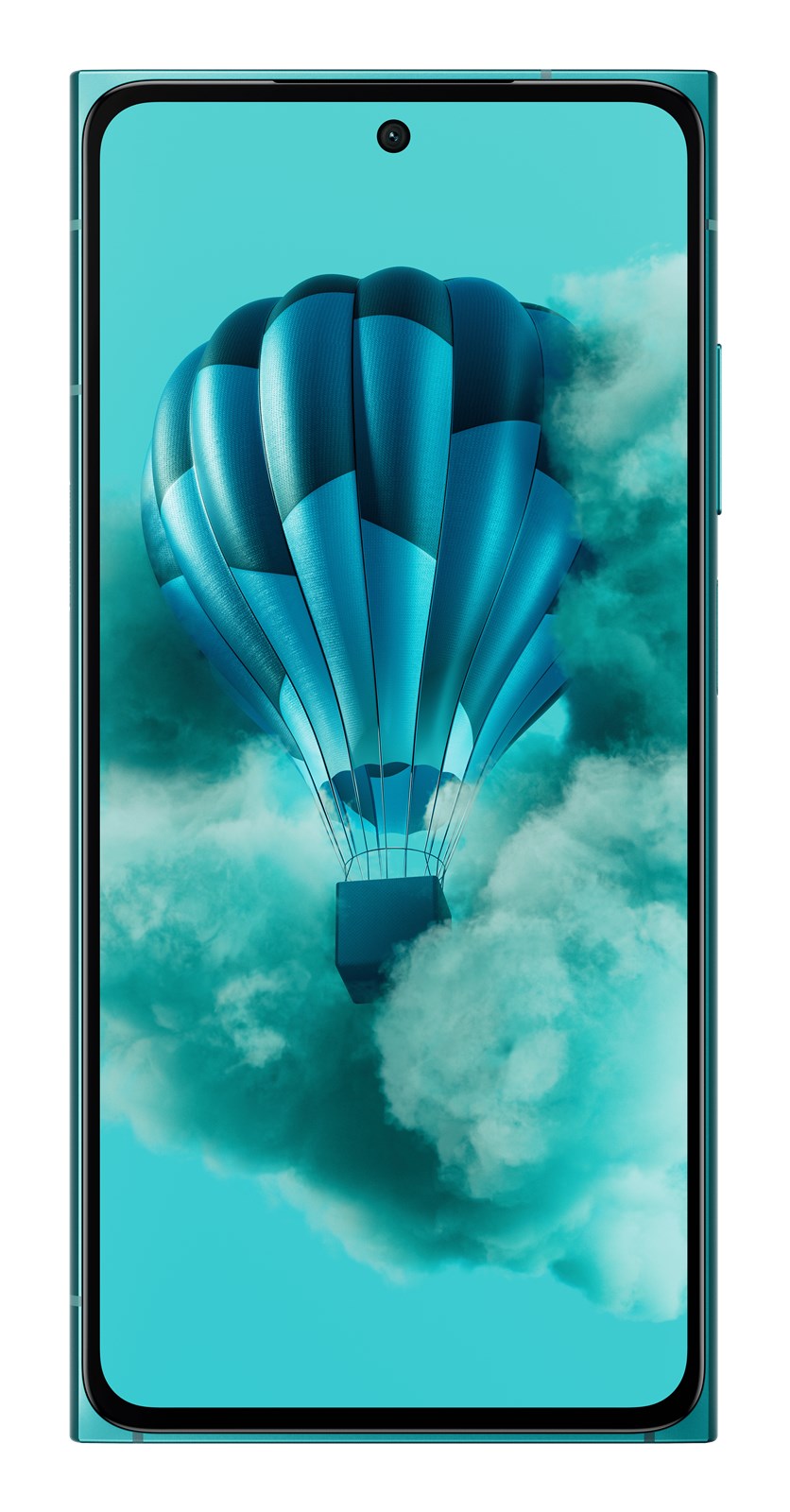
- Blue Topaz, Neon Pink, Twisted Black
The HMD Skyline is a mid-range Android phone built around three ideas: a design with straight, flat sides and a square-cornered camera block, parts that an owner can replace at home, and a camera setup that goes further than the price tier usually suggests. HMD describes it as a repair-it-yourself phone for creators. This page looks at what the company publishes about the hardware, where it sits among its siblings, and which compromises come with the package. It is based on the published specifications and manufacturer information, not on hands-on benchmarking.
Where it sits in the lineup
HMD, the company behind Nokia-branded phones and its own HMD brand, uses the Skyline as a design-led model above its budget range. It is not a flagship: the Snapdragon 7s Gen 2 chipset and a glass-and-aluminium build put it firmly in the upper-middle part of the market. If you want to see how HMD handles more affordable hardware, the HMD Fusion is the natural point of reference, and the HMD Skyline vs HMD Fusion comparison lines the two up. For a rival with a similarly distinctive look, the Nothing Phone (3a) is a useful counterpoint, and the Skyline against the Nothing Phone (3a) page shows the numbers side by side. HMD notes that availability varies by country and that the phone is not sold in Germany, France, Italy, the Netherlands or Belgium.
Design and display
The Skyline measures 159.84 x 75.66 x 8.9 mm and weighs 209.5 g, so it is a substantial phone rather than a featherweight one. The frame is made from 100 percent recycled aluminium, the back is tempered glass, and the front is Corning Gorilla Glass 3. That is an older generation of Gorilla Glass than many rivals now use, so scratch and drop resistance is a point to weigh rather than assume. The IP rating is IP54, which covers dust ingress and splashes but not immersion; this is a step below the IP68 rating common on pricier phones. Three colours are listed: Blue Topaz, Neon Pink and Twisted Black.
The display is a 6.55-inch pOLED panel with a Full HD+ resolution of 1080 x 2400 pixels and a 20:9 aspect ratio. HMD lists a 144 Hz refresh rate, a peak brightness of 1000 nits, HDR10 video playback and Miracast support. A 144 Hz panel is a notable feature in this segment, where 120 Hz is the more common ceiling. The resolution is sensible for the screen size and helps battery life. HMD does not state whether the refresh rate adapts dynamically down to low values, so battery effects of running at the top setting should be expected.
Performance and software
The processor is a Qualcomm Snapdragon 7s Gen 2 with an Adreno GPU. HMD offers 8 GB or 12 GB of RAM and 128 GB or 256 GB of storage, with a microSD slot supporting cards up to 512 GB, which is increasingly rare. HMD describes the chip as made for high performance and smooth multitasking. It belongs to the 7-series rather than the Snapdragon 8 flagship line, so demanding 3D games are best played at moderate settings. The wireless package is modern for the price: Wi-Fi 6E, Bluetooth 5.2 with LE Audio, NFC, and 5G with both standalone and non-standalone support. The USB-C port is USB 2.0, so wired data transfers are slower than on phones with USB 3 speeds. SIM options are a nano SIM plus an eSIM.
The phone ships with Android 14 and what HMD calls the Balance Interface, a lightly modified take on Android that includes Detox Mode. Detox Mode blocks notifications from social apps until you switch it off, and a side Custom Button can be assigned different actions for a press and a double press. HMD lists two operating system upgrades and three years of security updates, so the update promise is respectable but shorter than the long commitments now made by some rivals.
Camera
The rear system has a 108 MP main camera with optical image stabilisation, a 13 MP ultrawide camera and a 50 MP telephoto camera. HMD advertises a zoom range from 0.5x to 4x, hybrid OIS and EIS stabilisation, a 50 mm portrait mode, Night mode 3.0 and 4K video capture. The company also talks about Capture Fusion, a technique in which the main sensor contributes detail to ultrawide and telephoto shots; this is a manufacturer claim about image processing, and real-world results depend on lighting and software tuning. OZO Spatial Audio recording with wind-noise reduction is listed for video.
The front camera is a 50 MP unit with autofocus and eye-tracking focus, which is a high-resolution selfie sensor for this class. Selfie gestures and slow-motion selfies are part of the software. HMD also points out that the ultrawide lens can be used for rear-camera selfies. Having a dedicated telephoto lens at this tier is a real advantage over rivals that rely on a cropped main sensor.
Battery, charging and repairability
The battery is rated at 4600 mAh and is replaceable. HMD claims up to 48 hours per charge, based on its own test that mixed active use and idle periods, and states that the cell keeps at least 80 percent of its capacity after 800 full charging cycles. Wired charging is 33 W, with QC4.0 and PD3.0 PPS compatibility. Wireless charging is 15 W over Qi2, with magnets that align compatible chargers, and the phone can reverse-charge accessories at 5 W. No wall charger is included in the box; HMD supplies a USB-C cable and sells chargers separately.
Repairability is the headline feature. HMD calls the design Gen2 repairability: the back cover pops off, and screws hold the display, battery and charging port, which can be replaced at home. Self-repair support is offered through iFixit in selected markets, and repairs through GSMnet are mentioned for some regions. This matters for ownership cost: a cracked screen or tired battery does not need to end the phone's life.
Who it is for
The Skyline suits people who want a phone that looks different, keeps going through replaceable parts, and has a flexible camera system without paying flagship prices. It also appeals to anyone who values a microSD slot, a customisable button and a distraction-reducing mode. If you compare it with a recent high-end phone such as the Galaxy S25, the gap in processing power, water resistance and update length is clear on paper.
Compromises to weigh
- Chipset class: the Snapdragon 7s Gen 2 is an upper-mid-range part, not a top-tier gaming chip.
- Protection: IP54 and Gorilla Glass 3 are modest compared with IP68 phones and newer glass.
- Updates: two OS upgrades and three years of security patches are shorter than the best commitments in the market.
- Charging: 33 W wired charging is not fast by current standards and there is no charger in the box.
- Availability: the phone is not sold in every country, and self-repair parts depend on the market.
In short, the HMD Skyline trades raw speed and top-grade durability ratings for repairability, a distinctive design and an unusually capable camera set for its class. Buyers who treat the phone as something to keep and fix, rather than replace, will find the most value here.
Where it ranks
Compare HMD Skyline with similar devices
More from HMD
Frequently asked questions
When was the HMD Skyline released?
The manufacturer’s release date for the HMD Skyline is not stated in the information we have.
What are the main specs of the HMD Skyline?
Headline figures for the HMD Skyline: Battery: 4,600 mAh, Refresh rate: 144 Hz, Main camera: 108 MP, RAM: 12 GB. The full specification table is further up this page.
Is the HMD Skyline worth buying?
That depends on your priorities. Use the editorial review on this page for our view, check the rankings above to see where the device stands on battery, display and camera, and compare it directly with similar models before you decide.


