Phones
HMD Pulse
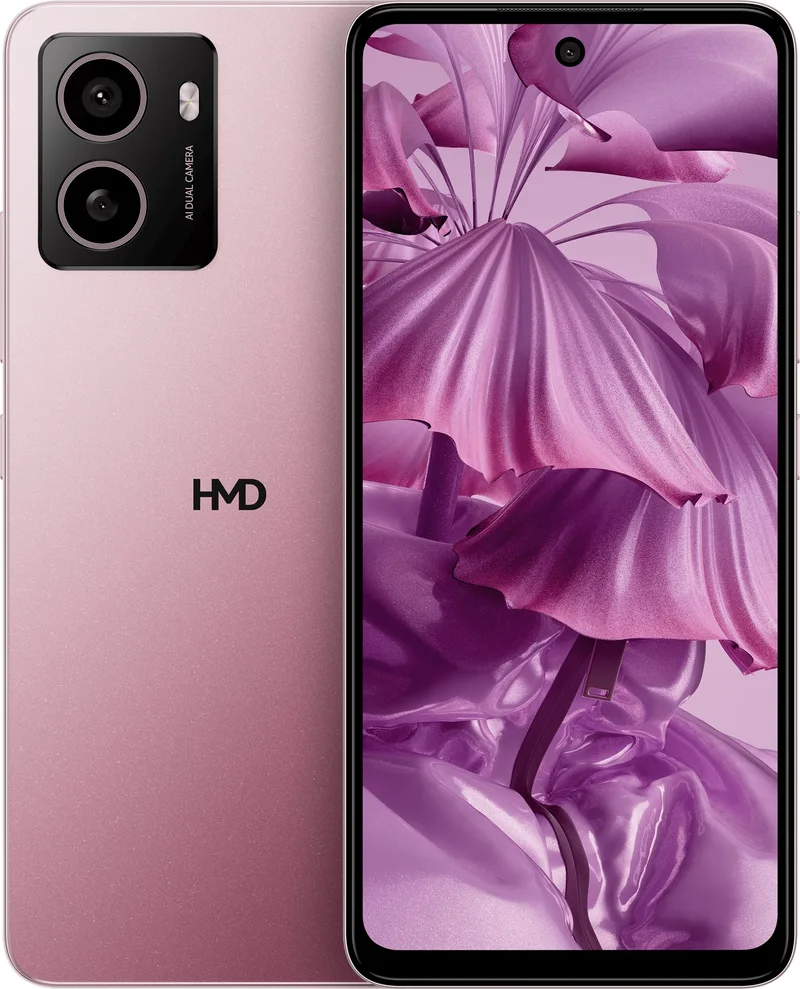
HMD Pulse is a 6.56-inch 4G budget phone with a Unisoc T606, 4GB RAM, a 5,000 mAh user-replaceable battery, NFC and an IP52 rating, built around home repair rather than raw speed.
Key figures at a glance
Gallery
Specifications
- Display
- 6.56" HD+ (1612x720), 90Hz, up to 600 nits boost
- Chipset
- Unisoc T606
- RAM
- 4GB
- Virtual RAM
- Up to 6GB (memory extension)
- Storage
- 64GB, microSD up to 256GB
- Rear Camera
- 13MP main (dual camera module), LED flash
- Front Camera
- 8MP
- Battery
- 5,000 mAh, 10W wired, QuickFix replaceable
- OS
- Android 14, 2 OS upgrades, 3 years of quarterly security updates
- Connectivity
- 4G, NFC, Bluetooth 5.0, Wi-Fi 5, USB-C 2.0, 3.5 mm jack
- Water/Dust Resistance
- IP52
- Dimensions
- 163.19 x 75.02 x 8.45 mm, 187 g
The HMD Pulse is the plainest member of a four-phone family from the Finnish company HMD, and that plainness is the whole point. It pairs a 6.56-inch HD+ screen with a Unisoc T606 processor, 4GB of RAM, 64GB of storage, a 13MP camera and a 5,000 mAh battery that the owner can swap at home. The company describes it as a phone that strikes a balance between affordability, performance and repairability. This page is based on the published specifications and manufacturer information, and it tries to show what that balance means in practice, and where it runs out.
Where the Pulse sits in the HMD lineup
HMD sells four closely related handsets under the Pulse and Crest names. The Pulse is the entry point, and its body is shared almost exactly with the HMD Pulse+, which keeps the same 163.19 x 75.02 x 8.45 mm shell and 187 g weight but adds more storage and a higher-resolution rear sensor. The HMD Pulse Pro goes in a different direction with a 50MP front camera and faster charging, while the HMD Crest moves up to 5G and an OLED panel. Seen next to them, the Pulse is the version for people who want the shared design and the repair story without paying for extras they may not use.
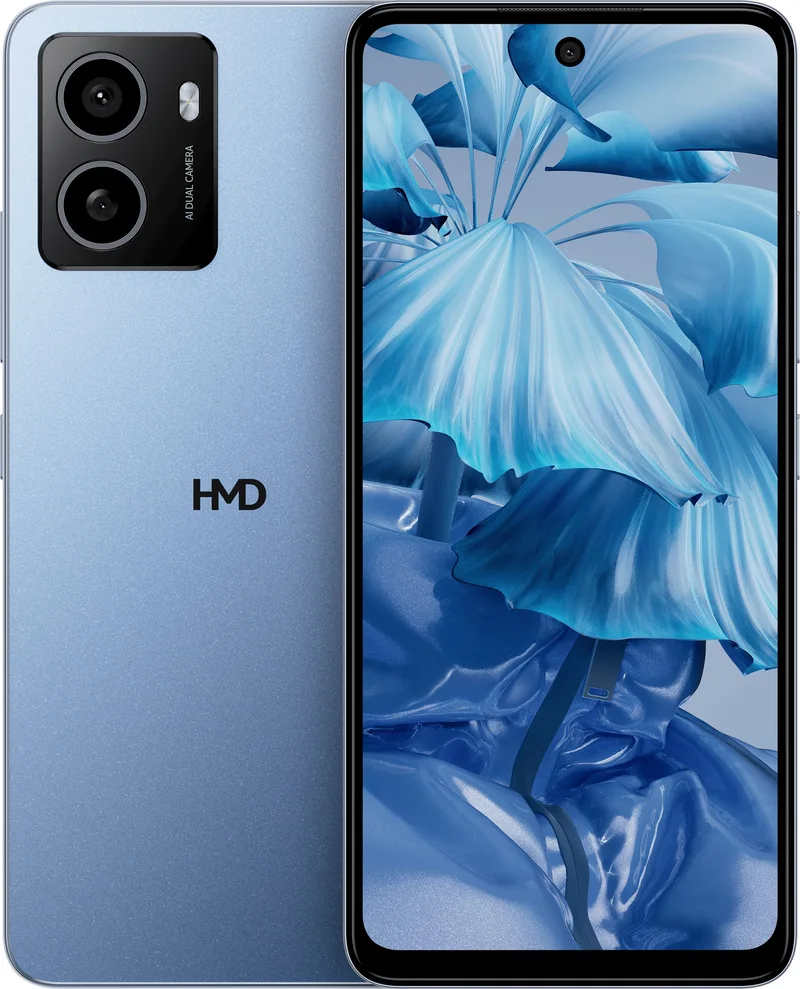
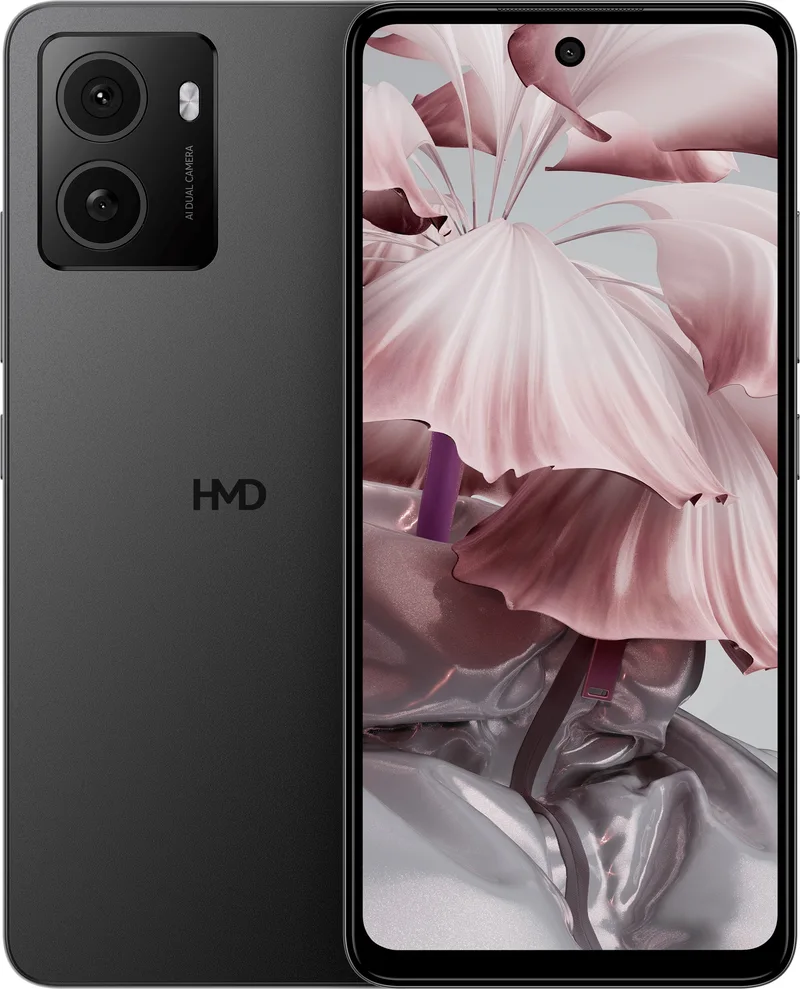
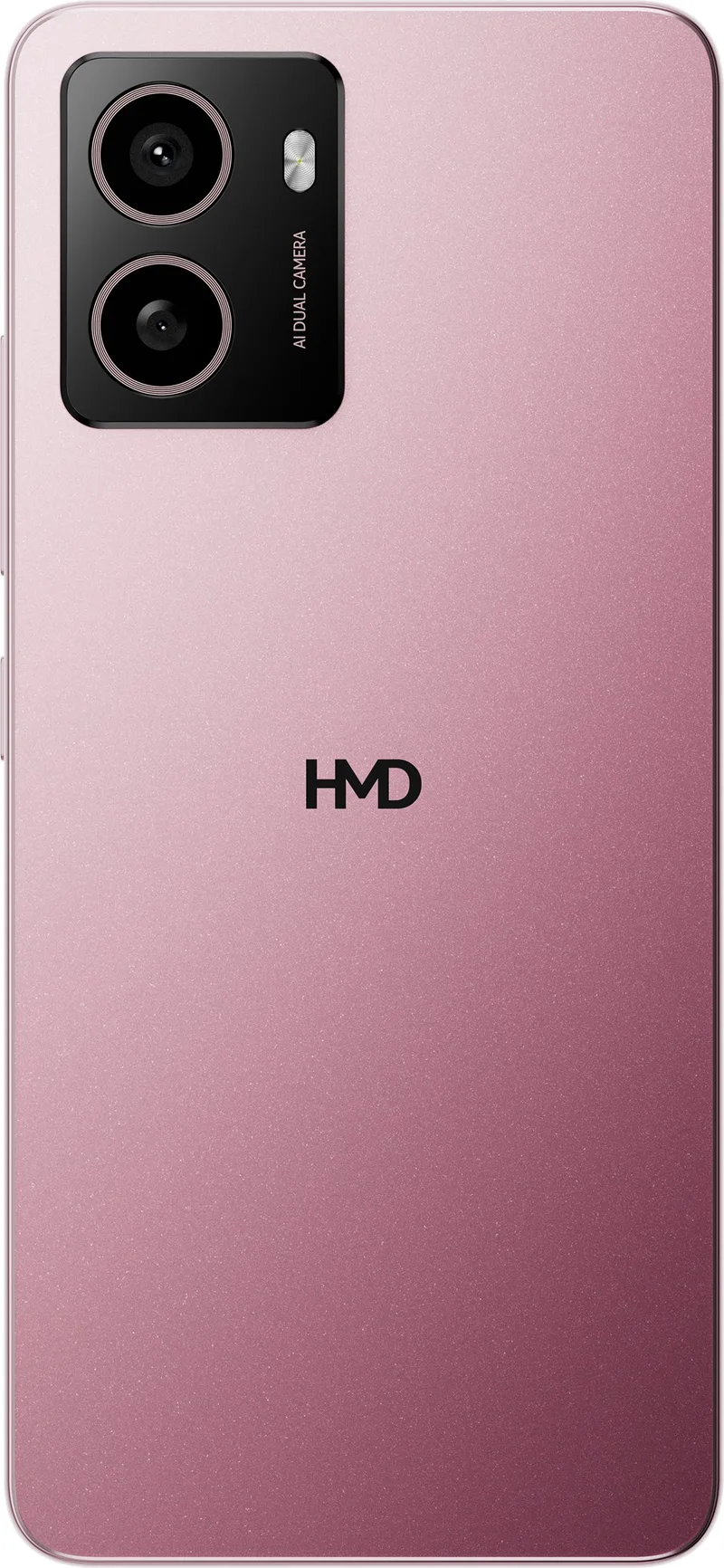
HMD lists the phone in three colours: Dreamy Pink, Meteor Black and Atmos Blue. The manufacturer also notes that availability varies by country and that the model is not offered in Germany, France, Italy, the Netherlands or Belgium, so readers in those markets will mostly meet it through imports or neighbouring regions rather than local shops.
Design, materials and display
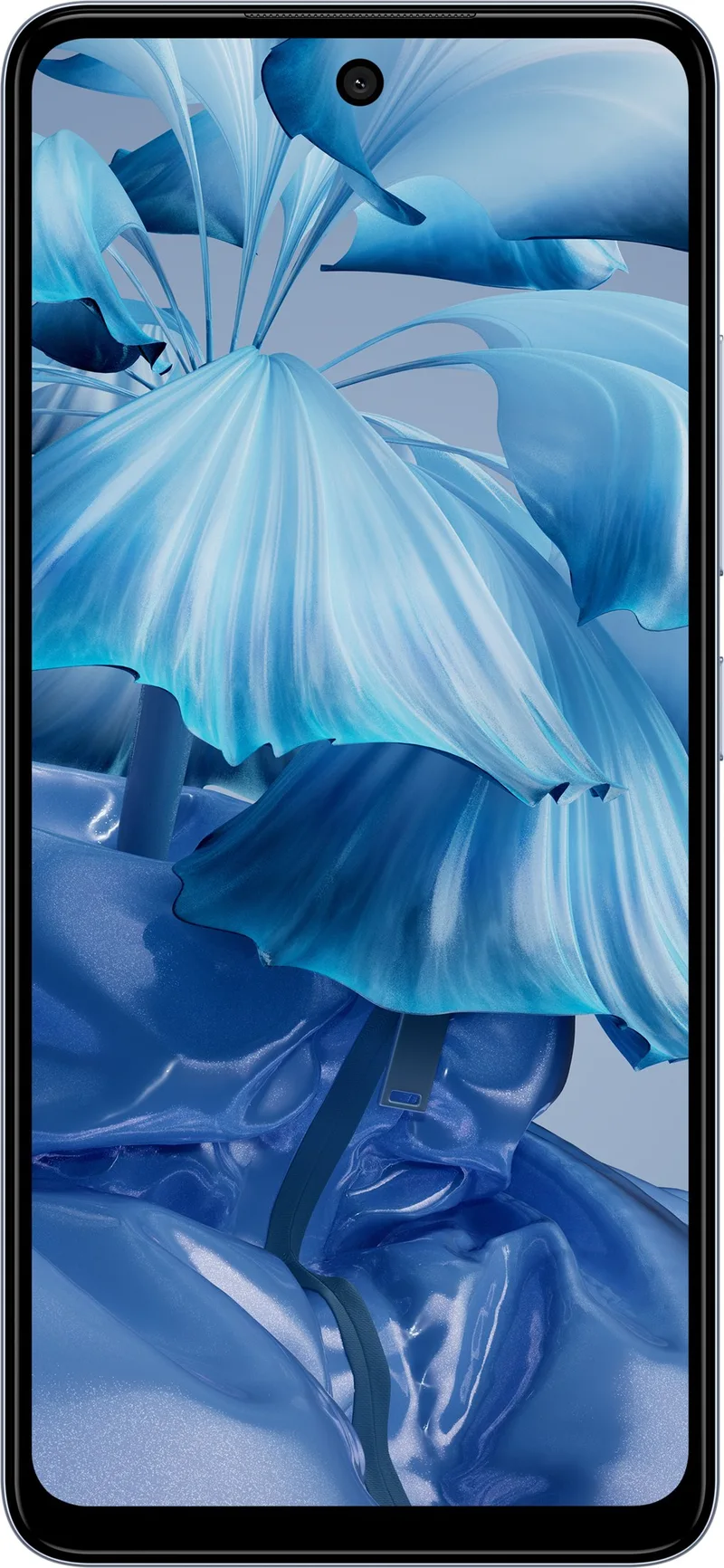
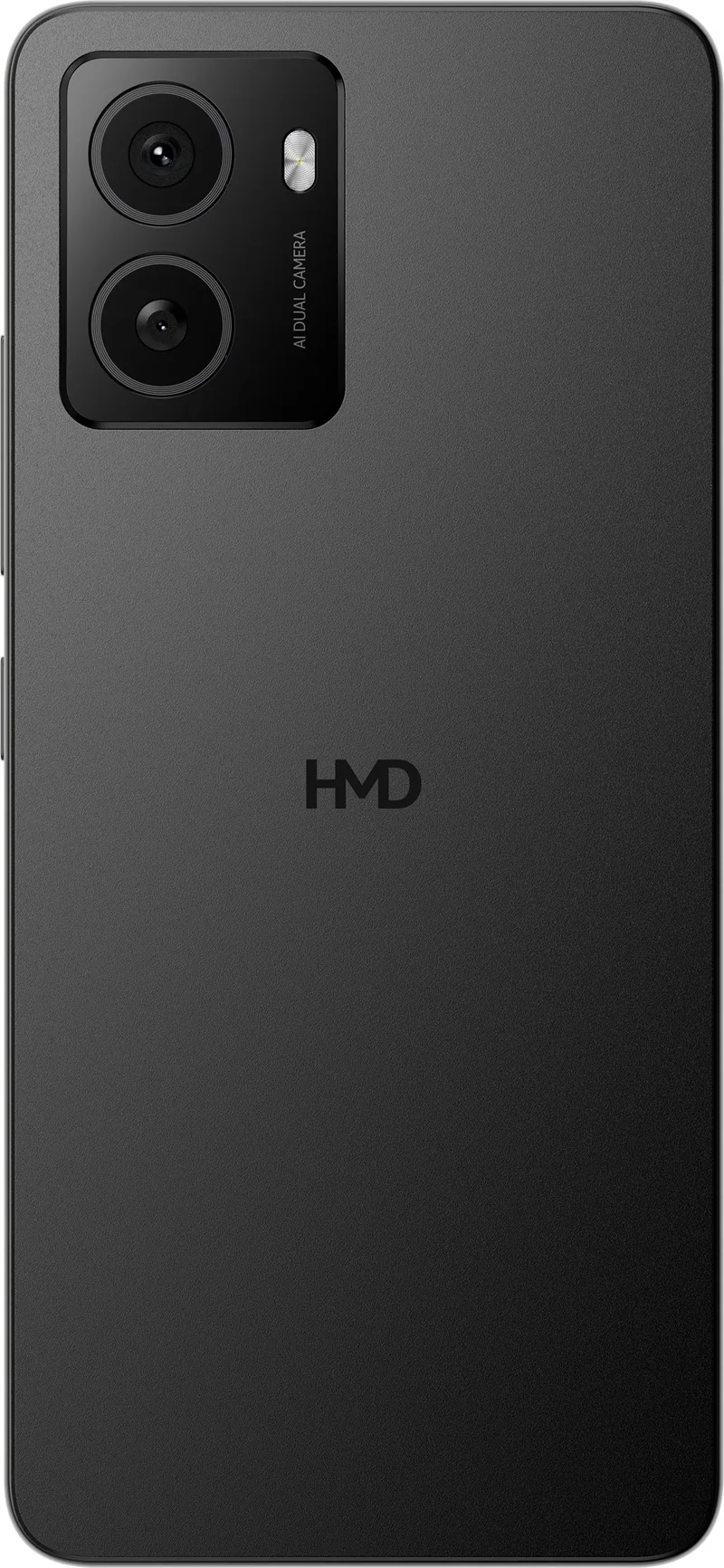
The Pulse is a conventional slab: a flat front with a small selfie camera cut-out near the top edge, a coloured back panel with a squared module holding two lenses and an LED flash, and a centred HMD logo. At 8.45 mm thick and 187 g it is neither slim nor especially heavy for a 6.56-inch phone. The device carries an IP52 rating, which HMD specifies; that means protection against dust ingress to a limited degree and against dripping water, not against splashes from a tap or submersion. Treat it as rain-tolerant, not waterproof.
The display is an HD+ panel (HMD calls it an HID display) with a 1612 x 720 resolution in a 20:9 aspect ratio. HMD quotes a typical brightness of 480 nits, with a boost level of 600 nits, and a refresh rate of 90Hz. The 90Hz figure is the useful part: scrolling through feeds and menus looks noticeably smoother than on 60Hz screens at this price level. The resolution is the compromise. Spread over 6.56 inches, 720 pixels across gives a pixel density that is adequate for text and video but visibly softer than Full HD screens, especially for small fonts. The company also lists 70 percent NTSC colour coverage as typical, which hints at colours that are acceptable but not rich.
There is a 3.5 mm headphone jack on the connectivity list, along with a USB Type-C port that runs at USB 2.0 speed and supports OTG. Audio features are described as OZO Audio, a brand name HMD uses for its recording and playback tuning. As on most phones in this class, there is a single bottom-facing speaker setup, and the manufacturer does not claim stereo.
Performance, memory and software
The processor is the Unisoc T606, an entry-level chip that HMD pairs with 4GB of physical RAM. The company advertises up to 6GB of memory in total, but the spec sheet makes clear that the extra comes from virtual RAM: the options are 4GB or 6GB of storage space used as extended memory. HMD adds a footnote about this feature, saying that memory extension needs enough free storage and that, to protect the flash chip, it is automatically and permanently disabled once 90 percent of the usage limit is reached, which the company says could happen after four years of heavy use. In other words, treat the phone as a 4GB device and think of the virtual option as a small cushion for background apps.
Storage is 64GB, with microSD support up to 256GB. Because the pre-installed system and apps occupy a significant share of that space, as HMD itself notes, the usable capacity will be well below 64GB. The card slot is therefore not a luxury here; for photos, offline maps and music it is close to a necessity.
The phone ships with Android 14. HMD promises two operating-system upgrades and three years of quarterly security updates counted from the global launch date. Quarterly is slower than the monthly patches some competitors offer, and a manufacturer that updates every three months leaves a longer window between a vulnerability being disclosed and the fix arriving. It is still a clear policy, and it is easy to verify through the company’s published security pages. The security hardware consists of a side-mounted fingerprint sensor on the power key and face unlock. The Pulse is also listed as Android Enterprise Recommended.
The T606 handles messaging, calls, maps, social apps and video playback without drama. Where it struggles is with demanding 3D games, heavy multitasking and long browsing sessions with many tabs. Without independent test results, no benchmark figure is offered here; the point is simply that expectations should be set for light daily use.
Camera
The rear camera is a 13MP autofocus sensor in a dual-lens module, with an LED flash. The specification names only the 13MP unit, so the second lens should be considered a supporting sensor rather than a second headline camera. The front camera is 8MP. HMD lists software features that include Super Night mode with a tripod option, FlashShot, AI HDR and skin tone optimization. The company says the last two are there to produce naturally vibrant pictures and faithful skin tones.
Thirteen megapixels is modest by 2024 standards, when 50MP sensors are common on budget phones, but megapixels are not the whole story: with a sensor of this class, daylight shots are usually acceptable, and low-light quality depends heavily on processing. Video recording specifications are not detailed on the product page, so nobody should assume 4K or advanced stabilisation. For snapshots, messaging and documents the camera is adequate; for photography as a hobby, the Pulse Pro with its 50MP sensors is the more sensible choice in this family.
Battery, charging and repair
The 5,000 mAh battery is the Pulse’s strongest card. HMD quotes up to 59 hours of battery life based on a real-life usage test of five hours of active use per day, including gaming, video streaming, calls, browsing and social apps, with the phone left on standby overnight. That is a manufacturer claim measured on a new battery in a particular setup, so treat it as an upper bound; a normal user will see something closer to a day and a half to two days of mixed use with a display refreshing at 90Hz.
Charging is slow. The phone supports 10W charging, and a 5,000 mAh cell filled at that speed takes several hours. Unlike the Crest, the box list in the specification does not include a charger: it contains a USB-C cable, a quick start guide, a safety booklet and a SIM pin. Plan on supplying your own power brick.
Repairability is the reason this phone exists. The battery is labelled QuickFix replaceable, and HMD says that owners can swap a damaged display, a bent charging port, a scratched back cover or a worn battery, with spare parts and step-by-step guides provided through the iFixit repair hub. HMD also states that the battery has been tested to keep at least 80 percent of its original capacity after 800 full charging cycles. If both claims hold, that gives the phone a realistic lifetime beyond the three-year security window.
Connectivity
The Pulse is a 4G phone. It supports LTE bands 1, 3, 5, 7, 8, 20, 28, 38 and 40, as well as WCDMA and GSM fallback, uses a Nano SIM, and offers Bluetooth 5.0, dual-band Wi-Fi up to 802.11ac, GPS with Galileo support and NFC. The NFC chip is useful: HMD promotes seamless contactless payments with the user’s preferred payment app. There is no 5G, so if future-proofing for networks matters, the Crest is the family member to look at.
Who the HMD Pulse is for
This is a phone for buyers who rank durability, battery life and the right to fix their own device above screen sharpness and camera resolution. It suits first smartphones, a backup handset, a work phone that must survive a few knocks and be repaired cheaply, or a device for family members who mostly call, message and watch videos. The NFC chip and headphone jack remove two common irritations of low-cost phones.
If you want something that feels quick or that takes decent night photographs, the Pulse is not the right choice. Anyone comparing it with other budget handsets can start with the head-to-head HMD Pulse vs Galaxy A56 page, which shows how large the gap in screen, chip and camera is against a mid-range Samsung. For another budget rival, the Tecno Spark 40 is worth a look, and the rankings page shows where each device lands on the numbers.
Compromises to keep in mind
- Low resolution: 1612 x 720 pixels on a 6.56-inch panel is sharp enough for most things but not for fine detail.
- Slow charging: 10W and no charger listed in the box.
- Modest memory: 4GB physical RAM; the extra 6GB is virtual and consumes storage.
- Small storage: 64GB with a significant part used by the system.
- Quarterly security updates: three years, but only every three months.
- No 5G: the phone tops out at 4G.
- Regional availability: not sold in Germany, France, Italy, the Netherlands or Belgium, according to HMD.
Summed up, the Pulse offers an honest, modest package whose real value is the repair programme and the battery. If those two things matter to you, it makes sense; if they do not, a rival with a sharper screen or a bigger camera sensor will give more for similar money.
Where it ranks
Compare HMD Pulse with similar devices
More from HMD
Frequently asked questions
When was the HMD Pulse released?
The HMD Pulse was released on 2024-10-01, according to the manufacturer’s published information.
What are the main specs of the HMD Pulse?
Headline figures for the HMD Pulse: Battery: 5,000 mAh, Refresh rate: 90 Hz, Main camera: 13 MP, RAM: 4 GB. The full specification table is further up this page.
Is the HMD Pulse worth buying?
That depends on your priorities. Use the editorial review on this page for our view, check the rankings above to see where the device stands on battery, display and camera, and compare it directly with similar models before you decide.


