Phones
HMD Aura
HMD Aura is a basic budget phone: 6.56-inch HD+ screen, 4GB RAM and 128GB storage, a 5000 mAh battery with 10W charging and Android 13 with two years of updates.
Key figures at a glance
Gallery
Specifications
- Display
- 6.56" HD+ (1612x720), 60Hz, V-notch, 480 nits typical
- Chipset
- Unisoc SC9863A1
- RAM
- 4GB
- Extended RAM
- Up to 4GB virtual RAM (memory extension)
- Storage
- 128GB, microSD up to 1TB
- Rear Camera
- 13MP main (autofocus, dual camera), LED flash
- Front Camera
- 5MP
- Battery
- 5000 mAh, 10W wired charging (up to 3 days per HMD)
- OS
- Android 13, two years of security and software updates (per HMD)
- Dimensions
- 163.86 x 75.51 x 8.9 mm, 175 g
- Connectivity
- Bluetooth 4.2, Wi-Fi 802.11 b/g/n, GPS/AGPS/BDS/Glonass/Galileo, USB Type-C (USB 2.0) OTG, 3.5mm headphone jack
- Audio
- 1 speaker, 1 microphone
- Colors
- Glacier Green
The HMD Aura is about as plain as a current Android phone gets, and that is the point. It offers a 6.56-inch HD+ screen, 4GB of RAM, 128GB of storage, a 5000 mAh battery and Android 13, all aimed at buyers who want a dependable first smartphone or a low-cost spare rather than a showcase of technology. HMD supports the pitch with a promise of two years of security and software updates. This review is based on the published specification sheet and manufacturer pages, and it points out which numbers are the maker's own claims.
Where the Aura fits
The Aura is HMD's entry-level touchpoint, the sort of phone that is chosen on price and simplicity. It sits well below the display-focused HMD Crest Max and belongs to a different family from the HMD Pulse. One practical point comes straight from HMD's own page: the Aura is listed as not sold in Germany, France, Italy, the Netherlands or Belgium. Readers in those countries should therefore not expect to find it in local shops. The page gives no launch date or price, so the date stored here is a placeholder taken from batch information, and no price is quoted.
Design and build
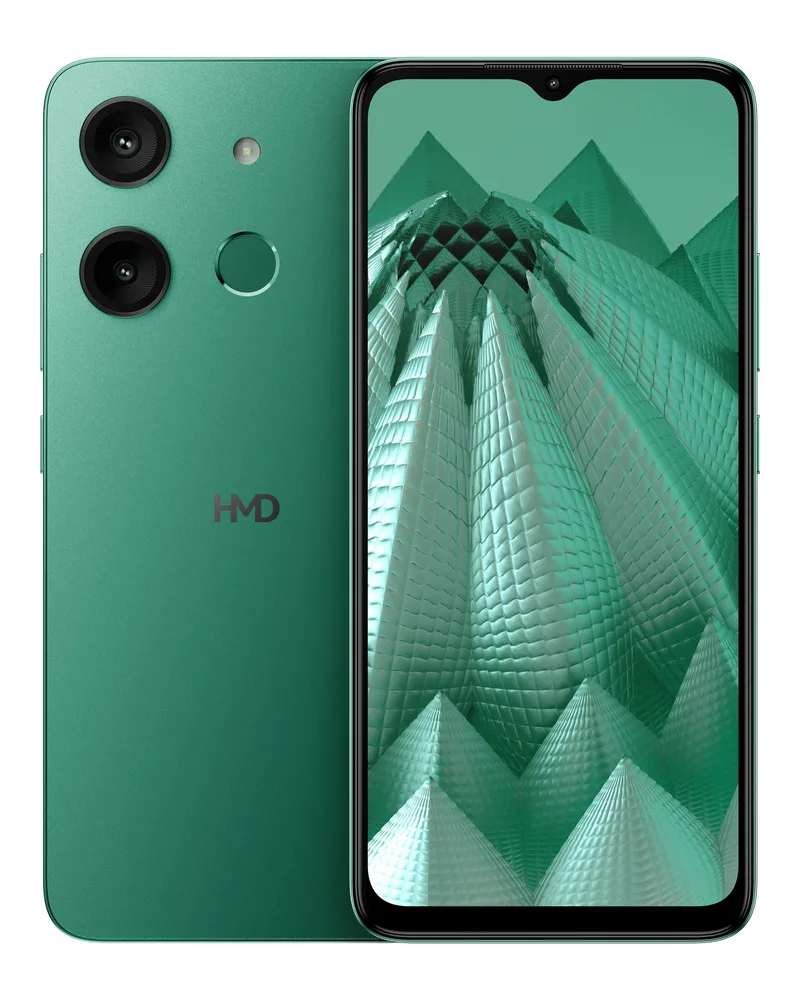
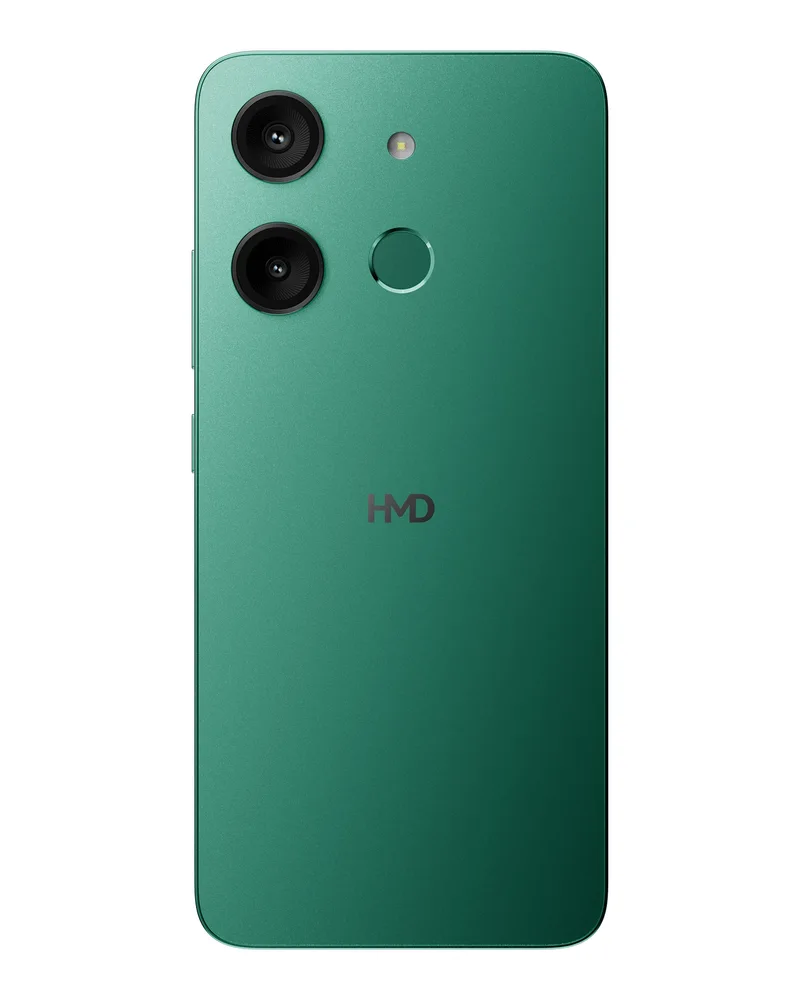
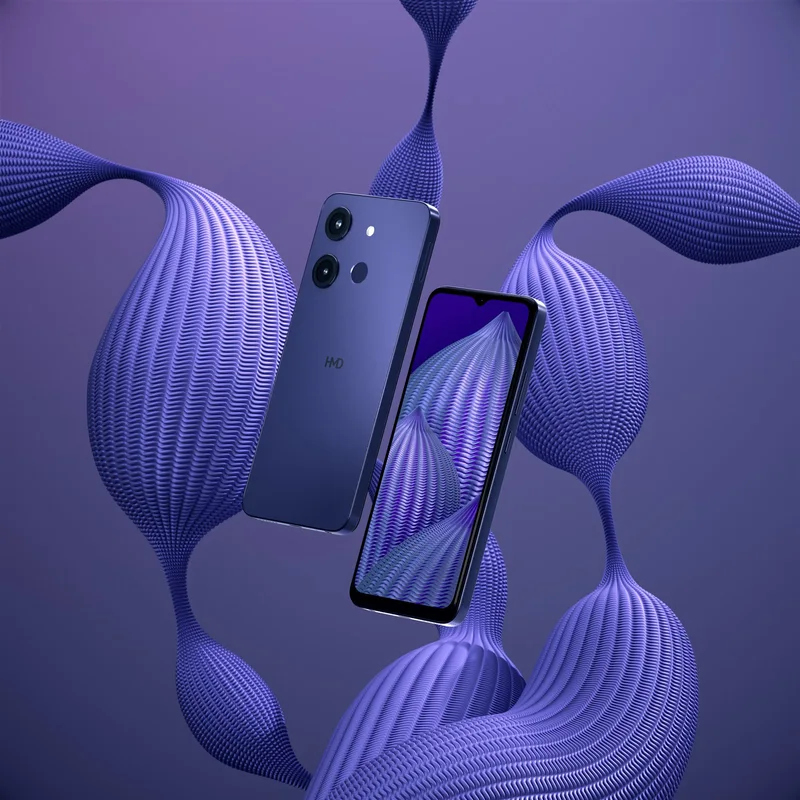
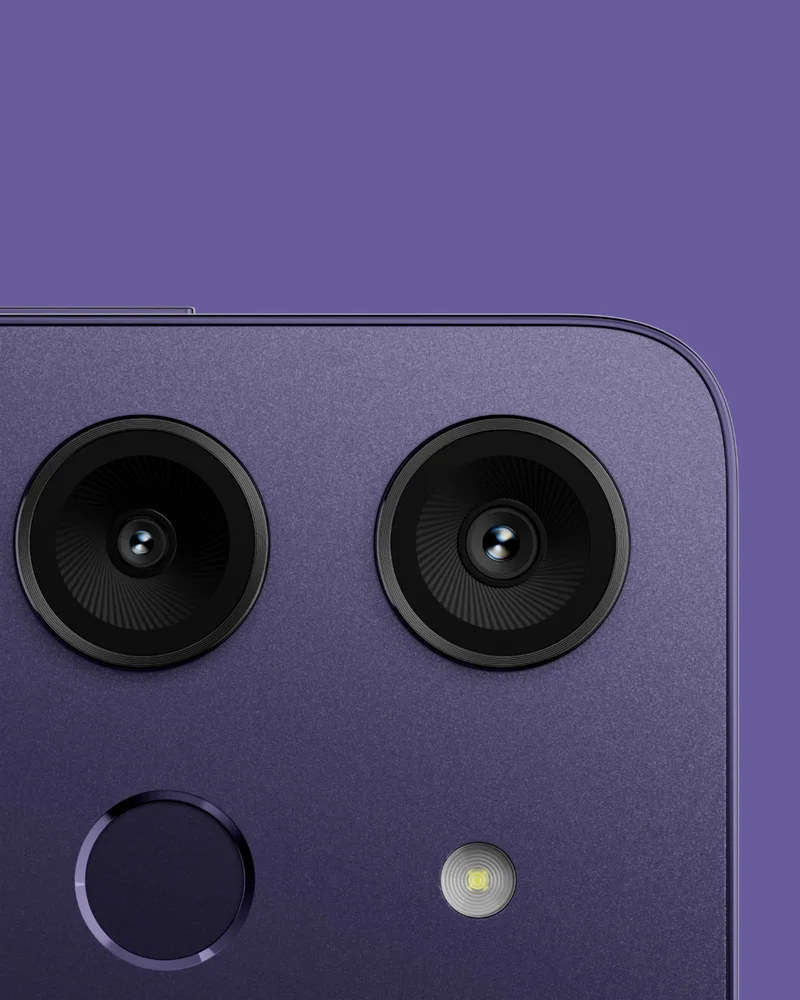
The Aura measures 163.86 x 75.51 x 8.9 mm and weighs 175 g. It is thicker than most mid-range phones but noticeably lighter than the Crest Max, which makes it easy to carry in a pocket. The specification page lists one colour, Glacier Green, and the official images show a round dual camera arrangement at the upper left of the back, a circular fingerprint reader below it and a small HMD logo in the middle. Other finishes appear in HMD's promotional renders, but only the green one is listed on the specification page, so availability of other colours should be checked locally.
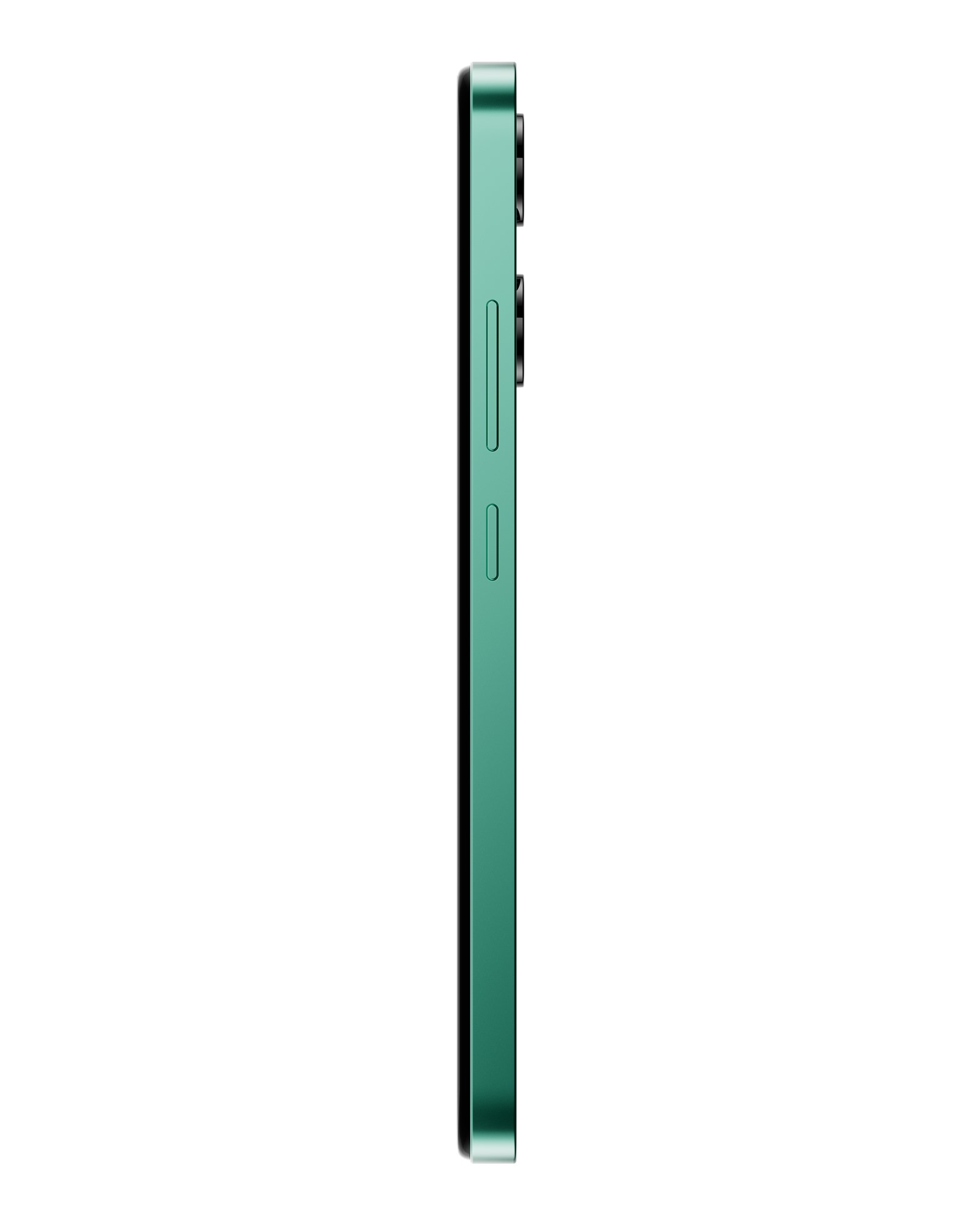
The battery is non-removable. HMD says it is designed for 500 full charge cycles, which is a more modest figure than some competitors quote and reflects the lower price tier. On the connectivity side there is a USB Type-C port, which supports USB 2.0 and OTG, and a 3.5mm headphone jack for wired headphones.
Display
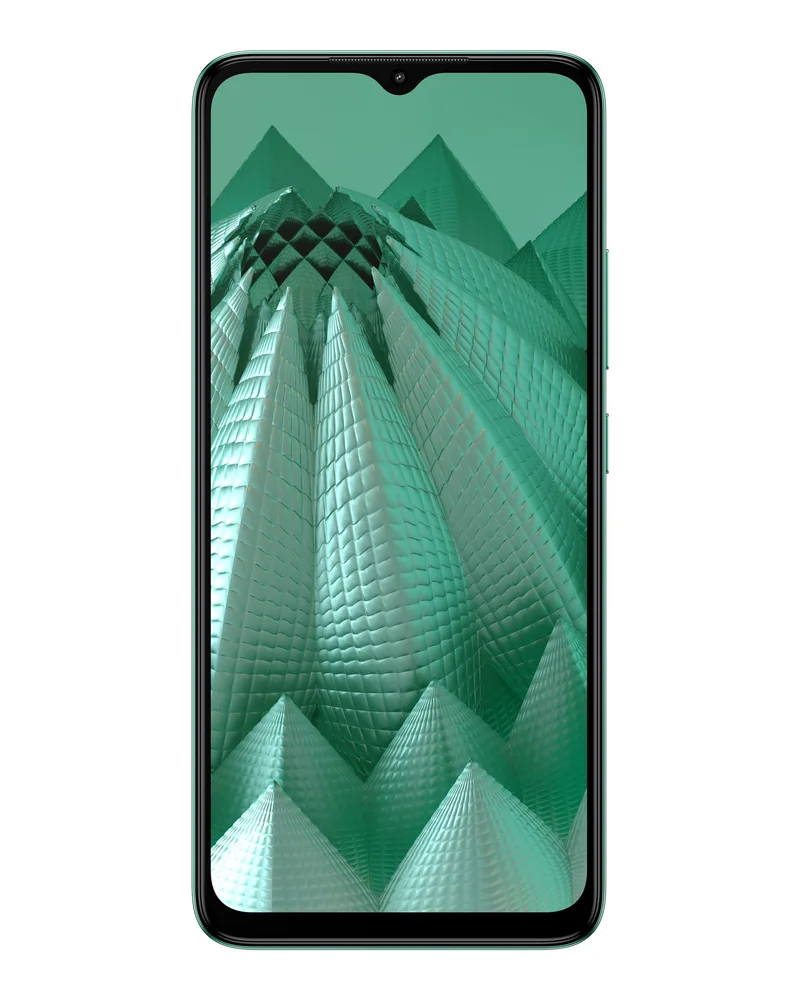
The screen is a 6.56-inch HD+ panel with a resolution of 1612 x 720 pixels, a V-shaped notch for the selfie camera and a 60Hz refresh rate. HMD gives a typical brightness of 480 nits (430 nits minimum) and an NTSC colour coverage of 72 percent typical, 68 percent minimum. These numbers tell an honest story: this is a basic HD+ display, readable indoors and acceptable outdoors in the shade, but not bright enough to impress in strong sunlight and not as smooth as the 90Hz or 120Hz screens that have become common above this price. At 720p over 6.56 inches the pixel density is modest, so small text will look softer than on a Full HD phone.
For reading messages, browsing, watching videos on a small budget and following maps, it is perfectly workable. For fast-moving games or smooth scrolling it will feel slower than the screens of phones in the next price band.
Performance and software
The chip is an Unisoc SC9863A1, an entry-level processor, paired with 4GB of physical RAM. HMD adds a memory-extension option that borrows up to 4GB of storage as virtual memory. The page lists this as virtual RAM, and it is worth remembering that it uses the slower flash storage rather than genuine memory. On a phone with only 4GB of real RAM, the feature can help keep a few more apps resident, but it will not turn the Aura into a multitasking device. Storage is 128GB, and the microSD slot accepts cards up to 1TB, which is a generous ceiling for a phone at this level and a practical way to hold photos, music and offline maps.
The software is Android 13, and HMD promises two years of security and software updates. That is a shorter commitment than the multi-year pledges now common even on cheap phones, and Android 13 is not the newest release, so buyers who want a long support window should keep this limit in mind. Android 13 supports the usual essentials: dark mode, app permissions and privacy controls. HMD does not publish performance benchmarks for this model, and none are invented here.
Camera
The rear camera is a 13MP autofocus unit described as a dual camera, with an LED flash. The feature list on the specification page reads like a simple but complete set: HDR, tonal range enhancement, a beauty filter, time-lapse, a Pro mode, panorama, a night mode and QR code scanning. For well-lit outdoor shots and casual snapshots, a 13MP sensor is adequate. In low light the sensor will struggle, and the night mode can only do so much with such a small sensor and an entry-level chip.
The front camera is 5MP, enough for video calls and quick selfies but not for detailed portraits. HMD's own marketing for the Aura talks about simple shooting modes rather than advanced photography, which is a fair description of what to expect.
Battery and charging
The battery capacity is 5000 mAh, and HMD says it can last up to three days. As with any battery-life claim, this depends on the manufacturer's testing method and on how modest the usage is; a phone used for hours of video will not reach it. The low-power chip and the 60Hz HD+ screen do help, because they draw little energy, which is the main reason a 5000 mAh cell can go a long way in this configuration.
Charging is the weakest part of the package. The Aura charges at only 10W, which means refilling the battery takes a long time compared with the 18W to 33W of other phones in the HMD and TCL ranges. For a phone that is charged overnight this is fine, but a quick top-up before leaving the house will add little.
Connectivity and audio
The Aura uses Bluetooth 4.2 and Wi-Fi 802.11 b/g/n, which means 2.4GHz Wi-Fi only on the specification sheet, and it supports GPS, AGPS, BDS, Glonass and Galileo for navigation. There is no 5G listed on the specification sheet, so buyers who need 5G should look at other models. Audio comes from a single speaker and one microphone. These are reasonable limits for the price, but they do mean fewer wireless features than newer budget phones offer.
Who should consider it
The Aura makes sense as a first phone for a young user, a backup phone, or a handset for someone who mostly calls, messages, browses and watches the occasional video. It appeals to those who value a lightweight body, a headphone jack, expandable storage and a long-lasting battery over speed. For comparisons with other low-cost options, you can look at the Aura against the Motorola Moto G35 or at the Tecno Spark 40, and the rankings page shows where entry-level models land overall.
Compromises
- 60Hz HD+ display at 720p with modest brightness.
- Entry-level Unisoc SC9863A1 chip and only 4GB of real RAM.
- Slow 10W charging.
- Android 13 with two years of updates, a short support window.
- Bluetooth 4.2 and Wi-Fi limited to b/g/n; 5G is not listed.
- Single mono speaker and a 13MP rear camera that will struggle in low light.
- Not sold in Germany, France, Italy, the Netherlands or Belgium, according to HMD.
Taken together, the HMD Aura is a no-frills phone that does the basics, lasts a long time on a charge and leaves room for a memory card. It is not meant to compete on speed or camera quality, and its strongest argument is simply that it is lightweight, simple and inexpensive to own.
Where it ranks
Compare HMD Aura with similar devices
More from HMD
Frequently asked questions
When was the HMD Aura released?
The HMD Aura was released on 2024-10-01, according to the manufacturer’s published information.
What are the main specs of the HMD Aura?
Headline figures for the HMD Aura: Battery: 5,000 mAh, Refresh rate: 60 Hz, Main camera: 13 MP, RAM: 4 GB. The full specification table is further up this page.
Is the HMD Aura worth buying?
That depends on your priorities. Use the editorial review on this page for our view, check the rankings above to see where the device stands on battery, display and camera, and compare it directly with similar models before you decide.


