Phones
HMD Pulse+
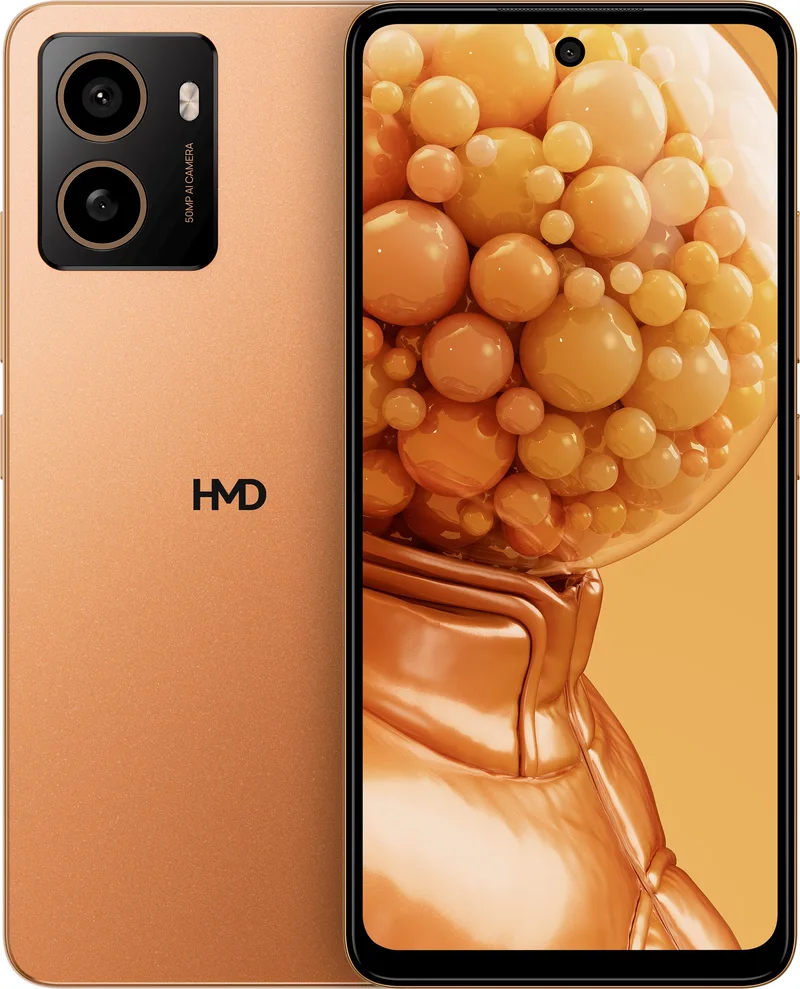
HMD Pulse+ keeps the Pulse body, Unisoc T606 and 5,000 mAh replaceable battery but adds a 50MP main camera and 128GB of storage on a 6.56-inch 90Hz HD+ screen.
Key figures at a glance
Gallery
Specifications
- Display
- 6.56" HD+ (1612x720), 90Hz, up to 600 nits boost
- Chipset
- Unisoc T606
- RAM
- 4GB
- Virtual RAM
- Up to 8GB (memory extension)
- Storage
- 128GB, microSD up to 256GB
- Rear Camera
- 50MP main (dual camera module), LED flash
- Front Camera
- 8MP
- Battery
- 5,000 mAh, 10W wired, QuickFix replaceable
- OS
- Android 14, 2 OS upgrades, 3 years of quarterly security updates
- Connectivity
- 4G, NFC, Bluetooth 5.0, Wi-Fi 5, USB-C 2.0, 3.5 mm jack
- Water/Dust Resistance
- IP52
- Dimensions
- 163.19 x 75.02 x 8.45 mm, 187 g
The HMD Pulse+ is the middle path in HMD’s four-phone range. Its slogan promises quality snaps, effortless multitasking and no hefty price tag, and the spec sheet shows what the company means: a 50MP rear camera and 128GB of storage on top of the familiar Pulse shell, with 4GB of RAM, an Unisoc T606 processor and a 5,000 mAh battery that can be replaced at home. It is not a performance phone and it does not pretend to be. This overview, based on the published specifications and manufacturer information, looks at what the extra money over the base Pulse buys and who should skip it.
Position in the range
Think of the Pulse+ as the base HMD Pulse with two practical upgrades. Both phones have the same dimensions (163.19 x 75.02 x 8.45 mm), the same 187 g weight, the same screen and the same chip. What differs is the camera sensor, 50MP instead of 13MP, and the storage, 128GB instead of 64GB. HMD also lists a higher virtual RAM ceiling on the spec table. Further up, the HMD Pulse Pro adds 6GB of RAM, a 50MP selfie camera and 20W charging, and the HMD Crest moves to 5G with an OLED screen.
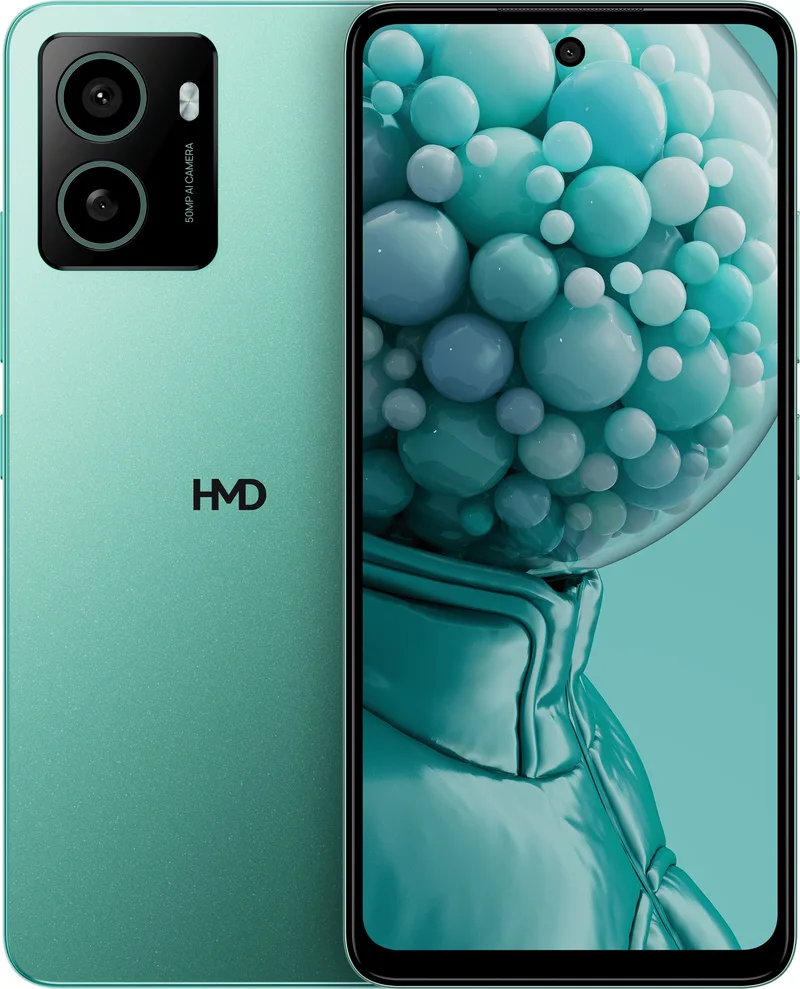
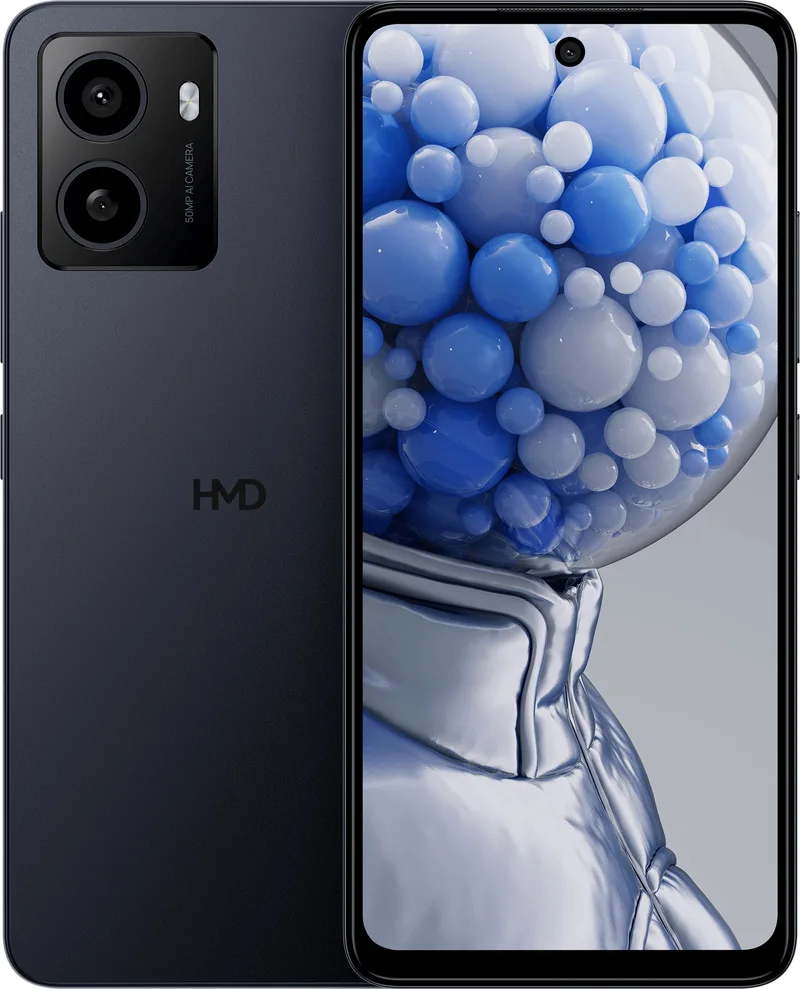
The colour choices are Apricot Crush, Midnight Blue and Glacier Green. As with its siblings, HMD notes that it is not sold in Germany, France, Italy, the Netherlands or Belgium and that availability differs by country.
Body and screen
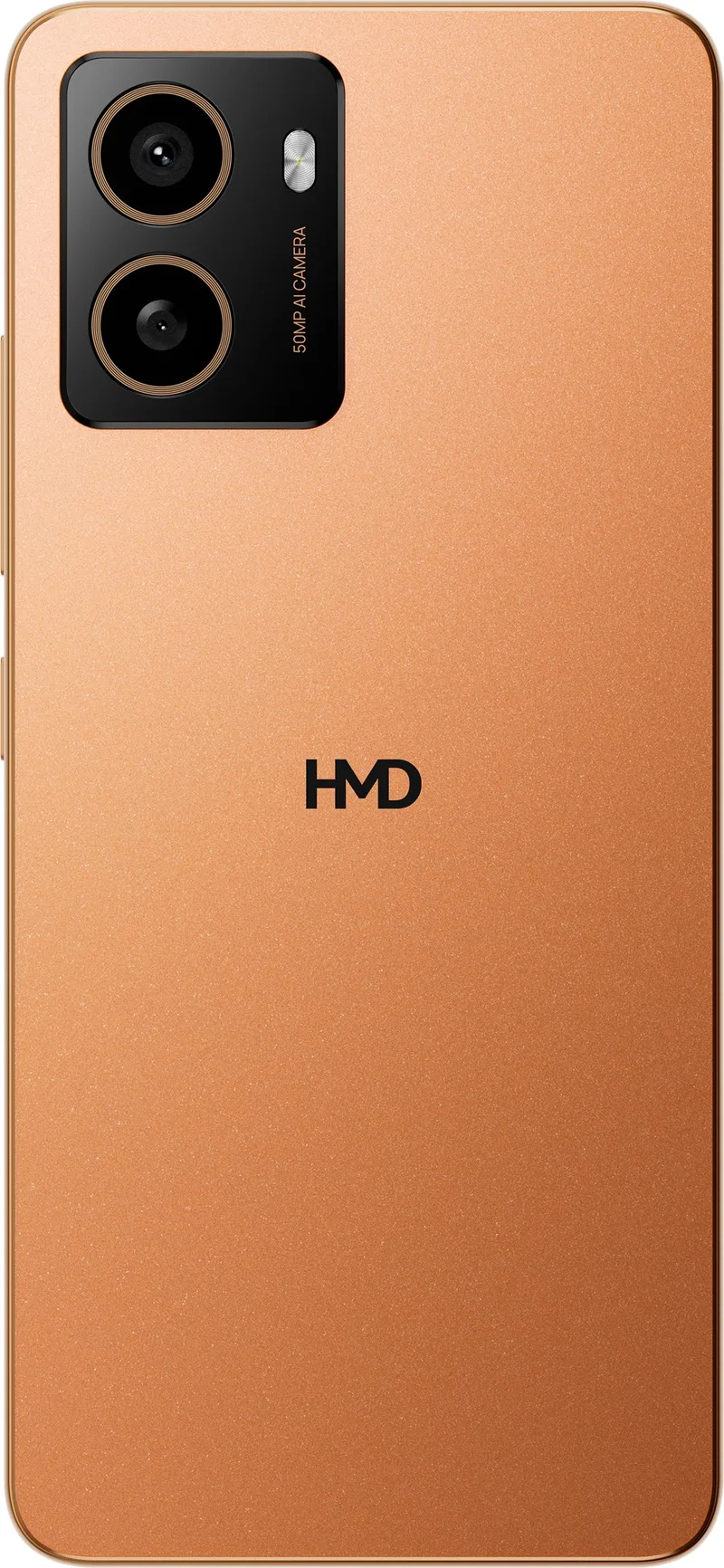
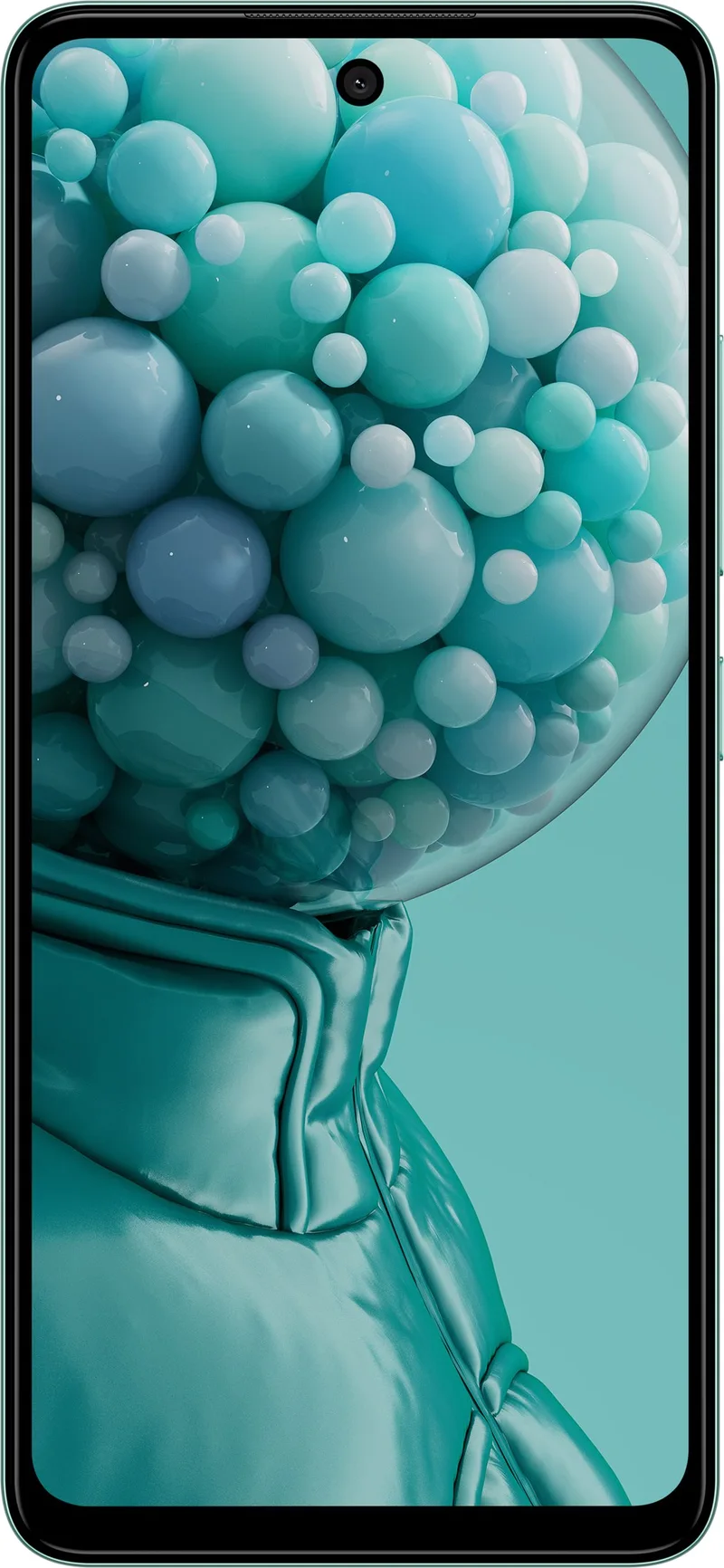
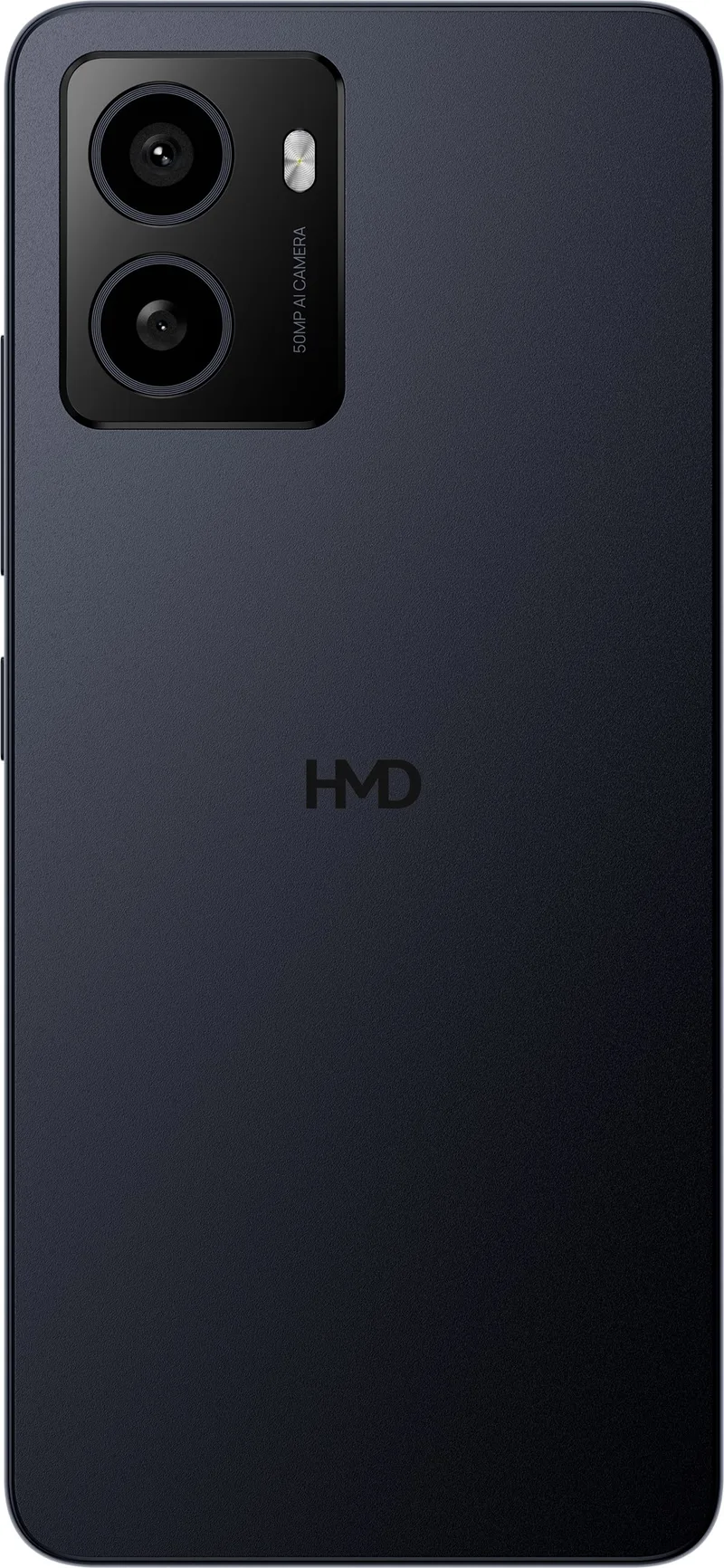
The Pulse+ looks like a slightly warmer take on the same design. Apricot Crush gives it an orange-copper tone, Glacier Green a cool mint, and Midnight Blue a near-black navy. The module on the back holds two lenses and a flash, with the HMD logo below it. A side-mounted power key doubles as the fingerprint reader. HMD certifies the phone as IP52, a rating that tolerates dust to a degree and dripping water from above, but should not be read as waterproof.
The 6.56-inch display is HD+ at 1612 x 720 pixels with a 90Hz refresh rate and a 20:9 shape. HMD states typical brightness of 480 nits, with 600 nits at the boost level, and a typical NTSC coverage of 70 percent. These numbers place it in the budget segment; reading and video are fine, while very bright sunlight and fine detail are not strengths. The headphone jack is retained, the USB-C port is USB 2.0 with OTG, and audio is branded OZO Audio.
What 50MP does and does not do
The headline change is the rear camera: 50MP with autofocus in a dual-camera module, plus an LED flash. HMD’s spec page names the 50MP sensor only, so the second lens should be regarded as an auxiliary component. The front camera remains 8MP, which separates the Pulse+ from the Pulse Pro and the Crest, both of which have 50MP selfie cameras.
A larger megapixel count does not on its own make photos better, but it usually allows more detail in daylight and more cropping freedom, particularly when the sensor combines pixels to reduce noise. The specification lists Super Night with a tripod mode, FlashShot, AI HDR and skin tone optimization; HMD describes the camera as one that makes every shot a keeper. That is a marketing statement, not a measurement. No independent image samples are available here, and video features are not detailed on the product page, so the sensible conclusion is that the Pulse+ should take clearly better rear photos than the 13MP Pulse in good light, while night images and video remain entry-level.
Memory, storage and the chip
The Unisoc T606 and 4GB of RAM define everyday speed. HMD’s product page talks about up to 6GB of virtual memory, whereas the specification table lists virtual RAM options of 4GB, 6GB and 8GB; the two sources differ, so the most cautious reading is that up to 6GB extra is promoted and up to 8GB is listed. In either case the extra memory is carved out of the storage, as HMD’s footnote explains: the feature needs free space and is automatically and permanently disabled once 90 percent of its usage limit has been reached, which the company says can happen after four years of heavy use.
What matters for daily use is that 128GB leaves room for apps and a sizeable photo library, and a microSD card (up to 256GB) can extend it further. Since the pre-installed software uses a significant part of the memory space, the free capacity will be lower than the headline figure. HMD describes background multitasking as something the phone handles without a hitch; in practice, the 4GB of physical memory means that heavy apps will be reloaded more often than on a 6GB device such as the Pulse Pro.
Software is Android 14 with two promised OS upgrades and three years of quarterly security patches counted from the global launch. Fingerprint and face unlock are both available, and the Pulse+ carries the Android Enterprise Recommended label.
Battery and repair
With 5,000 mAh the Pulse+ matches the family. HMD’s up-to-59-hours figure comes from a test with five hours of active use per day and overnight standby, so treat it as the best case. Charging is limited to 10W, and the box contents listed by HMD (USB-C cable, quick start guide, safety booklet and SIM pin) do not include a power adapter. A user who wants quick top-ups would be better served by the 20W Pulse Pro or the 33W Crest.
The repair story is the same as on the rest of the range but worth repeating because it is the family’s distinguishing feature: HMD says that the screen, charging port, back cover and battery can be replaced by the owner, with spares and step-by-step guides on its repair hub with iFixit. The company claims the battery keeps at least 80 percent of its capacity after 800 full charging cycles. For a phone intended to be used for several years, that matters more than a marginal bump in processor speed.
Connectivity
4G is the top network standard here, with LTE bands 1, 3, 5, 7, 8, 20, 28, 38 and 40 supported alongside WCDMA and GSM. The phone uses a Nano SIM, and offers NFC, Bluetooth 5.0, Wi-Fi 802.11ac and GPS with Galileo. NFC allows contactless payments with the user’s chosen app.
Who it suits
The Pulse+ is for people who want the Pulse’s repair-friendly design but find 64GB too tight and 13MP too modest. Typical buyers include parents choosing a durable phone for a teenager, travellers who want a spare handset with a long battery life and a card slot, and users who photograph documents, products or family events more than they take selfies. For people who live on video calls or social stories, the selfie cameras of the Pulse Pro make more sense.
To see how the Pulse+ stacks up against a better-known rival, the side-by-side page HMD Pulse+ vs Nothing Phone (3a) lays out the gap in display, chip and cameras. A closer competitor in spirit is the Motorola Moto G35, and the rankings give the overall picture.
Compromises
- Same processor as the base Pulse: the Unisoc T606 limits speed and gaming.
- Only 4GB of RAM: virtual memory helps a little but uses storage.
- 8MP selfie camera: the front camera is not upgraded.
- 10W charging: slow, and no charger is listed in the box.
- HD+ resolution: 720 pixels across 6.56 inches is soft for small text.
- 4G only: no 5G support.
- Limited availability: not offered in several western European countries.
As a package, the HMD Pulse+ makes sense for buyers who value repairability, storage and a decent rear sensor over speed. It is a sober, practical phone whose strengths are visible on paper and whose limits are just as clear.
Where it ranks
Compare HMD Pulse+ with similar devices
More from HMD
Frequently asked questions
When was the HMD Pulse+ released?
The HMD Pulse+ was released on 2024-10-01, according to the manufacturer’s published information.
What are the main specs of the HMD Pulse+?
Headline figures for the HMD Pulse+: Battery: 5,000 mAh, Refresh rate: 90 Hz, Main camera: 50 MP, RAM: 4 GB. The full specification table is further up this page.
Is the HMD Pulse+ worth buying?
That depends on your priorities. Use the editorial review on this page for our view, check the rankings above to see where the device stands on battery, display and camera, and compare it directly with similar models before you decide.


