Phones
HMD Pulse Pro
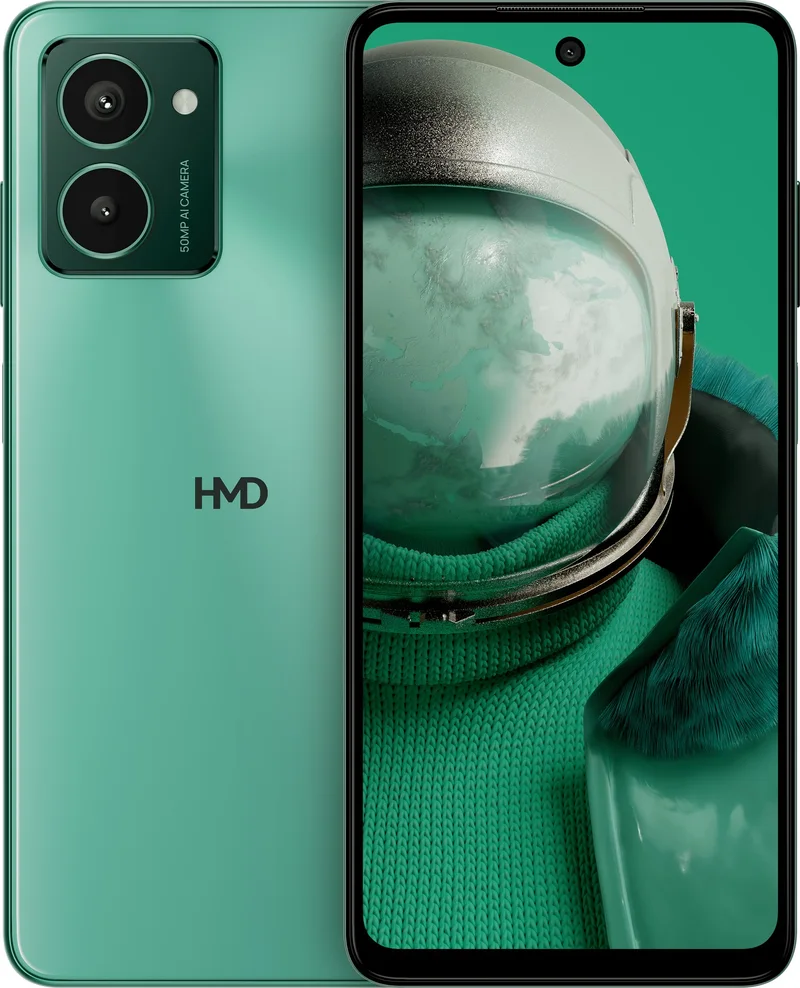
HMD Pulse Pro pairs a 50MP selfie camera and 50MP main camera with 6GB RAM, 128GB storage, 20W charging and a user-replaceable 5,000 mAh battery on an HD+ 90Hz display.
Key figures at a glance
Gallery
Specifications
- Display
- 6.56" HD+ (1612x720), 90Hz, up to 600 nits boost
- Chipset
- Unisoc T606
- RAM
- 6GB
- Virtual RAM
- Up to 8GB (memory extension)
- Storage
- 128GB, microSD up to 256GB
- Rear Camera
- 50MP main + 2MP depth, LED flash
- Front Camera
- 50MP
- Battery
- 5,000 mAh, 20W wired, QuickFix replaceable
- OS
- Android 14, 2 OS upgrades, 3 years of quarterly security updates
- Connectivity
- 4G, NFC, Bluetooth 5.0, Wi-Fi 5, USB-C 2.0, 3.5 mm jack
- Water/Dust Resistance
- IP52
- Dimensions
- 163.19 x 75.02 x 8.55 mm, 196 g
If the base HMD Pulse is the cautious member of the family, the HMD Pulse Pro is the one that wants to be photographed with. HMD builds its pitch around a 50MP front camera, a 50MP main camera and a set of selfie features that include hands-free gestures, slow-motion clips and night portraits. Underneath, the hardware is still budget-class: a Unisoc T606, an HD+ 90Hz screen and 4G only. What changes against the cheaper siblings is memory, storage, charging speed and above all the cameras. This overview uses the published specifications and manufacturer information to judge whether those upgrades justify choosing the Pro.
Where the Pulse Pro fits
The family has four phones. At the bottom sit the HMD Pulse and the HMD Pulse+, both with 4GB of RAM and 10W charging. The Pulse Pro takes the same screen size and processor but raises RAM to 6GB, internal storage to 128GB and charging to 20W, and it is the only member of the Pulse trio with a 50MP selfie camera. Above it, the HMD Crest shifts to 5G and an OLED panel, and it also carries a 50MP front camera. The Pro is therefore the choice for someone who wants the selfie hardware without paying for 5G or a new display type.
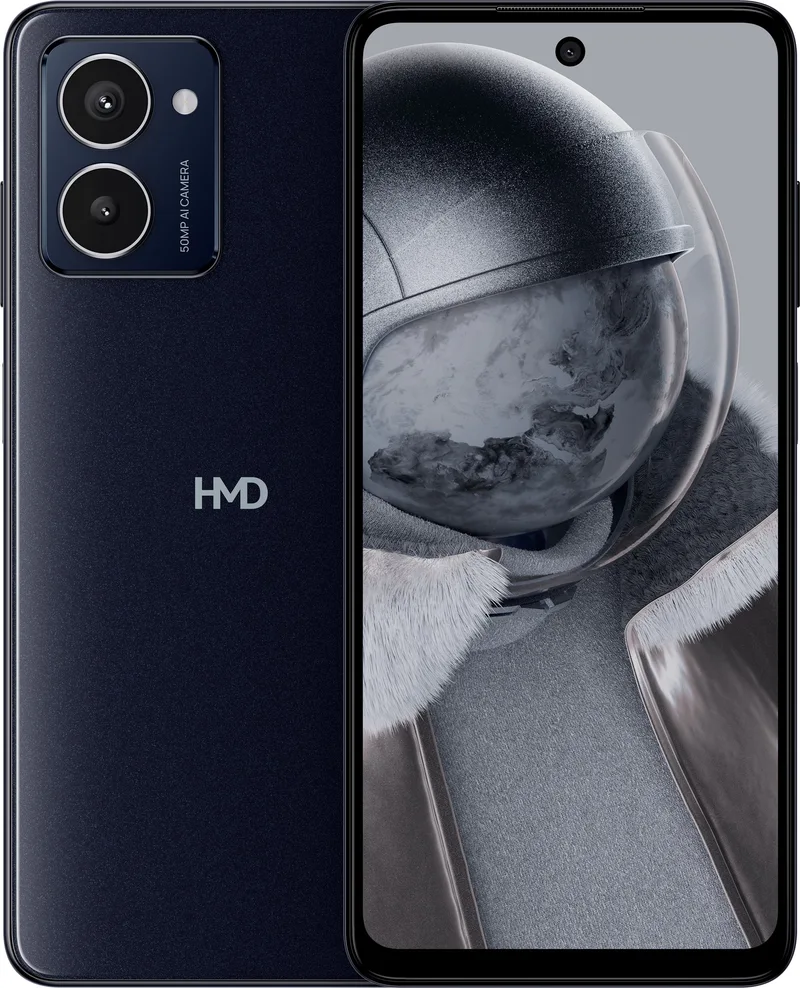
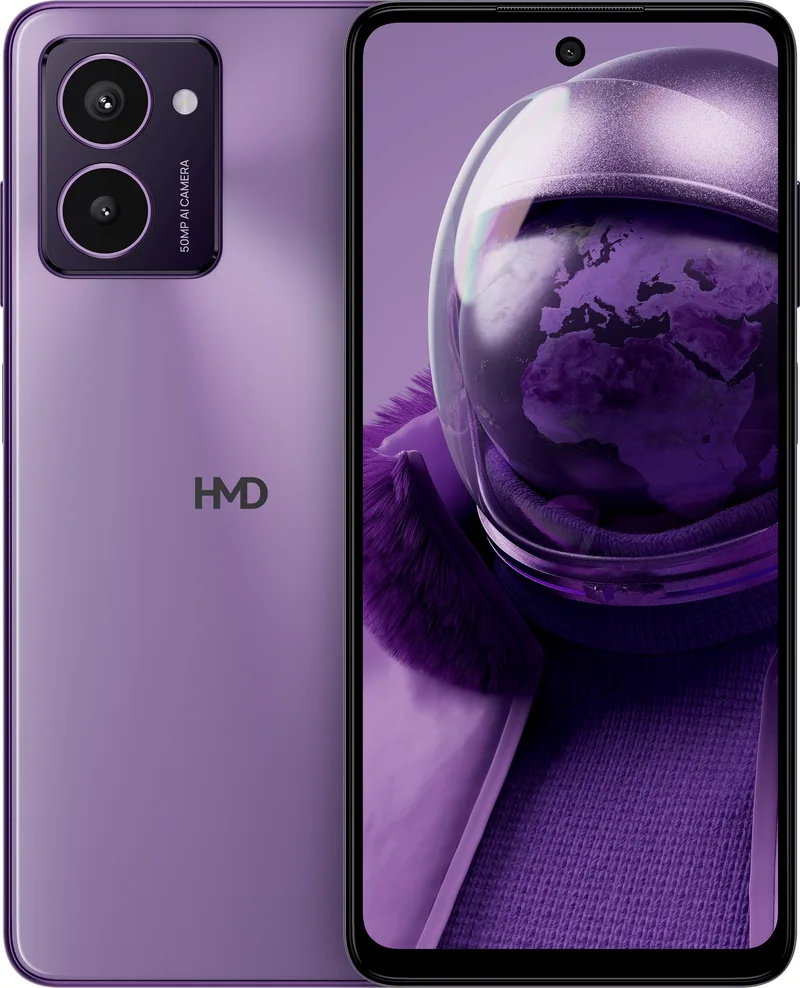
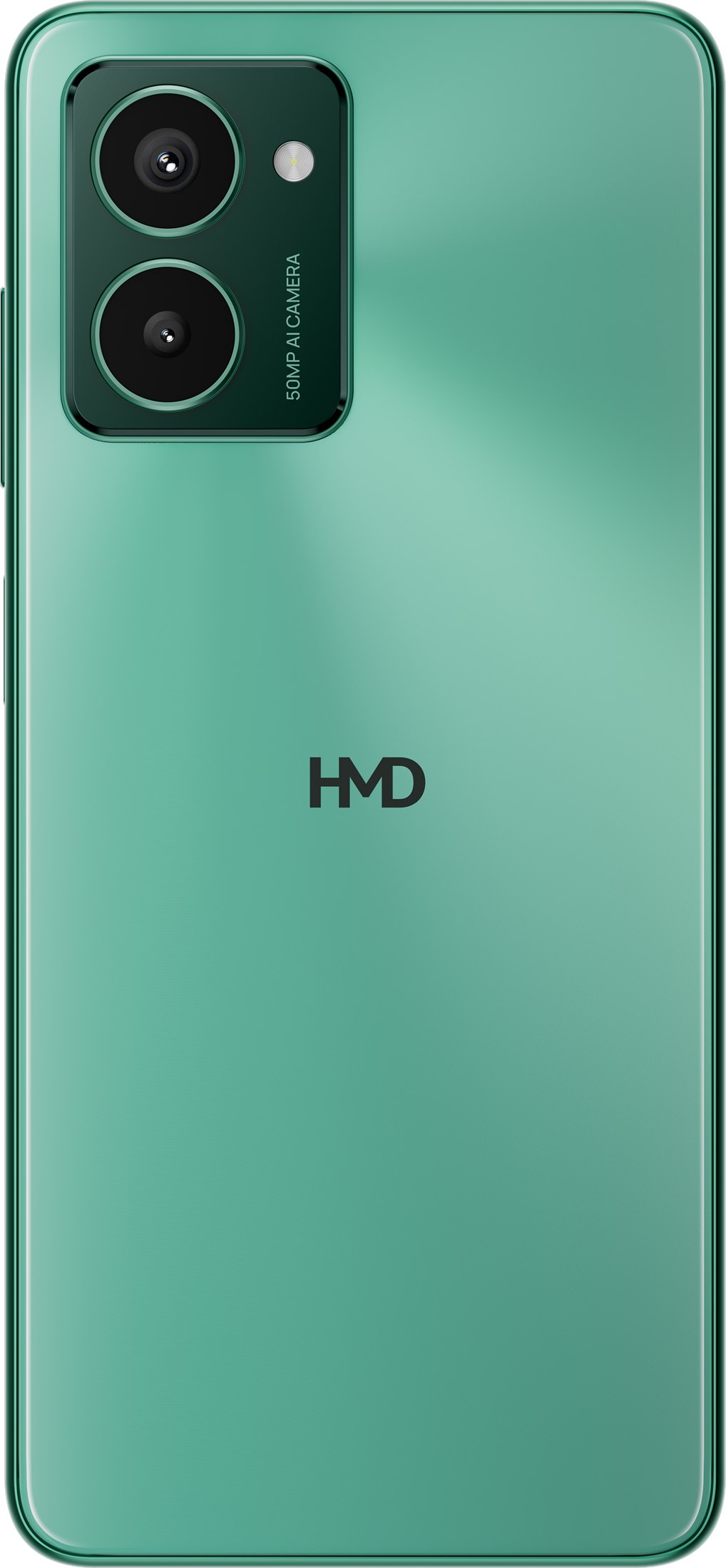
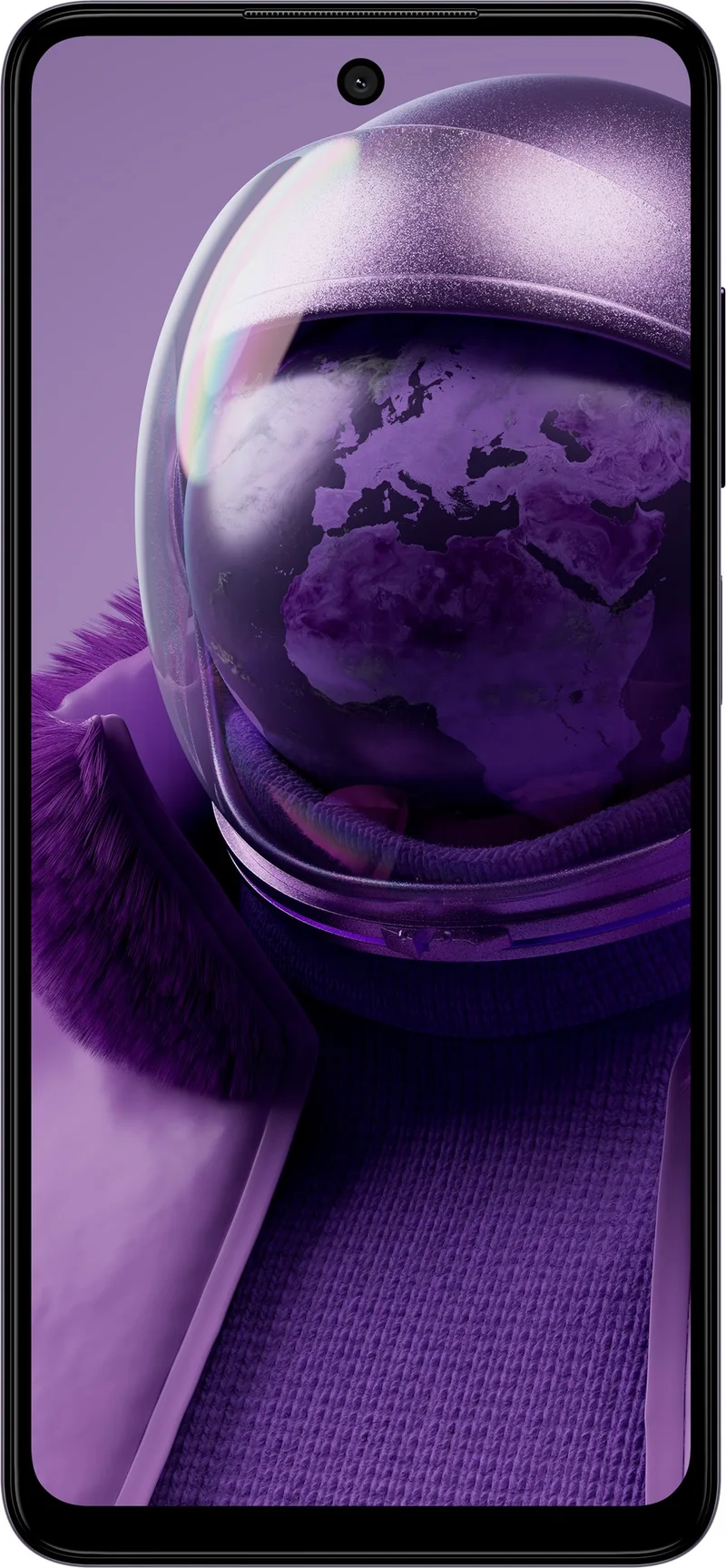
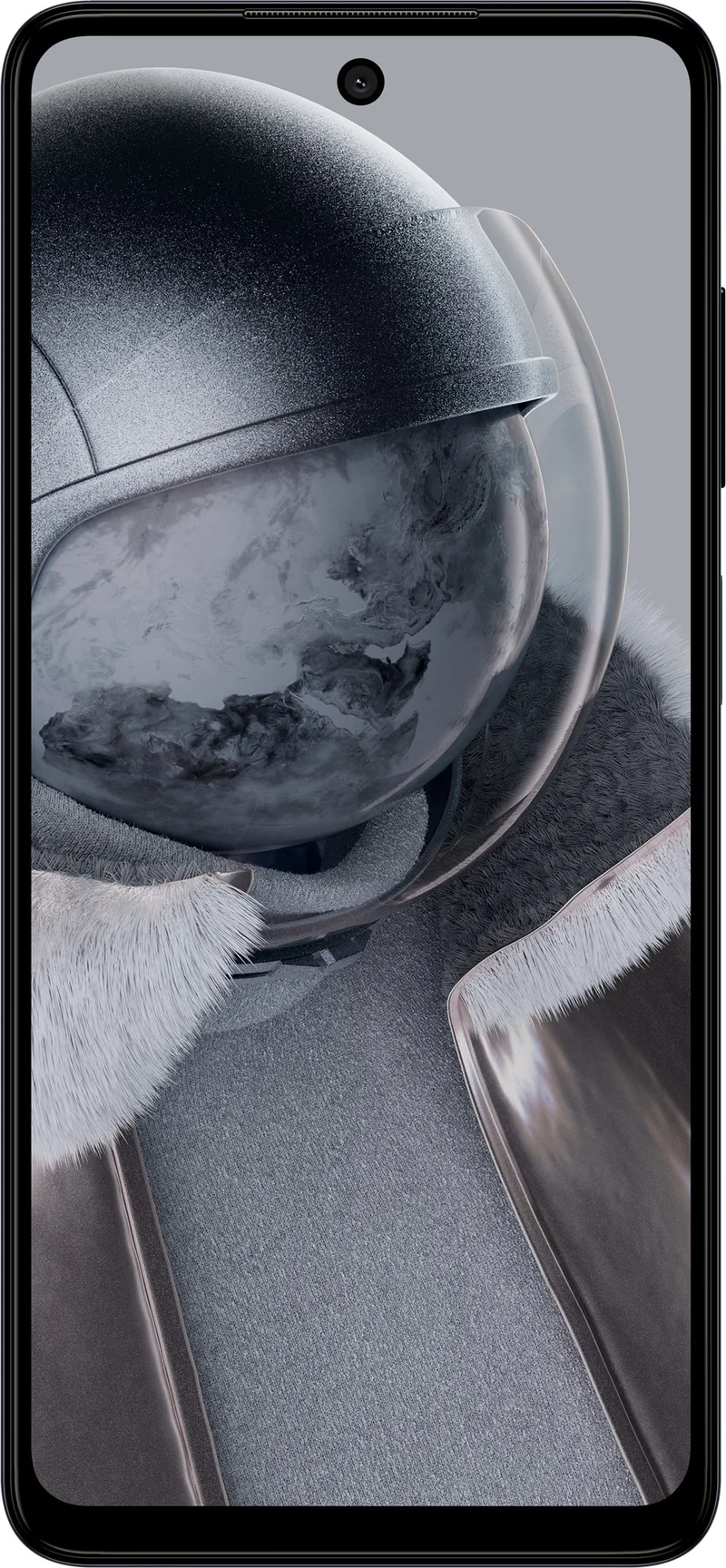
HMD offers it in Glacier Green, Black Ocean and Twilight Purple. The company states that it is not available in Germany, France, Italy, the Netherlands or Belgium and that availability differs from country to country.
Design and display
The Pro measures 163.19 x 75.02 x 8.55 mm and weighs 196 g, a little thicker and 9 g heavier than the Pulse, which is consistent with its bigger camera hardware. The back carries a vertically stacked pair of lenses with a flash in a module, and the HMD wordmark sits in the middle. HMD talks about sleek lines and a modern look; the more concrete fact is the IP52 rating, which covers limited dust protection and vertical dripping water but not spray or immersion.
The screen is a 6.56-inch panel with 1612 x 720 pixels, a 20:9 ratio and a 90Hz refresh rate. HMD quotes 480 nits typical and 600 nits in boost mode, plus 70 percent typical NTSC coverage. For a phone that is marketed on photography, the display is the part that holds the experience back: framing shots and reviewing them on a 720-pixel-wide screen will not reveal fine detail, and sunlight will challenge a panel peaking at 600 nits. The 90Hz refresh rate helps with scrolling and with the preview feel of the viewfinder.
A 3.5 mm headphone jack and a USB-C 2.0 port with OTG are listed, along with NFC, Bluetooth 5.0 and dual-band Wi-Fi up to 802.11ac. Audio is tuned under HMD’s OZO Audio branding.
Cameras, the reason to buy it
The rear unit is a 50MP autofocus main sensor with a 2MP depth sensor and an LED flash. The depth sensor is a helper for portrait blur, not an additional photo lens, so treat the rear camera as a single-camera system in practice. Software features include Super Night with a tripod mode, FlashShot, AI HDR and skin tone optimization.
The front camera is the real headline. At 50MP, it matches the rear sensor in resolution, which is unusual at this level, where selfie cameras of 8MP are common. HMD adds selfie-specific features: selfie gestures that let the user trigger the shutter without touching the phone or using a selfie stick, slow-motion selfies, night selfie and AI super portrait. The company also says the skin tone optimization is trained to look natural on a variety of skin tones.
What a high megapixel count will mean in practice depends on pixel binning and processing, which the specification sheet does not describe; without independent samples, nobody should expect flagship results. A reasonable expectation is better detail in good light than on 8MP front cameras and more room to crop. In low light, a small sensor and an entry-level chip generally lead to softness regardless of the number printed on the box. Video capability is not detailed on the product page, so nothing is claimed here about resolution or stabilisation.
Performance, memory and software
The processor is the same Unisoc T606 as in the Pulse. RAM is 6GB, which is a real step up from the 4GB of its siblings, and HMD lists memory extension options of 4GB, 6GB and 8GB of virtual memory taken from storage. The manufacturer warns in a footnote that the feature needs free space and is permanently disabled once 90 percent of its usage limit is reached, which it says may occur after about four years of heavy use. Even so, 6GB of physical RAM is the most helpful change for anyone who switches between apps often; the chip is still the limit for games.
Storage is 128GB, with microSD support up to 256GB. Since the system and bundled apps take a notable share, the free space is smaller than the headline figure, but double the Pulse’s 64GB is a major practical advantage when photos and 50MP images fill a gallery quickly.
Android 14 is pre-installed. HMD pledges two OS upgrades and three years of quarterly security updates from the global launch date. A side-mounted fingerprint reader and face unlock handle authentication, and the phone is Android Enterprise Recommended.
Battery, charging and repair
The 5,000 mAh battery matches the rest of the family, and HMD quotes up to 59 hours of use from a test of five hours of daily activity with overnight standby. This is a manufacturer figure and an upper bound. Where the Pro improves is charging: it supports 20W, double the 10W of the Pulse and Pulse+. A charger is not listed in the box, which contains a USB-C cable, a quick start guide, a safety booklet, a user guide and a SIM pin, so the faster charging only helps if a suitable adapter is purchased.
The battery is QuickFix replaceable, and HMD says that screens, charging ports, back covers and batteries can be replaced by the owner using spare parts and guides from its repair partner. The company says the battery is tested to keep at least 80 percent of capacity after 800 full cycles. Considering that cameras of this class encourage heavy use, an easily swapped cell is a sensible feature.
Who should consider the Pulse Pro
This is for people who take many selfies and group photos, make video calls, or make content on a modest budget and want a phone that survives drops and can be repaired. The gesture-based shutter is convenient for tripod shots and family pictures. Students and first-time buyers who want 128GB and 6GB RAM without moving to 5G will also find the balance sensible.
If screen quality matters more than selfie resolution, the Crest with its OLED panel is a better family pick. Buyers who want a stronger processor and camera system should look at the head-to-head HMD Pulse Pro vs Pixel 9a, which shows how much a mid-range Google phone differs in chip, display and camera hardware. Another budget rival is the Infinix Hot 60 Pro, and the rankings page shows comparative standings.
Compromises
- Entry-level chip: the Unisoc T606 limits gaming and heavy multitasking despite 6GB of RAM.
- HD+ screen: 1612 x 720 pixels is soft for a camera-focused phone.
- No 5G: only 4G, 3G and 2G bands are supported.
- Depth sensor, not a second camera: the 2MP unit adds portrait data but not a wide or tele view.
- Heavier: 196 g and 8.55 mm are a step up from the base model.
- No charger listed: 20W only matters with a separate adapter.
- Limited sale regions: not available in Germany, France, Italy, the Netherlands or Belgium.
The Pulse Pro is not a flagship alternative; it is a budget phone with an unusually ambitious front camera and a quicker charger. For selfie-minded buyers who value repairability, those two features are enough to separate it from the cheaper Pulse models.
Where it ranks
Compare HMD Pulse Pro with similar devices
More from HMD
Frequently asked questions
When was the HMD Pulse Pro released?
The HMD Pulse Pro was released on 2024-10-01, according to the manufacturer’s published information.
What are the main specs of the HMD Pulse Pro?
Headline figures for the HMD Pulse Pro: Battery: 5,000 mAh, Refresh rate: 90 Hz, Main camera: 50 MP, RAM: 6 GB. The full specification table is further up this page.
Is the HMD Pulse Pro worth buying?
That depends on your priorities. Use the editorial review on this page for our view, check the rankings above to see where the device stands on battery, display and camera, and compare it directly with similar models before you decide.


