Phones
HMD Crest Max
HMD Crest Max is a mid-range 5G phone with a 6.56-inch OLED screen, a 64MP main camera, a 50MP selfie camera, 256GB storage and a 5000 mAh battery with 33W charging.
Key figures at a glance
Gallery
Specifications
- Display
- 6.56" OLED, 2400x1080 (FHD+), 20:9
- Chipset
- Unisoc T760
- RAM
- 8GB
- Extended RAM
- Up to 6-8GB virtual RAM (memory extension)
- Storage
- 256GB, microSD up to 256GB
- Rear Camera
- 64MP main + 5MP ultrawide + 2MP macro, LED flash
- Front Camera
- 50MP
- Battery
- 5000 mAh, 33W wired charging (up to 44 hours battery life per HMD)
- OS
- Android 14
- Dimensions
- 163.86 x 76.42 x 8.41 mm, 205 g
- Connectivity
- 5G, Bluetooth 5.0, Wi-Fi 802.11 a/b/g/n/ac, GPS/AGPS/Galileo, USB Type-C, 3.5mm headphone jack
- Audio
- OZO Audio, 1 speaker, 2 microphones
- Colors
- Royal Pink, Deep Purple
The HMD Crest Max is a 5G phone that puts its money where buyers of mid-range handsets tend to look first: the screen, the selfie camera and the battery. HMD lists a 6.56-inch OLED panel with a Full HD+ resolution, a 64MP main camera, an unusually high-resolution 50MP front camera, 256GB of storage and a 5000 mAh battery with 33W wired charging. The processor is a Unisoc T760, a choice that tells you immediately where the compromises sit. This review is based on the published specifications and manufacturer information, and it marks which statements are the maker's own claims rather than independent measurements.
Where the Crest Max sits in HMD's range
HMD, the company that grew out of the Nokia-phone licence, now sells its own-brand Android phones in several families. The Crest and Pulse names mark separate product families, and this review only covers the Crest Max itself. If you want to see the neighbours, the HMD Crest is the sibling that shares the family name, and the HMD Pulse Pro shows how the brand behaves one step lower. The Crest Max is the model on which HMD's page stresses display and selfie hardware most. HMD's product page does not state a launch date or a price, so the date stored for this phone is a placeholder taken from the batch information, and no price is quoted here.
Design and display
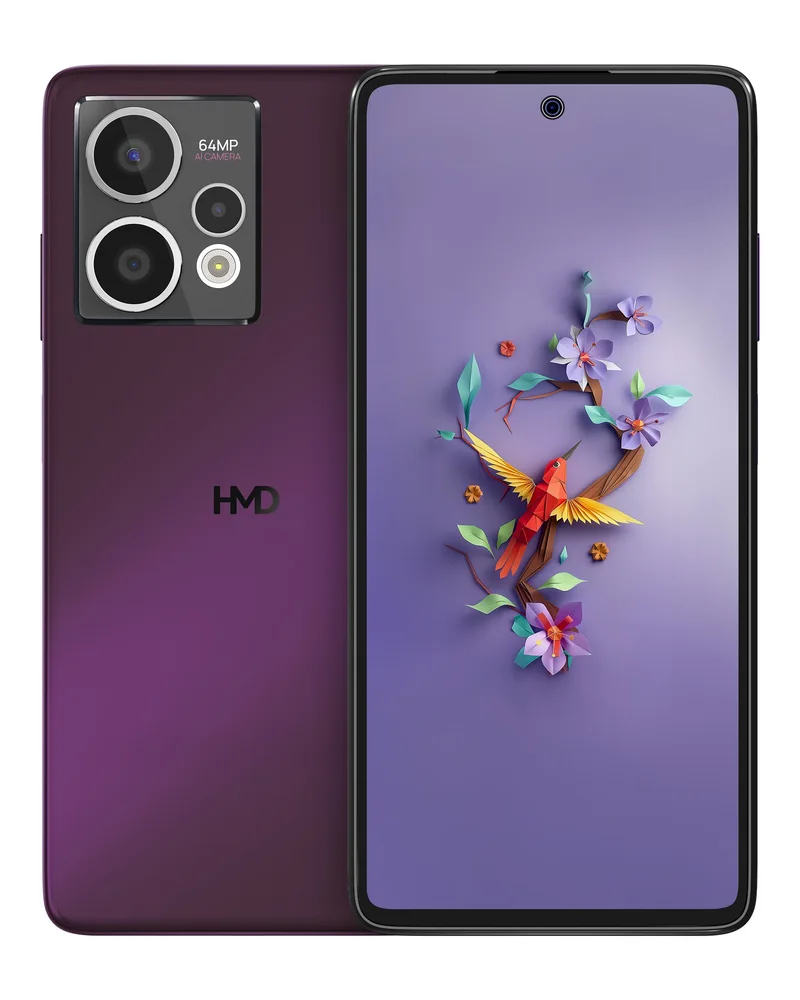
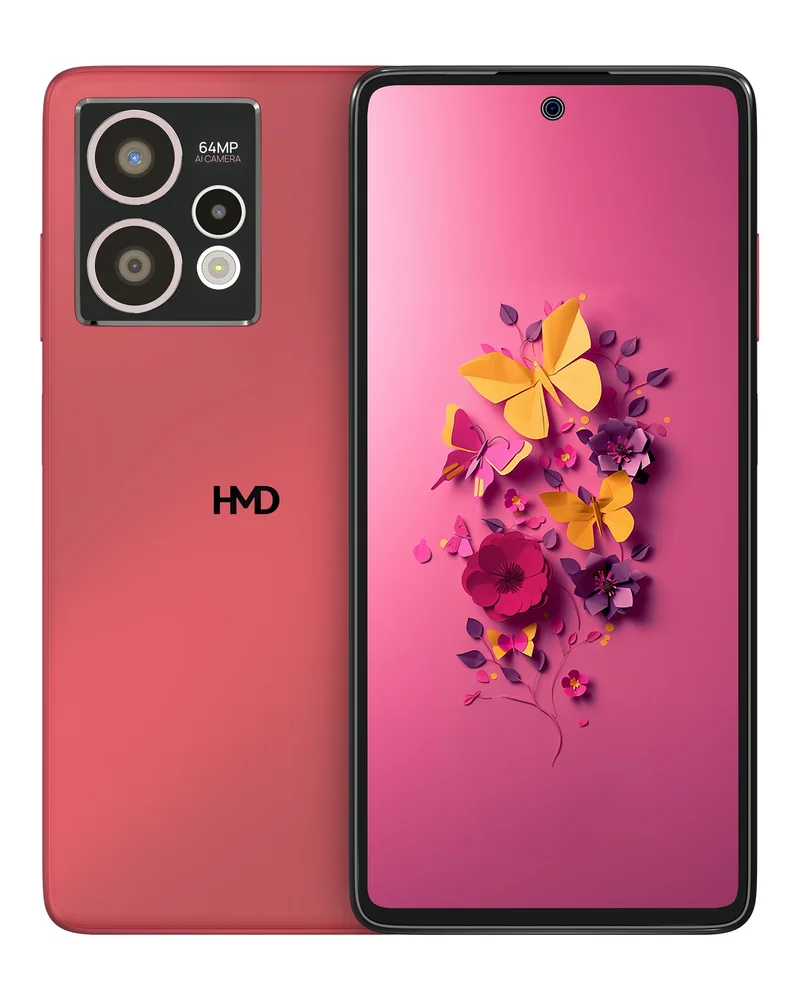
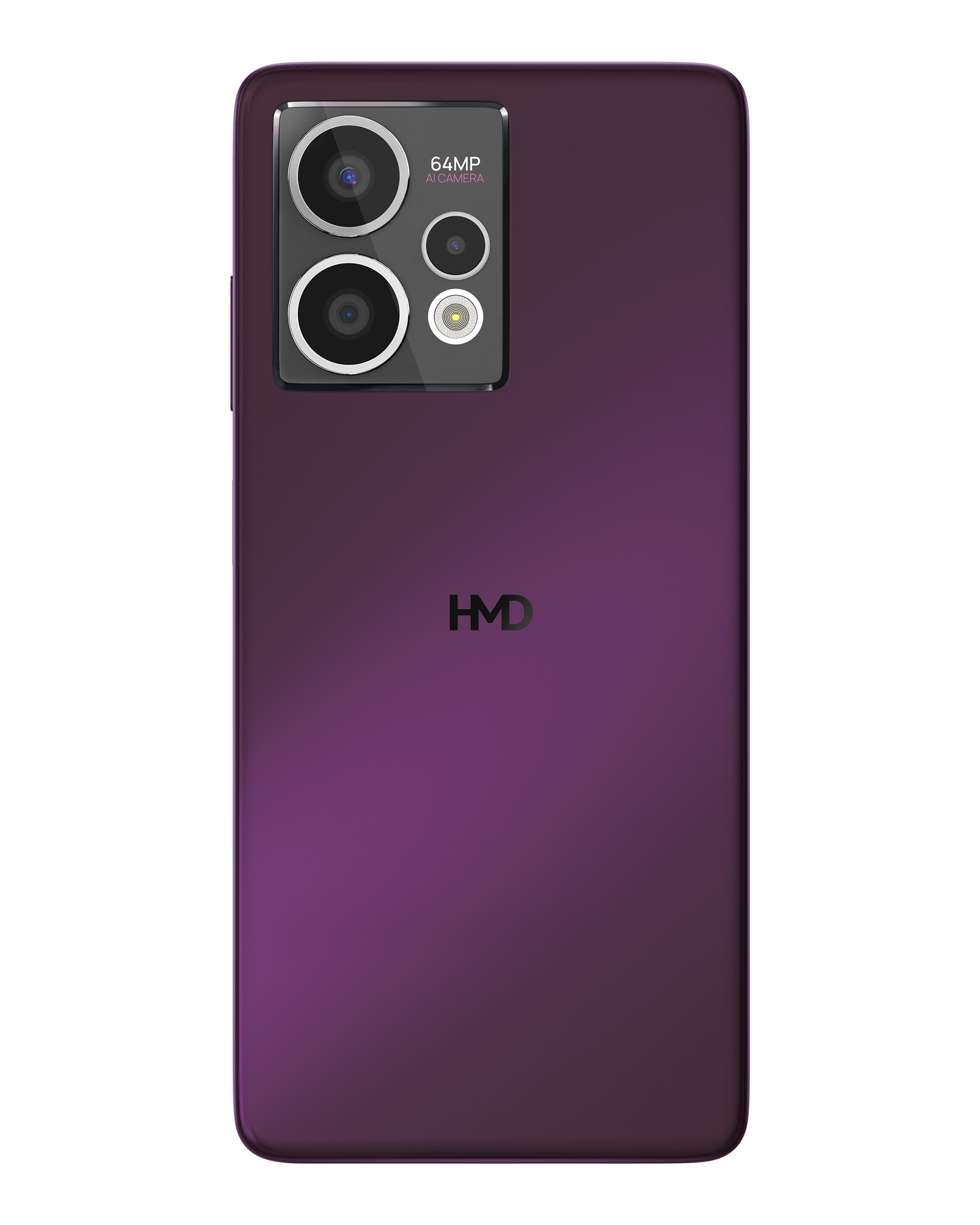
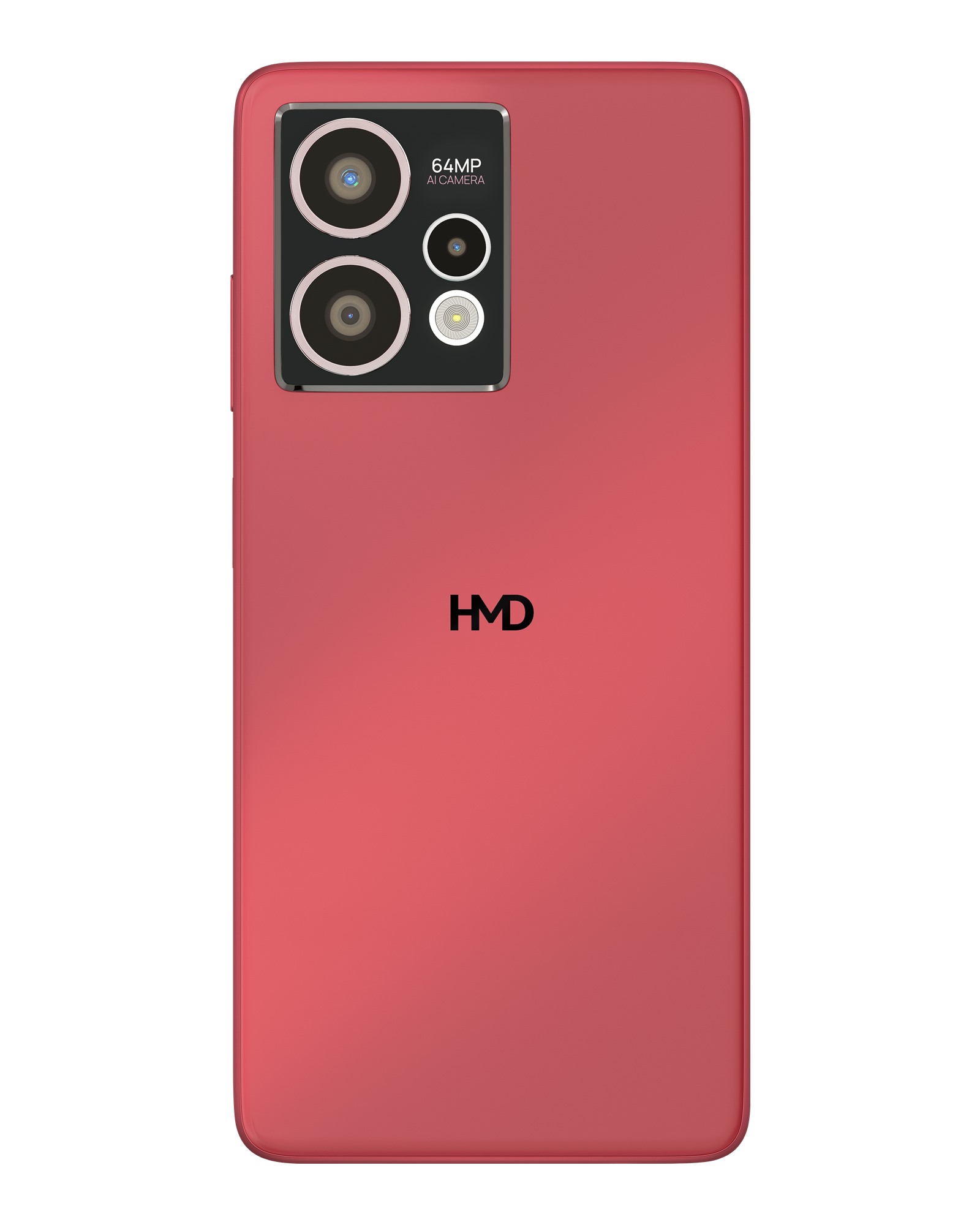
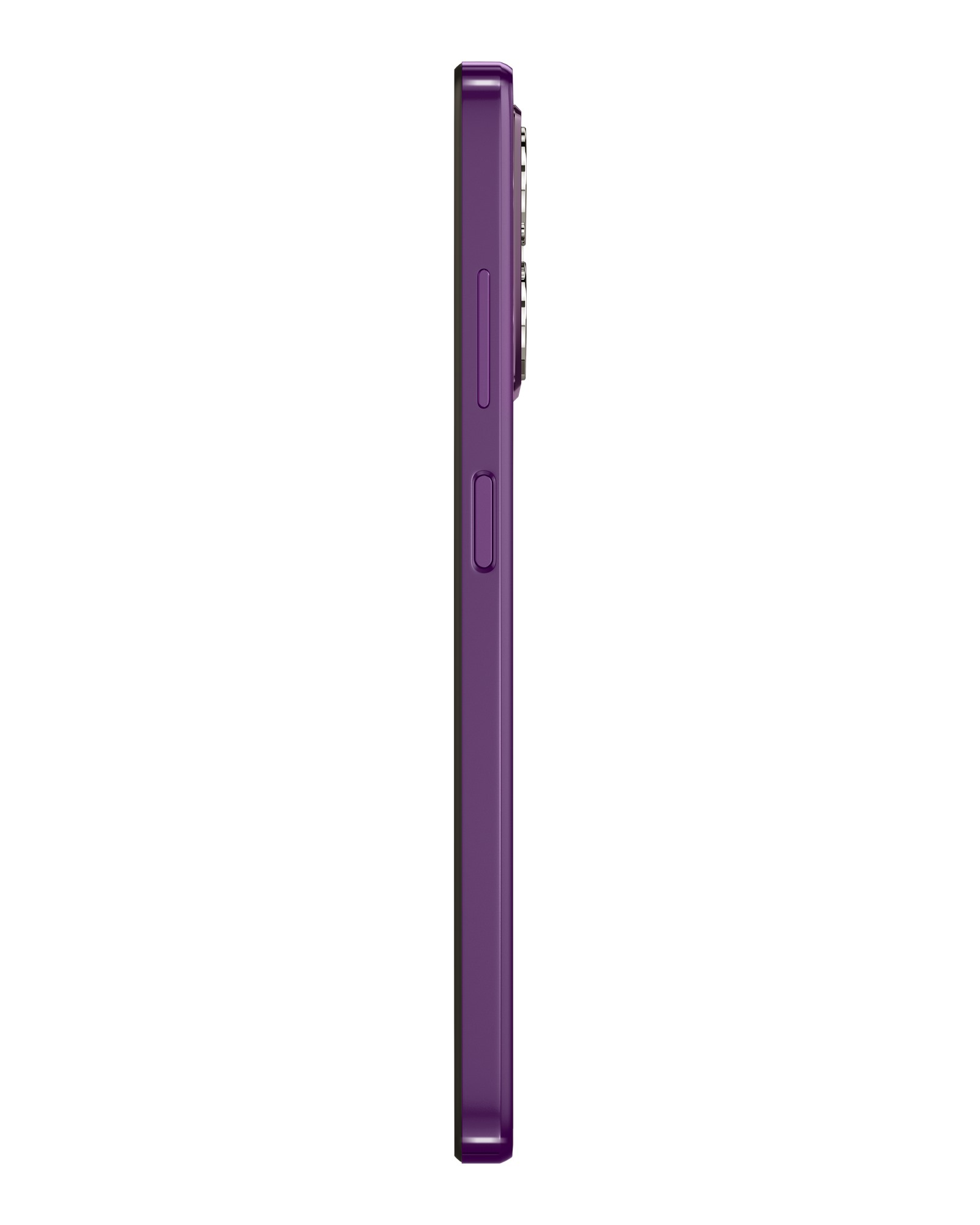
The phone measures 163.86 x 76.42 x 8.41 mm and weighs 205 g. That is a little heavy for a 6.56-inch device, which is expected given the 5000 mAh cell inside. HMD describes a frosted glass back with a matte finish, and the official renders show a square camera block in the upper left and a centred HMD logo. Two colours are listed: Royal Pink and Deep Purple. Both are strong colours rather than the grey and black that dominate budget phones, and the images show that the finish shifts tone across the back panel.
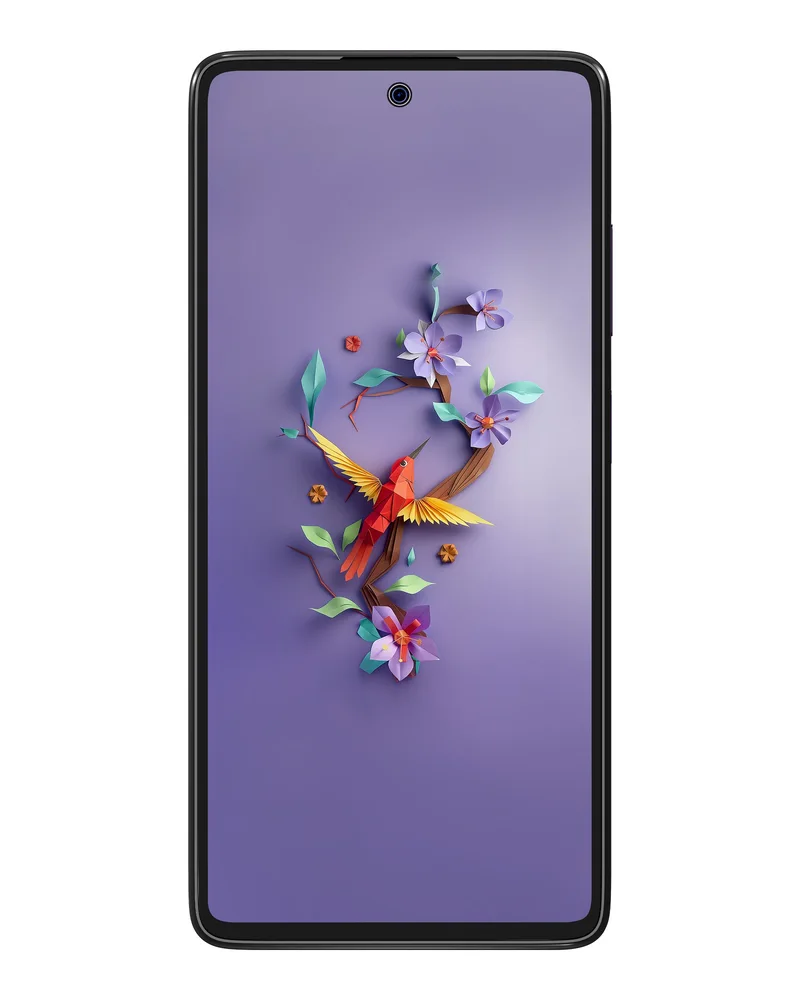
The display is the headline. HMD specifies a rigid OLED panel at 2400x1080 pixels in a 20:9 shape, with a punch-hole for the selfie camera. OLED at this price level matters because it gives deep blacks and good contrast in dim rooms, and it usually means thinner bezels than a comparable LCD. The product page does not publish a refresh rate, a peak-brightness figure or a protective-glass brand, so none of those are stated here. A buyer who cares about scrolling smoothness should treat the refresh rate as unconfirmed until it is checked in person. The panel is also described as a "rigid" OLED, which means it is not a flexible panel, a detail that mainly affects how thin the bezel can be.
Performance and software
The Unisoc T760 is a 5G-capable mid-range system-on-chip. HMD pairs it with 8GB of physical RAM and offers a memory-extension feature that can add a further 6 to 8GB of virtual RAM by using part of the storage. It is worth being clear about what that feature does: virtual RAM lives on flash storage, which is far slower than real memory, so it helps apps stay open in the background rather than making anything run faster. The plain 8GB figure is the one that matters for day-to-day speed.
Storage is 256GB with a microSD slot that accepts cards up to 256GB, so the total can reach 512GB. The phone ships with Android 14. HMD's page does not give an update schedule for this model in the specification sheet, so no update promise is repeated here. HMD generally keeps its Android close to stock, which tends to mean few pre-installed extras, but that is a general observation about the brand and not a statement from the Crest Max page.
No benchmark numbers are published by HMD, and this review does not invent any. In practical terms, a Unisoc mid-range chip of this class is suited to messaging, video, social apps, navigation and casual games. Heavy 3D games at high settings are where you should expect to lower the quality, and the wide gap between this chip and the processors in flagship phones is the reason a phone like this costs far less.
Cameras
On the back there is a 64MP main camera, a 5MP ultrawide and a 2MP macro lens, with an LED flash. The 64MP sensor is the one that matters; the 2MP macro camera is a spec-sheet filler on most phones in this class and rarely produces results worth the trouble. The 5MP ultrawide gives a wider field of view for group shots and buildings, although its resolution is low enough that fine detail will be soft.
The front camera is the surprise. At 50MP it is far beyond the usual 8MP or 16MP selfie sensors at this price. HMD promotes skin-tone optimisation, selfie gestures and slow-motion selfies, all of which are software features listed on the page. A high pixel count does not by itself guarantee better selfies; the sensor size, lens quality and processing decide that. Still, the target buyer is clear: someone who takes many self-portraits and video calls and wants the front camera to be treated as a primary camera rather than an afterthought. HMD has also publicised the dual rear arrangement with an ultrawide lens as a way to fit more into a frame without stepping back.
Battery and charging
The battery is rated at 5000 mAh, and HMD quotes up to 44 hours of battery life, a claim that depends on the test conditions HMD used and should not be read as a promise for mixed daily use. Charging runs at up to 33W wired over USB Type-C. HMD also says the battery was tested to keep at least 80 percent of its original capacity after 800 full charge cycles. That is a manufacturer claim, but it is a useful one because it speaks to how the phone will behave after two or three years, which is a long-term concern for owners who keep a phone as long as possible. Wireless charging is not listed.
The 33W figure sits in the middle of the market: noticeably faster than the 10W to 18W of cheaper phones, but well below the 65W to 120W that some competitors advertise. For an overnight charger it makes no difference; for a quick top-up it is adequate.
Connectivity and extras
The phone supports 5G, Bluetooth 5.0 and Wi-Fi 802.11 a/b/g/n/ac, with GPS, AGPS and Galileo for location. The Wi-Fi standard is not the newest, so buyers with very fast home networks will not get the latest wireless speeds. A 3.5mm headphone jack is present, which is increasingly rare and a real plus for wired headphone users. Audio is handled by a single speaker with OZO Audio processing and two microphones, so stereo sound from the phone itself should not be expected. The USB port is a Type-C connector.
Who the Crest Max is for
This is a sensible choice for a shopper who values a good screen, a strong selfie camera, a headphone jack and long battery health over raw processing power. It suits social-media users, video-call heavy workers and people who watch a lot of video on the phone. It also suits those who want a colourful device that does not look like every other black slab.
For a comparison with a similarly positioned rival, see the Crest Max against the Motorola Moto G35, or look at the Tecno Spark 40 if you are weighing features against price. You can also check where the model stands in the phone rankings.
Compromises to know about
- The Unisoc T760 is an entry-to-mid-range chip; demanding games will need lower settings.
- No refresh rate, brightness or glass-protection figures are published for the display.
- The 2MP macro camera adds little practical value, and the 5MP ultrawide is low resolution.
- Only one speaker is listed, so audio is mono.
- Virtual RAM uses storage and does not equal real memory.
- No wireless charging, and no dust or water-resistance rating is stated on the page.
- HMD lists no launch date or price on the page, so check local availability before buying.
In short, the Crest Max is a display-and-selfie phone with a solid battery and a few honest limits. If those priorities match yours, it is a distinctive pick; if you want the fastest chip or the best rear camera for the money, other phones in this class will serve you better.
Where it ranks
Compare HMD Crest Max with similar devices
More from HMD
Frequently asked questions
When was the HMD Crest Max released?
The HMD Crest Max was released on 2024-10-01, according to the manufacturer’s published information.
What are the main specs of the HMD Crest Max?
Headline figures for the HMD Crest Max: Battery: 5,000 mAh, Main camera: 64 MP, RAM: 8 GB. The full specification table is further up this page.
Is the HMD Crest Max worth buying?
That depends on your priorities. Use the editorial review on this page for our view, check the rankings above to see where the device stands on battery, display and camera, and compare it directly with similar models before you decide.


