Phones
Xiaomi MIX Flip
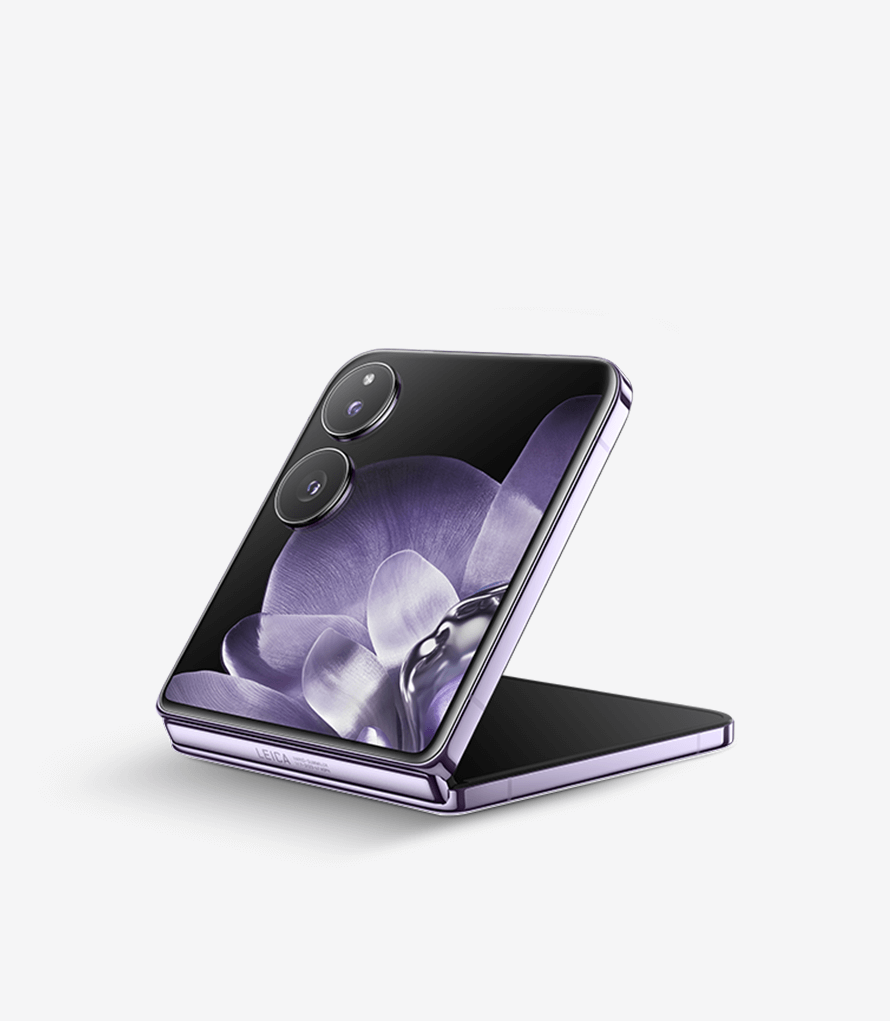
The Xiaomi MIX Flip is a clamshell foldable with a 6.86-inch inner and a 4.01-inch outer display, Snapdragon 8 Gen 3, Leica cameras with a floating telephoto and a 4,780 mAh battery.
Key figures at a glance
Gallery
Specifications
- Display
- Inner: 6.86" foldable LTPO, 2912x1224, 1-120Hz, 3000 nits peak, HDR10+, Dolby Vision; Outer: 4.01", 1392x1208, up to 120Hz, 3000 nits peak, Xiaomi Shield Glass
- Chipset
- Qualcomm Snapdragon 8 Gen 3 (4nm)
- RAM
- 12GB
- Storage
- 512GB UFS 4.0
- Rear Camera
- 50MP main (Leica, f/1.7, OIS) + 50MP floating telephoto (47mm, f/2.0, 9cm macro)
- Front Camera
- 32MP under-display
- Battery
- 4,780 mAh (typ), 67W wired
- OS
- Xiaomi HyperOS
- Build
- 167.5 x 74.02 x 7.6 mm unfolded, 85.54 mm tall and 15.99 mm thick folded, 192 g; aluminium frame
- Connectivity
- 5G, Wi-Fi 7, Bluetooth 5.4, NFC, USB Type-C, dual nano SIM
- Colors
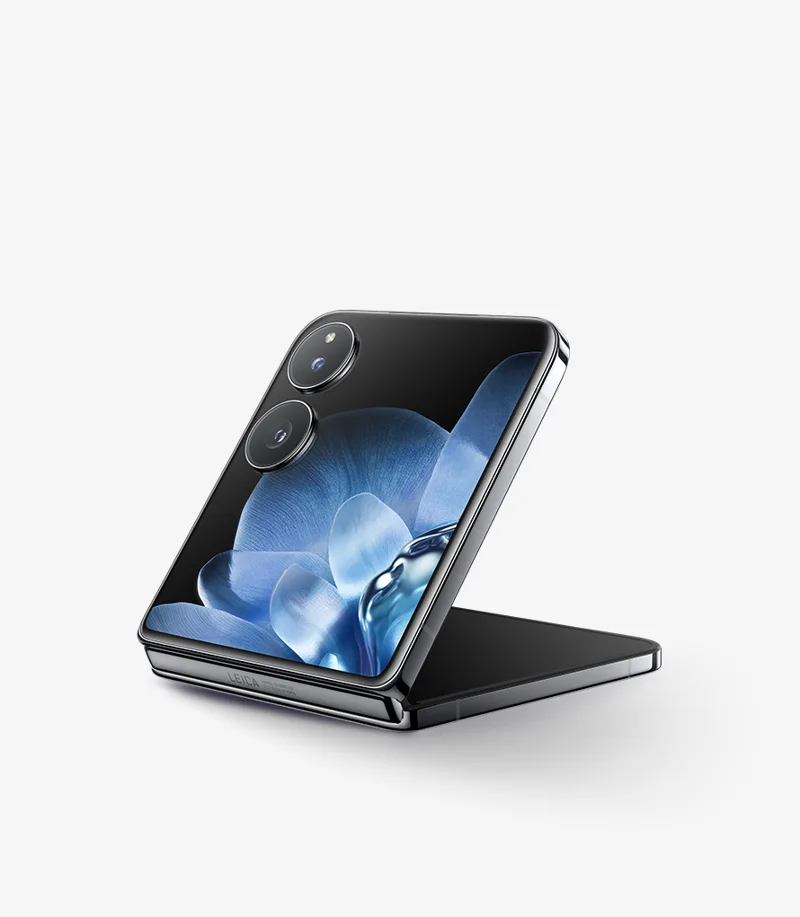
- Black, Purple
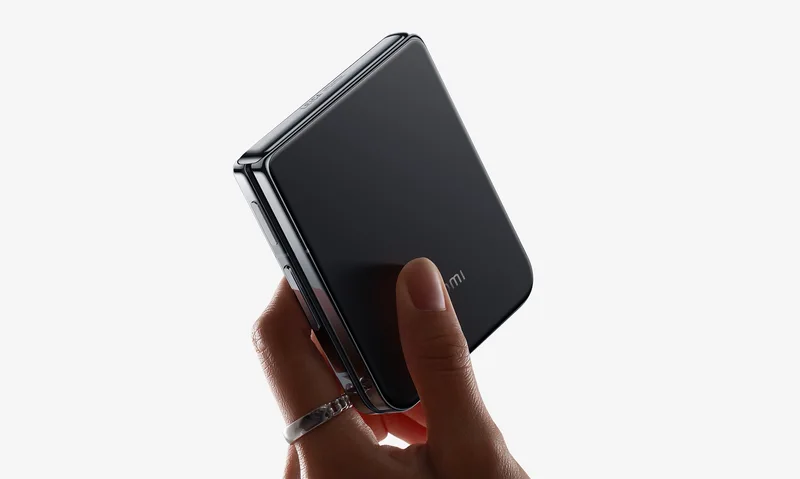
The Xiaomi MIX Flip is a clamshell foldable, a phone that folds into a small square and opens to a tall 6.86-inch screen. Instead of copying the usual flip formula, Xiaomi paired it with Leica-branded cameras, one of which is a floating telephoto lens, and a large 4.01-inch outer display. This page walks through the published specifications, the design choices and the trade-offs, based on manufacturer information rather than hands-on testing.
Where it fits
Flip-style foldables compete mainly on how much of the phone you can use without opening it, on hinge durability and on how close the cameras come to a regular flagship. The MIX Flip leans heavily on the first and third points. For a direct rival from a larger brand, the Galaxy Z Flip7 is the obvious reference, and the Xiaomi MIX Flip vs Galaxy Z Flip7 page puts the figures side by side. Another clamshell option is the Motorola Razr Ultra 2025. Xiaomi also sells flat flagships such as the Xiaomi 15, which gives a sense of what the company offers if you do not need a folding body.
Design and hinge
Unfolded, the phone is 167.5 mm tall, 74.02 mm wide and 7.6 mm thick at the base (7.8 mm at the flip half). Folded, it is 85.54 mm tall and 15.99 mm thick, and Xiaomi quotes a weight of 192 g measured without the inner screen protector. The frame is aluminium, the hinge is a compact dual-link design, and the finish is matte with Leica lettering. Two colours are listed: black and purple. Xiaomi says the hinge passed SGS human-factors folding tests rated for 500,000 folds. That figure comes from the company's testing and SGS marks cited by Xiaomi; it describes lab folding cycles, not a guarantee of real-world lifespan. The specification pages in the source material do not list an ingress-protection rating, so buyers who care about dust and water resistance should check that point before purchase.
Displays
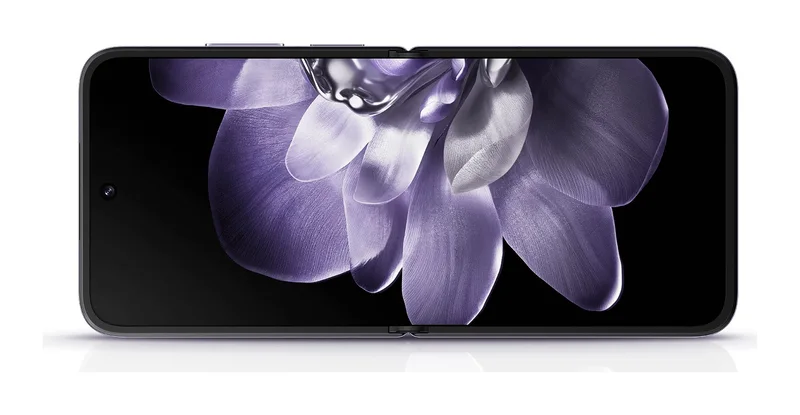
The 6.86-inch inner screen uses a flexible panel under ultra-thin glass at 2912 x 1224 pixels (about 460 ppi) with a 1-120 Hz adaptive refresh rate, up to 240 Hz touch sampling and a stated peak brightness of 3000 nits. Xiaomi lists HDR10+, Dolby Vision, 2160 Hz PWM dimming and several TUV Rheinland certifications for low blue light, flicker and circadian friendliness. The outer screen measures 4.01 inches at 1392 x 1208 pixels, also about 460 ppi, with refresh up to 120 Hz and the same peak brightness claim. It is protected by what Xiaomi calls Shield Glass, which the company says is ten times more resistant than the glass of the Xiaomi 13 Ultra in its own tests.
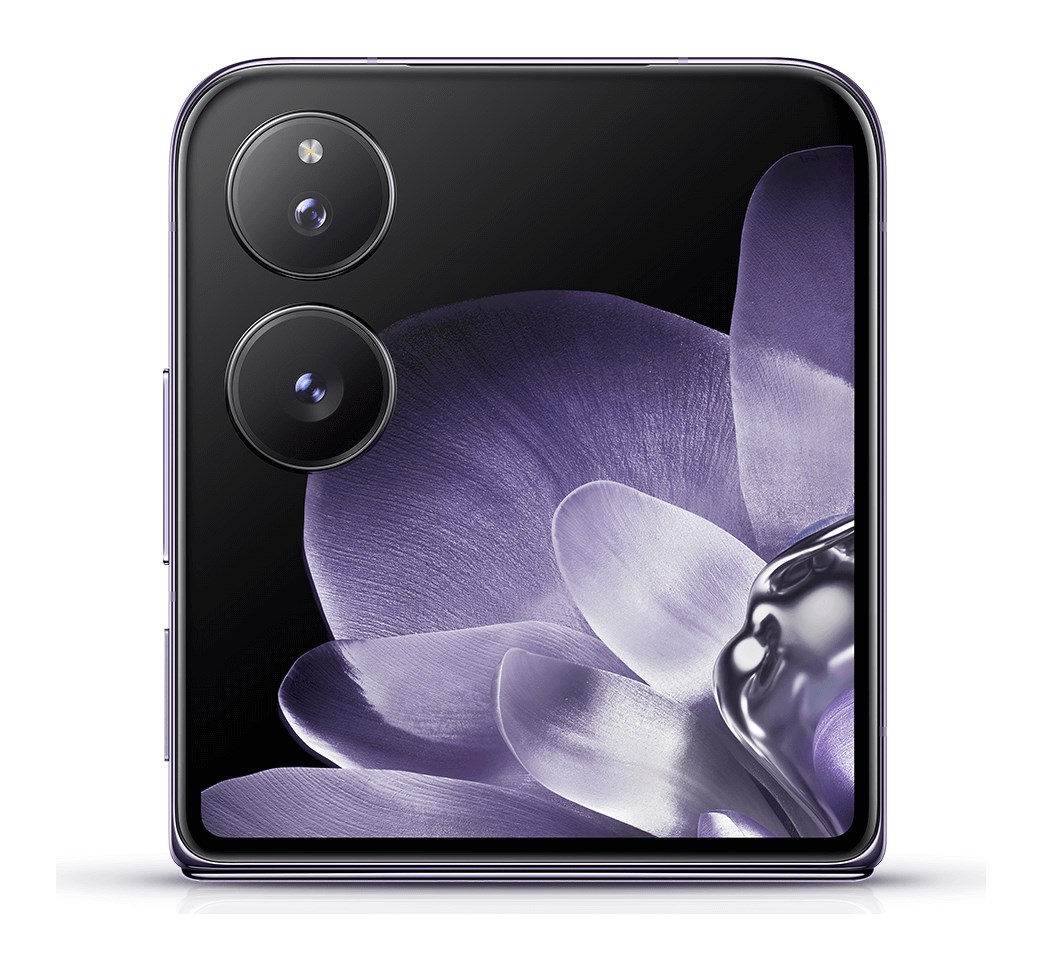
The large cover screen is the headline feature. Xiaomi says it supports more than 100 popular apps, shows dynamic widgets and themes such as portraits, doodles and pets, and handles calls with a micro-slit receiver and an independent microphone. In practice that means many tasks can be done without unfolding the phone, which is the main practical argument for a flip over a slab phone.
Performance and software
The processor is a Snapdragon 8 Gen 3 built on a 4 nm process. The only memory configuration listed is 12 GB of LPDDR5X RAM with 512 GB of UFS 4.0 storage, and no memory-card option is listed. Cooling is handled by a 3500 mm2 vapour chamber plus graphite and graphene layers, which Xiaomi says keeps heat spread evenly. Wi-Fi 7 capability with multi-link operation is listed, along with Bluetooth 5.4, dual-band GPS, NFC and 5G with 4x4 MIMO. Regional availability of some radio features may vary.
The software is Xiaomi HyperOS. The company highlights Google Gemini and Circle to Search, plus Xiaomi's own AI tools such as AI Interpreter, AI Notes, AI Recorder, AI Subtitles and AI Image Editing, with some features delivered by later updates and some requiring an internet connection. The specification pages do not name an Android version or state how many years of updates the phone will receive, so that remains an open question.
Cameras
The rear system has two 50 MP cameras. The main one is a Xiaomi-customised Light Fusion 800 sensor behind a Leica Vario-Summilux lens with an f/1.7 aperture, optical stabilisation and a 23 mm equivalent focal length. The second is a floating telephoto camera at 47 mm equivalent and f/2.0, whose lens group moves inside the module so that it can focus from 9 cm to infinity and take telemacro shots. There is no dedicated ultrawide camera, which is a notable gap compared with some rivals; the 23 mm main camera is the widest view available at the back. Xiaomi lists portrait modes at several focal lengths, two Leica photographic styles, 8K video at 24 fps and 4K at up to 60 fps, plus Dolby Vision HDR recording.
The front camera is a 32 MP sensor placed under the inner display. A hover mode lets the phone stand at angles between 45 and 120 degrees, so the outer screen can act as a viewfinder for the rear cameras, which is the main advantage of a flip format for photography and vlogging.
Battery and charging
The battery is rated at 4780 mAh typical, using a silicon-carbon anode, and Xiaomi claims an energy density of up to 780 Wh/L and at least 80 percent capacity after 1600 charge cycles. Wired charging is 67 W, though the source notes that the power adapter may not be included in every market. The specifications do not list wireless charging. These figures come from Xiaomi's internal laboratory tests, so real-world endurance depends on how much time is spent on each screen.
Who it is for and compromises
The MIX Flip suits buyers who want a compact foldable with a very large cover screen, strong chipset and cameras with a telephoto capability that most flip phones lack. Points to weigh:
- No ultrawide camera: wide group shots and landscapes are limited to the 23 mm main view.
- Memory options: only a single 12 GB and 512 GB configuration is listed, with no memory-card option.
- Protection: no water or dust rating appears in the specification pages used here.
- Wireless charging: not listed, and the charger may not be in the box.
- Software support: the Android version and the update period are not stated.
- Foldable trade-offs: foldable inner screens typically show a crease at the fold, and a flip body is thicker when folded than a standard slab phone.
Overall, the Xiaomi MIX Flip is a capable first attempt at a clamshell foldable that spends its budget on displays, processing and a telephoto camera. Anyone who needs a clear durability rating or a long update promise should wait for the missing details to be confirmed.
Where it ranks
Compare Xiaomi MIX Flip with similar devices
More from Xiaomi
Frequently asked questions
When was the Xiaomi MIX Flip released?
The manufacturer’s release date for the Xiaomi MIX Flip is not stated in the information we have.
What are the main specs of the Xiaomi MIX Flip?
Headline figures for the Xiaomi MIX Flip: Battery: 4,780 mAh, Refresh rate: 120 Hz, Main camera: 50 MP, RAM: 12 GB. The full specification table is further up this page.
Is the Xiaomi MIX Flip worth buying?
That depends on your priorities. Use the editorial review on this page for our view, check the rankings above to see where the device stands on battery, display and camera, and compare it directly with similar models before you decide.


