Phones
Google Pixel 11 Pro XL
Google's largest Pixel 11, the 6.8-inch Pro XL, combines the Tensor G6 with a 5,115 mAh battery, a 3,600-nit display, a 48MP 5x telephoto and up to 1TB of storage.
Key figures at a glance
Gallery
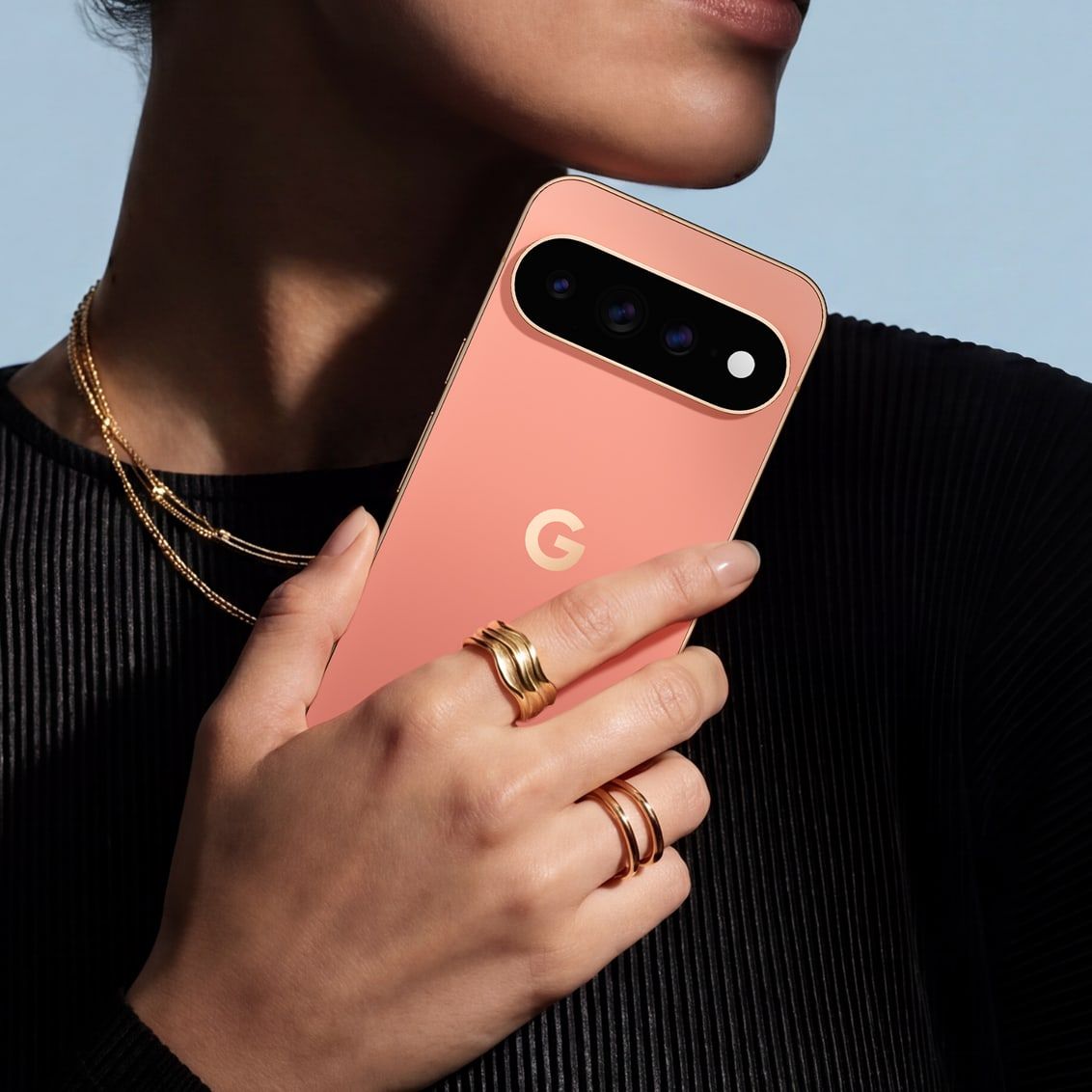
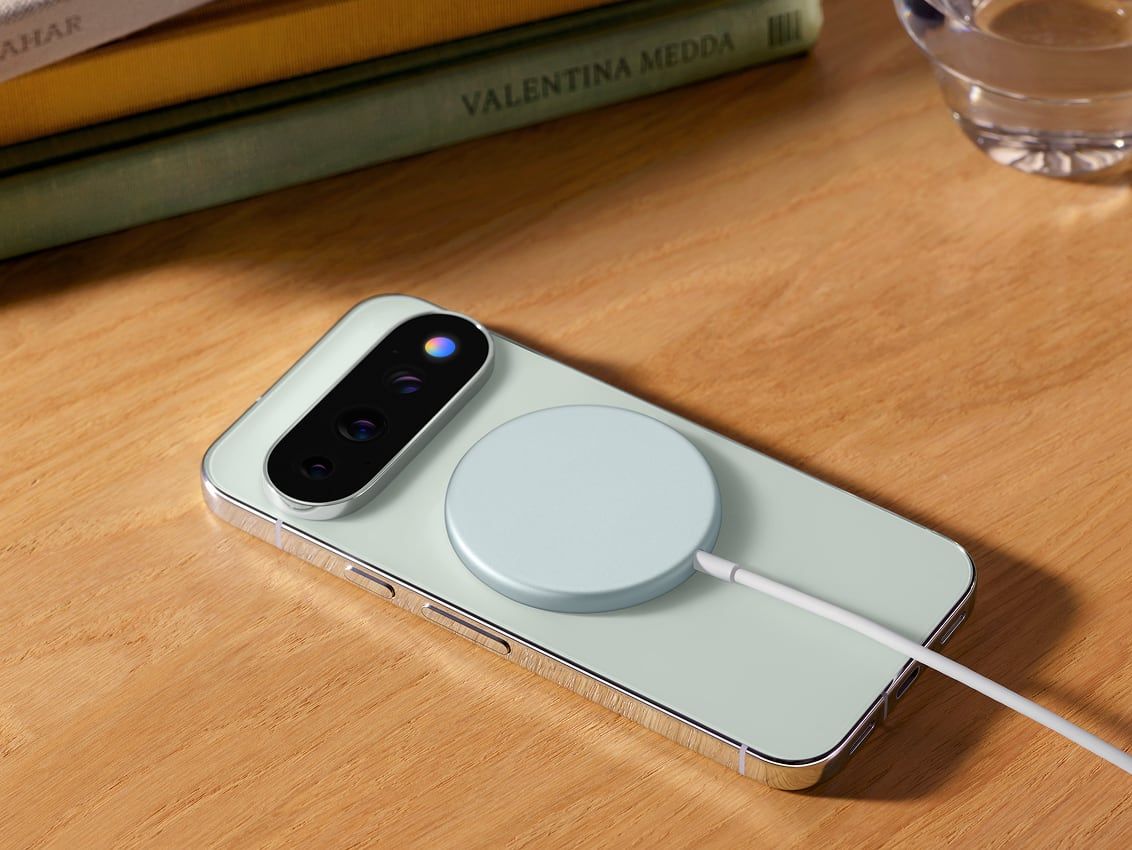
Specifications
- Display
- 6.8" Super Actua LTPO OLED, 1344x2992, 486 PPI, 1-120Hz, up to 2400 nits HDR and 3600 nits peak, Gorilla Glass Victus 2 with anti-scratch coating
- Chipset
- Google Tensor G6, Titan M3 security coprocessor
- RAM
- 16GB
- Storage
- 256GB / 512GB / 1TB
- Rear Camera
- 50MP main (f/1.68, 1/1.3") + 48MP ultrawide with macro focus + 48MP telephoto 5x with OIS, Pro Zoom up to 120x
- Front Camera
- 42MP with autofocus
- Battery
- 5,115 mAh typical (5,000 mAh minimum), about 75% in 30 minutes with a 45W PPS charger (sold separately), Pixelsnap Qi2.2 wireless up to 25W
- OS
- Android 17, 7 years of OS, security and Pixel Drop updates
- Durability
- IP68, Gorilla Glass Victus 2 front and silky matte back, aluminum frame
- Connectivity
- Wi-Fi 7, Bluetooth 6, NFC, Ultra-Wideband, Thread, dual eSIM, 5G mmWave and Sub-6, satellite SOS
- Colors
- Canyon, Olive, Fog, Obsidian (matte)
- Size
- 6.4 x 3 x 0.3 in, 8 oz
The Google Pixel 11 Pro XL is the largest non-folding phone in Google's 2026 lineup. It has a 6.8-inch Super Actua LTPO OLED display, the Google Tensor G6 chip, a 5,115 mAh battery, a triple camera with a 48MP 5x telephoto and storage of up to 1TB. It runs Android 17 and comes with a seven-year update promise. This page is a review based on the published specifications and manufacturer information. It covers how the XL differs from the smaller Pro, what the numbers mean in daily use and where the trade-offs lie. Google's product pages list the Pro and the Pro XL together, and the US price shown there is for the Pixel 11 Pro, so no separate US launch price for the XL is quoted here.
Where it sits in the lineup
The Pixel 11 family has four members: the Pixel 11, the 6.3-inch Pixel 11 Pro, this Pro XL and the Pixel 11 Pro Fold. The Pro and the Pro XL share the chip, the camera hardware, the HiLight light strip, the design language and the update commitment. What separates them is size and endurance: a 6.8-inch screen instead of 6.3 inches, a larger battery, faster wired charging and more RAM at the entry storage level. Those who want the biggest conventional Pixel will find the XL to be the logical choice, and those who prefer one-handed use should read about the smaller Pro first.
Against last year's model, see the direct comparison Pixel 11 Pro XL vs Pixel 10 Pro XL. Large-screen alternatives from other brands include the Galaxy S26 Ultra and the iPhone 17 Pro Max. The rankings page shows how these devices compare across the catalog.
Design and display
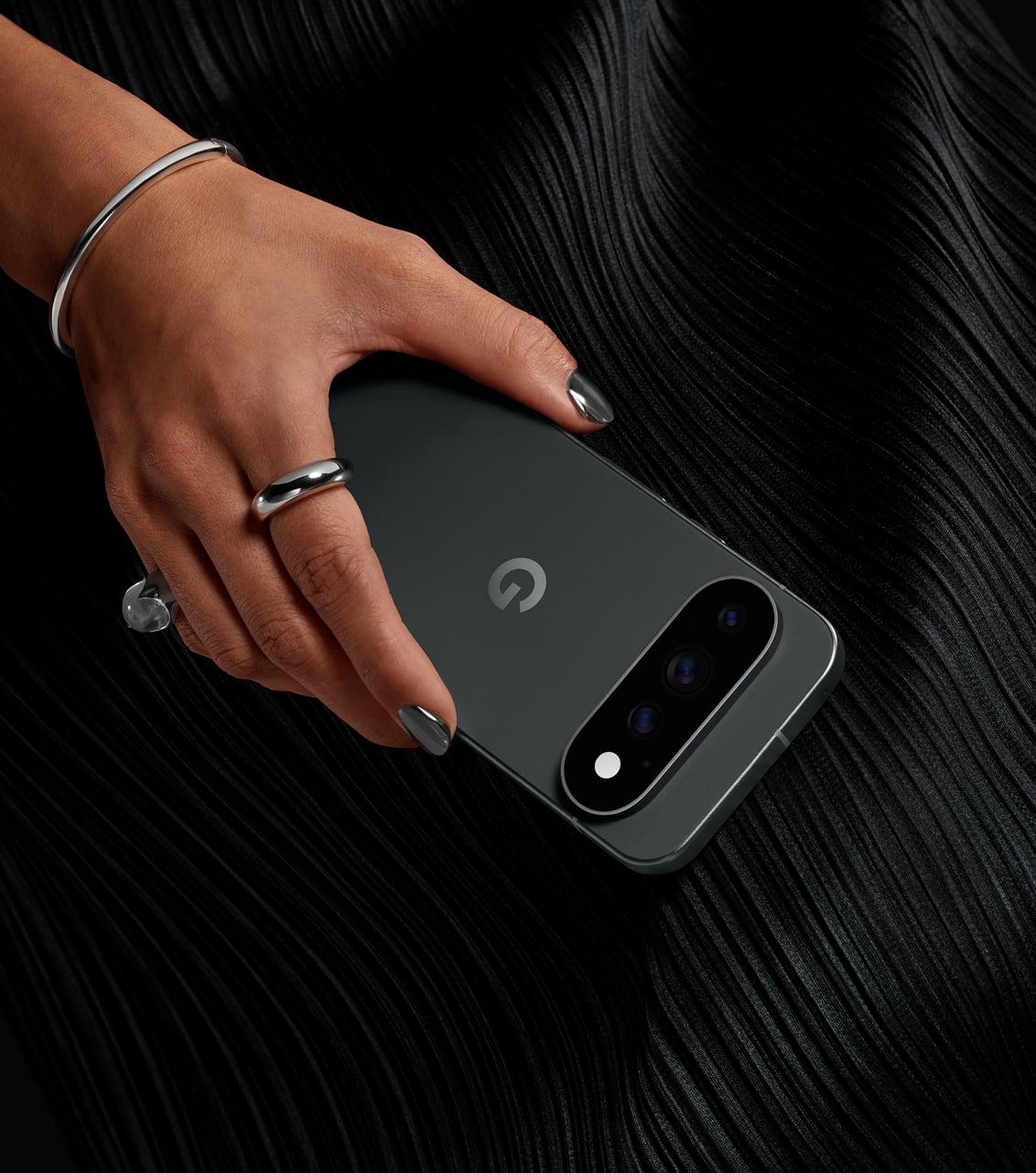
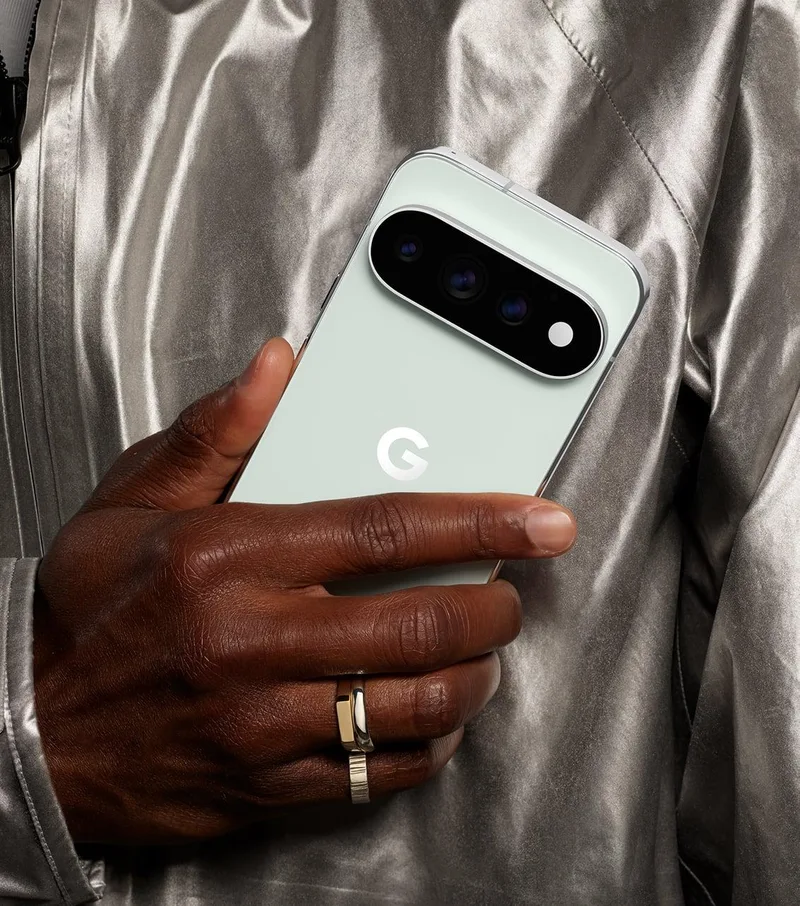
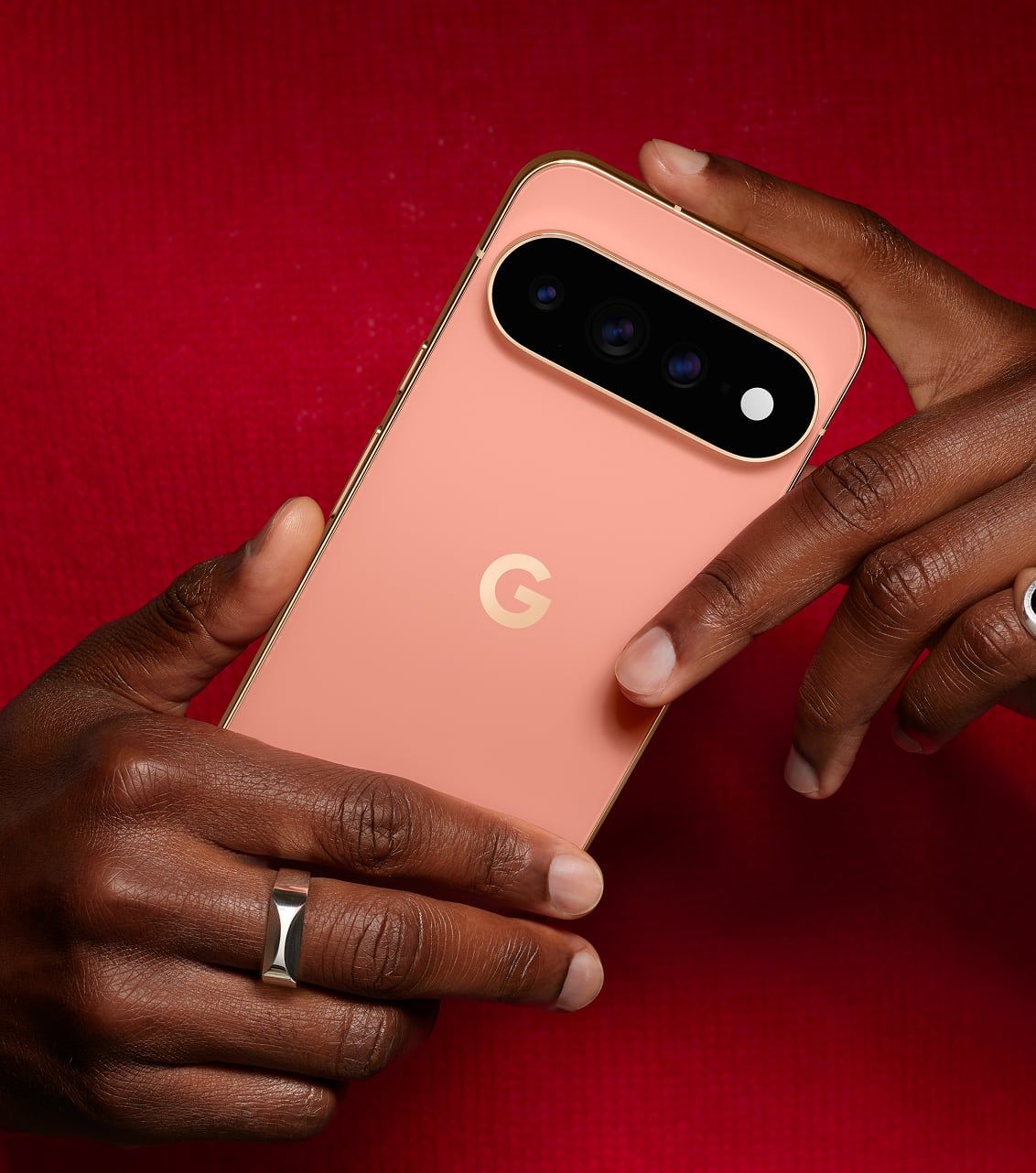
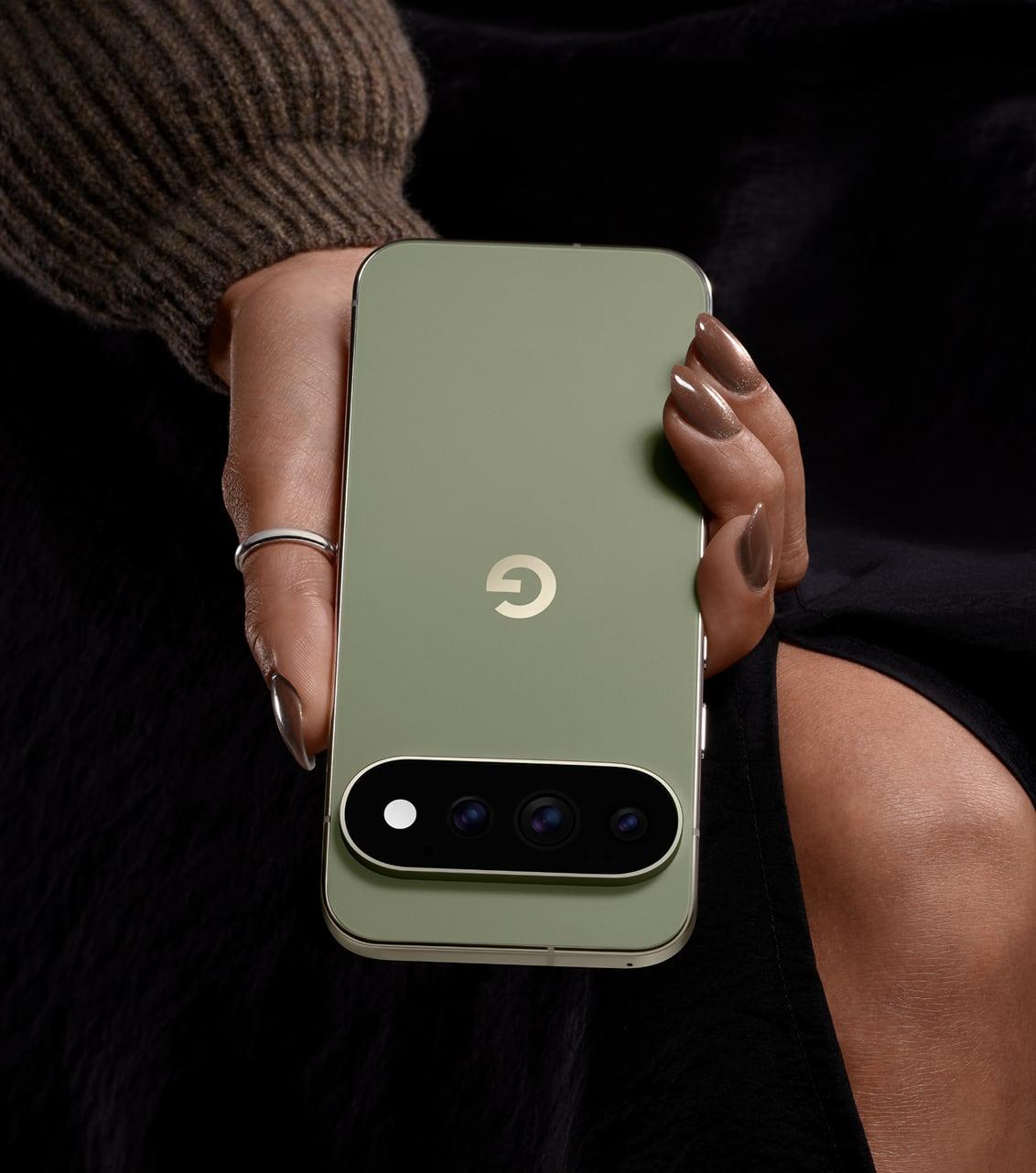
The Pro XL measures about 6.4 by 3 by 0.3 inches and weighs 8 ounces, which is noticeably larger and heavier than the 7.2 ounce Pro. The colors are Canyon, Olive, Fog and a matte Obsidian. Google uses Corning Gorilla Glass Victus 2 for the front, now with an anti-scratch coating that the company says makes the display more than twice as scratch resistant, and a silky matte glass back, surrounded by a spacecraft-grade aluminum frame. The phone is rated IP68. Google calls it the most durable Pixel Pro so far, which is a manufacturer claim rather than an independent test result.
The screen is a 6.8-inch Super Actua panel with LTPO technology and a resolution of 1344 x 2992 pixels, giving about 486 pixels per inch. The refresh rate is adaptive from 1 to 120Hz. Google states up to 2,400 nits for HDR content and up to 3,600 nits peak brightness, and describes it as 9 percent brighter than the previous generation. The adaptive range down to 1Hz helps when the screen shows static content, which is relevant for the always-on display and for battery life. A new feature of the Pro line is HiLight, a light strip around the camera bar that glows when your favorite contacts call or when you talk with Gemini while the phone lies face down. Whether you find this useful is a matter of taste, but it is exclusive to the Pro models.
Magnetic accessories work through Pixelsnap, which follows the Qi2.2 standard, and Google also sells a stand, cases and chargers designed around it.
Performance and software
Inside is the Google Tensor G6 with the Titan M3 security coprocessor. Google says the chip delivers 50 percent more TPU compute than before and an upgraded CPU with up to 20 percent better power efficiency, and adds a vapor chamber to keep the phone at peak speed. Memory is 12GB with the 256GB version and 16GB with the 512GB and 1TB versions, and the larger storage tiers use Zoned UFS, which Google says is faster. Raw benchmark numbers are not given by the manufacturer, so judgments about speed against rival chips should wait for independent tests.
The phone launched with Android 17 and Google guarantees 7 years of OS, security and Pixel Drop updates. Gemini Intelligence is central to the marketing: it is designed to carry out tasks across apps, such as ordering groceries or booking a ride, while the user can watch or cancel the task. Other features include voice typing that removes filler words, Circle to Search, Live Translate, Call Assist and Magic Capture. Privacy features include the built-in VPN, Scam Detection, Call Screen and a quantum-safe secure boot, plus satellite SOS.
Connectivity is a clear step above the standard model: Wi-Fi 7, Bluetooth 6, NFC, Ultra-Wideband, Thread, dual eSIM and 5G with mmWave. Google notes that the Pro phones are eSIM-only in its FAQ, so anyone relying on a physical SIM card should check this before buying.
Camera
The rear system is a Pro triple camera. The main sensor has 50MP, an f/1.68 aperture, an 82 degree field of view and a 1/1.3-inch sensor with Octa PD autofocus. The ultrawide camera has 48MP, f/1.7 and a 123 degree view, now with autofocus that enables Macro Focus. The telephoto camera has 48MP, f/2.8, a 23 degree view, a 1/1.95-inch sensor and optical image stabilization at 5x. Google claims 30 percent better light sensitivity for the larger telephoto sensor, and says Instant Night Sight benefits. Optical-quality zoom is listed at 0.5x, 1x, 2x, 5x and 10x, with Pro Zoom reaching 120x.
The front camera has 42MP with autofocus and a 103 degree field of view, described by Google as its widest selfie camera. Video goes up to 8K at 24 or 30 frames per second using Video Boost, with 4K at up to 60 fps, Pro Stable Video, 10-bit HDR and slow motion to 240 fps. The camera software includes Pro controls, high-resolution capture up to 50MP, Magic Capture, Add Me, Camera Coach and Ask Photos editing. Zooming to 120x relies strongly on AI processing, so very distant shots should be viewed as an aid rather than as optical quality.
Battery and charging
This is the main reason to pick the XL. The battery has a typical capacity of 5,115 mAh and a minimum of 5,000 mAh, and Google quotes more than 30 hours of use. With a 45W USB-C PPS charger, which is sold separately, wired charging reaches up to 75 percent in about 30 minutes. Wireless charging follows Qi2.2 through Pixelsnap with up to 25W and is claimed to be up to 29 percent faster than before. The box contains only a 1 meter USB-C cable. The Pro model with its 4,850 mAh battery reaches about 55 percent in 30 minutes, so the XL both lasts longer and charges faster when the right charger is used.
Who it is for
The Pro XL is for people who watch a lot of video, read on the phone, navigate while driving or edit photos, and who want the largest screen and the most endurance in the Pixel range. It also suits photographers who value the telephoto and the high-resolution main camera and who need 1TB of storage for video. Owners who plan to keep the phone for years will like the seven-year update window.
If the size is a problem, the Pixel 11 Pro offers the same camera and chip in a smaller body, and the Pixel 11 is the cheaper choice with weaker camera hardware.
Compromises
- Size and weight. At 8 ounces and about 3 inches wide it is a two-handed phone for many people.
- Charger sold separately. The quick charging claims require a 45W accessory, which is not in the box.
- eSIM-only. Google's FAQ describes the Pro line as eSIM-only, which may be an issue for some carriers and travelers.
- AI-dependent features. Gemini Intelligence and the 120x zoom depend on processing, language and region, and Google notes availability limits.
- Price positioning. It sits at the top of the non-folding Pixel range, so it is the most expensive option short of the foldable.
- Unverified performance. The manufacturer's TPU and efficiency claims are not backed by benchmark figures in the official material.
Overall, the Pixel 11 Pro XL combines a big bright screen, a large battery, strong camera hardware and long software support. Its main weaknesses are size and the need for extra accessories to reach the headline charging speeds.
Where it ranks
Compare Google Pixel 11 Pro XL with similar devices
More from Google
Frequently asked questions
When was the Google Pixel 11 Pro XL released?
The Google Pixel 11 Pro XL was released on 2026-08-20, according to the manufacturer’s published information.
What are the main specs of the Google Pixel 11 Pro XL?
Headline figures for the Google Pixel 11 Pro XL: Battery: 5,115 mAh, Refresh rate: 120 Hz, Main camera: 50 MP, RAM: 16 GB. The full specification table is further up this page.
Is the Google Pixel 11 Pro XL worth buying?
That depends on your priorities. Use the editorial review on this page for our view, check the rankings above to see where the device stands on battery, display and camera, and compare it directly with similar models before you decide.


