Phones
Google Pixel 11
Google's 6.3-inch Pixel 11 uses the Tensor G6 chip with a 48MP main camera, a 5x telephoto and seven years of updates, at a published US list price of $899.
Key figures at a glance
Gallery

Specifications
- Display
- 6.3" Actua OLED, 1080x2424, 422 PPI, Smooth Display 60-120Hz, up to 2000 nits HDR and 3000 nits peak, Gorilla Glass Victus 2
- Chipset
- Google Tensor G6, Titan M3 security coprocessor
- RAM
- 12GB
- Storage
- 256GB / 512GB
- Rear Camera
- 48MP main (f/1.7, 1/1.56") + 13MP ultrawide + 10.8MP telephoto 5x with OIS, Super Zoom up to 30x
- Front Camera
- 10.5MP with autofocus
- Battery
- 4,985 mAh typical (4,840 mAh minimum), about 55% in 30 minutes with a 30W PPS charger (sold separately), Pixelsnap Qi2.2 wireless up to 25W
- OS
- Android 17, 7 years of OS, security and Pixel Drop updates
- Durability
- IP68, Gorilla Glass Victus 2 front and back, aluminum frame
- Connectivity
- Wi-Fi 6E, Bluetooth 6, NFC, dual eSIM, 5G mmWave and Sub-6, satellite SOS
- Colors
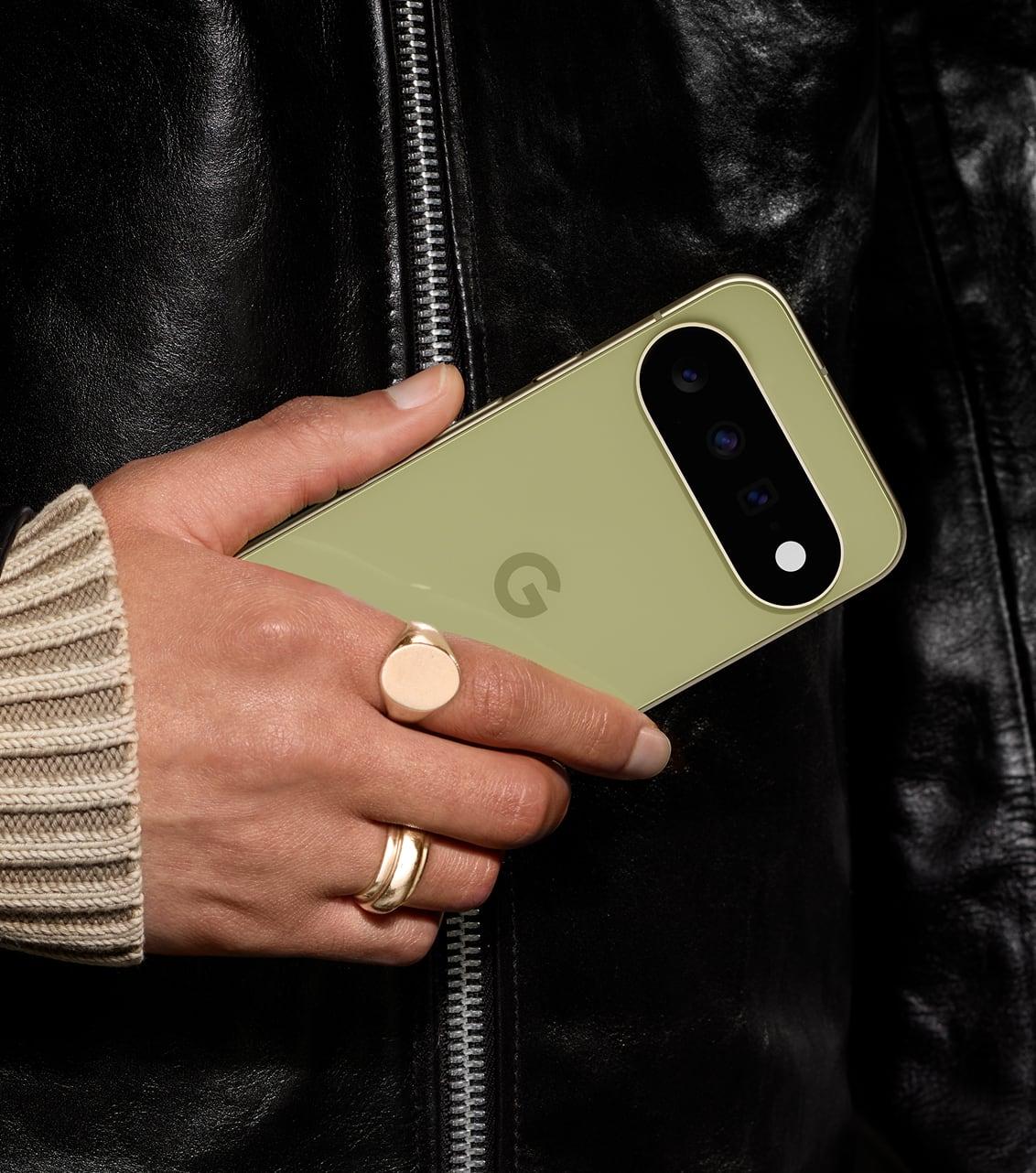
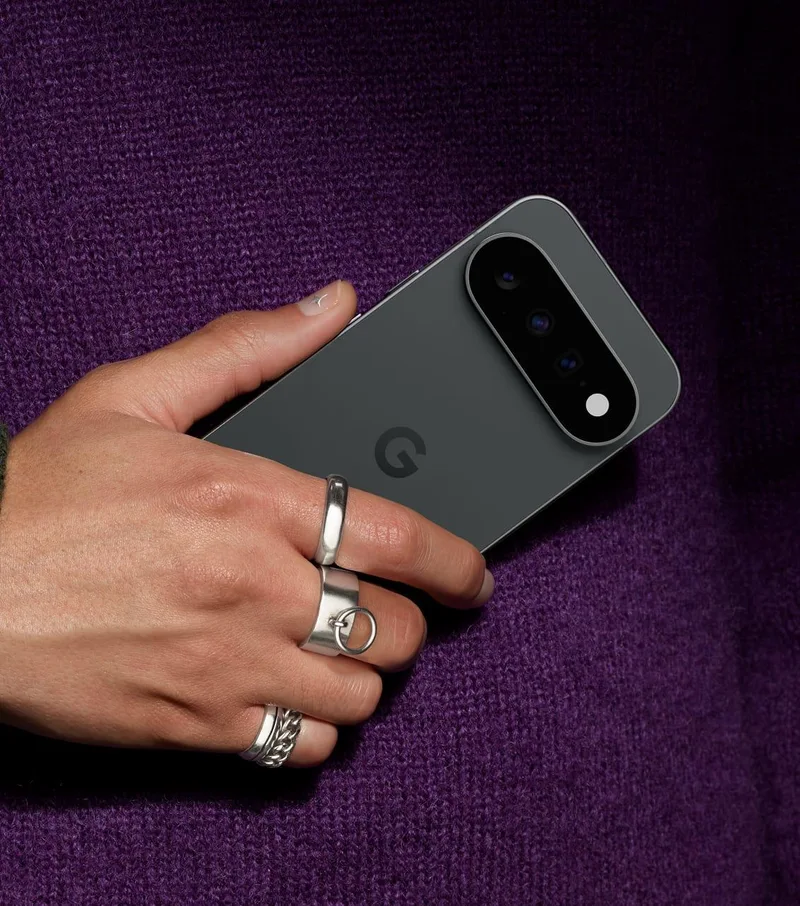
- Frost, Pistachio, Hibiscus, Obsidian
- Size
- 6 x 2.8 x 0.3 in, 6.9 oz
The Google Pixel 11 is the entry point of Google's 2026 Pixel line: a 6.3-inch phone built around the new Google Tensor G6 chip, a triple rear camera with a real 5x telephoto, and a promise of seven years of operating system, security and Pixel Drop updates. It launched with Android 17 and a published US list price of $899. This page is a review based on the published specifications and manufacturer information. It explains where the phone sits in the range, what changes compared with the Pro models, and which kind of buyer will be happy with it.
Where it sits in the lineup
Google sells the standard Pixel 11 next to the Pixel 11 Pro, the larger Pixel 11 Pro XL and the foldable Pixel 11 Pro Fold. The plain Pixel 11 is the cheapest of the four and the one that most people will actually compare with a competitor's mid-priced flagship. The differences to the Pro are deliberate and easy to list: a standard Actua display instead of the brighter Super Actua panel, 12GB of RAM instead of up to 16GB, a smaller selfie camera, a less capable camera system on the back, and no HiLight light strip. If you want to see the next step up, read the page for the Pixel 11 Pro, and for the largest model the Pixel 11 Pro XL.
Anyone upgrading from last year's model should look at the direct comparison Pixel 11 vs Pixel 10. Shoppers outside the Pixel world will probably set it against the Galaxy S26 or the iPhone 17, both of which are similar in size and ambition. A broader overview of how devices score against each other is available on the rankings page.
Design and display
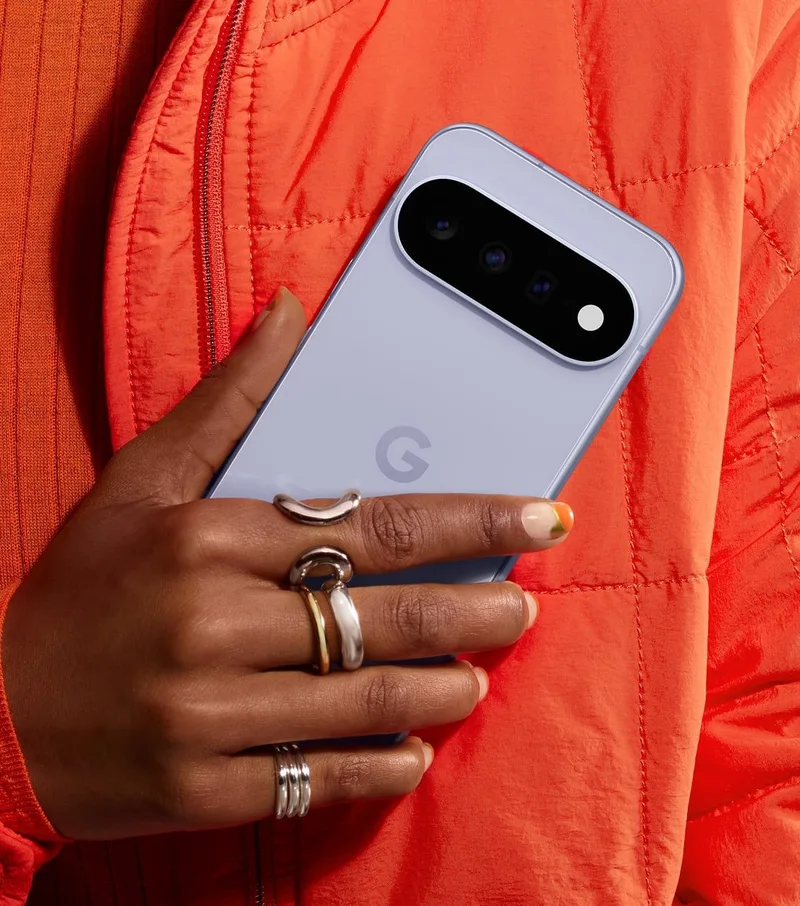
Google lists the body at about 6 inches tall, 2.8 inches wide and 0.3 inches thick, with a weight of 6.9 ounces. The phone is available in four colors: Frost, Pistachio, Hibiscus and Obsidian. The front and back are Corning Gorilla Glass Victus 2, the back is polished with a satin finish, and the frame is spacecraft-grade aluminum. Google states that the aluminum in the housing is fully recycled and that the phone is made with at least 33 percent recycled material by weight. It carries an IP68 rating for dust and water resistance, which is the standard for this class.
The screen is a 6.3-inch Actua OLED with a resolution of 1080 x 2424 pixels, about 422 pixels per inch, and a 20:9 aspect ratio. The refresh rate is variable between 60 and 120Hz, which Google markets as Smooth Display. Peak brightness is stated as up to 3,000 nits, with up to 2,000 nits in HDR content, and the contrast ratio is given as more than 2,000,000:1. These are manufacturer figures, and real outdoor visibility will depend on the panel's behavior in practice. Compared with the Pro, the screen is a step down: the Pro uses a Super Actua LTPO panel with a higher resolution, a 1 to 120Hz range and a 3,600-nit peak, plus an anti-scratch coating on the glass. For most daily use, the Pixel 11 panel is still very bright and sharp, but the lower end of the refresh range matters for battery behavior on static content.
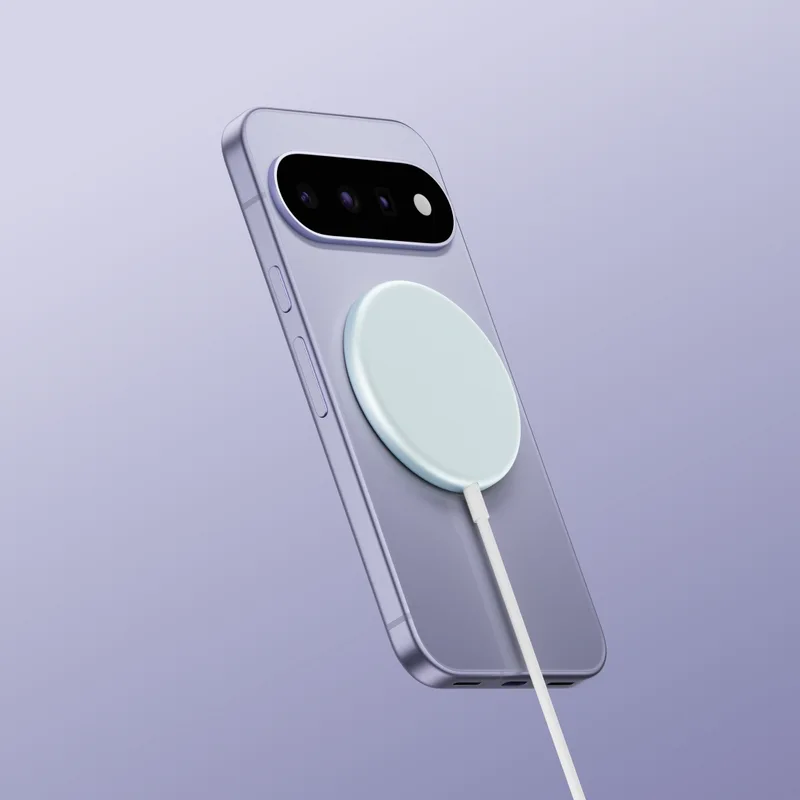
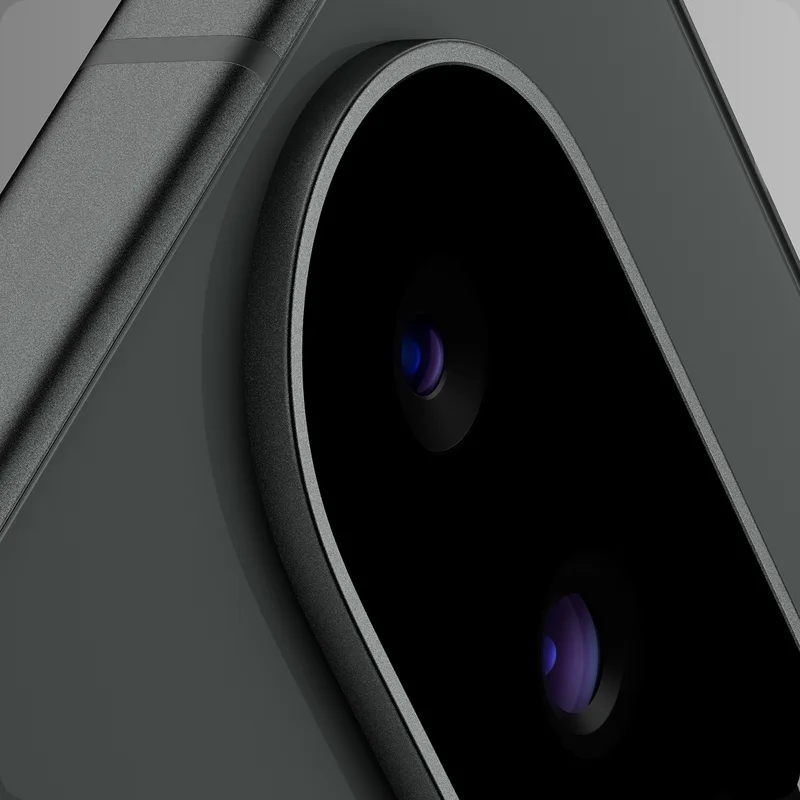
Magnetic accessories are supported through Pixelsnap, which is Google's Qi2.2-based magnet system. The camera bar across the back remains the signature look of the Pixel line and houses three lenses, a flash and sensors.
Performance and software
The Pixel 11 uses the Google Tensor G6, together with the Titan M3 security coprocessor. Google presents the chip mainly as an AI engine: it states that the Pro models get 50 percent more TPU compute and an upgraded CPU with up to 20 percent better power efficiency compared with the previous generation, and the same chip family powers this model. The Pixel 11 has 12GB of RAM in both storage versions, 256GB and 512GB. The larger version uses Zoned UFS, which Google says gives faster performance. There is no 1TB option on this model.
The software story is a large part of the purchase. The phone ships with Android 17 and includes Gemini Intelligence, Gemini Nano, Gemini Live, Circle to Search, Live Translate and Call Assist, together with the Pixel-specific camera and editing tools. Google promises 7 years of OS, security and Pixel Drop updates, counted from when the device first became available in the Google Store in the US. That is among the longest commitments in the industry and a strong argument for anyone who keeps a phone for many years. The security side includes a built-in VPN by Google, Scam Detection and Call Screen, a hardware-backed secure boot described as quantum-safe, and satellite SOS for emergencies without signal.
Connectivity includes Wi-Fi 6E, Bluetooth 6, NFC, Google Cast and dual-band GNSS. It is worth noting that this model has Wi-Fi 6E where the Pro models have Wi-Fi 7, and that Ultra-Wideband and Thread are listed only for the Pro line. The phone supports dual eSIM, with two active eSIMs and storage for eight or more profiles.
Camera
The rear camera system is described by Google as an advanced triple camera. The main sensor has 48MP, an f/1.7 aperture, an 85 degree field of view and a 1/1.56-inch sensor with Quad PD autofocus and Macro Focus. The ultrawide camera has 13MP, f/2.2 and a 120 degree view. The telephoto camera has 10.8MP, f/3.1, a 23 degree view and optical image stabilization, and it delivers 5x optical zoom. Google states optical-quality results at 0.6x, 1x, 2x, 5x and 10x, and Super Zoom up to 30x. A multi-zone laser autofocus sensor and a spectral and flicker sensor help with focus and color accuracy.
The front camera has 10.5MP with autofocus and a 95 degree ultrawide field of view. Video is recorded in 4K at up to 60 frames per second, with 10-bit HDR, slow motion up to 240 fps and several stabilization modes. The Pro phones add 8K video through Video Boost and a much larger 42MP selfie camera, so videographers and selfie-heavy users should consider that gap. Software features include Magic Capture, Camera Coach, Add Me, Night Sight, Astrophotography, Best Take, Magic Eraser and editing with Ask Photos. As always with Pixel phones, a good part of the image quality comes from processing rather than from sensor size, so spec sheets understate the outcome in some situations and overstate it in others.
Battery and charging
The battery has a typical capacity of 4,985 mAh and a minimum capacity of 4,840 mAh, and Google claims more than 30 hours of battery life. Wired charging reaches up to 55 percent in about 30 minutes with a 30W USB-C PPS charger or better, which is not included in the box; only a 1 meter USB-C to USB-C cable is supplied. Wireless charging follows the Qi2.2 standard through Pixelsnap with up to 25W. Google also says the wireless charging is up to 25 percent faster than on the previous generation. The Pro XL charges faster by wire, reaching about 75 percent in 30 minutes with a 45W charger, so the Pixel 11 is the more moderate option here. The capacity is high for a 6.3-inch phone, which suggests comfortable all-day endurance, but independent battery tests will give the final answer.
Who it is for
The Pixel 11 suits people who want the Google software experience, long update support and a very capable camera without paying Pro prices. It is a good choice for anyone who values a compact-to-medium size, clean Android, and a strong telephoto for portraits and travel photos. It also makes sense for families and business users who want a phone that will receive updates for seven years. People who mostly use social apps, messaging, maps and photography will not feel the difference to a Pro model in everyday life.
If you want a very large screen, look at the Pro XL; if you want a foldable, see the Pixel 11 Pro Fold. For a stylus and an even bigger zoom, the Galaxy S26 Ultra is the obvious alternative.
Compromises
- Charger not included. You get only a cable, and the fastest charging needs an accessory that is sold separately.
- Lower-spec camera hardware. The ultrawide and telephoto sensors are smaller than those on the Pro models, and the telephoto has a narrower aperture, which matters in dim scenes.
- No 8K video, no HiLight. Both are reserved for the Pro line, as are the larger selfie camera and the anti-scratch coating.
- Wi-Fi 6E and no Ultra-Wideband listed. It is not a problem for most users but is a step back from the Pro specification.
- Storage tops out at 512GB. Heavy video shooters will have to rely on cloud storage or choose a Pro model.
- Gemini features depend on region and language. Google notes that many AI features are available only in select countries and for users aged 18 and over.
In summary, the Pixel 11 is a balanced and well-supported flagship-class phone with a price of $899 in the US, a strong update promise and a camera that covers most needs. Anyone who wants the brightest screen, the longest zoom or the largest battery will need to move up to the Pro line.
Where it ranks
Compare Google Pixel 11 with similar devices
More from Google
Frequently asked questions
When was the Google Pixel 11 released?
The Google Pixel 11 was released on 2026-08-20, according to the manufacturer’s published information.
How much does the Google Pixel 11 cost?
The estimated range for the Google Pixel 11 is $809 to $989 in US dollars, based on the launch list price. Actual prices vary by country, retailer and storage option.
What are the main specs of the Google Pixel 11?
Headline figures for the Google Pixel 11: Battery: 4,985 mAh, Refresh rate: 120 Hz, Main camera: 48 MP, RAM: 12 GB. The full specification table is further up this page.
Is the Google Pixel 11 worth buying?
That depends on your priorities. Use the editorial review on this page for our view, check the rankings above to see where the device stands on battery, display and camera, and compare it directly with similar models before you decide.


