Phones
Google Pixel 11 Pro
Google's 6.3-inch Pixel 11 Pro pairs the new Tensor G6 chip with a 48MP 5x telephoto, a 3,600-nit display and seven years of updates, at a published US list price of $1,099.

Key figures at a glance
Gallery

Specifications
- Display
- 6.3" Super Actua LTPO OLED, 1280x2856, 1-120Hz, up to 3600 nits peak
- Chipset
- Google Tensor G6, Titan M3 security coprocessor
- RAM
- 16GB
- Storage
- 256GB / 512GB / 1TB
- Rear Camera
- 50MP main + 48MP ultrawide + 48MP telephoto 5x
- Front Camera
- 42MP
- Battery
- 4,850 mAh typical (4,707 mAh minimum), 30W wired for about 55% in 30 minutes (charger sold separately), 25W Qi2.2 Pixelsnap wireless
- OS
- Android 17, 7 years of OS, security and Pixel Drop updates
- Durability
- IP68, Gorilla Glass Victus 2 front and back, aluminum frame
- Connectivity
- Wi-Fi 7, Bluetooth 6, NFC, Ultra-Wideband, dual eSIM, 5G, satellite SOS
- Colors
- Canyon, Olive, Fog, Obsidian (matte)
- Size
- 6.0 x 2.8 x 0.3 in, 7.2 oz
The Google Pixel 11 Pro is the compact member of the Pro pair in Google's 2026 Pixel line. It has a 6.3-inch LTPO OLED screen, the new Google Tensor G6 processor, a triple rear camera that now includes a 48MP 5x telephoto with a larger sensor, and a promise of seven years of operating system, security and Pixel Drop updates. It went on sale on 20 August 2026 with a US list price of 1,099 dollars for the 256 GB model. This page is based on the published specifications and manufacturer information. It explains where the phone sits in the range, what changed from the previous generation, how the camera and battery numbers should be read, and which compromises come with the package.
Place in the lineup
Google sells three phones in this generation next to the foldable: the standard Pixel 11, the Pixel 11 Pro and the larger Pixel 11 Pro XL. In the US the three start at 899, 1,099 and 1,299 dollars. The Pro and the Pro XL share almost everything that matters: the same chip, the same camera hardware, the same HiLight light strip and the same update promise. What separates them is size and battery. The Pro uses a 6.3-inch panel and a typical 4,850 mAh cell, while the XL moves to 6.8 inches and a typical 5,115 mAh cell with faster wired charging. Anyone who wants the biggest screen should look at the XL, and anyone who wants the folding design should read about the Pixel 11 Pro Fold. The Pro is the answer for people who want flagship hardware without a phone that is hard to use with one hand. At 7.2 ounces and about 6.0 by 2.8 inches it is noticeably easier to carry than the XL, which Google lists at 8 ounces.
Design, display and build
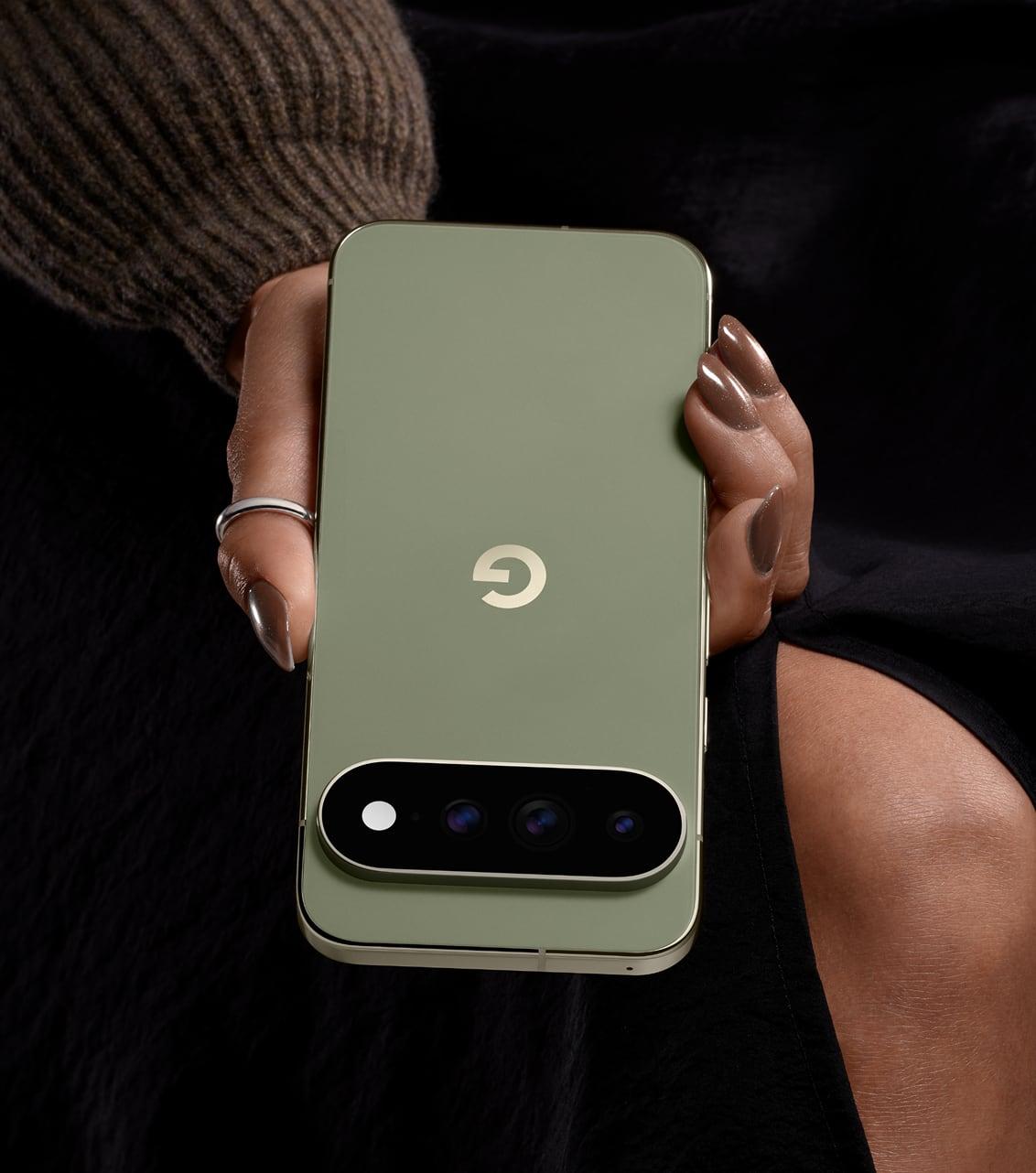
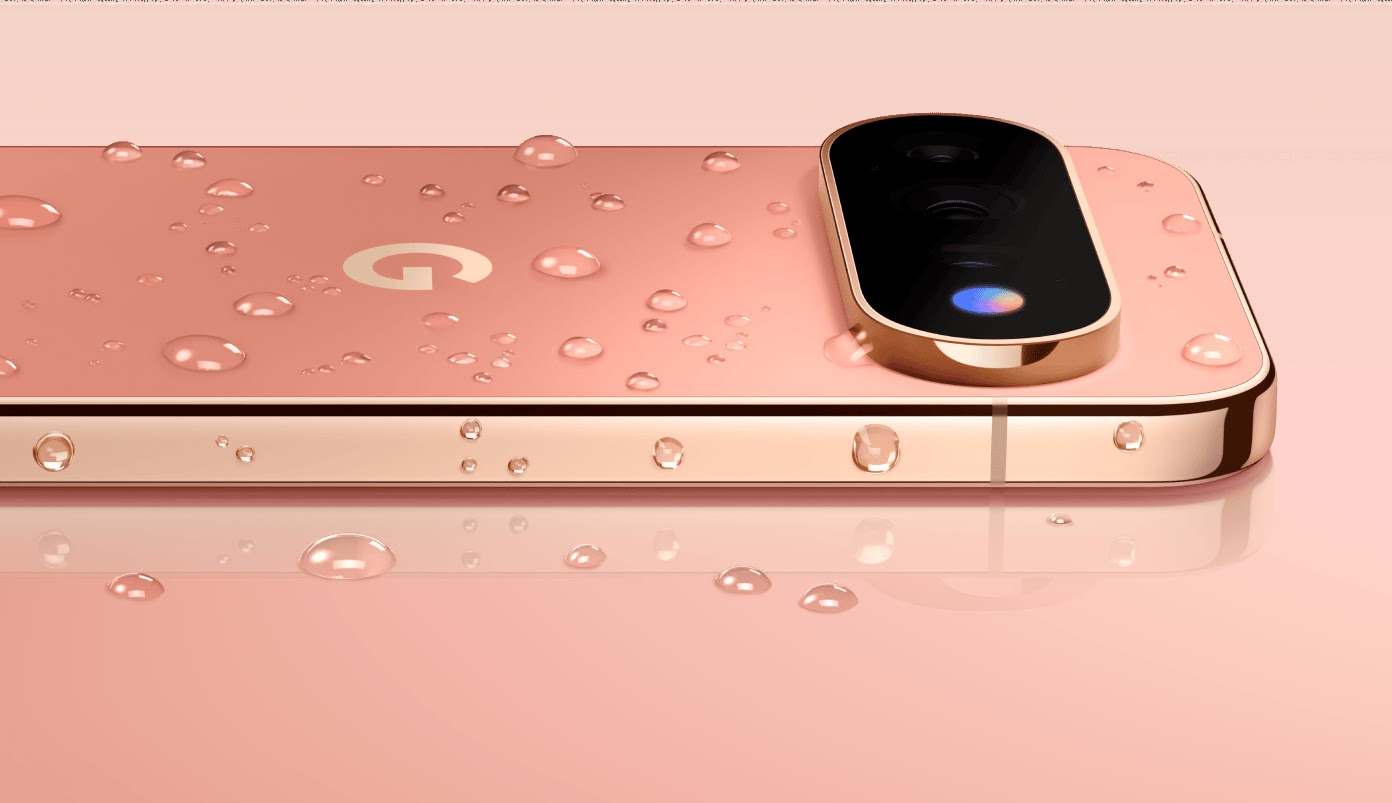
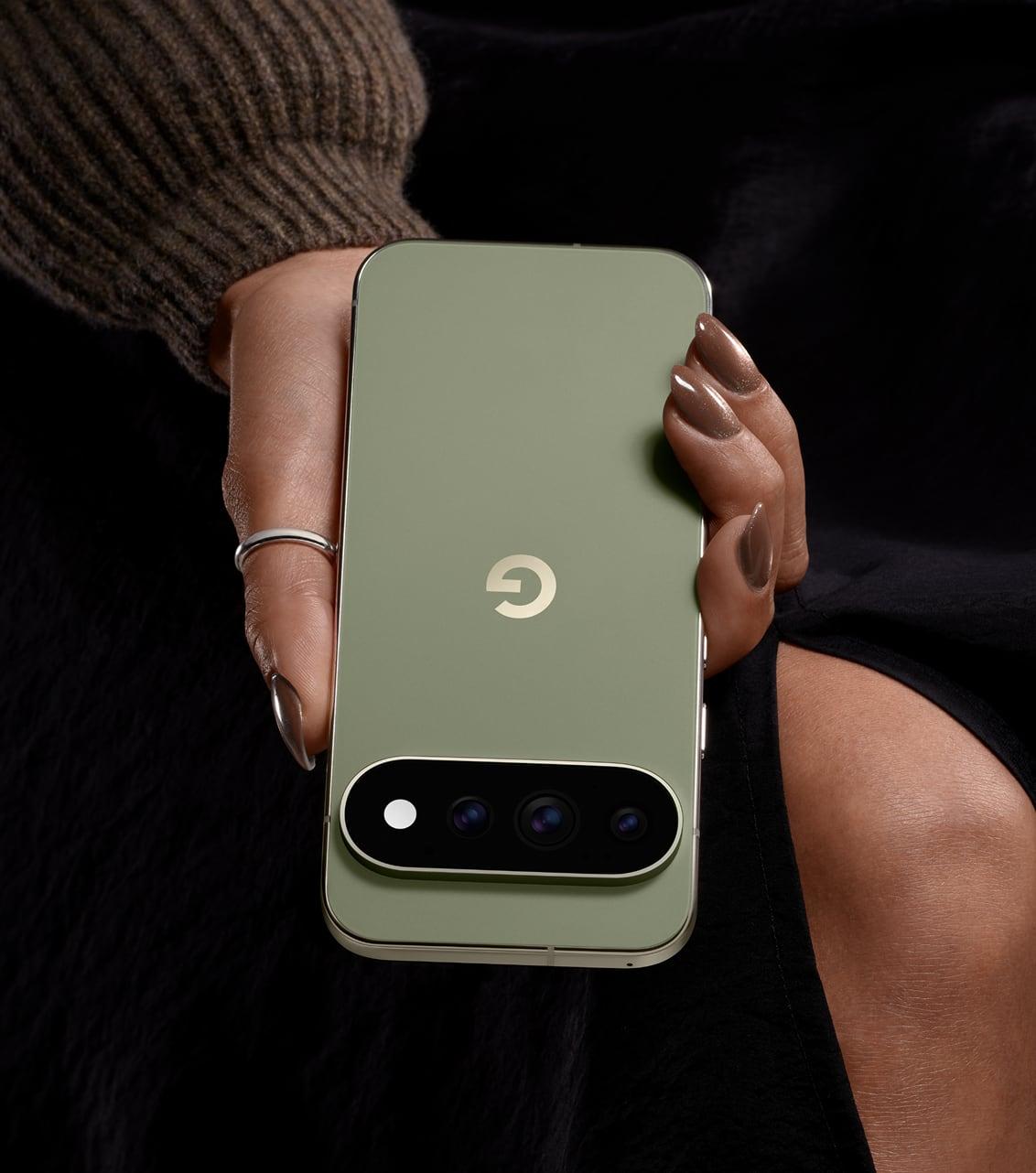
Google describes a polished glass back, a satin metal frame and a camera bar whose glass runs edge to edge. The matte Obsidian version has a matte frame as well; the other three colors are Canyon, Olive and Fog. The front and back both use Corning Gorilla Glass Victus 2, the frame is aluminum with 100 percent recycled content according to Google, and the phone is rated IP68 for dust and water. Google also says a new anti-scratch coating more than doubles scratch resistance compared with the Pixel 10 Pro, a result from pre-production testing, so it is a manufacturer claim and not an independent measurement.
The display is a 6.3-inch Super Actua panel with a resolution of 1280 by 2856 pixels, about 495 pixels per inch, and a variable refresh rate from 1 to 120 Hz. Google quotes up to 2,400 nits in HDR and up to 3,600 nits of peak brightness, which it calls its brightest yet; that peak figure is measured on a small share of lit pixels, so full-screen sunlight brightness will be lower. For comparison, Google's own figure for the Pixel 10 Pro XL was up to 3,300 nits. A contrast ratio above 2,000,000:1, 24-bit color and HDR support complete the list. Nothing here is unusual for a 2026 flagship, but the high peak value and the coating are meaningful for a phone used outdoors every day.
Performance, memory and software
The Tensor G6 is the main hardware change. Google says its CPU is about 25 percent faster in web browsing and 15 percent quicker in launching apps than the Tensor G5 was at its launch, that it has 50 percent more TPU compute, and that on-device AI tasks run up to 3.5 times faster while using up to 3.5 times less energy. All of these numbers come from Google's internal tests on pre-production devices, so they describe direction rather than guaranteed real-world gains. The chip works with the Titan M3 security coprocessor, and Google highlights quantum-safe secure boot implemented in hardware.
Memory depends on the storage tier. The 256 GB model has 12 GB of RAM, while the 512 GB and 1 TB models use 16 GB together with what Google calls Zoned UFS storage for faster performance. That is worth noting: the cheapest Pro does not have the largest amount of memory. The phone launches with Android 17 and the seven-year update commitment covers OS, security and Pixel Drop feature releases. The software is built around what Google calls Gemini Intelligence, including Gemini Nano on the device, Gemini Live, Circle to Search and Live Translate. Availability varies by country and language, some features need users to be 18 or older, and higher usage can require a subscription. Pro buyers in the US get six months of Google AI Pro, which must be redeemed by 31 October 2027 and costs 19.99 dollars per month afterward unless canceled.
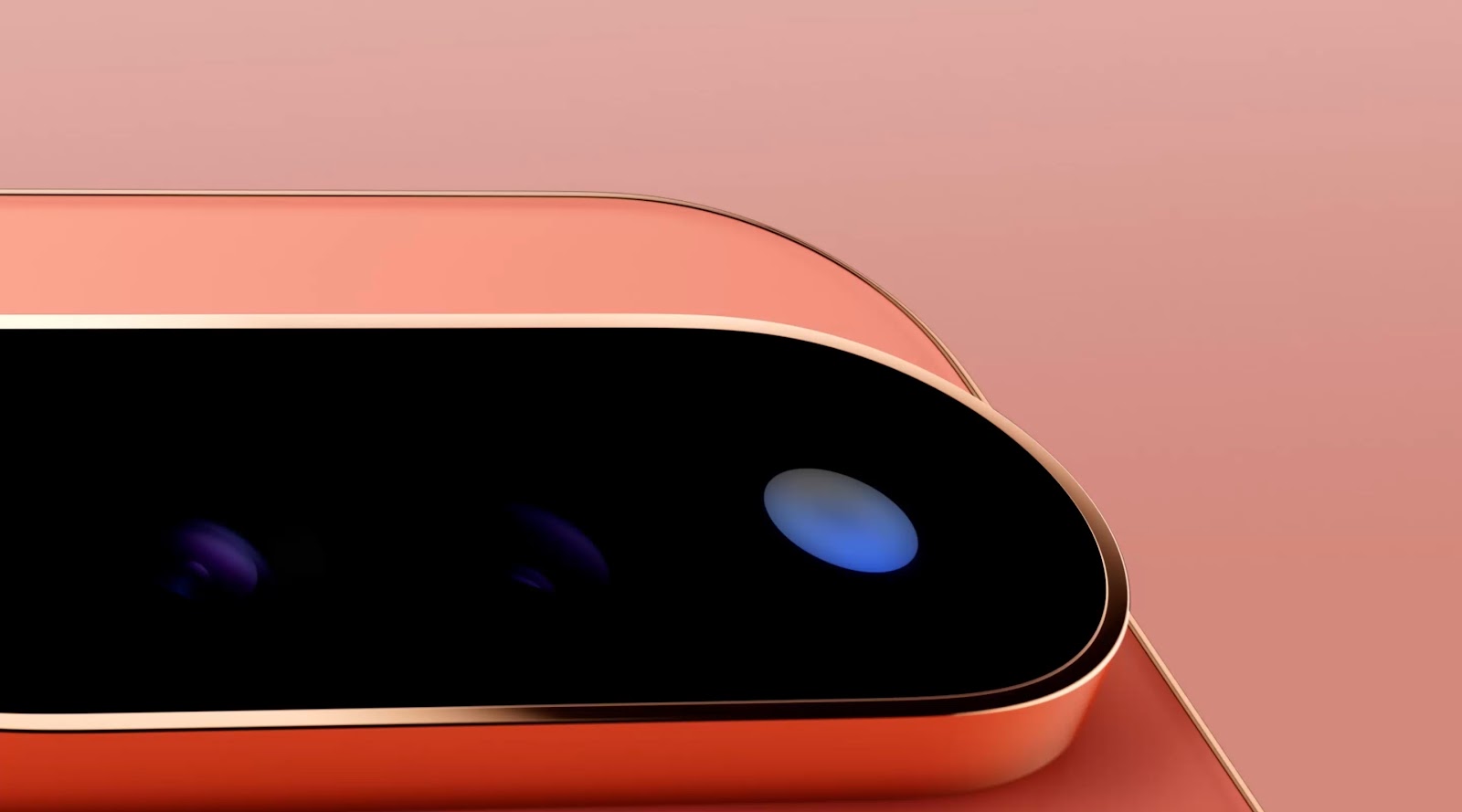
One feature is exclusive to the Pro models: HiLight. Colored LEDs around the flash show glanceable status when the phone lies face down, such as the state of a Gemini request, and you can assign custom colors to specific callers. Google says more uses are planned, for example message notifications from favorite contacts. Whether this turns into something people use every day or stays a curiosity is hard to judge from specifications alone.
Camera system
The rear setup has three cameras. The main camera is a 50MP sensor with an f/1.68 aperture, an 82-degree field of view and a 1/1.3-inch sensor, described by Google as a brand-new sensor compared with the Pixel 10 Pro. The ultrawide is 48MP with autofocus, an f/1.7 aperture, a 123-degree field of view and macro focus. The telephoto is 48MP with optical stabilization, an f/2.8 aperture and a 1/1.95-inch sensor; Google says it collects about 30 percent more light than the telephoto on the Pixel 8, 9 and 10 series and it now supports Portrait mode at 5x. Pro Zoom reaches 120x through a mix of optical and processed zoom, and Google notes that it is not available for every mode or app and that results vary. Night Sight is said to capture up to 4.5 times faster thanks to an upgraded image signal processor.
On the front sits a 42MP camera with autofocus and a 103-degree field of view. Video goes up to 8K at 24 or 30 frames per second, with 8K processed through Video Boost in the cloud, and 4K at up to 60 frames per second on both rear and front cameras. The software list is long: Magic Capture, Camera Looks, Camera Coach, Add Me, Best Take, Zoom Enhance, Audio Magic Eraser and pro controls. The practical point is that Google's strength remains processing and consistency, while the hardware itself looks like a measured step. A reader who compares it with the Pixel 10 Pro will find the same lens count and focal lengths, with changes concentrated in the main sensor, the telephoto sensor and the image pipeline.
Battery and charging
Google specifies a typical battery capacity of 4,850 mAh, with a minimum rated capacity of 4,707 mAh, and the phrase "30+ hour battery life". Wired charging reaches up to 55 percent in about 30 minutes using a 30W USB-C PPS charger or better, and that charger is sold separately; only a USB-C cable is in the box. The XL is faster at up to 75 percent in 30 minutes with a 45W charger. Wireless charging follows the Qi2.2 standard at up to 25W through magnets built in under the name Pixelsnap, so Qi2-style magnetic accessories attach securely. A 4,850 mAh cell is mid-sized for a 6.3-inch flagship, and endurance will depend on how much the high refresh rate, 5G and on-device AI features are used. For longer days, the Pro XL with its larger cell is the safer choice.
Connectivity and extras
The phone supports Wi-Fi 7, Bluetooth 6, NFC, Ultra-Wideband and dual-band GNSS, plus Thread. It uses dual eSIM, with two active eSIMs at the same time and storage for eight or more profiles, so travelers should check whether their carrier supports eSIM before buying. Satellite SOS, Emergency SOS, Car Crash Detection and Safety Check are included. The USB-C port is USB 3.2, and the warranty is one year.
Who it is for and where it compromises
The Pixel 11 Pro suits people who want the best Google software experience, long support and strong photography in a phone that is not oversized. It is also a sensible pick for those who value predictable updates over the last bit of benchmark performance. Competitors worth checking are the Galaxy S26 Ultra for a larger screen and a stylus, and the iPhone 17 Pro for a different ecosystem; the Pixel 11 Pro versus iPhone 17 Pro comparison shows the specifications side by side, and the rankings page puts it in context with other phones.
The compromises are clear. The base model has 12 GB of RAM, not 16 GB. The 4,850 mAh battery is not the largest in the class. Charging is moderate compared with what several Chinese flagships offer, and no charger is included. The price of 1,099 dollars is high, and the most interesting AI features depend on region, language and sometimes a subscription. Many performance and durability numbers are Google's own, taken from pre-production devices, so independent testing should be read before treating them as fact. If you want a larger screen and the longest battery, the Pixel 11 Pro XL is the logical alternative; if you want the standard experience at a lower price, the Pixel 11 is the cheaper route.
Where it ranks
Compare Google Pixel 11 Pro with similar devices
More from Google
Frequently asked questions
When was the Google Pixel 11 Pro released?
The Google Pixel 11 Pro was released on 2026-08-20, according to the manufacturer’s published information.
How much does the Google Pixel 11 Pro cost?
The estimated range for the Google Pixel 11 Pro is $989 to $1209 in US dollars, based on the launch list price. Actual prices vary by country, retailer and storage option.
What are the main specs of the Google Pixel 11 Pro?
Headline figures for the Google Pixel 11 Pro: Battery: 4,850 mAh, Refresh rate: 120 Hz, Main camera: 50 MP, RAM: 16 GB. The full specification table is further up this page.
Is the Google Pixel 11 Pro worth buying?
That depends on your priorities. Use the editorial review on this page for our view, check the rankings above to see where the device stands on battery, display and camera, and compare it directly with similar models before you decide.


