Phones
Google Pixel 11 Pro Fold
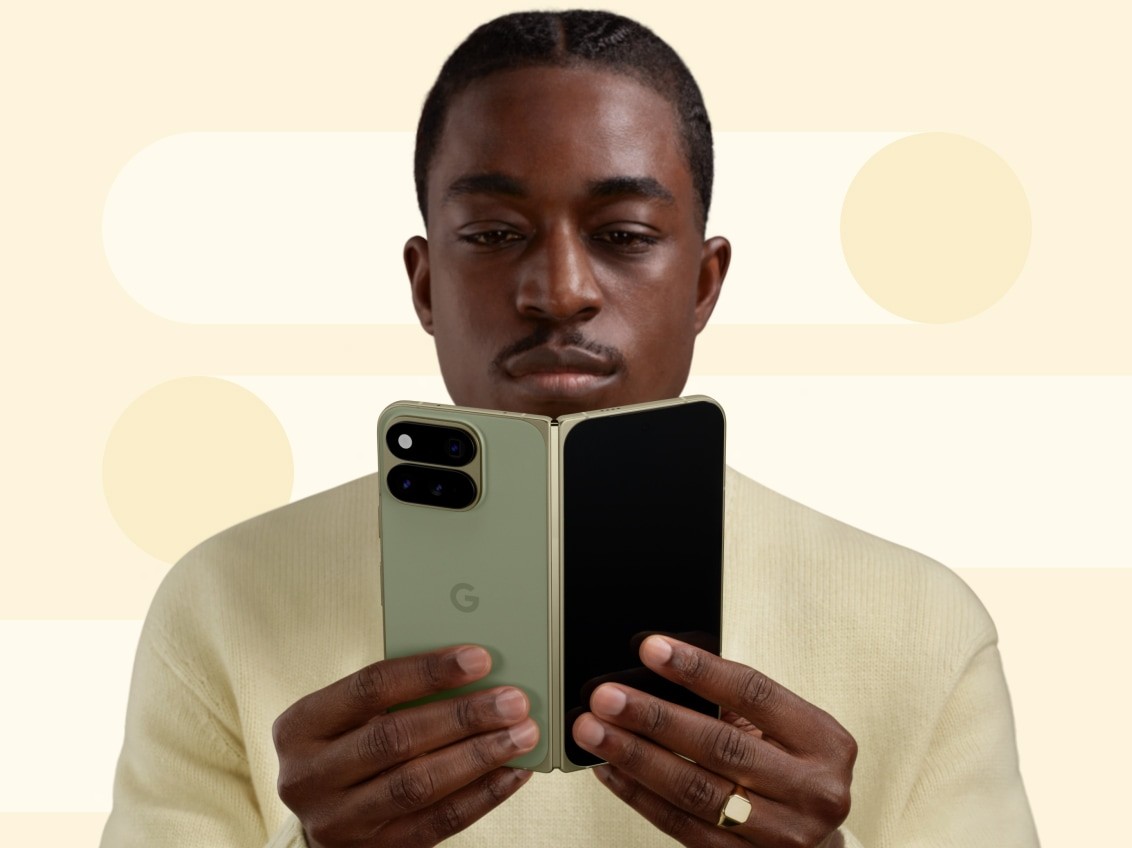
Google's 2026 Pixel foldable pairs an 8-inch inner OLED and a 6.5-inch outer OLED with Tensor G6, 16 GB of RAM and a 4,806 mAh battery, launching on Android 17.
Key figures at a glance
Gallery
Specifications
- Display
- 8-inch Super Actua Flex inner OLED (2076x2152, 372 PPI) and 6.5-inch Super Actua outer OLED (1080x2342, 399 PPI), both 1-120Hz, up to 2000 nits HDR and 3600 nits peak
- Chipset
- Google Tensor G6 with Titan M3 security coprocessor
- RAM
- 16GB
- Storage
- 256GB / 512GB / 1TB
- Rear Camera
- 48MP main (f/1.7, 1/1.56 inch) + 10.5MP ultrawide with macro focus + 10.8MP telephoto 5x with OIS, Super Res Zoom up to 30x
- Front Camera
- 10MP outer and 10MP inner
- Battery
- 4,806 mAh typical (4,658 mAh minimum), about 50% in 30 minutes with a 30W PPS charger, Pixelsnap Qi2.2 wireless up to 25W
- Body
- Folded 6.1 x 3 x 0.4 in, unfolded 6.1 x 5.9 x 0.2 in, 8.4 oz; IP68; glass ceramic cover, composite back, aluminum frame
- Connectivity
- Wi-Fi 7, Bluetooth 6, NFC, UWB, 5G mmWave, dual SIM (nano SIM and eSIM), satellite SOS
- OS
- Android 17, 7 years of OS, security and Pixel Drop updates
- Colors
- Olive, Obsidian
The Google Pixel 11 Pro Fold is Google's 2026 book-style foldable phone. It folds like a small book, with a 6.5-inch outer screen and an 8-inch inner screen, runs on the new Google Tensor G6 chip with 16 GB of RAM and ships with Android 17. Google's own marketing line is that it is thinner, lighter and three times stronger than before, which is a claim worth examining. This page is a review based on the published specifications and manufacturer information. It covers where the phone sits in the Pixel range, how the design and displays work, what the hardware and software offer, how the cameras are set up and who should consider a foldable at this price.
Where it sits in the lineup
The Pixel 11 family has four members in Google's store: the Pixel 11, the Pixel 11 Pro and Pro XL, and the Pixel 11 Pro Fold. The foldable is the only model with a folding screen. Google's US store runs a launch trade-in promotion that gives up to $850 back with an eligible trade-in; it started on 1 October 2026, and Google's own US list price for the base model was not confirmed from the sources used here. It follows the Pixel 10 Pro Fold, and the page Pixel 11 Pro Fold vs Pixel 10 Pro Fold puts the two next to each other. Its main rival among Android foldables is the Samsung Galaxy Z Fold7, and Pixel 11 Pro Fold vs Galaxy Z Fold7 is the most direct comparison. Buyers who do not need a folding screen may find the slab-style Pixel 10 Pro a better value while the new Pro models are still arriving.
Design and displays
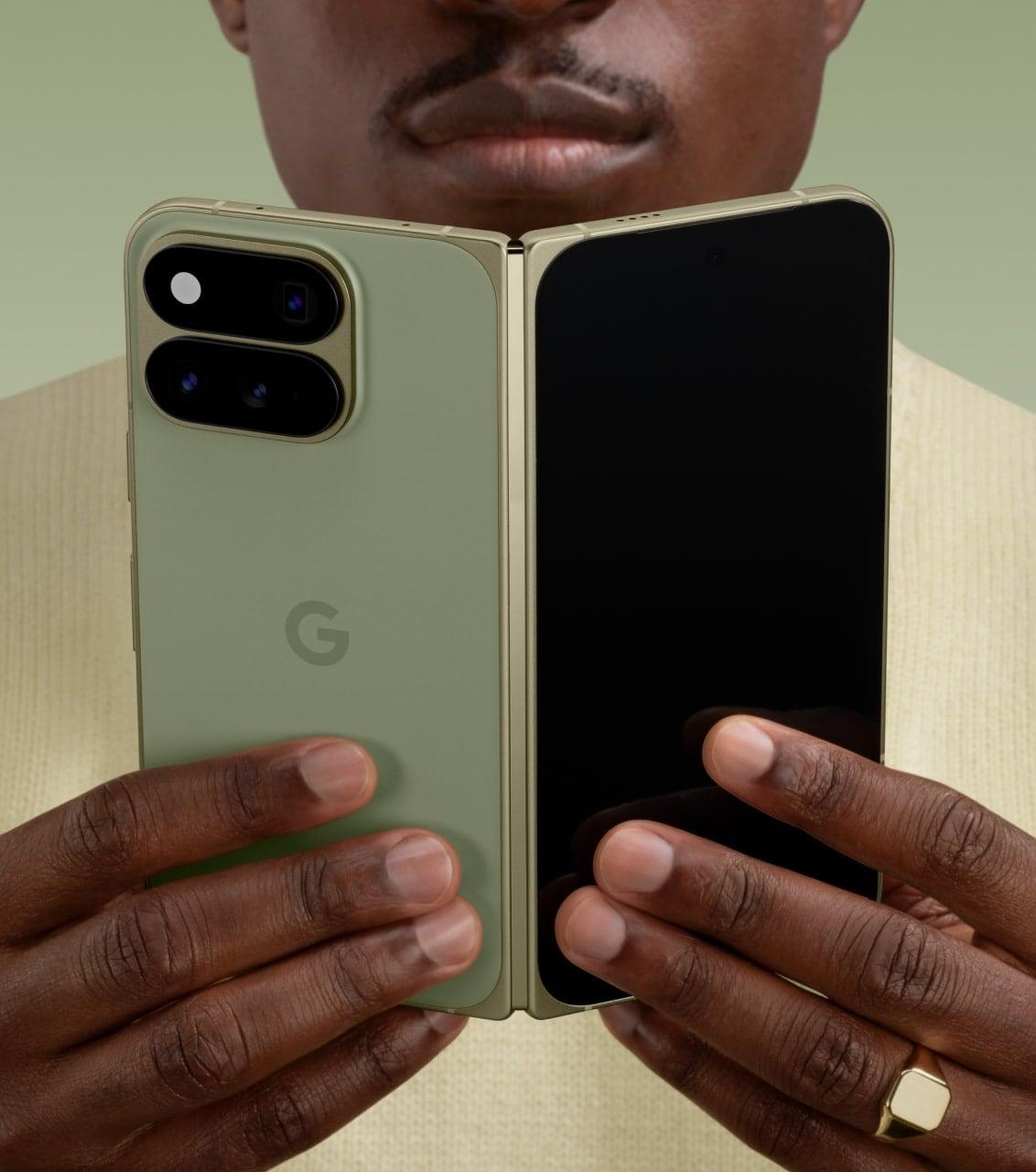
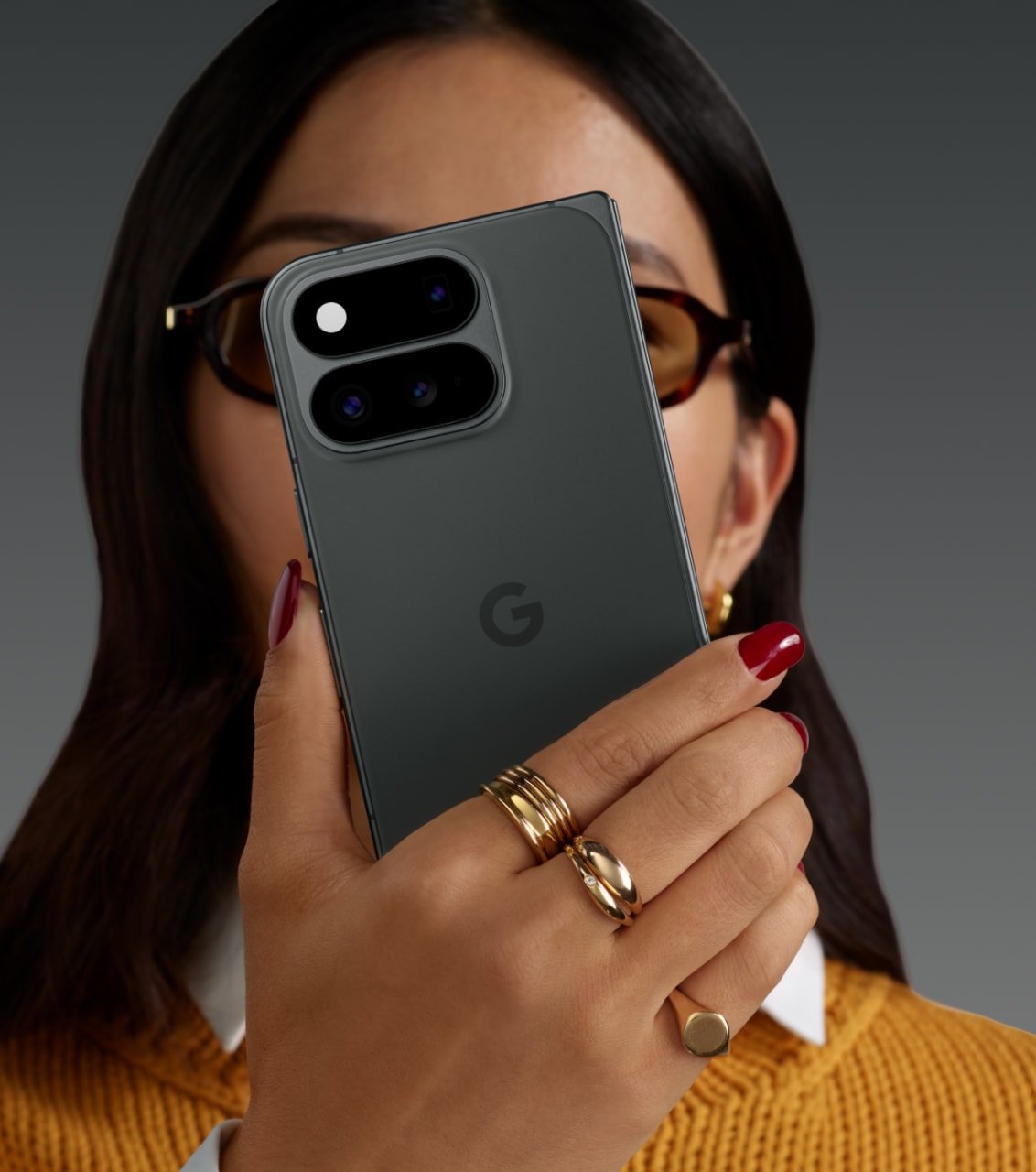
Folded, Google lists the phone at 6.1 x 3 x 0.4 inches (about 155 x 76 x 10 mm), and unfolded at 6.1 x 5.9 x 0.2 inches (about 155 x 150 x 5 mm), with a weight of 8.4 ounces (roughly 238 g). Those conversions are approximate. The frame is aluminium and, according to Google, the back is an ultra-durable composite with a matte satin finish, while the cover glass is a glass ceramic. The phone is rated IP68 for dust and water resistance, which is unusual for a foldable and is a clear plus. Colours are Olive and Obsidian. Google says the hinge has been redesigned and that the camera bar is more compact than before.
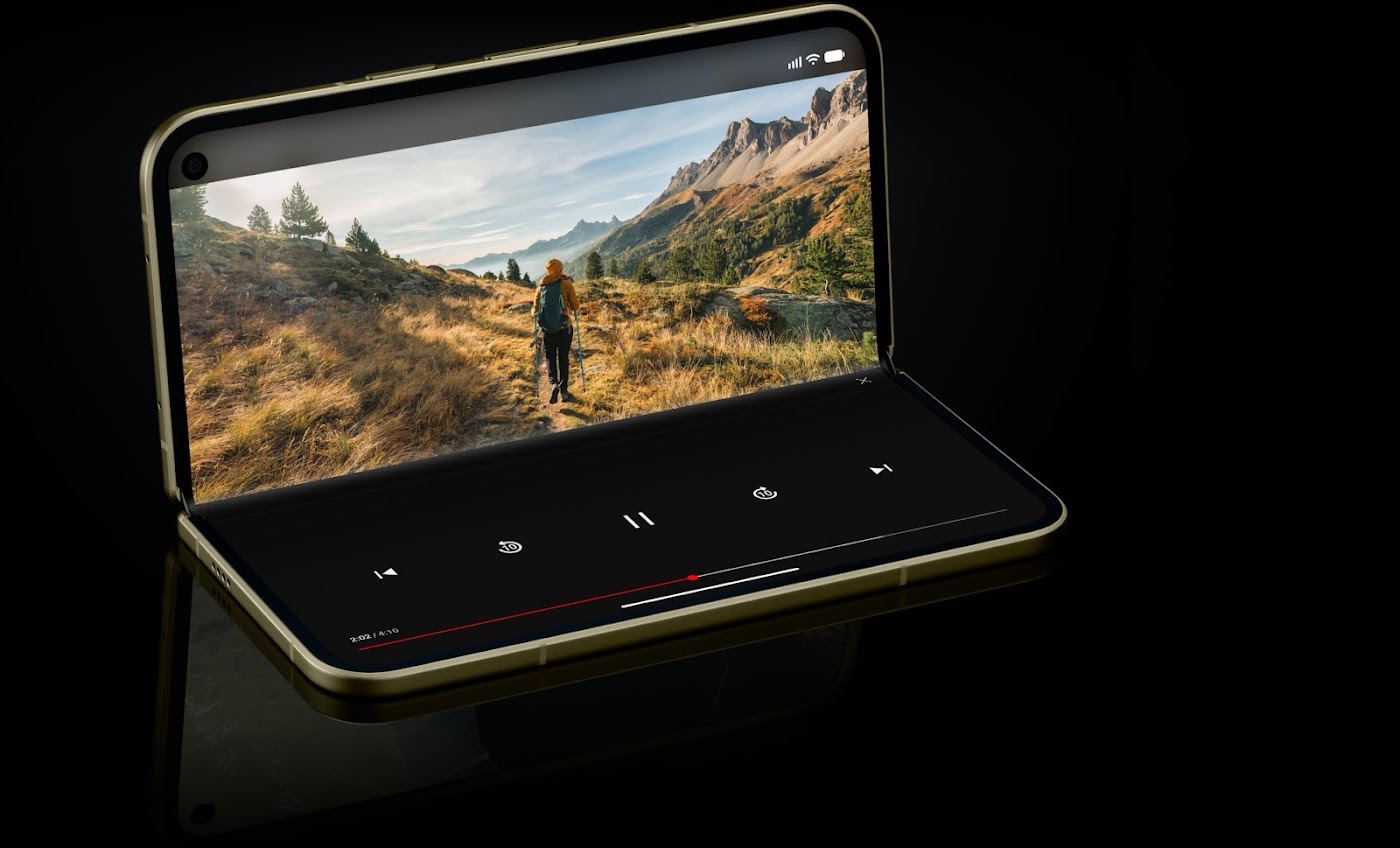
The inner display is an 8-inch Super Actua Flex OLED with 2076 x 2152 pixels (372 PPI), an almost square shape that suits reading, split-screen work and two-handed use. It is covered with ultra-thin glass. The outer display is a 6.5-inch Super Actua OLED with 1080 x 2342 pixels (399 PPI) and a 19.5:9 ratio. Both are adaptive from 1 to 120 Hz, and Google quotes up to 2000 nits in HDR and up to 3600 nits at peak brightness. Those are manufacturer figures and are measured under specific conditions, not typical use. The company also says the new outer screen makes scrolling smoother. As with any folding display, there is a visible crease to consider, and the inner layer is more delicate than a conventional screen.
Performance and software
The phone uses Google Tensor G6, which Google calls its most powerful Tensor chip so far, with a Titan M3 security coprocessor. Memory is 16 GB on every model, and storage options are 256 GB, 512 GB and 1 TB; the larger versions use Zoned UFS, which Google says gives faster performance. Google does not publish raw benchmark scores, and Tensor chips have historically focused on on-device AI and efficiency rather than peak speed, so readers who care about gaming performance should wait for independent tests. Connectivity includes Wi-Fi 7, Bluetooth 6, NFC, an ultra-wideband chip, dual-band GNSS and dual SIM with one nano SIM and one eSIM. The listed network bands include 5G mmWave, and the phone supports satellite SOS.
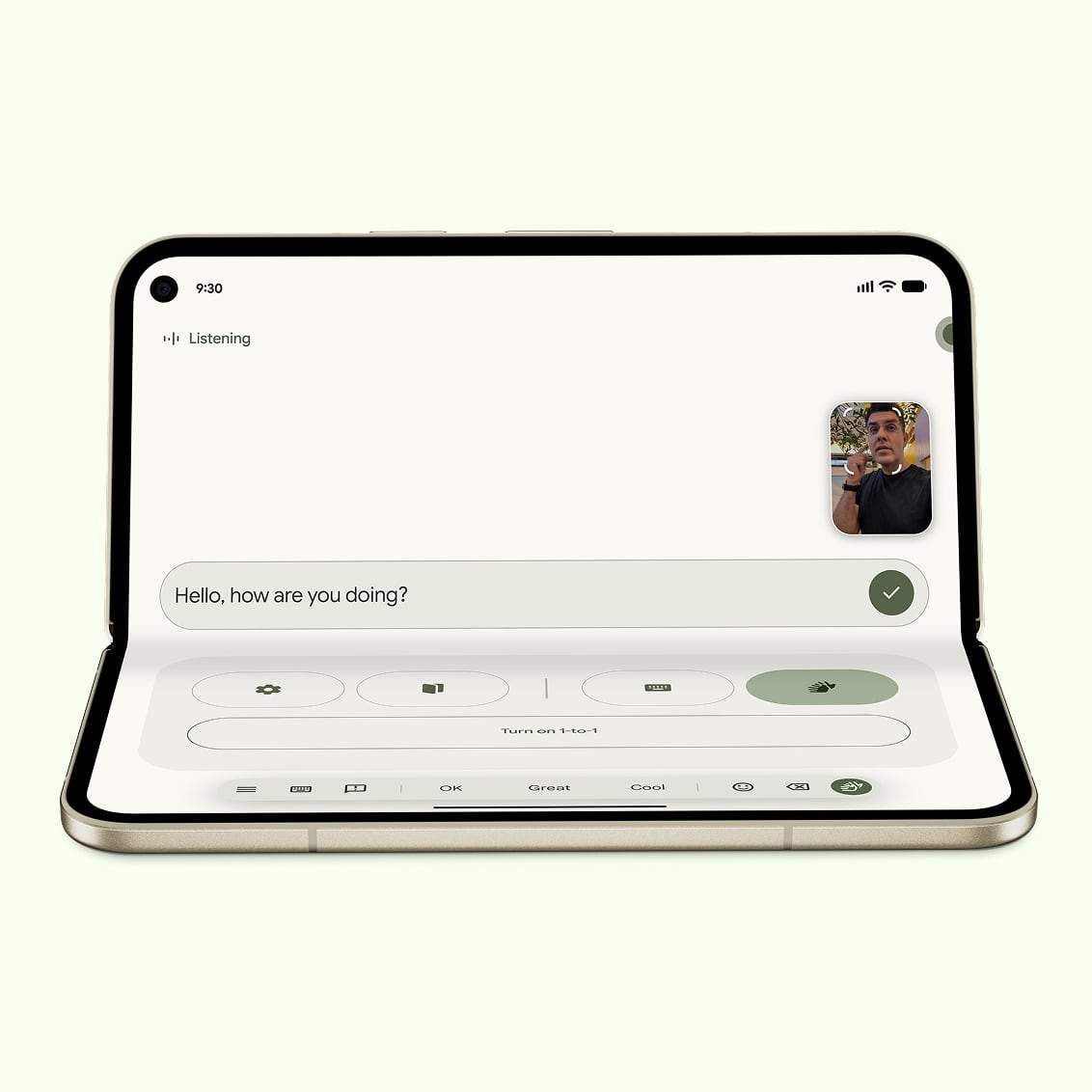
The phone launches on Android 17, and Google promises seven years of OS, security and Pixel Drop updates, which is among the longest commitments in the Android market. The software emphasis is on what Google calls Gemini Intelligence: proactive help that works across apps, voice typing that removes filler words, task automation for things like ordering groceries or booking a ride, and Gemini Live with camera sharing. Foldable-specific features include floating app bubbles for multitasking and live translation that shows text on both inner halves when the phone is propped up. Quick Share now works with AirDrop for sharing with iPhone, iPad and Mac. As with any AI feature set, availability varies by country and language, and some functions need a subscription for higher usage.
Camera
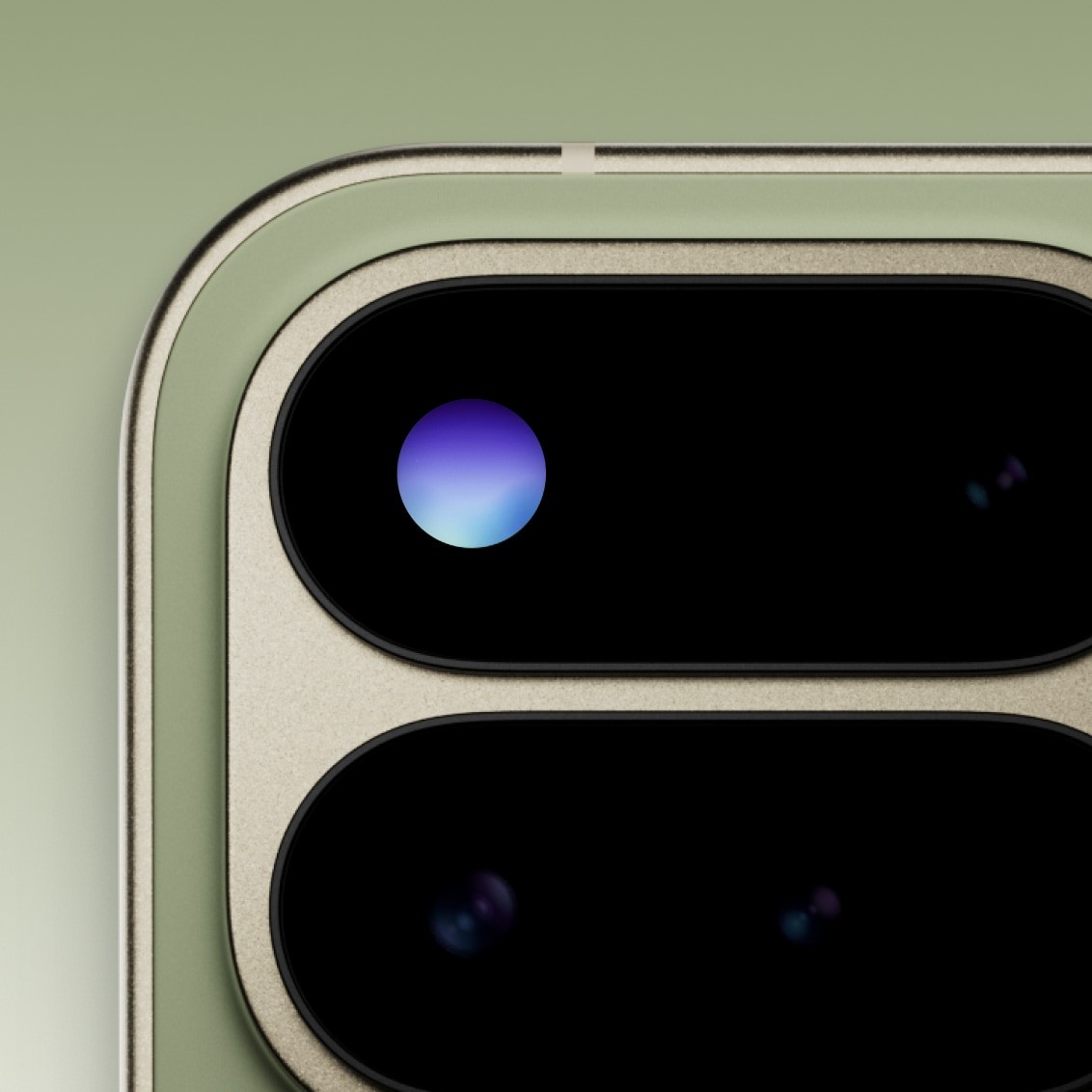
The rear system has three cameras. The main camera is a 48 MP Quad PD sensor with an f/1.70 aperture, an 85-degree field of view and a 1/1.56-inch sensor; Google says the larger sensor captures 56 percent more light and improves night shots. The ultrawide is a 10.5 MP dual PD camera with autofocus and macro focus (f/2.2, 127 degrees), and the telephoto is a 10.8 MP dual PD camera with optical image stabilisation (f/3.1, 5x optical zoom). Google quotes Super Zoom of up to 30x. The outer and inner selfie cameras are both 10 MP. Video goes up to 4K at 60 frames per second on the rear camera and 4K at 60 fps on the front, with 10-bit HDR and slow motion up to 240 fps.
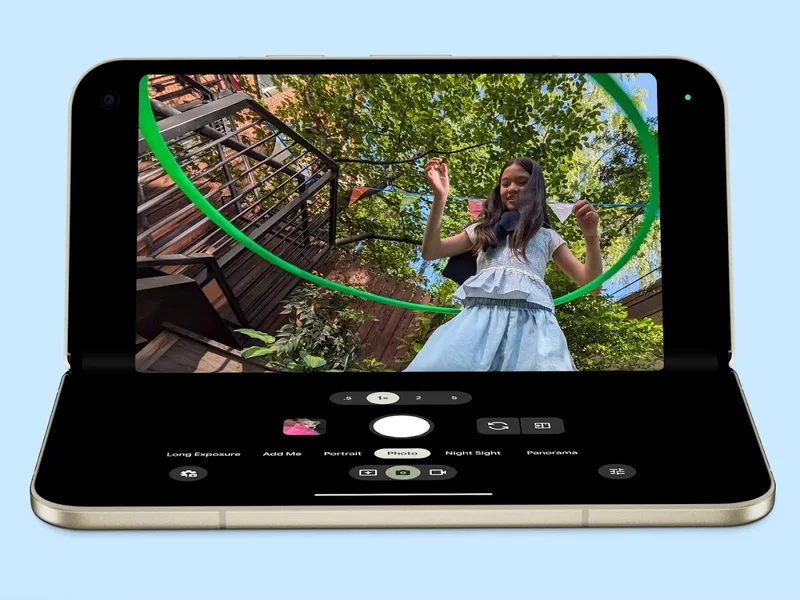
The fold adds some practical camera tricks. In tabletop posture the phone stands by itself for hands-free shots and astrophotography, and Google's Dual Screen Preview lets the subject see the viewfinder on the outer display. The inner screen can show the viewfinder and the photo gallery at once, so photos can be dragged into a chat. Note that the main camera is a clear step up in resolution but the ultrawide and telephoto sensors are comparatively modest at around 10 MP, and the 5x telephoto is the only long-range lens, which means that mid-range zoom values rely on cropping and processing.
Battery and charging
The battery has a typical capacity of 4,806 mAh, with a minimum of 4,658 mAh. Google claims 24-plus hours of battery life, and it says the phone reaches up to 50 percent in about 30 minutes with a 30W USB-C PPS charger or higher, which is sold separately. Wireless charging uses Google's Pixelsnap system, Qi2.2 certified, at up to 25W, and Google says that is up to 20 percent faster than before. These are manufacturer claims, and a foldable that drives two large screens will vary widely depending on how often the inner display is open. The capacity is moderate compared with large slab phones, but typical for a foldable of this thickness.
Who it is for
The Pixel 11 Pro Fold suits people who want a phone that opens into a small tablet for reading, email, video and multitasking, and who prefer Google's cleaner software and long update promise. It is also a sensible choice for people who want a foldable that is protected against water and dust. The tabletop and dual-screen camera modes appeal to those who like creative shooting, and the long update commitment will matter for anyone who keeps a phone for many years.
Compromises to consider
The price is high for a foldable, and a foldable remains more fragile than a slab phone, especially at the crease. The Tensor G6 may not match rival chips in raw performance, and battery capacity is limited by the thin body. A 5x optical telephoto and a 10 MP ultrawide are fine rather than class-leading. Accessories such as a fast charger are not included, and many of the best AI features depend on region, language and in some cases a subscription. Anyone who does not use a large screen regularly may be better served by a conventional Pixel Pro model at a much lower price.
Bottom line
Based on the published information, the Pixel 11 Pro Fold is a strong foldable that combines IP68 protection, two high-brightness 120 Hz screens, a new main camera and seven years of updates. It is expensive and unproven in independent testing, so cautious buyers may want to wait for long-term durability reports. For a wider view, see the phone rankings page.
Where it ranks
Compare Google Pixel 11 Pro Fold with similar devices
More from Google
Frequently asked questions
When was the Google Pixel 11 Pro Fold released?
The Google Pixel 11 Pro Fold was released on 2026-10-01, according to the manufacturer’s published information.
What are the main specs of the Google Pixel 11 Pro Fold?
Headline figures for the Google Pixel 11 Pro Fold: Battery: 4,806 mAh, Refresh rate: 120 Hz, Main camera: 48 MP, RAM: 16 GB. The full specification table is further up this page.
Is the Google Pixel 11 Pro Fold worth buying?
That depends on your priorities. Use the editorial review on this page for our view, check the rankings above to see where the device stands on battery, display and camera, and compare it directly with similar models before you decide.


