Phones
Huawei Mate X7
The HUAWEI Mate X7 is a book-style foldable with an 8-inch inner OLED, a 6.49-inch cover screen, 16GB RAM, a 5,600 mAh battery and a 50MP variable-aperture camera, at about 236 g.
Key figures at a glance
Gallery
Specifications
- Display
- 8-inch foldable OLED, 2416 x 2210, 1-120Hz LTPO; 6.49-inch cover OLED, 2444 x 1080, 1-120Hz LTPO; 1440Hz PWM dimming
- RAM
- 16GB
- Storage
- 512GB
- Rear Camera
- 50MP main (f/1.49-f/4.0, RYYB, OIS) + 40MP ultra-wide (f/2.2) + 50MP telephoto macro (f/2.2, OIS), 3.5x optical zoom, 100x digital zoom, True-to-Colour camera
- Front Camera
- 8MP (f/2.4 folded, f/2.2 unfolded)
- Battery
- 5,600 mAh typical (5,470 mAh rated), 66W wired, 50W wireless, 7.5W reverse wireless charging
- OS
- EMUI 15.0
- Dimensions
- 156.8 mm tall; 73.8 mm wide folded, 144.2 mm unfolded; 9.5 mm thick folded, 4.5 mm unfolded
- Weight
- About 236 g
- Durability
- IP58 and IP59
- Connectivity
- Bluetooth 6.0, Wi-Fi 7 (802.11be)
- Colours
- Brocade White, Nebula Red, Black
The HUAWEI Mate X7 is a book-style foldable phone that opens from a 6.49-inch cover screen into an 8-inch inner display. Huawei presented it at its Dubai flagship event on 11 December 2025 for markets outside China, and the company's international specification page lists 16 GB of RAM, 512 GB of storage, a 5,600 mAh battery and a camera system built around a 50 MP main sensor with a variable aperture. This page is a specification-and-information review based on the published specifications and manufacturer information, so every performance, durability and battery statement below is a claim by Huawei rather than something measured here. The sections cover where the phone sits among other foldables, its design and displays, software and performance, the cameras, the battery and charging, who it suits and the compromises you accept.
Place in the lineup
Foldables from Huawei come in two broad shapes. The clamshell style folds a normal-sized phone in half, while the Mate X line folds a tablet-sized panel in the middle and keeps a full phone on the outside. The Mate X7 belongs to the second group. It is positioned as Huawei's premium foldable, and it sits above the company's slab flagships such as the HUAWEI Mate 80 Pro in price and ambition, while the HUAWEI Pura 80 Pro is the camera-first alternative that does not fold at all.
Against other book-style foldables the obvious comparisons are the Samsung Galaxy Z Fold7 and the HONOR Magic V6. A direct side-by-side with the Samsung is available on the page HUAWEI Mate X7 vs Samsung Galaxy Z Fold7. No official United States price is available to this review, so no dollar figure is given, and Huawei's own specification page does not state a price.
Design and displays
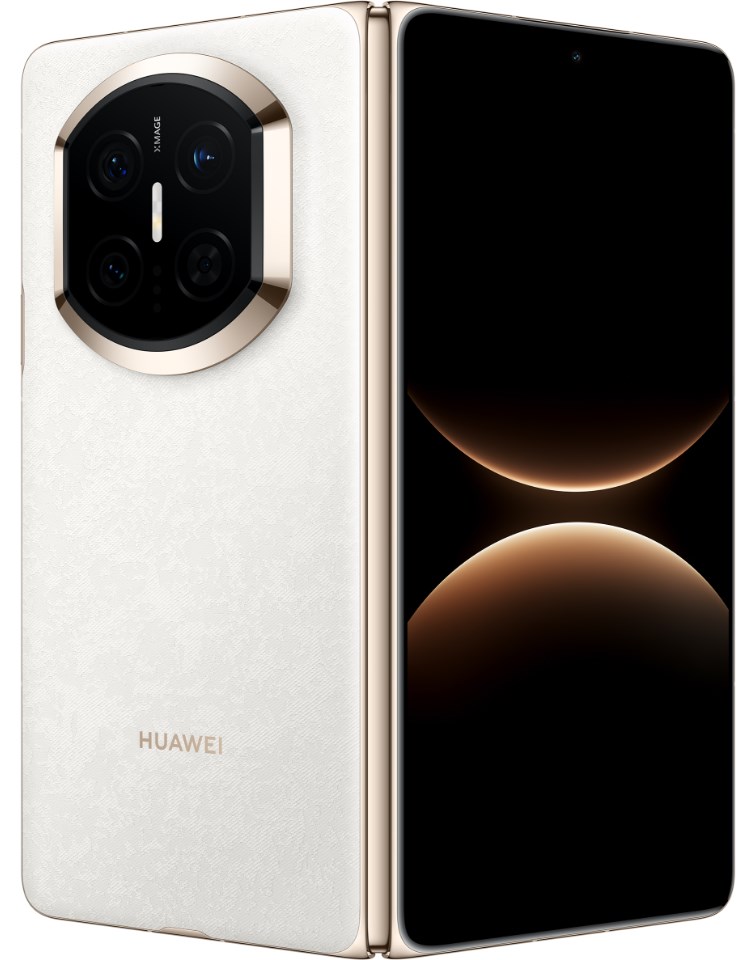
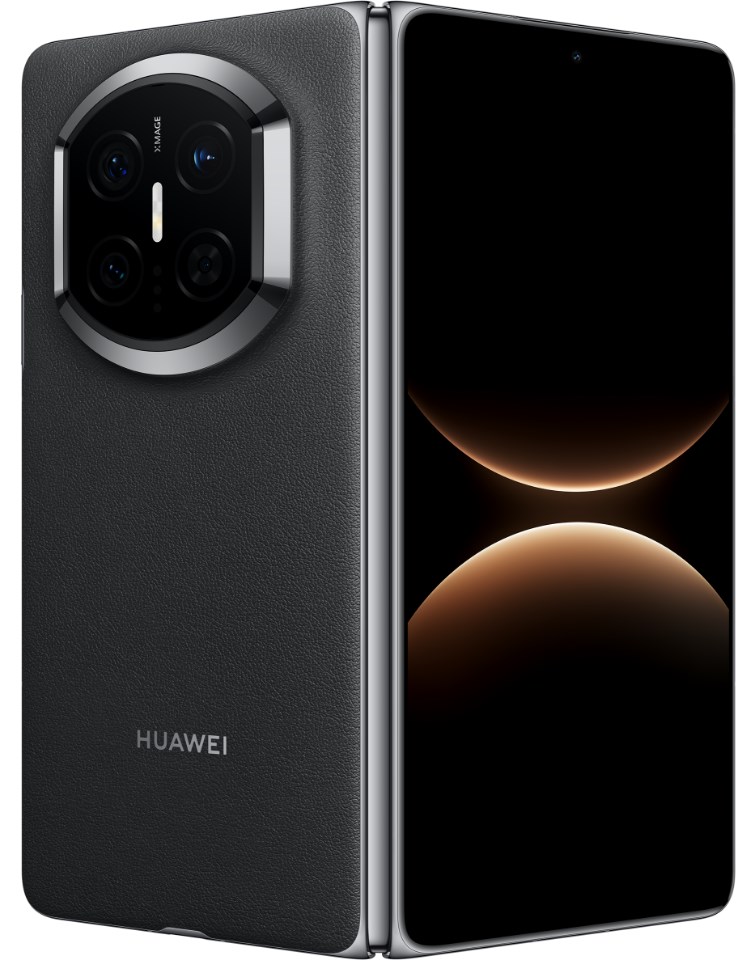
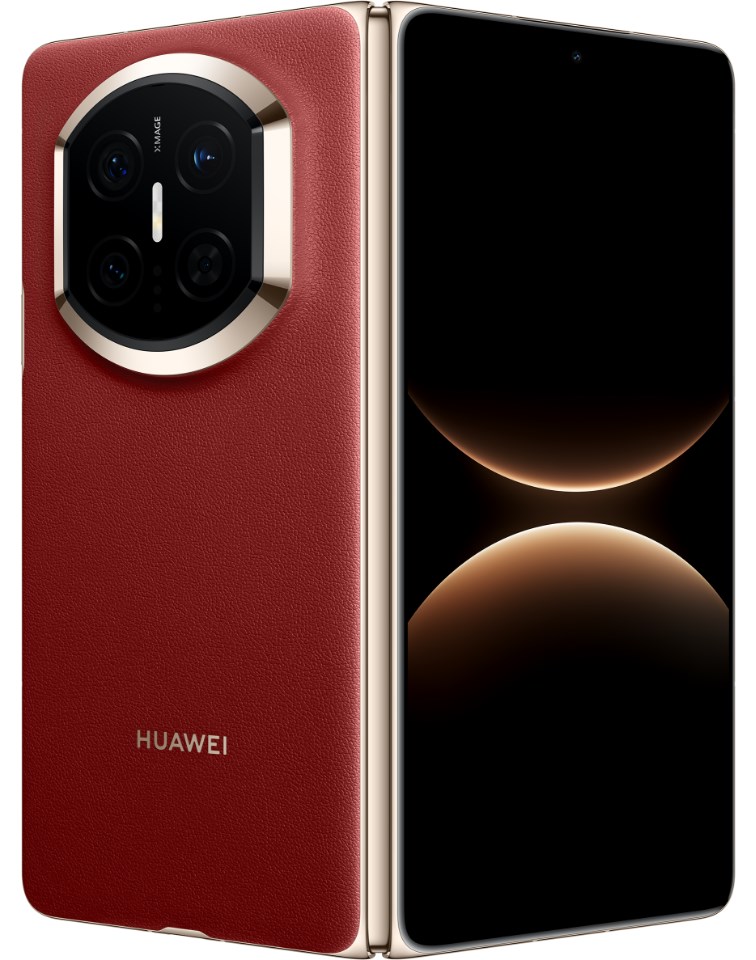
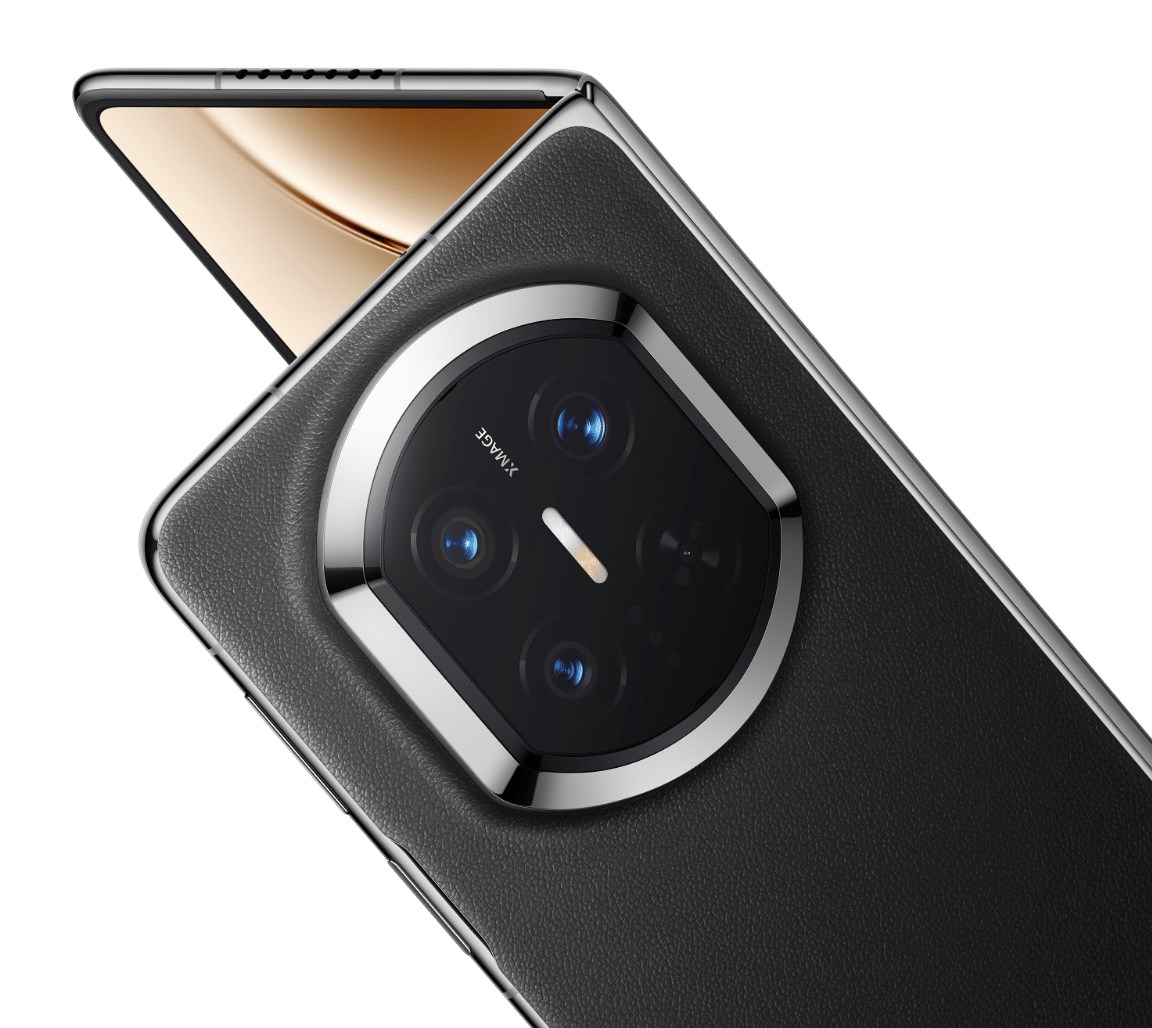
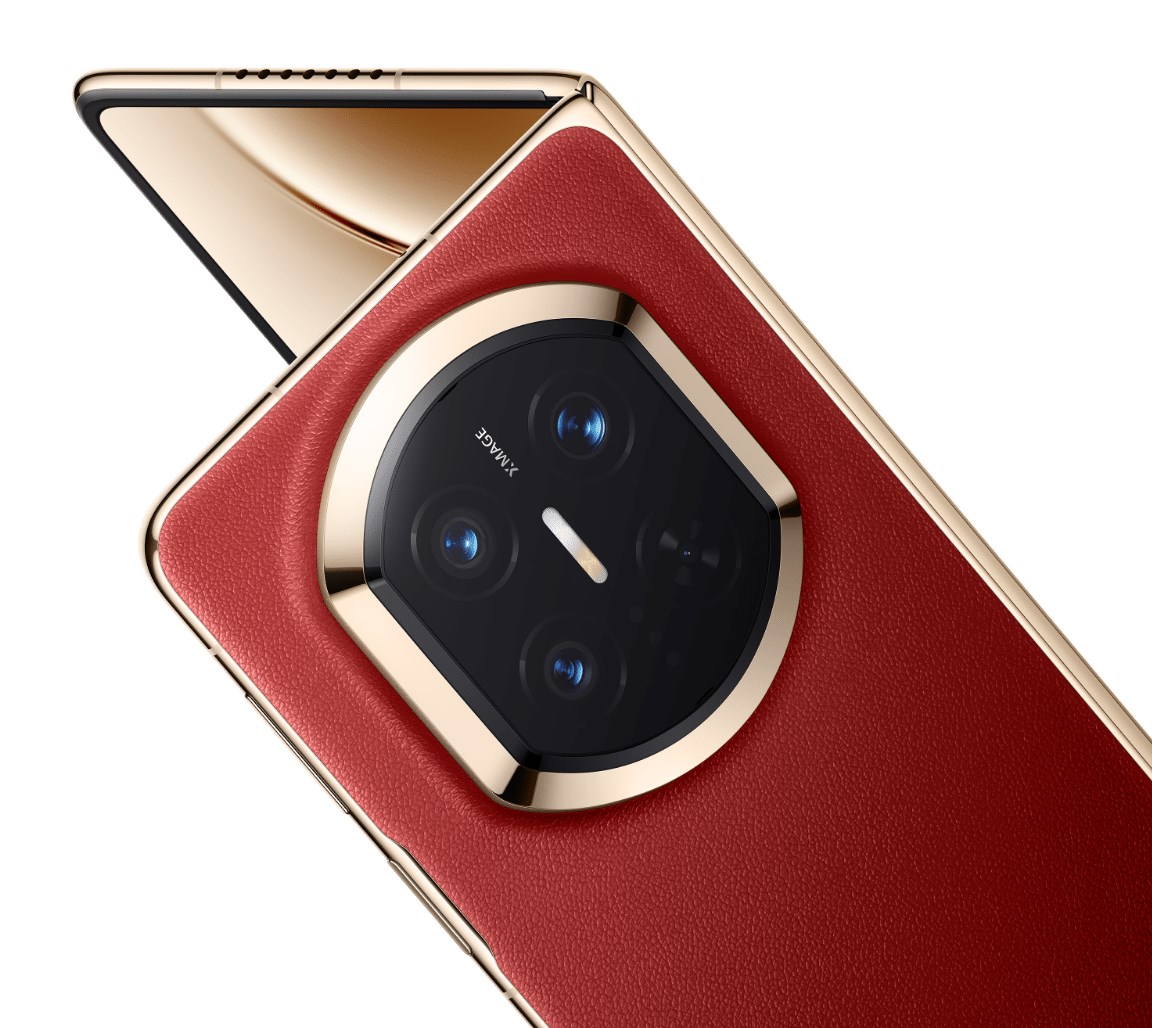
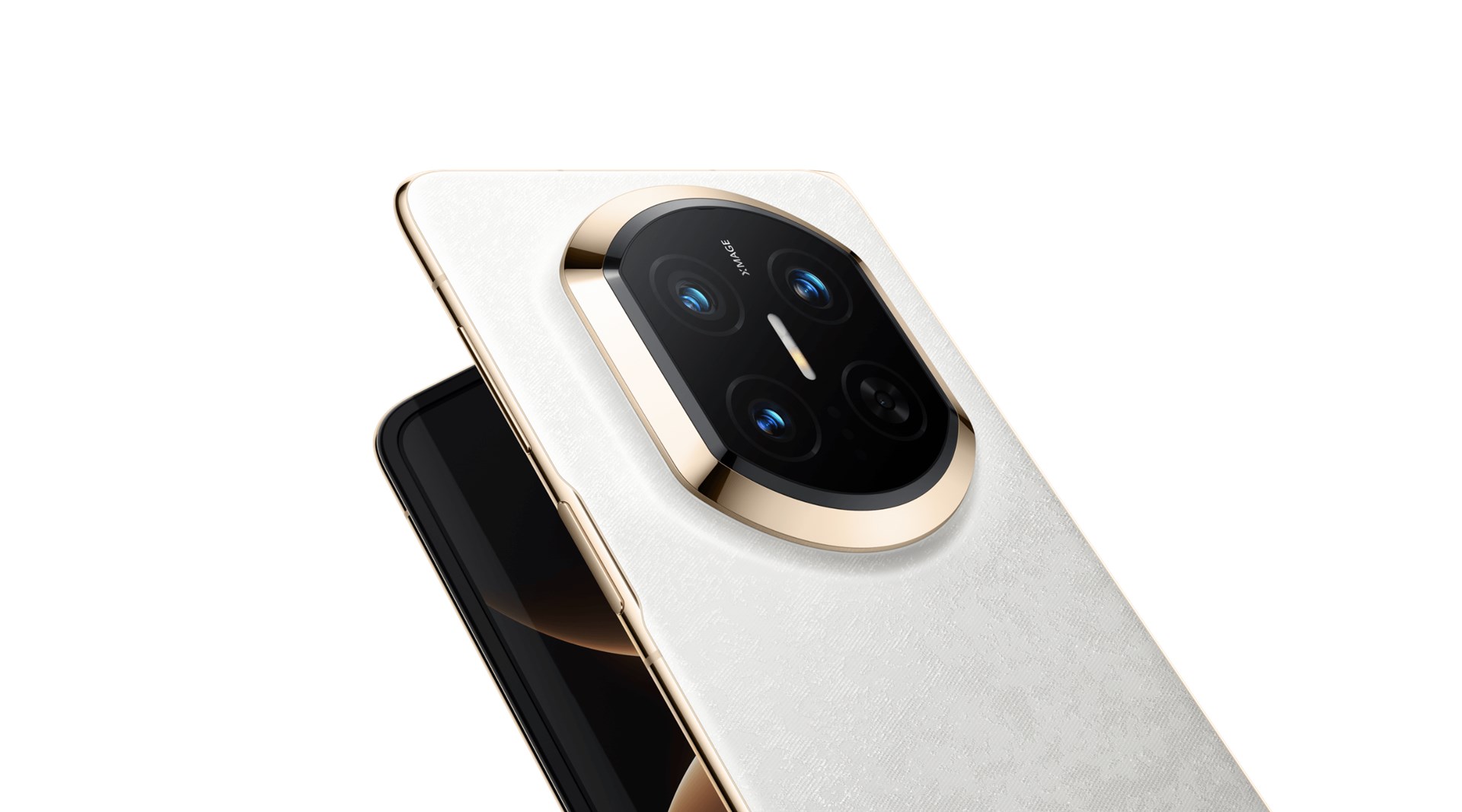
Huawei lists the phone at 156.8 mm tall, 73.8 mm wide when folded and 144.2 mm wide when unfolded. Thickness is 9.5 mm folded and 4.5 mm unfolded, and the weight is about 236 g including the battery. Those figures make it a heavy phone to hold for a long time, but the thin unfolded profile is the number that Huawei emphasises. Three colours are listed: Brocade White, Nebula Red and Black. The photographs on the product page show a leather-style back panel with a large, rounded camera ring in a metallic finish, and a gold-toned frame on the white and red versions.
The inner screen is an 8-inch OLED at 2416 x 2210 pixels, about 412 pixels per inch, and the cover screen is a 6.49-inch OLED at 2444 x 1080 with the same density. Both panels use LTPO technology with a 1-120Hz adaptive refresh rate, cover a P3 colour gamut and display 1.07 billion colours. Huawei also lists 1440 Hz PWM dimming, which is a high-frequency flicker rate aimed at people who are sensitive to screen flicker. The inner panel is almost square, which suits reading, split-screen work and video calls better than the wide-and-short shape of some rival foldables, although it does leave letterbox bars on widescreen video.
Durability is listed as IP58 and IP59. The first digit means dust protection, the second digit covers immersion and high-pressure, high-temperature water jets, and a foldable carrying an IP59 rating is a notable claim. As with every manufacturer rating, this refers to laboratory conditions and does not cover damage from drops, sand in the hinge, or sharp objects pressing on the folding screen. Treat the rating as extra safety margin rather than permission to be careless.
Software and performance
The specification page lists EMUI 15.0 as the operating system and does not name the processor, so this review does not either. What the page does say is that the phone has 16 GB of RAM and 512 GB of internal storage, with no memory-card slot. There is only one memory and storage combination listed, which keeps the buying decision simple but means you cannot choose less storage to save money. Connectivity includes Wi-Fi 7 and Bluetooth 6.0, so the wireless side is current.
The large inner screen is where software matters. A foldable only makes sense if apps adapt to the extra space and if multitasking is fluid, and Huawei's own interface is designed around floating windows and split views. Because the software ecosystem differs from a standard Android phone sold in Europe or the United States, it is sensible to check that the specific apps you rely on for banking, messaging or work are available and run well before committing. That caution applies to any Huawei phone, not only this one, and it is more important for a foldable at this price level because you pay for the large screen largely to run apps.
Cameras
The rear camera is a 50 MP main camera with a variable aperture from f/1.49 to f/4.0, an RYYB colour filter layout and optical stabilisation. The variable aperture is unusual in a phone: a wide opening for low light, and a smaller one to keep more of a scene sharp or to control highlights in bright light. Alongside it are a 40 MP ultra-wide camera at f/2.2 and a 50 MP telephoto macro camera at f/2.2 with optical stabilisation, giving 3.5x optical zoom and up to 100x digital zoom. Huawei also lists a True-to-Colour camera, which Huawei presents as a way to improve colour accuracy. The maximum video resolution is 4K, and 1080p slow motion at 960 frames per second is available.
The selfie camera is 8 MP with an f/2.4 lens on the cover screen and f/2.2 when unfolded. That is modest next to the rear module, but a foldable has an advantage that a slab phone lacks: you can take a selfie with the main cameras by using the cover screen as the viewfinder. For most people that makes the weak front sensor irrelevant. The camera hardware is a claim until compared in real conditions, so look at independent samples of low-light and zoom shots before relying on it for work.
Battery and charging
Huawei lists a typical battery capacity of 5,600 mAh, with a rated capacity of 5,470 mAh. For a foldable that is a large cell: the chassis is thin when unfolded, so a figure above 5,000 mAh shows how much design work went into the internal layout. Charging is 66W wired, 50W wireless and 7.5W reverse wireless, so the phone can top up a pair of earbuds or a watch from its back. No battery-life hours are given in the specification, and none are inferred here. A bright, large, high-refresh inner screen draws more power than a normal phone display, so expect to charge it at least once a day if you use the inner screen for video and games.
Who it is for
- People who want a tablet-sized screen they can carry in a pocket for documents, reading and split-screen multitasking.
- Photography fans who like the idea of a variable-aperture main camera and a dedicated colour sensor.
- Users already comfortable with Huawei's software and services who want the thinnest possible foldable design.
- Buyers who value a large battery and fast wireless charging in a foldable body.
Compromises
- At about 236 g the phone is heavier than a typical slab phone, which becomes noticeable in one-handed use and in a trouser pocket.
- Huawei does not publish a price or a processor name on its international specification page, so value and speed comparisons require outside sources.
- A foldable always has a crease and a hinge. The IP58/IP59 claim is reassuring, but long-term screen and hinge wear is something only owners will know after months of use.
- The software environment is different from other Android phones, so app availability and Google-service dependence should be checked in advance.
- The front camera is 8 MP, so the best selfies come from using the rear cameras with the cover screen.
In short, the Mate X7 is an ambitious thin foldable with a large near-square inner display, a large battery and an unusual camera setup. It is best suited to buyers who know exactly why they want a book-style foldable and are comfortable with Huawei's ecosystem. If you prefer a camera-centred non-folding phone, see the HUAWEI Mate 80 Pro, and for other models in this category, the rankings page shows how the devices compare on specifications.
Where it ranks
Compare Huawei Mate X7 with similar devices
More from Huawei
Frequently asked questions
When was the Huawei Mate X7 released?
The Huawei Mate X7 was released on 2025-12-11, according to the manufacturer’s published information.
What are the main specs of the Huawei Mate X7?
Headline figures for the Huawei Mate X7: Battery: 5,600 mAh, Refresh rate: 440 Hz, Main camera: 50 MP, RAM: 16 GB. The full specification table is further up this page.
Is the Huawei Mate X7 worth buying?
That depends on your priorities. Use the editorial review on this page for our view, check the rankings above to see where the device stands on battery, display and camera, and compare it directly with similar models before you decide.


