Phones
Huawei Mate 80 Pro
The HUAWEI Mate 80 Pro is a 6.75-inch LTPO OLED flagship with 16GB RAM, a 5,750 mAh battery, 100W wired and 80W wireless charging, a variable-aperture 50MP camera and IP68/IP69 protection.
Key figures at a glance
Gallery
Specifications
- Display
- 6.75-inch LTPO OLED, 2832 x 1280, 460 ppi, 1-120Hz adaptive refresh rate, 1440Hz PWM dimming, up to 300Hz touch sampling
- RAM
- 16GB
- Storage
- 512GB
- Rear Camera
- 50MP main (f/1.4-f/4.0, RYYB, OIS) + 40MP ultra-wide (f/2.2, RYYB) + 48MP macro telephoto (f/2.1, OIS), 4x optical zoom, 100x digital zoom, True-to-Colour camera
- Front Camera
- 13MP wide-angle with autofocus (f/2.0)
- Battery
- 5,750 mAh typical (5,620 mAh rated), 100W wired HUAWEI SuperCharge, 80W wireless (charger sold separately)
- OS
- EMUI 15.0
- Dimensions
- 161.85 x 76 x 7.95 mm
- Weight
- Approx. 219 g
- Durability
- IP68 and IP69
- Connectivity
- Bluetooth 6.0, Wi-Fi 7 (802.11be), USB Type-C, single or dual SIM
- Colours
- Black, Green, Gold
The HUAWEI Mate 80 Pro is Huawei's slab-style flagship phone, with a 6.75-inch LTPO OLED display, 16 GB of RAM, 512 GB of storage, a 5,750 mAh battery and a camera system that includes a variable-aperture 50 MP main sensor. The phone launched in China first, and Huawei brought it to international markets at a European event in late February 2026; this page uses 26 February 2026 as the international release date, a date taken from the announcement coverage because Huawei's own specification page does not state one. This page is a specification-and-information review based on the published specifications and manufacturer information, so every performance, durability and battery statement is a manufacturer claim and not a measurement made here. The sections below cover where the phone sits in the lineup, its design and display, software and performance, the cameras, the battery and charging, who it suits and the compromises.
Place in the lineup
Huawei's flagship range splits into a few families. The Pura line leans toward photography and design, the Mate X line folds, and the Mate numbered line is the all-round flagship with the biggest battery and the fastest charging. The Mate 80 Pro belongs to that last group. Next to the foldable HUAWEI Mate X7 it is thinner in the hand and lighter to carry, and next to the HUAWEI Pura 80 Pro it puts more weight on battery capacity and charging speed than on pure camera focus.
Among rivals, the closest conceptual match is another large-battery, camera-centred flagship: the HONOR Magic8 Pro lists a 6,270 mAh battery and also charges at 100W wired and 80W wireless. For a mainstream Western reference, see the Samsung Galaxy S26 Ultra, and the page HUAWEI Mate 80 Pro vs Samsung Galaxy S26 Ultra sets the specifications side by side. No official United States price is available for the Mate 80 Pro, so no dollar figure is shown.
Design and display
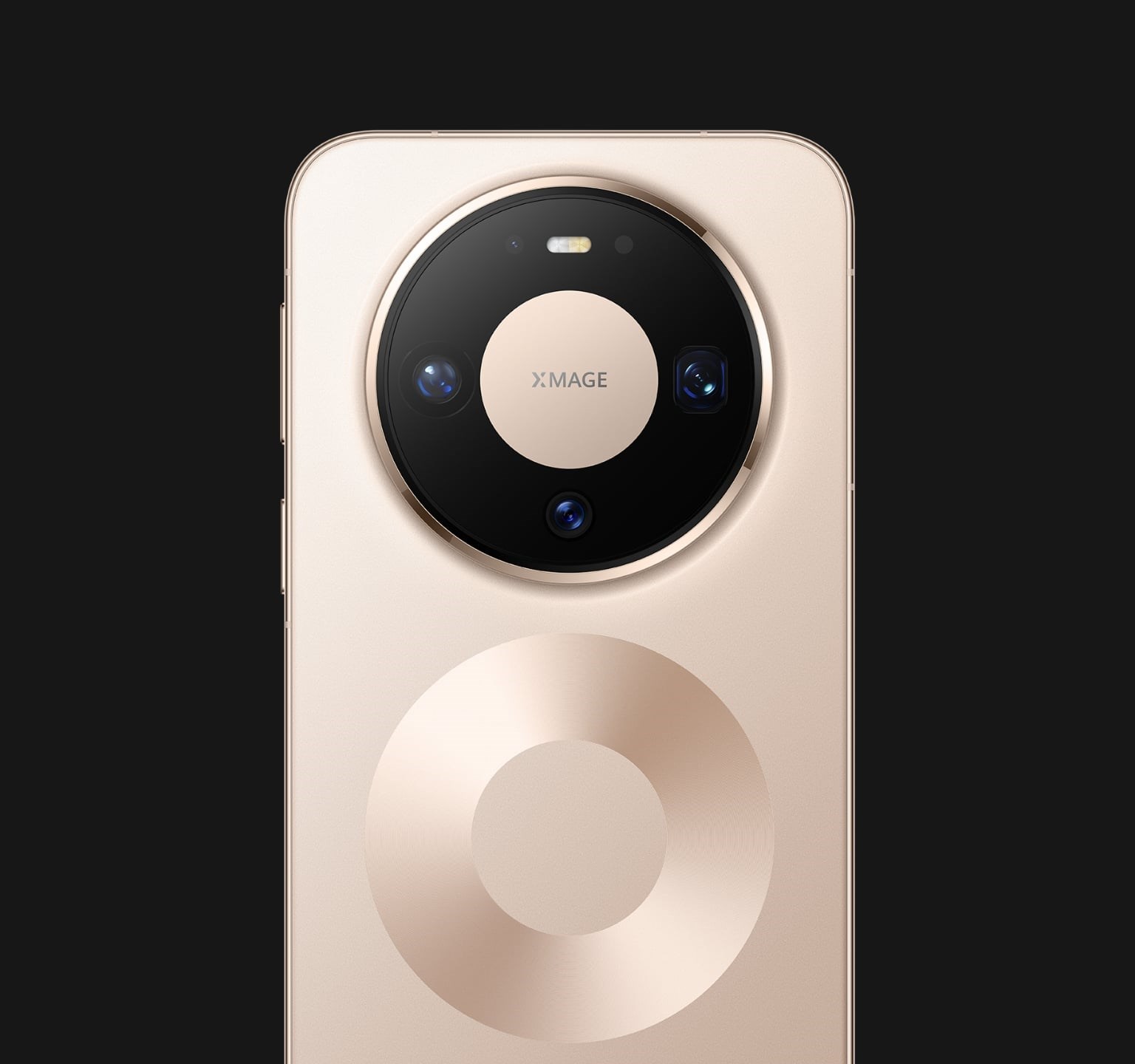
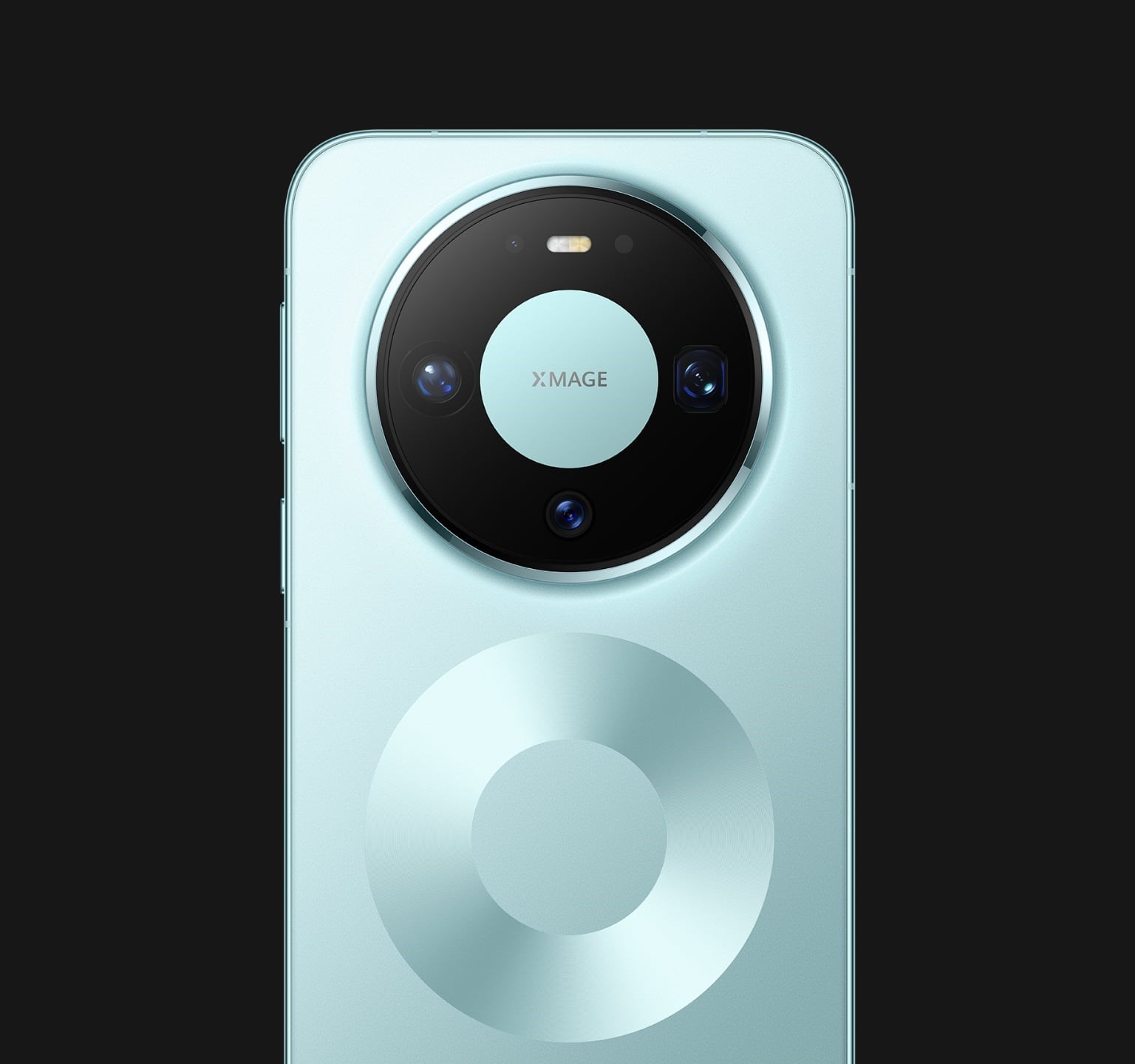
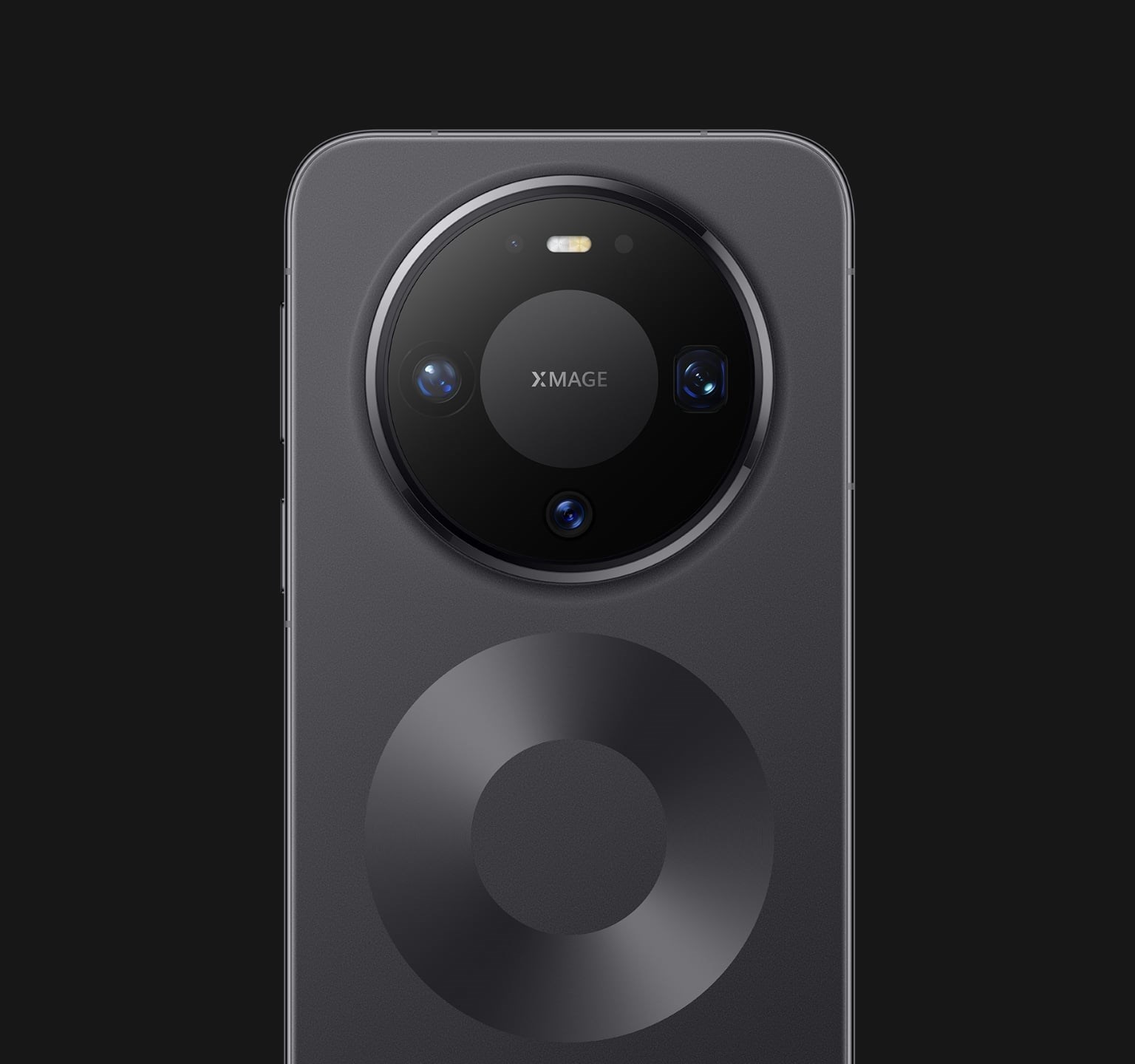
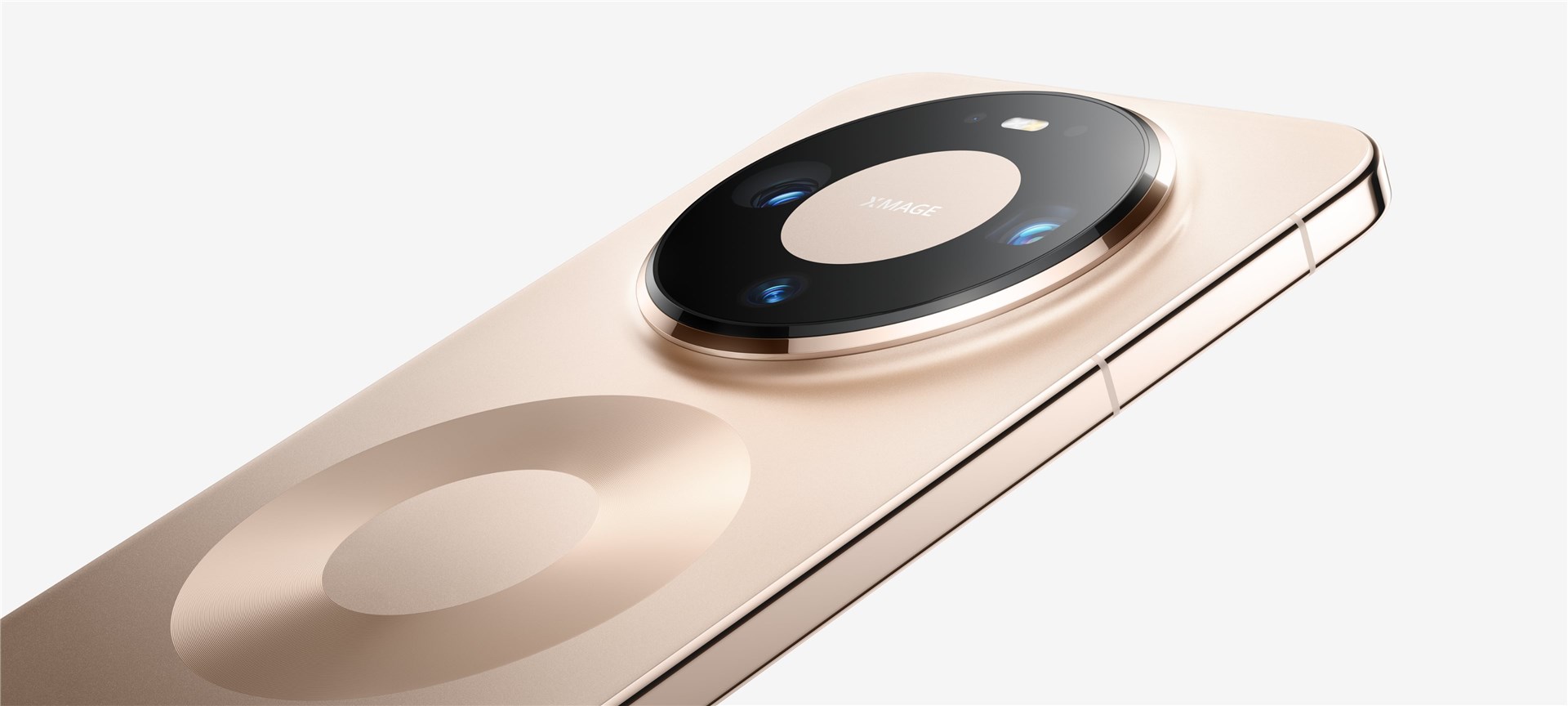
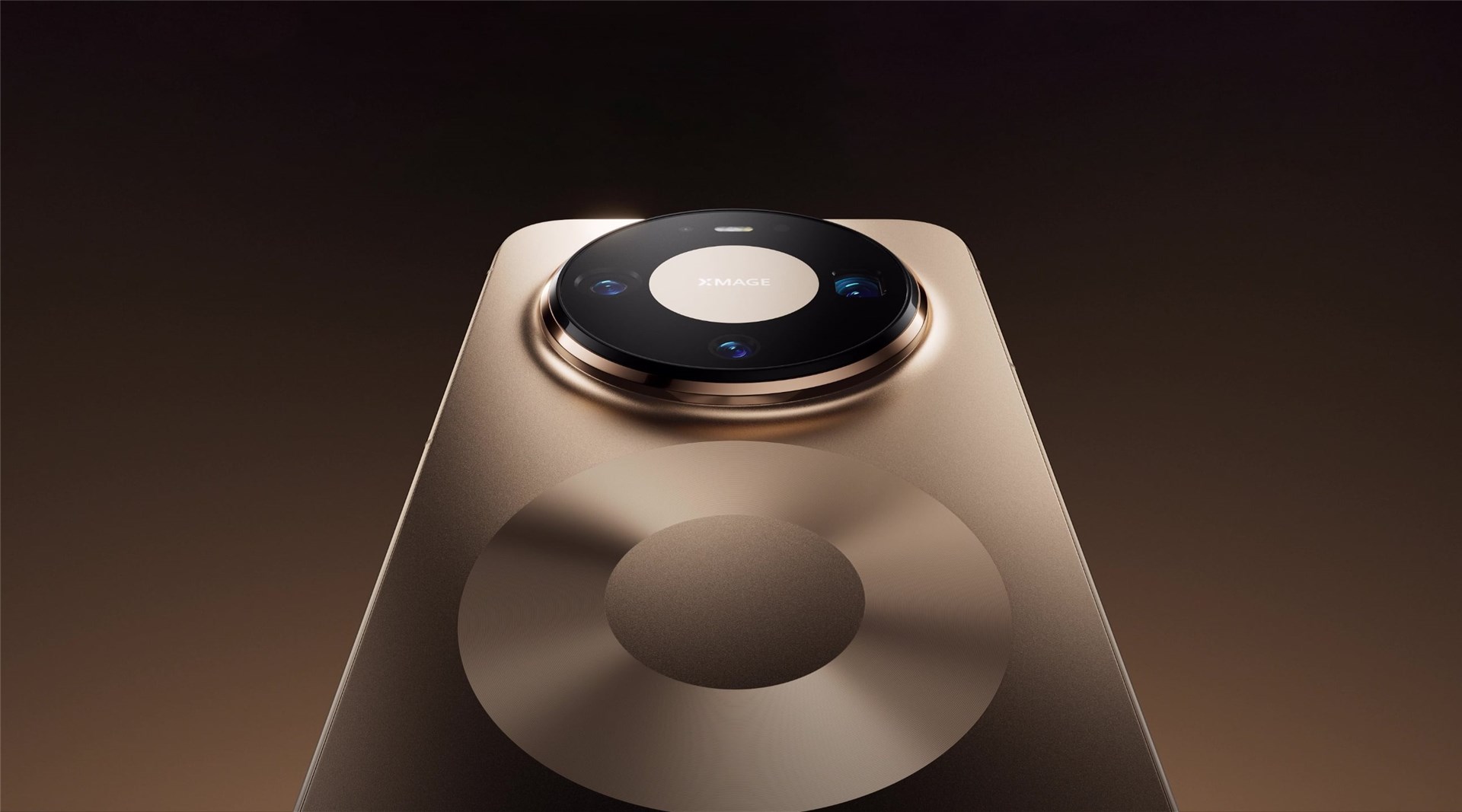
Huawei lists the dimensions as 161.85 x 76 x 7.95 mm and the weight as approximately 219 g including the battery. Three colours are named: Black, Green and Gold. The product photographs show a very large circular camera module near the top of the back, and below it a second circular pattern with concentric lines that gives the back a distinctive two-ring look. The pattern is decorative; the central ring in the lens module carries the XMAGE branding, Huawei's name for its imaging system. Durability is listed as IP68 and IP69, which means dust-tight protection and resistance to immersion and to high-pressure, high-temperature water jets. As always, that is a laboratory rating and does not cover drops or scratches.
The screen is a 6.75-inch LTPO OLED panel with a resolution of 2832 x 1280 pixels, around 460 pixels per inch, and 1.07 billion colours. The refresh rate adapts between 1 and 120 Hz, which saves power on static content and gives smooth scrolling in motion. Touch sampling reaches up to 300 Hz, a figure aimed at games, and 1440 Hz PWM dimming is listed for people who dislike screen flicker at low brightness. In the manufacturer's marketing material one promotional image highlights 3,000 nits of brightness, but the specification page lists no peak figure, so treat brightness numbers as unconfirmed until independent tests exist. A tall, narrow 2832 x 1280 panel is comfortable for one-handed reading and video, and the physical size is similar to other large flagships.
Software and performance
The specification page names EMUI 15.0 as the operating system and does not list the processor, so this review does not name one either. What is listed is 16 GB of RAM and 512 GB of internal storage, with no memory-card slot, a single configuration. Connectivity covers Wi-Fi 7, Bluetooth 6.0 and USB Type-C, and the phone supports single or dual SIM. Because no chipset, benchmark or thermal data is published, any statement about speed would be a guess, and this page does not make one. What can be said is that 16 GB of RAM is generous for multitasking and for keeping many apps in memory.
Huawei's software environment differs from the Android versions sold in Europe or the United States. It includes its own interface, its own app store and its own services. That is not necessarily a problem, but it is the single most important check before buying: look at whether the apps you need for banking, messaging, maps and work are available and function properly. The phone's hardware will not matter if your daily apps are missing.
Cameras
The main camera is 50 MP with a variable aperture from f/1.4 to f/4.0, an RYYB colour filter and optical stabilisation. Huawei names it the Ultra Lighting camera. Next to it is a 40 MP ultra-wide camera at f/2.2, also RYYB, and a 48 MP macro telephoto camera at f/2.1 with optical stabilisation. That telephoto gives 4x optical zoom and up to 100x digital zoom, and doubles as a close-up lens. A True-to-Colour camera sits in the module as well, which Huawei says supports colour accuracy. Photo size goes up to 8192 x 6144 pixels and video to 3840 x 2160, so 4K is the stated ceiling.
The selfie camera is 13 MP with an f/2.0 lens and autofocus, which is a more capable front camera than the 8 MP sensors on some premium phones, and it records 4K video as well. The variable aperture on the main camera is the most distinctive part of the system. A wide setting gathers more light in dim scenes, while a narrow setting controls bright scenes and can keep more of the picture sharp. How well the software uses it can only be judged from real samples, so check independent comparisons if photography is your main reason for buying.
Battery and charging
Huawei lists a typical battery capacity of 5,750 mAh and a rated capacity of 5,620 mAh, in a body that is 7.95 mm thick. That is larger than many flagships of this thickness. Wired charging reaches 100W with HUAWEI SuperCharge and wireless charging reaches 80W, although the wireless charger is sold separately. A fast wireless charger is a significant cost on top of the phone, and the 80W figure only applies when you buy the matching accessory. The specification gives no battery-life hours, and none are estimated here; actual endurance depends on screen use, signal strength and software behaviour. A figure above 5,500 mAh together with an adaptive 1 to 120 Hz display suggests that the phone should handle a full day for most users, but that is an expectation and not a verified result.
Who it is for
- People who want a very large battery and very fast charging in a slab-style flagship body.
- Photographers who value a variable aperture and a macro-capable telephoto in one phone.
- Owners who are already invested in Huawei software and services and want the newest flagship hardware.
- Buyers who value IP68 and IP69 protection and a tall high-resolution screen at a handy size.
Compromises
- The international price is not published on Huawei's specification page, and no official US price is available, so value comparisons need outside sources.
- The processor is not named on the specification page, so performance cannot be compared on paper.
- The 80W wireless charging figure needs a separate charger, and the software and app ecosystem differs from other Android phones.
- With a 219 g weight and a large module on the back, the phone is not small or light, and a case is advisable to protect the lens ring.
- There is a single 16 GB and 512 GB configuration, so there is no cheaper entry version to choose.
In short, the Mate 80 Pro is a battery- and charging-focused flagship with a bold camera design and a high-resolution screen. It suits buyers who know and accept Huawei's software ecosystem. For a foldable alternative, see the HUAWEI Mate X7, and the rankings page shows how all the phones on this site compare on their listed specifications.
Where it ranks
Compare Huawei Mate 80 Pro with similar devices
More from Huawei
Frequently asked questions
When was the Huawei Mate 80 Pro released?
The Huawei Mate 80 Pro was released on 2026-02-26, according to the manufacturer’s published information.
What are the main specs of the Huawei Mate 80 Pro?
Headline figures for the Huawei Mate 80 Pro: Battery: 5,750 mAh, Refresh rate: 440 Hz, Main camera: 50 MP, RAM: 16 GB. The full specification table is further up this page.
Is the Huawei Mate 80 Pro worth buying?
That depends on your priorities. Use the editorial review on this page for our view, check the rankings above to see where the device stands on battery, display and camera, and compare it directly with similar models before you decide.


