Phones
Xiaomi Redmi 15
Xiaomi's budget Redmi 15 stretches a 6.9-inch 144Hz screen over a 7,000 mAh silicon-carbon battery, Snapdragon 685, 33W charging and IP64 protection.
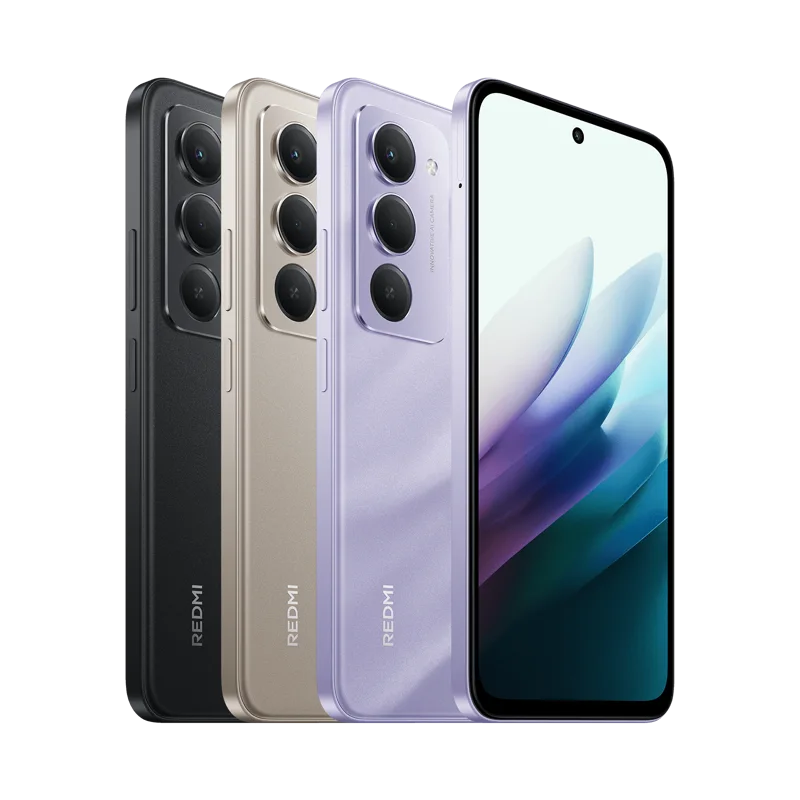
Key figures at a glance
Gallery
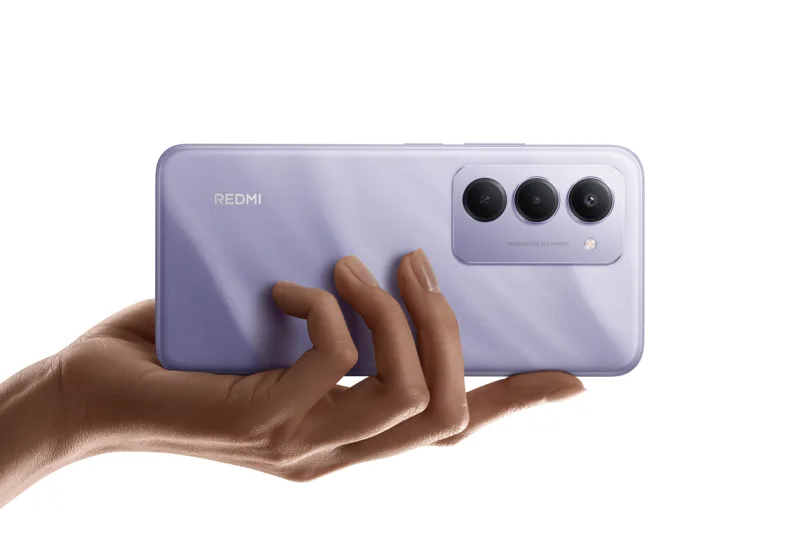
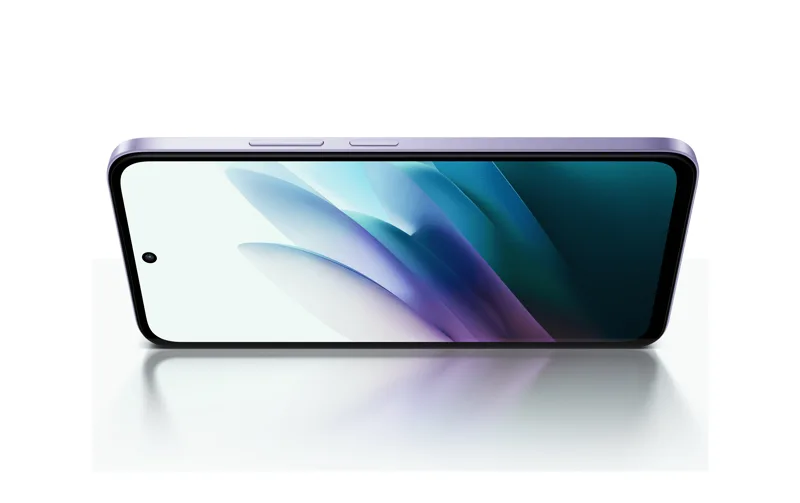
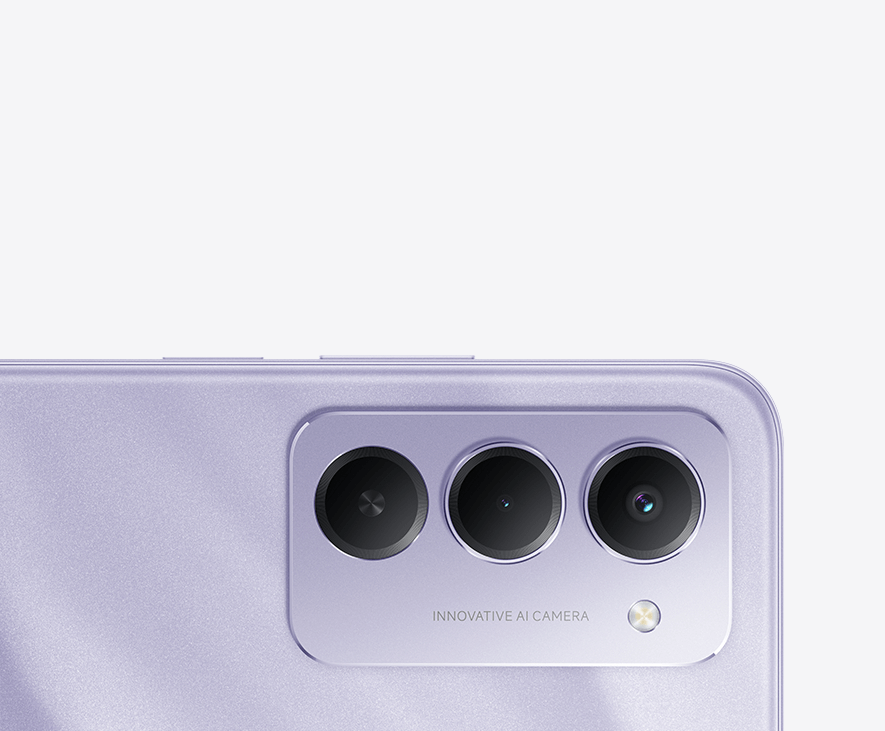
Specifications
- Display
- 6.9" FHD+ DotDisplay, 2340x1080, up to 144Hz, 700 nits typ / 850 nits HBM
- Chipset
- Snapdragon 685 (6nm)
- RAM
- 8GB
- Storage
- 128GB / 256GB
- Rear Camera
- 50MP main (f/1.8) + auxiliary lens
- Front Camera
- 8MP (f/2.0)
- Battery
- 7,000 mAh (typical), 33W wired, 18W wired reverse charging
- OS
- Xiaomi HyperOS 2
- Dimensions
- 169.48 x 80.45 x 8.40 mm, 214 g
- Durability
- IP64 dust and splash resistance
- Memory
- 6GB + 128GB, 8GB + 128GB, 8GB + 256GB (varies by region); LPDDR4X + UFS 2.2; memory extension up to 16GB; microSD up to 2TB (hybrid slot)
- Connectivity
- 2G/3G/4G bands, Wi-Fi 2.4/5GHz, Bluetooth 5.0, NFC (market dependent)
- Security
- Side fingerprint sensor, AI face unlock
- Colors
- Midnight Black, Titan Gray, Sandy Purple
The Xiaomi Redmi 15 is a budget phone that puts size and stamina ahead of raw speed. Xiaomi's global product page leads with three numbers: a 6.9-inch display that can refresh at up to 144 Hz, a 7,000 mAh battery built with silicon-carbon technology, and a Snapdragon 685 processor. Add 33W wired charging, IP64 dust and splash protection and a 50 MP main camera, and the phone reads like a practical, long-lasting everyday device. This page is based on the specifications and product information that Xiaomi publishes on its global site. It explains what the phone offers, how it compares with the other Redmi models, who should consider it and where the trade-offs lie.
Place in the Redmi lineup
The Redmi 15 sits in the lower tier of Xiaomi's Redmi range, below the Note series. The Redmi Note 15 is the next step up in the range for buyers with a bigger budget, while the Redmi 15C 5G is the cheaper sibling with a different chip, a smaller battery and 5G support. It matters to read Xiaomi's naming carefully: the product page described here lists the Snapdragon 685 and shows only 2G, 3G and 4G network bands in its specification, and Xiaomi sells a separate model called the Redmi 15 5G with a different processor. Xiaomi's global pages for this model do not state an official launch date or a US price for this particular model, so none is given; Xiaomi notes that configurations and packaging vary by region. For a direct side-by-side view, see Redmi 15 vs Redmi Note 15.
Design and durability
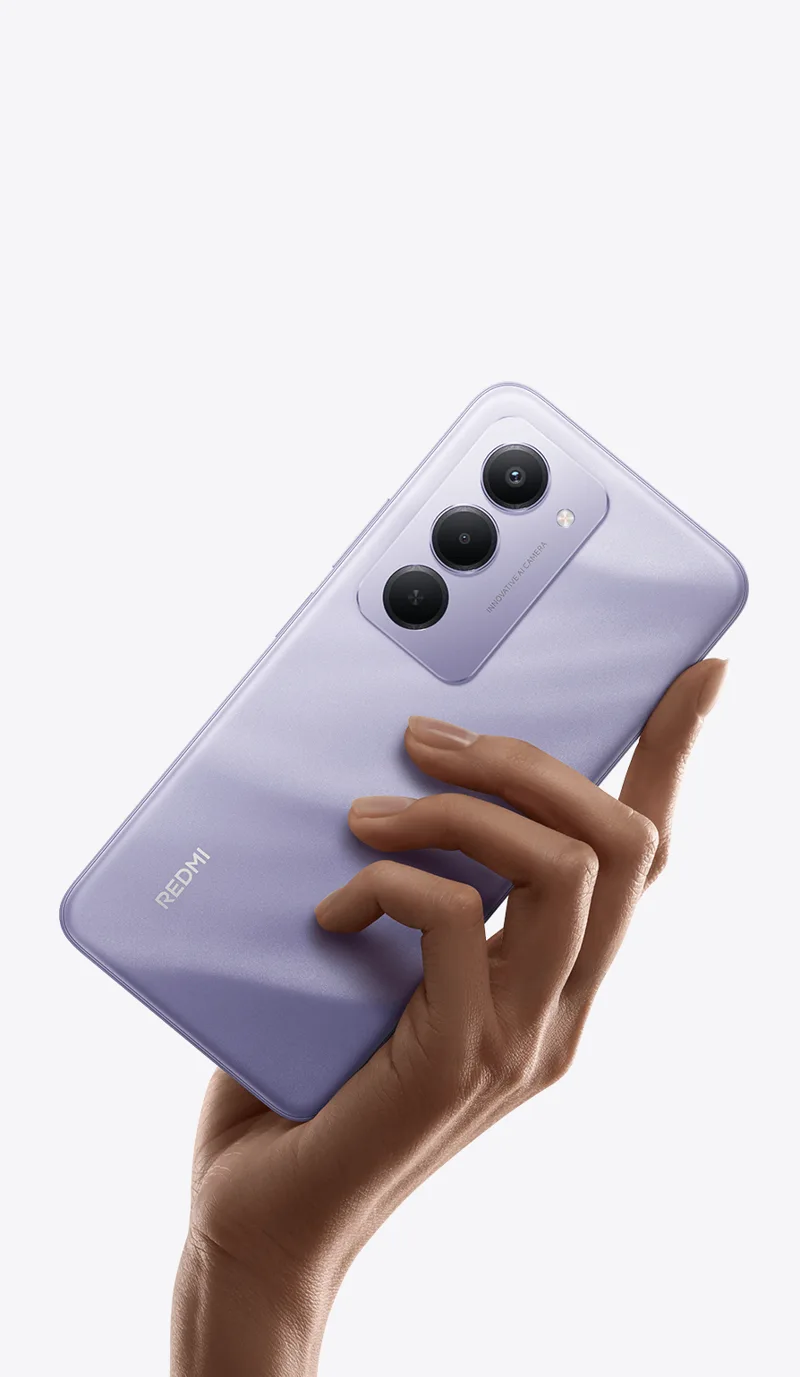
Xiaomi lists dimensions of 169.48 x 80.45 x 8.40 mm and a weight of 214 g, which is substantial but unsurprising for a phone with a 6.9-inch screen and a 7,000 mAh cell. The back has what Xiaomi calls a quad-curved design, with matching curvature on all four sides, intended to make the large body sit more naturally in the palm. The camera ring and accents use aluminium alloy details. The phone comes in three colours: Midnight Black, Titan Gray and Sandy Purple. Xiaomi adds a note that "Titan Gray" refers only to colour and surface appearance and does not mean the phone contains titanium. IP64 protection means the phone is dust-tight and resists splashes of water from any direction, but it is not meant to be submerged; Xiaomi stresses that the rating applies under laboratory conditions and may deteriorate through wear. A side-mounted fingerprint sensor and AI face unlock handle authentication, and the phone includes a case in the box according to the specification page.
Display
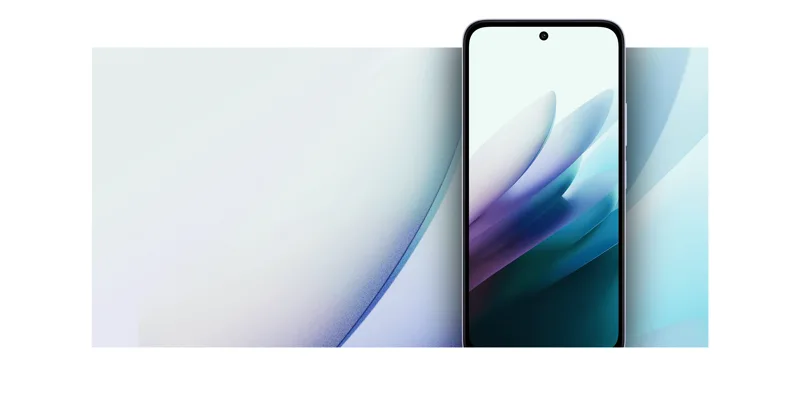
The screen is a 6.9-inch FHD+ panel with a resolution of 2340 x 1080 pixels, about 374 pixels per inch. Xiaomi calls it a DotDisplay. The refresh rate can go up to 144 Hz for supported apps, with adaptive switching between rates, and the touch sampling rate is up to 288 Hz. Brightness is stated as 700 nits typical and 850 nits in HBM mode, with a 1400:1 contrast ratio and 85 percent NTSC colour coverage. These are sensible numbers for a budget LCD: bright enough for outdoor use in most conditions, and colours that are good rather than vivid. Xiaomi also lists TÜV Rheinland certification for low blue light (software solution), flicker-free and circadian-friendly operation, DC dimming, and Wet Touch Technology 2.0, which is meant to keep the screen responsive with wet or oily fingers. A 144 Hz ceiling is rare at this price and makes scrolling feel noticeably smoother, although not every app will use the full rate.
Performance and memory
The Snapdragon 685 is an octa-core processor built on a 6 nm process, with Qualcomm Kryo CPU cores at up to 2.8 GHz and an Adreno GPU. It is an entry-level processor, which Xiaomi positions on efficiency and stability rather than speed. Expect smooth messaging, browsing, video and navigation, with limits in demanding 3D games. Memory options listed on the specification page are 6 GB + 128 GB, 8 GB + 128 GB and 8 GB + 256 GB, with LPDDR4X memory and UFS 2.2 storage; Xiaomi notes that configurations differ between regions. A memory extension feature lets the 8 GB version borrow storage space to act as up to 16 GB of RAM, but the extra memory takes up an equal amount of storage and is slower than physical RAM, so treat it as a convenience rather than an upgrade. Storage can be expanded with a microSD card of up to 2 TB, on a hybrid SIM slot that shares space with the second SIM.
Software
The Redmi 15 runs Xiaomi HyperOS 2. Xiaomi advertises a "48-month like-new software experience", a claim based on its internal software ageing tests, and it adds Google's Gemini assistant, Circle to Search and Xiaomi Interconnectivity features such as call sync and a shared clipboard with other Xiaomi devices. Xiaomi's global page does not give an operating system upgrade or security update commitment in years for this model, which is a notable difference from Samsung's six-year promise on phones such as the Galaxy A17 5G. Buyers who care about long-term updates should weigh that gap.
Camera
The rear camera is a 50 MP main camera with an f/1.8 aperture and a five-element lens, paired with an auxiliary lens that Xiaomi does not describe in detail. The front camera is 8 MP with an f/2.0 aperture. Video recording is limited to 1080p and 720p at 30 frames per second, front and rear. Xiaomi mentions an auto night mode and says dynamic shots may arrive through an over-the-air update. For a phone at this level, the camera is intended for social media, family photos and video calls, and low-light shots will show more noise than on a camera with optical image stabilisation or a larger sensor. There is no telephoto lens and no 4K video.
Battery and charging
The 7,000 mAh (typical) battery is the main reason to choose this phone. Xiaomi quotes 2.32 days of use in its light daily-use model, up to 46 hours of calls, up to 29 hours of reading and up to 14 hours of video playback; all of these come from Xiaomi's internal laboratory and should be seen as best-case figures. The company also claims that the battery keeps at least 80 percent of its capacity after 1,600 full charge cycles, and that the phone stays in standby at 1 percent charge for up to 64 minutes of calls. Charging runs at 33W through USB-C, and Xiaomi states that no power adapter is included in the box and recommends its own 33W adapter, so budget for a charger if you do not have one. The phone can also act as a power bank with 18W wired reverse charging. A battery of this size, together with a modest processor, is a sound combination for people who spend long days away from a socket.
Connectivity and extras
The specification page lists dual SIM (hybrid), 2.4 GHz and 5 GHz Wi-Fi, Bluetooth 5.0, NFC (market dependent), GPS, GLONASS, Galileo and BeiDou, an infrared blaster, Hi-Res Audio and Dolby Atmos. Xiaomi advertises a 200 percent volume boost compared with the Redmi 13.
Who it is for
The Redmi 15 suits anyone who wants a big screen and a long-lasting battery at a low price: students, commuters, parents buying a first phone, and people who use a phone mainly for video, reading and messaging. If you plan to game seriously, take many night photos or want long update promises, higher-tier phones such as the Redmi Note 15 or the Galaxy A56 are worth checking, and the phone rankings let you compare scores.
Compromises
- The Snapdragon 685 is slow for demanding games and heavy multitasking.
- The listed network bands cover up to 4G only; Xiaomi sells a separate 5G model.
- No charger is included in the box.
- Video is limited to 1080p at 30 fps and the camera system is basic.
- The phone is large and weighs 214 g.
- No stated OS upgrade or security update period on Xiaomi's global page.
Where it ranks
Compare Xiaomi Redmi 15 with similar devices
More from Xiaomi
Frequently asked questions
When was the Xiaomi Redmi 15 released?
The Xiaomi Redmi 15 was released on 2025-08-20, according to the manufacturer’s published information.
What are the main specs of the Xiaomi Redmi 15?
Headline figures for the Xiaomi Redmi 15: Battery: 7,000 mAh, Refresh rate: 144 Hz, Main camera: 50 MP, RAM: 8 GB. The full specification table is further up this page.
Is the Xiaomi Redmi 15 worth buying?
That depends on your priorities. Use the editorial review on this page for our view, check the rankings above to see where the device stands on battery, display and camera, and compare it directly with similar models before you decide.


