Phones
vivo X Fold3 Pro
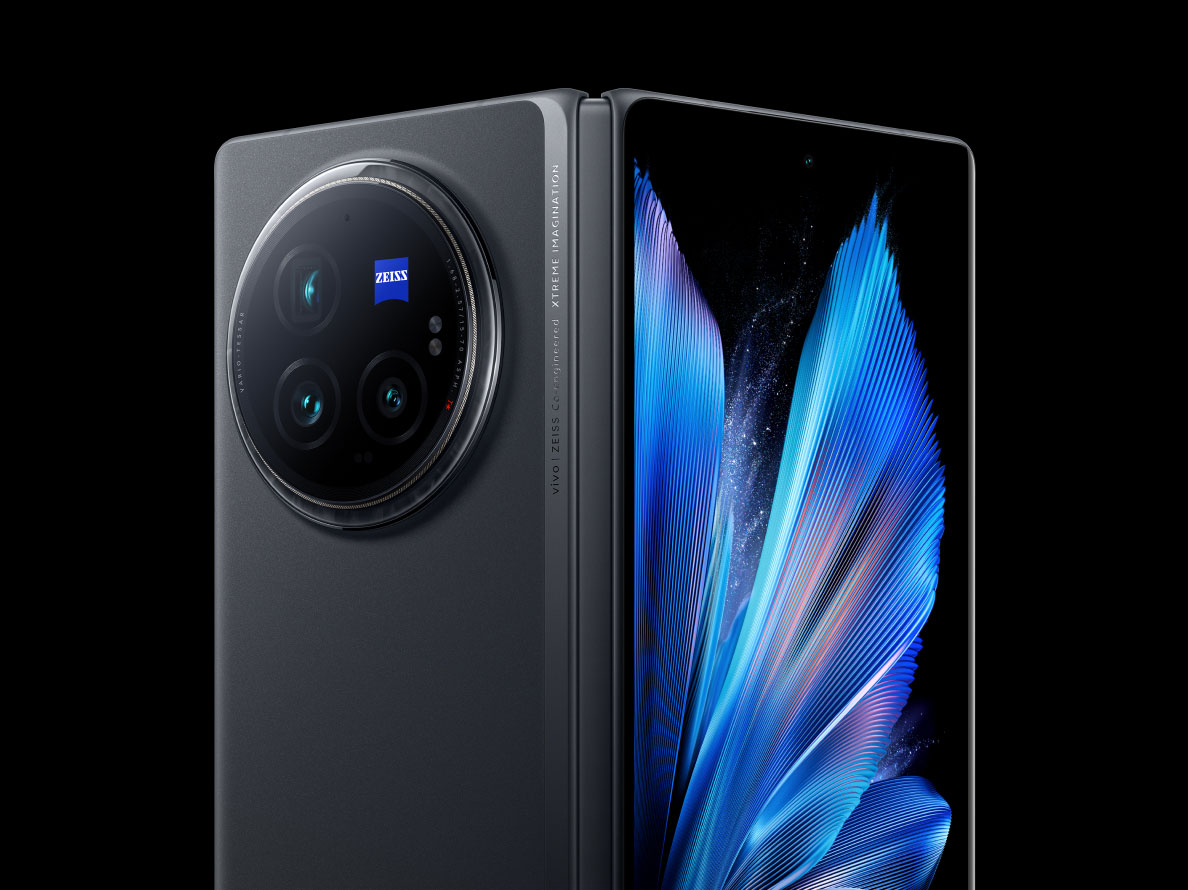
The vivo X Fold3 Pro is a thin foldable with Snapdragon 8 Gen 3, 16GB RAM, an 8.03-inch inner display and a 5700 mAh equivalent battery in a 236 g body, according to vivo.
Key figures at a glance
Gallery
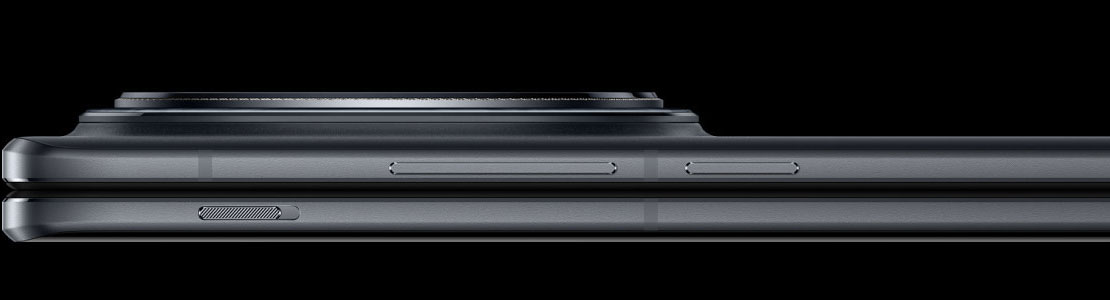
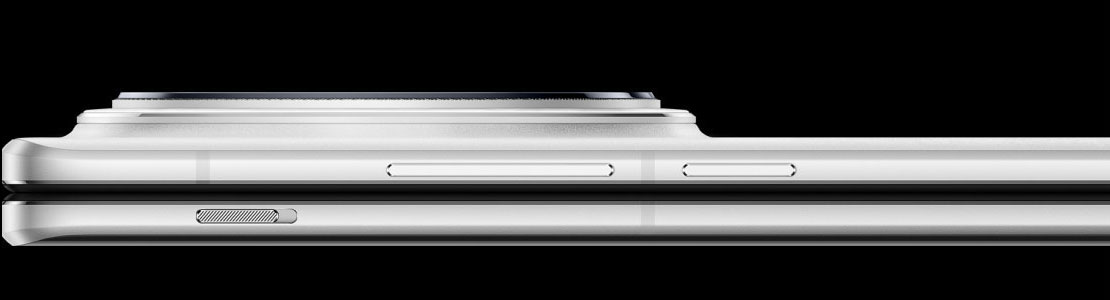
Specifications
- Display
- Inner: 8.03" LTPO AMOLED, 2480x2200, 120Hz, 4500 nits local peak; Cover: 6.53" LTPO AMOLED, 2748x1172, 120Hz, 4500 nits local peak
- Chipset
- Snapdragon 8 Gen 3 (TSMC 4nm), LPDDR5X, UFS 4.0
- RAM
- 16GB
- Storage
- 512GB
- Rear Camera
- 50MP main (1/1.3", f/1.68, OIS) + 64MP ZEISS telephoto (f/2.57, OIS, 3x optical) + 50MP ultra-wide (f/2.0, 119°)
- Front Camera
- 32MP inner screen + 32MP cover screen, both f/2.4
- Battery
- 5700 mAh (typ., BlueVolt dual-cell; 5550 mAh rated), 100W wired FlashCharge, wireless FlashCharge
- OS
- Funtouch OS 14, Android 14
- Dimensions
- Folded 159.96 x 72.55 x 11.2 mm; unfolded 159.96 x 142.4 x 5.2 mm; 236 g
- Connectivity
- Dual nano SIM, 5G, Wi-Fi 2.4/5GHz, Bluetooth 5.4, NFC, USB-C 3.2 Gen 2, IR blaster, 3D ultrasonic fingerprint
- Durability
- IPX8 water resistance; hinge certified by TUV Rheinland for 500,000 folds
- Colors
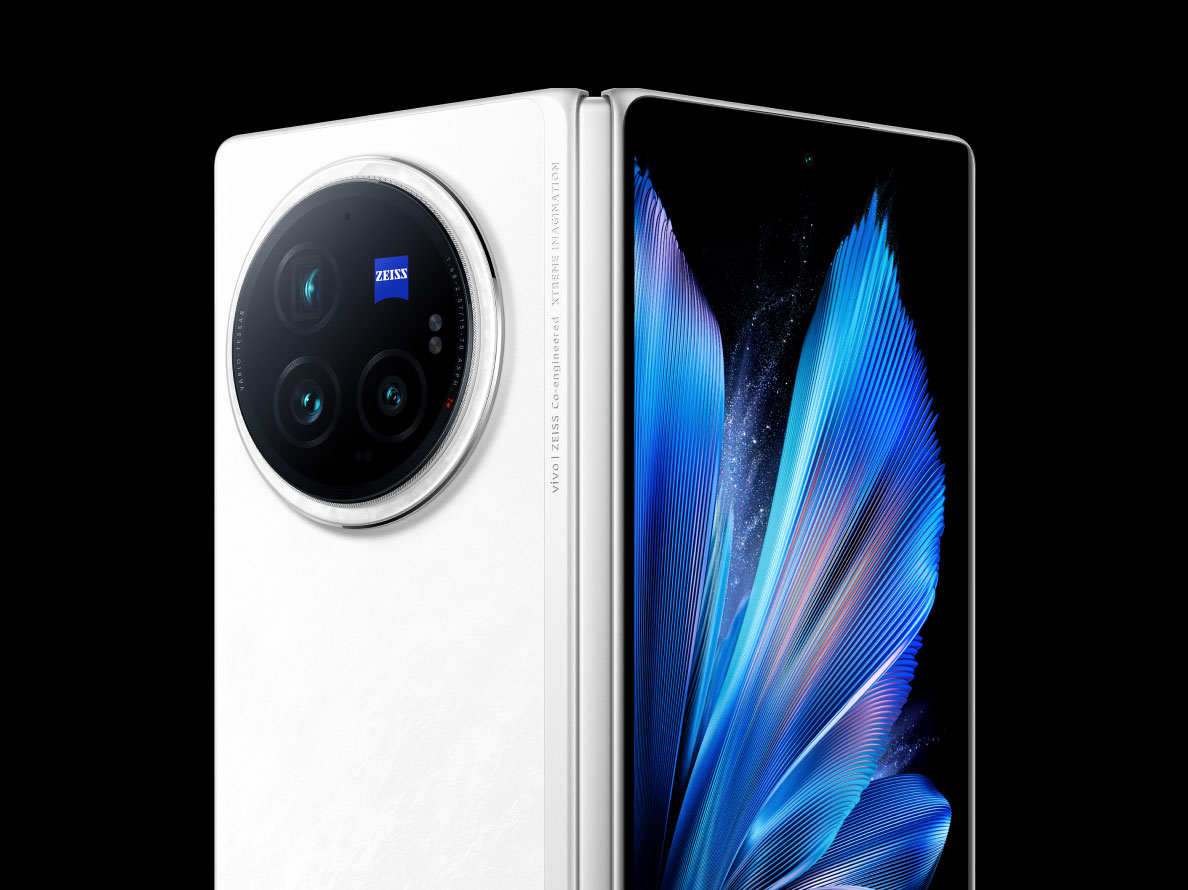
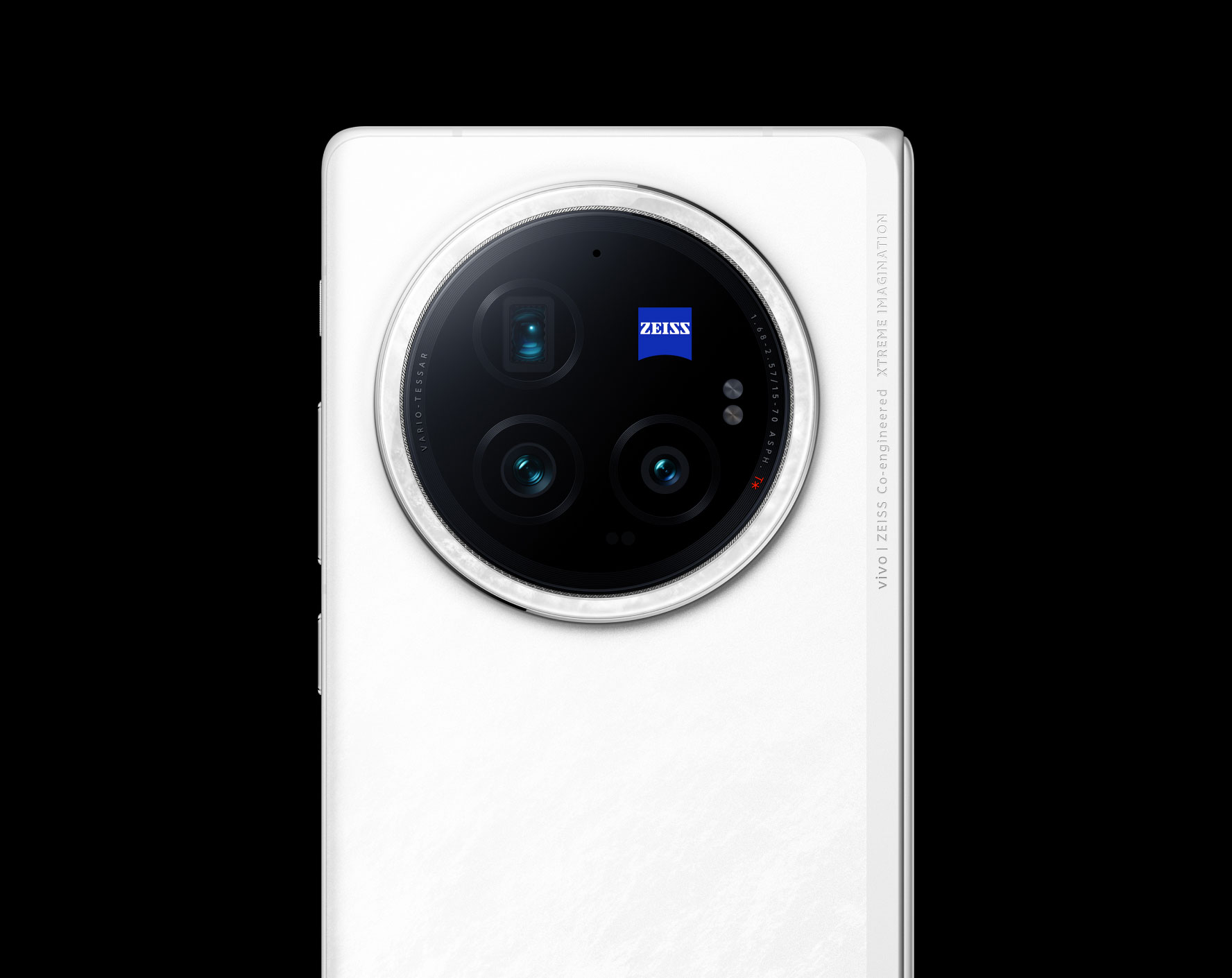
- Eclipse Black, Solar White
The vivo X Fold3 Pro is a book-style foldable that puts its weight on one number above all: 236 grams. For a phone with an 8.03-inch inner screen, a second 6.53-inch cover display and a battery that vivo rates at an equivalent 5,700 mAh, that is an unusually low figure, and it frames almost everything else about the device. This review is based on the published specifications and manufacturer information, so it concentrates on what the hardware is designed to do, where vivo's own claims should be read as claims, and which trade-offs a buyer should weigh before choosing a foldable at all.
Where it sits in the foldable market
The X Fold3 Pro was introduced in the first half of 2024 as the larger-battery, higher-specification sibling in vivo's foldable line, and it carries a Snapdragon 8 Gen 3 rather than a mid-range chip. In vivo's materials it competes less on novelty than on proportions: thin when unfolded, light in the hand, and with a rear camera system that borrows the ZEISS branding used across the brand's flagship slab phones. If you follow the category, the later vivo X Fold5 shows where the line went next, while the Samsung Galaxy Z Fold7 and the OPPO Find N5 represent the other thin-and-light answers to the same question.
The product page lists a single configuration, 16GB of memory with 512GB of storage, and two colours: Eclipse Black and Solar White. No cheaper memory tier is named on the pages we reviewed, which suggests a deliberately premium positioning rather than a range of price steps. We could not find an official US list price, so none is given here.
Design, hinge and displays
Unfolded, the phone measures 5.2 mm thick; folded it is 11.2 mm, with a footprint of roughly 160 by 72.6 mm folded and 160 by 142.4 mm open, according to the specification sheet. The weight of 236 g excludes the screen protective films. For comparison with typical large foldables, that is the kind of number that decides whether a phone feels like a phone or like a small tablet in a jacket pocket. The back uses glass fibre and the frame is aluminium alloy, the sheet states, and vivo adds that the hinge is certified by TÜV Rheinland for 500,000 folds and that the phone carries an IPX8 rating. IPX8 says nothing about dust, so this is water protection only, and as with every foldable the folding screen remains the part that needs the most careful handling.
Both screens are LTPO AMOLED panels with a 120Hz refresh rate. The inner display is 8.03 inches at 2480 by 2200 pixels, which is nearly square and gives roughly 412 pixels per inch; the cover display is 6.53 inches at 2748 by 1172. vivo quotes 4,500 nits of local peak brightness for both, a figure that applies to small highlight areas rather than a full white screen, and both panels support the P3 colour gamut. An ultrasonic fingerprint sensor sits under each screen. The cover display's elongated shape matters in daily use: at 1172 pixels wide it is closer to a standard slab phone than to the narrow cover screens of earlier book-style foldables, which should make messaging and navigation less cramped before you open the phone at all.
Performance and software
The chipset is the Snapdragon 8 Gen 3 built on TSMC's 4 nm process, paired with LPDDR5X memory and UFS 4.0 storage. vivo quotes an AnTuTu V10 result of about 2.17 million from its own laboratory; treat that as a manufacturer figure obtained under its own conditions rather than as an independent benchmark. In practical terms the platform was the top Qualcomm chip of its generation, so heavy multitasking, gaming and the split-screen workflows that foldables invite should be well within reach. Sustained performance in a body only a few millimetres thick is the open question, because thin devices have limited room for cooling, and we cannot answer it from a specification sheet.
The phone launches with Funtouch OS 14 on Android 14. The software side is where a foldable earns or loses its price: vivo promotes a fold-to-split function, a Link to Windows feature that mirrors the phone to a PC running Windows 10 or 11, and AI tools such as note assist, transcript assist and translation. It also advertises a 50-month smooth-experience claim, a statement about long-term performance that we would read as a design target. The sources do not give a number of promised operating-system updates, so we do not state one.
Camera system
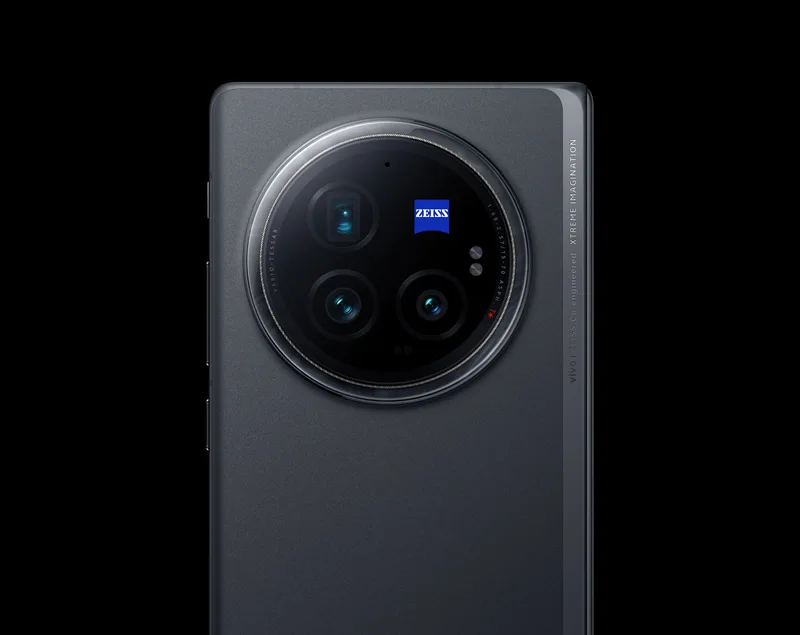
On the back sits a large circular module with three cameras. The main camera is a 50 MP 1/1.3-inch sensor with an f/1.68 lens and optical image stabilisation, using vivo's VCS True Color branding. The telephoto, labelled ZEISS, is a 64 MP 1/2-inch unit at f/2.57 with stabilisation and 3x optical zoom, plus a claimed 10x high-definition zoom and digital zoom up to 100x. The third camera is a 50 MP ultra-wide at f/2.0 with a 119-degree field of view, although a footnote says the figure is about 109 degrees after distortion correction. Video is offered up to 4K at 60 frames per second, with a 4K cinematic portrait mode.
Both screens have a 32 MP front camera at f/2.4 according to the regional specification sheet, so video calls work the same way folded and unfolded. vivo also promotes a rear-camera selfie mode, where the cover screen acts as a viewfinder for the main cameras. This is one of the genuine advantages of any foldable: you can aim the best camera at yourself, or hold the phone half open as a small tripod. A 64 MP telephoto with a real 3x optical stage is a strong specification for a foldable, where telephoto lenses are often the first thing sacrificed to thinness.
Battery and charging
The battery is described as a dual-cell BlueVolt design with an equivalent 5,700 mAh capacity, made of two 2,850 mAh cells with a typical energy of 22.02 Wh. The rated value is lower, at two 2,775 mAh cells, or an equivalent 5,550 mAh, which is the number regulators use. Both numbers are large for a foldable and one reason the phone is interesting. Wired charging is 100W FlashCharge, which vivo says takes the phone from 1 to 100 percent in 42 minutes under laboratory conditions. Wireless FlashCharge is supported, but the pages do not give its wattage, so we do not either. The box contents are not listed in the sources, so whether a charger ships with the phone is something to check at the point of sale.
Because two screens and a hinge add cost and thickness, battery capacity is usually where foldables compromise. The X Fold3 Pro is designed to avoid that, but real endurance depends on how often the large inner display is used at high brightness, and no independent runtime figure is available to us here.
Who it is for
This phone is aimed at readers who want a foldable they will actually carry: someone who reads long documents, edits spreadsheets or watches video on a large screen during a commute, but who does not want the usual penalty in weight and thickness. Photography-minded buyers will like the 3x telephoto and the freedom to use the main camera for selfies. Heavy users who like to charge quickly will benefit from the 100W standard.
If you are comparing options, the vivo X Fold3 Pro against the Galaxy Z Fold7 is a useful starting point, and the full list of devices we cover is on the rankings page.
Compromises to weigh
- Availability and updates: the pages name no US price and no update policy, and vivo's regional sales footprint is narrower than that of Samsung or Google.
- Water but not dust: IPX8 covers immersion in water, not dust, which matters for a hinge mechanism.
- Single memory tier: only 16GB with 512GB is listed, so there is no lower-cost entry point.
- Manufacturer claims: brightness, durability and charging times are laboratory claims from vivo and have not been independently confirmed in the sources we used.
- Foldable basics: any folding display is more vulnerable than a rigid one, and a visible crease or a protective film that wears is part of the deal.
In summary, the X Fold3 Pro is a spec-led argument that a foldable need not be heavy. If the numbers hold up in your hands, its combination of low weight, a big battery for the category and a proper telephoto camera makes it one of the more convincing book-style foldables of its generation.
Where it ranks
Compare vivo X Fold3 Pro with similar devices
More from vivo
Frequently asked questions
When was the vivo X Fold3 Pro released?
The vivo X Fold3 Pro was released on 2024-06-06, according to the manufacturer’s published information.
What are the main specs of the vivo X Fold3 Pro?
Headline figures for the vivo X Fold3 Pro: Battery: 5,700 mAh, Refresh rate: 120 Hz, Main camera: 50 MP, RAM: 16 GB. The full specification table is further up this page.
Is the vivo X Fold3 Pro worth buying?
That depends on your priorities. Use the editorial review on this page for our view, check the rankings above to see where the device stands on battery, display and camera, and compare it directly with similar models before you decide.


