Phones
Google Pixel 9 Pro Fold
Google's second-generation book-style foldable pairs an 8-inch inner screen and a 6.3-inch cover display with Tensor G4, 16 GB of RAM and a 5x telephoto, in a 257 g body.
Key figures at a glance
Gallery

Specifications
- Display
- 8" Super Actua Flex LTPO OLED inner (2076x2152, 1-120Hz) + 6.3" Actua OLED cover (1080x2424, 60-120Hz), up to 2,700 nits peak
- Chipset
- Google Tensor G4 with Titan M2 security coprocessor
- RAM
- 16GB
- Storage
- 256GB / 512GB
- Rear Camera
- 48MP main + 10.5MP ultrawide with Macro Focus + 10.8MP telephoto 5x
- Front Camera
- 10MP cover + 10MP inner
- Battery
- 4,650 mAh typical (4,560 mAh minimum), 45W wired charging with Google charger sold separately, Qi wireless
- OS
- Android 14, 7 years of OS, security and Pixel Drop updates
- Dimensions
- 155.2 x 77.1 x 10.5 mm folded, 155.2 x 150.2 x 5.1 mm unfolded
- Weight
- 257 g
- Durability
- IPX8, Corning Gorilla Glass Victus 2
The Google Pixel 9 Pro Fold is the second book-style foldable from Google and the one that tried to fix the most obvious complaints about the first. It opens to an 8-inch inner display, keeps a 6.3-inch cover screen for everyday use, runs the Tensor G4 chip with 16 GB of RAM, and weighs 257 grams. This page is based on the published specifications and manufacturer information, and it covers where the phone sits in Google's lineup, how the design and the two screens work, what the hardware and software offer, how the cameras are arranged, and which compromises come with a device of this kind.
Where the Pixel 9 Pro Fold fits in the lineup
Google announced the Pixel 9 family on 13 August 2024 and put the Pro Fold on shelves on 4 September 2024 in the United States, with other markets following. The starting price was 1,799 dollars, which makes it the most expensive Pixel of its generation by a wide margin. It sits above the compact Pixel 9 Pro and the larger Pixel 9 Pro XL, and it is the direct successor to the original Pixel Fold from 2023.
Naming matters here. Google dropped the plain "Pixel Fold" label and called the device a Pro model, which signals that it is meant to share the family's camera philosophy and Tensor generation rather than being a side experiment. Later Google released the Pixel 10 Pro Fold, so the 9 Pro Fold is now the previous generation of the line. If you are weighing the two, the Pixel 9 Pro Fold vs Pixel 10 Pro Fold comparison lines up the differences, and the rankings page shows where all of these phones land on a common scale.
Design, hinge and the two displays
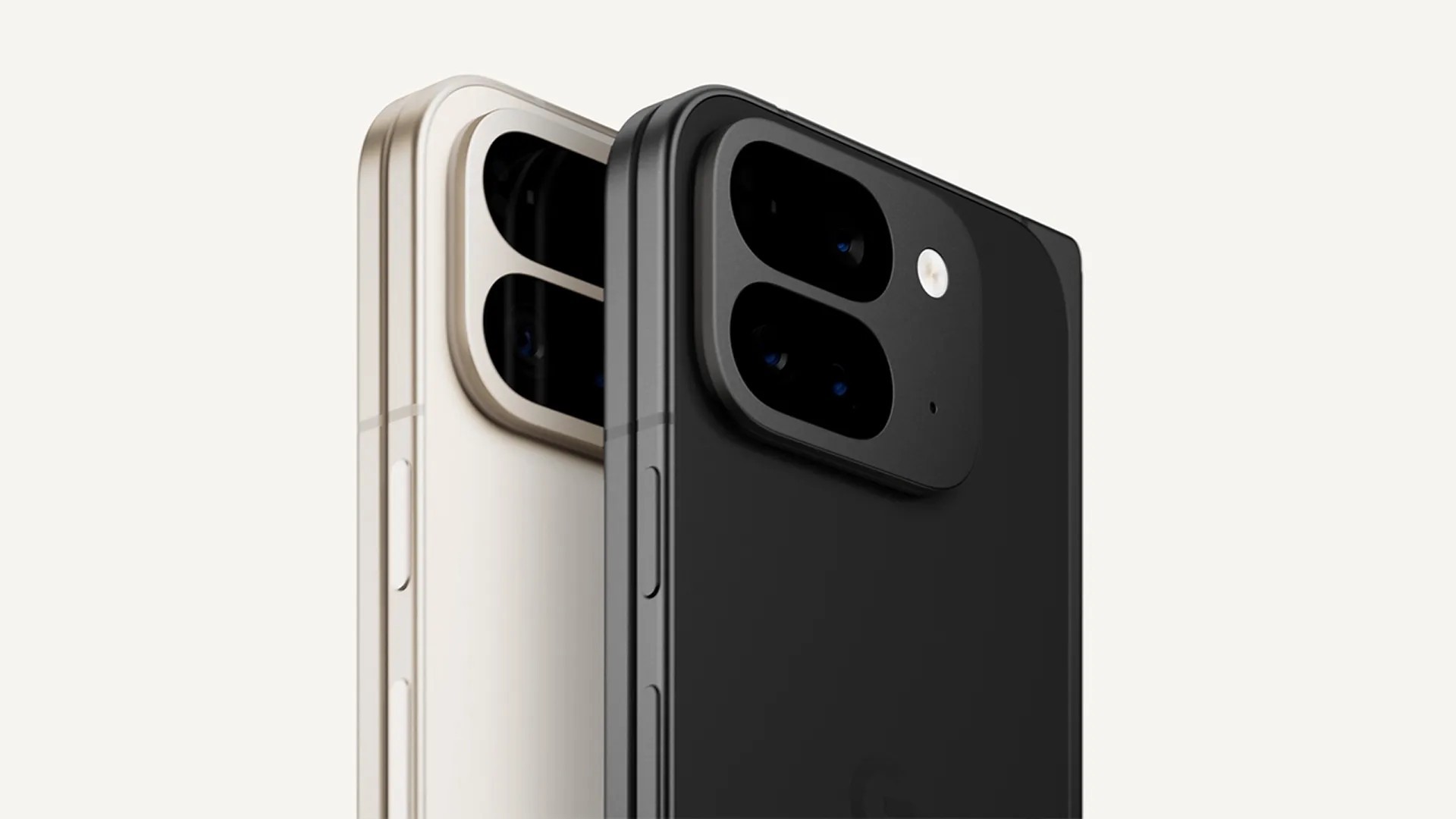
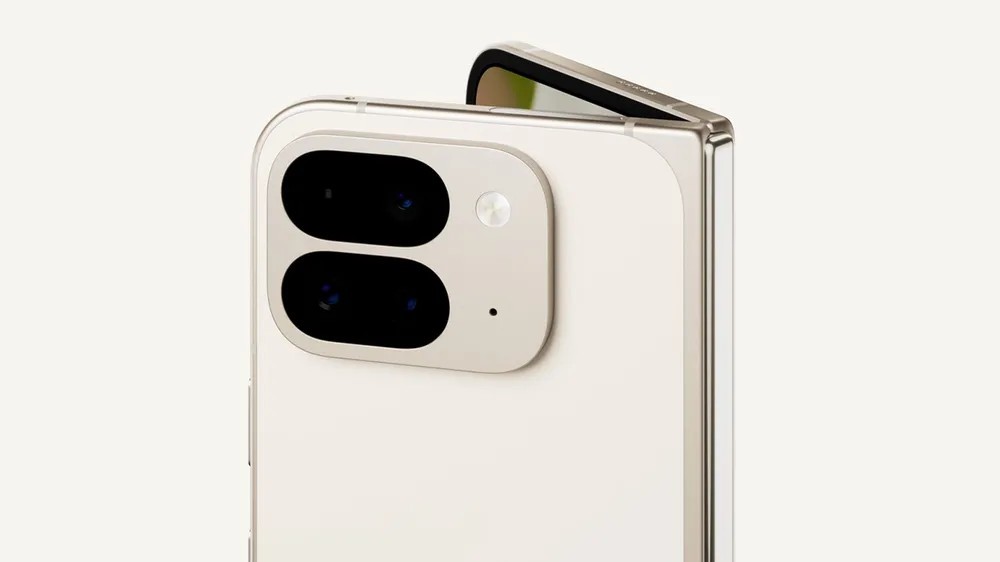
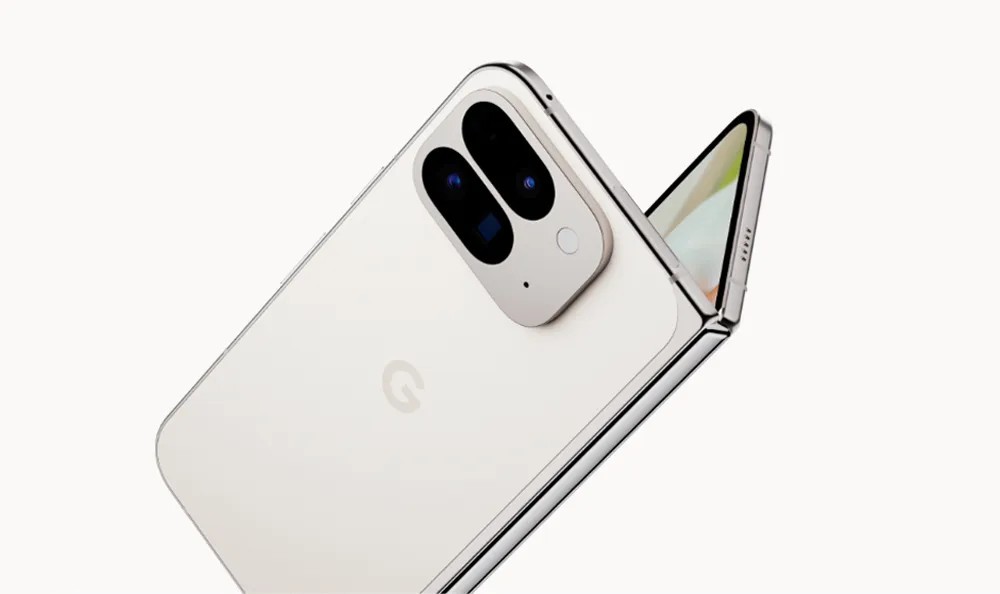
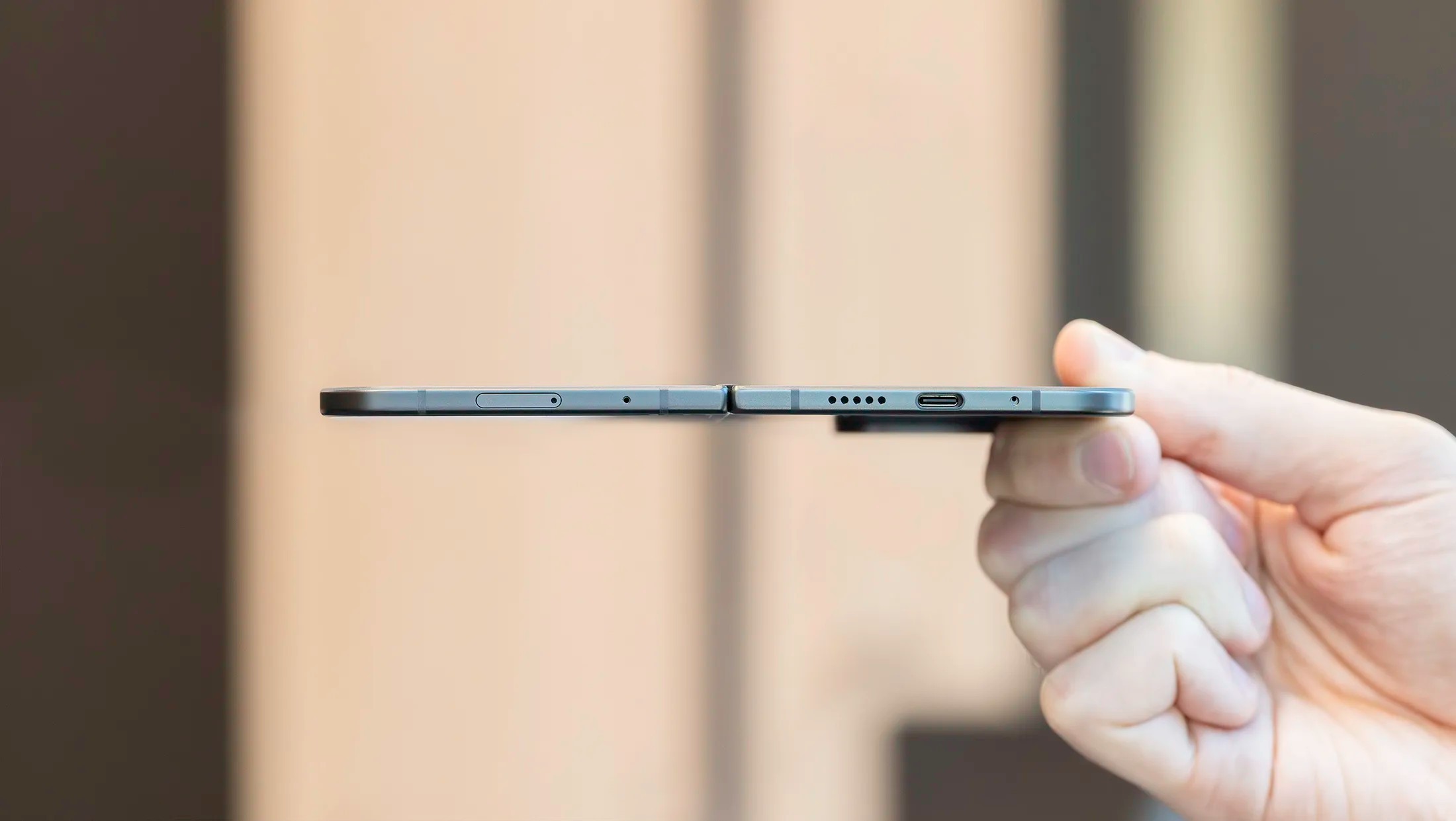
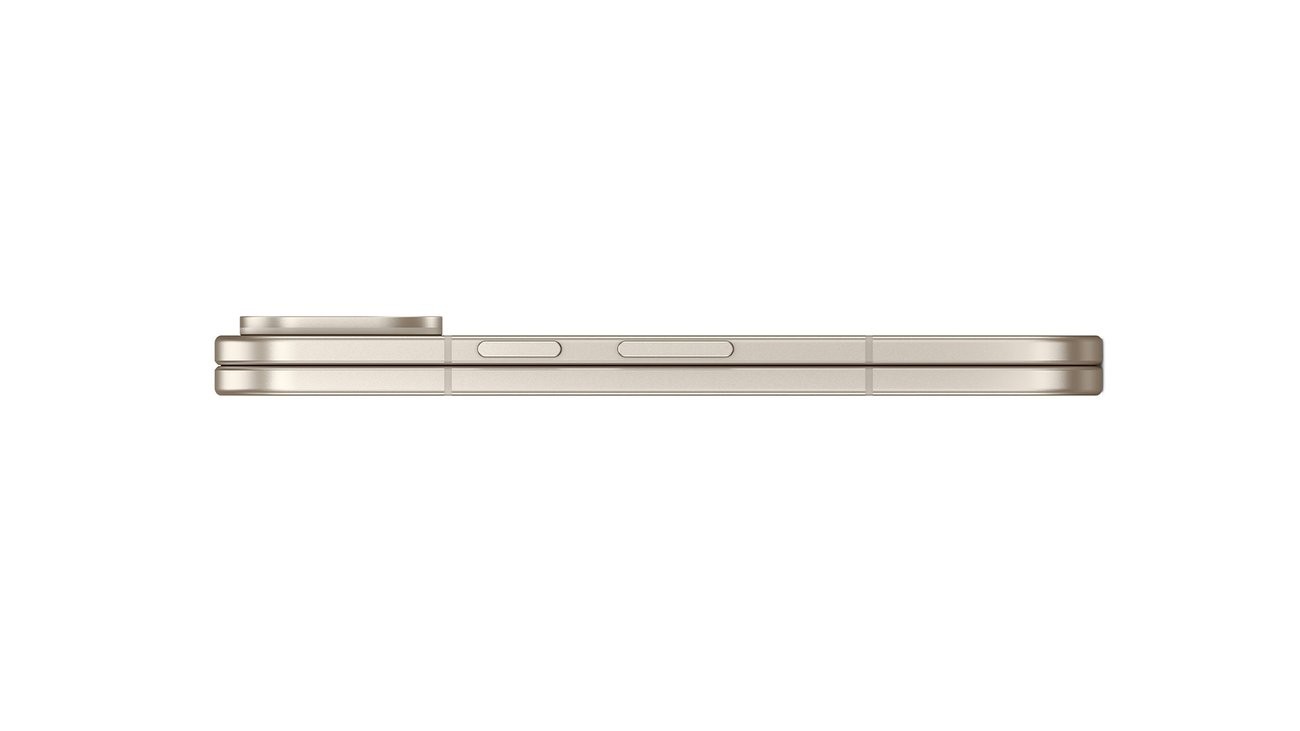
Google describes the Pixel 9 Pro Fold as its thinnest foldable. The official figures are 10.5 millimetres folded and 5.1 millimetres unfolded, with a footprint of 155.2 by 77.1 millimetres when closed and 150.2 millimetres wide when open. Google states that the new hinge opens fully flat and that the redesign made the phone about 1.5 millimetres thinner than its predecessor. The housing, hinge and camera visor use aluminium that Google says is 100 percent recycled, and the phone is built with at least 18 percent recycled materials by weight. The back is silky matte Corning Gorilla Glass Victus 2 with a satin metal frame, and it comes in two colours, Obsidian and Porcelain.
The inner screen is an 8-inch Super Actua Flex LTPO OLED at 2076 by 2152 pixels, with a refresh rate of 1 to 120 Hz and a stated peak brightness of 2,700 nits. The cover screen is a 6.3-inch Actua OLED at 1080 by 2424 pixels, 60 to 120 Hz, also rated up to 2,700 nits at peak, with Gorilla Glass Victus 2 on top. Google claims the display is 80 percent brighter than the one in the first Pixel Fold. The inner panel uses ultra-thin glass, which, like every foldable display, is more easily marked than a normal phone screen, so it makes sense to treat it more carefully than a normal phone screen.
Water resistance is IPX8, which Google's footnote defines as protection in up to 1.5 metres of water for 30 minutes. The "X" is important: the phone has no official dust rating, and Google notes that it is not dust-proof. For a device with a hinge, sand and grit are the realistic hazard, not rain.
Performance and software
The Pixel 9 Pro Fold uses Google Tensor G4 with the Titan M2 security coprocessor, 16 GB of RAM, and either 256 GB or 512 GB of storage; there is no 128 GB base model and no memory card slot. Tensor chips have never aimed to win raw benchmark tables, and Google's pitch for G4 is better efficiency and faster on-device AI features. In practice that means the phone is built for tasks such as summarising text, editing images, transcribing audio and running Gemini, rather than for sustained gaming loads. Anyone who wants the highest peak performance in a foldable should check the benchmark-oriented lists on the rankings page before assuming Tensor will match a competitor's Snapdragon.
The phone launched with Android 14, and Google promises seven years of operating system, security and Pixel Drop updates, which is among the longest commitments in the industry and matters more on a 1,799-dollar device than on a cheap one. The software is built around the unusual screen: split screen and drag and drop between apps, and Dual Screen with Google Meet. Google highlights YouTube TV multiview, which can show up to four chosen events on the inner screen at once, and several games with tabletop-mode support. Tabletop posture, where the phone stands half-open on a table, is used for video calls, hands-free photos and media.
The phone supports Satellite SOS, Emergency SOS, Crisis Alerts and car crash detection, runs a dual SIM setup with one nano SIM and an eSIM, and has USB-C 3.2. Security is handled by Titan M2 and Google's usual layered approach, and the phone can unlock with the fingerprint sensor or with Face Unlock on either the cover or the inner camera.
Cameras
The rear camera is a triple system: a 48 MP wide camera with an f/1.7 aperture and a 1/2-inch sensor, a 10.5 MP ultrawide with autofocus and Macro Focus, and a 10.8 MP telephoto with 5x optical zoom. Google lists Super Res Zoom up to 20x and optical-quality output at 0.5x, 1x and 5x. There are two selfie cameras, both 10 MP, one on the cover screen and one inside, and both support Face Unlock whether the phone is folded or open.
What a foldable adds is the choice of how to take pictures. With the phone open, the cover screen can act as a preview for people in front of the camera. Dual Screen Preview and Made You Look, a feature that plays an animation on the outer screen to hold a child's attention, use that idea. Rear Camera Selfie lets you take a selfie with the main cameras by using the cover display as the viewfinder, which is a genuine quality advantage over the small front sensors. The usual Pixel software tools are all present: Magic Editor, Best Take, Add Me, Night Sight, Real Tone, Video Boost, Audio Magic Eraser and Pro controls.
The compromise is sensor size. The telephoto and ultrawide sensors are small and the lenses are slow by flagship standards, so the camera package is closer to a regular Pixel than to the best phone cameras of the year. Google itself calls it the best camera on any foldable, a claim that rests on a third-party report and covers only foldables; it is not a claim that it beats slab phones. For direct slab alternatives within the same generation, see the Pixel 9 Pro page.
Battery and charging
The battery is rated at 4,650 mAh typical and 4,560 mAh minimum, and Google quotes more than 24 hours of battery life and up to 72 hours with Extreme Battery Saver. Those are manufacturer claims, and foldables spend power on a large LTPO screen, so heavy use of the inner display will shorten them. Charging is 45 W with a Google USB-C charger that is sold separately, and Qi wireless charging is supported. There is no charger in the box, which is a Google-wide policy. Against slab flagships with 5,000 mAh cells the number looks modest, but the thin body leaves little room.
Who the Pixel 9 Pro Fold is for
This phone suits people who read, work or watch on their phone and want a tablet-sized screen without carrying a second device, and who value long software support and Google's camera and AI tools. The cover screen is a normal-proportioned phone display, so the Pixel 9 Pro Fold does not feel like a compromise in a pocket, and 257 grams is manageable for a device that opens to 8 inches. It is also a good choice for anyone coming from the original Fold who found it heavy and awkward at the edges.
It is a weaker fit for someone who simply wants the best camera for the money or the longest battery life, since a standard Pixel 9 Pro offers a similar camera and a larger battery for far less. You will also pay more for repairs on a foldable, and the dust exposure at the hinge is a long-term question that specifications cannot answer.
Compromises to weigh
- Price: 1,799 dollars at launch is roughly 800 dollars more than the Pixel 9 Pro, and you pay for the mechanism, not for a better camera.
- Durability: IPX8 only, no dust rating, and an inner display that is easier to damage than a glass slab.
- Camera hardware: small telephoto and ultrawide sensors, so low-light results will trail the best slab cameras.
- Charging: a smaller battery than most large phones and a charger sold separately.
- Storage: 256 GB minimum and no expansion.
- Crease: like all folding panels, the inner display has a visible fold line in some lighting.
Taken together, the Pixel 9 Pro Fold is a well-specified second-generation foldable with a clear identity: thinner, brighter and better supported than the original, with competent but not class-leading cameras. If you want to compare it with the first model before buying used, the Pixel 9 Pro Fold vs Pixel Fold comparison is the quickest route, while the full device sheet for the generation's main model is on the Pixel 9 Pro XL page.
Where it ranks
Compare Google Pixel 9 Pro Fold with similar devices
More from Google
Frequently asked questions
When was the Google Pixel 9 Pro Fold released?
The Google Pixel 9 Pro Fold was released on 2024-09-04, according to the manufacturer’s published information.
How much does the Google Pixel 9 Pro Fold cost?
The estimated range for the Google Pixel 9 Pro Fold is $1619 to $1979 in US dollars, based on the launch list price. Actual prices vary by country, retailer and storage option.
What are the main specs of the Google Pixel 9 Pro Fold?
Headline figures for the Google Pixel 9 Pro Fold: Battery: 4,650 mAh, Refresh rate: 120 Hz, Main camera: 48 MP, RAM: 16 GB. The full specification table is further up this page.
Is the Google Pixel 9 Pro Fold worth buying?
That depends on your priorities. Use the editorial review on this page for our view, check the rankings above to see where the device stands on battery, display and camera, and compare it directly with similar models before you decide.


