Phones
Google Pixel 9 Pro
Google's compact 2024 flagship pairs a 6.3-inch 3,000-nit screen with 16 GB of RAM, a 5x telephoto camera and seven years of updates, in a body lighter than the XL.
Key figures at a glance
Gallery
Specifications
- Display
- 6.3" Super Actua LTPO OLED, 1280x2856, 1-120Hz, up to 3000 nits peak
- Chipset
- Google Tensor G4
- RAM
- 16GB
- Storage
- 128GB / 256GB / 512GB / 1TB
- Rear Camera
- 50MP main + 48MP ultrawide + 48MP telephoto 5x
- Front Camera
- 42MP
- Battery
- 4,700 mAh, wired and Qi wireless charging
- OS
- Android 14, 7 years of OS, security and Pixel Drop updates
The Google Pixel 9 Pro is the compact flagship of Google's 2024 phone family. It pairs a 6.3-inch screen with the same 16 GB of memory, the same triple rear camera and the same Tensor G4 chip as its larger sibling, the Pixel 9 Pro XL, which means that choosing the smaller phone no longer costs you any camera hardware. This page is based on the published specifications and manufacturer information, and it looks at where the phone sits in the lineup, what Google changed in the design, how the hardware and software fit together, and which compromises come with it.
Where the Pixel 9 Pro fits in the lineup
Google presented the Pixel 9 generation in August 2024 and split it into four phones: the standard Pixel 9, the Pixel 9 Pro, the Pixel 9 Pro XL and the Pixel 9 Pro Fold. The Pixel 9 Pro XL reached shelves on 22 August 2024, while the Pixel 9 Pro followed on 4 September 2024 in the United States, with other markets coming in the following weeks. Google priced the Pixel 9 Pro at 999 dollars at launch in the US, 100 dollars below the 1,099 dollars it asked for the XL and 200 dollars above the base Pixel 9.
The most interesting decision in that structure is the existence of a small Pro at all. In earlier generations, Google reserved its best camera system for the biggest phone, so anyone who wanted a telephoto lens had to carry a large device. With the Pixel 9 Pro, the telephoto, the 16 GB of RAM and the brightest screen are available in a body that is easier to hold and to pocket. Google quotes a weight of 199 grams for the phone, against 221 grams for the XL. If you are deciding between the two, the Pixel 9 Pro vs Pixel 9 comparison shows how much the Pro tier adds on top of the standard model, and the current generation is covered on the Pixel 10 Pro page.
Design and display
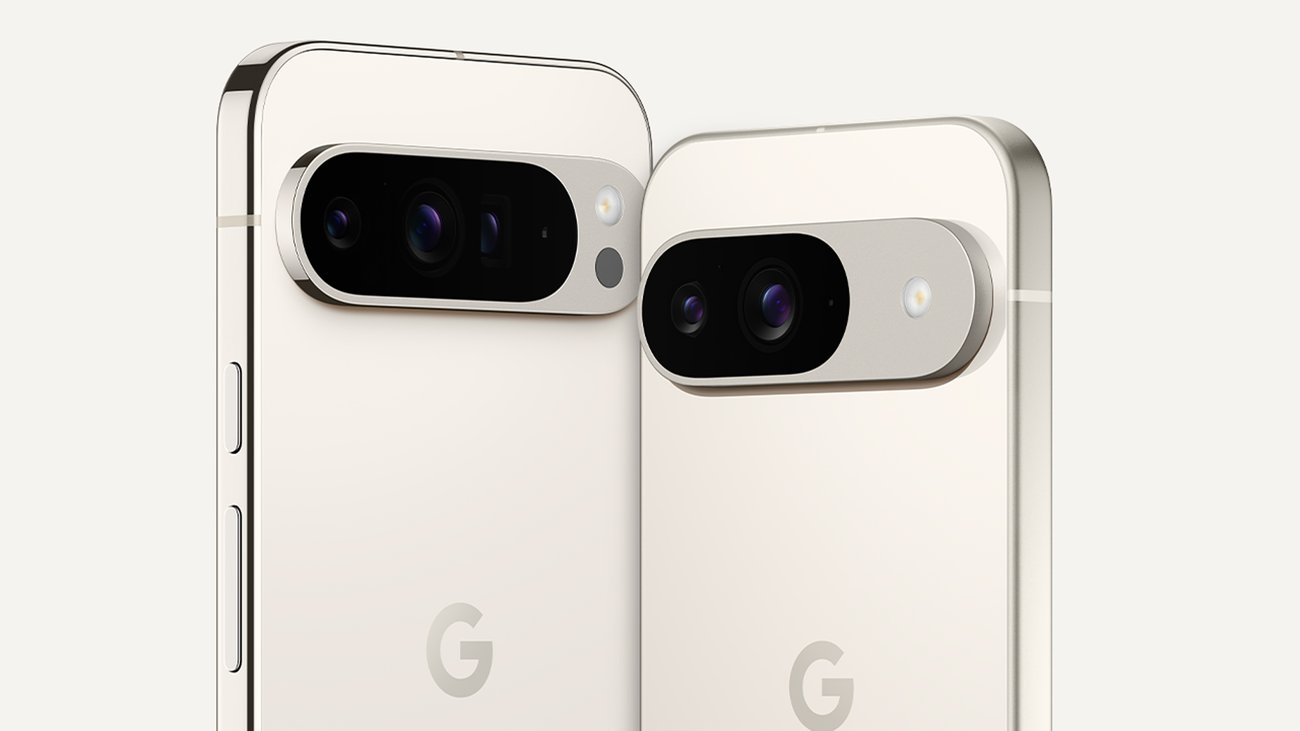
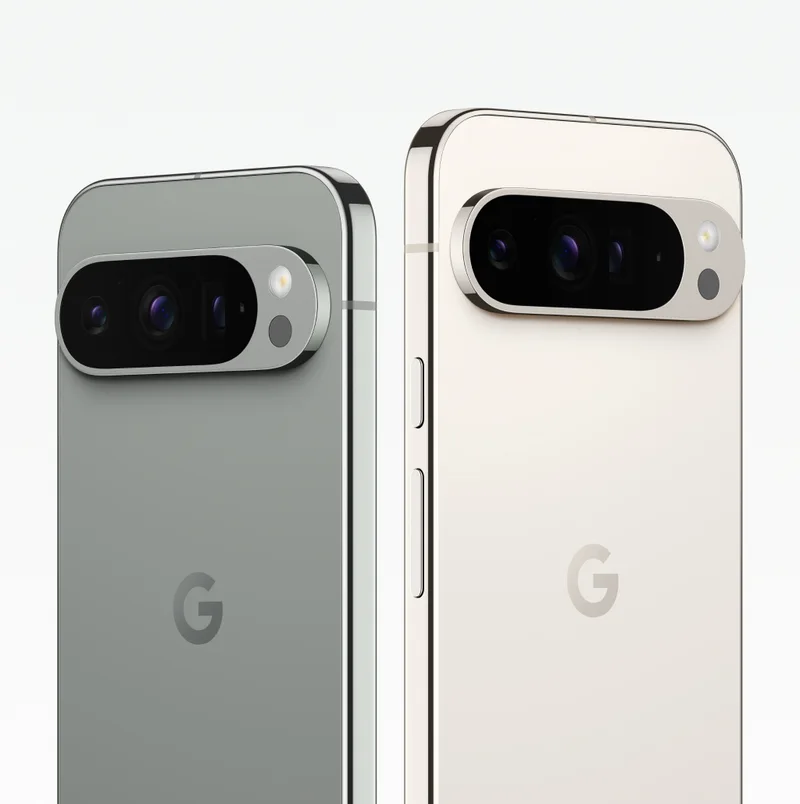
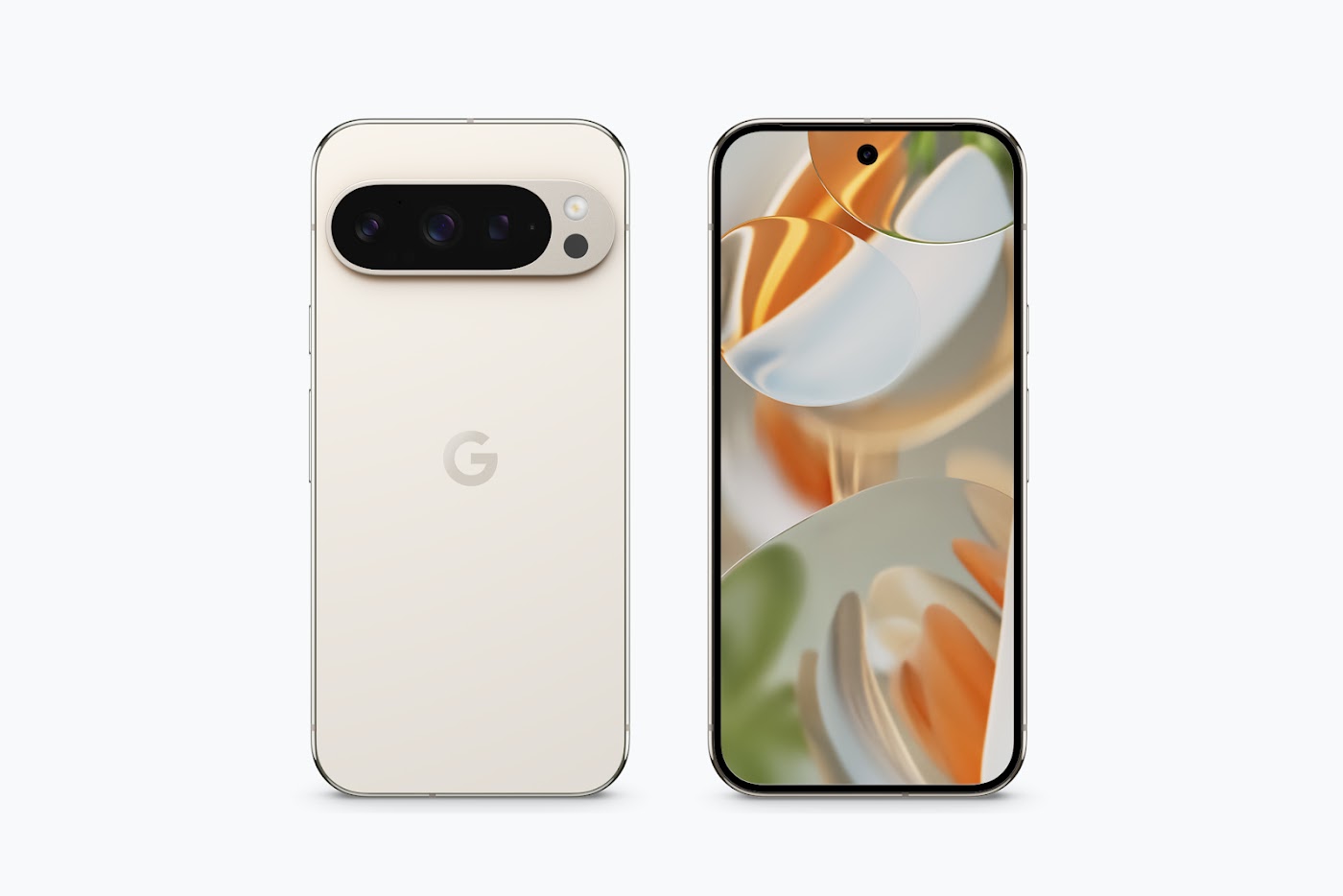
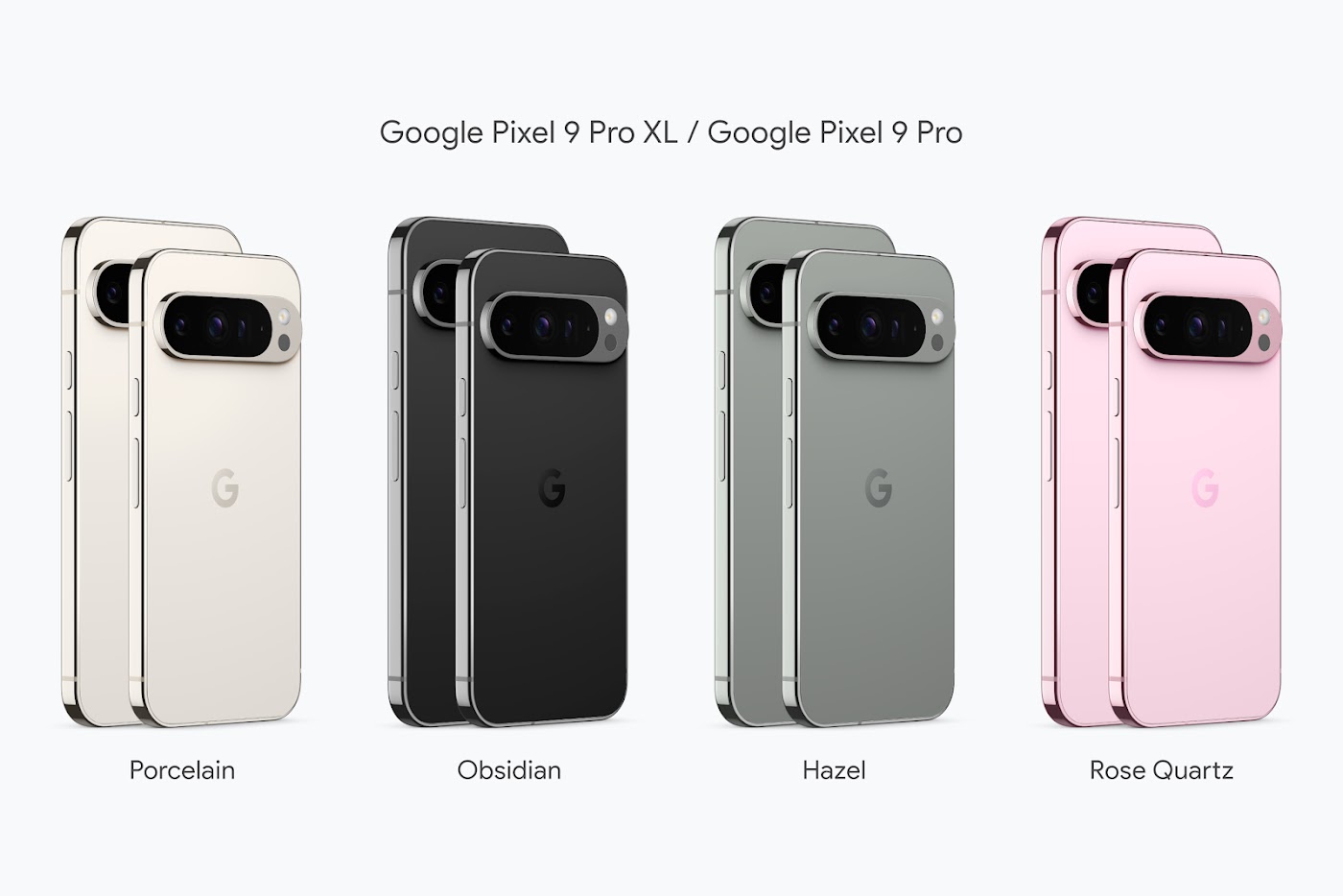
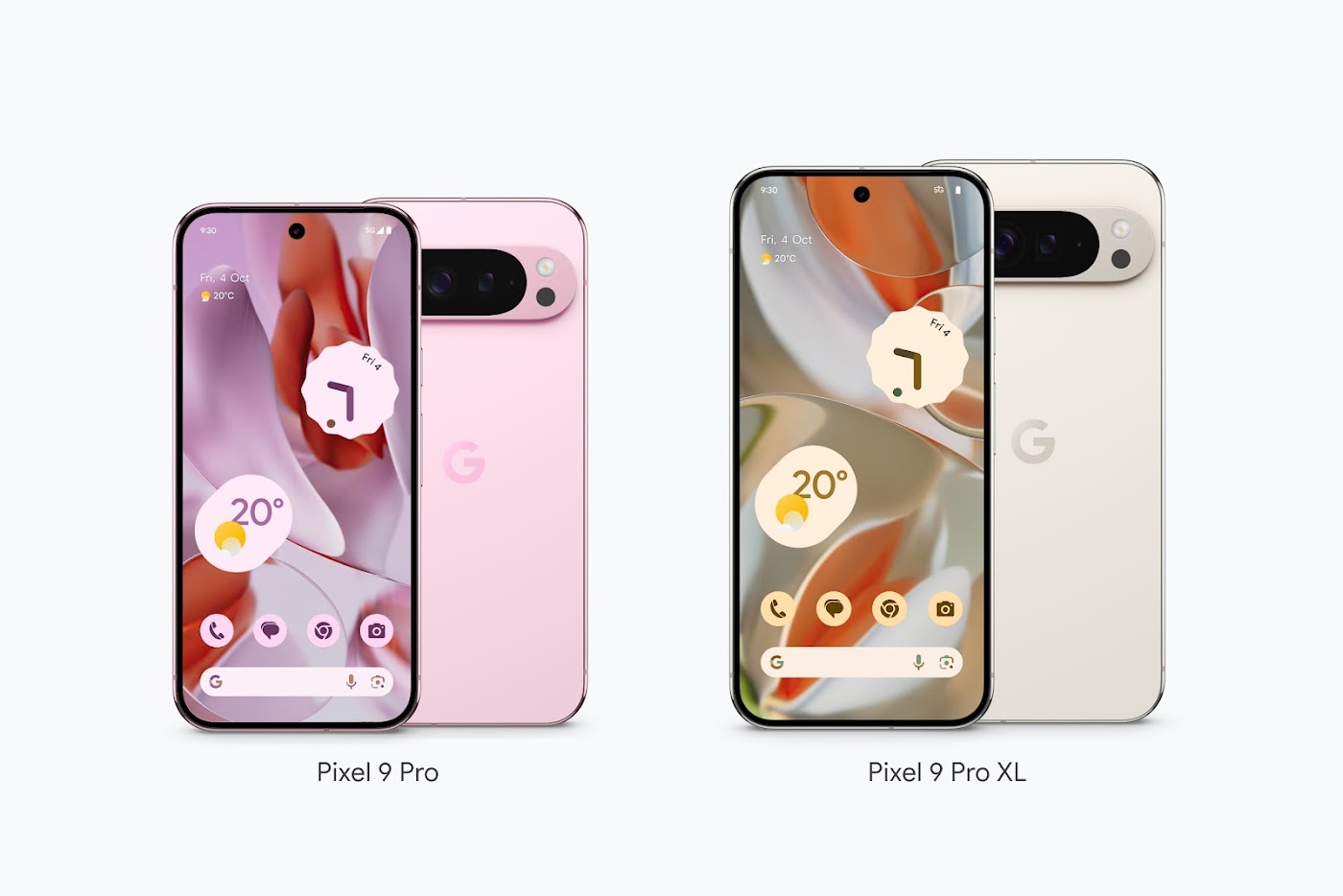
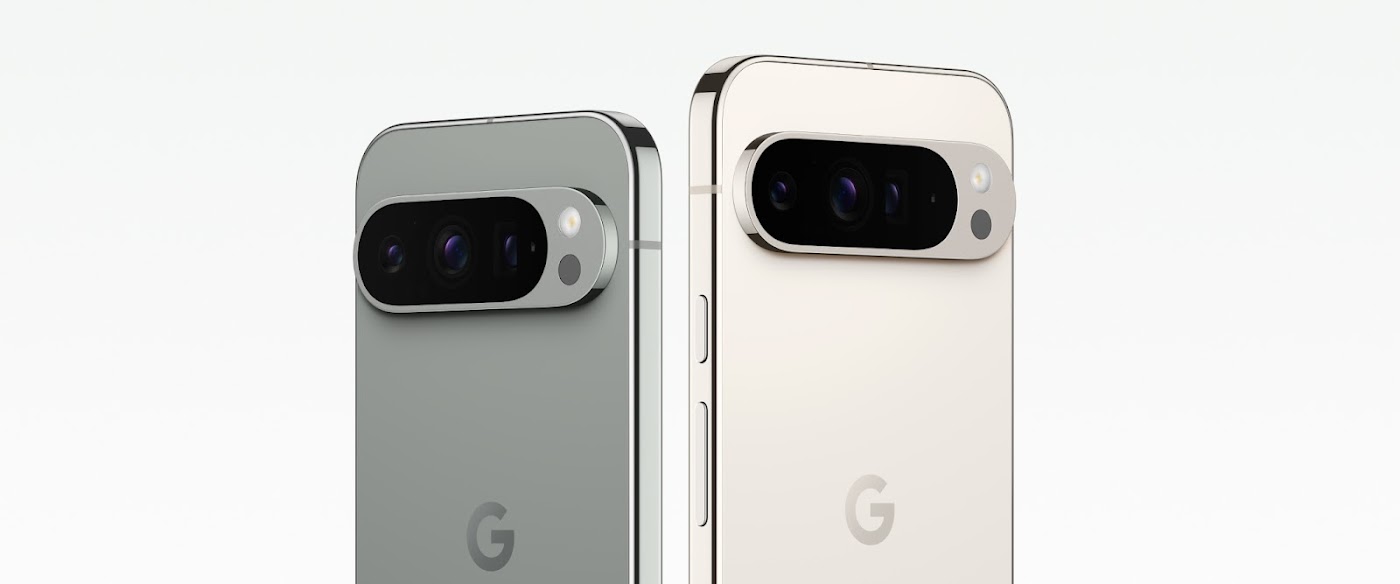
The Pixel 9 family replaced the long camera bar that defined the Pixel 6 through Pixel 8 with a pill-shaped camera island that floats on the back of the phone. The sides are flat, the corners are rounded, and the frame is polished metal. Google sells the Pro in four colours: Porcelain, Obsidian, Hazel and Rose Quartz. Like the other Pixels of the period, it carries an IP68 rating for dust and water protection, and it uses Corning Gorilla Glass Victus 2 on both faces, according to Google.
The screen is the other headline. Google calls it a Super Actua display: a 6.3-inch LTPO OLED panel with a resolution of 1280 by 2856 pixels and a variable refresh rate from 1 to 120 Hz. Google states a peak brightness of up to 3,000 nits, which is the figure it highlights against the 2,700 nits of the standard Pixel 9. In everyday terms, a high peak value matters mostly outdoors, where highlights in photos and video stay legible in direct sun. The adaptive refresh range also means the panel can drop to a very low rate for static content such as reading or an always-on clock, which helps battery life. Compared with the XL, the only display difference is size and resolution; both share the same brightness figure and panel technology.
Tensor G4, 16 GB of RAM and software
Inside is the Google Tensor G4, the company's own system-on-chip, together with the Titan M2 security coprocessor. Google does not chase raw benchmark leadership with Tensor; the chip is designed around on-device machine learning, camera processing and the Gemini Nano model. The Pro models carry 16 GB of RAM, which Google explains partly as headroom for running its AI models in the background while apps stay open. Storage options on the Pro run from 128 GB up to 1 TB, and there is no memory card slot.
The phone launched with Android 14 and Google promises seven years of operating system updates, security updates and Pixel Drops. That commitment, counted from launch, is the longest among mainstream Android phones of its time and is probably the strongest practical argument for a Pixel for people who keep devices for years. Gemini is built in, including Gemini Live for spoken conversation, and Google bundled a year of its Gemini Advanced service with the Pro and Pro XL at launch. Other software features Google highlights include Call Assist, Pixel Screenshots and on-device summaries; availability of individual AI features varies by country and language, and Google notes that some require an account or an age of 18 or more.
Cameras
The rear camera is a triple system with a 50 MP main camera, a 48 MP ultrawide camera with Macro Focus and a 48 MP telephoto camera with 5x optical zoom. Google states that Super Res Zoom reaches roughly 30x for photos and about 20x for video. The front camera is a 42 MP unit, a large step up from the 10.5 MP selfie camera on the standard Pixel 9, and it supports autofocus, so group selfies and video calls benefit from the wider detail.
Google's camera strategy remains computational. The phone takes several frames, merges them, and applies tone mapping and noise reduction tuned for skin tones through the Real Tone programme. Features such as Add Me, Best Take, Magic Editor and Video Boost build on that pipeline. These are manufacturer claims about how the pictures are produced, and results depend on lighting and subject, but the hardware list means the Pro is a complete all-rounder. One concrete advantage over the standard Pixel 9 is the telephoto: a true 5x lens gives cleaner portraits and distant subjects than cropping into the main sensor, which is what the base model has to do.
Battery and charging
The battery has a typical capacity of 4,700 mAh, which Google says is enough for all-day use, with an Extreme Battery Saver mode for longer stretches between charges. That is the same capacity as on the smaller Pixel 9, and it is smaller than the 5,060 mAh cell in the XL. In practice that means the compact Pro tends to be the model where battery life is the main trade-off, although the efficiency of the chip and the adaptive display help. The phone charges over USB-C and supports Qi wireless charging. Google did not include a charger in the box, so you need to buy a compatible one separately if you do not already have it.
Who the Pixel 9 Pro is for
The phone suits people who want Google's best camera hardware without a very large device. It is a sensible pick if you value a long update window, a clean Android experience and a strong set of photo tools, and if you hold the phone in one hand a lot. It also suits buyers who care about resale value and longevity, since seven years of updates make an older Pixel remain safe and current for longer than most rivals. For a similar-sized alternative from another maker, see the iPhone 16 or the Galaxy S24.
Compromises to know about
- Battery capacity: 4,700 mAh is on the modest side for a 2024 flagship, and the XL's larger cell gives noticeably more headroom.
- Charging speed: Google's charging remains slower than the quickest Android phones, and the adapter is sold separately.
- Sustained performance: Tensor G4 prioritises machine learning and efficiency over peak graphics, so heavy gaming is not its strength.
- AI features: Many headline features depend on region, language and network, and some are limited at launch.
- Price: At 999 dollars at launch, it costs as much as larger-screen rivals, so the value depends on whether you want the compact size.
Overall, the Pixel 9 Pro is the most complete small Android phone Google has made, and its main trade-offs are battery size and charging speed rather than any missing camera hardware. If you want the biggest screen and battery in the family, the Pixel 9 Pro XL is the logical alternative; to see how all the phones stack up, visit the rankings page.
Where it ranks
Compare Google Pixel 9 Pro with similar devices
More from Google
Frequently asked questions
When was the Google Pixel 9 Pro released?
The Google Pixel 9 Pro was released on 2024-09-04, according to the manufacturer’s published information.
How much does the Google Pixel 9 Pro cost?
The estimated range for the Google Pixel 9 Pro is $899 to $1099 in US dollars, based on the launch list price. Actual prices vary by country, retailer and storage option.
What are the main specs of the Google Pixel 9 Pro?
Headline figures for the Google Pixel 9 Pro: Battery: 4,700 mAh, Refresh rate: 120 Hz, Main camera: 50 MP, RAM: 16 GB. The full specification table is further up this page.
Is the Google Pixel 9 Pro worth buying?
That depends on your priorities. Use the editorial review on this page for our view, check the rankings above to see where the device stands on battery, display and camera, and compare it directly with similar models before you decide.


