Phones
Samsung Galaxy Z Fold8
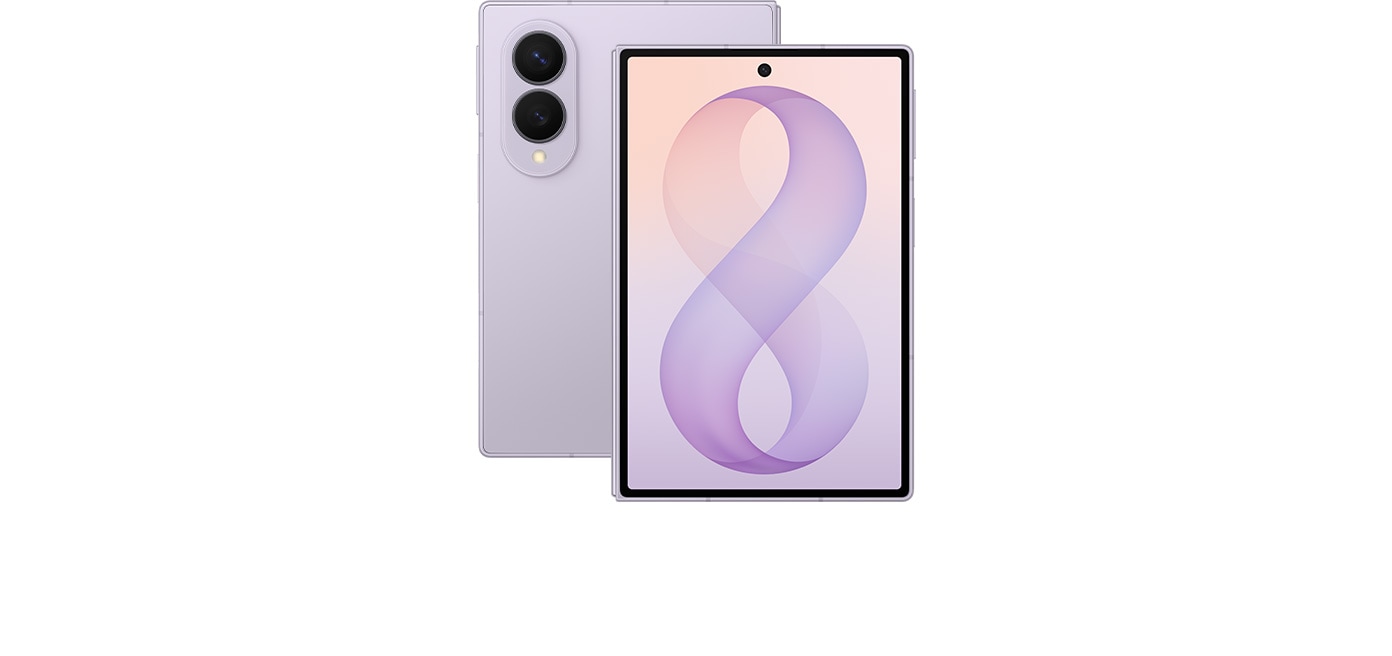
Samsung's Galaxy Z Fold8 is a new wider-format book foldable with a 5.5-inch cover screen, 7.6-inch 4:3 main screen, 201g weight and a 4,800mAh battery.
Key figures at a glance
Gallery
Specifications
- Display
- 7.6" main screen (4:3) + 5.5" cover screen (10:16), Dynamic AMOLED 2X, up to 120Hz adaptive on both, 3000 nits peak
- Chipset
- Snapdragon 8 Elite Gen 5 for Galaxy
- RAM
- 16GB
- Storage
- 256GB / 512GB / 1TB
- Rear Camera
- 50MP main + 50MP ultrawide
- Front Camera
- 10MP cover screen + 10MP main screen
- Battery
- 4,800 mAh, 45W wired
- OS
- Android 17, One UI 9
- Dimensions
- 4.5 mm thick unfolded, 9.7 mm folded, 201 g
- Water Resistance
- IP48
- Build
- Armor Aluminum frame, Gorilla Glass Ceramic 3 (cover) and Victus 2 (back), Armor FlexHinge
- SIM
- nanoSIM + eSIM
- Colors
- Lavender, Graphite, Cream, Pistachio (Samsung.com only)
The Samsung Galaxy Z Fold8 breaks with the book-style foldable shape Samsung used for years. Instead of a tall, narrow phone that opens into a nearly square tablet, it has a wider, shorter body: a 5.5-inch cover screen with a 10:16 aspect ratio on the outside and a 7.6-inch, 4:3 main screen on the inside. It weighs 201 g, measures 4.5 mm thick when unfolded and 9.7 mm folded, and uses the Snapdragon 8 Elite Gen 5 for Galaxy chip with a 4,800 mAh battery. This page reviews what Samsung publishes about the phone, how it differs from the other new foldables, what the display, hinge and cameras offer, and which compromises come with the new shape. It is based on the published specifications and manufacturer information rather than hands-on testing, and Samsung's statements are marked as claims.
Where it sits in the lineup
This year Samsung split its book-style foldable range in two. The model that continues the original Fold concept is now called the Galaxy Z Fold8 Ultra: it keeps a 6.5-inch cover screen, an 8.0-inch main screen, a 200 MP main camera, a 3x telephoto and a 5,000 mAh battery, at 215 g. The Galaxy Z Fold8 reviewed here takes "a new direction", in Samsung's words, with a smaller, lighter, more compact design aimed at content and everyday carrying rather than maximum productivity. The clamshell in the family is the Galaxy Z Flip8. Samsung introduced the lineup in July 2026, and the US page for the Fold8 lists a starting price of $1,899.99 before trade-in; the on-sale date used here is 24 July 2026 as given in the launch schedule and may differ by market.
Within the Fold family the obvious predecessor is the Galaxy Z Fold7, and the Galaxy Z Fold8 vs Galaxy Z Fold7 comparison shows how the specifications changed. Samsung is explicit that the Fold8 is not a direct replacement in every respect: the premium successor to the Fold7 is the Fold8 Ultra, while the Fold8 is a new type of device. Among competitors from other brands, a useful reference point is Google's Pixel 11 Pro Fold, the other big book-style foldable of the season.
Design, hinge and durability
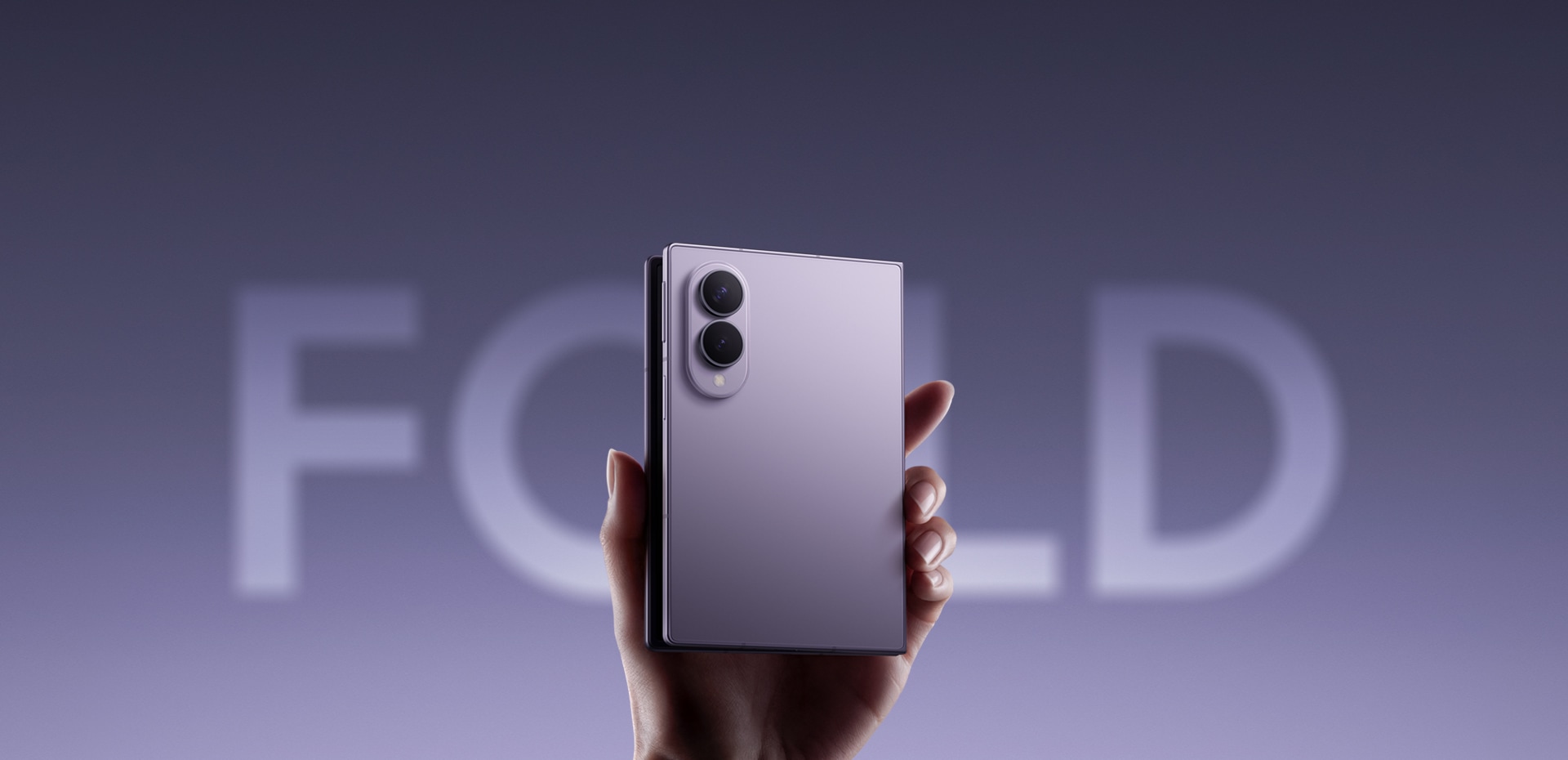
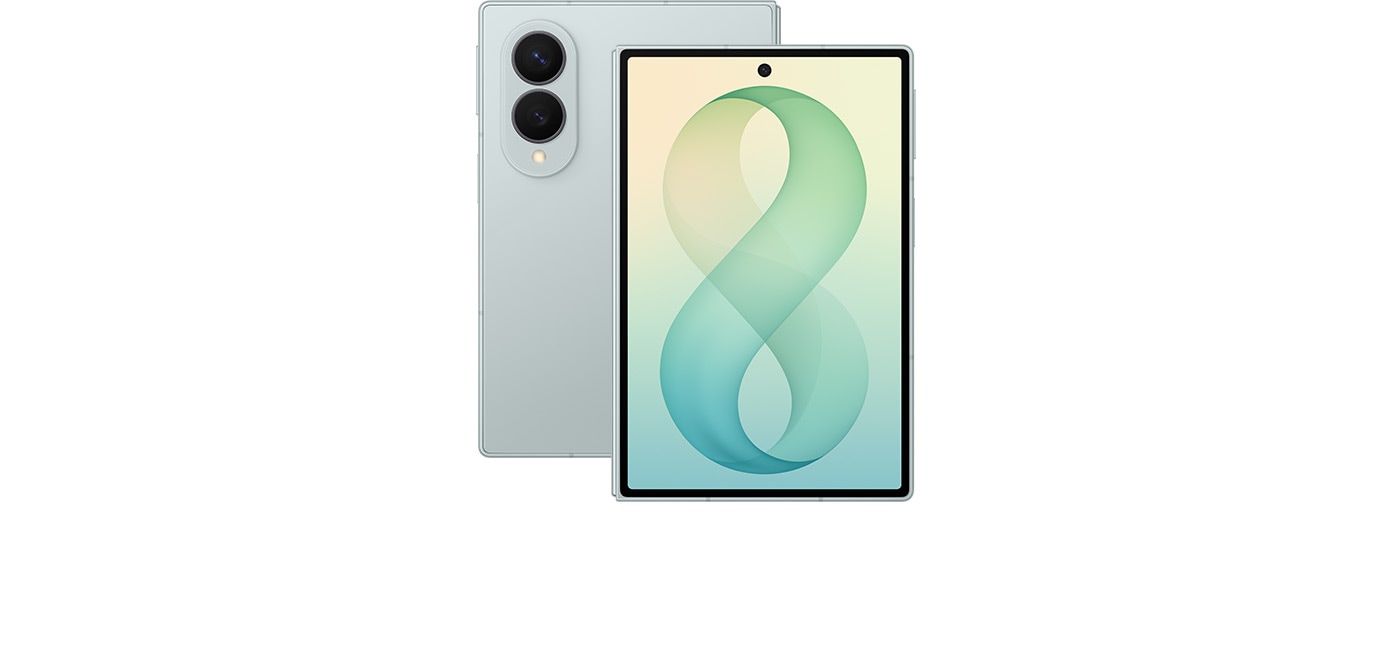
The new proportions are the story. The cover screen is 5.5 inches measured corner to corner (5.4 inches accounting for the rounded corners) with a 10:16 ratio (a new, wider shape for a Fold); unfolded, the 7.6-inch main screen is 4:3. At 201 g, Samsung describes it as the lightest book-style foldable smartphone available, based on its own internal research as of 22 July 2026, and it is lighter than any previous Galaxy Z Fold. The unfolded thickness of 4.5 mm and folded thickness of 9.7 mm are slim enough that Samsung says it slips comfortably into a pocket. The Fold8 Ultra is slightly thinner unfolded at 4.1 mm, but it is heavier.
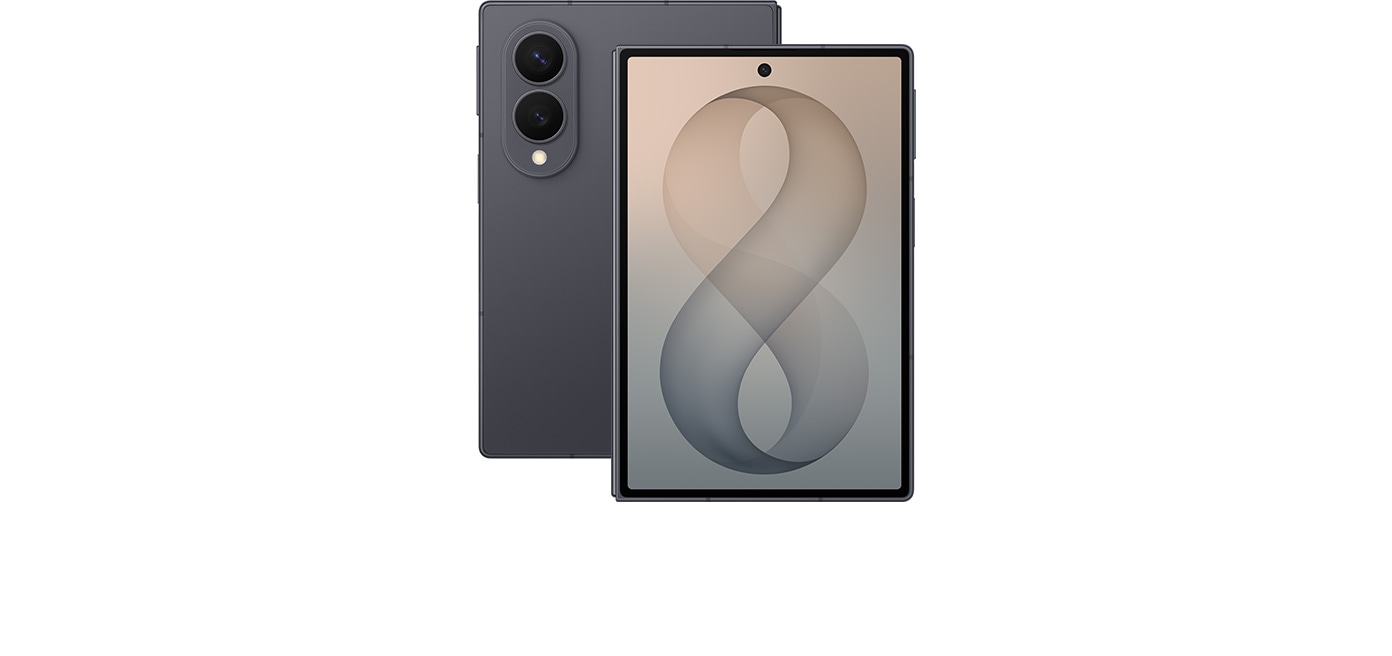
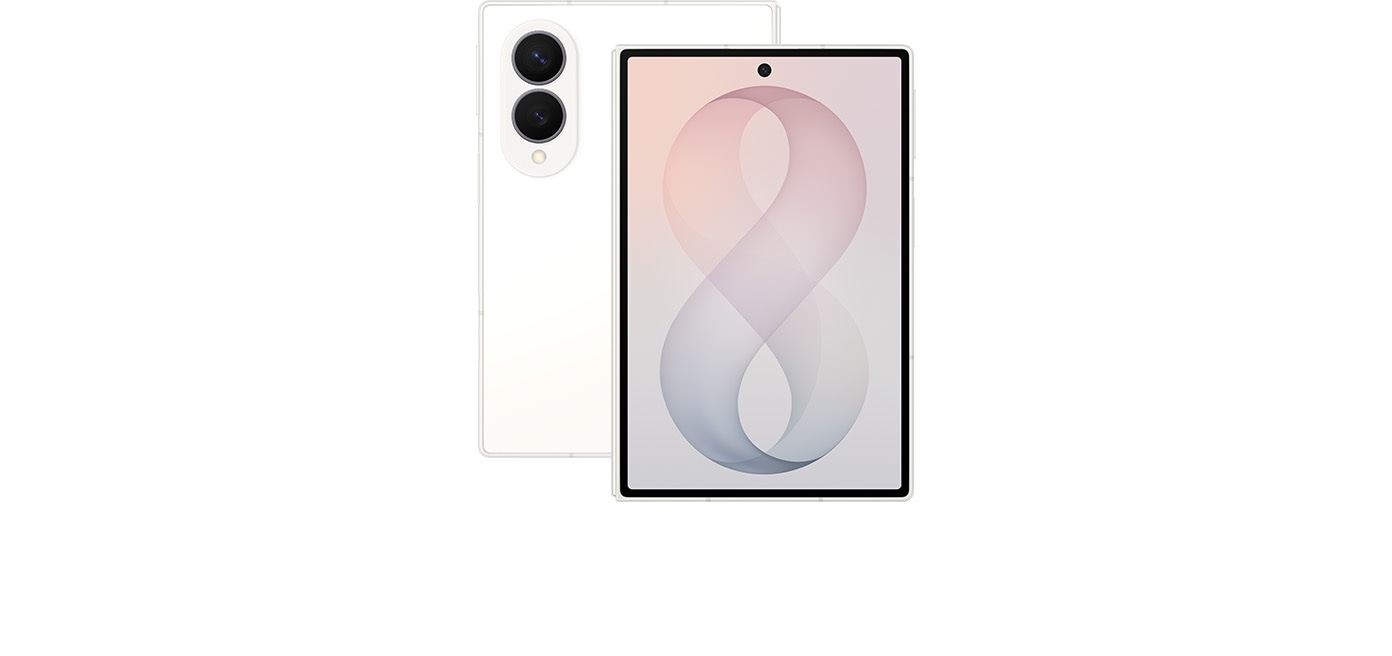
The frame is Armor Aluminum. Samsung uses Corning Gorilla Glass Ceramic 3 on the cover screen and Gorilla Glass Victus 2 on the back, two layers of titanium in the shock-absorbing layer under the main display, and a hinge it calls Armor FlexHinge. The phone carries an IP48 rating, meaning protection against water immersion to a limited depth but only protection against objects larger than 1 mm, not dust, so it is more resistant to splashes than to sand. Samsung also says the inner bezel is bevelled to make opening with one hand easier. There is an important design trade-off: the hinge is optimised for fully open or fully closed use, and as a result the Fold8 does not support FlexMode, the half-open posture that earlier Folds used for hands-free video calls and camera framing. S Pen is also not supported. Colours are Lavender, Graphite and Cream, with Pistachio sold only through Samsung.com.
Display
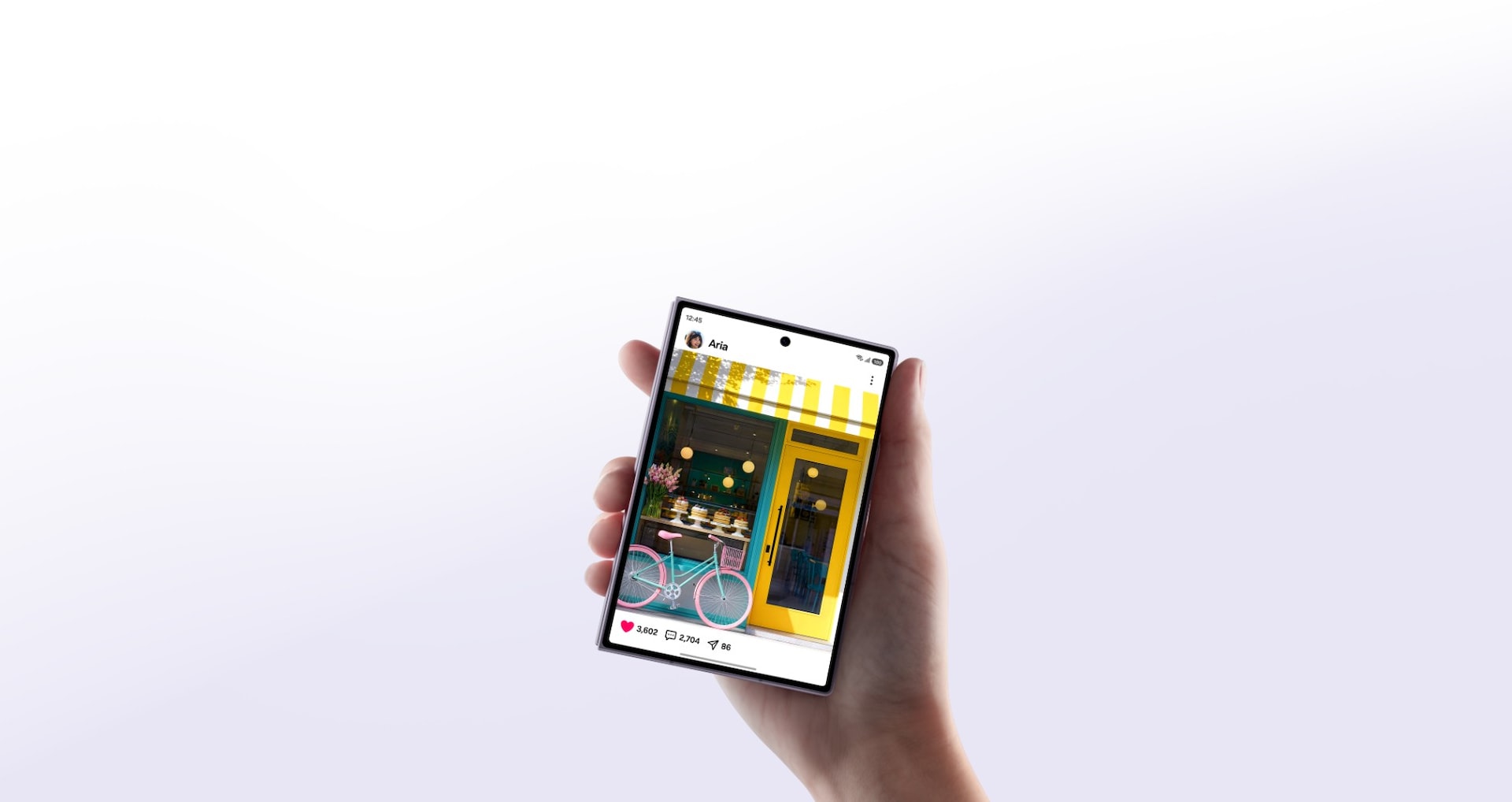
Both screens use Dynamic AMOLED 2X panels with an adaptive refresh rate of up to 120 Hz and a peak brightness of 3,000 nits, according to Samsung's series comparison. Samsung says the screens are 15 percent brighter than those of the Fold7 (a claim stated for the Fold8 and Fold8 Ultra), and that an anti-reflection treatment on the main screen improves legibility in bright light. The aspect ratios are the practical draw: the 10:16 cover screen suits scrolling through social media and messages, while the 4:3 inner display is closer to a small tablet for e-books, magazines, web pages and landscape video. The wide inner screen means a 16:9 film will have black bars above and below, a consequence of the shape that tall-and-narrow foldables avoid when used in portrait.
As with other foldables, a visible crease remains part of the deal. Samsung says the newly engineered hinge is designed to make the main screen flatter when fully unfolded, which should make the fold area less noticeable, but how much less is something only direct viewing can answer.
Performance and software
The chip is the Snapdragon 8 Elite Gen 5 for Galaxy, the same family used in the current flagship line. Samsung quotes a custom NPU, GPU and CPU and stresses ray-tracing support for games and efficient power use. Memory depends on storage: 256 GB and 512 GB versions have 12 GB of RAM, and the 1 TB version has 16 GB. There is no microSD slot. The phone supports a nano SIM and an eSIM. The software is One UI 9 based on Android 17. Samsung promises up to seven OS upgrades and security updates, which is among the longest update commitments in the industry and matters a great deal for a high-priced device. Galaxy AI features include Photo Assist for prompt-based photo edits, Now Nudge, which suggests actions from what is on screen and can open an app in split view on the main screen, and My FanCam, which crops a group video to follow one person. Samsung states that some features require a Samsung account and vary by region and language.
Camera
Camera hardware is where the Fold8 differs most from the Ultra. The rear system has two 50 MP cameras, a wide camera with an f/1.8 aperture and an ultrawide camera with f/1.9, with no telephoto lens. Samsung says the sensors allow 2x optical-quality zoom through its adaptive pixel technology, plus digital zoom up to 10x. The cover screen has a 10 MP camera for selfies, and the main screen has a 10 MP camera with a 100-degree field of view for group shots. The Ultra, by comparison, adds a 200 MP main camera and a 10 MP 3x telephoto. The ProVisual Engine handles night video processing. For everyday sharing the setup looks capable, but anyone who relies on optical telephoto reach or the highest-resolution sensors should look at the Ultra or a conventional flagship such as the Galaxy S26 Ultra.
Battery and charging
The battery has a typical capacity of 4,800 mAh (rated at 4,660 mAh). Samsung says it supports video playback of up to 26 hours, a figure measured under internal laboratory conditions on the main screen with Bluetooth earphones over LTE. A customer-reply message on Samsung's site refers to 45 W charging, so the specification here lists 45 W wired charging, but the full official specification sheet could not be retrieved for this review, so treat the wattage as lightly confirmed. Cases with a magnetic ring are sold to support wireless charging accessories.
Who it is for
The Fold8 is aimed at people who want a foldable that is genuinely pocketable and light and who mainly watch video, read and browse, rather than multitask in many windows. It also appeals to buyers who found previous Folds too tall and narrow on the outside. If you want the biggest possible inner screen for work, the Ultra is the logical choice; if you prefer a clamshell, the Flip8 is cheaper. The Fold8 also suits those who value long software support.
Compromises to consider
- Price: from $1,899.99 in the US before trade-in, a high figure for a device without a telephoto camera.
- No telephoto, no 200 MP sensor: the cameras are 50 MP wide and ultrawide only.
- No FlexMode, no S Pen: the hinge only supports fully open or closed.
- Smaller battery than the Ultra: 4,800 mAh against 5,000 mAh.
- Durability: IP48 gives no dust protection, and foldable screens remain more delicate than a slab phone's glass.
- Aspect ratio: 4:3 inside is a different compromise from tall-narrow Folds; some video will have borders.
In short, the Galaxy Z Fold8 trades the Ultra's extra screen size and camera hardware for a lighter, more compact and, Samsung hopes, more pocketable foldable, which is a meaningful change in direction for the Fold line.
Where it ranks
Compare Samsung Galaxy Z Fold8 with similar devices
More from Samsung
Frequently asked questions
When was the Samsung Galaxy Z Fold8 released?
The Samsung Galaxy Z Fold8 was released on 2026-07-24, according to the manufacturer’s published information.
How much does the Samsung Galaxy Z Fold8 cost?
The estimated range for the Samsung Galaxy Z Fold8 is $1710 to $2090 in US dollars, based on the launch list price. Actual prices vary by country, retailer and storage option.
What are the main specs of the Samsung Galaxy Z Fold8?
Headline figures for the Samsung Galaxy Z Fold8: Battery: 4,800 mAh, Refresh rate: 120 Hz, Main camera: 50 MP, RAM: 16 GB. The full specification table is further up this page.
Is the Samsung Galaxy Z Fold8 worth buying?
That depends on your priorities. Use the editorial review on this page for our view, check the rankings above to see where the device stands on battery, display and camera, and compare it directly with similar models before you decide.


