Tablets
Xiaomi Pad 7 Pro
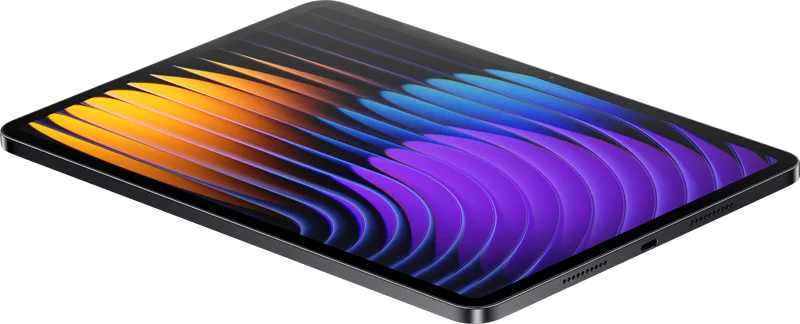
The Xiaomi Pad 7 Pro has an 11.2-inch 3.2K 144Hz display, a Snapdragon 8s Gen 3, an 8,850 mAh battery with 67W charging and weighs 500 g.
Key figures at a glance
Gallery
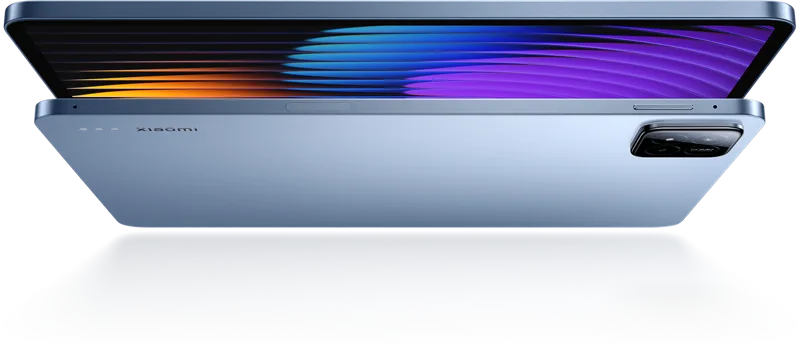

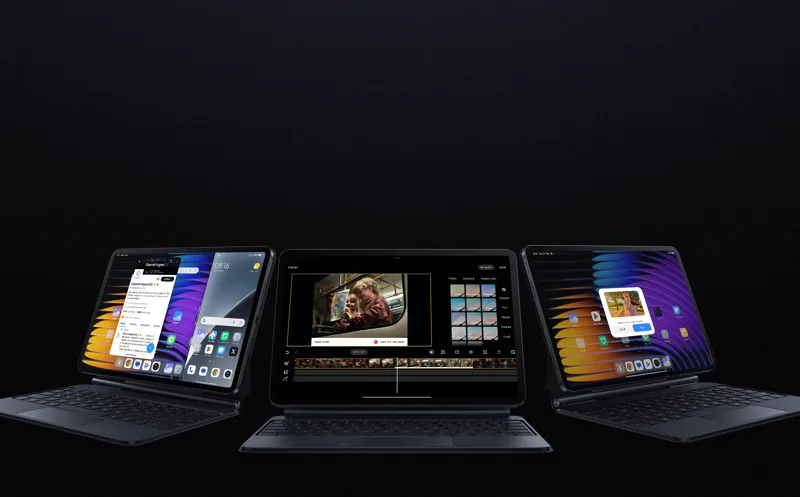
Specifications
- Display
- 11.2" LCD, 3200x2136 (345 ppi), 3:2, up to 144Hz, 800 nits peak, Dolby Vision
- Chipset
- Snapdragon 8s Gen 3 (4nm)
- RAM
- 12GB
- Storage
- 128GB / 256GB / 512GB
- Rear Camera
- 50MP main (f/1.8)
- Front Camera
- 32MP
- Battery
- 8,850 mAh (typ), 67W wired
- OS
- Xiaomi HyperOS 2
- Dimensions
- 251.22 x 173.42 x 6.18 mm, 500 g
- Connectivity
- Wi-Fi 7 capability
- Audio
- Quad speakers, Dolby Atmos
- Colors
- Gray, Blue, Green
The Xiaomi Pad 7 Pro is the larger and more powerful of the Pad 7 pair that Xiaomi brought to global markets in early 2025. It pairs an 11.2-inch 3.2K display with a 144Hz maximum refresh rate, the Snapdragon 8s Gen 3 processor, an 8,850 mAh battery with 67W charging and a 6.18 mm body that weighs 500 g. This page is based on the published specifications and manufacturer information from Xiaomi's global product pages. It explains where the tablet sits against its rivals, what the main hardware choices mean, and where a buyer should expect to compromise.
Place in the lineup
Xiaomi's global range includes the standard Xiaomi Pad 7 and the Pad 7 Pro. The Pro is the model with the sharper display, the stronger processor and the larger battery, and Xiaomi lists it in three colours: Gray, Blue and Green. Memory options vary by region. The global specification page lists 8GB with 128GB, 8GB with 256GB and 12GB with 512GB, while the UK page lists only the 256GB and 512GB versions. The 128GB version uses UFS 3.1 storage, whereas the larger versions use faster UFS 4.0 with LPDDR5X memory. No US launch price is available for this tablet, so none is given here, and prices elsewhere differ by market. Among tablets on this site it sits close in size to the 11-inch Galaxy Tab S11 and the 11-inch iPad Air M4, and the 13.2-inch OnePlus Pad 3 is the larger Android alternative. The page Xiaomi Pad 7 Pro vs Galaxy Tab S11 sets the two side by side.
Design and display
The tablet measures 251.22 x 173.42 x 6.18 mm and weighs 500 g, which is light for a screen of this size. Its 3:2 aspect ratio is taller in landscape than the 16:10 common on Android tablets, and it suits documents, web pages and split-screen work. The panel resolves 3200 x 2136 pixels at 345 ppi and supports a refresh rate of up to 144Hz. Xiaomi gives a peak brightness of 800 nits, adds Dolby Vision and HDR10 support, and describes 12-bit colour depth, DCI-P3 coverage and a factory colour calibration that it calls Original Color Pro. The company notes that the maximum refresh rate may vary by application and game, so treat 144Hz as a ceiling rather than a constant.
Eye-comfort features include TÜV Rheinland certifications for low blue light (a hardware solution), flicker-free and circadian-friendly operation, 4096 brightness levels and DC dimming. Xiaomi also mentions a wet-touch mode. An optional matte-glass version, sold separately and available only in some memory and colour combinations, uses an anti-glare nano-textured layer plus an anti-reflection coating. Xiaomi claims it removes 99 percent of light interference and reduces screen reflection by 65 percent, based on its internal tests. If you read or write with a stylus, that paper-like surface may matter more than any spec on the data sheet. The tablet has quad speakers with Dolby Atmos support, and Xiaomi mentions a volume boost option.
Performance and software
The Snapdragon 8s Gen 3 is a 4nm octa-core chip with speeds of up to 3.0GHz and an Adreno GPU. It sits one step below the top Snapdragon 8 Elite found in more expensive tablets such as the OnePlus Pad 3, but it is still a flagship-class processor and will handle multitasking, video editing in common apps and demanding games. Storage and memory combinations depend on the region, so check the exact version that is sold where you live: the 8GB/128GB version in particular has slower storage than the others.
The tablet runs Xiaomi HyperOS 2. Xiaomi highlights a desktop-style workstation mode, window management with better multitasking, and a set of HyperAI features including AI writing, AI art, an AI calculator and speech recognition with summaries and translation. Google's Gemini is available through an overlay and Gemini Live, and Xiaomi notes that AI functions depend on language, region and an internet connection. Connectivity includes Wi-Fi 7 capability, though Xiaomi states that the Wi-Fi standard may vary by region and local network support, Bluetooth audio codecs such as LDAC and LHDC 5.0, and a USB-C port that supports USB 3.2 Gen 1 transfers of up to 5Gbps with a suitable cable. A side-mounted fingerprint sensor handles unlocking, and an infrared remote control is listed among the sensors.
Cameras
The rear camera is a 50MP main sensor with an f/1.8 aperture and phase-detection autofocus, recording 4K video at 30 or 60 frames per second. The front camera is a 32MP unit with an f/2.2 aperture, recording 1080p video. Xiaomi lists a Document mode, a teleprompter, dual-video and director modes in the camera app. Tablet cameras are not usually the deciding factor, but the high-resolution front sensor and document-scanning mode make this one well suited to meetings and quick scans.
Battery and charging
The battery has a typical capacity of 8,850 mAh and supports 67W HyperCharge over USB-C. Xiaomi states that a full charge takes 79 minutes. The specification page also notes that the 67W power adapter is sold separately and not included in the box, and that package contents can differ between regions, so check what comes with the version you are buying. Xiaomi does not publish an hours-of-use figure on these pages, so endurance will depend on how often you run the screen at 144Hz and high brightness. Compared with the OnePlus Pad 3's 12,140 mAh cell the capacity is smaller, but the screen is also smaller and the tablet is considerably lighter.
Who it is for
The Xiaomi Pad 7 Pro suits people who want a crisp, bright and light Android tablet for reading, video, note-taking with a stylus and moderate productivity with a keyboard cover. Xiaomi's pages show a stylus and magnetic keyboard accessories, sold separately. It is an attractive option for buyers outside the US who want flagship-level silicon and a high-resolution screen without paying iPad or Galaxy Tab S prices.
Compromises
The display is a 144Hz LCD rather than an OLED, so it will not match the black levels of the Galaxy Tab S11's AMOLED, and its 800-nit peak is modest by comparison with Samsung's quoted 1600 nits. The processor is a notch below the Snapdragon 8 Elite. Availability, memory options and charger inclusion differ by country, and the Pro is not sold through every channel. Software support promises vary and are not stated on the specification page, so buyers who plan to keep the tablet for many years should check Xiaomi's update policy for their region. Finally, the app ecosystem and accessory range are not as extensive as those of Apple's iPad lineup, for which the iPad Air M4 is the obvious benchmark.
Where it ranks
Compare Xiaomi Pad 7 Pro with similar devices
More from Xiaomi
Frequently asked questions
When was the Xiaomi Pad 7 Pro released?
The Xiaomi Pad 7 Pro was released on 2025-03-02, according to the manufacturer’s published information.
What are the main specs of the Xiaomi Pad 7 Pro?
Headline figures for the Xiaomi Pad 7 Pro: Battery: 8,850 mAh, Refresh rate: 144 Hz, Main camera: 50 MP, RAM: 12 GB. The full specification table is further up this page.
Is the Xiaomi Pad 7 Pro worth buying?
That depends on your priorities. Use the editorial review on this page for our view, check the rankings above to see where the device stands on battery, display and camera, and compare it directly with similar models before you decide.