Smartwatches
Amazfit Balance 2
Amazfit's 2025 premium multisport watch pairs a sapphire-glass AMOLED display with dual-band GPS, 10 ATM water resistance and up to 21 days of typical battery life at $299.99.
Key figures at a glance
Gallery

Specifications
- Display
- 1.5-inch AMOLED, 480x480, 323 ppi, up to 2,000 nits, sapphire glass
- Body
- Aluminum alloy frame and fiber-reinforced polymer case; 47.4 x 47.4 x 12.3 mm; 43 g without strap; 22 mm strap
- Battery
- Up to 21 days (typical use), up to 10 days (heavy use); up to 33 hours in accurate GPS mode; 658 mAh; about 2 hours to charge
- Positioning
- Dual-band GPS with six satellite systems; free offline maps including golf course and ski resort maps
- Sensors
- BioTracker 6.0 PPG sensor (5PD + 2LED), accelerometer, gyroscope, barometer, ambient light, geomagnetic, temperature
- Connectivity
- Bluetooth 5.2, Bluetooth calls, Wi-Fi 2.4GHz; two speakers and a microphone
- Durability
- 10 ATM water resistance; certified for freediving and recreational scuba diving to 45 m
- Sports
- 180+ sports modes, official HYROX modes, smart strength training, HybridCharge training and recovery view
- OS
- Zepp OS 6; Zepp App for Android 7.0+ and iOS 15.0+, no subscription required for workout and recovery data
The Amazfit Balance 2 is a round multisport smartwatch from Zepp Health's Amazfit brand, launched globally on 24 June 2025 at $299.99. It pairs a 1.5-inch AMOLED display with sapphire glass, dual-band GPS, a 658 mAh battery and 10 ATM water resistance in an aluminium and polymer case. Amazfit positions it as a training partner for people who mix running, gym work and outdoor sport, and it competes with watches that cost considerably more. This page is a review based on the published specifications and manufacturer information. It covers the watch's place in the Balance range, the build and display, the software, the battery and the trade-offs.
Where it sits in the lineup
The Balance 2 is the entry model of Amazfit's Balance family. Amazfit's US store currently lists it at $299.99 next to the Balance 3 at $369.99 and the Balance Ultra at $599.99. According to Amazfit's comparison table, all of them have a 1.5-inch AMOLED display and sapphire glass, but the Balance 2 has the lower peak brightness of 2,000 nits against 3,000 nits on the others, an aluminium frame instead of stainless steel or titanium, and no flashlight. It shares the typical battery rating of up to 21 days with the Balance 3, while the Balance Ultra is rated at up to 30 days. The Balance 2 launched together with the Helio Strap, a screen-free recovery tracker, as part of a push into strength and hybrid training. Competitors at a similar price include the Garmin Forerunner 265 and the Samsung Galaxy Watch8, and the page Amazfit Balance 2 vs Garmin Forerunner 970 puts it against a far more expensive running watch.
Design and display
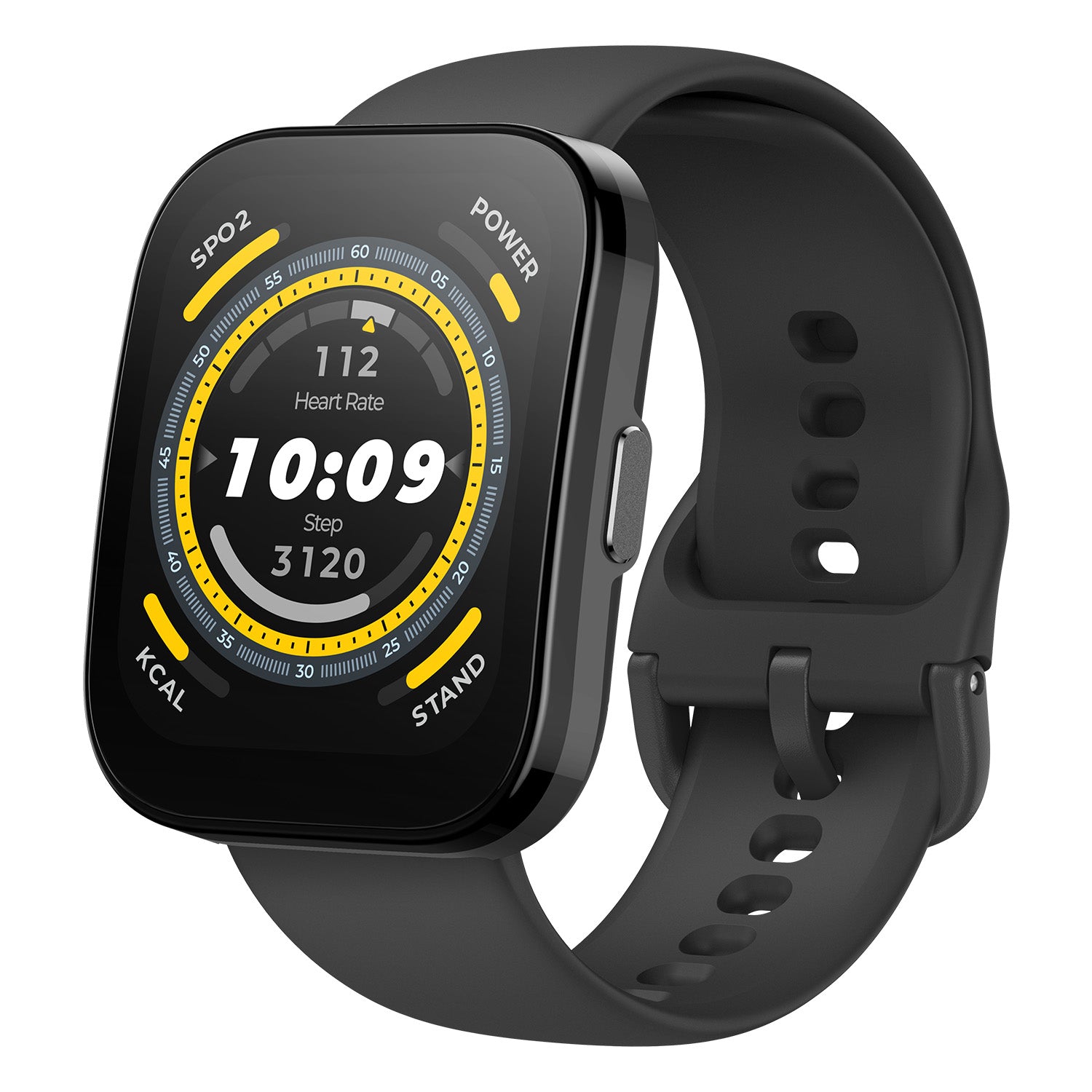
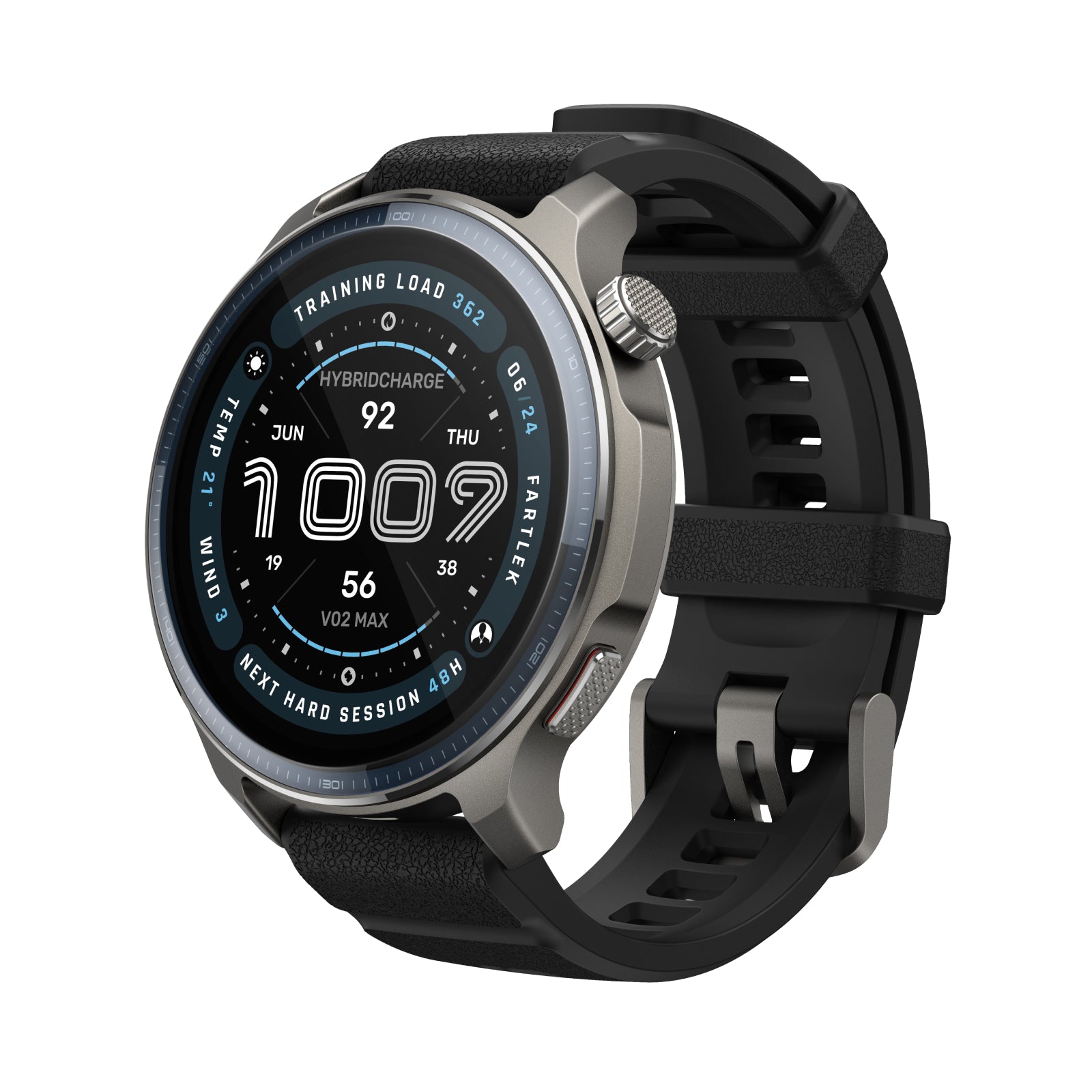
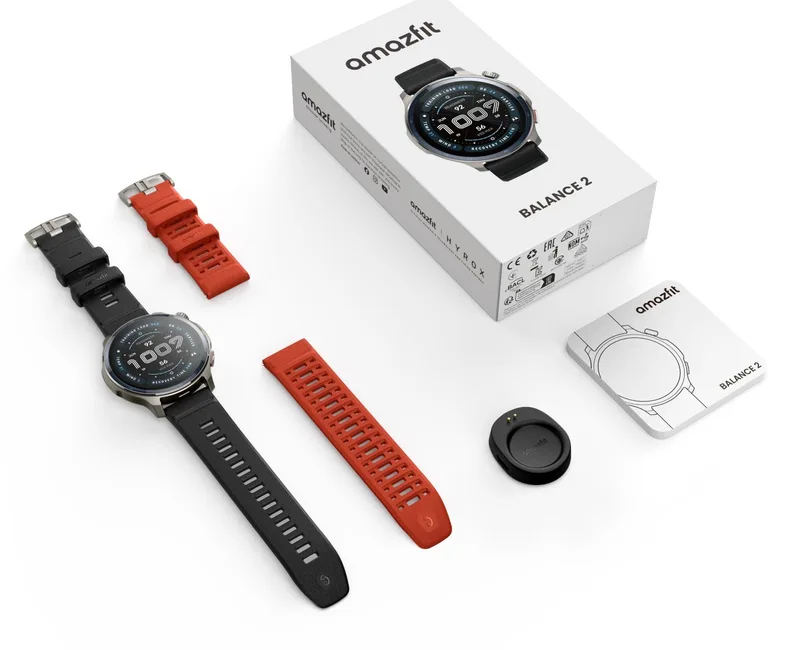
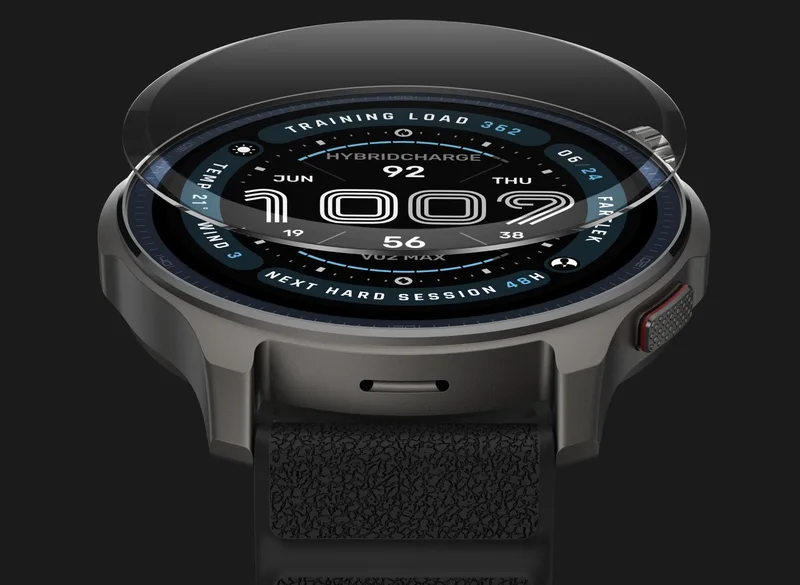
The watch measures 47.4 x 47.4 x 12.3 mm without the heart rate sensor bump and weighs 43 g without the strap, according to Amazfit's specification sheet. The frame is aluminium alloy and the case is fibre-reinforced polymer, which keeps the weight low for a watch of this size. The display is a 1.5-inch AMOLED panel with 480 x 480 pixels, about 323 pixels per inch, protected by sapphire glass, a material that resists scratches better than the glass on most watches in this class. Peak brightness is up to 2,000 nits. The watch has two buttons, a linear vibration motor and two speakers plus a microphone, which allow audio cues and Bluetooth calls. It takes standard 22 mm straps with a pin buckle; the box contains a black strap and an additional Lava (orange-red) strap, and a magnetic charging dock without a USB-C cable.
The water rating is 10 ATM, and Amazfit says the watch is certified for freediving and recreational scuba diving down to 45 metres. This is far above the typical 5 ATM of most smartwatches. For people who swim open water or dive occasionally, it is a notable advantage, though it should be treated as a rating and not a promise: Amazfit's own notes state that the figures apply under defined test conditions.
Performance and software
Amazfit does not publish chipset or memory details for the Balance 2 on its product page. The watch runs Zepp OS, and the support pages say that the Balance 2 has been updated to Zepp OS 6, which brings a revised sport-focused look, a training calendar app, a training library app and an improved pool swimming algorithm. Data lives in the free Zepp App for Android 7.0 and later and iOS 15.0 and later, and Amazfit states that no subscription is required for workout and recovery data. The app syncs with services such as Strava, Runna, TrainingPeaks, Intervals.icu, Google Fit and Apple Health; Amazfit notes that Samsung Health and MyFitnessPal are not supported. The Zepp Flow voice assistant is available in selected countries, and the watch also offers Bluetooth calling, voice memos, shortcut cards and membership cards. It is not a smartwatch in the app-store sense; third-party apps are limited compared with Wear OS or watchOS.
Sports and health features
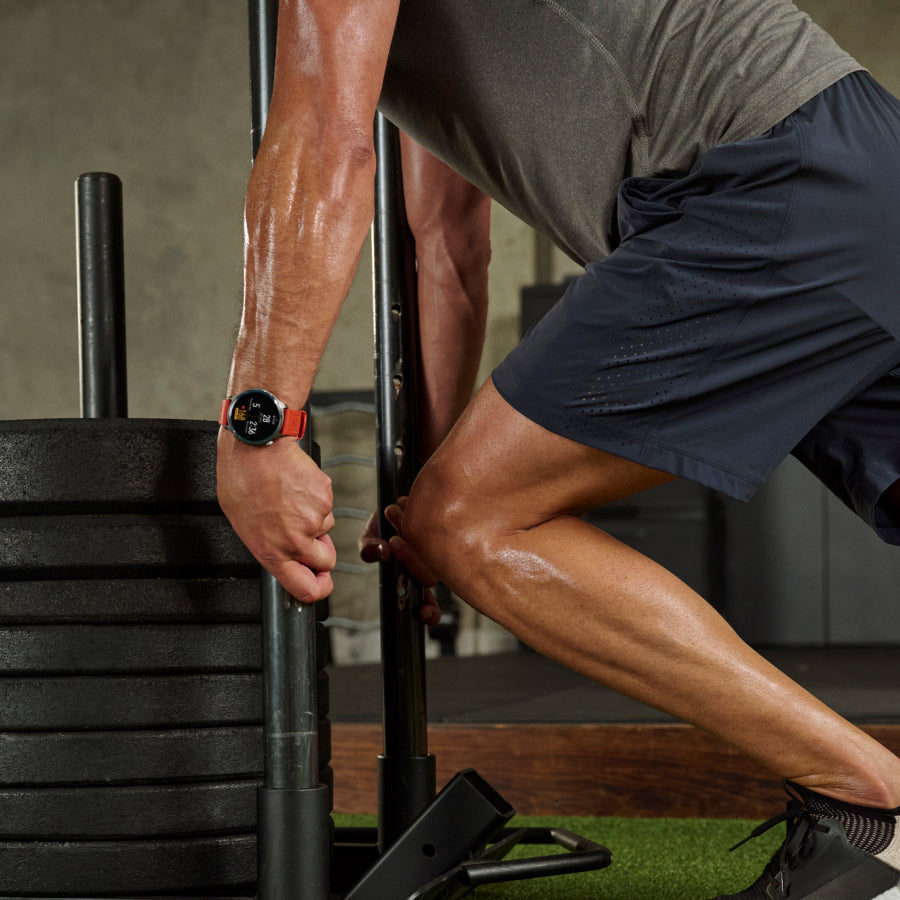
This is where the Balance 2 tries to stand out. It offers over 180 sports modes, smart recognition of 25 strength training movements, official HYROX modes with Virtual Pace, interval and template training and running features such as track mode and a virtual pacer. A view called HybridCharge combines BioCharge, LifeLoad and training load into a single picture of energy, readiness and recovery. For connected sensors it supports heart rate belts, running and cycling power meters, speed and cadence sensors and Stryd foot pods. Positioning is dual-band GPS with six satellite systems, and the watch can download offline maps, including maps of golf courses and ski resorts; Amazfit says its golf maps cover 40,000 courses.
The health side relies on the BioTracker 6.0 optical sensor, which provides all-day heart rate, blood oxygen and stress readings, sleep stages including REM, naps, heart rate variability during sleep and a sleep score. It also covers breathing exercises, menstrual cycle tracking and alerts for unusually high or low heart rate. There is no ECG feature in the published specifications, which is one clear difference from the Samsung and Huawei watches discussed on this site, such as the Huawei Watch GT 6 Pro. As with any wrist sensor, these measurements are for fitness and wellness and not for diagnosis.
Battery and charging
The 658 mAh battery is the main strength. Amazfit rates the watch at up to 21 days with typical use, up to 10 days with heavy use, up to 33 hours in its accurate GPS mode and up to 67 hours in the power-saving GPS mode. A full charge takes about two hours. Amazfit states that the figures come from its own testing and that real battery life depends on usage. With a bright AMOLED screen, 21 days is a strong claim, and even if heavy use brings it down to a week or ten days, it is far better than any Wear OS watch. Even so, the always-on display, frequent GPS workouts and Bluetooth calls will cut the runtime, so treat the headline number as a best case.
Who it is for
The Balance 2 is for people who want a capable sports watch with a long battery and a nice screen without paying flagship prices from Garmin or Apple. It suits mixed-training enthusiasts who lift, run and cycle, golfers and skiers who want offline maps, and people who do not like charging every night. Because the Zepp App is free and has no required subscription, it also suits anyone who dislikes recurring fees. Users who want a rich app ecosystem, contactless payments and deep integration with a phone should look at a Samsung or Apple watch instead, for instance the Apple Watch Series 10; the comparison Amazfit Balance 2 vs Apple Watch Series 10 shows the trade-offs.
Compromises
The Balance 2 is a large and fairly thick watch at 47.4 mm and 12.3 mm, and people with small wrists may find it bulky. Its peak brightness is lower than that of the more expensive Balance models. Amazfit's software is capable but less polished and less open than the big platforms, and the Zepp App's training analysis is not as deep as Garmin's long-established tools. The published specifications mention neither ECG nor a flashlight, and the USB-C cable is not in the box. Finally, accuracy of wrist-based sensors in the heat of a hard workout is always uncertain, and Amazfit's manufacturer figures should be confirmed by independent testing before you rely on them for training decisions. For the price, however, the combination of sapphire glass, dual-band GPS, 10 ATM and up to 21 days of battery is hard to match.
Where it ranks
Compare Amazfit Balance 2 with similar devices
More from Amazfit
Frequently asked questions
When was the Amazfit Balance 2 released?
The Amazfit Balance 2 was released on 2025-06-24, according to the manufacturer’s published information.
How much does the Amazfit Balance 2 cost?
The estimated range for the Amazfit Balance 2 is $270 to $330 in US dollars, based on the launch list price. Actual prices vary by country, retailer and storage option.
What are the main specs of the Amazfit Balance 2?
Headline figures for the Amazfit Balance 2: Battery life: 21 days. The full specification table is further up this page.
Is the Amazfit Balance 2 worth buying?
That depends on your priorities. Use the editorial review on this page for our view, check the rankings above to see where the device stands on battery, display and camera, and compare it directly with similar models before you decide.