Smartwatches
Amazfit Bip 5
Amazfit's budget 2023 smartwatch pairs a large 1.91-inch display with Zepp OS 2.0, Bluetooth calls, four satellite systems and up to 10 days of battery life from $89.99.
Key figures at a glance
Gallery
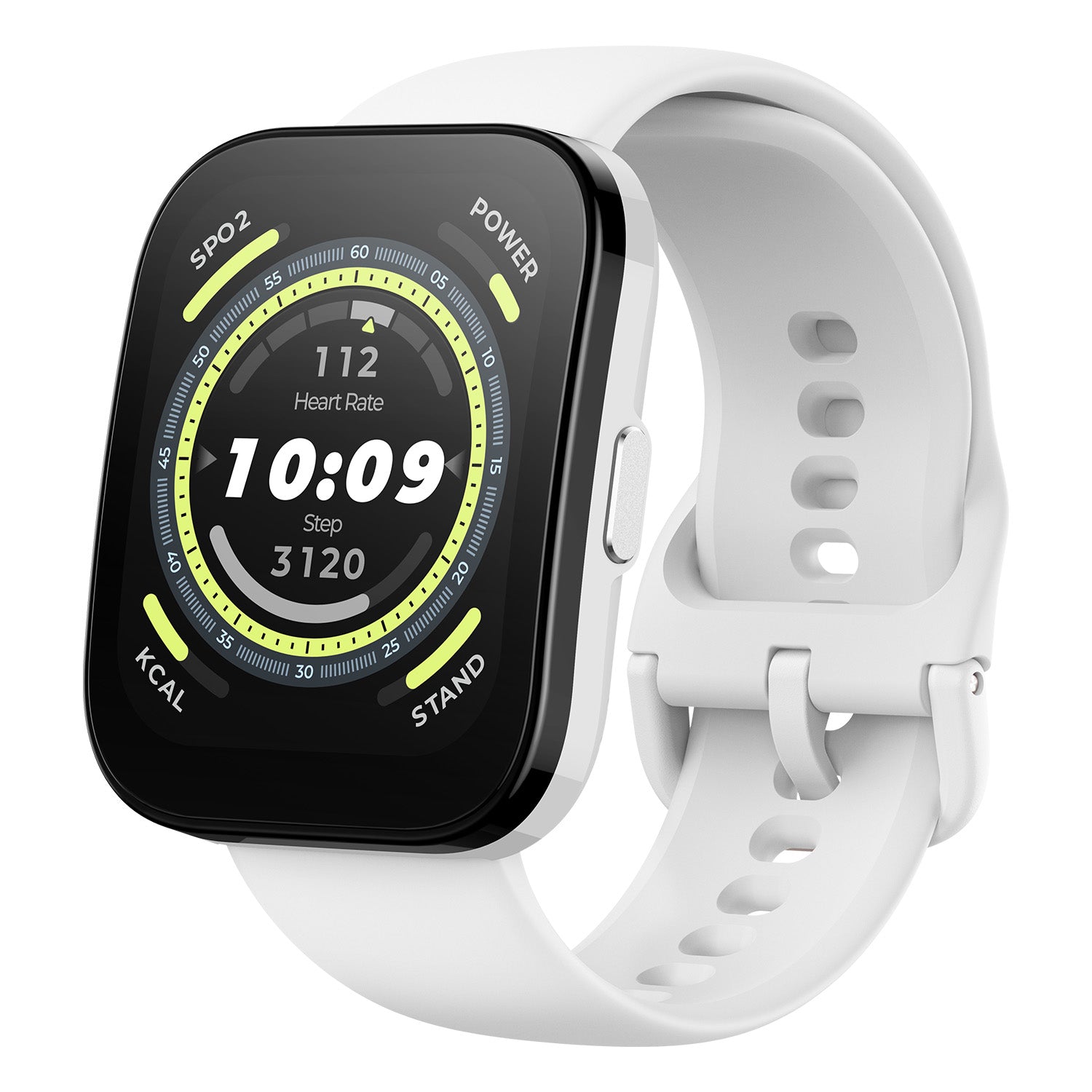
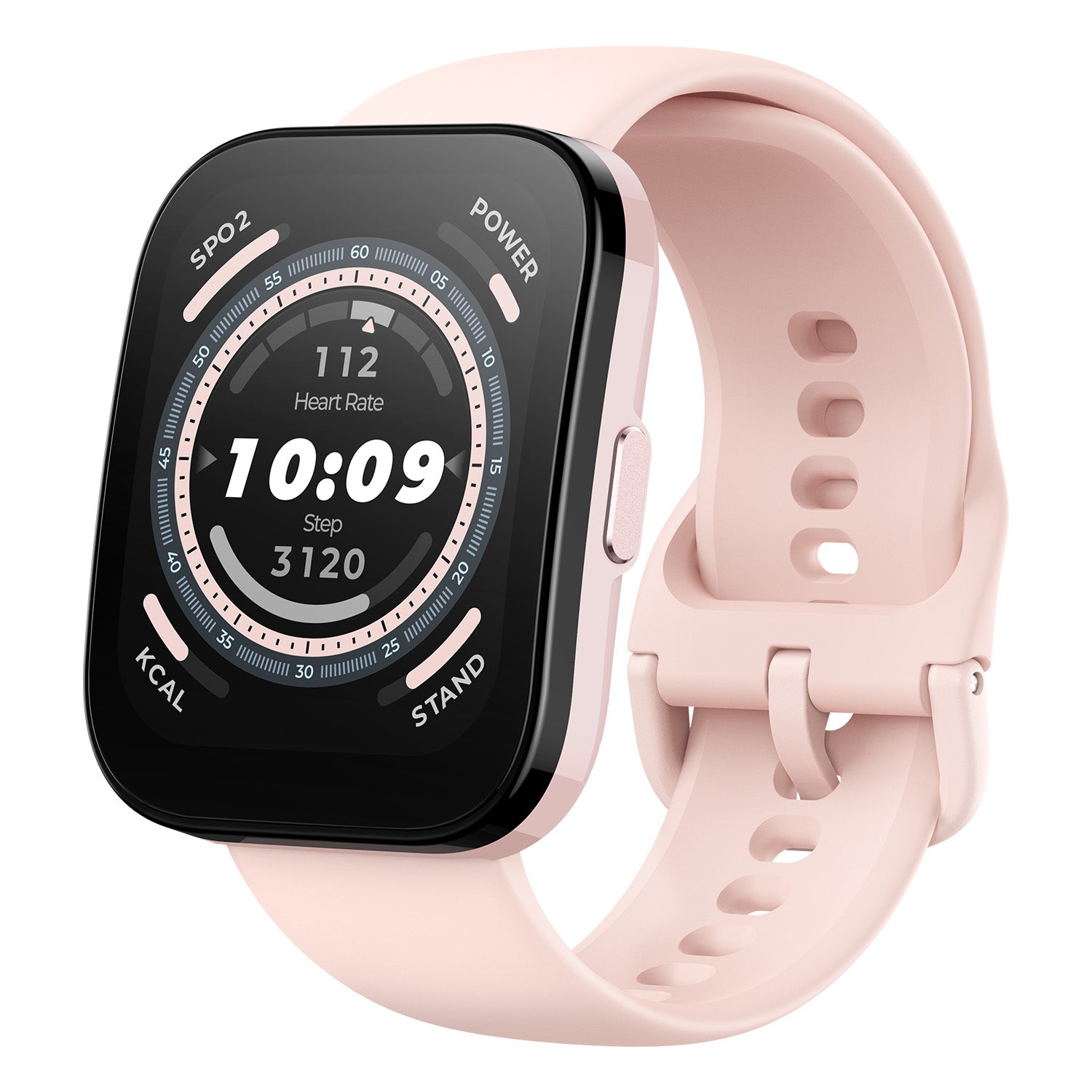
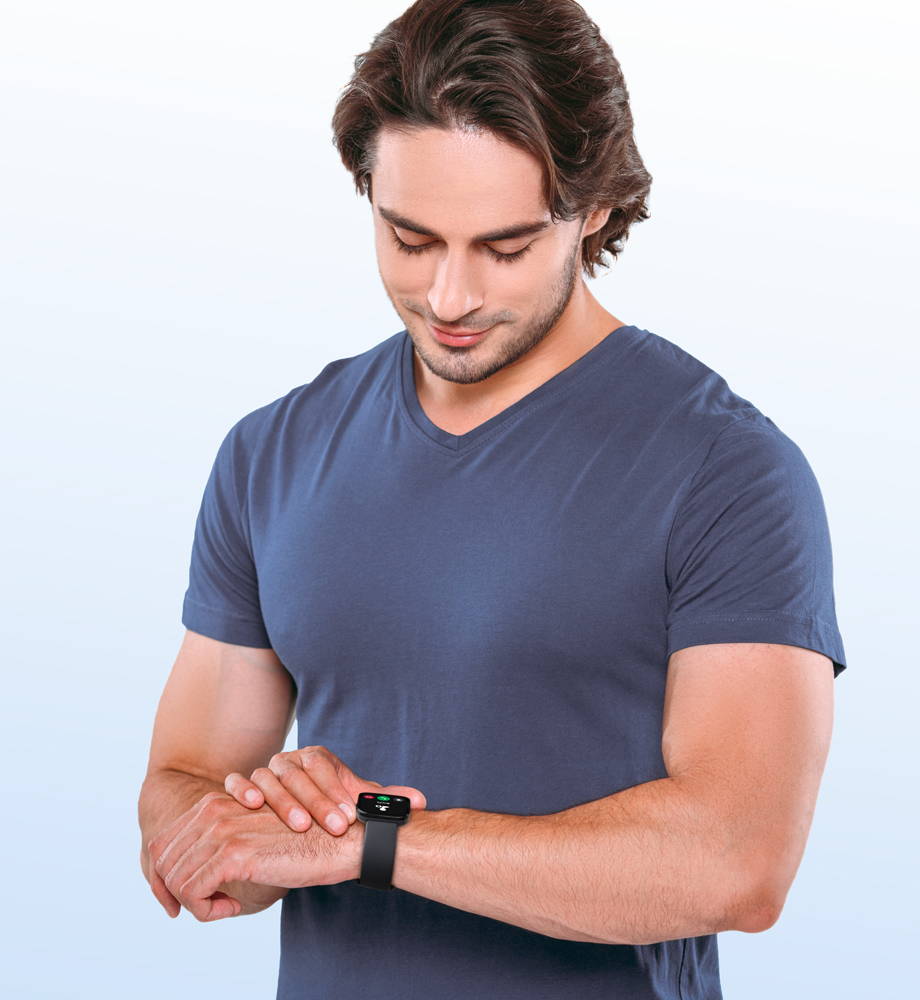
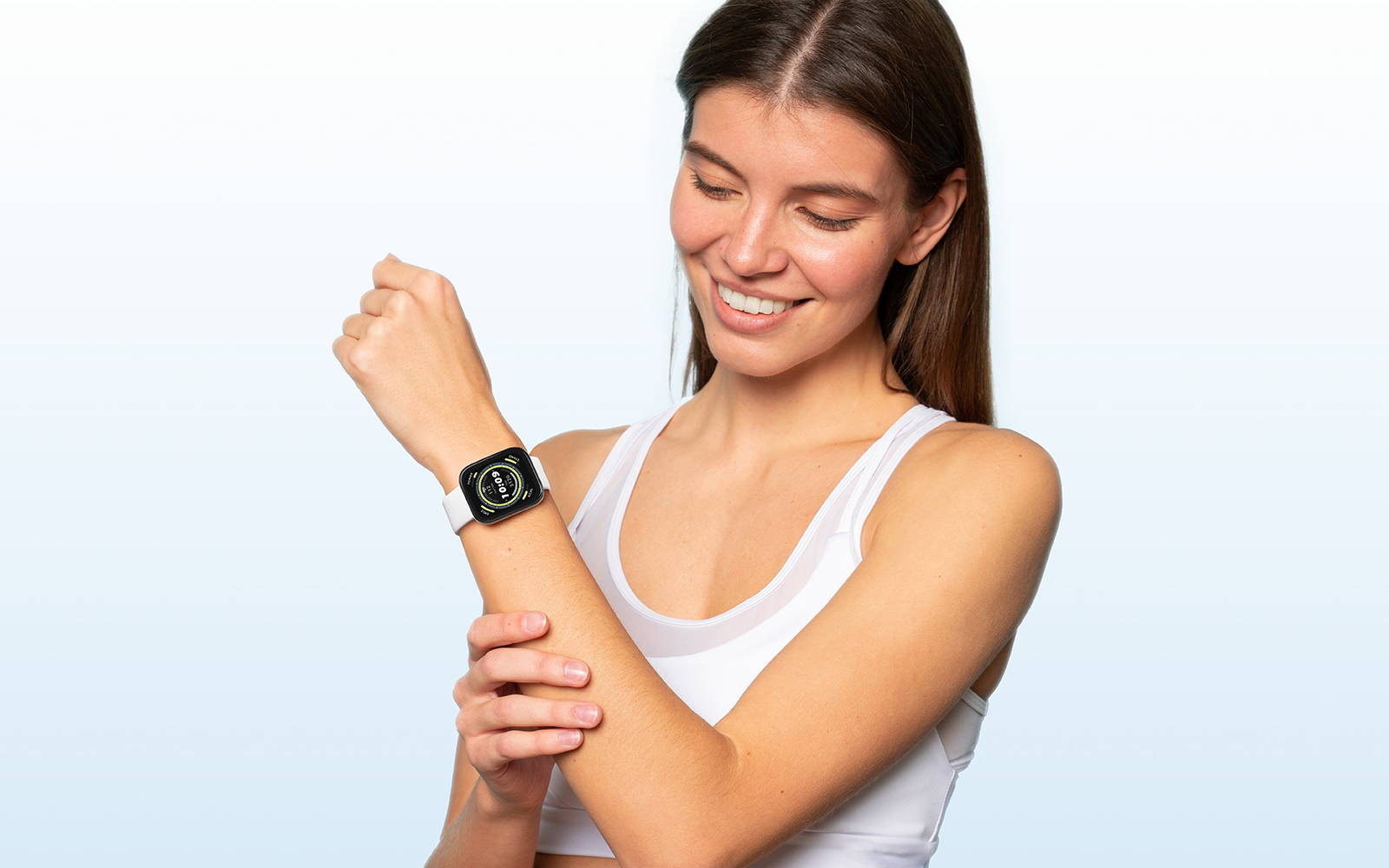
Specifications
- Display
- 1.91" TFT LCD, 320x380, 260 PPI, 2.5D tempered glass with anti-fingerprint coating
- Case
- 45.94 x 38.09 x 11.2 mm, 26 g without strap, plastic bottom case, 22mm silicone strap
- Battery
- Up to 10 days typical use (5 days heavy use, 26 days battery saver mode), 300 mAh
- Water Resistance
- IP68
- OS
- Zepp OS 2.0
- Sensors
- BioTracker PPG biometric sensor (heart rate, SpO2), 3-axis accelerometer, 4 satellite positioning systems
- Connectivity
- Bluetooth 5.2 BLE, built-in speaker and microphone for Bluetooth calls
- Compatibility
- Android 7.0+ and iOS 14.0+ via the Zepp app
- Features
- 120+ sports modes, Amazon Alexa, 70+ mini apps, 24-hour heart rate, SpO2 and stress monitoring, sleep tracking, PAI, menstrual cycle tracking
The Amazfit Bip 5 is an entry-level smartwatch from Amazfit, the wearables brand of Zepp Health, made globally available on 1 August 2023 at a starting price of $89.99. Its calling card is the screen: a 1.91-inch rectangular LCD touchscreen that Amazfit described at launch as the largest on any Amazfit smartwatch then sold worldwide. It was also the first watch in the Bip line to run Zepp OS, adding downloadable mini apps, Bluetooth calling through a built-in speaker and microphone, four satellite positioning systems, 24-hour blood-oxygen monitoring and a claimed battery life of up to 10 days. This page is based on the published specifications and manufacturer information, and it explains who the Bip 5 suits and where it makes compromises.
Where it sits in the line-up
The Bip family is Amazfit's budget lifestyle series: light, inexpensive watches with long battery life and a simple set of fitness and health tools. The Bip 5 followed earlier Bip models and moved the series from a basic operating system to Zepp OS 2.0, the same software family that powers more expensive Amazfit watches. Above it sit the AMOLED lifestyle watches such as the Amazfit Balance, which add a brighter screen, dual-band GPS and richer training analytics for a higher price. Amazfit also lists a Bip 5 Unity variant, but this page covers the original Bip 5 only. To see the differences with the higher tier, open Amazfit Bip 5 vs Amazfit Balance.
Design and display
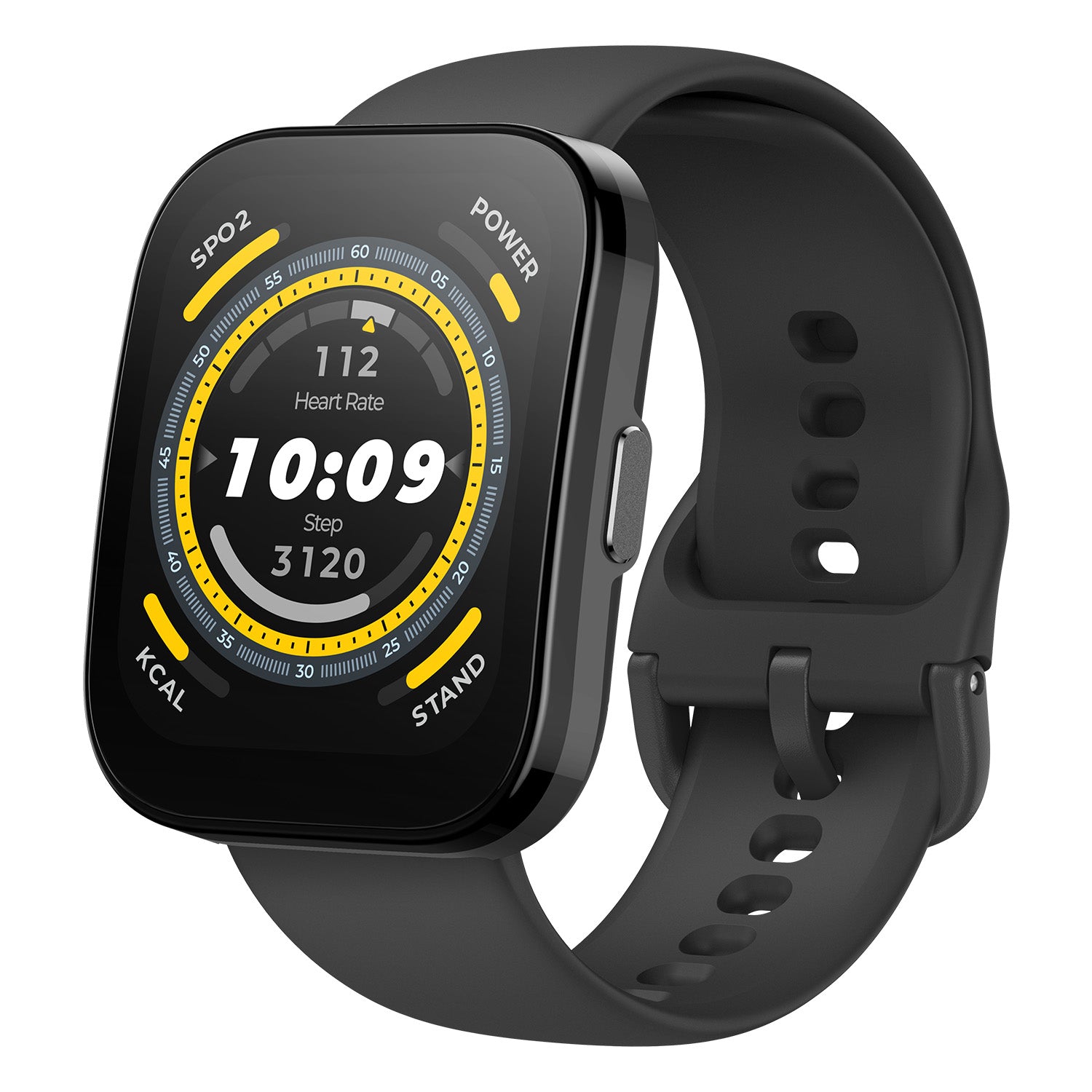
The case measures 45.94 x 38.09 x 11.2 mm without the sensor base, and the watch weighs 26 g without the strap, which Amazfit highlights as lightweight. The body uses a plastic bottom case, a single physical button and a 22 mm silicone strap with a classic pin buckle and quick-release pins; the strap fits wrists of 155 to 210 mm. Three colours were launched: Cream White, Soft Black and Pastel Pink. The rectangular shape gives the screen as much room as possible, and the plastic body and simple look keep costs down.
The display is a 1.91-inch TFT LCD with a resolution of 320 x 380 pixels (260 PPI), covered by 2.5D tempered glass with an anti-fingerprint coating. Amazfit says the glass is slightly curved for a more natural view on the wrist, and the screen supports more than 70 watch faces, including a Portrait watch face that rotates through up to three of your photos each time you wake the display. An LCD screen is cheaper than AMOLED but generally has lower contrast and uses more power in dark watch faces; outdoor readability is usually acceptable but not as good as on brighter OLED displays. Amazfit does not give a brightness figure on the pages reviewed here. The water-resistance grade is listed as IP68, which covers dust and immersion in shallow water but is not the same as a swimming rating, so it is best to avoid hot showers and pools.
Software and smart features
The Bip 5 runs Zepp OS 2.0. Amazfit says this brings a smoother interface, longer health monitoring and a mini-app ecosystem of more than 70 downloadable apps, including over 30 games, which are simple titles rather than full mobile games. The watch includes a speaker and microphone so users can dial or answer calls through a Bluetooth connection to a phone, and the Amazon Alexa voice assistant is built in for alarms, timers, weather and smart-home controls. Other features include Morning Updates, membership cards that display barcodes from the Zepp app, shortcut cards and quick-access cards. The watch pairs with the Zepp app on Android 7.0 and above or iOS 14.0 and above, and uses Bluetooth 5.2 BLE. It has no NFC payment function in the specification list, so contactless payment is not part of the package.
Because the watch depends on the Zepp app, notifications, watch faces and firmware updates are handled there. Amazfit also says that sports data can be synced to adidas Running, Strava, komoot and Relive, as well as to Apple Health and Google Fit through the app. Third-party app selection is much smaller than on Wear OS or Apple Watch, so people who want a full app store should look at a different category of watch.
Health and fitness
A BioTracker PPG biometric sensor supports 24-hour heart rate, blood-oxygen (SpO2) and stress monitoring, and the watch can alert you to abnormally high or low heart rates, low SpO2 or high stress. A one-tap test measures the three metrics together. Sleep monitoring covers sleep stages and breathing quality with a score in the Zepp app, along with daytime naps. Other features are the PAI health assessment, which converts heart-rate data into a weekly score, and menstrual cycle tracking. As with all wrist-worn sensors, the values are meant for general wellness and trends rather than for medical decisions.
For training there are more than 120 sports modes, double the 60-plus of the previous generation according to the launch announcement, and the watch can automatically detect seven kinds of movement. It supports four satellite positioning systems, so you can record outdoor runs and rides, although a built-in GPS on an entry-level watch is usually single-band and may be less accurate in dense areas than higher-priced models. The PeakBeats algorithm shows post-workout data such as VO2 Max, and a virtual pacer helps when running outdoors or on a treadmill. A real-time voice read-out of workout data through the speaker means you do not need to look at the screen.
Battery and charging
The battery has a rated capacity of 300 mAh and charges through a magnetic cable in about two hours. Amazfit quotes up to 10 days in typical use, up to 5 days in heavy use and up to 26 days in battery saver mode, all based on internal tests. The long runtime is a big part of the appeal for an entry-level watch, but the large screen, Bluetooth calls and constant health tracking will bring the figure down if you use them heavily. Many people will charge it roughly once a week, which is much easier than a daily charging routine.
Who it is for
The Bip 5 suits first-time smartwatch buyers, people who want a light and inexpensive watch for daily steps, sleep and heart-rate tracking, and those who want to see notifications and take calls on the wrist without paying flagship prices. It works with both Android and iPhone. The big screen helps with readability for people who find small watch displays hard to use, and the battery life is a practical advantage over most full-featured smartwatches. If you want an upgrade path, a more premium lifestyle watch such as Garmin Venu 3 offers an AMOLED screen and deeper training features at a much higher price, and the comparison page Amazfit Bip 5 vs Garmin Venu 3 shows how far apart the two are.
Compromises to consider
The compromises follow from the price. The LCD panel is less vivid than an AMOLED screen, the body is plastic, and the watch has no storage for music, no payment feature in the specifications and a limited app catalogue. Outdoor sports tracking is basic compared with dual-band GPS watches, and the health sensor is a general-purpose optical sensor without ECG. Bluetooth calls depend on the phone being nearby. The watch is also a 2023 model, so newer watches, including later entries in the Bip series, may offer more. For a view of the full market, check the rankings and the smartwatch list before you buy.
Where it ranks
Compare Amazfit Bip 5 with similar devices
More from Amazfit
Frequently asked questions
When was the Amazfit Bip 5 released?
The Amazfit Bip 5 was released on 2023-08-01, according to the manufacturer’s published information.
How much does the Amazfit Bip 5 cost?
The estimated range for the Amazfit Bip 5 is $81 to $99 in US dollars, based on the launch list price. Actual prices vary by country, retailer and storage option.
What are the main specs of the Amazfit Bip 5?
Headline figures for the Amazfit Bip 5: Battery life: 10 days. The full specification table is further up this page.
Is the Amazfit Bip 5 worth buying?
That depends on your priorities. Use the editorial review on this page for our view, check the rankings above to see where the device stands on battery, display and camera, and compare it directly with similar models before you decide.