Phones
Google Pixel 10 Pro XL
Google's 2025 large flagship has a 6.8-inch screen up to 3,300 nits, the Tensor G5 chip, a 5,200 mAh battery, 45 W charging, 25 W Qi2 wireless and seven years of updates.
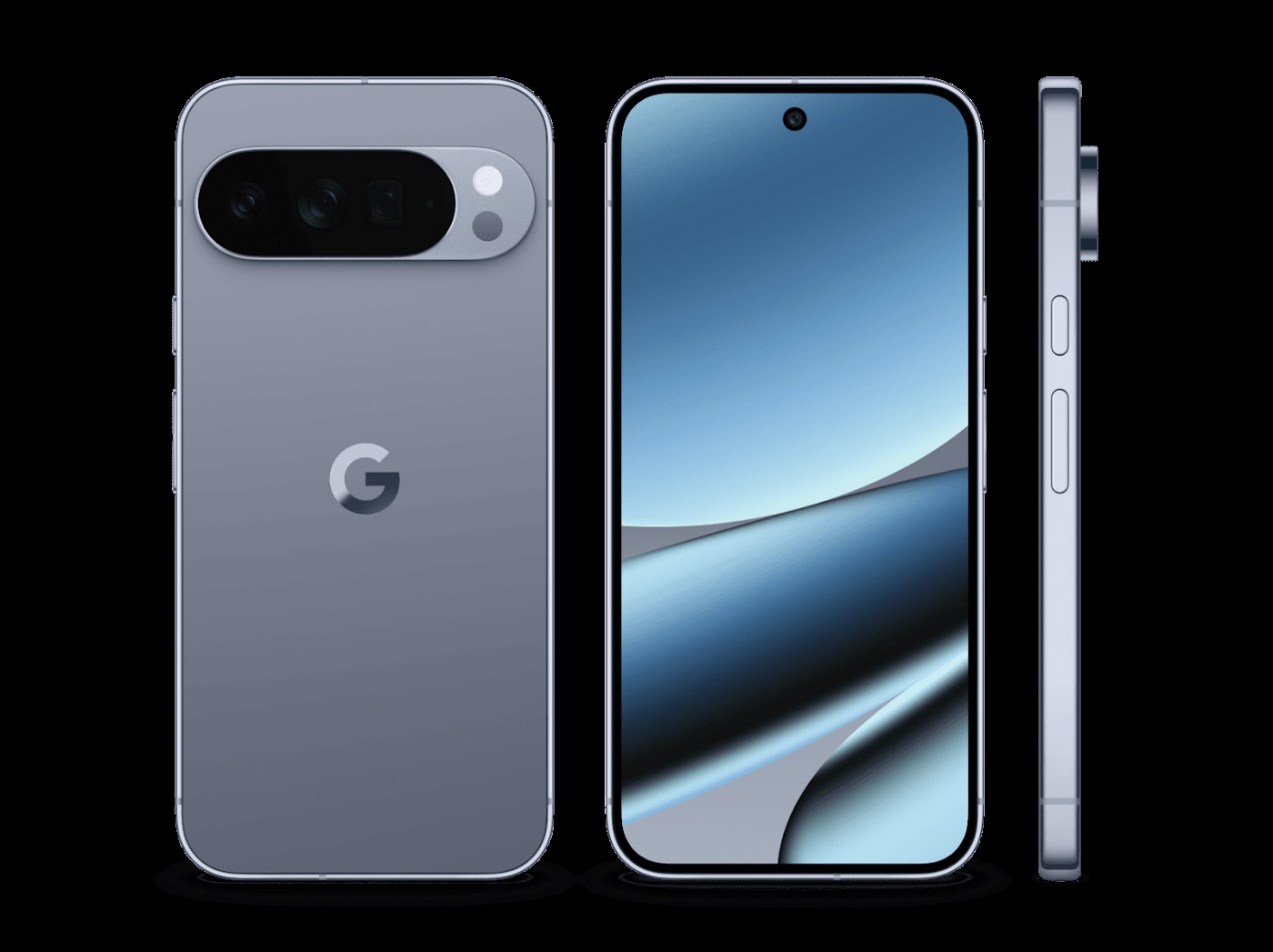
Key figures at a glance
Gallery
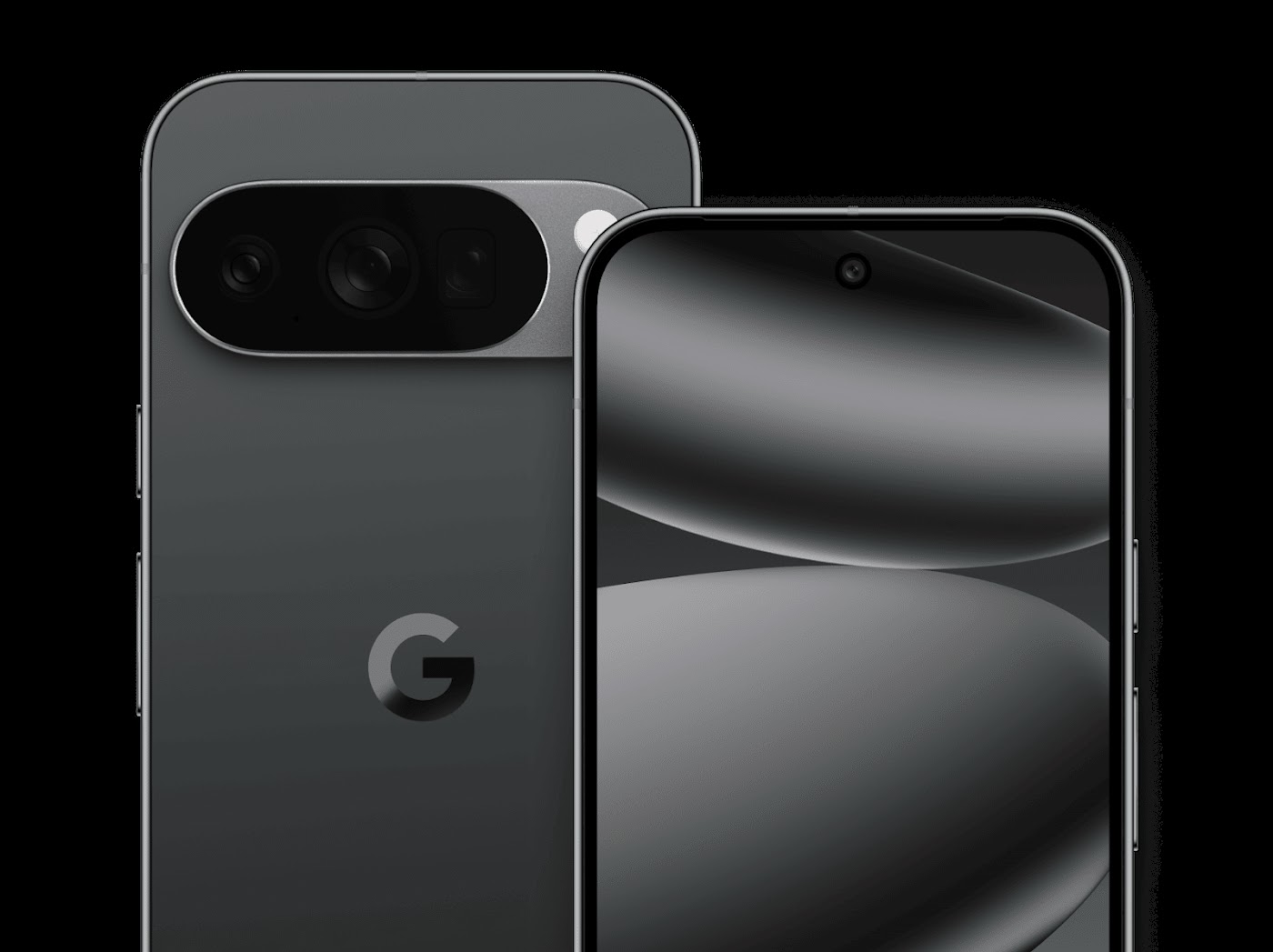
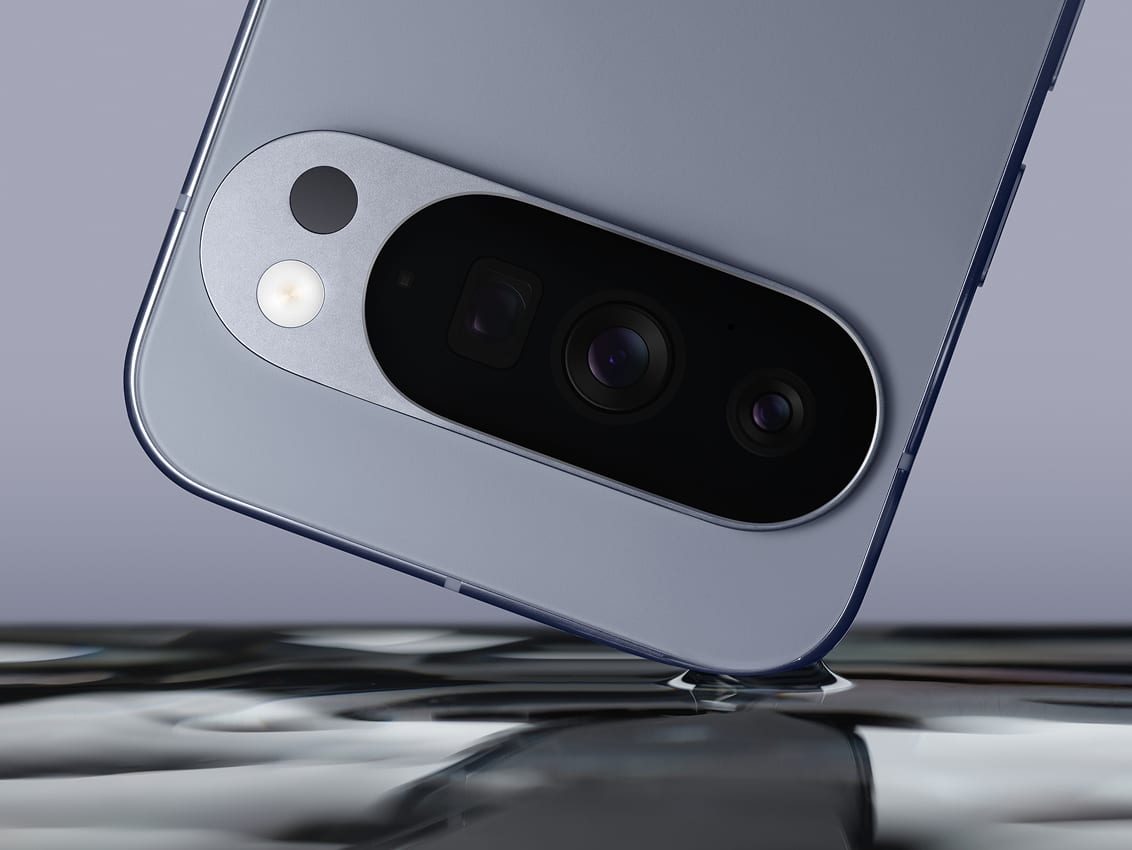

Specifications
- Display
- 6.8" Super Actua LTPO OLED, 1344x2992, 1-120Hz, up to 3300 nits peak
- Chipset
- Google Tensor G5 (TSMC 3nm)
- RAM
- 16GB
- Storage
- 256GB / 512GB / 1TB
- Rear Camera
- 50MP main + 48MP ultrawide + 48MP telephoto 5x
- Front Camera
- 42MP
- Battery
- 5,200 mAh, 45W wired (charger sold separately), 25W Qi2 Pixelsnap wireless
- OS
- Android 16, 7 years of OS, security and Pixel Drop updates
The Google Pixel 10 Pro XL is the large flagship of Google's 2025 Pixel generation. It has a 6.8-inch display, 16 GB of RAM, the new Google Tensor G5 chip, a 5,200 mAh battery and Qi2 wireless charging with magnets built in under the name Pixelsnap. Google put it on sale on 28 August 2025 at 1,199 dollars in the US, 100 dollars more than its predecessor. This page is based on the published specifications and manufacturer information, and it looks at the phone's place in the range, the hardware changes, the camera and AI features, battery behaviour and the compromises you accept.
Where it sits in the lineup
The Pixel 10 family arrived in August 2025 with the Pixel 10, the Pixel 10 Pro, the Pixel 10 Pro XL and, a little later, the Pixel 10 Pro Fold. The Pro XL is the top of the slab-style range, priced at 1,199 dollars at launch in the US, against 999 dollars for the 10 Pro. Unlike the smaller Pro, it has no 128 GB option: storage starts at 256 GB and goes to 1 TB. Compared with the previous year's Pixel 9 Pro XL, the big changes are the processor, the faster charging, the magnetic wireless system and a larger battery, while the display size stays the same at 6.8 inches.
That positioning makes the Pro XL the phone for people who want everything Google offers without a size compromise. If you are comparing it with the cheaper end of the range, the Pixel 10 Pro XL vs Pixel 10 comparison shows how much the Pro tier adds: a better camera system, more memory and a brighter screen.
Design and display
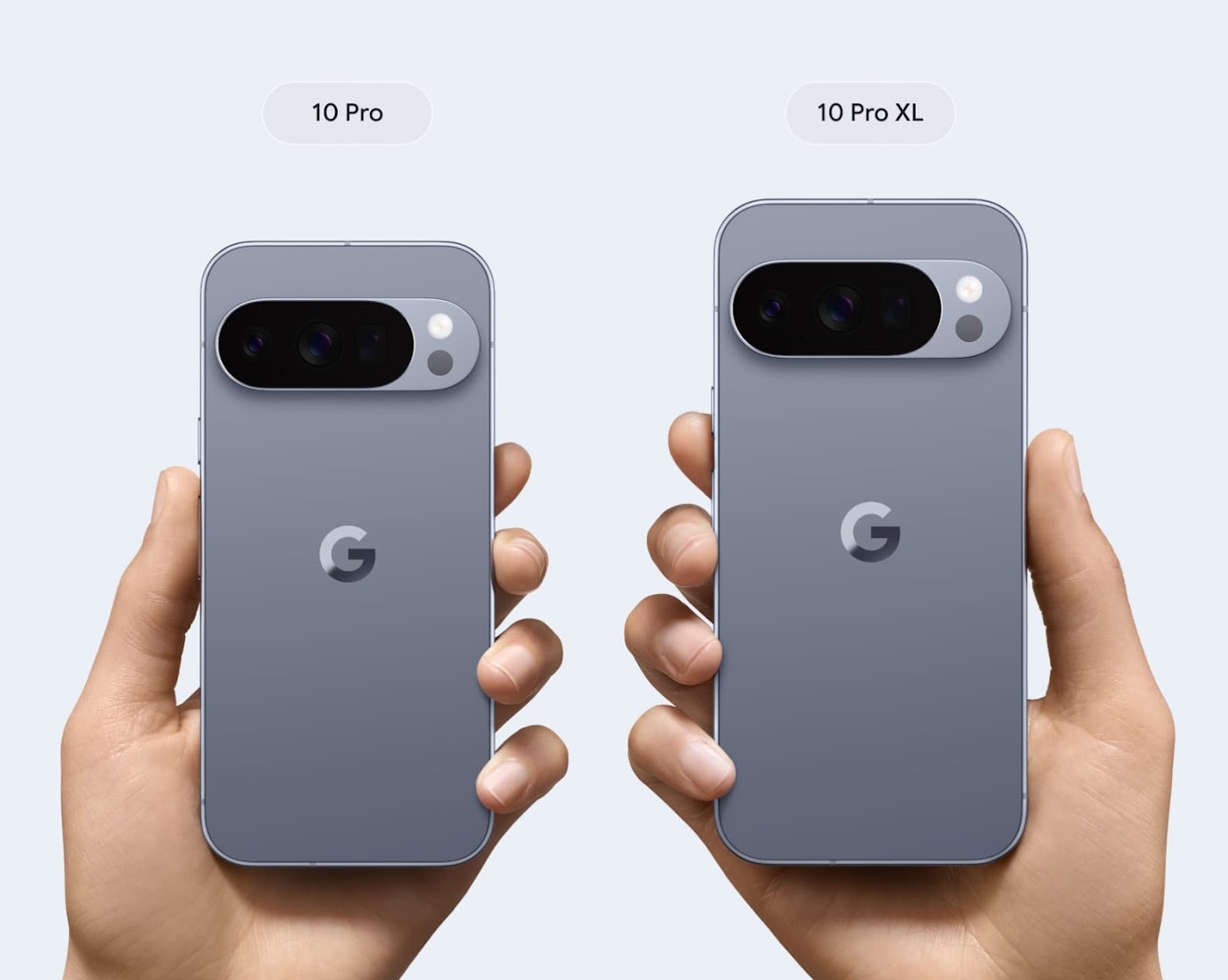
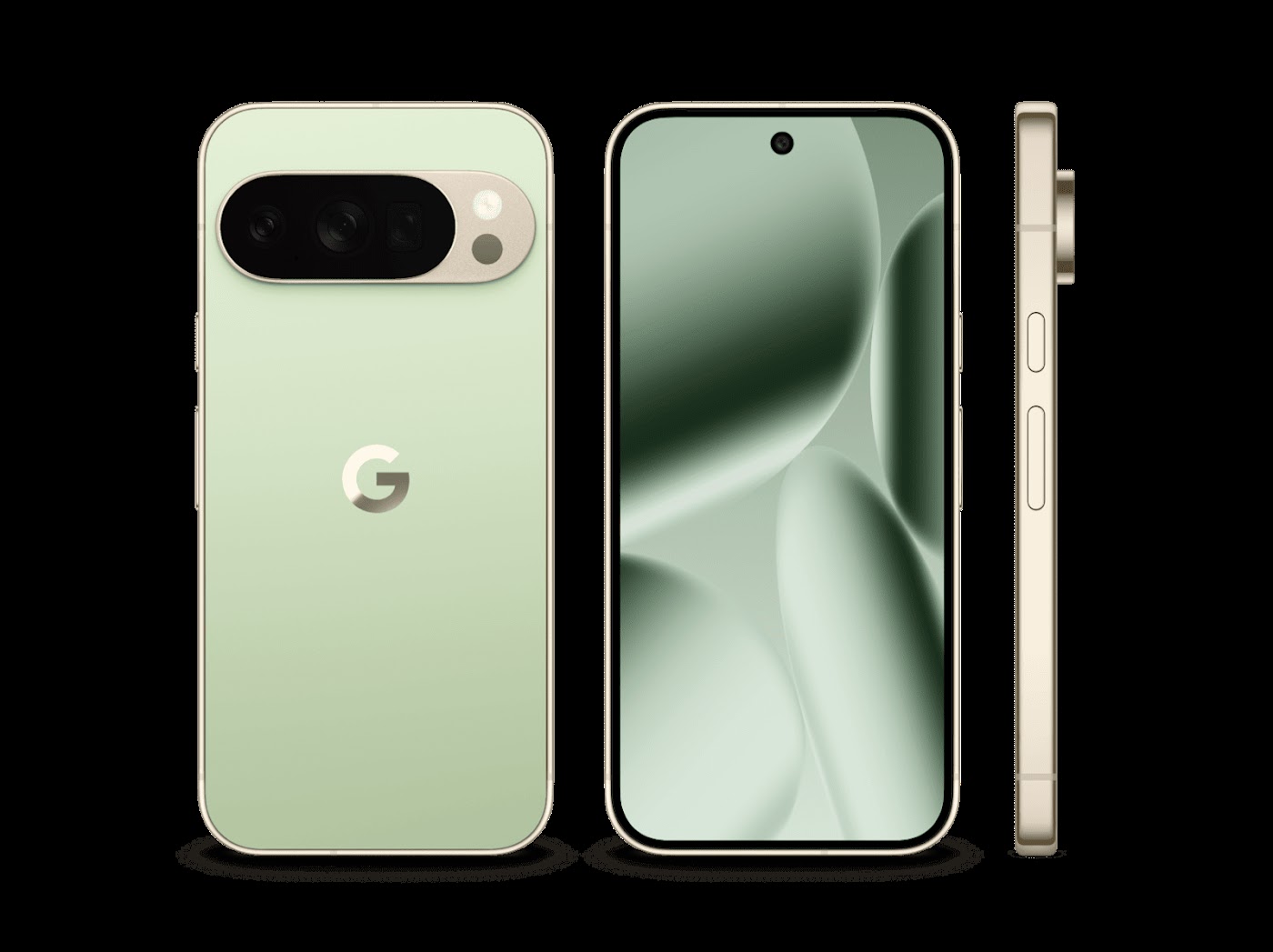
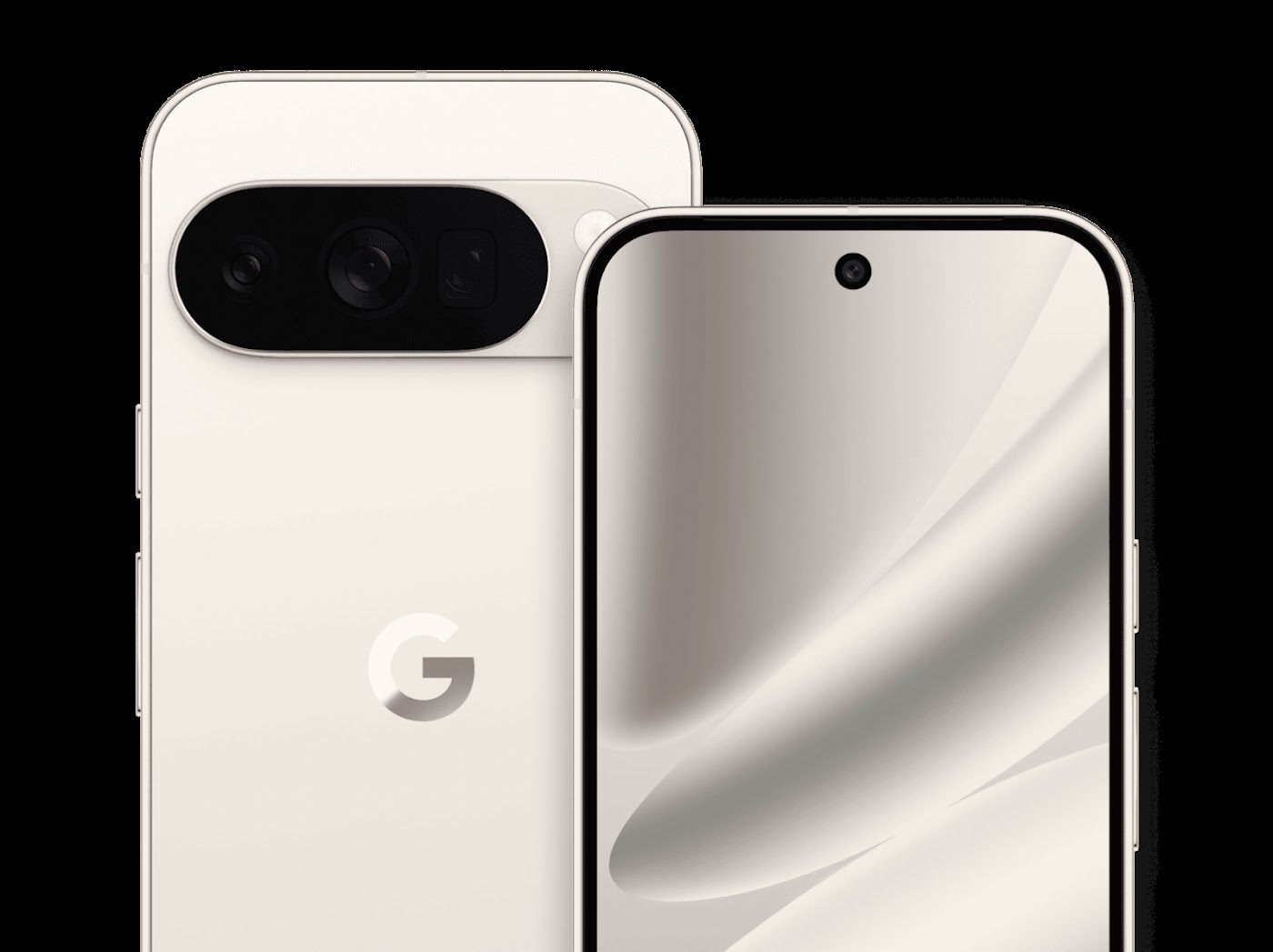
The Pixel 10 Pro XL keeps the family's pill-shaped camera island and flat frame. It is available in Moonstone, Jade, Porcelain and Obsidian. Google lists a silky matte glass back with a polished frame made from spacecraft-grade aluminium, 100 percent recycled in the housing, and Corning Gorilla Glass Victus 2 on the front. The phone has IP68 water and dust resistance. At 8.2 ounces it is a hefty device, noticeably heavier than the Pro at 7.3 ounces, so the size is a real consideration.
The screen is a 6.8-inch Super Actua LTPO OLED with 1344 by 2992 pixels, about 486 pixels per inch, and an adaptive 1 to 120 Hz refresh rate. Google quotes up to 2,200 nits for HDR content and up to 3,300 nits of peak brightness, which is a step up from the 3,000 nits of the Pixel 9 Pro XL. In practice, the display is excellent for outdoor visibility and HDR video, and the big canvas makes it a good phone for streaming, reading and gaming. It is the biggest screen available on a Pixel that does not fold.
Tensor G5 and software
The Tensor G5 is the first Tensor chip that Google had manufactured by TSMC, on a 3 nm process, and it sits alongside the Titan M2 security coprocessor. Google presents it as an AI-focused chip: it runs the latest Gemini Nano model on the device and powers features such as Magic Cue, which surfaces relevant information from your messages and apps at the right moment, and Camera Coach, which gives real-time guidance while you shoot. Performance for everyday tasks is smooth, with 16 GB of RAM leaving a lot of headroom. As with earlier Tensor generations, treat the chip as optimised for AI and efficiency rather than a pure graphics powerhouse.
The phone launched with Android 16, and Google promises seven years of operating system updates, security updates and Pixel Drops. That is the longest commitment among mainstream Android phones, and it stands out at a price near 1,200 dollars, where buyers expect to keep the phone for years. Gemini is built in, including Gemini Live, and Circle to Search and Live Translate are among the other features Google lists. Some features require an account, a certain language or region, and Google flags that AI output should be checked.
Cameras
The triple rear camera has a 50 MP wide camera with a 1/1.3-inch sensor, a 48 MP ultrawide camera with autofocus and Macro Focus, and a 48 MP telephoto camera with 5x optical zoom and optical stabilisation. Google calls the zoom system Pro Res Zoom and says it reaches up to 100x, using generative AI processing for the extreme range, so very distant shots are best treated as reconstructions rather than pure optical detail. The front camera is a 42 MP autofocus unit with a wide field of view.
For video, Google lists 8K recording at 24 or 30 frames per second through Video Boost, 4K at up to 60 frames per second, and 10-bit HDR. Other features include Night Sight Video, Audio Magic Eraser, Camera Coach, Add Me and Auto Best Take. All of these are manufacturer claims, and their performance depends on lighting, subjects and processing time, especially Video Boost, which runs in the cloud. The hardware list is very close to the Pixel 9 Pro XL's, so the camera improvements are mostly in processing rather than in sensors.
Battery and charging
The Pixel 10 Pro XL has a typical battery capacity of 5,200 mAh, with a minimum rating of 5,079 mAh. Google quotes 24 hours or more of battery life, and up to 100 hours in Extreme Battery Saver mode. With a 45 W USB-C PPS charger or higher, sold separately, the phone can reach about 70 percent in around 30 minutes according to Google, which is a considerable improvement on earlier Pixels. Wireless charging follows the Qi2 standard with Pixelsnap magnets and reaches up to 25 W on the XL, compared with 15 W on the 10 Pro. Because the magnets align the phone with compatible chargers and accessories, the system works similarly to Apple's MagSafe. The 5,200 mAh capacity is not the largest among big Android flagships, but efficiency and the fast charging make it competitive.
Who should buy it
The phone suits buyers who want the best Pixel and are comfortable with a large device: heavy video users, photographers who value the 5x telephoto, and anyone who wants the longest software support available. It also suits those who use magnetic accessories and wireless chargers. If you are coming from an older Pixel, the combination of faster charging, a brighter screen and a more capable chip is a meaningful step. A comparison with the competition is useful, so check the Galaxy S25 Ultra and the iPhone 17 Pro to see where each platform leads.
Compromises
- Price: 1,199 dollars at launch, 100 dollars more than the previous XL.
- Weight: 8.2 ounces is heavy, and one-handed use is difficult.
- Graphics: Tensor G5 favours AI and efficiency, so sustained gaming is not the focus.
- Charger not included: You need a 45 W charger to reach the stated speed.
- 100x zoom: Very long zoom relies on AI reconstruction, not optics.
- No 128 GB version: The base model starts at 256 GB.
Overall, the Pixel 10 Pro XL is the most complete Pixel yet: a large bright screen, the strongest charging Google has offered and a long update window. If you want something smaller, the Pixel 10 Pro has the same camera hardware, and the rankings page shows how it compares with other phones.
Where it ranks
Compare Google Pixel 10 Pro XL with similar devices
More from Google
Frequently asked questions
When was the Google Pixel 10 Pro XL released?
The Google Pixel 10 Pro XL was released on 2025-08-28, according to the manufacturer’s published information.
How much does the Google Pixel 10 Pro XL cost?
The estimated range for the Google Pixel 10 Pro XL is $1079 to $1319 in US dollars, based on the launch list price. Actual prices vary by country, retailer and storage option.
What are the main specs of the Google Pixel 10 Pro XL?
Headline figures for the Google Pixel 10 Pro XL: Battery: 5,200 mAh, Refresh rate: 120 Hz, Main camera: 50 MP, RAM: 16 GB. The full specification table is further up this page.
Is the Google Pixel 10 Pro XL worth buying?
That depends on your priorities. Use the editorial review on this page for our view, check the rankings above to see where the device stands on battery, display and camera, and compare it directly with similar models before you decide.


