Phones
OPPO A60
An everyday 4G phone with a 5000 mAh battery and 45W SUPERVOOC charging, a 6.67-inch 90Hz LCD, Snapdragon 680, IP54 splash resistance and a 7.68 mm slim body.
Key figures at a glance
Gallery
Specifications
- Display
- 6.67-inch LCD, 1604 x 720 (HD+), 90Hz, up to 950 nits peak brightness, 120Hz touch sampling (180Hz max)
- Chipset
- Qualcomm Snapdragon 680 (8 cores, 6nm, Adreno 610)
- RAM
- 8GB
- Storage
- 128GB / 256GB (UFS 2.2), microSD (SDXC) slot
- Rear Camera
- 50MP main (f/1.8, AF, no OIS) + 2MP secondary (f/2.4), 1080p@30fps video
- Front Camera
- 8MP (f/2.0)
- Battery
- 5000 mAh (typical), 4880 mAh rated, 45W SUPERVOOC
- OS
- ColorOS 14.0.1
- Memory Extension
- RAM Expansion (adds virtual RAM from storage)
- Network
- 4G LTE
- Connectivity
- Wi-Fi 5 (802.11ac), Bluetooth 5.0 (SBC, AAC, aptX), NFC (region dependent), GPS/BeiDou/GLONASS/Galileo/QZSS, USB-C, 3.5mm headphone jack
- Durability
- IP54 dust and water resistance, MIL-STD-810H shock resistance (tested by OPPO)
- Audio
- Dual stereo speakers, 300% Ultra Volume Mode
- Dimensions
- 165.71 x 76.02 x 7.68 mm
- Weight
- About 186 g
- Colors
- Midnight Purple, Ripple Blue
The OPPO A60 is a 4G Android phone from OPPO's A series, the brand's value range for people who want dependable basics rather than headline specifications. It combines a 6.67-inch 90Hz LCD, a 5000 mAh battery with 45W SUPERVOOC charging, a Snapdragon 680 chip and a slim 7.68 mm body. This review is based on the published specifications and manufacturer information; figures that come from OPPO's own laboratory tests are marked as claims, because they cannot be verified independently from a data sheet. The A60 is a modest phone with a clear purpose: to be a comfortable, durable and easy-to-live-with daily device at a low price.
Where the A60 sits in the lineup
OPPO's A series sits below the Reno and Find families and targets mainstream buyers. The A60 has a 4G-only radio and a chip from the lower end of Qualcomm's range. OPPO lists two memory options: 8GB of RAM with either 128GB or 256GB of UFS 2.2 storage, plus a microSD slot for expansion. The company also offers RAM Expansion, which adds virtual RAM by borrowing storage space; this is a software function and does not change the physical 8GB. The detailed specification sheet does not state how much virtual memory can be added, so we leave that figure out.
Later phones in the family include the OPPO A5 Pro, the OPPO A5x and the OPPO A6 Pro, which are worth a look if you want a newer generation. The page OPPO A60 vs OPPO A5 Pro shows how much has changed between generations.
Design and display
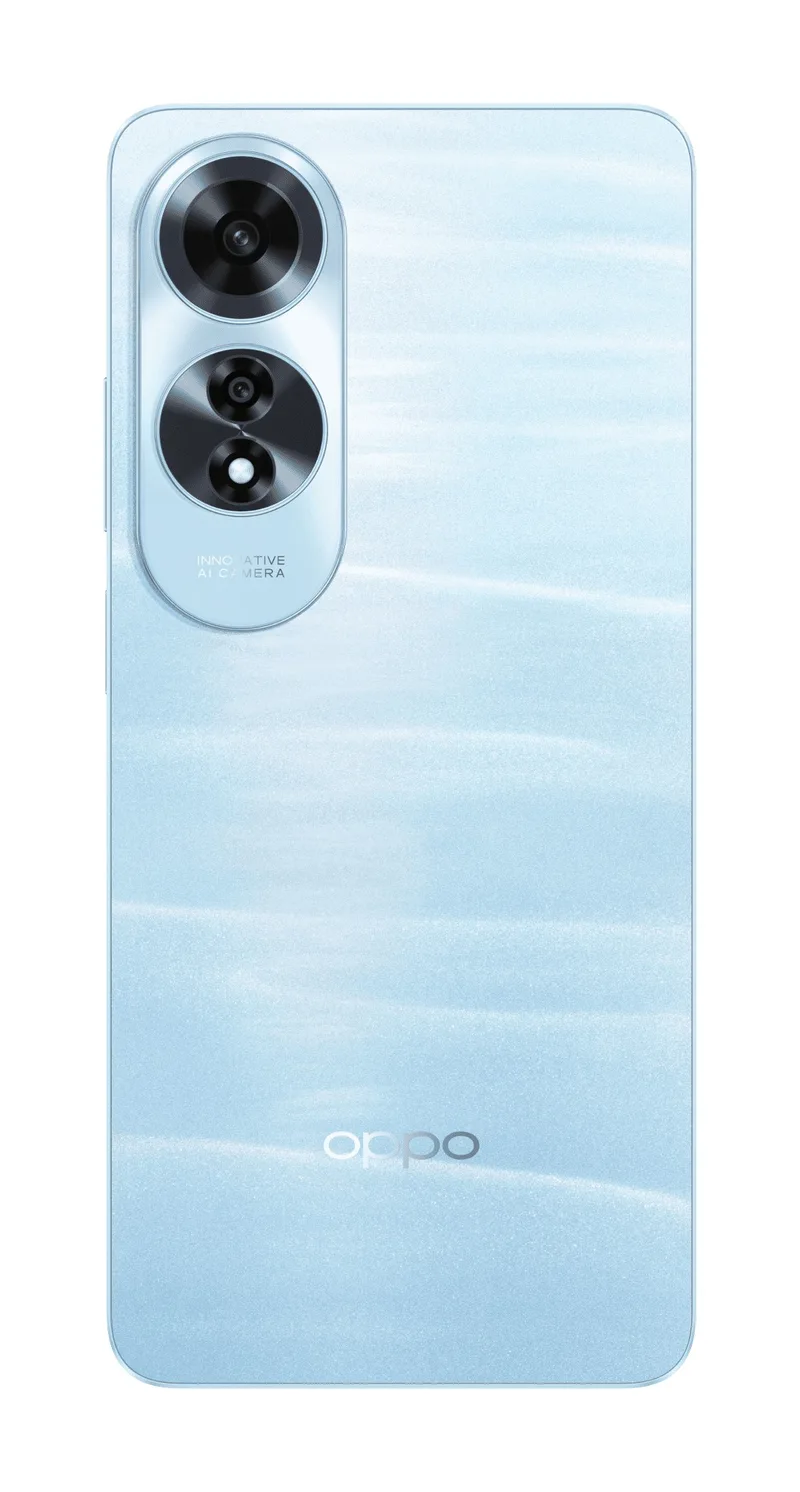
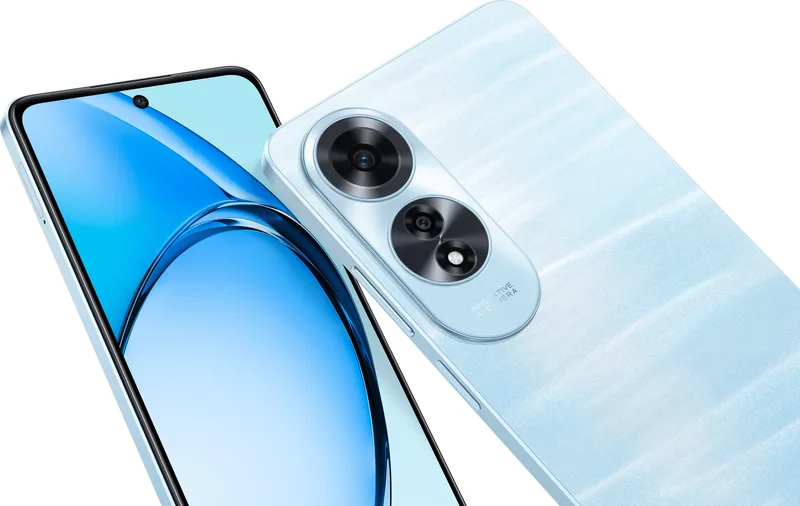
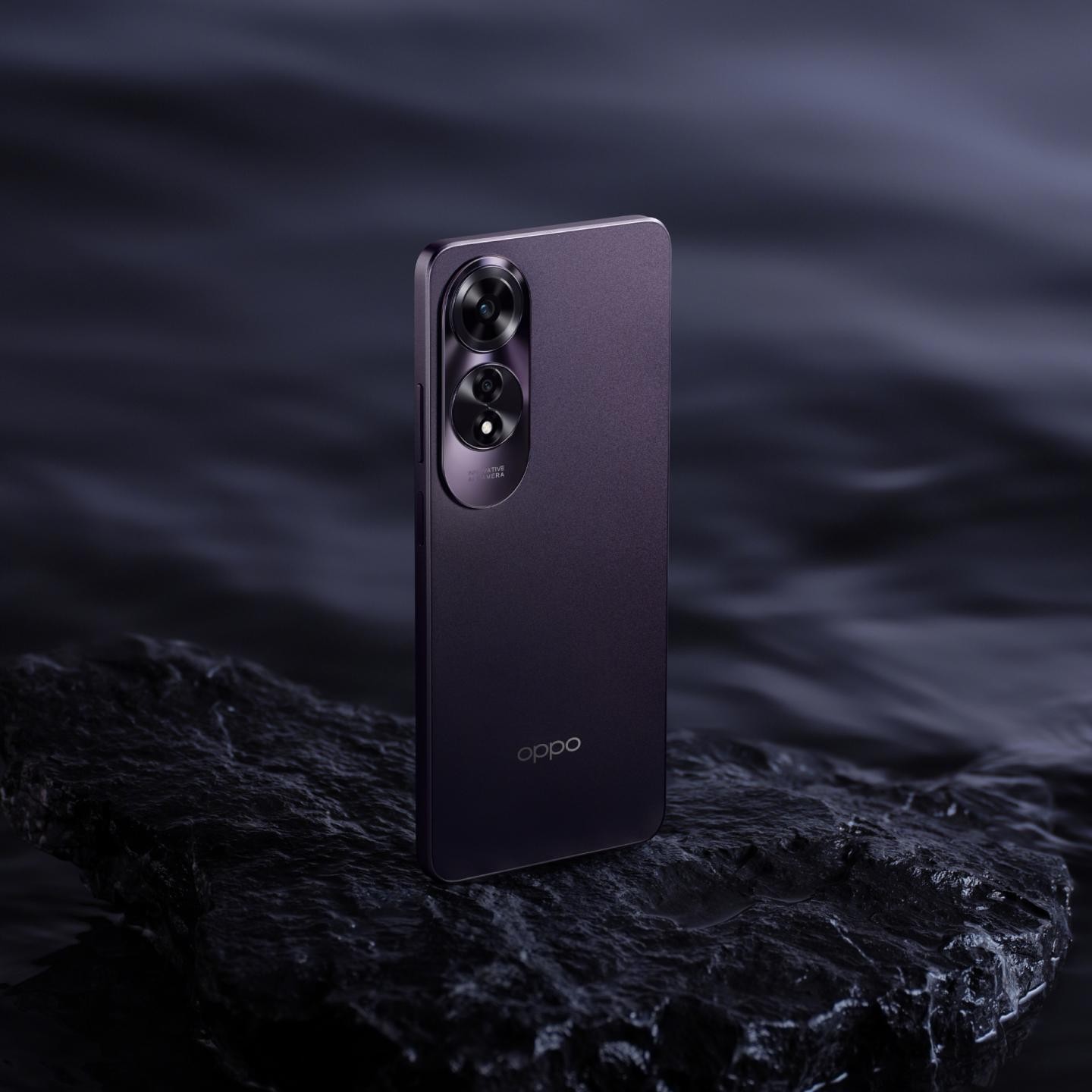
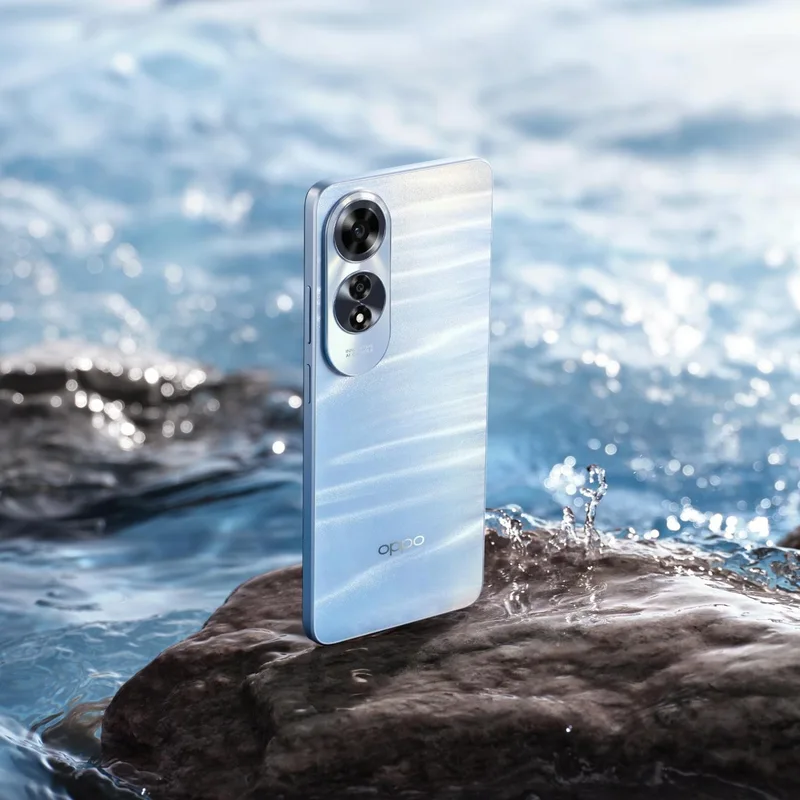
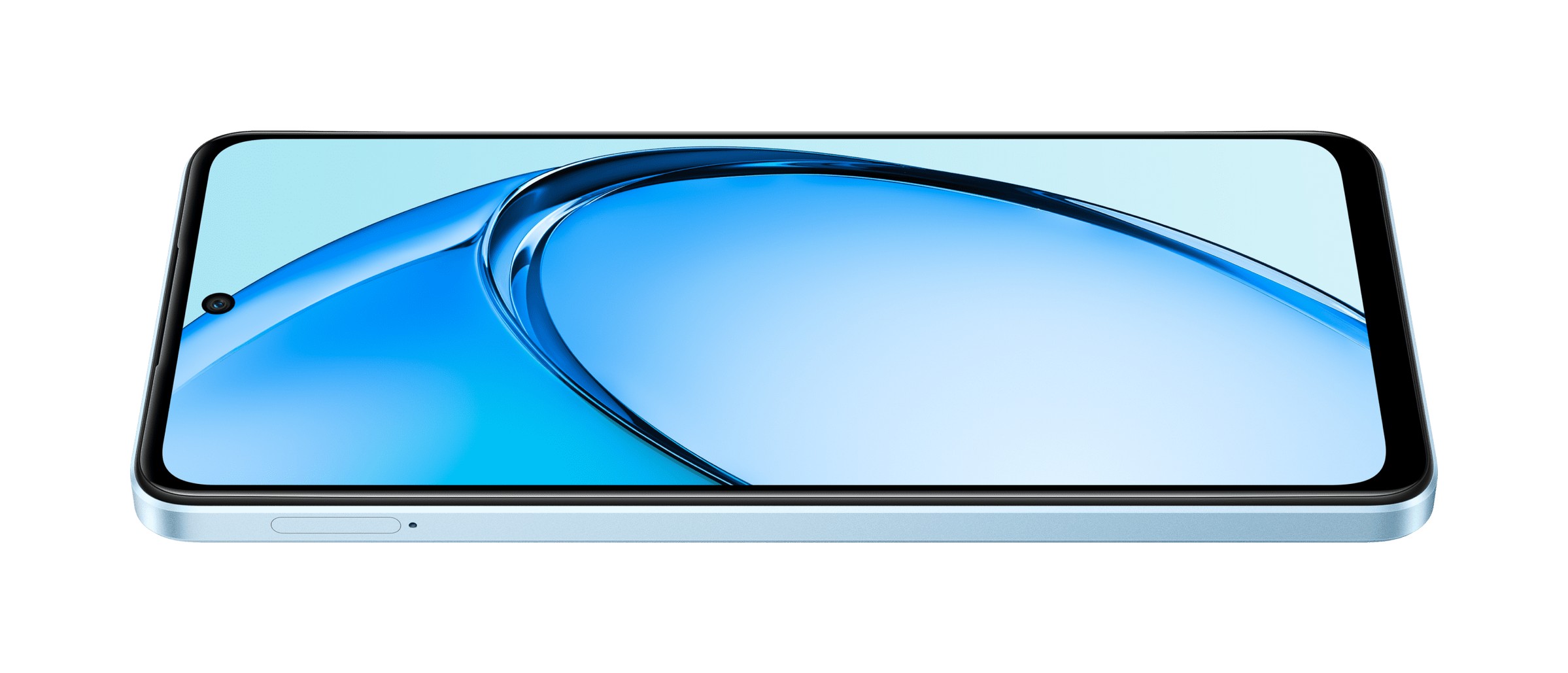
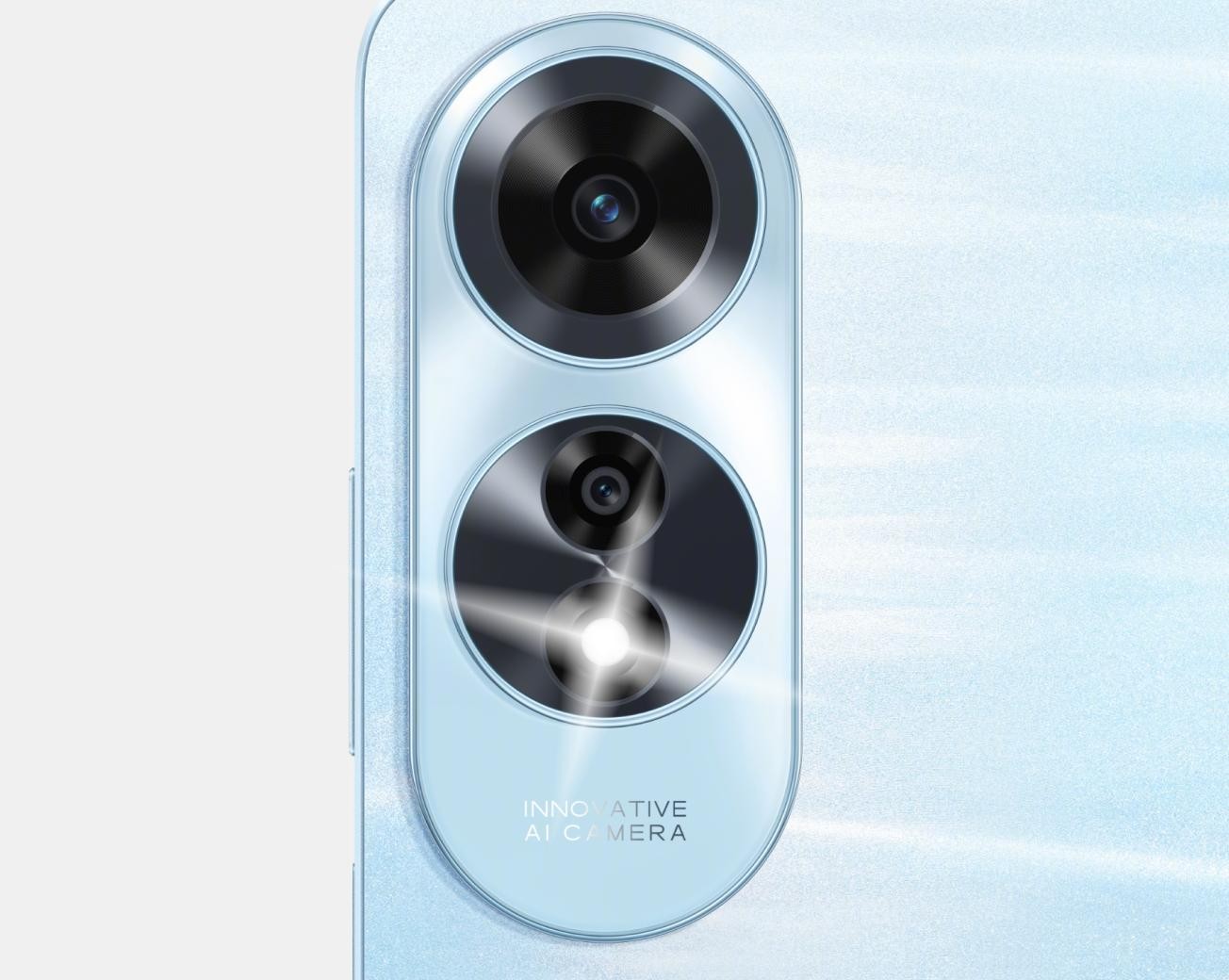
The A60 is only 7.68 mm thick and weighs about 186 g, with a footprint of 165.71 x 76.02 mm. OPPO stresses the slim body and points to a glossy, glass-like back panel with a rippled pattern in Ripple Blue and a darker, frosted look in Midnight Purple. The camera sits in a vertical oval island. The slim shape and modest weight are real advantages for a phone with a 6.67-inch screen and a 5000 mAh battery: it slides into a pocket easily and stays comfortable in one hand.
The display is an LCD with HD+ resolution (1604 x 720 pixels, about 264 pixels per inch) and a 90Hz refresh rate. OPPO quotes a maximum brightness of 950 nits, which it describes as one of the brightest LCDs among smartphones; that figure comes from OPPO's own lab and is a peak value, not a sustained one. Touch sampling is 120Hz by default and up to 180Hz, which makes the screen feel responsive. The colour gamut figures (83 percent NTSC in Vivid mode and 71 percent in Gentle mode) show a screen tuned for everyday use and not for colour-critical work. A feature OPPO calls Splash Touch keeps the screen working when your fingers are wet. As with other HD+ LCD phones at this size, text is a little softer than on Full HD screens, and blacks are not as deep as on OLED.
Durability is addressed with an IP54 rating for dust and splashes and, according to OPPO, MIL-STD-810H shock resistance tests. IP54 means limited dust protection and protection against splashing water, so the phone is fine in light rain but should not be submerged. The company also states that the phone is not covered by warranty for liquid damage and advises against charging it when wet. Dual stereo speakers, a 3.5mm headphone jack and an ultra-volume mode that OPPO says boosts loudness by 300 percent round out the hardware.
Performance and software
The Qualcomm Snapdragon 680 is an eight-core chip made on a 6nm process with an Adreno 610 graphics unit. It is an entry-level platform: smooth enough for chat apps, social media, browsing, maps and video, but limited for demanding 3D games. OPPO claims that its Trinity Engine system optimisations keep more apps alive in the background and help the phone stay cool, and that the 8GB and 256GB version passed a 48-month fluency test in the lab. Such durability claims are based on simulated use and should be read as OPPO's intent, not as a guarantee. UFS 2.2 storage is not the fastest, but it is faster than older eMMC storage.
The phone runs ColorOS 14.0.1. The specification sheet does not state which Android version that corresponds to, so we do not assume one. ColorOS adds a number of extra features on top of Android, including dual-view video recording that uses the front and rear cameras at the same time. As with all budget phones, the length of the update commitment matters, and the data sheet does not list it, so check the current policy for your region if you intend to keep the phone for several years.
Camera
The rear camera is built around a 50MP main sensor with an f/1.8 aperture and autofocus; the data sheet explicitly says that optical image stabilisation is not supported. A 2MP secondary camera with f/2.4 assists portrait mode and offers little else. OPPO notes that only the main sensor is 50MP and that Hi-Res mode is needed for the full resolution. Video recording is limited to 1080p at 30 frames per second, with 720p slow motion at 120 frames per second and a dual-view mode at 720p. Shooting modes include Night, Pro, Panorama, Portrait, Time-lapse and text scanning.
At the front, an 8MP camera with f/2.0 handles selfies and video calls, and OPPO adds AI retouching options. Expect pleasant results in good light and the typical compromises of an entry-level camera set when the light fades: softer detail, more noise and slower focusing. The lack of an ultrawide lens and stabilisation also means that video is best treated as a convenience feature.
Battery and charging
OPPO lists a typical battery capacity of 5000 mAh (19.55Wh) and a rated capacity of 4880 mAh (19.09Wh). Charging runs up to 45W with the included charger, which OPPO says reaches 50 percent in 30 minutes; the box contains the charger, a cable and a protective case. According to the manufacturer's lab data, video playback lasts up to 14.75 hours and calls up to 30 hours, and a battery-health design is claimed to keep more than 80 percent capacity after four years of daily charging. All of those are laboratory numbers under specific settings, so real usage will vary. The combination of a 90Hz LCD, an efficient 6nm chip and a 5000 mAh battery is well suited to a full day of use, and 45W is a generous charging figure for a phone in this class.
OPPO also describes a Smart Charging feature that adapts charging behaviour to your routine to reduce battery ageing. Wireless charging is not mentioned.
Connectivity and everyday details
The A60 supports 4G LTE, 3G and 2G; there is no 5G. Wi-Fi is Wi-Fi 5 (802.11ac), Bluetooth is 5.0 with SBC, AAC and aptX codecs, and NFC is supported depending on the region. Positioning covers GPS, BeiDou, GLONASS, Galileo and QZSS. USB-C and a 3.5mm headphone jack are both present, and the SIM tray uses nano-SIM cards with SDXC card support. Fingerprint and face recognition are both listed. OPPO also lists 360-degree NFC, so cards can be read from the back, front and top frame. Several frequency band versions exist, so make sure the version you buy matches your carrier.
Who the A60 is for
The A60 is a good fit for buyers who value a light, slim phone with a large screen, a battery that lasts through the day and fast top-ups. It suits students, first-time smartphone owners, and people who mainly use messaging, video and navigation. Splash Touch and IP54 make it practical for everyday life, and the headphone jack and microSD slot are useful extras that many newer phones have dropped.
It is less suited to people who want 5G, strong gaming performance, high-quality video or a sharper screen. If you want to compare it against a rival with a larger battery, the HONOR X7c is an interesting alternative with 6000 mAh and a 120Hz display, though at slower 35W charging. Browse the rankings for more budget options.
Compromises to keep in mind
- HD+ LCD at 90Hz: smooth enough, but softer and less contrasty than Full HD or OLED screens.
- Snapdragon 680: adequate for basics; demanding games and heavy multitasking will expose its limits.
- No 5G: the phone is 4G-only, with Wi-Fi 5.
- Simple cameras: a 50MP main sensor without stabilisation, a 2MP secondary lens and 1080p video at 30fps.
- Software details unclear: the data sheet lists ColorOS 14.0.1 but gives no Android version or update period.
- Lab-based claims: four-year fluency, 950 nits and battery-life figures come from OPPO's own testing.
In summary, the OPPO A60 is a sensible, no-surprises budget phone. It gets the essentials right: a bright enough screen, a slim and light body, a 5000 mAh battery and fast 45W charging, and it keeps a headphone jack and microSD slot. It asks you to accept 4G and entry-level performance, which is exactly what its price class implies.
Where it ranks
Compare OPPO A60 with similar devices
More from OPPO
Frequently asked questions
When was the OPPO A60 released?
The OPPO A60 was released on 2024-07-01, according to the manufacturer’s published information.
What are the main specs of the OPPO A60?
Headline figures for the OPPO A60: Battery: 5,000 mAh, Refresh rate: 180 Hz, Main camera: 50 MP, RAM: 8 GB. The full specification table is further up this page.
Is the OPPO A60 worth buying?
That depends on your priorities. Use the editorial review on this page for our view, check the rankings above to see where the device stands on battery, display and camera, and compare it directly with similar models before you decide.


