Phones
Motorola Moto G85
A mid-range 5G phone with a curved 120Hz pOLED screen, a 50MP Sony Lytia 600 main camera with OIS, a 5,000 mAh battery and 33W charging.
Key figures at a glance
Gallery
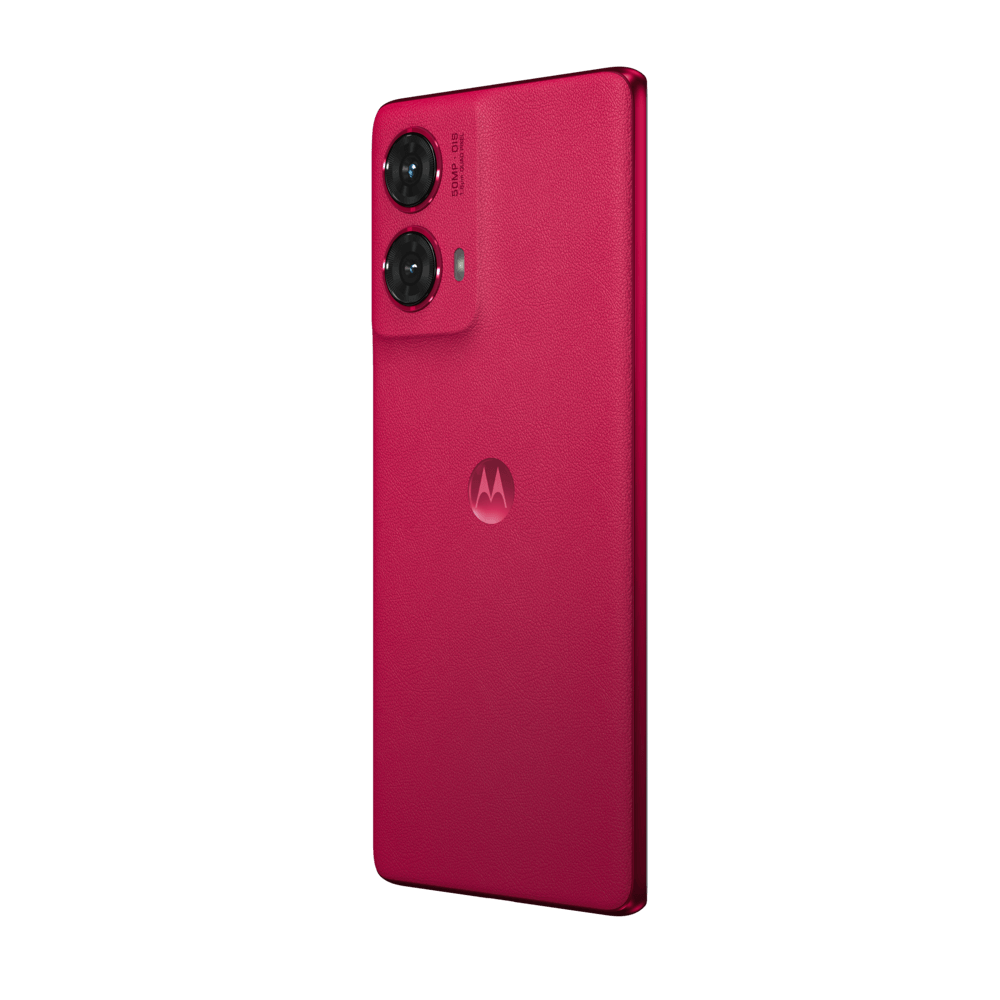
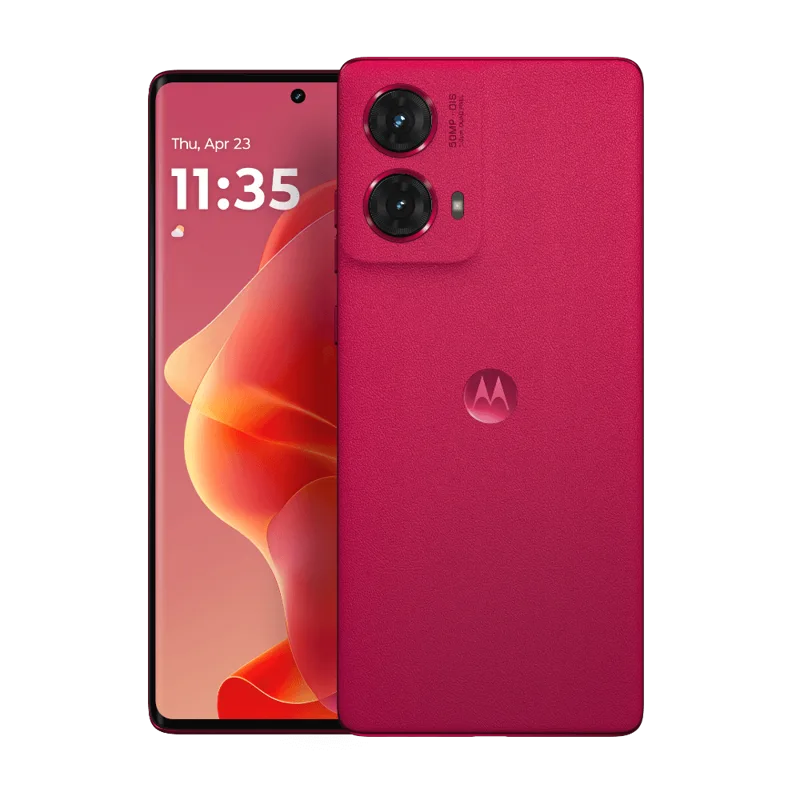
Specifications
- Display
- 6.67" pOLED curved (endless edge), 2400x1080, 120Hz, 10-bit, 100% DCI-P3, 1600 nits peak
- Chipset
- Snapdragon 6s Gen 3 (6 nm)
- RAM
- 12GB
- Memory Options
- 8GB / 12GB, with RAM Boost virtual extension
- Storage
- 128GB / 256GB
- Rear Camera
- 50MP main (Sony Lytia 600, f/1.8, OIS) + 8MP ultrawide/macro (119° field of view)
- Front Camera
- 32MP (f/2.4)
- Battery
- 5,000 mAh, 33W wired
- OS
- Android 14, 2 OS upgrades and 4 years of security updates
- Weight
- Around 172 g
- Dimensions
- 161.91 x 73.06 x 7.59 mm
- Water Resistance
- IP52
- Build
- 3D PMMA or PU vegan leather back
- Connectivity
- 5G, Wi-Fi 5 (802.11 a/b/g/n/ac), Bluetooth 5.1, dual nano SIM; the Indian spec page lists no NFC
The Motorola Moto G85 is a mid-range 5G smartphone that puts its money into the parts people notice every day: a curved 120Hz pOLED display, a 5,000 mAh battery and a main camera with optical stabilisation. It does not chase flagship performance, and it leaves out some features that cost more to include. This review is based on the published specifications and manufacturer information from Motorola's Indian product page, and it is meant to help you judge whether those trade-offs suit your habits.
Where it sits in the lineup
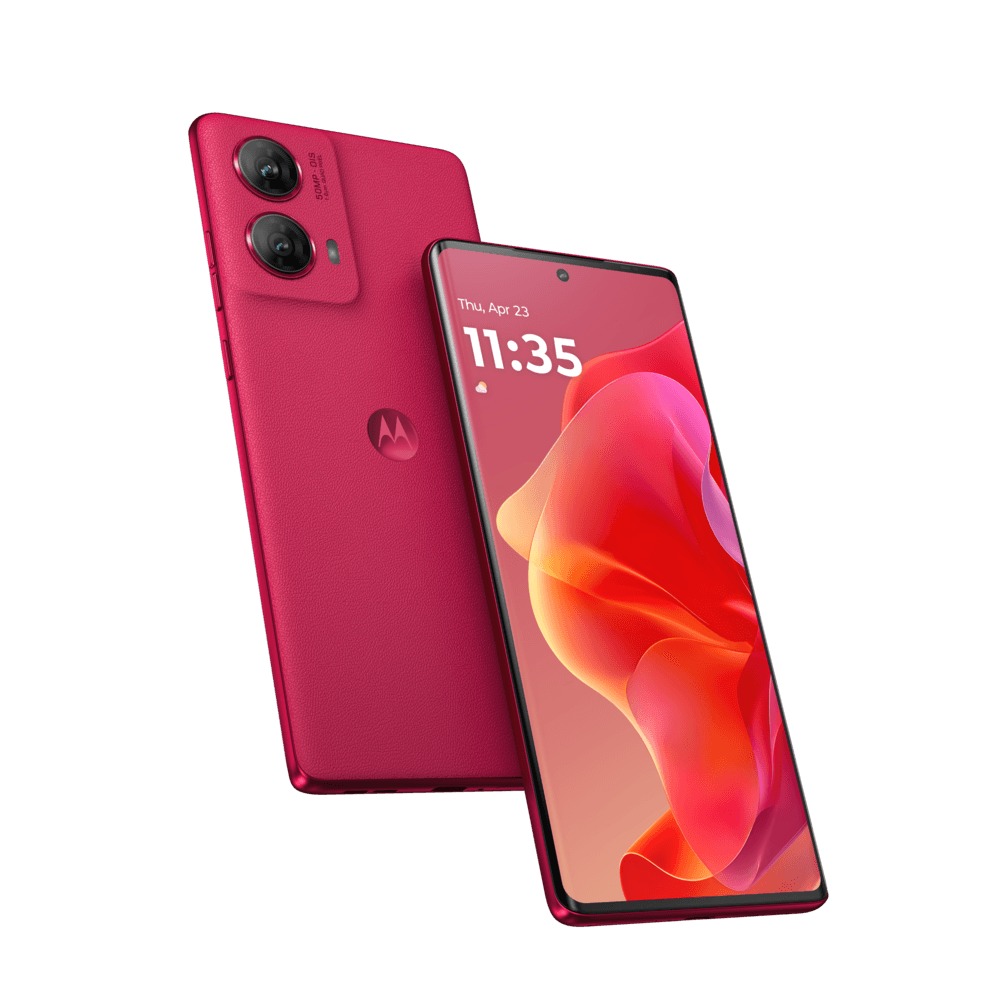
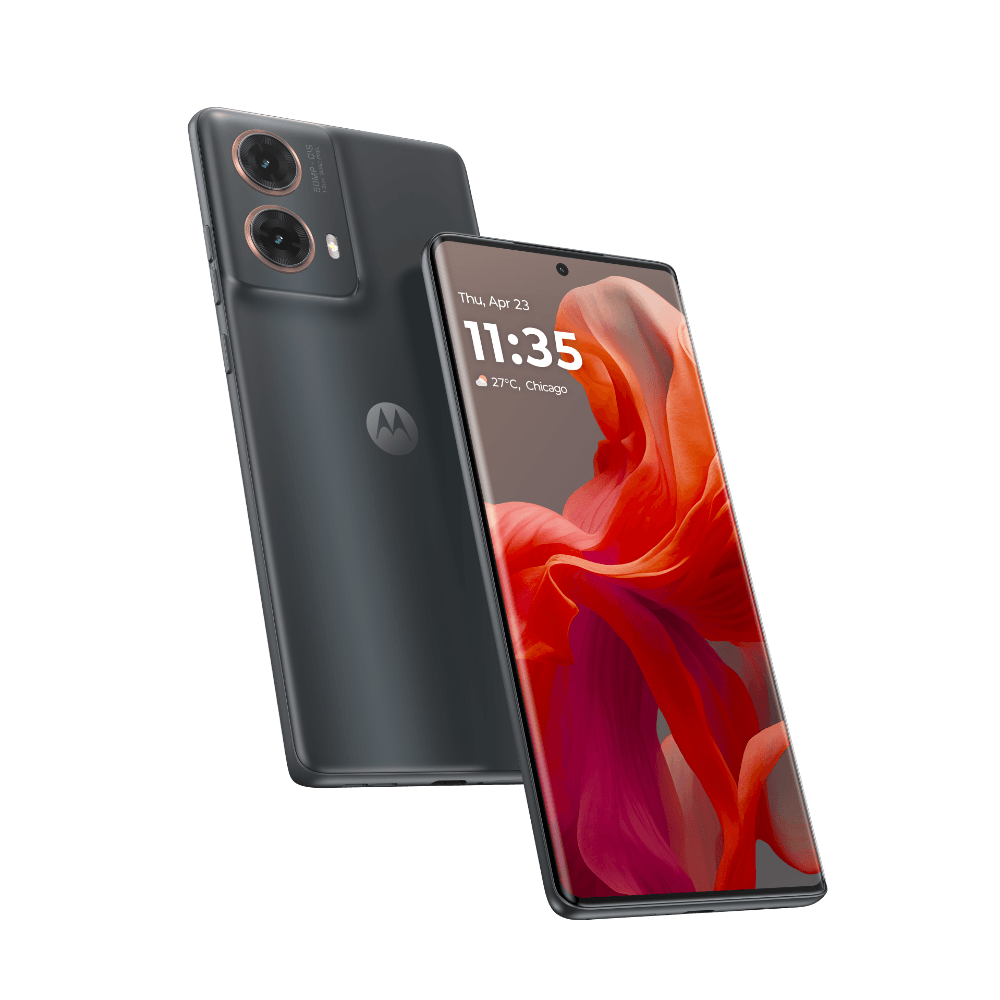
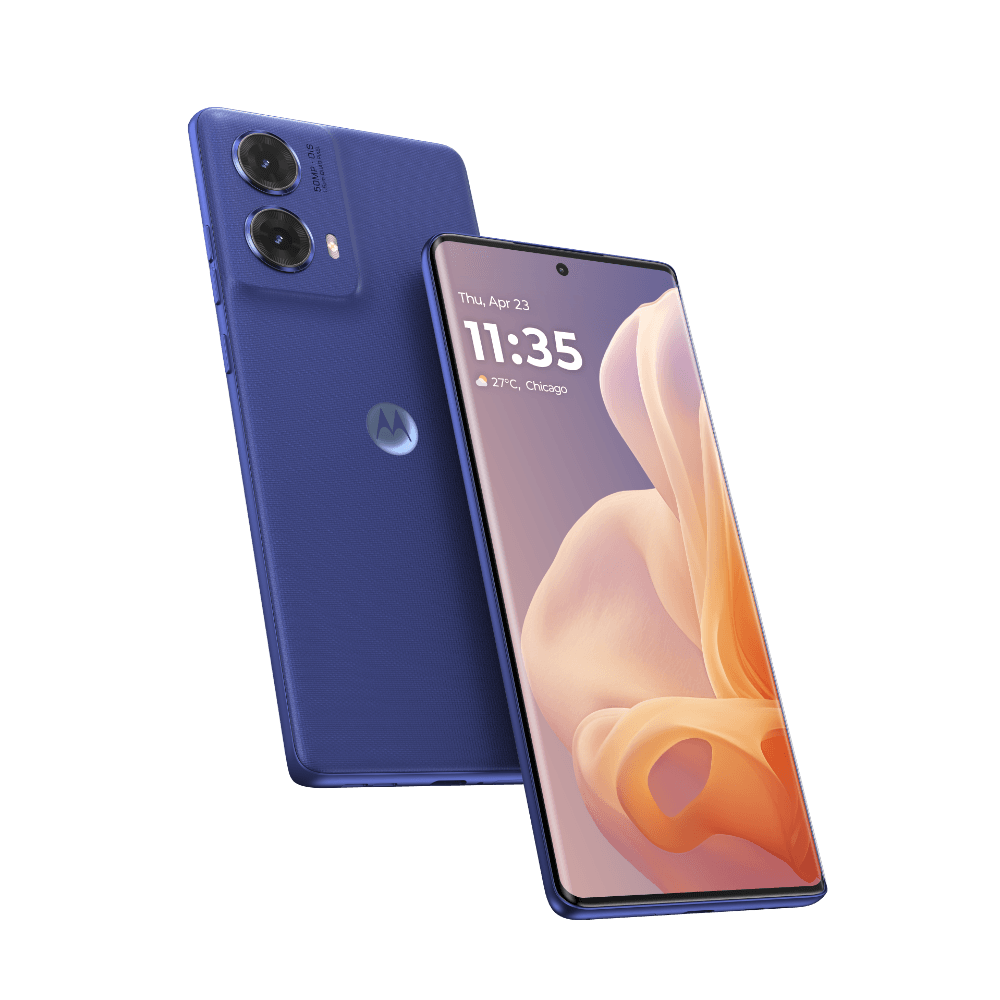
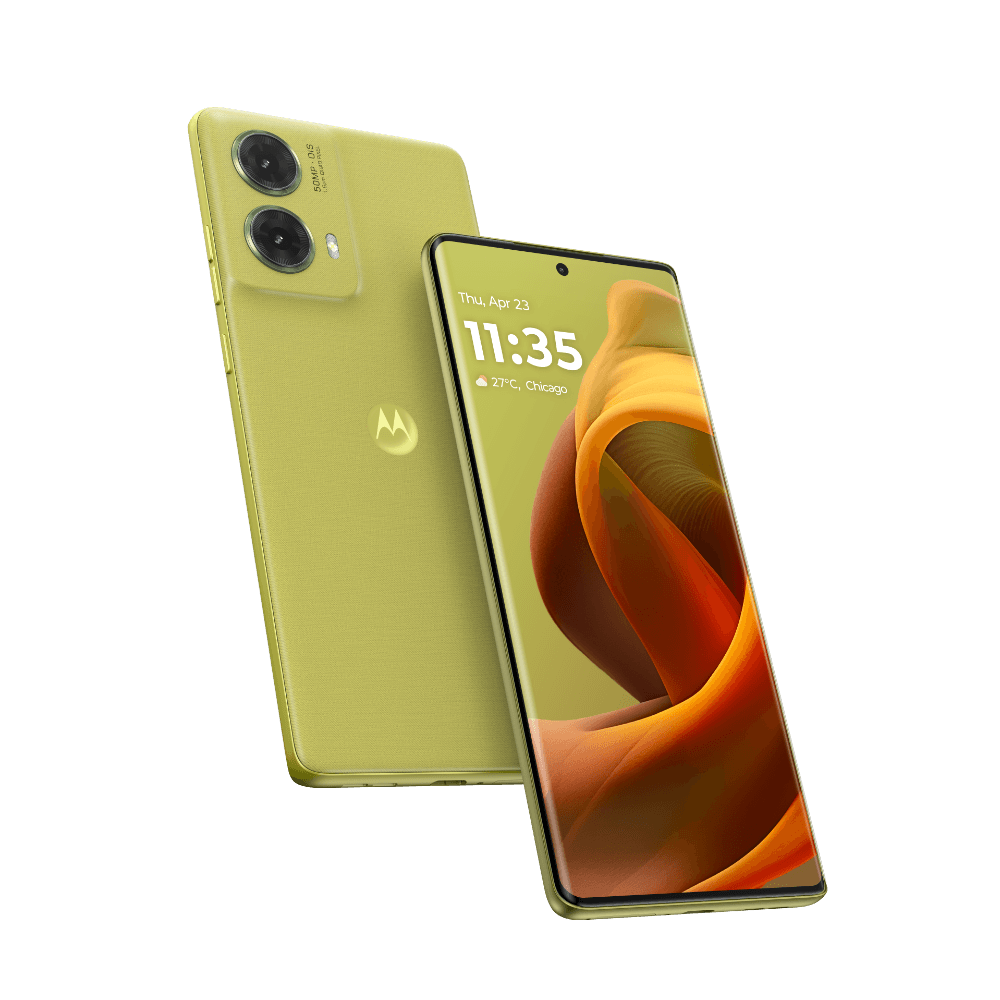
The Moto G series is Motorola's volume range, and the G85 occupies the upper part of it. It is built around a Qualcomm Snapdragon 6s Gen 3, comes in 8GB or 12GB memory versions and offers 128GB or 256GB of storage, and it uses a pOLED screen of a kind that was once reserved for more expensive models. The Moto G35 belongs to a more basic tier of the same family. Above it, Motorola's Edge series, for example the Edge 50, moves into more premium materials and faster hardware. Motorola lists four colours on its pages: Cobalt Blue and Olive Green in vegan leather, Urban Grey in PMMA, and Viva Magenta, which appears in the product imagery.
Design and display
The phone measures 161.91 x 73.06 x 7.59 mm and weighs around 172 g, which is light for a device with a 5,000 mAh battery. The back is either a 3D PMMA panel or PU vegan leather depending on the colour, which gives the leather versions a warmer feel in the hand. Protection is IP52, meaning it tolerates light splashes and dust ingress only to a limited degree, so it is not a phone to rinse under a tap.
The display is the main attraction. It is a 6.67-inch pOLED panel with Motorola's curved Endless Edge design, a resolution of 2400 x 1080 (395 ppi), a 120Hz refresh rate, 10-bit colour, 100% DCI-P3 coverage and a peak brightness of 1600 nits. The panel uses LTPS and carries SGS low-blue-light and low-motion-blur certifications. A touch sampling rate of 240Hz is quoted for normal use and 360Hz in game mode. A punch-hole camera sits at the top. On paper this is a stronger screen than most competing phones offer at a similar tier, and it makes video and scrolling feel noticeably smoother than on 60Hz LCD alternatives. The curved edges can occasionally cause accidental touches, and some users simply prefer a flat panel.
Performance and software
The Snapdragon 6s Gen 3 is built on a 6 nm process with two Cortex-A78 cores at 2.3 GHz and six Cortex-A55 cores at 2.0 GHz, paired with an Adreno 619 GPU. This is an efficiency-oriented chip for everyday use: messaging, social media, streaming, navigation and light gaming should run without problems, but demanding 3D games will need lowered settings. The RAM is 8GB or 12GB depending on the version, with RAM Boost allowing storage to act as extra virtual memory; that extension is not physical RAM. Storage is 128GB or 256GB and Motorola marks it as non-expandable.
The phone launches with Android 14. Motorola states two OS upgrades and four years of security updates, which is a reasonable commitment for the segment, though two Android upgrades is fewer than some rivals now promise. The interface is close to stock, with Motorola's familiar gestures such as the twist-to-open camera and chop-to-flashlight. The listed connectivity is 5G on a broad set of bands, Wi-Fi 5 (802.11 a/b/g/n/ac), Bluetooth 5.1 and dual nano SIM. The Indian specification sheet lists NFC as not supported, which is an omission to check for your own market, because contactless payment is important to many buyers.
Camera
The main camera is a 50MP Sony Lytia 600 sensor with an f/1.8 aperture, 0.8 µm pixels, Quad PDAF autofocus and optical image stabilisation, which is not guaranteed at this level. Beside it sits an 8MP ultrawide lens (f/1.67, 119-degree field of view) that doubles as a macro camera. Optical stabilisation helps in dim rooms and when shooting video while walking. The ultrawide sensor is a basic one, so expect weaker detail and low-light performance than from the main camera.
The front camera is a 32MP unit (f/2.4) that uses Quad Pixel technology to output 8MP images with larger effective pixels. Video recording is limited to Full HD at 30 frames per second on both front and rear cameras, including a 20:9 variant; there is no 4K recording in the listed specifications. For social media and casual photography that is enough, but anyone who wants high-resolution video should look elsewhere.
Battery and charging
The 5,000 mAh battery is the standard for modern mid-range phones, and the efficient chip and the weight of just 172 g are a good combination. Motorola states that the phone offers over 34 hours of battery life, which is a claim based on the company's own test conditions and should be read as a best-case figure. Charging is 33W TurboPower, and the charger is included in the box together with a protective cover, a USB cable and a SIM tool. There is no wireless charging, which is normal at this level.
Audio is handled by stereo speakers. There are two microphones, and the specification sheet does not give a headphone-jack entry, so wired audio users should confirm the port situation before buying. Biometric security comes from an on-display fingerprint sensor and face unlock. These details matter less than the screen and battery, but they round out a phone that is clearly aimed at everyday reliability instead of spec-sheet records.
Who it is for
- Video and social-media users who care about a smooth, sharp OLED display more than raw benchmark numbers.
- People who want a light phone with a large battery and no need for the latest processor.
- Buyers who like near-stock Android with a few useful gestures and a long security-update window.
Compromises to consider
- The listed specification has no NFC, so contactless payments may not work.
- Video tops out at Full HD at 30 fps, and the ultrawide camera is only 8MP.
- Only two OS upgrades are promised, and the IP52 rating offers limited water protection.
- The curved screen can cause accidental touches, and the Snapdragon 6s Gen 3 is not meant for demanding games.
- Wi-Fi 5 and Bluetooth 5.1 are older standards than on pricier phones.
If you are weighing it against a bigger name, you can see the comparison with the Moto G35, or look at how it stands against a non-Motorola mid-ranger such as the HONOR X9d or the Galaxy A56. For a broader view, see the rankings.
Where it ranks
Compare Motorola Moto G85 with similar devices
More from Motorola
Frequently asked questions
When was the Motorola Moto G85 released?
The Motorola Moto G85 was released on 2024-07-10, according to the manufacturer’s published information.
What are the main specs of the Motorola Moto G85?
Headline figures for the Motorola Moto G85: Battery: 5,000 mAh, Refresh rate: 120 Hz, Main camera: 50 MP, RAM: 12 GB. The full specification table is further up this page.
Is the Motorola Moto G85 worth buying?
That depends on your priorities. Use the editorial review on this page for our view, check the rankings above to see where the device stands on battery, display and camera, and compare it directly with similar models before you decide.


