Smartwatches
Huawei Watch D3
Huawei's Watch D3 is a blood-pressure-focused smartwatch with a built-in mechanical airbag cuff, 24-hour ambulatory monitoring, a 1.92-inch AMOLED screen and up to 6 days of typical battery life.
Key figures at a glance
Gallery
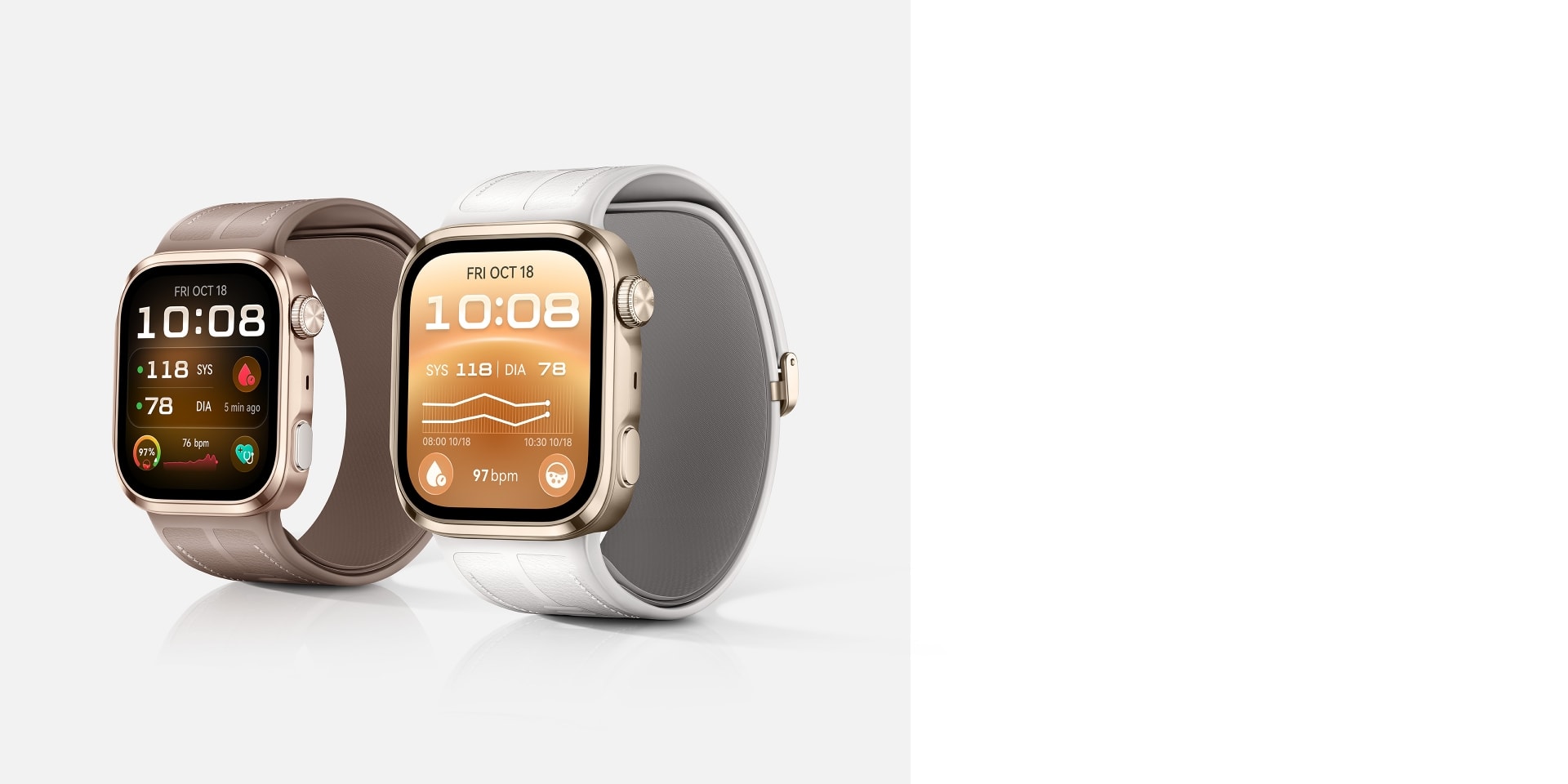
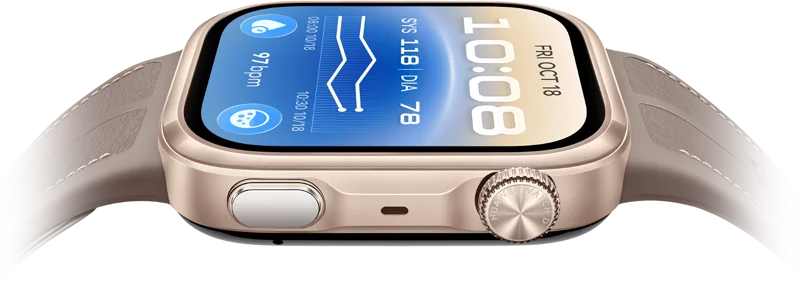
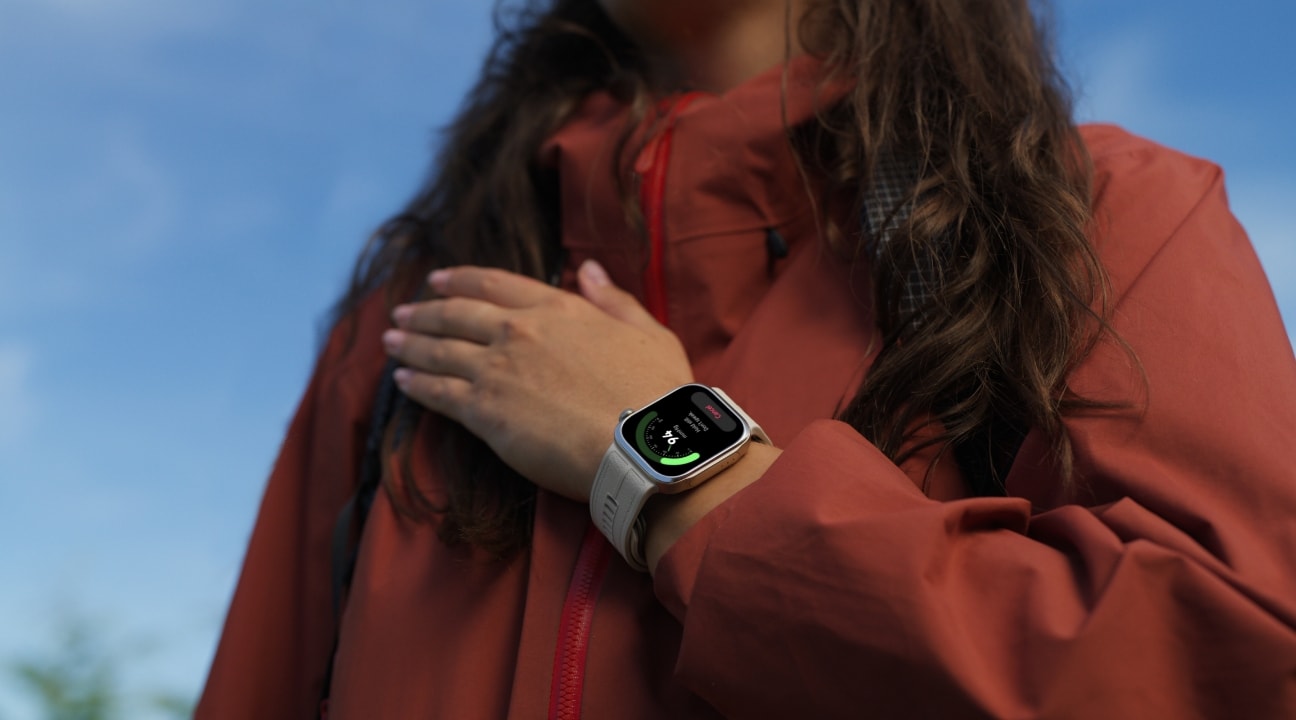
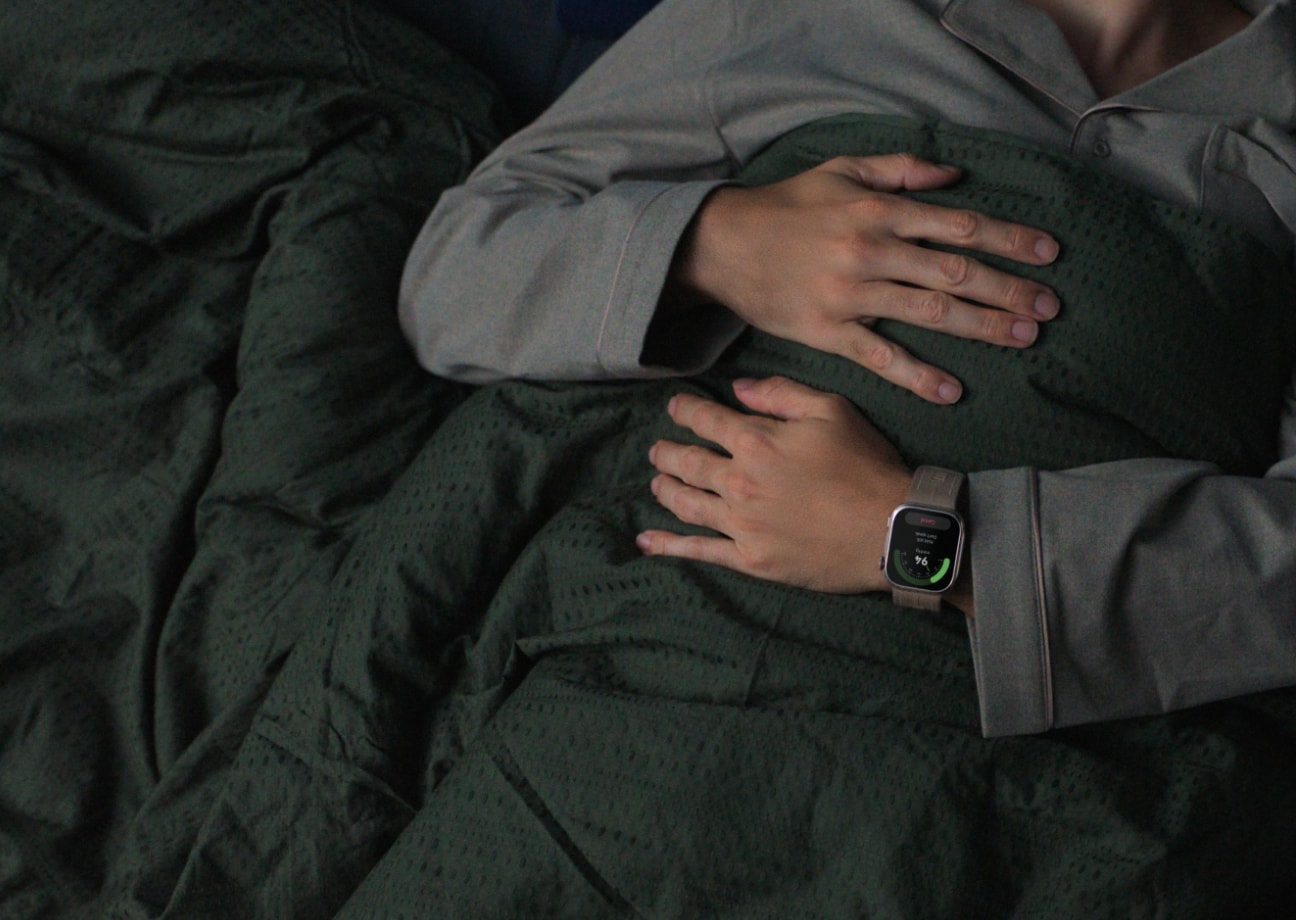
Specifications
- Size
- 46.5 x 41 x 11.3 mm, about 40 g without strap; strap width 25.5 mm
- Display
- 1.92-inch AMOLED, 408x480, 328 ppi, up to 3,000 nits peak (Huawei lab figure)
- Case
- Aluminum alloy; sand or white composite leather straps, black HNBR strap; M and L airbag straps in the box
- Battery
- Up to 6 days typical use, up to 1 day with ambulatory blood pressure monitoring enabled; wireless charging (Huawei lab tests)
- Blood pressure
- Wrist cuff with mechanical airbag and pressure sensor (oscillometric), resting, pre/post-exercise and 24-hour ambulatory measurements; CE-MDR certified as a medical device in supported markets
- Sensors
- ECG, optical heart rate, 9-axis IMU, barometer, temperature, ambient light, differential pressure, Hall sensor
- Connectivity
- Bluetooth 6.0, NFC (supported services vary by region), speaker and microphone for Bluetooth calls
- Sports
- 100+ workout modes
- OS
- Huawei watch software with the Huawei Health app; works with Android 8.0+ and iOS 13.0+
- Colors
- Mocha Gold, Gold, Black
The Huawei Watch D3 is a smartwatch built around one job: measuring blood pressure from the wrist. Unlike ordinary fitness watches that estimate values from light sensors, it contains a small mechanical airbag and a pressure sensor and inflates a cuff built into the strap, much like a conventional upper-arm monitor. Huawei adds ECG, heart rhythm analysis, sleep and emotion tracking, more than 100 workout modes, a 1.92-inch AMOLED display and a rated battery life of up to six days of typical use. This page is based on the published specifications and manufacturer information. It covers where the D3 sits in Huawei's lineup, how the blood pressure system works and what it requires from the wearer, the health and fitness features, battery and charging, and the points where it is limited.
Place in the lineup
Huawei sells three kinds of watches that are easy to mix up. The GT series, such as the Watch GT 7, is built for endurance and sport. The Watch 6 family, including the Watch 6 and the Watch 6 Pro, is aimed at smart features and general health sensing with eSIM, a round case and a sensor module that is pressed with a fingertip. The Watch D3 is different: it is rectangular, thin, lists no cellular option and exists mainly for people who need to track blood pressure regularly. It is the successor to the Watch D2, and Huawei compares its numbers with that model. Huawei does not list a price on its global product page, so none is given here, and availability varies by country. Launch timing differs by market, so check local availability.
How the blood pressure system works
Huawei describes an oscillometric method, the same principle used by many home blood pressure monitors: a cuff inflates, then slowly releases, while a pressure sensor detects pulse-related oscillations. In the D3, the cuff is a mechanical airbag integrated into the strap, paired with a high-precision pressure sensor and what the company calls the TruSense system. The wrist strap comes in two airbag sizes, M for wrists of 13.0 to 16.0 cm and L for 16.1 to 21.0 cm, and both are in the box together with a wrist circumference ruler. Huawei says accuracy may be affected if the wrist is smaller than 13 cm or larger than 21 cm.
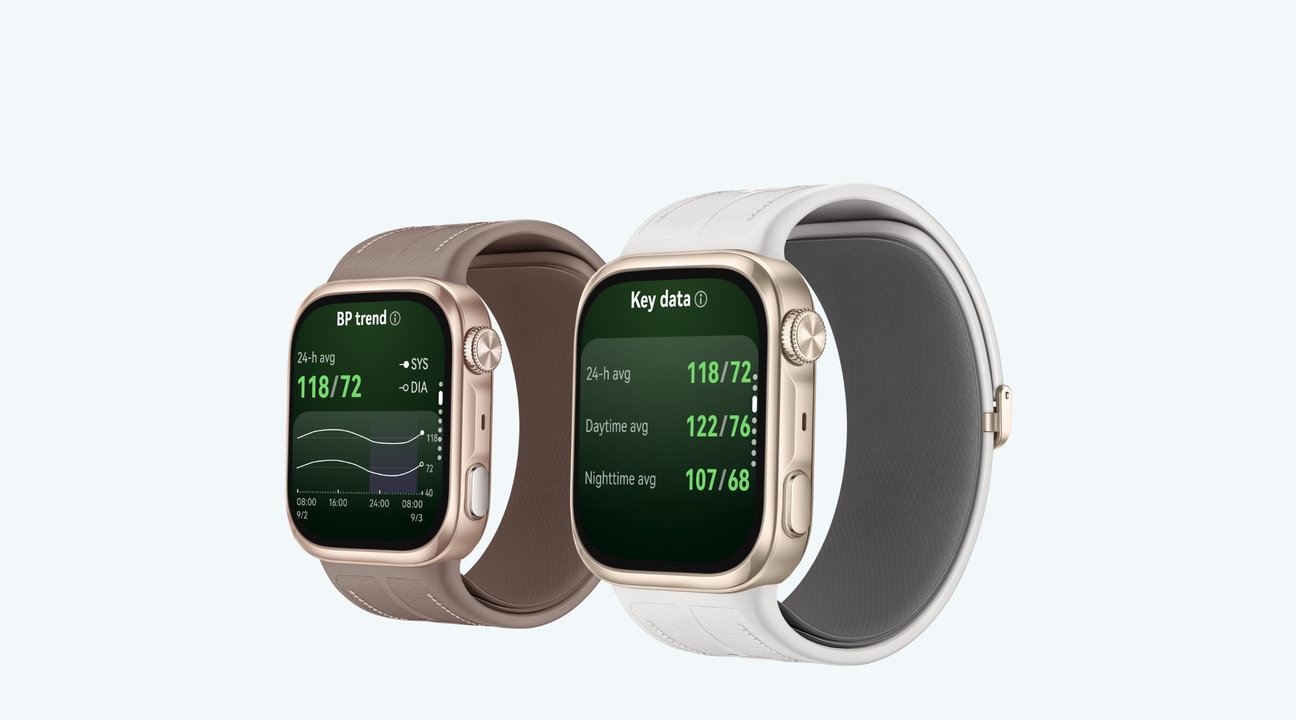
Three measurement scenarios are offered. Resting measurement is the standard single reading, with a defined posture: wrist and palm extended, quiet, the watch level with the heart, the elbow supported, feet flat and no pressure on the airbag. Pre- and post-exercise measurement supports outdoor and indoor running, walking and cycling; the watch can warn you to hold off on an intense workout if the pre-exercise reading is high, and prompts a check within two minutes after the session. The third scenario is ambulatory blood pressure monitoring, or ABPM, a 24-hour plan in which the watch measures automatically, including during sleep, and presents average systolic and diastolic values for day, night and the full 24 hours, together with pulse rate. Huawei notes that European Society of Hypertension guidelines recommend measurements every 15 to 30 minutes, with at least 70 percent successful readings including 20 in the day and 7 at night. A lighter option, the Minimally Disruptive ABPM Study, reduces the schedule to seven measurements a day, four in the daytime and three at night; it must be joined through the Huawei Research app, arrives through an over-the-air update and is not for medical use.
Huawei states that the watch is certified as a medical device under the EU medical device regulation (CE-MDR), but this applies to supported markets, and the feature is only available in certain countries. The company also lists many warnings. The device has not been validated for newborns or for pregnant people, including those with preeclampsia, it is not for emergency care, and readings must never be used to diagnose, treat or change medication. People with arrhythmias, atherosclerosis, diabetes, kidney disease or similar conditions are told to consult a physician first, because these may affect accuracy and wrist readings can differ significantly from upper-arm readings.
Design, display and comfort
The case is aluminum alloy and measures 46.5 by 41 by 11.3 mm, with the thickness measured at the thinnest point excluding the sensor area. The watch weighs about 40 g without the strap. Huawei says the D3 is 15 percent thinner, 9 percent lighter overall and has a strap that is 7.5 g lighter than the D2, and that its screen-to-body ratio is 6.4 percent higher; these are comparisons from Huawei's own labs. The display is a 1.92-inch AMOLED panel with 408 by 480 pixels, about 328 pixels per inch, and up to 3,000 nits of peak brightness. Controls are a rotating crown and a function button that also starts ECG. The straps come in a sand composite leather (Mocha Gold), a white composite leather (Gold) and a black HNBR rubber (Black), and the airbag sits inside each strap. Huawei lists the strap width as 25.5 mm. Because the strap contains the cuff, it is not an ordinary watch band, and Huawei's materials do not describe swapping in third-party straps.
Other health features
The D3 includes a beat-by-beat ECG app, which asks you to rest a finger on the side electrode for 30 seconds, and pulse wave arrhythmia analysis with atrial fibrillation alerts using the optical sensor. Support for these features and the number of countries differ by region. Health Glance delivers a report of 13 key items, including a new emotional health metric, and the Emotional wellbeing app shows one of 12 emotions to track mood. Sleep tracking uses the TruSleep 5.0 algorithm, which Huawei says analyzes sleep architecture and stability. Studies on diabetes risk, which uses 3 to 14 days of vital signs, and on coronary heart disease risk, which starts with ECG over three to four days, are available via the Huawei Research app after an update and are not medical diagnoses. A Health Community feature lets families receive alerts and view blood pressure, heart rate, steps and sleep from one place. Smart reminders warn of sudden temperature drops or altitude changes, and health insights put blood pressure trends next to sleep and workout data.
On the sports side Huawei lists more than 100 workout modes, including golf and snow sports, a mini-workout feature for short sessions and a wheelchair mode. Bluetooth calling, a calendar, notes and a torch are included. The watch connects to Android 8.0 or iOS 13.0 and newer through the Huawei Health app, and buyers get a free three-month Huawei Health+ membership. Connectivity is Bluetooth 6.0 and NFC, with supported payment services depending on the region. The specification sheet lists no GPS or cellular hardware for this model.
Battery and charging
Huawei rates the battery at up to six days of typical use and up to one day with ABPM turned on, so continuous 24-hour monitoring is something you will do on selected days and not all week. The typical figure assumes six blood pressure measurements and five ECG measurements a day, 30 minutes of calling a week, constant heart rate monitoring, stress and SpO2 monitoring, 90 minutes of exercise per week and 30 minutes of daily screen time. Charging is wireless, with the Huawei Watch Wireless SuperCharger that has a USB-C connection and comes with the watch. These are lab figures, and heavy use of measurements will reduce them.
Who it is for and compromises
The Watch D3 is aimed at people who have been told to monitor their blood pressure, at relatives who care for them through the Health Community feature, and at anyone curious about daily trends who would otherwise use a separate cuff. It is a lifestyle and monitoring tool and not a replacement for a clinical device or a doctor. Alternatives for general smartwatch use include the Apple Watch Series 12, and the Huawei Watch D3 versus Apple Watch Series 12 page lines up the specifications. The rankings show how it sits against other watches, though they cannot capture what makes the D3 unusual.
The compromises are real. The blood pressure feature is limited to supported markets, depends on correct posture and wrist size, and needs a dry watch, since moisture can cause failed measurements or slow airbag deflation. Huawei advises removing it before swimming, showering or entering a sauna, and it lists no water resistance rating for this model. Battery life drops to about a day in ABPM mode. The strap with its integrated cuff is a special part, and the watch has no listed GPS or cellular hardware. Finally, many functions arrive through over-the-air updates and study enrollment, so the feature set on the day of purchase may be smaller than the one described here.
Where it ranks
Compare Huawei Watch D3 with similar devices
More from Huawei
Frequently asked questions
When was the Huawei Watch D3 released?
The Huawei Watch D3 was released on 2026-09-02, according to the manufacturer’s published information.
What are the main specs of the Huawei Watch D3?
Headline figures for the Huawei Watch D3: Battery life: 6 days. The full specification table is further up this page.
Is the Huawei Watch D3 worth buying?
That depends on your priorities. Use the editorial review on this page for our view, check the rankings above to see where the device stands on battery, display and camera, and compare it directly with similar models before you decide.