Smartwatches
Huawei Watch 6
Huawei's Watch 6 is the lighter sibling of the Pro: 42 mm or 46 mm, from 38 g, sapphire-glass AMOLED up to 3,000 nits, eSIM, ECG and up to 4.5 days of typical battery life.
Key figures at a glance
Gallery
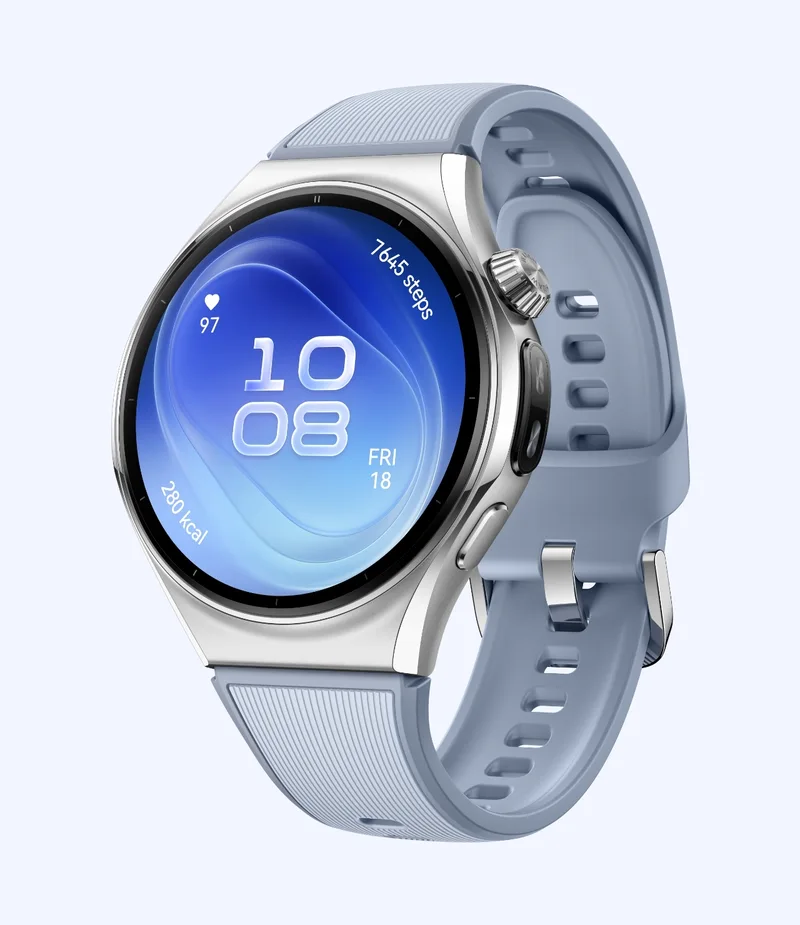
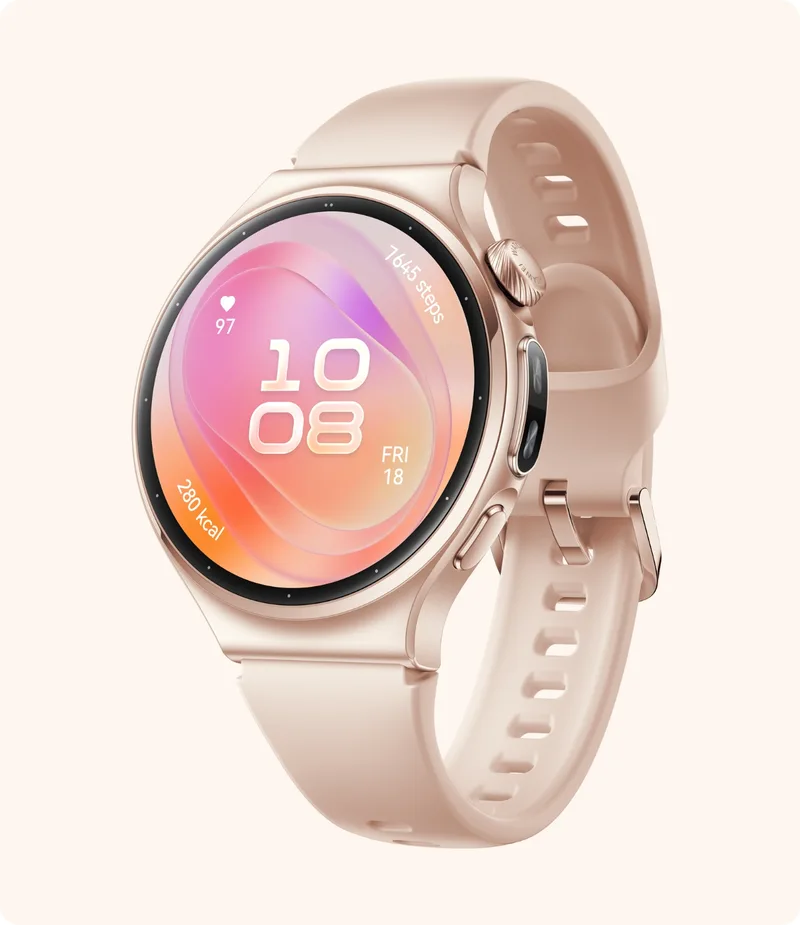
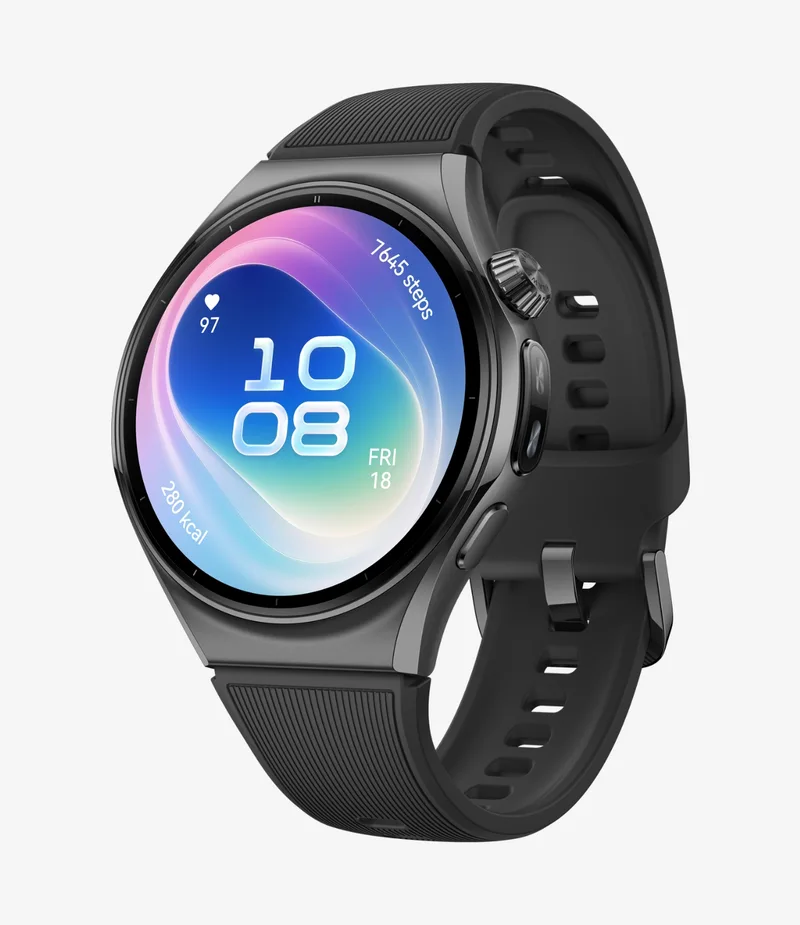
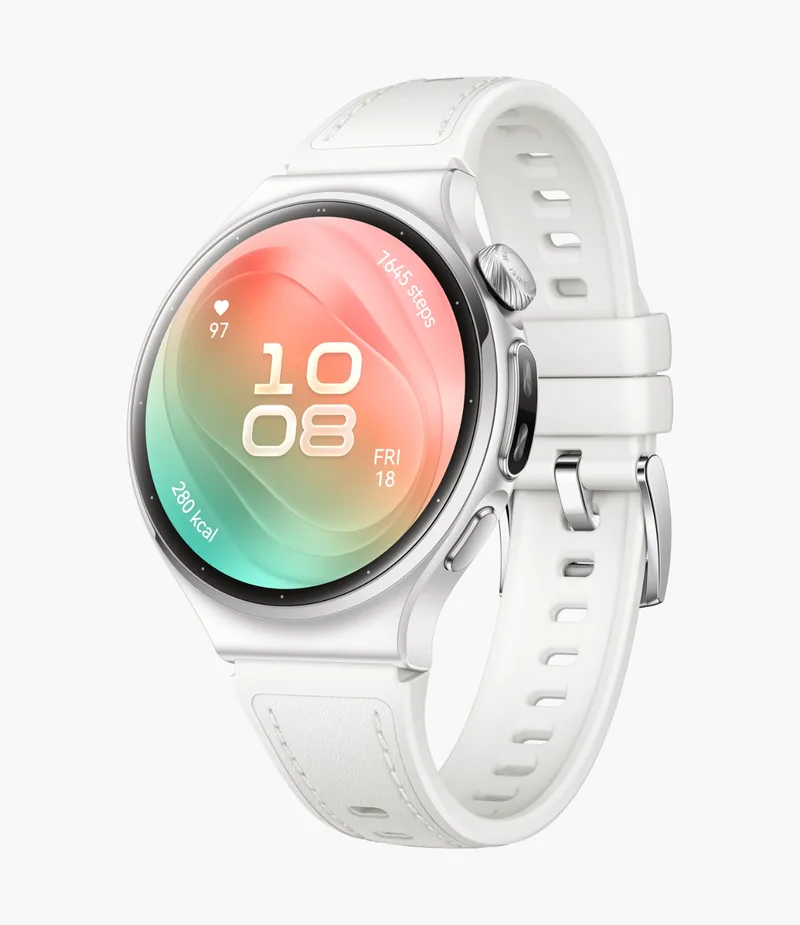
Specifications
- Size
- 46 mm: 46.4 x 46.4 x 10.9 mm, about 60 g; 42 mm: 42.3 x 42.3 x 10.2 mm, about 38 g (strap excluded)
- Display
- 46 mm: 1.5-inch LTPO 2.0 AMOLED, 466x466, 310 ppi; 42 mm: 1.38-inch LTPO 2.0 AMOLED, 466x466, 338 ppi; up to 3,000 nits peak (Huawei lab figure); spherical sapphire glass
- Case
- 46 mm: stainless steel front, polymer composite rear; 42 mm: aluminum alloy front, polymer composite rear; EasyCross fluoroelastomer straps
- Battery
- Up to 4.5 days typical (46 mm), up to 3 days with always-on display; 42 mm: up to 3 days typical, 2 days always-on; Battery saver mode up to 11 days light use (46 mm) or 7 days (42 mm); wireless charging (Huawei lab tests)
- Durability
- 5 ATM, IP69, free-dive rated to 40 m (EN13319)
- Sensors
- 12-channel optical heart rate (X-TAP), ECG, temperature, barometer, depth, accelerometer, gyroscope, compass, ambient light
- Positioning
- Dual-band GPS (L1+L5), GLONASS, BeiDou, Galileo, QZSS
- Connectivity
- eSIM cellular, Bluetooth 5.2, NFC, NearLink, Wi-Fi 2.4 + 5 GHz, speaker and microphone
- OS
- Huawei watch software with the Huawei Health app; works with Android 9.0+ and iOS 13.0+
- Colors
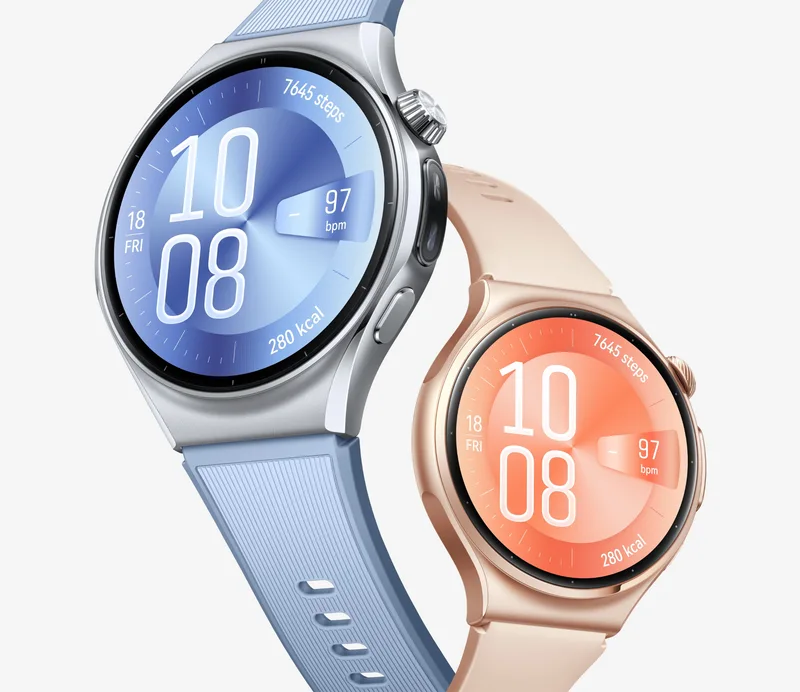
- 46 mm: Blue, Black; 42 mm: White, Gold, Black
The Huawei Watch 6 is the lighter, less exotic member of Huawei's 2026 Watch 6 family. It comes in 42 mm and 46 mm round cases, weighs as little as 38 g in the smaller size, uses spherical sapphire glass over an AMOLED display of up to 3,000 nits, and offers eSIM calling, an ECG sensor, the X-TAP health module and dual-band satellite positioning. Huawei rates the battery at up to 4.5 days of typical use on the larger watch. This page is based on the published specifications and manufacturer information. It explains how the Watch 6 relates to the Pro model, what the hardware and software offer, how to read the battery numbers and where the limits are.
Place in the lineup
Huawei has two approaches to round smartwatches. The GT series, for example the Watch GT 7, concentrates on endurance and sport. The Watch 6 series adds a different promise: eSIM cellular calling, one-handed gesture control, a pressure-sensitive health sensor and a slim body that is easy to forget on the wrist. Inside the family, the Watch 6 Pro is the premium version with titanium or ceramic, a 3,500-nit panel and an extra Expedition app, while the Watch 6 uses aluminum or stainless steel and a polymer composite back with 3,000 nits. The health-focused Watch D3 is a separate product. Huawei does not publish a global price on the product page, so none is listed here, and the pricing and release timing differ by market.
Design and sizes
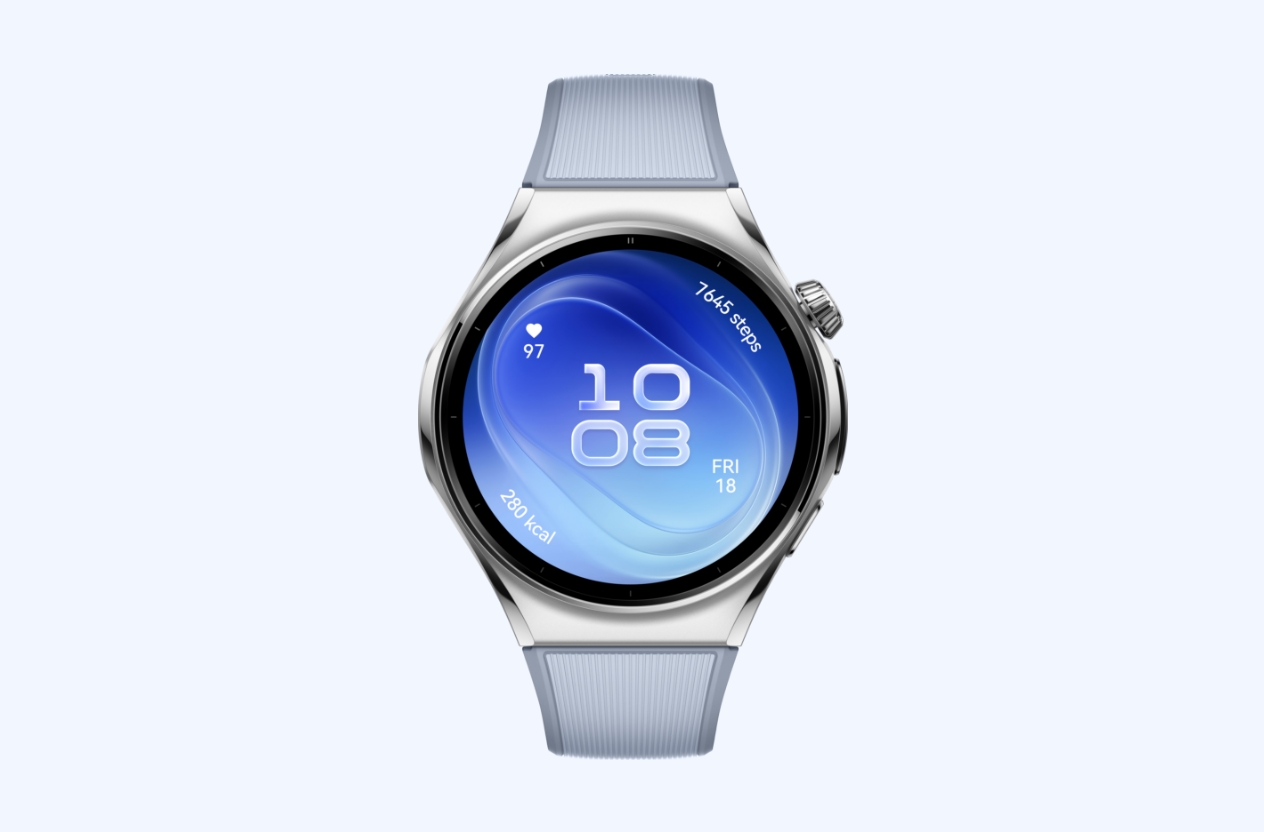
The 42 mm model measures 42.3 by 42.3 by 10.2 mm and weighs about 38 g without the strap, which Huawei emphasizes as its lightweight selling point. It has an aluminum alloy front case and a polymer composite rear, and comes in White with a white composite strap, Gold with a pink fluoroelastomer strap and Black with a black fluoroelastomer strap. The 46 mm model measures 46.4 by 46.4 by 10.9 mm and weighs about 60 g, with a stainless steel front case and the same composite back; it is offered in Blue and Black with matching fluoroelastomer straps. Interestingly, the larger watch is heavier than the Pro in the same size, since steel is denser than titanium. Wrist sizes are listed as 120 to 180 mm for the White and Gold 42 mm versions, 120 to 190 mm for the Black 42 mm version and 140 to 210 mm for the 46 mm watch.
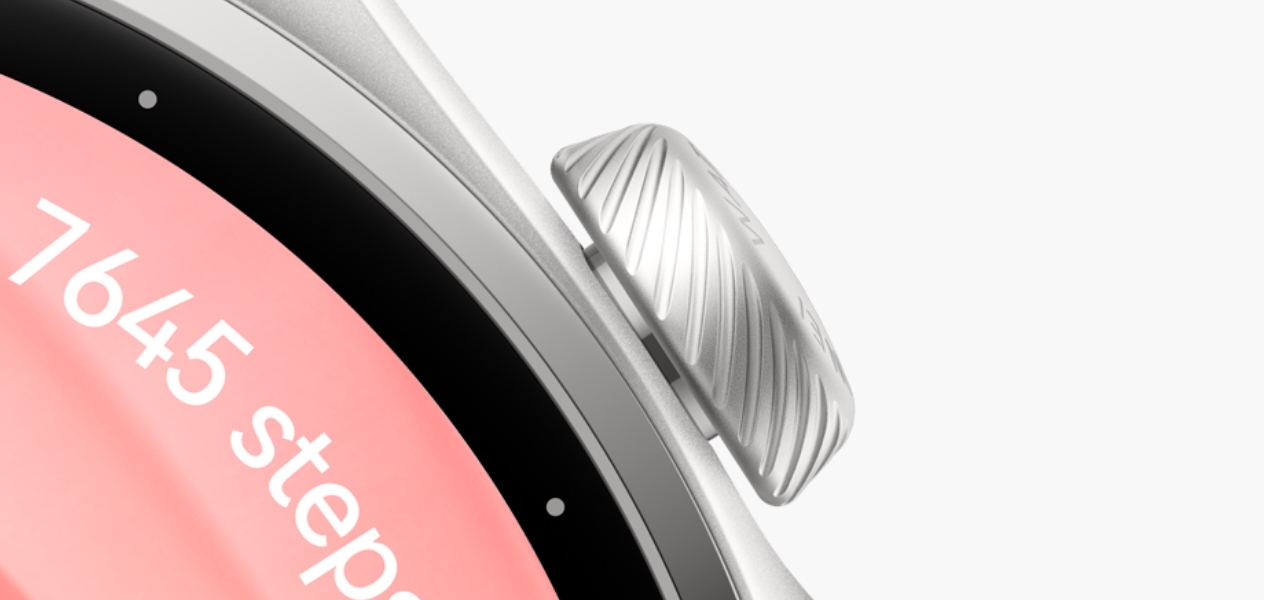
Huawei also introduces the EasyCross strap, a fluoroelastomer design that tucks under itself so that no excess strap sticks out and no readjusting is needed during exercise. It is exclusive to the 46 mm Blue and Black models and the 42 mm Gold and Black models. The case has two controls: a rotating crown that acts as the home button and a side button. The box holds the watch, a charging cradle with cable and the paperwork.
Display
Both sizes use a 466 by 466 pixel LTPO 2.0 AMOLED panel: 1.38 inches and 338 pixels per inch on the 42 mm watch, and 1.5 inches and 310 pixels per inch on the 46 mm one. Huawei quotes a peak brightness of up to 3,000 nits, measured at an 80 percent average picture level in its labs, so it is a peak figure rather than a typical value. The cover is spherical sapphire glass, which Huawei says protects the face from scratches and impacts. The always-on display option is available but costs battery life, as the figures below show. For a watch at this size and weight, sapphire glass is a notable inclusion.
Health and fitness features
The health module is called X-TAP. It combines a 12-channel PPG sensor with a pressure sensor, and Huawei says the pairing doubles responsiveness compared with the Watch 5. Holding the X-TAP element for three seconds starts Health Glance, a report of up to 14 metrics across four body systems that arrives in about 60 seconds. It can include evaluations for coronary heart disease, diabetes risk and hypertension risk, but those require joining separate studies in the Huawei Research app and gathering enough data first. Huawei states that the device and these evaluations are not intended for medical use, that results are for reference only and that availability varies by market and arrives by over-the-air update. The watch also has an ECG sensor, a body temperature sensor, a barometer, a depth sensor, a compass, an accelerometer and a gyroscope.
Software features include a Readiness score that assesses recovery when you wake up, Health Insights that relate sleep, heart rate, mood and activity, the Healthy Living habit tracker and AI workout analysis that studies training history. The AI analysis is limited to certain languages and regions and does not cover diving, skiing or golf. Sports modes range from running and cycling to golf, snow sports and freediving. For smart use, Huawei lists gesture control with a double pinch and a double slide, one watch paired with two phones (HarmonyOS, Android or iOS, with Bluetooth calls only on the second), watch faces with virtual pets, NFC payments where supported and third-party apps from Watch AppGallery. The watch works with Android 9.0 and iOS 13.0 or later through the Huawei Health app, and purchasers receive a three-month Huawei Health+ membership.
Connectivity and durability
Connectivity covers eSIM, Bluetooth 5.2, NFC, NearLink and dual-band Wi-Fi on 2.4 and 5 GHz, plus a speaker and a microphone. Positioning uses dual-band GPS (L1 and L5), GLONASS, BeiDou, Galileo and QZSS. The watch is rated 5 ATM and IP69, and it supports free dives to 40 meters under the EN13319 standard, but not scuba or technical diving. Huawei advises removing it for hot showers and saunas and keeping it away from soap and shampoo. The eSIM function works either as a shared number with the phone or as an independent number, depending on the carrier; when the shared mode is used, the cellular connection is disabled while the watch is connected to the phone.
Battery and charging
These are Huawei lab figures. In Standard mode, the 46 mm watch is rated for up to 4.5 days of typical use and up to 3 days with the always-on display, while the 42 mm watch gives up to 3 days typical and 2 days with always-on. In Battery saver mode the 46 mm watch reaches up to 11 days of light use, 7 days of typical use or 4.5 days with always-on, and the 42 mm watch reaches 7, 5 and 3 days. The test conditions include two hours of LTE per day, constant heart rate monitoring, two ECG readings a day, 90 minutes of weekly exercise and about 200 screen wake-ups, so heavy use of calls, GPS and apps will shorten these numbers. Battery saver mode switches off several features, among them Wi-Fi, Health Glance and Maps. Charging is wireless, with the second-generation Huawei SuperCharger and a USB-C cable.
Who it is for and compromises
The Watch 6 suits people who want a light, good-looking watch with serious health sensing, eSIM calling and compatibility with both major phone platforms, without paying for titanium or ceramic. It will interest wearers with small wrists thanks to the 42 mm size. Rivals to compare include the Galaxy Watch8 on Android and the Apple Watch Series 12 on iPhone; the Huawei Watch 6 versus Apple Watch Series 12 page puts the figures side by side, and the rankings show the wider market.
The compromises are the same ones that apply to Huawei watches in general. Many health and AI features depend on region, language and updates, and none of them replaces medical advice. The app store is smaller than Wear OS or watchOS. The battery life is competitive with mainstream rivals but well below the multi-week claims of the GT line. The larger 46 mm model is heavier than the Pro in the same size, and the secondary phone supports only calls. As the price and release date vary by country, check local availability, and read independent reviews of the health sensors before relying on them.
Where it ranks
Compare Huawei Watch 6 with similar devices
More from Huawei
Frequently asked questions
When was the Huawei Watch 6 released?
The Huawei Watch 6 was released on 2026-09-02, according to the manufacturer’s published information.
What are the main specs of the Huawei Watch 6?
Headline figures for the Huawei Watch 6: Battery life: 5 days. The full specification table is further up this page.
Is the Huawei Watch 6 worth buying?
That depends on your priorities. Use the editorial review on this page for our view, check the rankings above to see where the device stands on battery, display and camera, and compare it directly with similar models before you decide.