Phones
ZTE nubia Z80 Ultra
The nubia Z80 Ultra pairs a notch-free 144Hz AMOLED screen with the Snapdragon 8 Elite Gen 5, a 7,200mAh battery and 80W wired and wireless charging.
Key figures at a glance
Gallery
Specifications
- Display
- 6.85" UDC AMOLED (under-display camera), 2688x1216, 144Hz, 2000 nits peak
- Chipset
- Snapdragon 8 Elite Gen 5
- RAM
- 16GB
- Storage
- 256GB / 512GB / 1TB (UFS 4.1)
- Rear Camera
- 50MP main (35mm, 1/1.3", OIS, f/1.7) + 50MP ultrawide (1/1.55", f/1.8, AF, 5.5cm macro) + 64MP telephoto (OIS, f/2.48)
- Front Camera
- 16MP (under display)
- Battery
- 7,200 mAh, 80W wired, 80W wireless
- OS
- MyOS (Nebula AIOS)
- Dimensions
- 164.5 x 77.2 x 8.6 mm, about 227 g
- Water Resistance
- IP68 / IP69
- Audio
- Dual speakers with DTS:X Ultra
- Connectivity
- Wi-Fi 802.11be, Bluetooth 6.0, NFC, USB-C 3.2 Gen 1
- Colors
- Black, White, Blue
The ZTE nubia Z80 Ultra is a large-screen flagship that makes one unusual promise: a front panel with no notch and no punch-hole, because the 16MP selfie camera sits underneath the display. Around that idea nubia has built a phone with a 6.85-inch 144Hz AMOLED screen, the Snapdragon 8 Elite Gen 5 platform, a 7,200mAh battery that charges at 80W by cable and by wireless pad, and a three-camera system led by a 50MP main sensor with a 35mm-equivalent lens. This page is based on the published specifications and manufacturer information. It explains where the phone sits among its rivals, what each part of the hardware is meant to do, and which trade-offs a buyer should weigh before choosing it.
Place in the lineup
nubia is the ZTE-owned brand that has spent several years pushing two ideas: gaming-grade cooling and a screen without interruptions. The Z80 Ultra is the international edition of its top model, sold through the brand's global store in black, white and blue. It is a direct alternative to other performance-led phones that share the same chip, for example the RedMagic 11 Pro, and to mainstream flagships such as the OnePlus 15. Unlike a pure gaming phone it also carries a serious camera set, so the closest comparison is a hybrid of the two worlds. You can see the numbers side by side in nubia Z80 Ultra vs RedMagic 11 Pro. The official page states no launch date, so the date attached to this entry should be read as approximate and checked against the regional release in your country.
Design and display
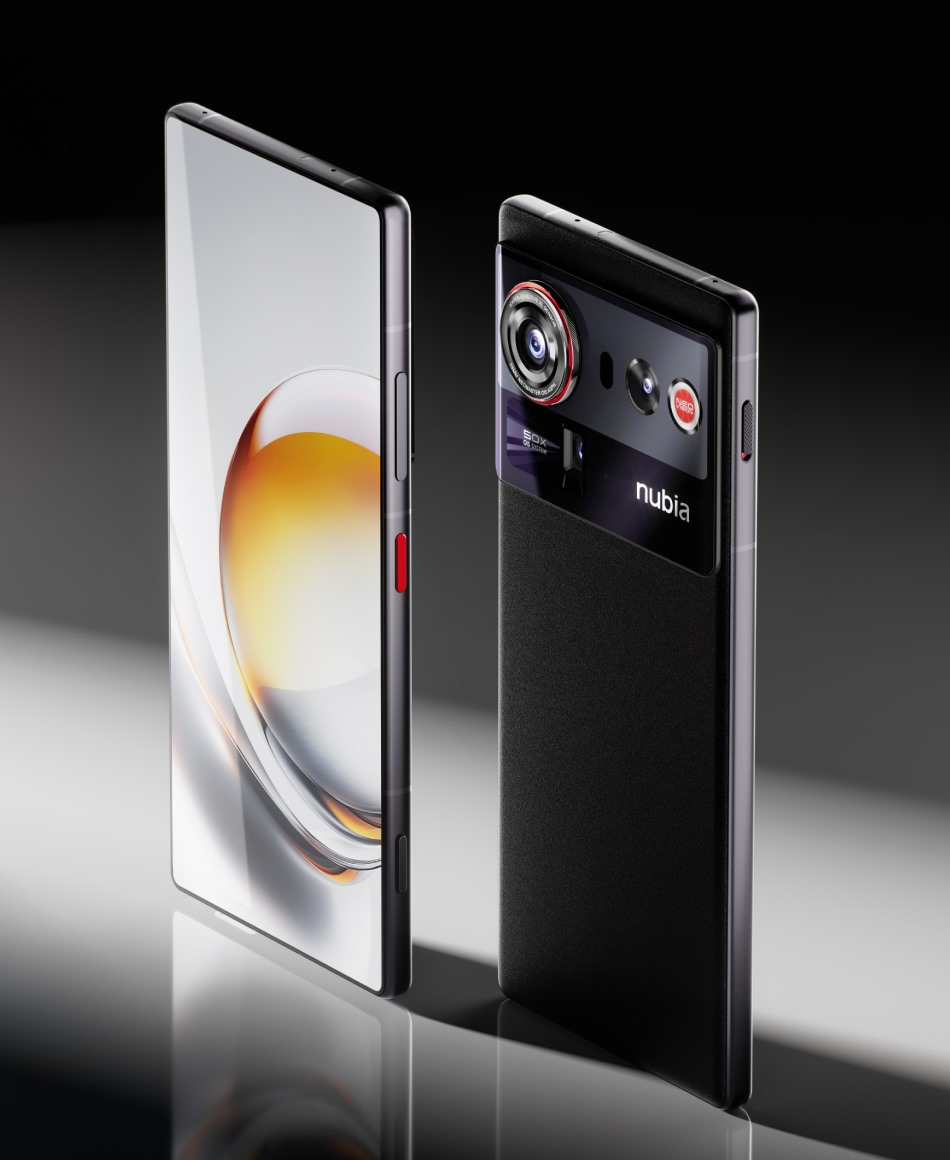
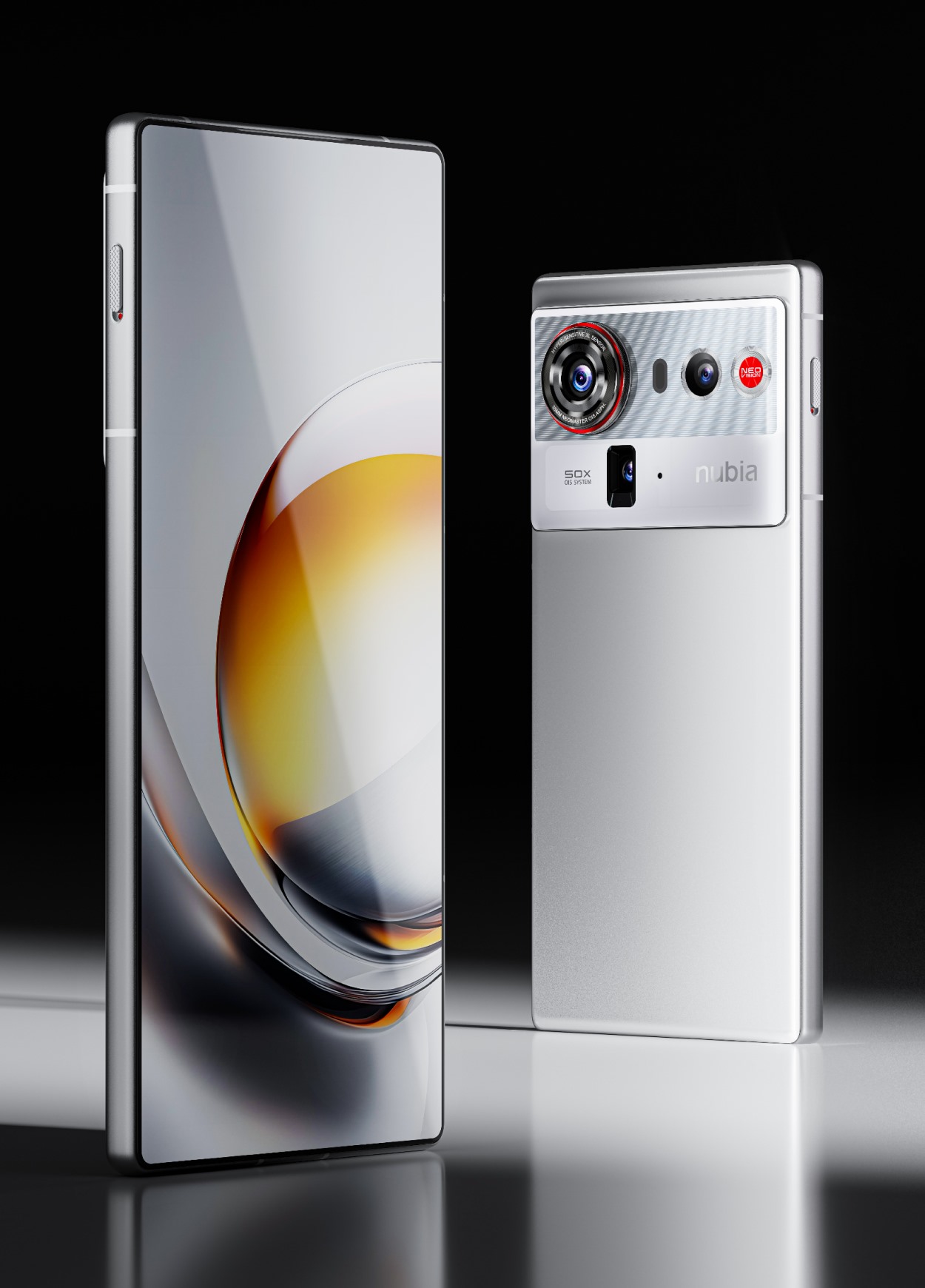
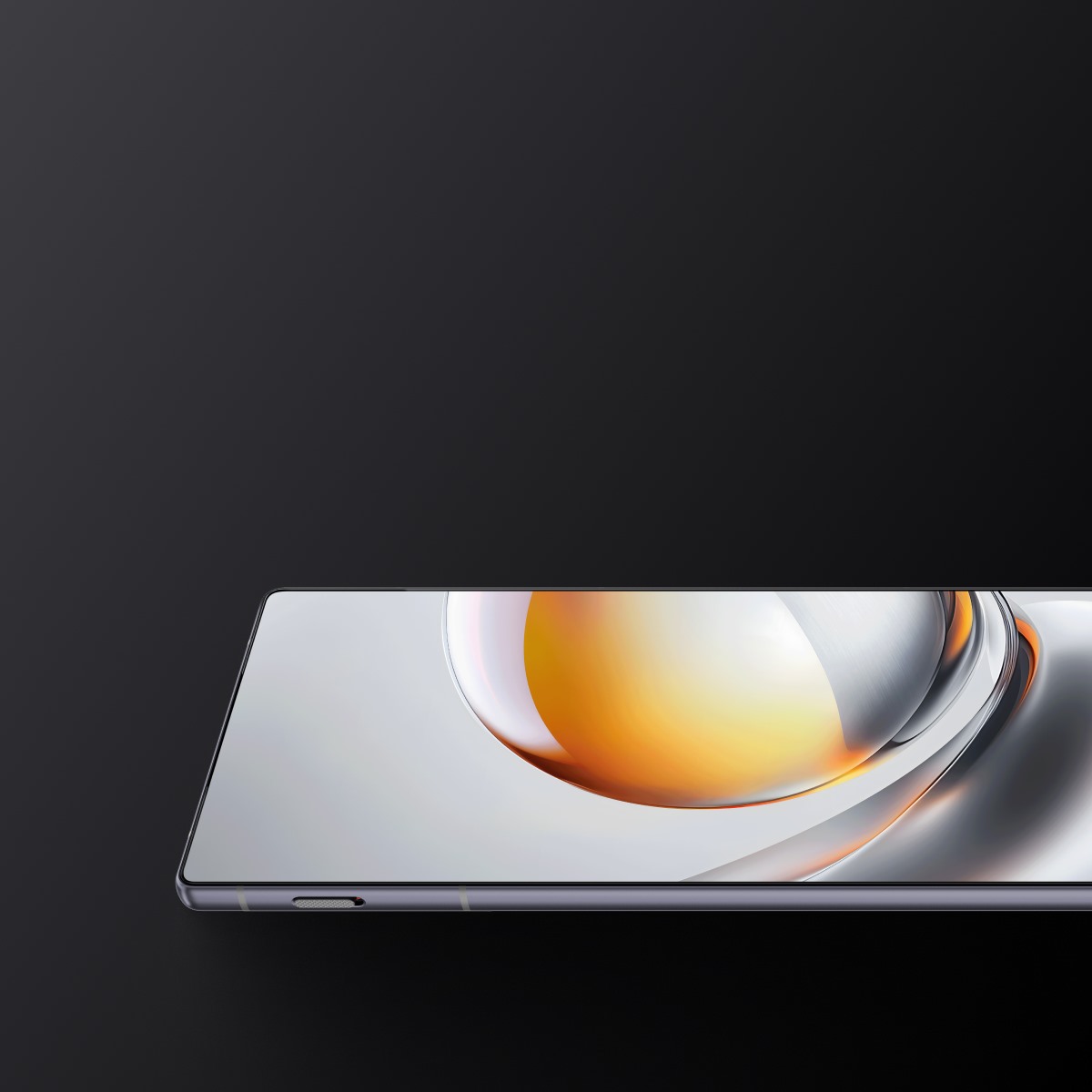
The key design choice is the full-screen panel. nubia labels it a UDC AMOLED display, which refers to the under-display camera, and describes it as a seamless canvas with no notch or punch-hole. The panel measures 6.85 inches and has a 2688 x 1216 resolution, which nubia markets as 1.5K, with a refresh rate of up to 144Hz and a peak brightness the company gives as 2,000 nits. The page also lists a low-blue-light certification from SGS. The 144Hz figure is the highest refresh rate you will commonly find on a phone, and it matters mostly for fast games and for the feeling of scrolling; the 2,000-nit figure is a peak value, so sustained brightness in bright sunlight will be lower than the headline.
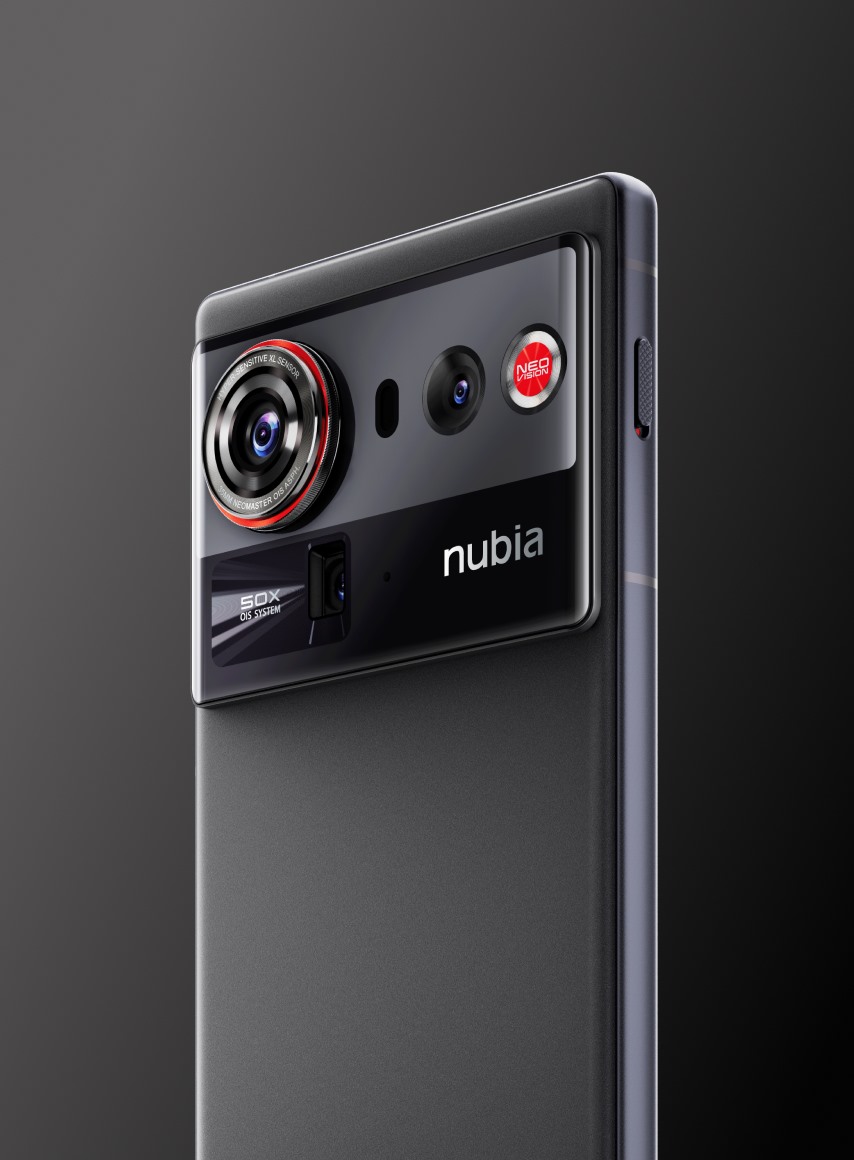
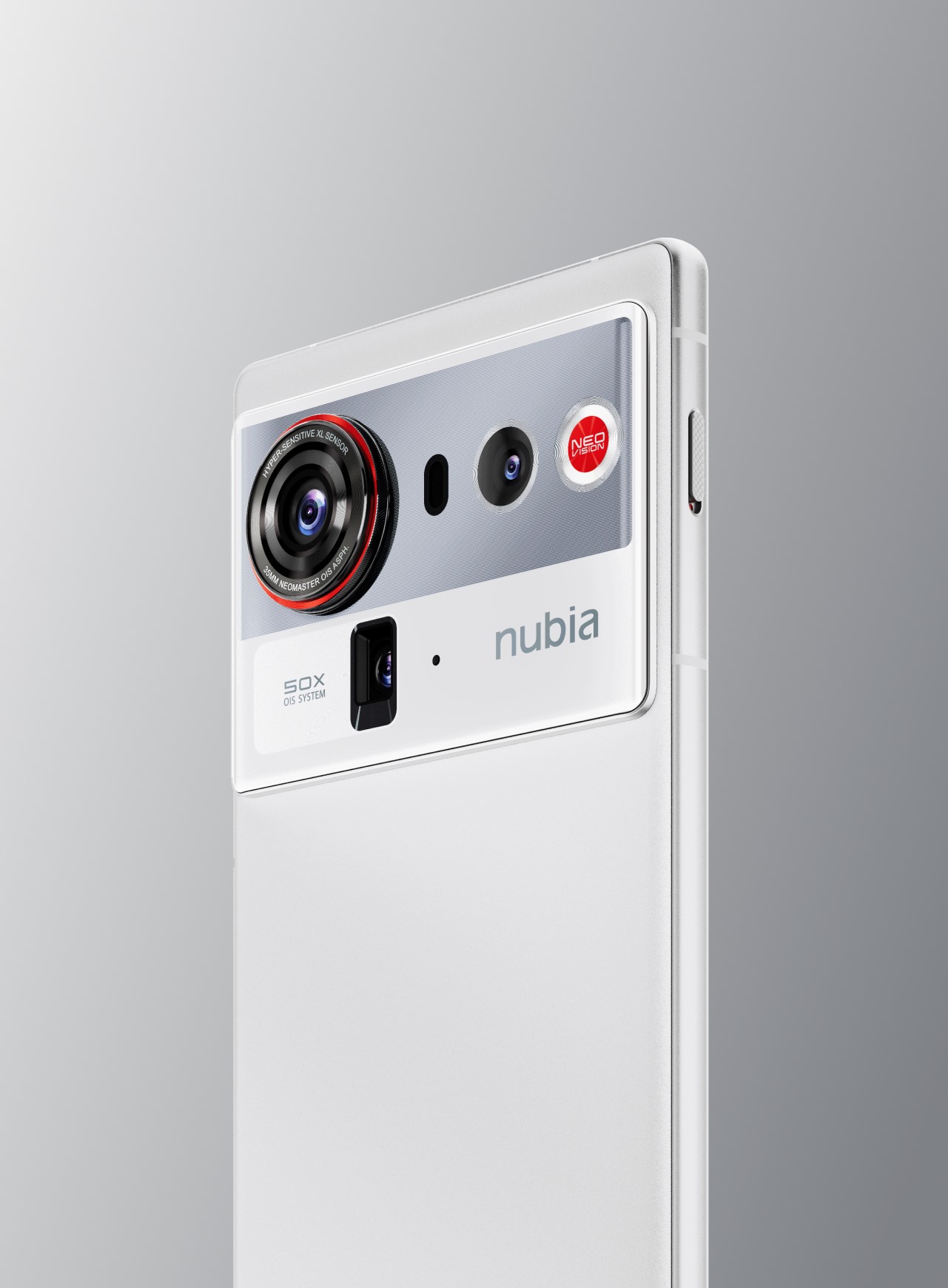
The phone is 164.5 mm tall, 77.2 mm wide and 8.6 mm thick, and weighs about 227 g. That is heavy and fairly thick by current flagship standards, which is a consequence of the big battery and the cooling hardware inside rather than a design accident. The company lists IP68 and IP69 ratings for dust and water resistance, with the usual warning that protection can decrease through normal wear. An optional accessory called Retro Kit 2.0 adds a leather-textured grip, and a magnetic NFC smart case is also listed. The wider camera island on the back is a deliberate visual signature, and you can see the family look in the official images shown with this page.
Performance and software
The chipset is the Snapdragon 8 Elite Gen 5, paired with 12GB or 16GB of LPDDR5X memory and UFS 4.1 storage in 256GB, 512GB and 1TB sizes. Those are the current top-tier components, and the sensible expectation is performance in line with other phones that use the same platform, with the final result depending on how aggressively nubia tunes power and temperature. The cooling system is a main talking point. nubia describes a 3D Cryo-Steel vapor chamber, an enlarged design made with what it calls liquid metal craftsmanship. These are manufacturer claims, and the page gives no sustained-performance figures, so treat them as design intent until independent tests are available.
The software is nubia's own MyOS, which the page also calls Nebula AIOS. The company says it brings a gaming engine inspired by RedMagic, a dedicated Gamespace and support for the Game Pad 2 accessory, a clip-on controller shown in the official material. Google's Gemini assistant, Circle to Search, and Gmail and Photos AI features are listed. The page does not state an Android version or an update policy, only a link to MyOS updates, and this entry therefore omits both. That is the most important open question for a buyer who keeps phones for several years: check the support commitment before purchase.
Camera system
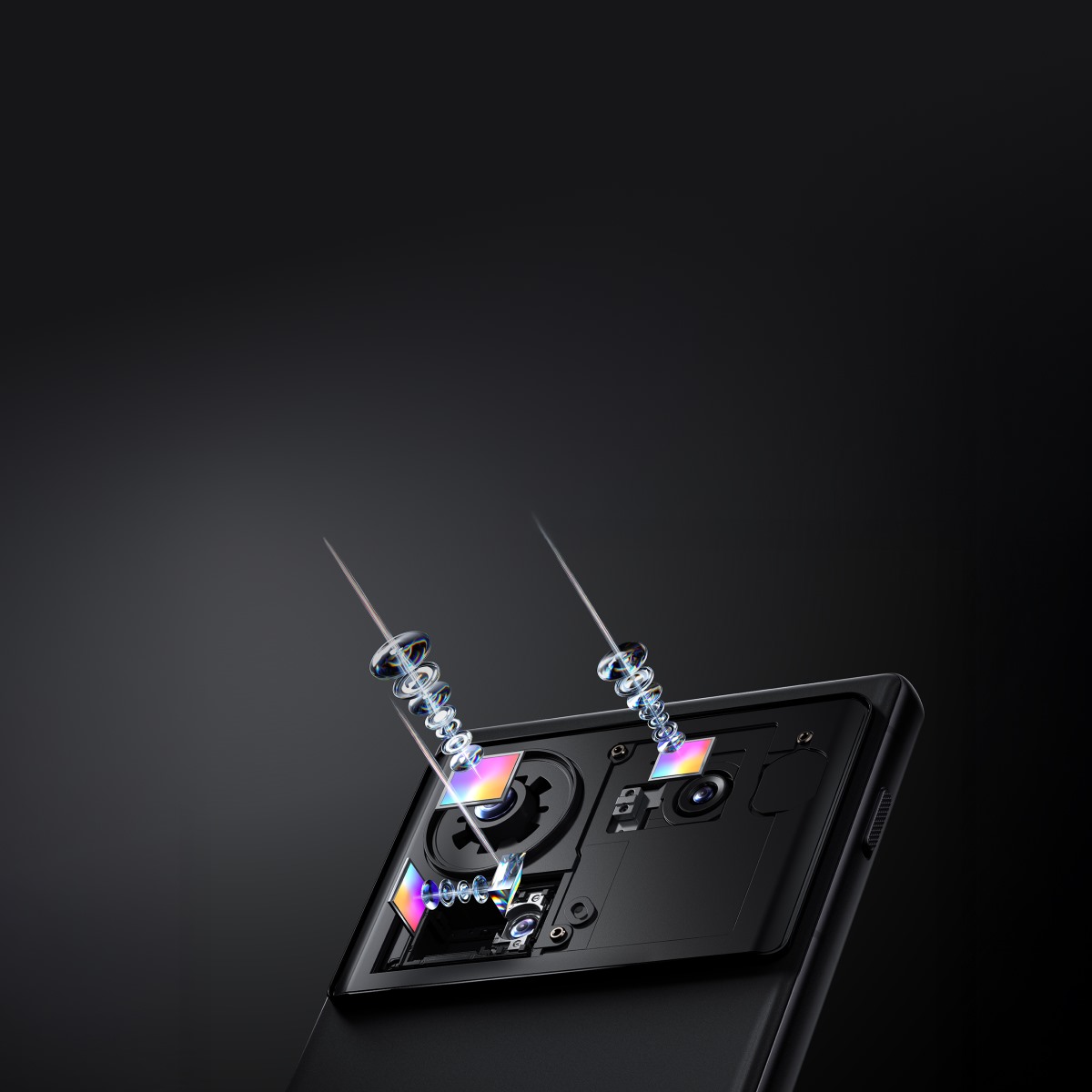
The rear camera is a three-sensor set. The main camera is a 50MP sensor with a 35mm-equivalent lens, a 1/1.3-inch sensor size, optical stabilisation and an f/1.7 aperture. The ultrawide is also 50MP, with a 1/1.55-inch sensor, f/1.8 aperture and autofocus, which lets it double as a macro camera focusing as close as 5.5 cm. The telephoto camera is 64MP with optical stabilisation and an f/2.48 aperture. A combined flicker and laser sensor assists with focus and with colour accuracy under artificial light. nubia refers to a fifth generation of custom optics and a Light and Shadow Master 990 sensor in its marketing.
The choice of a 35mm main lens is interesting. It gives a slightly tighter field of view than the 23-24mm lenses on many competitors, which many photographers find more natural for street and portrait work, at the cost of fitting less into a frame in tight spaces. The telephoto uses a high-resolution sensor, which allows cropped detail, but the f/2.48 aperture is narrow, so low-light zoom shots will depend on processing. The front camera is 16MP and sits behind the screen. Under-display cameras have historically produced softer selfies than conventional punch-hole cameras because light has to pass through the panel, and nubia does not publish a comparison, so this remains the main risk for anyone who takes many selfies or video calls.
Battery and charging
The battery is rated at 7,200mAh typical, which is far above the 5,000 to 5,500mAh found in many mainstream flagships. nubia supports 80W wired charging and 80W wireless charging, and the page notes that the 80W speed requires the official nubia charger and cable. Wireless charging at that speed is rare and relies on a dedicated stand, as the product material shows. The company claims the phone lasts from sunrise to well past midnight, a statement that depends on usage and which is not backed by a test duration on the page. A large cell, a 144Hz screen and a top chip pull in different directions, so real endurance is likely to depend on the refresh-rate setting and on how often the screen runs at maximum brightness.
Audio and connectivity
The Z80 Ultra has dual speakers with DTS:X Ultra, a DTS Duo Box speaker system and five microphones. Wireless support is broad: Wi-Fi 802.11a/b/g/n/ac/ax/be with 2x2 MIMO, Bluetooth 6.0 and NFC with an embedded secure element. The USB-C port runs at USB 3.2 Gen 1 speeds. The page lists no headphone jack, so wired audio needs an adapter or Bluetooth.
Who it is for
This phone suits three kinds of buyer. The first is a mobile gamer who wants current top-end silicon, active cooling features and a big battery, without the visual aggression of a dedicated gaming phone. The second is a user who dislikes the sight of a camera cut-out and wants an uninterrupted screen for video and games. The third is a buyer who values fast charging in both forms and does not mind a heavy device. If you want a compact, light phone, a proven selfie camera or a long and clearly stated software-support promise, the other options in the phone rankings are safer choices.
Compromises to weigh
- Weight and thickness: about 227 g and 8.6 mm is a lot to carry for long sessions.
- Under-display selfie camera: the technique usually costs sharpness, and there is no published sample comparison.
- Software support: no Android version or update period is stated on the official page.
- Charging accessories: the 80W speeds require the official charger, cable and, for wireless, the matching pad.
- Brand reach: availability, warranty handling and carrier certification are narrower than for the largest brands, so check local support first.
On paper, the nubia Z80 Ultra combines a flagship chip, a rare notch-free screen and a very large, fast-charging battery in one device. Whether it is the better buy depends on how much you value those points against a heavier body and an unproven camera behind the glass. Based on the specifications published by the manufacturer, it is one of the more distinctive large phones of its generation, and it is worth a close look next to the Xiaomi 15 Ultra if photography is your priority.
Where it ranks
Compare ZTE nubia Z80 Ultra with similar devices
More from ZTE
Frequently asked questions
When was the ZTE nubia Z80 Ultra released?
The ZTE nubia Z80 Ultra was released on 2025-11-06, according to the manufacturer’s published information.
What are the main specs of the ZTE nubia Z80 Ultra?
Headline figures for the ZTE nubia Z80 Ultra: Battery: 7,200 mAh, Refresh rate: 144 Hz, Main camera: 50 MP, RAM: 16 GB. The full specification table is further up this page.
Is the ZTE nubia Z80 Ultra worth buying?
That depends on your priorities. Use the editorial review on this page for our view, check the rankings above to see where the device stands on battery, display and camera, and compare it directly with similar models before you decide.


