Phones
OnePlus Nord 4
The OnePlus Nord 4 is an all-metal mid-range phone with a 6.74-inch 120Hz AMOLED display, Snapdragon 7+ Gen 3, a 5,500 mAh battery with 100W charging and six years of security updates.
Key figures at a glance
Gallery
Specifications
- Display
- 6.74" AMOLED, 2772x1240, up to 120Hz, 2150 nits peak, 2160Hz PWM, HDR10+
- Chipset
- Qualcomm Snapdragon 7+ Gen 3
- RAM
- 16GB
- Storage
- 256GB / 512GB UFS 4.0
- Rear Camera
- 50MP main (Sony LYTIA, f/1.8, OIS) + 8MP ultrawide
- Front Camera
- 16MP
- Battery
- 5,500 mAh, 100W SUPERVOOC wired
- OS
- OxygenOS 14.1 based on Android 14, 4 Android upgrades and 6 years of security updates
- Build
- 162.6 x 75.0 x 7.99 mm, 199.5 g; metal unibody
- Connectivity
- 5G, Wi-Fi 6, Bluetooth 5.4, NFC, USB Type-C, dual nano SIM
The OnePlus Nord 4 is the Nord-series phone that swaps the usual glass-and-plastic recipe for an all-metal unibody. OnePlus pairs that body with a 5,500 mAh battery, 100W wired charging, a Snapdragon 7+ Gen 3 chipset and an unusually long software promise. This page summarises what the manufacturer publishes, how the phone fits into the Nord family and what to weigh before buying. It is based on published specifications and manufacturer information, not on hands-on benchmarking.
Where it fits in the Nord range
The Nord line is OnePlus's more affordable family, sitting below the flagship numbered series such as the OnePlus 13. The Nord 4 was followed by newer generations, including the OnePlus Nord 5 and the OnePlus Nord 6, with the OnePlus Nord CE5 as a related model in the family. If you are weighing it against its direct successor, the OnePlus Nord 4 vs Nord 5 page lays out the differences. OnePlus claims the Nord 4 is the only metal unibody 5G smartphone in its sales regions; that wording is a manufacturer claim limited to the company's own markets, and it should not be read as a global statement.
Design and build
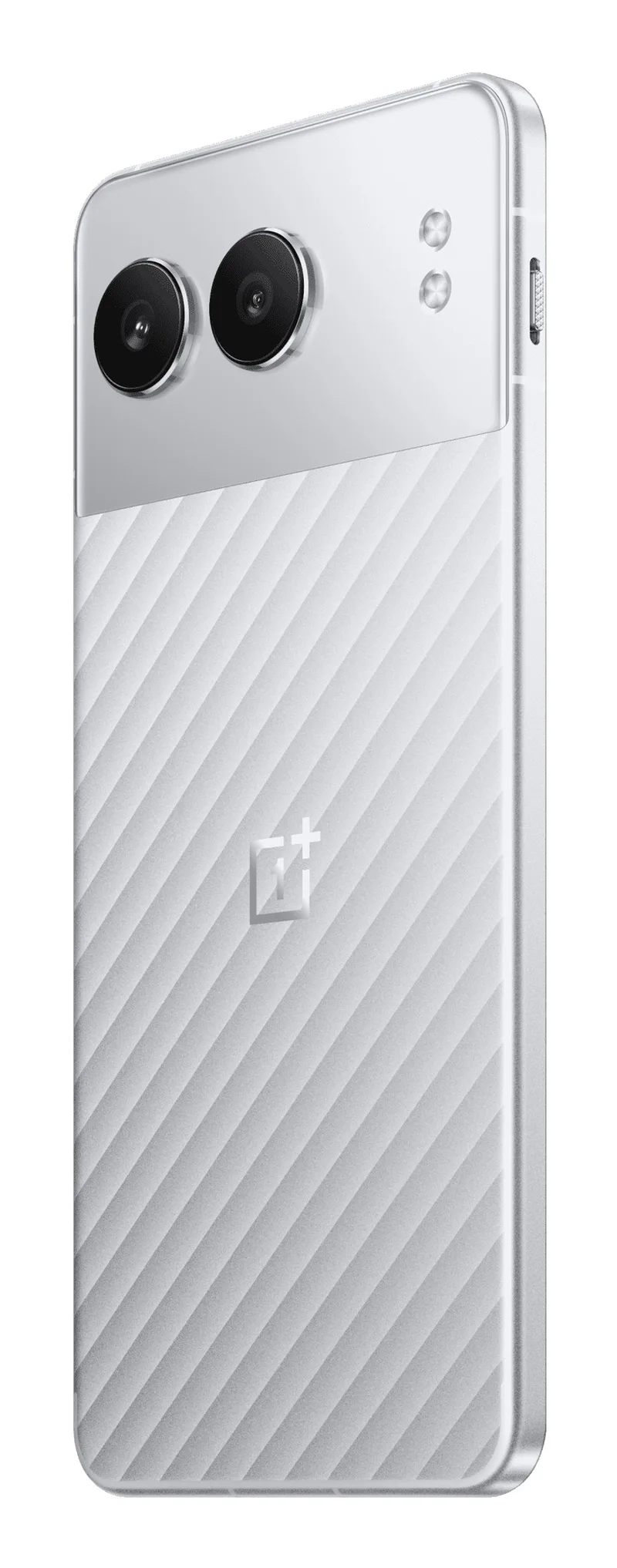
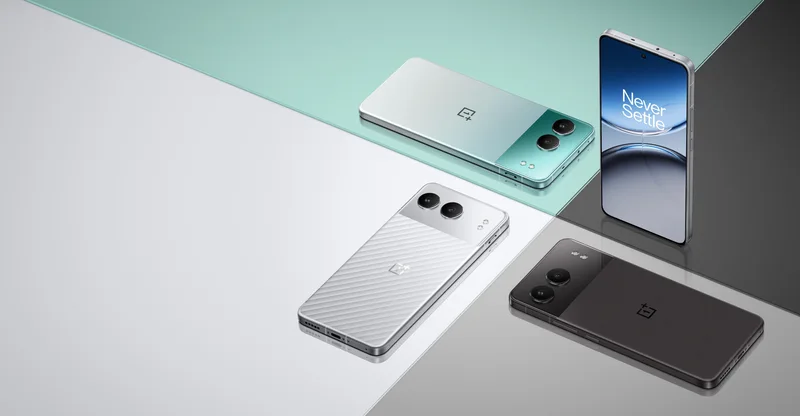
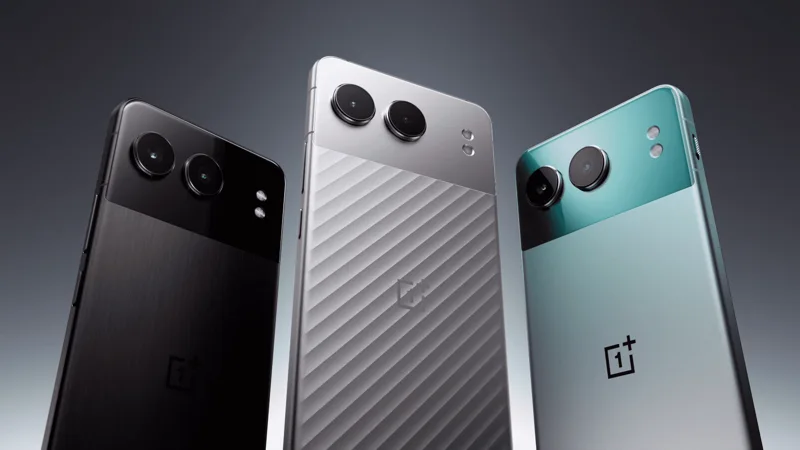
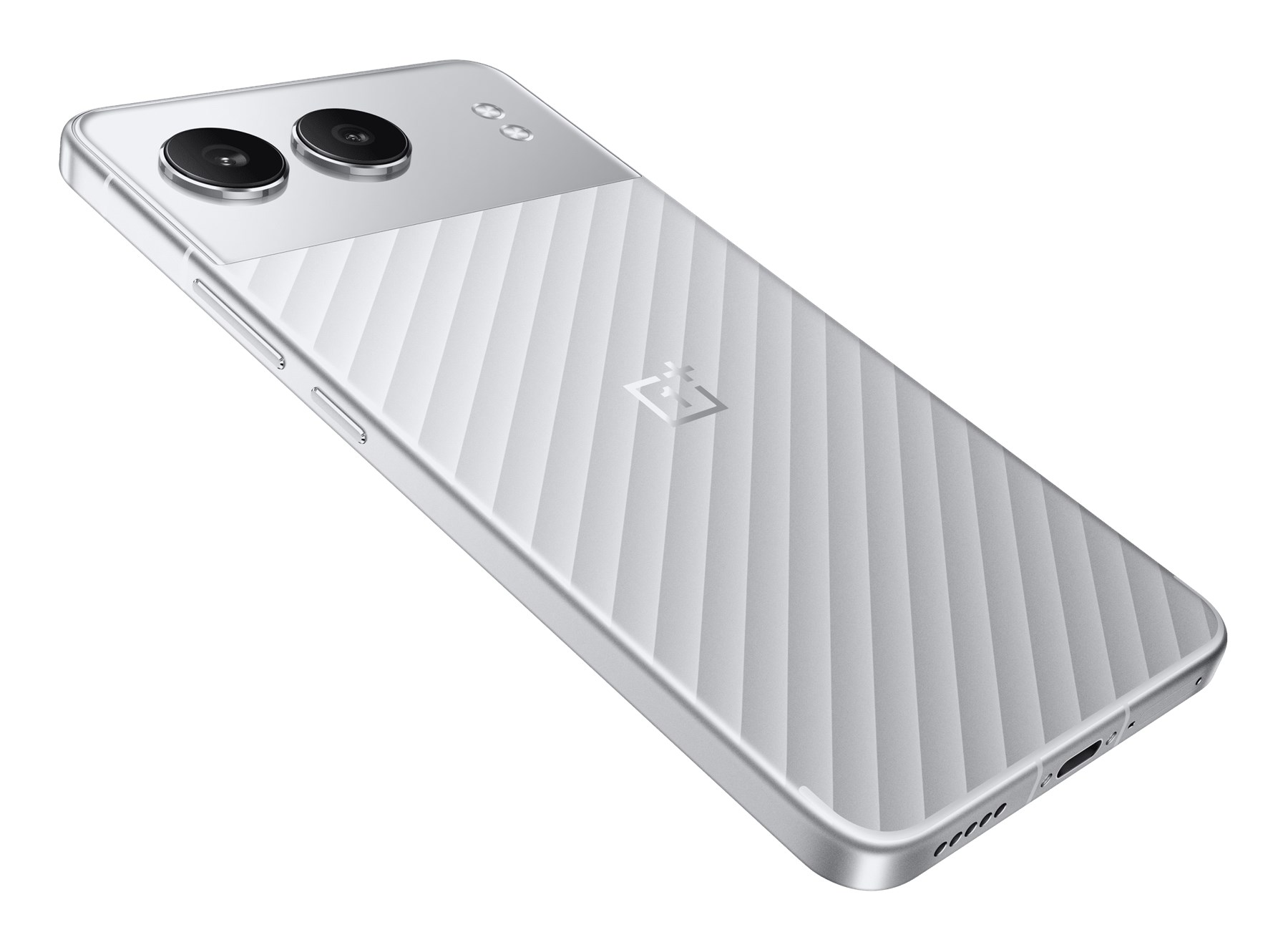
The phone measures 162.6 x 75.0 mm and is 7.99 mm thick, which OnePlus calls the slimmest Nord yet. It weighs 199.5 g. The back and frame form one continuous metal body, and the back has a diagonal ribbed texture in the silver version, with green and dark finishes shown in the company's imagery. To make a metal body work with radio signals, OnePlus describes compact antennas that use 49.5 percent less space than regular ones, plus a U-shaped antenna and improved grounding on the motherboard to keep reception stable. An alert slider sits on the left edge, and the power and volume keys are on the right. A fingerprint sensor sits under the display. The specification page does not list an official dust or water-resistance rating, which is worth remembering for a metal-bodied phone.
Display
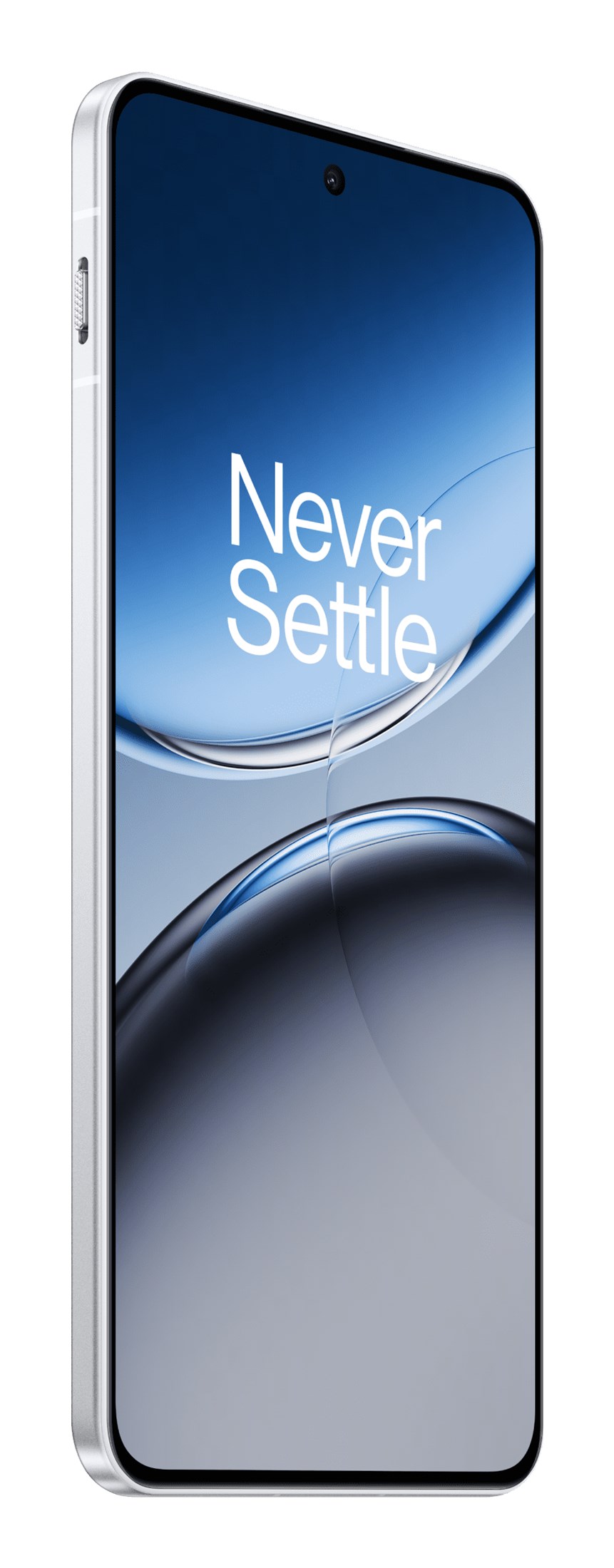
The screen is a 6.74-inch AMOLED panel with 2772 x 1240 resolution at about 450 ppi and an aspect ratio of 20.1:9. The refresh rate goes up to 120 Hz. OnePlus quotes 1100 nits of high-brightness mode and a 2150-nit peak, 2160 Hz pulse-width modulation, 10-bit colour depth, 100 percent sRGB and Display P3 coverage and HDR10+. Software features include Aqua Touch, which is designed to keep the screen responsive with wet fingers, Ultra HDR support and several eye-comfort options such as bedtime mode. The brightness and colour claims come from the manufacturer's testing.
Performance and software
The chipset is the Qualcomm Snapdragon 7+ Gen 3 with an Adreno 732 GPU. OnePlus lists 12 GB or 16 GB of LPDDR5X RAM and 256 GB or 512 GB of UFS 4.0 storage, sold as 12 GB + 256 GB and 16 GB + 512 GB configurations depending on the market. There is no memory-card slot listed. The company says its RAM-Vitalization, CPU-Vitalization and ROM-Vitalization features keep performance close to day-one levels, which it supports with a TUV SUD six-year fluency rating. These are the manufacturer's descriptions of software tuning, not independent measurements. It runs OxygenOS 14.1 based on Android 14, and OnePlus promises at least four Android upgrades and six years of security updates from the launch date, a long commitment for the price tier. OnePlus also pushes AI features: erasing unwanted objects from photos, a group-photo tool that picks the best faces, audio summaries and caption generation.
Connectivity includes 5G on a broad list of bands, Wi-Fi 6, Bluetooth 5.4 with SBC, AAC, aptX HD and LDAC codecs, NFC, an infrared remote and dual nano-SIM. USB is Type-C with USB 2.0 speed, and the phone has dual stereo speakers.
Cameras
The main camera is a 50 MP Sony LYTIA sensor, 1/1.95 inch, with an f/1.8 aperture, optical and electronic stabilisation and a 25 mm equivalent focal length. Next to it is an 8 MP Sony ultrawide camera with a 112-degree field of view and f/2.2. The listed rear hardware has no telephoto lens; the specification sheet gives a 1-20x zoom range, so longer reach relies on processing. Video recording reaches 4K at 60 fps, and slow motion is available at 1080p 120 fps and 720p 240 fps. At the front sits a 16 MP camera with an f/2.4 lens.
Battery and charging
The 5,500 mAh battery is described by OnePlus as its biggest phone battery, and it supports 100W SUPERVOOC wired charging, which OnePlus says delivers five hours of Netflix from a five-minute charge. PPS charging at 55 W is also supported. The cell uses a dual-cell design with a typical capacity of 2750 mAh at 7.82 V, equal to 5500 mAh at 3.91 V, and a Battery Health Engine that OnePlus says keeps the battery healthy for up to four years. Wireless charging is not listed. In some markets, including those covered by the EU Common Charger Directive, the box does not include a charger, so a 100W adapter may be a separate purchase.
Network and audio details
The phone supports dual nano-SIM operation and a wide band list: 5G NR n1, n2, n3, n5, n7, n8, n12, n20, n28, n38, n40, n41, n66, n77 and n78, plus LTE categories up to DL Cat 18 with 4x4 MIMO, subject to carrier support. OnePlus also advertises what it calls 5G wizardry, meaning antenna and software features meant to speed up reconnection and boost signal. Audio comes from two stereo speakers with noise cancellation support, and a standard Type-C headphone connection is supported. Multimedia playback covers common formats such as MP3, FLAC, MP4, MKV and HEVC, and the camera can output JPEG and HEIF images. The box contents listed are the phone, a Type-A to Type-C cable, a quick guide, a welcome letter, a safety guide, a pre-applied screen protector and a SIM tray ejector.
Who it is for
The Nord 4 suits buyers who want a premium-feeling metal body, long battery life, very quick charging and a long update promise without paying flagship prices. It also appeals to people who like having a physical alert slider.
Compromises to weigh
- No telephoto camera: zoom beyond the main sensor relies on cropping.
- No wireless charging and no listed water rating: convenience and protection are below flagship level.
- Charger not always included: some markets ship without a power adapter.
- Chipset class: the Snapdragon 7+ Gen 3 is upper mid-range, not a flagship processor.
- Superseded model: newer Nord generations now exist, so check current availability.
In short, the OnePlus Nord 4 is a well-specified mid-range phone built around its metal body, big battery and extended software support. If you can live without a telephoto lens, wireless charging or a published water rating, it remains a convincing package on paper.
Where it ranks
Compare OnePlus Nord 4 with similar devices
More from OnePlus
Frequently asked questions
When was the OnePlus Nord 4 released?
The OnePlus Nord 4 was released on 2024-07-16, according to the manufacturer’s published information.
What are the main specs of the OnePlus Nord 4?
Headline figures for the OnePlus Nord 4: Battery: 5,500 mAh, Refresh rate: 160 Hz, Main camera: 50 MP, RAM: 16 GB. The full specification table is further up this page.
Is the OnePlus Nord 4 worth buying?
That depends on your priorities. Use the editorial review on this page for our view, check the rankings above to see where the device stands on battery, display and camera, and compare it directly with similar models before you decide.


