Phones
OnePlus 12
OnePlus 12 is the 2024 flagship: Snapdragon 8 Gen 3, a 6.82-inch QHD+ 120Hz LTPO display, a Hasselblad-tuned triple camera with 3x periscope zoom and a 5,400 mAh battery with 50W wireless charging.
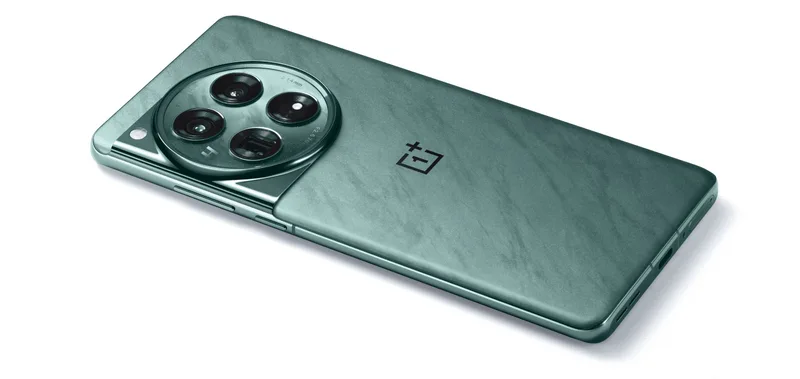
Key figures at a glance
Gallery
Specifications
- Display
- 6.82" LTPO ProXDR, 3168x1440 (QHD+), 1-120Hz, 1600 nits HBM / 4500 nits peak, Gorilla Glass Victus 2
- Chipset
- Qualcomm Snapdragon 8 Gen 3 (Kryo CPU, Adreno 750)
- RAM
- 16GB
- Storage
- 256GB / 512GB (UFS 4.0)
- Rear Camera
- 50MP main (Sony LYT-808, f/1.6, OIS) + 64MP periscope telephoto (3x optical, OIS) + 48MP ultra-wide (114°)
- Front Camera
- 32MP (Sony IMX615, f/2.4)
- Battery
- 5,400 mAh (typical, dual-cell), 80W SUPERVOOC wired (US spec page; the launch press release cites 100W for most regions), 50W AIRVOOC wireless
- OS
- OxygenOS 14 based on Android 14
- Dimensions
- 164.3 x 75.8 x 9.15 mm, 220 g
- Connectivity
- 5G, Wi-Fi 7, Bluetooth 5.4, NFC, dual nano-SIM and eSIM, USB-C (USB 3.2 Gen 1)
- Other
- IP65 water and dust resistance, 4th-generation Hasselblad camera tuning, Alert Slider, Dolby Atmos, dual vapor-chamber cooling (9,140 mm2 total area)
The OnePlus 12 is the company's top phone for 2024: a 6.82-inch QHD+ display, the Snapdragon 8 Gen 3 chipset, a three-camera system tuned together with Hasselblad and a large 5,400 mAh battery that supports both wired and wireless charging. This page goes through what OnePlus publishes about the phone, where it sits in the range, and which compromises a buyer should weigh. It is based on the published specifications and manufacturer information, not on lab measurements.
Where the phone sits in the lineup
OnePlus announced the 12 on 23 January 2024 at a launch event in New Delhi, together with the cheaper OnePlus 12R and the Buds 3 earphones. In the company's own words, the two phones were meant to show that a OnePlus handset does not need a "Pro" or "Ultra" label to carry flagship hardware. The 12 is the full-fat model of the pair, while the 12R trades the QHD+ screen, the periscope lens and wireless charging for a lower price. The US store page lists the OnePlus 12 from $799.99.
Later generations moved the family on: the OnePlus 13 replaced it at the top of the range, and a side-by-side view is available in the OnePlus 12 vs OnePlus 13 comparison. If you are shopping on a budget, the 12 is the kind of phone that becomes interesting once a newer generation takes over the headlines, because its hardware list is still complete.
Design, build and display
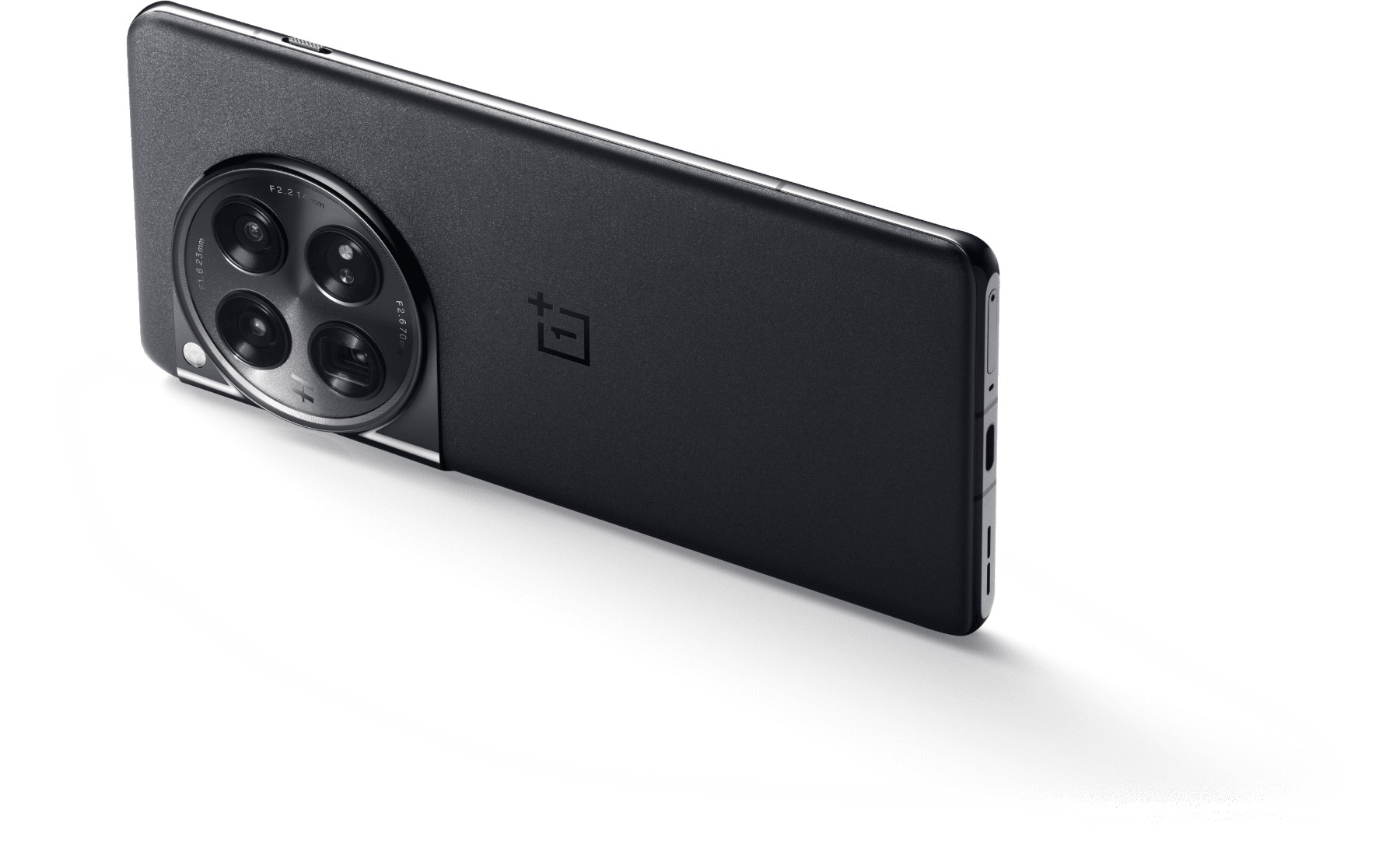
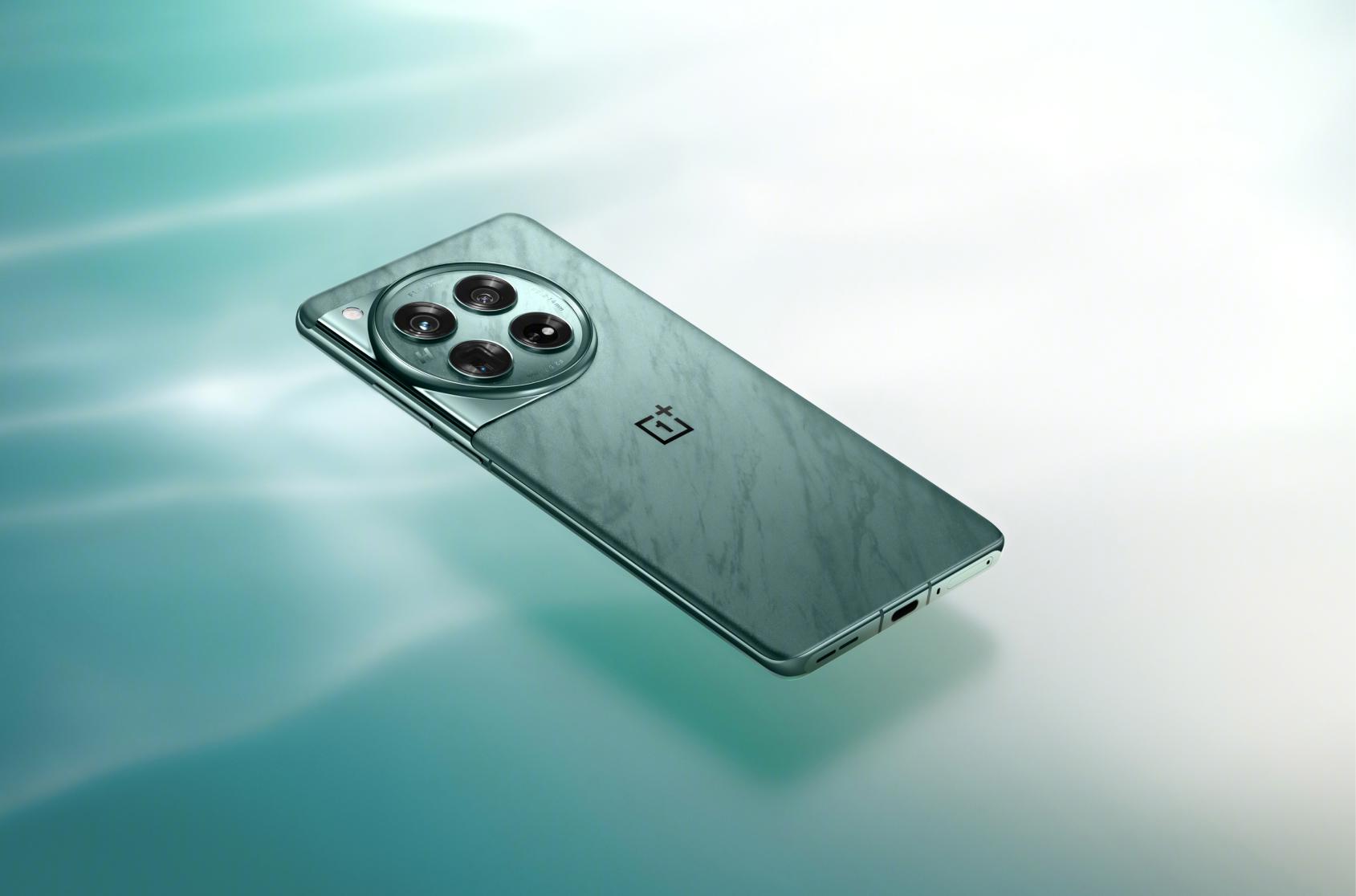
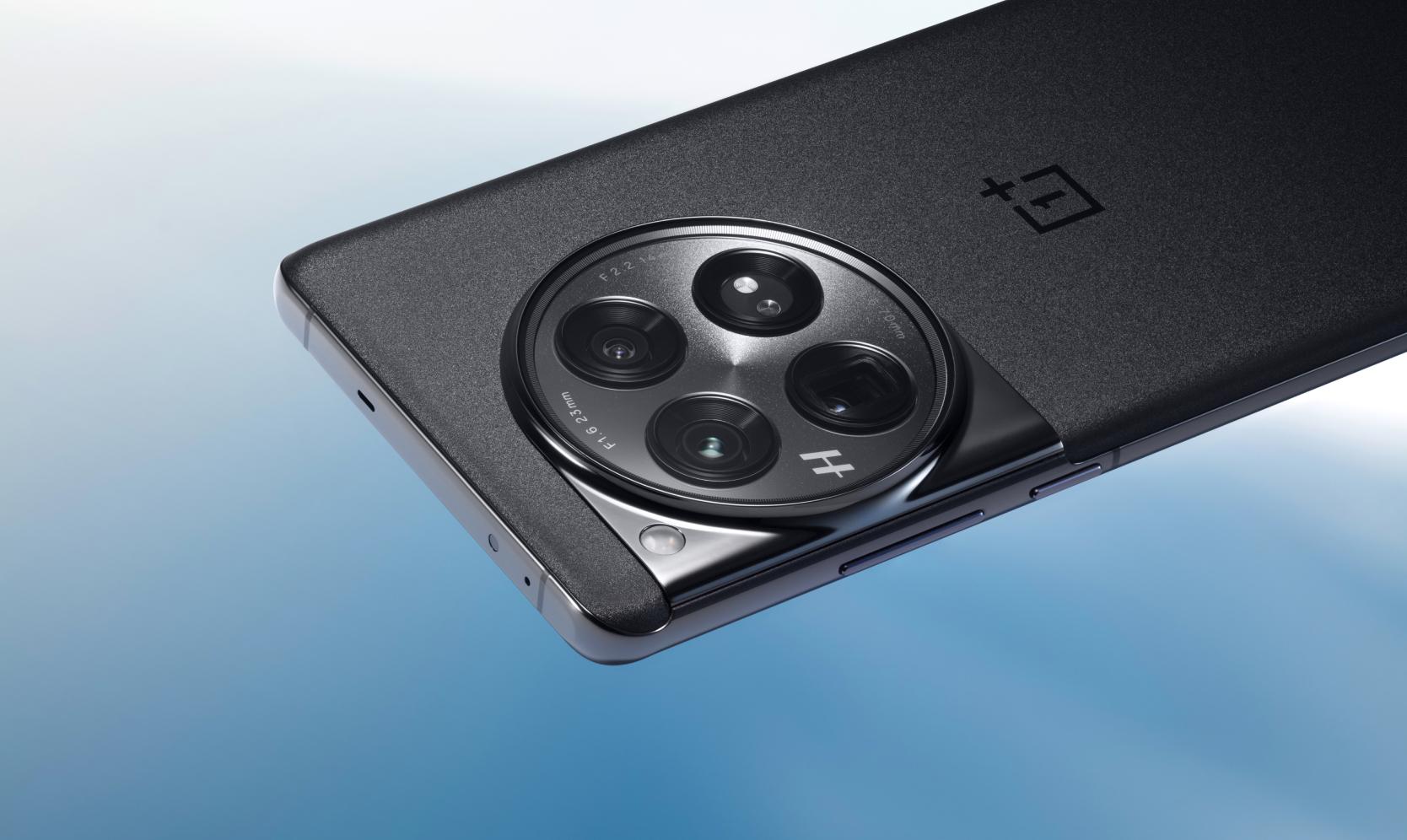
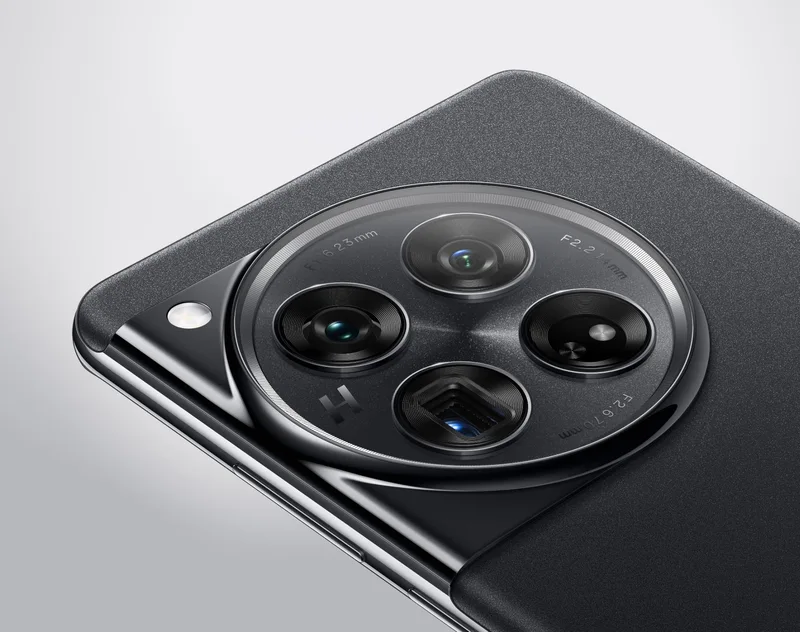
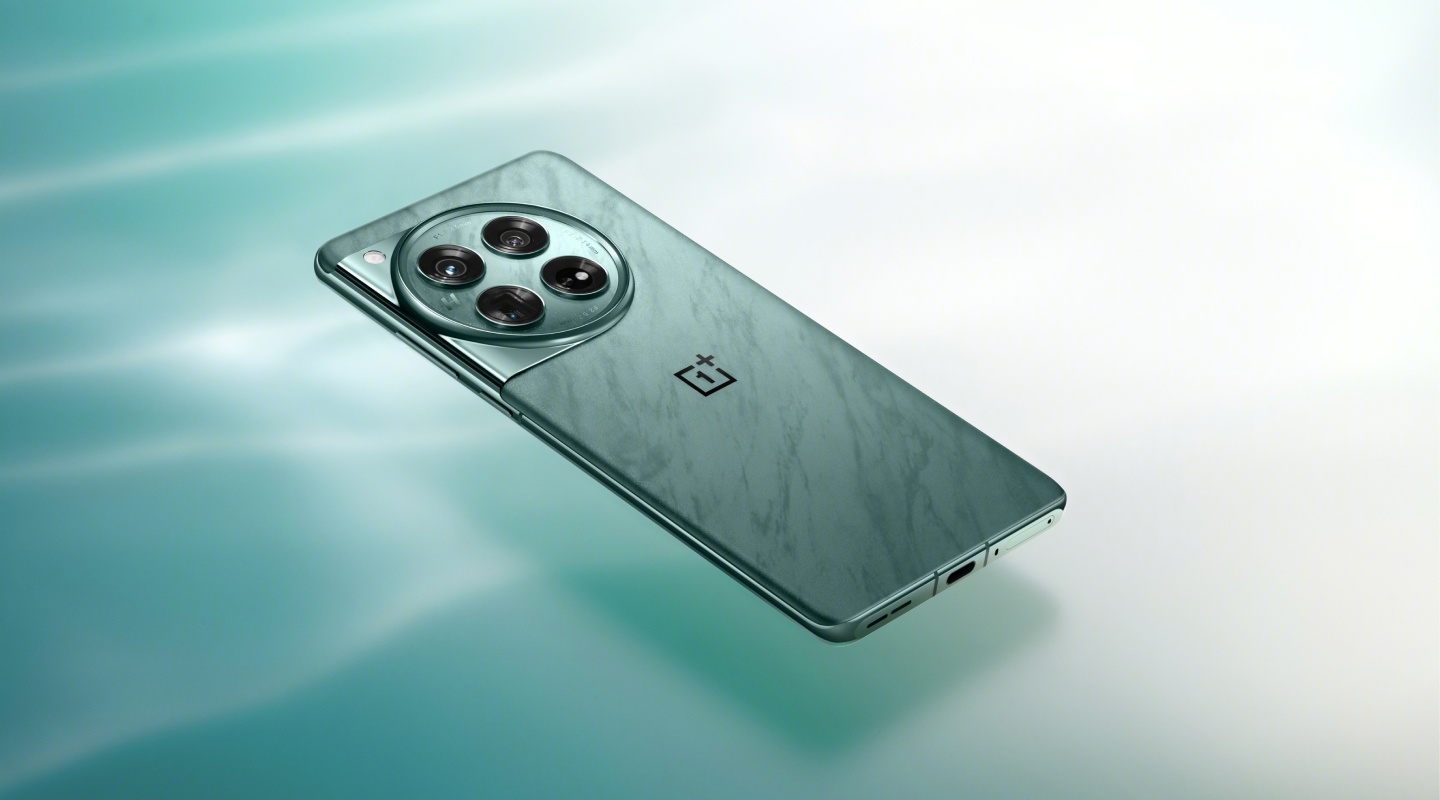
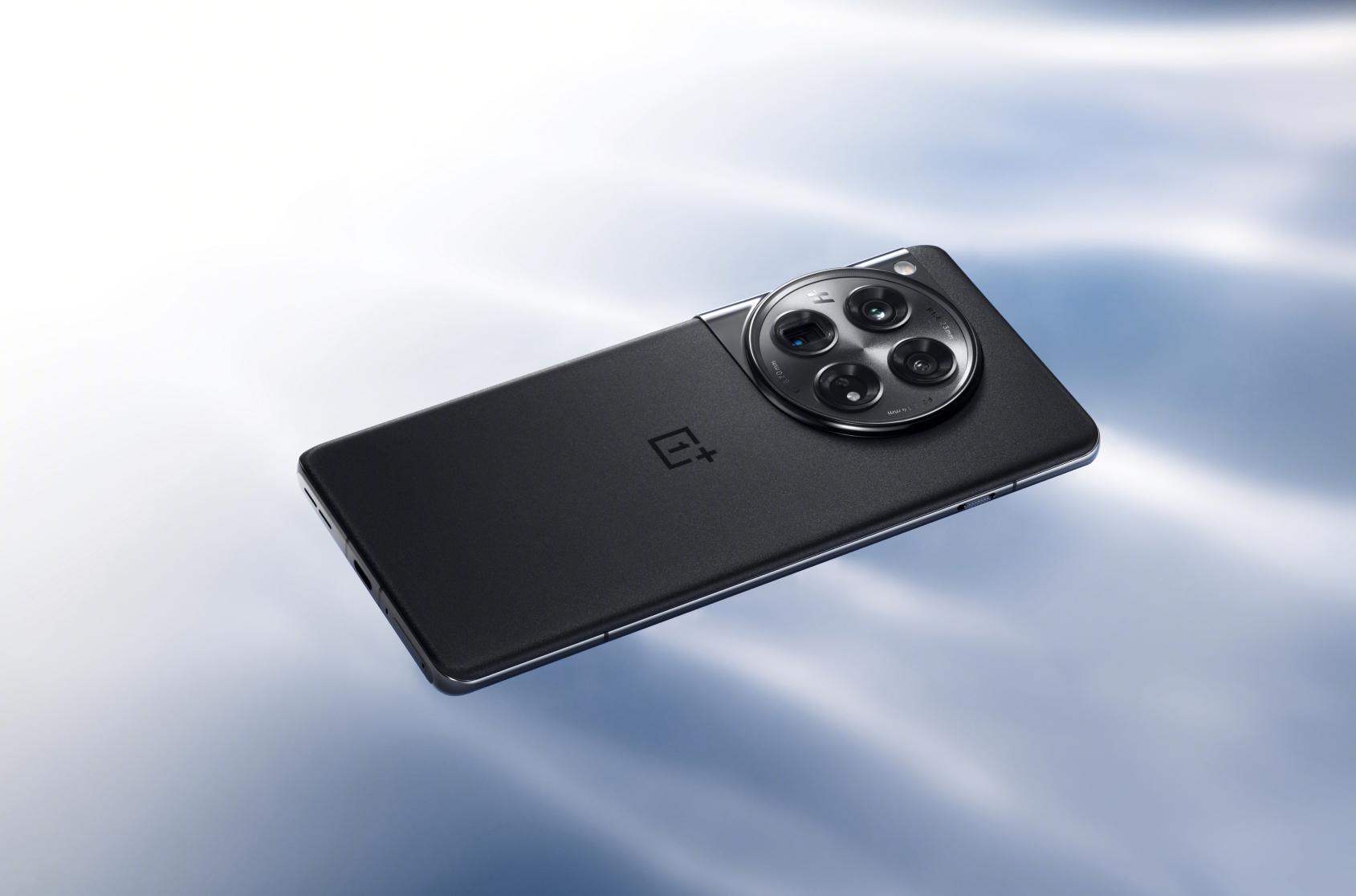
The phone comes in two finishes: Flowy Emerald, a green glass back with an embossed, wave-like texture, and Silky Black, a matte glass back. The large round camera module sits in the top corner and is joined to the frame by a metal edge. The body measures 164.3 x 75.8 x 9.15 mm and weighs 220 g, which makes it a substantial phone. OnePlus lists IP65 water and dust resistance, which covers splashes and dust but is a step below the IP68 rating many rivals quote, and it should not be read as permission to submerge the phone. The front is covered with Corning Gorilla Glass Victus 2. The physical Alert Slider, a OnePlus trademark, is still on the side.
The display is a 6.82-inch LTPO panel with a resolution of 3168 x 1440 pixels (about 510 ppi) and an adaptive refresh rate from 1 to 120 Hz. OnePlus quotes 1,600 nits of brightness in high-brightness mode and 4,500 nits at peak, and says the panel uses 2,160 Hz PWM dimming when brightness is below 70 nits to ease eye strain. It also names a DisplayMate A+ rating and support for Dolby Vision, HDR10+ and HDR Vivid. These are manufacturer claims; the numbers describe the panel's ceiling, not what every scene will show. A feature called Aqua Touch is meant to keep the screen responsive with wet fingers or water droplets on the glass.
Performance, memory and cooling
Inside is the Qualcomm Snapdragon 8 Gen 3 with an Adreno 750 GPU. The US page lists 12 GB or 16 GB of LPDDR5X RAM and 256 GB or 512 GB of UFS 4.0 storage, sold as 12 GB + 256 GB and 16 GB + 512 GB. The specification lists no memory-card support, so the storage tier you pick at purchase is the one you should plan to live with.
A good part of the marketing is about sustained performance. OnePlus describes a "Dual Cryo-velocity" vapor-chamber system with a total unfolded area of 9,140 mm2, built from two chambers of roughly 3,686 mm2 and 5,454 mm2. The company says this is its largest cooling surface so far. How much of that turns into steadier frame rates in long gaming sessions depends on the game and the room temperature, and the company's figures come from its own laboratory. What can be said from the specification is that the cooling hardware is unusually large for a phone of this size, and that it is a deliberate part of the design, not an afterthought.
The software is OxygenOS 14 based on Android 14. OnePlus layers its Trinity Engine on top, a set of memory, storage and CPU-scheduling optimisations, and cites a TÜV SÜD 48-month fluency rating of A. That is a rating of how smoothly the system is expected to keep running over time, not a promise of identical speed after four years. The US page for the 12 does not state a software-update commitment, so check the current policy before buying.
Camera system
The rear cameras are the main reason to pick this phone over its sibling. The main camera uses Sony's LYT-808 sensor, a 1/1.4-inch 50 MP unit with an f/1.6 lens and optical stabilisation. A 64 MP periscope telephoto camera offers 3x optical zoom at a 70 mm equivalent focal length, with OmniVision's OV64B sensor, OIS and 6x in-sensor zoom, plus digital zoom up to 120x. The third lens is a 48 MP ultra-wide (Sony IMX581) with a 114-degree field of view that also handles close-up shots from about 3.5 cm. The selfie camera is a 32 MP Sony IMX615 with an f/2.4 lens.
This is the fourth generation of the Hasselblad collaboration, which in practice means colour tuning, a "Master Mode" and portrait modes that imitate Hasselblad lenses at 1x and 2x. OnePlus also mentions a 13-channel multispectral sensor for colour accuracy. On the video side the specification lists 8K at 24 fps, 4K at 30 or 60 fps, Dolby Vision HDR, a Pro mode at 4K and slow motion at 1080p and 240 fps. As always, a specification list says what the hardware is capable of; it says little about image processing, which is where phone cameras are usually won or lost.
Battery and charging
The battery uses a dual-cell design with a typical capacity of 5,400 mAh (2 x 2,700 mAh). The rated capacity is lower, at 5,260 mAh, which is the number regulators tend to use. Wired charging is where regional differences appear: the US spec page and the North American launch material quote 80W SUPERVOOC, while the global press release talks about 100W and a 26-minute full charge. OnePlus says the 80W version needs 30 minutes from 1% to 100% under its lab conditions. A charger is included in the box, so there is no extra purchase needed to reach those speeds.
The phone also supports 50W AIRVOOC wireless charging, which OnePlus rates at 55 minutes for a full charge with a matching wireless charger, which is not in the box. Wireless charging at that power is not common outside the top tier, and it is one of the clearest differences between the 12 and the 12R. The company also points to a Battery Health Engine, meant to slow long-term wear, a claim that can only be verified over years of use.
Connectivity and extras
The 12 supports 5G, Wi-Fi 7, Bluetooth 5.4, NFC, dual nano-SIM and eSIM, and a USB-C port that runs at USB 3.2 Gen 1 speeds (up to 5 Gbps). Audio playback supports Dolby Atmos. An infrared blaster is mentioned in the launch material, which lets the phone act as a remote for TVs and air conditioners where the feature is enabled. Band support differs between regional variants, so US buyers in particular should check carrier compatibility before importing a unit from another market.
Who it is for
The OnePlus 12 suits people who want a flagship specification without the largest price tag in the class: heavy gamers who value cooling, photographers who like having a real 3x telephoto and a large main sensor, and anyone who wants fast wired and wireless charging in the same phone. It also suits users who like OxygenOS and the physical Alert Slider.
Compromises to consider
- Size and weight: at 220 g and 9.15 mm it is a chunky phone, and the 6.82-inch screen makes it a two-hand device for many people.
- Water resistance: IP65 is a lower level of protection than IP68.
- Charging speed varies by region: the headline wired figure is 80W in the US and 100W elsewhere.
- No stated storage expansion: the entry configuration already starts at 256 GB, which softens the issue.
- Software policy: the US page does not give a clear update promise, so it is worth reading the current terms.
For a broader view of how it ranks against other phones, see the rankings. If a cheaper phone that keeps the chip family and the 120 Hz screen is enough, the OnePlus 12R is the natural step down.
Where it ranks
Compare OnePlus 12 with similar devices
More from OnePlus
Frequently asked questions
When was the OnePlus 12 released?
The OnePlus 12 was released on 2024-01-23, according to the manufacturer’s published information.
How much does the OnePlus 12 cost?
The estimated range for the OnePlus 12 is $720 to $880 in US dollars, based on the launch list price. Actual prices vary by country, retailer and storage option.
What are the main specs of the OnePlus 12?
Headline figures for the OnePlus 12: Battery: 5,400 mAh, Refresh rate: 120 Hz, Main camera: 50 MP, RAM: 16 GB. The full specification table is further up this page.
Is the OnePlus 12 worth buying?
That depends on your priorities. Use the editorial review on this page for our view, check the rankings above to see where the device stands on battery, display and camera, and compare it directly with similar models before you decide.


