Phones
Infinix Zero 40
The 4G-only Zero 40 keeps the curved AMOLED screen and 108MP OIS camera of its 5G sibling, but uses a Helio G100 chip and a lighter 180g, 7.7mm body.
Key figures at a glance
Gallery
Specifications
- Display
- 6.78" 3D-curved flexible AMOLED (LTPS), 1080x2436, 60/120Hz, 1300 nits peak
- Chipset
- MediaTek Helio G100 (6nm)
- RAM
- 8GB
- Extended RAM
- 16GB (software feature using storage space)
- Storage
- 256GB / 512GB
- Rear Camera
- 108MP main + 50MP ultrawide + 2MP
- Front Camera
- 50MP
- Battery
- 5,000 mAh, 45W wired
- OS
- XOS 14.5, Android 14
- Dimensions
- 164.31 x 74.6 x 7.7 mm
- Weight
- 180g
- Water Resistance
- IP54
- Connectivity
- 4G, Wi-Fi 5, NFC, dual nano SIM, USB-C
- Colors
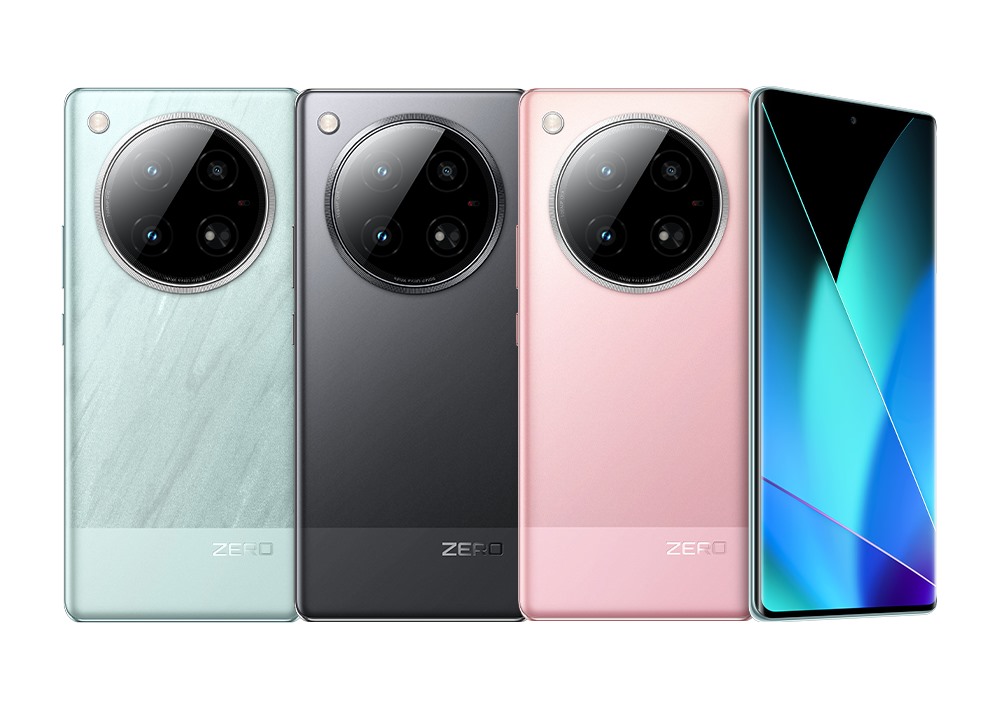
- Misty Aqua / Rock Black / Blossom Glow
The Infinix Zero 40 is the 4G-only member of the Zero 40 generation. Infinix kept the visual identity of the family, with a curved 6.78-inch AMOLED screen, a 108 MP main camera and a 5,000 mAh battery with 45 W charging, but moved to a MediaTek Helio G100 processor, dropped 5G and wireless charging, and made the body thinner and lighter. It is a phone built around a short list of priorities: screen, camera, battery and storage space. This page reads the published specifications and manufacturer statements to explain what you gain and what you give up, without claiming any hands-on testing.
The idea behind the 4G model
Infinix sells two phones under the Zero 40 name, and it helps to think of them as one design with two sets of electronics. The model code X6860 refers to this phone; the Infinix Zero 40 5G uses the code X6861. Everything that makes the 5G model a high-end Infinix device, namely the Dimensity 8200 Ultimate chip, Wi-Fi 6E, wireless charging and a 144 Hz mode, is replaced here by a more modest platform. In exchange the body drops to 7.7 mm in thickness and 180 g in weight, noticeably less than the 7.9 mm and 195 g of the 5G version according to the official tables.
That makes the Zero 40 an option for buyers in markets where 5G coverage is limited or where LTE remains the main network, and for those who simply prefer a lighter phone. The Infinix Hot 50 belongs to a different family within the brand, so it is worth comparing if the camera and screen matter less to you than price.
Design, display and everyday hardware
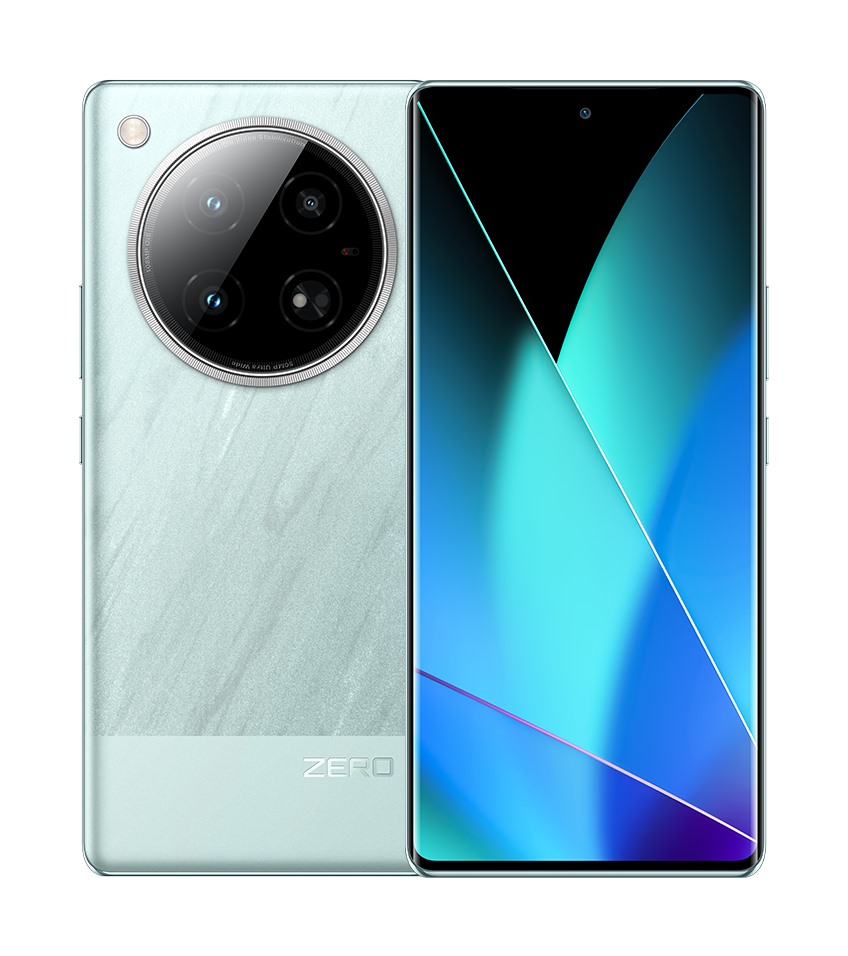
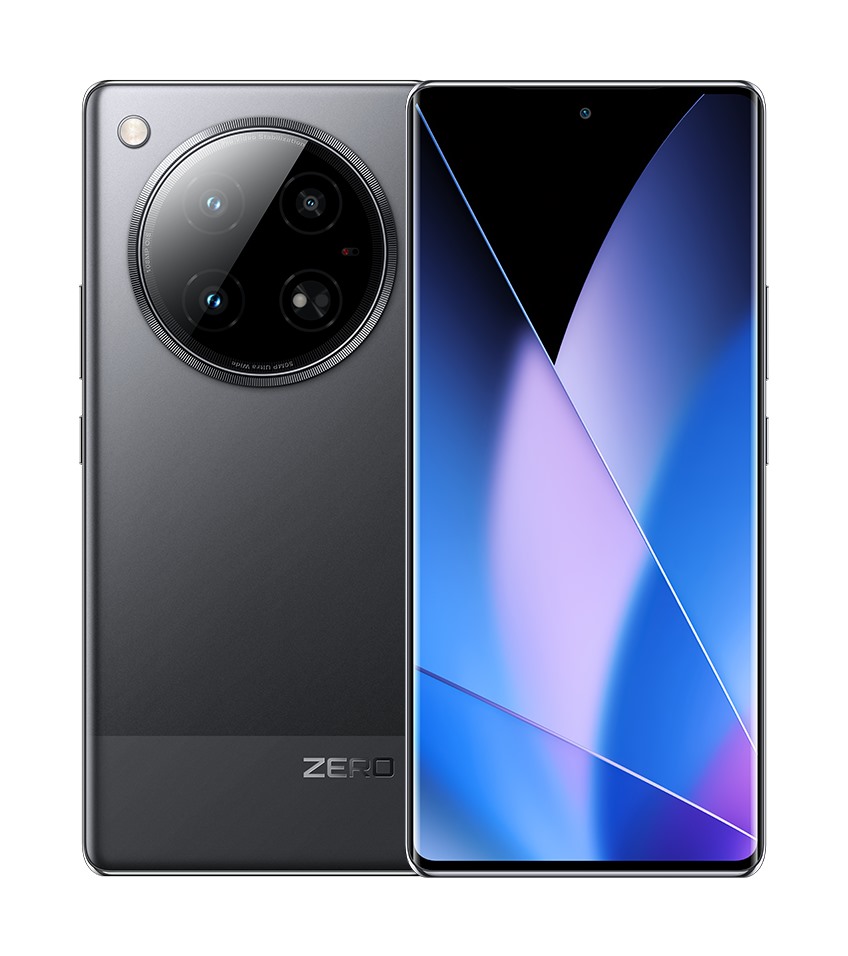
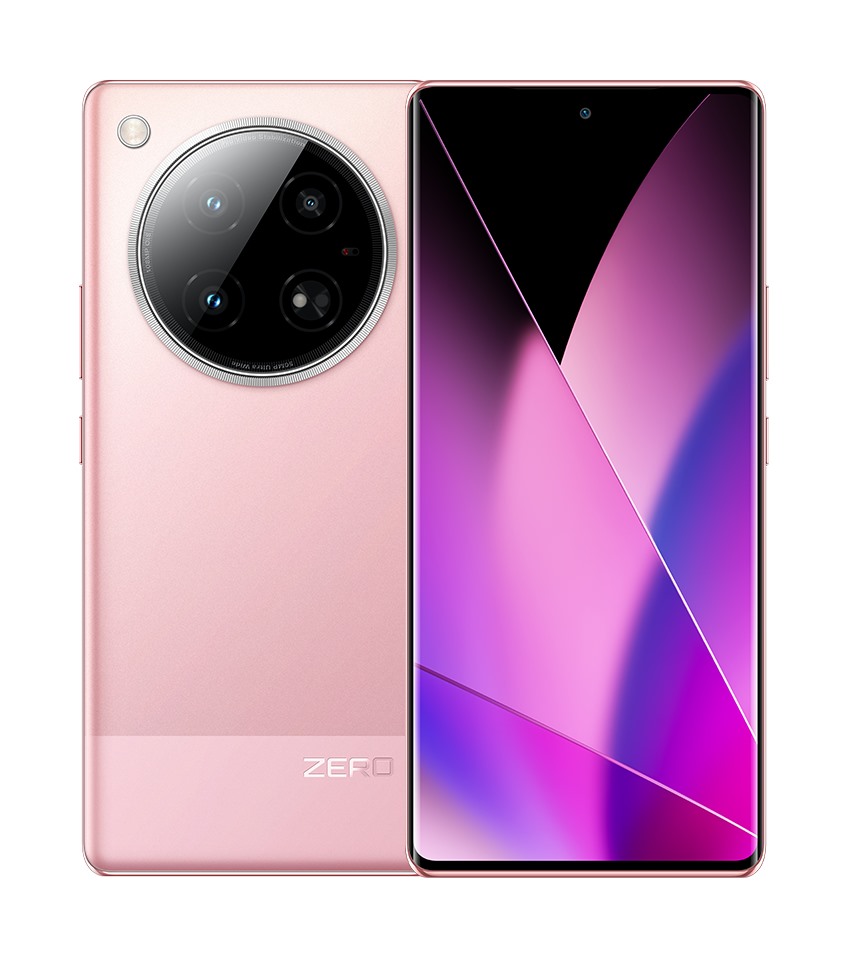
The dimensions are 164.31 x 74.6 x 7.7 mm. Three colours are listed: Misty Aqua, Rock Black and Blossom Glow. The official images show a pale aqua variant with a marbled texture on the upper part of the back, a graphite one and a pink one, each with a single large round camera ring and a lower band carrying the Zero logo. The front is a 3D-curved flexible AMOLED display of 6.78 inches with a 93.4 percent screen-to-body ratio.
The panel resolution is 1080 x 2436 pixels, with an LTPS backplane, a stated peak brightness of 1,300 nits, 10,000,000:1 contrast, DCI-P3 colour coverage, 2,160 Hz PWM dimming and 360 Hz touch sampling. The refresh rate is 60 or 120 Hz, so the 144 Hz option of the 5G model is not available. Gorilla Glass 5 covers the display. The phone is rated IP54 for dust and splashes, with the usual caveat that liquid damage is not covered by the warranty.
Other listed features include an in-display fingerprint sensor, a Z-axis linear motor for more precise haptics, an infrared blaster, NFC, FM radio, dual nano SIM, USB-C with OTG, and Wi-Fi 5 rather than the newer Wi-Fi 6E. Audio support mentions JBL tuning, DTS and Hi-Res Audio, plus Widevine L1 for HD video streaming.
Performance and storage
The Helio G100 is a 6 nm octa-core chip. The spec sheet describes two Cortex-A76 cores at 2.2 GHz and six Cortex-A55 cores at 2.0 GHz, with an Arm Mali-G57 MC2 graphics processor. It is a platform meant for smooth daily use, social media, streaming and casual games, rather than for demanding 3D titles at maximum settings. That is the most important thing to understand about this phone: the screen and camera are priced and described like a more premium device, but the processor is firmly in the mid-range.
The phone is listed with 8 GB of LPDDR4X RAM and UFS 2.2 storage in 256 GB or 512 GB capacities. Infinix's marketing text promotes "512GB Mega ROM" and "16GB Extended RAM". The extended RAM figure is a software feature that uses part of the storage as virtual memory, so the real memory is 8 GB. The high storage ceiling is valuable for people who keep large photo and video libraries on the device, particularly because the 108 MP sensor and high-resolution video produce big files.
The software is XOS 14.5 on Android 14. Infinix says the phone can be upgraded up to Android 16 and receives three years of security patches. As with all such statements, they are commitments by the manufacturer rather than something the specification can prove. Networking is 4G, 3G and 2G only; the band list covers 4G FDD bands 1, 2, 3, 4, 5, 7, 8, 20 and 28 (A and B) and TDD bands 38, 40 and 41, so check your operator's frequencies if you import the device.
Camera system
The rear camera is almost identical on paper to that of the 5G model: a 108 MP ISOCELL HM6 main sensor with a 1/1.67 inch format, a six-element lens at f/1.75, optical image stabilisation and phase-detection autofocus, together with a 50 MP camera at f/2.0 and a 2 MP camera at f/2.4. The flash arrangement is listed as a dual LED plus a "zoom flash". The front camera is a 50 MP ISOCELL JN1 with a 1/2.76 inch sensor at f/2.45 and a dual flash.
Where the two phones diverge is video. Here the maximum recording mode is 2K at 30 fps, with 1080p at 60 or 30 fps and 720p slow motion at 120 fps, whereas the 5G model advertises 4K. Infinix markets this phone as offering "Front and Rear 2K Vlog". For most users 2K at 30 fps is perfectly adequate for social media, but if 4K or 60 fps clips are a priority, this specification is a limitation. The camera app features include Super Night, Dual Video, Wide Selfie, Super Macro, AR Shot, Documents, Pro mode and a GoPro mode.
As always with phone cameras, hardware lists do not describe processing quality. The large main sensor and OIS give the phone a good starting point, but low-light behaviour and colour accuracy will be defined by Infinix's software tuning, which cannot be judged from a specification sheet.
Battery and charging
The battery is 5,000 mAh (typical), and wired charging reaches 45 W using 11 V at 4.1 A or 10 V at 4.5 A, with a note that different voltage inputs may change the output in certain regions. There is no wireless charging. A 4G chip and a 60 or 120 Hz panel, rather than 144 Hz, should help efficiency compared with the 5G model, but Infinix does not publish a runtime figure, so any battery-life claim should be checked against independent measurements. Lighter weight with an equal battery capacity is one of the practical selling points of the design.
Who it is for
The Zero 40 is aimed at buyers who put the screen, the camera and the storage first and who do not need 5G. It will suit someone upgrading from an older mid-range phone who wants a lighter body, a curved AMOLED display and plenty of storage. It is less suited to heavy gamers and to anyone planning to keep the phone for years on networks that are moving towards 5G standalone. If you want to see how it stacks up against a phone with a different philosophy, the Infinix Zero 40 vs Pixel 9a table places the specifications next to each other, and the Pixel 9a page describes that rival. The Infinix Note 50 Pro is another sibling worth checking, and the rankings give a wider view.
Trade-offs
- No 5G: the phone only supports 4G and older networks.
- No wireless charging and Wi-Fi 5 only: both are upgraded on the 5G sibling.
- Mid-range processor: the Helio G100 is not designed for the highest graphics settings.
- Extended RAM is software: eight gigabytes is the physical memory.
- 2K video ceiling: no 4K recording is listed.
- Older glass and IP54: Gorilla Glass 5 and splash resistance only.
Taken together, the specification sheet describes a coherent, lightweight phone that spends its budget on the display, camera sensor and storage and saves on connectivity and processing power. That trade is sensible for the right buyer, but it is worth being clear about it before choosing between the two Zero 40 models.
Where it ranks
Compare Infinix Zero 40 with similar devices
More from Infinix
Frequently asked questions
When was the Infinix Zero 40 released?
The manufacturer’s release date for the Infinix Zero 40 is not stated in the information we have.
What are the main specs of the Infinix Zero 40?
Headline figures for the Infinix Zero 40: Battery: 5,000 mAh, Refresh rate: 120 Hz, Main camera: 108 MP, RAM: 8 GB. The full specification table is further up this page.
Is the Infinix Zero 40 worth buying?
That depends on your priorities. Use the editorial review on this page for our view, check the rankings above to see where the device stands on battery, display and camera, and compare it directly with similar models before you decide.


