Phones
OnePlus 13s
The compact OnePlus 13s pairs a 6.32-inch 120Hz display and Snapdragon 8 Elite with a 5,850 mAh battery, 80W charging and a programmable Plus Key in a 185 g body.

Key figures at a glance
Gallery
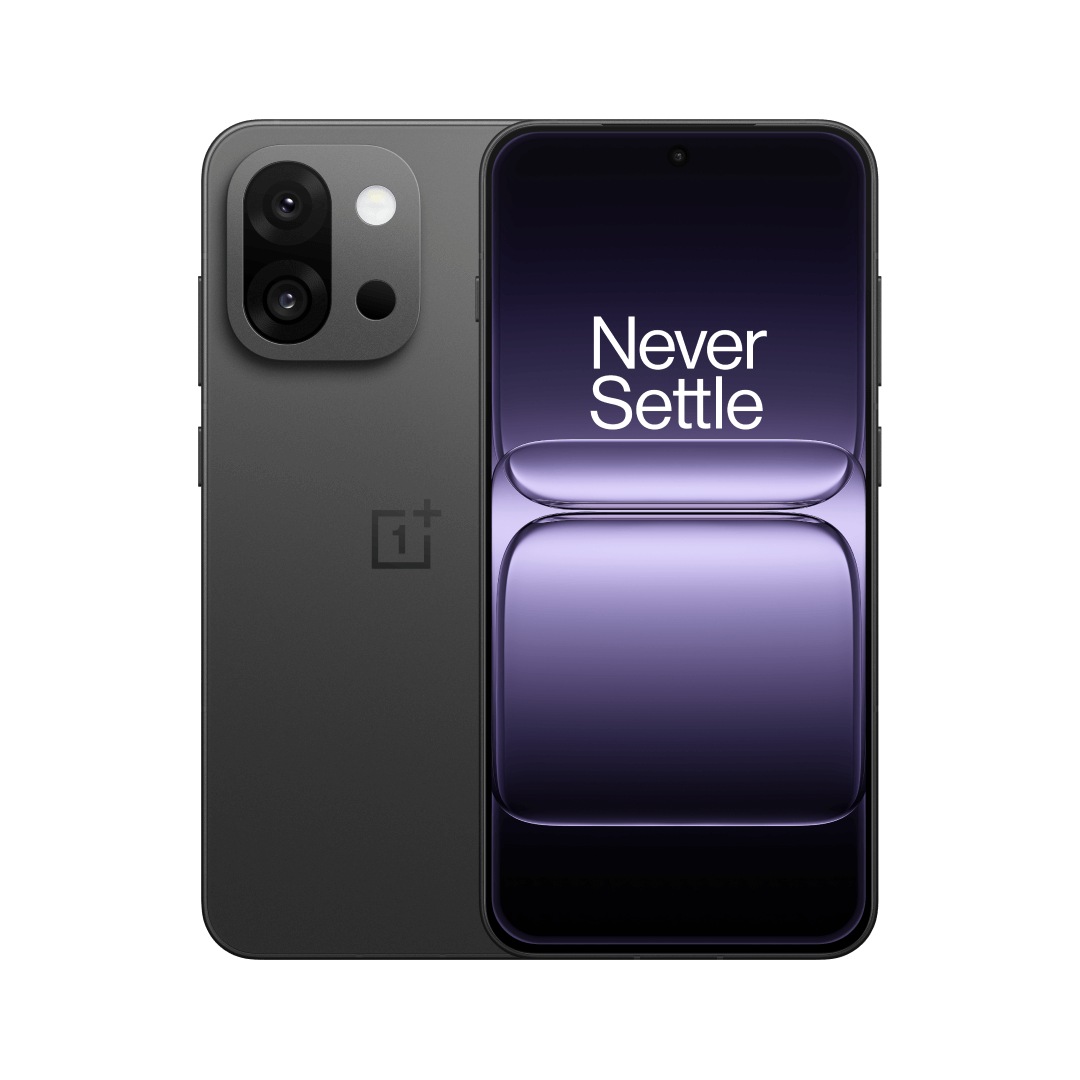

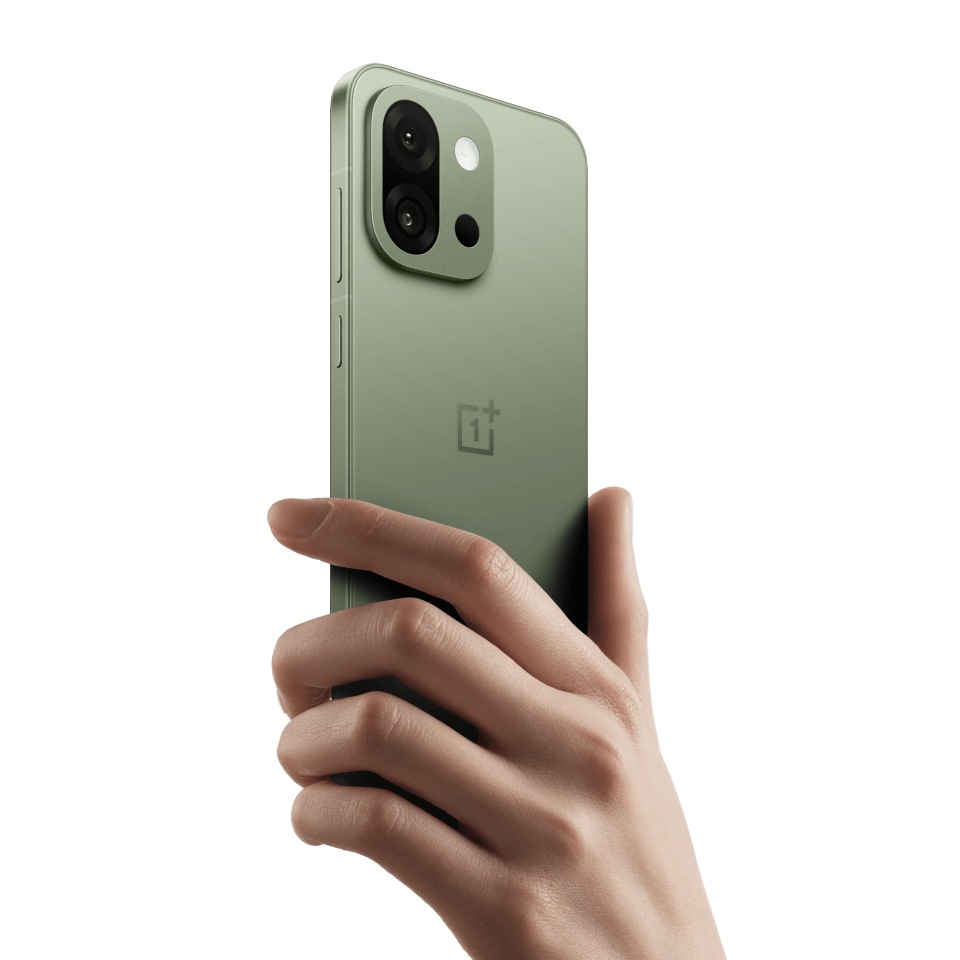
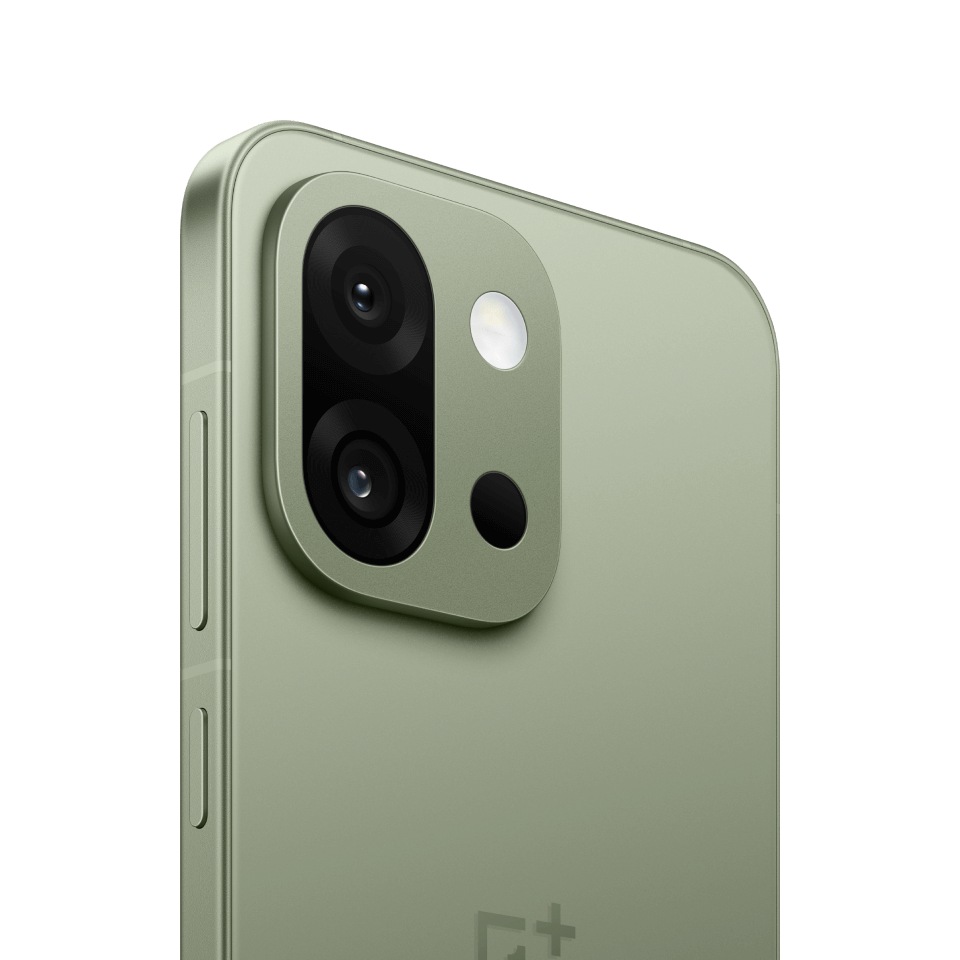
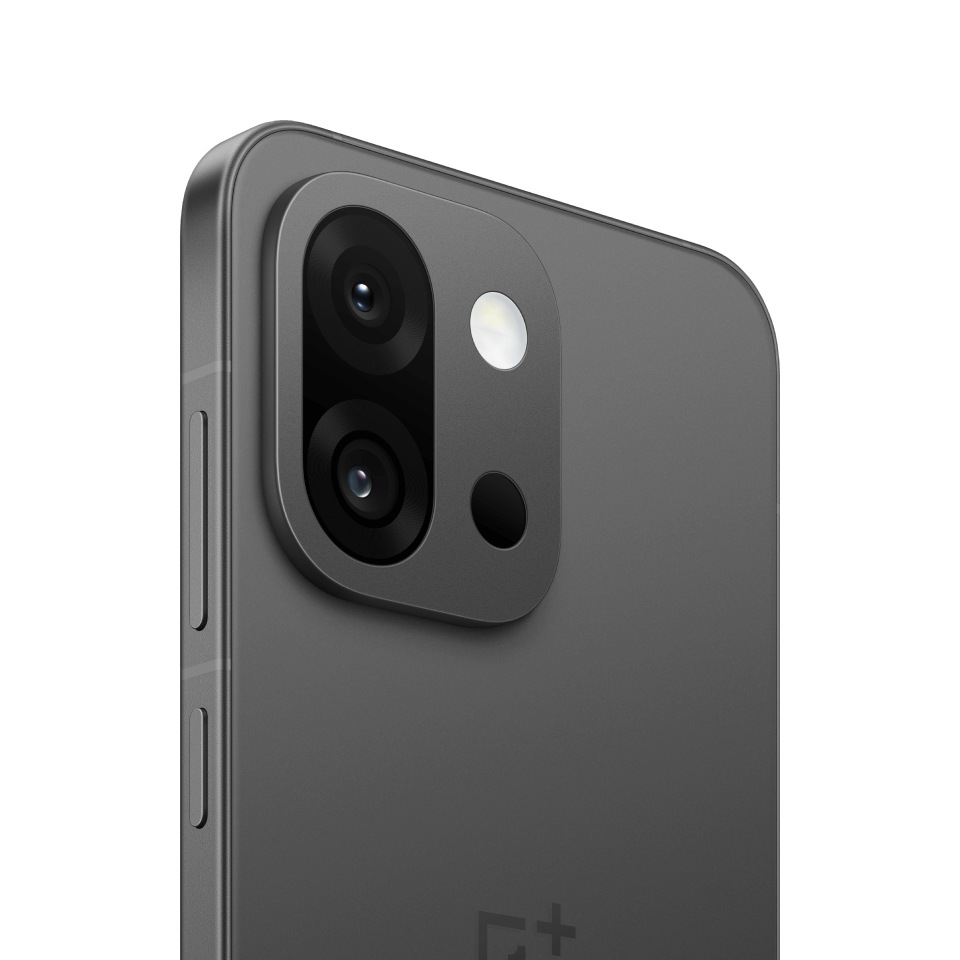
Specifications
- Display
- 6.32" 120Hz ProXDR LTPO display, 2640x1216, 460 ppi, 1-120Hz adaptive, 1,600 nits HBM / 800 nits typical, 100% DCI-P3, 10-bit colour
- Chipset
- Qualcomm Snapdragon 8 Elite (Oryon CPU up to 4.32GHz, Adreno 830)
- RAM
- 12GB
- Storage
- 256GB / 512GB (UFS 4.0)
- Rear Camera
- 50MP main (Sony LYT-700, f/1.8, OIS) + 50MP 2x telephoto (f/2.0)
- Front Camera
- 32MP (f/2.0)
- Battery
- 5,850 mAh, 80W SUPERVOOC wired charging
- OS
- OxygenOS 15.0 based on Android 15
- Dimensions
- 150.8 x 71.7 x 8.2 mm, 185 g
- Memory type
- LPDDR5X RAM, UFS 4.0 storage
- Connectivity
- Wi-Fi 7, Bluetooth 6.0, NFC, dual nano-SIM, USB Type-C
- Biometrics
- In-display optical fingerprint sensor
- Controls
- Plus Key programmable button
- Cooling
- 4,400 mm2 vapor chamber
- Colors
- Green Silk, Black Velvet, Pink Satin
The OnePlus 13s is a compact flagship phone that OnePlus launched in India on 5 June 2025. It pairs a 6.32-inch display with the Snapdragon 8 Elite chip, a 5,850 mAh battery and 80W wired charging, all in a body that weighs 185 grams and is 8.2 millimetres thick. It also introduces the Plus Key, a programmable side button for AI features, the camera and silent mode. This page is based on the published specifications and manufacturer information from OnePlus India, whose pages list prices in rupees only, so no US price is quoted here. The sections below explain where the phone sits, what it offers and what you give up in exchange for the smaller size.
Where it sits in the lineup
OnePlus has spent most of its recent history making large flagships, such as the OnePlus 13 and the OnePlus 15, which are built around big screens and large batteries. The 13s takes the same top-tier chip and aims it at people who find those phones too wide. OnePlus markets it as a small phone with a large battery and describes it as "everything supersized except the size". The name suggests a variant of the OnePlus 13, but it is a different design: a 6.32-inch screen, a smaller body and a camera system with two rear lenses.
Compared with the mid-range line, for example the OnePlus Nord 5, the 13s is clearly a top-tier product because of its chip, its LTPO display and its memory. You can set it next to its larger sibling in our OnePlus 13s versus OnePlus 13 comparison, or look at how other compact flagships fare, such as the OnePlus 13s versus Galaxy S25.
Design and display
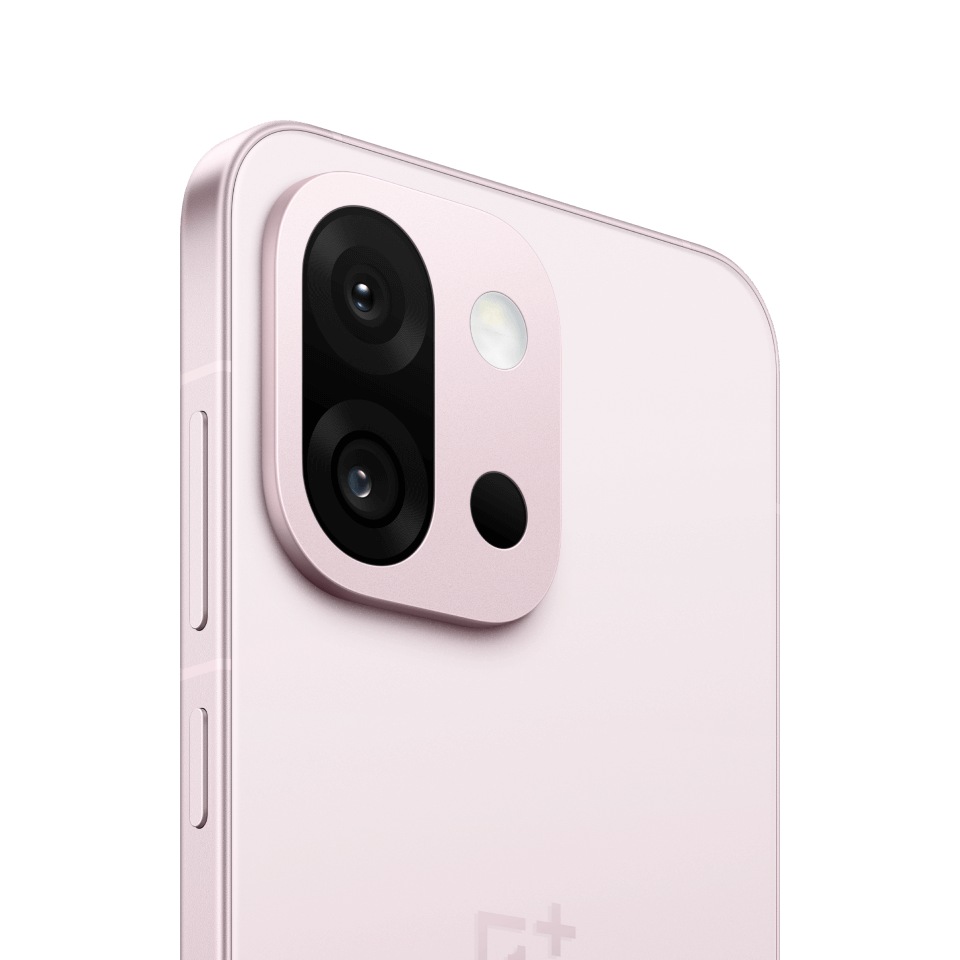
The phone measures 150.8 by 71.7 by 8.2 millimetres and weighs 185 grams, with a CNC aluminium alloy mid-frame. OnePlus offers three colours, Green Silk, Black Velvet and Pink Satin. The company stresses one-handed use and says the weight-to-hand balance was tuned for comfort. The rear camera island is a rounded square that holds the two lenses and the flash.
The display is a 6.32-inch panel at 2640 by 1216 pixels, about 460 pixels per inch, in a 19.54:9 aspect ratio. OnePlus lists it as an LTPO panel with a dynamic refresh rate from 1 to 120 Hz, 100 percent Display P3 coverage and 10-bit colour. Brightness is quoted at 1,600 nits in high-brightness mode and 800 nits normal. Dolby Vision, HDR10+ and HDR Vivid are listed as supported. The resolution is lower than the 1.5K or QHD panels on some larger flagships, but at this screen size the pixel density is high, and the lower pixel count helps the battery. An in-display optical fingerprint sensor handles unlocking.
Two things are missing from the official specification page: a dust and water resistance rating and any mention of wireless charging. Neither is listed, so you should not assume either is present. If an ingress-protection rating matters to you, check it before buying in your market.
Performance and software
The Snapdragon 8 Elite is Qualcomm's top mobile platform of the 2025 generation, with an Oryon CPU that OnePlus lists at up to 4.32 GHz and an Adreno 830 GPU. It comes with 12 GB of LPDDR5X memory and either 256 GB or 512 GB of UFS 4.0 storage. OnePlus cites 45 percent better performance for the CPU, 40 percent higher GPU performance and 27 percent more efficient performance, without naming the reference in its headline figures. Those are manufacturer claims, but the chip is the same family that powers other 2025 flagships, so day-to-day speed and gaming performance should be at the top of the market, with the usual caveat that a small body has less room for sustained heat dissipation.
OnePlus tries to address that with what it calls a 4,400 square millimetre vapour chamber and a cooling structure it describes as more efficient than previous designs. It also notes a self-designed Wi-Fi chip called G1 and an antenna system with 11 antennas, which the company says improves signal in difficult conditions. Wi-Fi 7, Bluetooth 6.0, NFC and dual-band GPS are on the specification list, together with an infrared remote control and an eSIM option subject to carrier support.
The phone runs OxygenOS 15 based on Android 15. The new feature is the Plus Key, which can be used for AI Plus Mind, a tool that saves and organises information such as tickets or schedules, for translation, the camera and silent mode. OnePlus also lists AI Search, Gemini integration and file transfer tools for Mac, Windows and iPhone. Availability of AI features varies by region and language. The software update commitment is not stated on the pages reviewed, so it is not quoted here.
Camera
The rear system has two cameras. The main one is a 50-megapixel Sony LYT-700 sensor with an f/1.8 lens, a 24 mm equivalent focal length, 1.0 micron pixels, optical stabilisation and electronic stabilisation. The second is a 50-megapixel telephoto with a 2x optical zoom, an f/2.0 aperture and electronic stabilisation, built on an S5KJN5 sensor. There is no ultrawide lens, which is the most notable difference from the larger flagships in the OnePlus range. If you often shoot wide group photos or landscapes, that is a real limitation, whereas a 2x telephoto is handy for portraits and street shots.
Video can be recorded at up to 4K at 60 frames per second on the rear cameras, with slow motion at 1080p 240 fps and 720p 480 fps listed. The front camera is a 32-megapixel unit with an f/2.0 aperture and autofocus, capable of 4K at 30 fps. OnePlus lists modes such as Night, Pro, Cinematic, Long Exposure and Dual-view video, and a Clear Burst feature carried over from the OnePlus 13. Without an independent test you should treat picture quality as unproven, but the main sensor choice is in line with other flagships.
Battery and charging
The headline is the 5,850 mAh battery, a single-cell design with a typical capacity of 5,850 mAh and a rated capacity of 5,700 mAh. That is large for a phone of this size and larger than many 6.7-inch phones from a few years ago. Charging is at 80W with SUPERVOOC, and a power adapter and a Type-A to Type-C cable are in the box according to OnePlus. The company says a half-hour charge covers a day of use and claims the best battery life of any compact flagship in its own lab test conducted in April 2025. Battery results always depend on settings and usage, so treat that as a claim rather than a measured outcome. The efficiency of the chip and the 1 to 120 Hz display should help.
Who it is for
The OnePlus 13s is for people who want a fast phone with long battery life but not a huge screen. It is a good fit if you type and browse mostly one-handed, if you want modern wireless standards such as Wi-Fi 7, and if you value a fast charger in the box. People who like a custom button will also enjoy the Plus Key.
Compromises to consider
The missing ultrawide camera is the biggest trade-off, followed by the absence of listed wireless charging and an official water-resistance rating on the pages reviewed. The telephoto lens has electronic rather than optical stabilisation. The resolution is below QHD, which will not matter to most people. Finally, the phone was launched in India, and OnePlus did not publish a US price on the pages reviewed, so availability and warranty terms outside India need to be confirmed. For a broader view of where it stands among its peers, see the rankings page.
Where it ranks
Compare OnePlus 13s with similar devices
More from OnePlus
Frequently asked questions
When was the OnePlus 13s released?
The OnePlus 13s was released on 2025-06-05, according to the manufacturer’s published information.
What are the main specs of the OnePlus 13s?
Headline figures for the OnePlus 13s: Battery: 5,850 mAh, Refresh rate: 120 Hz, Main camera: 50 MP, RAM: 12 GB. The full specification table is further up this page.
Is the OnePlus 13s worth buying?
That depends on your priorities. Use the editorial review on this page for our view, check the rankings above to see where the device stands on battery, display and camera, and compare it directly with similar models before you decide.


